The best road cycling routes around Cologno Monzese
4.2
(1747)
28,338
riders
30
rides
Road cycling around Cologno Monzese offers access to a network of green spaces and canal paths within the Metropolitan City of Milan. The terrain is generally flat around the urban areas, transitioning to rolling hills and elevations as routes extend towards the Brianza area and the pre-Alps. Cyclists can explore historic waterways like the Martesana Canal and larger urban parks such as Parco Nord Milano. The region's location provides a gateway to more challenging routes with significant elevation gains in…
Last updated: May 15, 2026
4.0
(5)
158
riders
50.7km
02:15
320m
320m
Moderate road ride. Good fitness required. Some segments of this route may be unpaved and difficult to ride.
4.5
(2)
141
riders
125km
06:03
1,650m
1,650m
Hard road ride. Very good fitness required. Mostly well-paved surfaces and easy to ride.

Sign up for free
3.8
(5)
79
riders
69.4km
02:58
470m
470m
Moderate road ride. Good fitness required. Mostly well-paved surfaces and easy to ride.
4.6
(5)
76
riders
Moderate road ride. Good fitness required. Mostly well-paved surfaces and easy to ride.
4.7
(98)
1,047
riders
Easy road ride. Great for any fitness level. Mostly well-paved surfaces and easy to ride.
Get access to more routes and recommendations from other explorers.
Sign up for free
Already have an account?
Our route recommendations are based on thousands of hikes, rides, and runs completed by other people on komoot.
Start today with a free account
Your next adventure awaits.
Login or Signup

Tips from the Community

The Cascata della Vallategna is a spectacular waterfall of about 30 meters located on the geographical border between the municipalities of Asso and Canzo, in the province of Como. This natural attraction represents a famous symbolic border, as it separates the end of the hilly Brianza from the beginning of the mountainous area of Vallassina.
0
0
The Monticello fountain (located in Monticello Brianza, in the province of Lecco) is one of the most famous and frequented rest and water supply points for cyclists and walkers from all over Brianza and Lombardy.
0
0
The complex of the Church of Saints Peter and Paul and the former Benedictine Monastery of Brugora is a Romanesque jewel from the 12th century located in Montesiro, a hamlet of Besana in Brianza (MB). Founded in 1102, it features a stone facade with valuable sculptures and houses a 16th-century Last Supper inside.
0
0

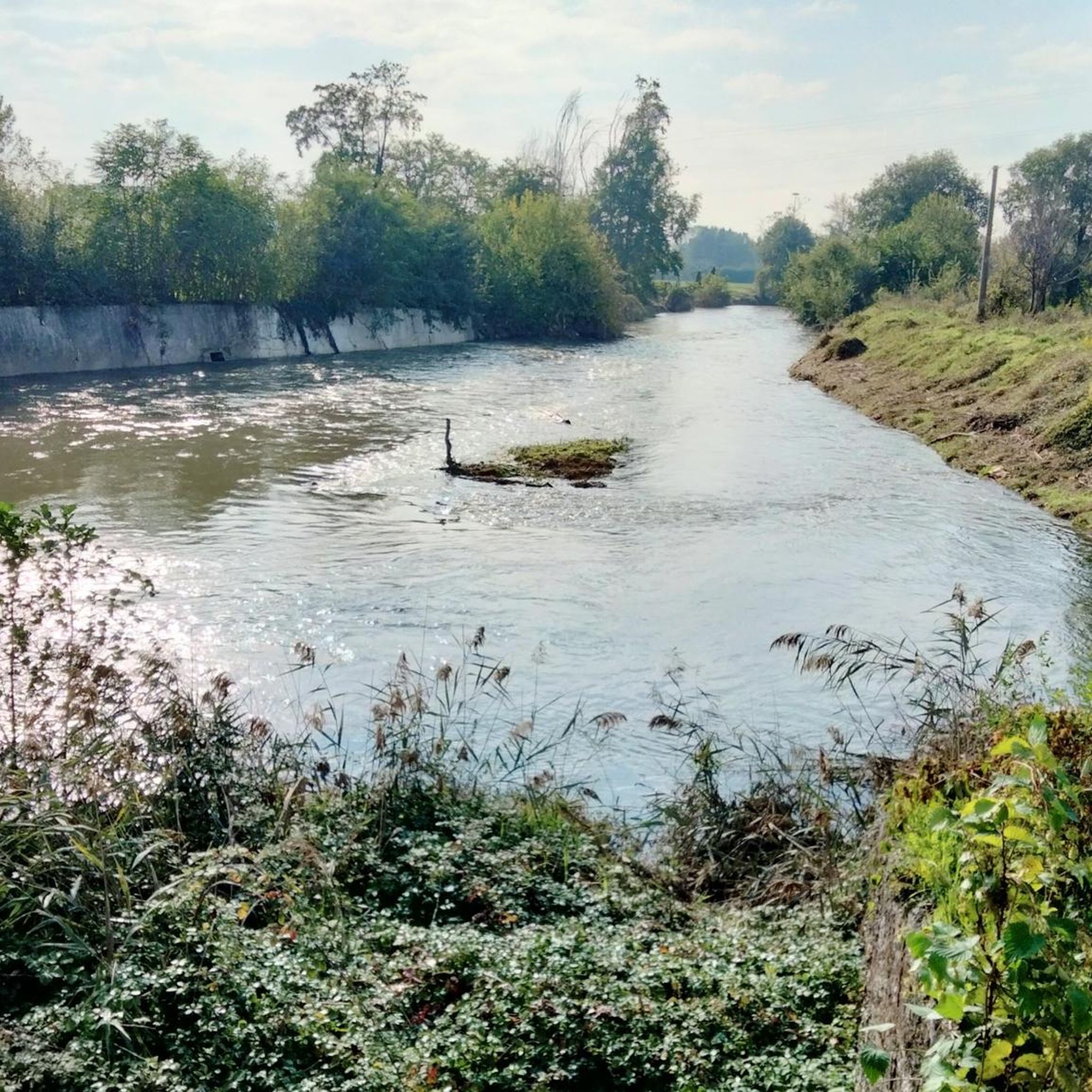
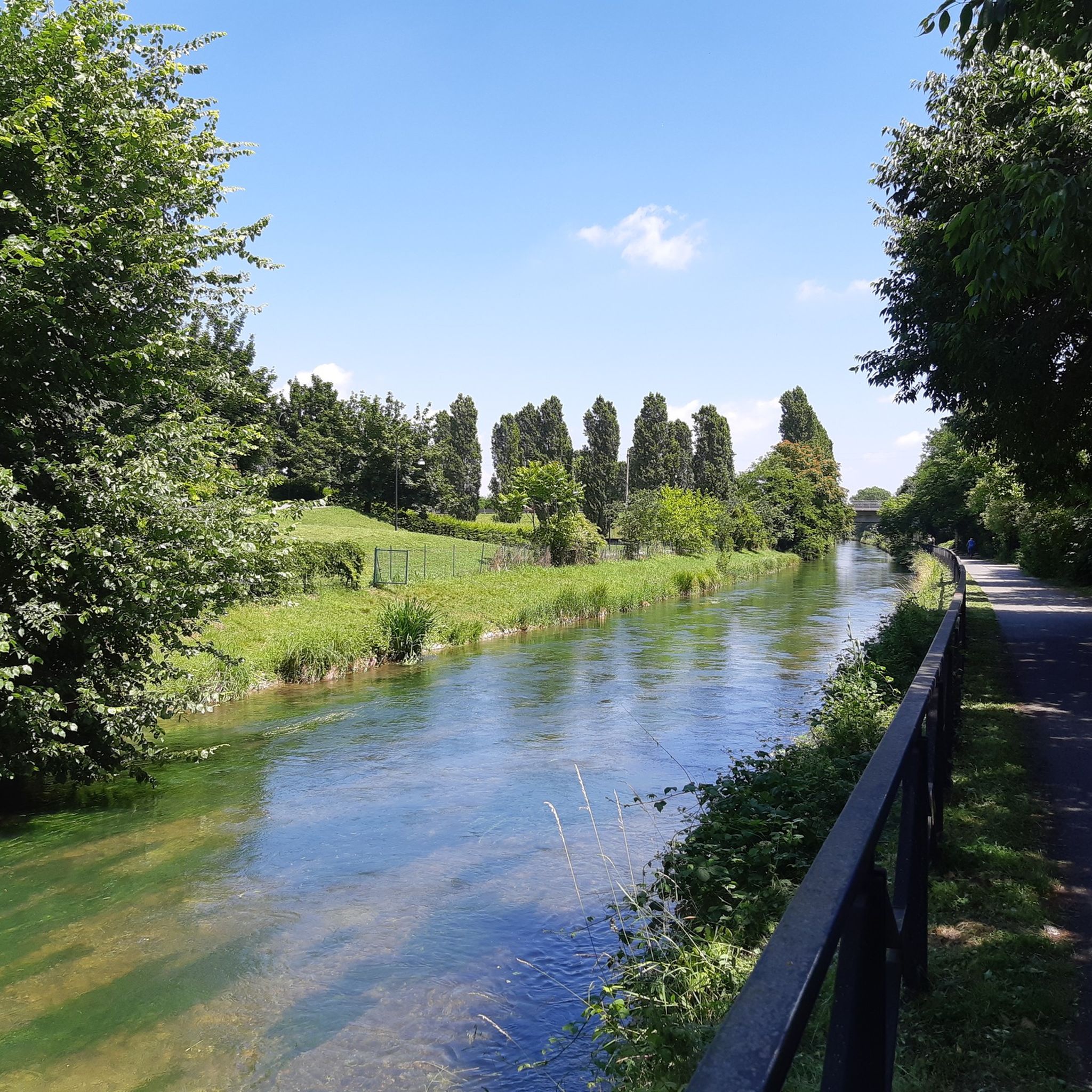
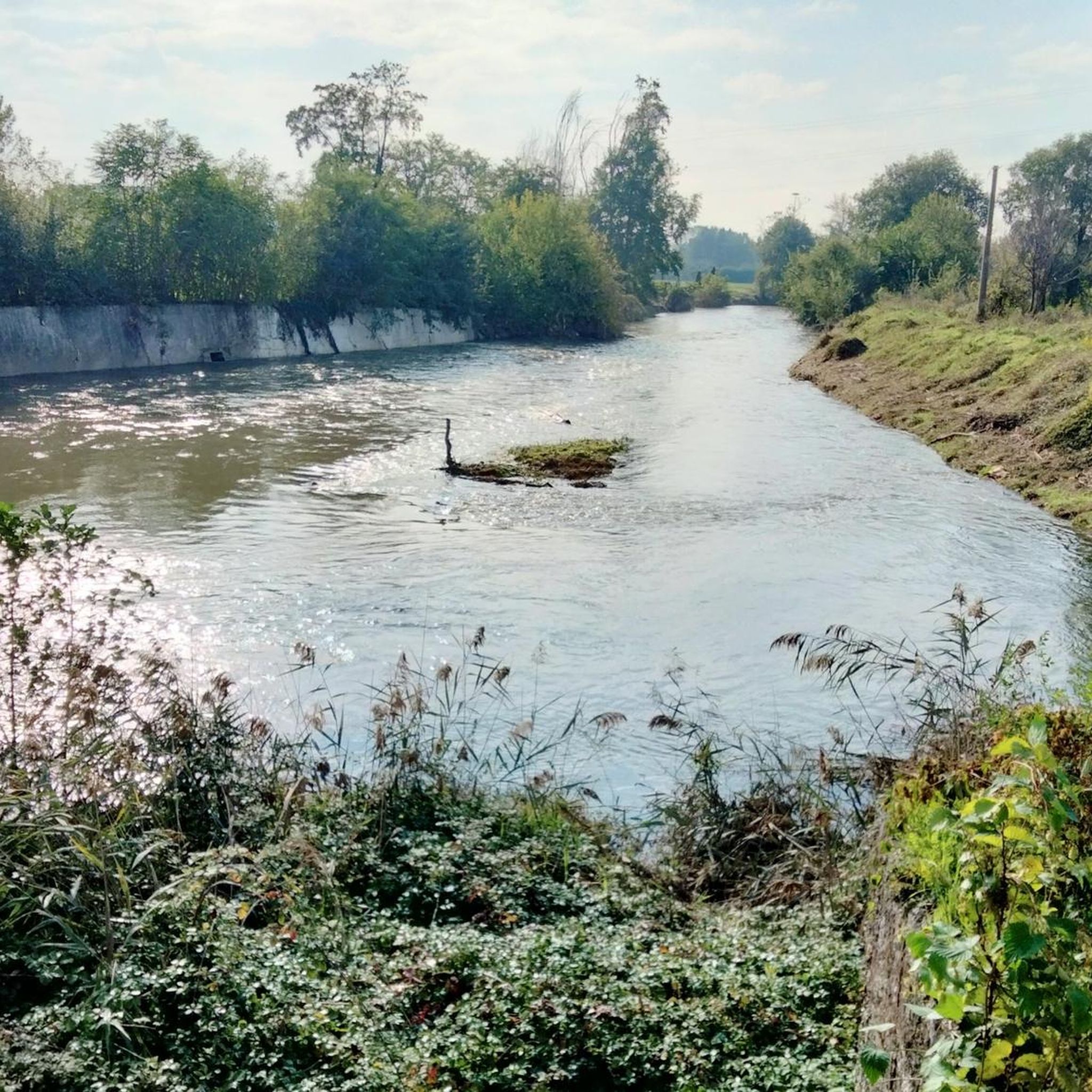
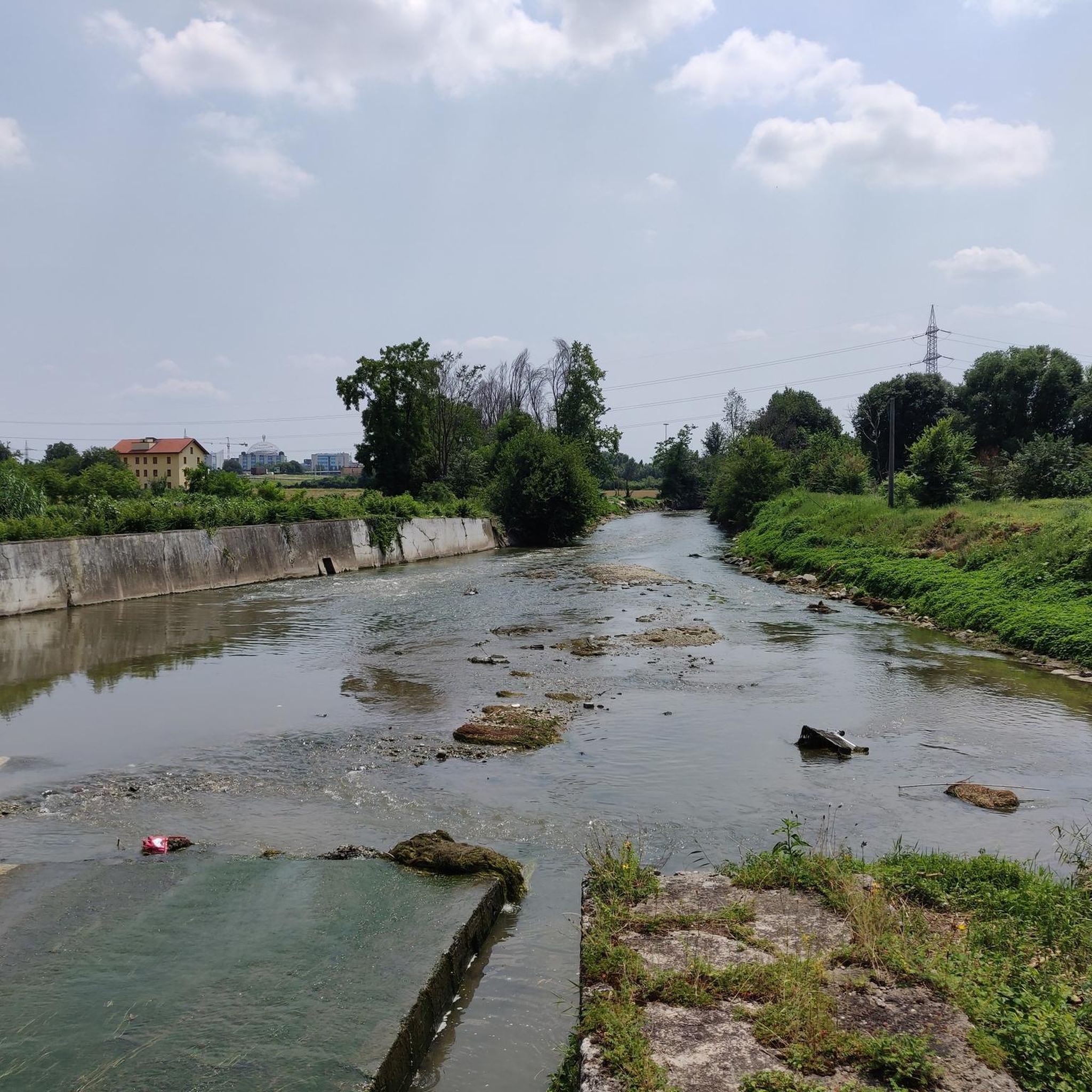
The Naviglio della Martesana is perhaps the least known among the ancient artificial canals that connect Milan to the great Lombard rivers. It originates from the Adda river in Concesa, a hamlet of Trezzo d’Adda, crosses the sub-region of Martesana, northeast of the provincial capital, and once in the city, it goes underground beneath via Melchiorre Gioia, near Cassina de’ Pomm. It measures approximately 38 km in length, with a width varying from 9 to 18 meters. However, in the past, the Naviglio della Martesana continued in the open air all the way to the center, where a system of locks centered on the Conca dell’Incoronata connected it to the short Naviglio di S. Marco and the urban network of the Navigli. The lock was inaugurated in 1496, utilizing lock gates designed by Leonardo da Vinci. The canal had been opened in 1471, under Francesco Sforza. By connecting it to the other Navigli, Leonardo laid the foundations for realizing a dream of the Sforza family: to travel by water from the Ticino river, and therefore from Lake Maggiore, to the Adda river.
1
0
Naviglio della Martesana is perhaps the least known of the ancient artificial canals connecting Milan to the great Lombard rivers. It originates from the Adda in Concesa, a hamlet of Trezzo d’Adda, crosses the Martesana sub-region, northeast of the provincial capital, and once in the city, it plunges underground beneath Via Melchiorre Gioia, at the height of Cassina de’ Pomm. It measures approximately 38 km in length, with a width varying from 9 to 18 meters. However, once upon a time, the Naviglio della Martesana continued in the open air all the way to the center, where a lock system centered on the Conca dell’Incoronata connected it to the short Naviglio di S. Marco and the urban network of the Navigli. The lock was inaugurated in 1496, utilizing lock gates designed by Leonardo da Vinci. The canal had been opened in 1471, under Francesco Sforza. By connecting it to the other Navigli, Leonardo laid the foundations for realizing a dream of the Sforzas: to travel by water from the Ticino, and therefore from Lake Maggiore, all the way to the Adda.
1
0
The Naviglio della Martesana, initially known as Naviglio Piccolo, is one of the Milanese canals that connects Milan with the course of the Adda river through the municipalities of Martesana. Commissioned in the 15th century by Francesco Sforza, it was used for irrigating the countryside but also represented the ambitious project of connecting Milan with Lake Como and thus with the Alps and Ticino. The Naviglio della Martesana is a place rich in history and beauty, a heritage for everyone that, however, today is still little known and protected. Along the Naviglio runs a rather busy cycle path, which allows you to admire the landscape and cultural beauties, such as the rich flora, fauna, or the numerous historic villas, including the Renaissance Villa Melzi d’Eril in Vaprio d’Adda.
1
0
The Naviglio Martesana cycle path is a cycle-pedestrian route of about 30-35 km that connects Milan (Cassina de' Pomm/via Melchiorre Gioia area) to Trezzo sull'Adda, running alongside the canal of the same name. It is a predominantly asphalted, flat, easy route suitable for everyone, which crosses parks, rural areas, and historic noble villas from the 17th-18th centuries.
1
0

A valuable 17th-century monument of Lombard Baroque, but also a bulwark that rises in a panoramic position overlooking the Adda Valley in Imbersago, in the province of Lecco. A perfect blend of religious devotion, commemoration of a mystical past, and immersion in lush nature, a symbol of vitality and timeless beauty. The history of the Sanctuary of Imbersago is rooted in a past of apparitions and miraculous events. It all began on May 9, 1617, when three shepherds who were grazing their flock in the woods saw a celestial figure among dazzling lights and harmonious melodies on the three large chestnut trees that stood around the Sorgente del Lupo (so named for the animals that roamed there). At that point, Pietro, one of the children, with great wonder, spotted and picked up a ripe hedgehog, an unlikely event in the middle of spring. And for all the people, this represented the prodigious sign that the Blessed Virgin wished to be honored in that very place. From here, from this miraculous vision, began the devotion to the Madonna del Bosco, also known as Madonna del Riccio, referring precisely to the miracle just narrated, or Madonna dei Miracoli di Imbersago.
1
0
Frequently Asked Questions
How many road cycling routes are available around Cologno Monzese?
There are over 25 road cycling routes around Cologno Monzese, catering to various skill levels. These include easy, moderate, and challenging options, allowing you to explore the region's diverse landscapes.
What kind of terrain can I expect when road cycling near Cologno Monzese?
Around the urban areas of Cologno Monzese, the terrain is generally flat, especially along the canal paths. As you extend towards the Brianza area and the pre-Alps, you'll encounter rolling hills and more significant elevations, offering varied challenges for road cyclists.
Are there any easy road cycling routes suitable for beginners in Cologno Monzese?
Yes, Cologno Monzese offers 10 easy road cycling routes. These often follow the historic canal paths, such as sections of the Martesana Canal, providing a pleasant and accessible experience for those new to road cycling or looking for a relaxed ride.
Where can I find more challenging road cycling routes with significant elevation gains?
For more challenging rides, consider routes that venture towards the Brianza area or the broader Lombardy region's lakes and mountains. An example is the Lake Segrino – Lake Segrino loop from Cologno Nord, which is a difficult route with substantial elevation gain, offering a demanding experience for advanced cyclists.
What are some scenic natural features or landmarks I can see along the routes?
Road cycling routes around Cologno Monzese offer access to several scenic spots. You can explore the historic Martesana Canal, ride through large urban green spaces like Parco Nord Milano, and pass by tranquil areas such as Niguarda Lake. The Idroscalo of Milan, a former seaplane base, also offers recreational activities and additional cycle paths.
Are there any circular road cycling routes available?
Yes, many of the road cycling routes around Cologno Monzese are designed as loops, allowing you to start and finish at the same point. Examples include the Martesana Canal Towpath loop from Cologno Centro and the Gerno Climb – Villa Greppi and Historic Park loop from Cologno Nord.
What do other cyclists say about road cycling in Cologno Monzese?
The road cycling routes in Cologno Monzese are highly rated by the komoot community, with an average score of 3.9 stars from over 120 reviews. Cyclists often praise the blend of historic canal paths, accessible urban green spaces, and the proximity to more challenging terrain with distant mountain views.
Can I access road cycling routes using public transport in Cologno Monzese?
Cologno Monzese is well-connected within the Metropolitan City of Milan, making it accessible by public transport. Many routes, especially those starting from 'Cologno Centro' or 'Cologno Nord', are conveniently located near public transport hubs, allowing for easy access to the starting points of your rides.
Are there family-friendly road cycling options in the area?
While dedicated road cycling can be intense, the flatter sections along the Martesana Canal Cycle Path and within urban parks like Parco Nord Milano offer more relaxed, paved surfaces that can be suitable for families with older children or those looking for a leisurely ride. Always check the route details for specific difficulty and terrain.
What is the best time of year for road cycling in Cologno Monzese?
The spring and autumn months generally offer the most pleasant conditions for road cycling in Cologno Monzese, with mild temperatures and less rainfall. Summer can be warm, especially in urban areas, while winter may bring colder temperatures and occasional precipitation, making early morning or late afternoon rides more comfortable during warmer periods.
Are there any routes that offer views of the Grigna Mountains?
Yes, some routes provide distant views of the Grigna Mountains, particularly as you venture north from Cologno Monzese. The View of the Grigna Mountains loop from Cologno Nord is specifically designed to offer these scenic vistas, combining varied terrain with picturesque backdrops.
Are there any historical parks or villas along the cycling routes?
Absolutely. Routes like the Gerno Climb – Villa Greppi and Historic Park loop from Cologno Nord take you through historic parkland and past notable villas, offering a cultural dimension to your road cycling experience. The Brianza area, in particular, is rich in historical significance and beautiful estates.
Most popular routes around Cologno Monzese
Most popular attractions around Cologno Monzese

Get inspired with the komoot mobile app


Explore more
Browse the best Road cycling routes in other regions.
