The best cycling routes around Theresienfeld
4.6
(3252)
16,382
riders
513
rides
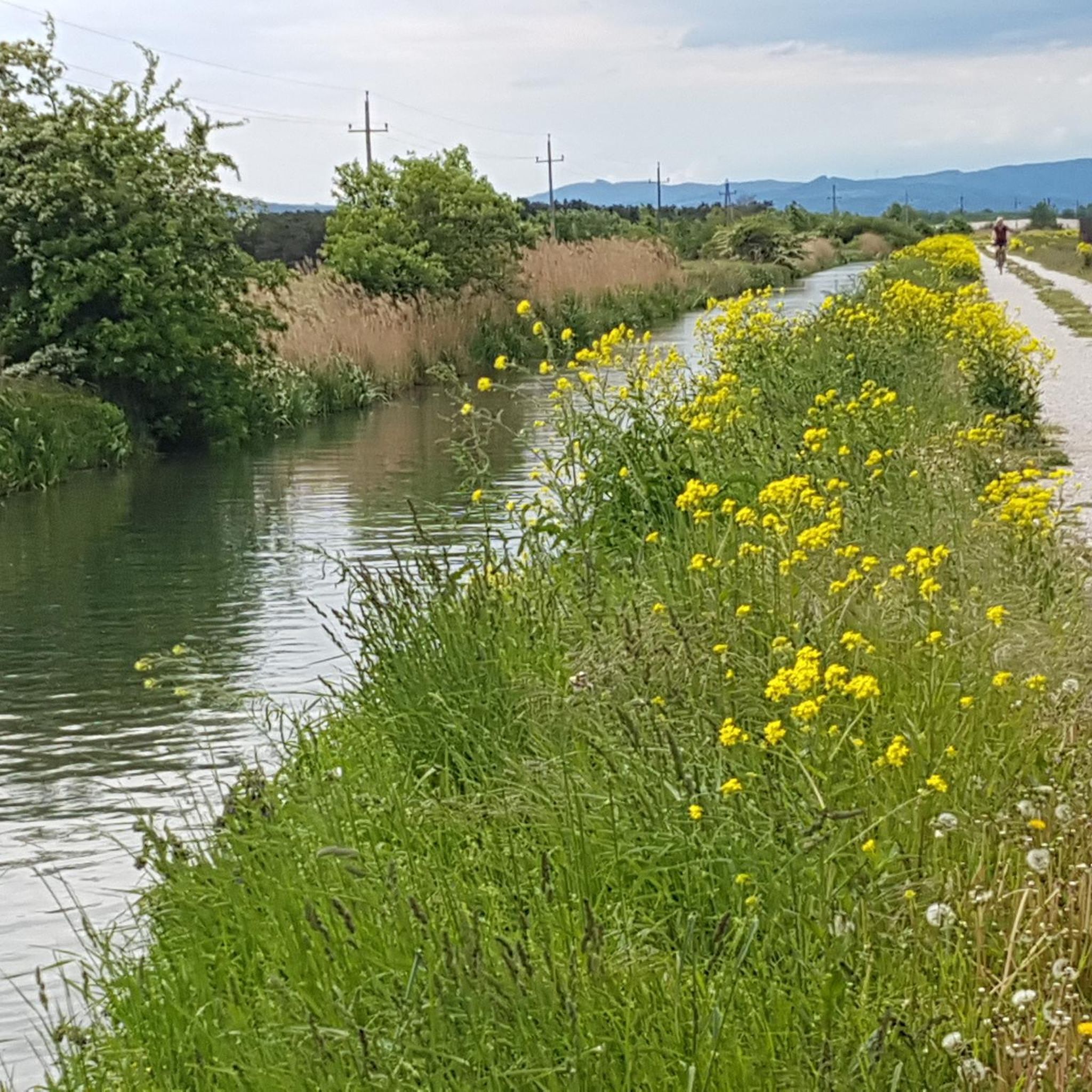
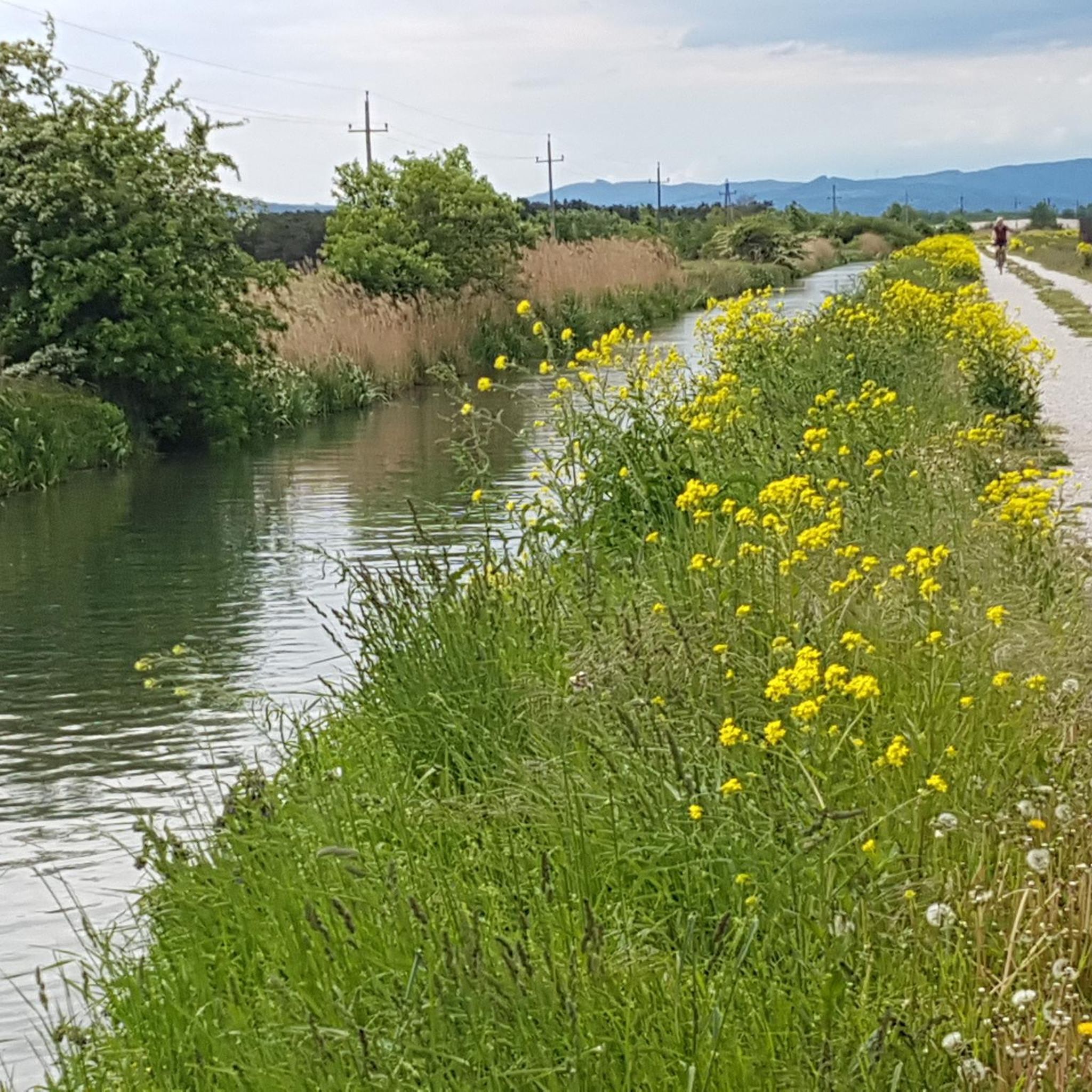
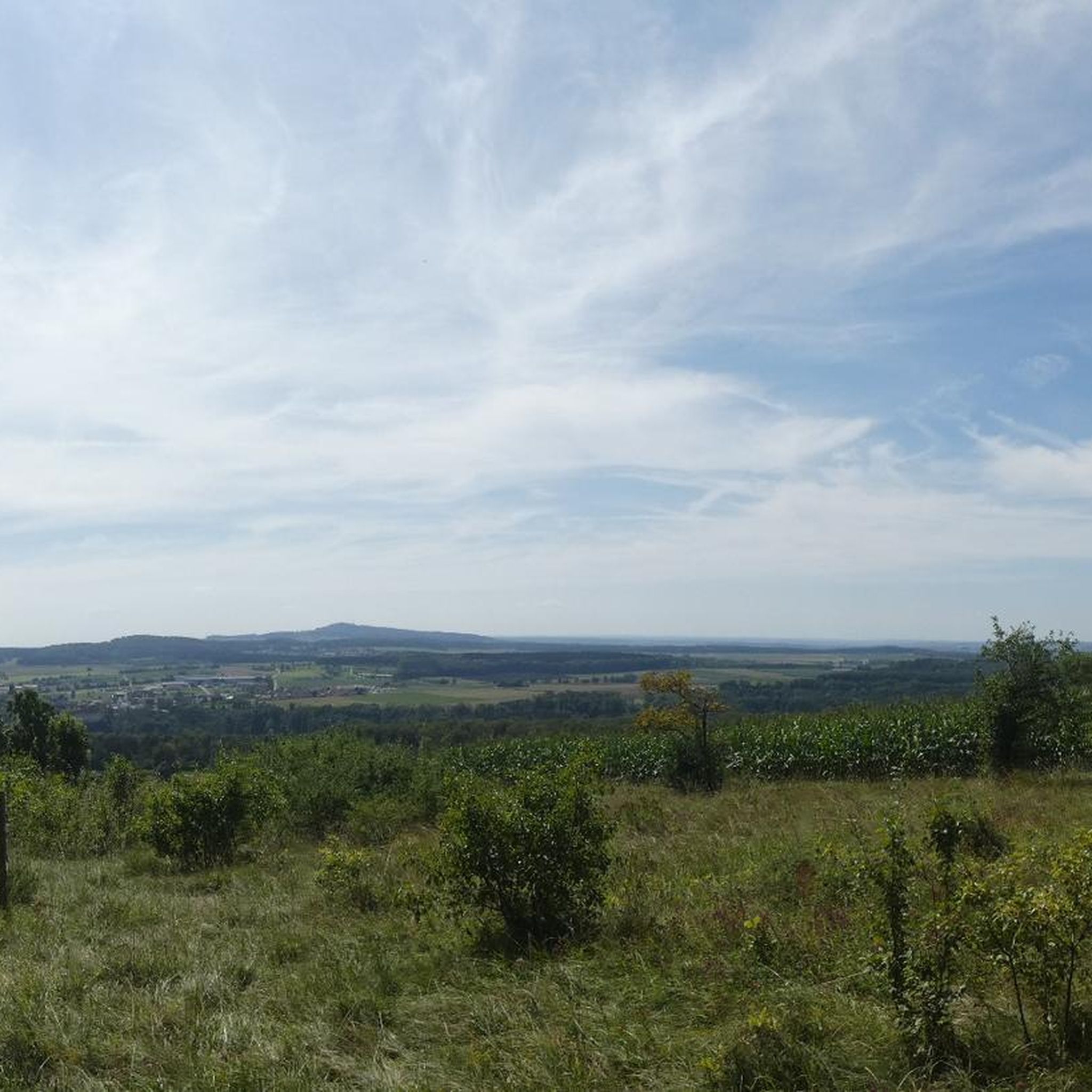
Touring cycling around Theresienfeld is characterized by its largely flat terrain, making it suitable for comfortable rides. The region offers access to the scenic Lower Austrian countryside, with routes often passing through open fields and quaint local houses. Many routes incorporate the Wiener Neustädter Canal, providing a waterside element to the cycling experience. The area's peaceful suburban atmosphere connects natural beauty with historical sites via well-suited cycling paths.
Best touring cycling routes around Theresienfeld
- The most popular touring cycling route…
Last updated: October 8, 2026
5.0
(1)
25
riders
29.5km
02:25
310m
310m
Hard bike ride. Good fitness required. You may need to push your bike for some segments of this route.
4.3
(3)
8
riders
26.1km
01:31
60m
60m
Easy bike ride. Great for any fitness level. Mostly paved surfaces. Suitable for all skill levels.

5.0
(2)
13
riders
Easy bike ride. Great for any fitness level. Mostly paved surfaces. Suitable for all skill levels.
3.0
(1)
18
riders
Hard bike ride. Great for any fitness level. You may need to push your bike for some segments of this route.
4.5
(8)
10
riders
Easy bike ride. Great for any fitness level. Mostly paved surfaces. Suitable for all skill levels.
Get access to more routes and recommendations from other explorers.
Already have an account?
Our route recommendations are based on thousands of hikes, rides, and runs completed by other people on komoot.
Start today with a free account
Your next adventure awaits.
Tips from the Community

The casemates in Wiener Neustadt are a defense structure of European significance, protected as a monument, whose origins date back to the city's founding in the late 12th century. After previous uses, including as an armory, beer depot, and event venue, the historic masonry has been extensively revitalized. Today, this architectural gem, along with the modern Neue Bastei, serves as a multifunctional center for culture, congresses, and social events.
1
0
In Sollenau, the club MRC-Frühwirth operates the well-known model racing track, also known as the „Niederösterreich-Ring“. This facility offers several varied and challenging track layouts for remote-controlled car models. In addition to regular training and club operations, major international events such as European Championships have already been held on the premises.
1
0
The Wöllersdorf parish church was originally built in 1335 as a Gothic chapel. In the 18th century, the then owner of the local copperworks had the house of worship expanded in the Baroque style. After extensive exterior repairs in 2002 and 2003, a new people's altar made of regional limestone was integrated during later redesigns, among other things.
1
0
The "Schlössl" in Wöllersdorf, built as a manor house around the turn of the 18th century and later expanded in a castle-like manner, once served as a production site for silver and copper coin plates. After being acquired by the municipality in 1998, the building was extensively renovated and extended with a modern annex. Today, the historic estate houses municipal apartments, the local library, event rooms, and a small museum.
1
0
The Höhlturm in Wöllersdorf is a widely visible, historic defensive structure from the 15th century, whose name goes back to the natural cave directly behind it. The round tower, renovated in 1994 and freely accessible, is a listed building and even adorns the market town's coat of arms today. The late medieval ruin features wedge masonry, embrasures, and a machicolation and is a popular destination.
1
0
The monument was designed by the renowned sculptor Anton Grath and unveiled in December 1928 on the occasion of the town's anniversary. The bronze statue depicts the Austrian Empress in a rare, upright pose on a granite pedestal. With this monument located in the town, the residents express their deep connection and gratitude towards the historical founder of the town.
1
0
The historic west wall forms part of the quadrangular city fortifications of Wiener Neustadt, founded in the late 12th century. Along this section, well-preserved historic structures such as the Rabenturm still bear witness to the complex's former defensive strength. Furthermore, various historical elements, such as old memorial stones, have been integrated into this part of the wall over time.
2
0
The Wiener Neustadt Canal, opened in 1803, was originally built as an artificial waterway for transporting wood, bricks, and coal towards Vienna. With the advent of the railway, historical shipping rapidly lost importance in the 19th century, leading to the abandonment of large parts of the once continuous network. Today, the preserved sections primarily serve as valuable industrial monuments, popular cycling paths, and cherished local recreation areas in the Lower Austrian region.
1
0
Frequently Asked Questions
How many touring cycling routes are available around Theresienfeld?
There are over 500 touring cycling routes in the Theresienfeld area, offering a wide variety of options for different preferences and skill levels. This includes over 260 easy routes, 140 moderate routes, and 140 difficult routes.
Are there touring cycling routes suitable for beginners or those looking for an easy ride?
Yes, Theresienfeld's largely flat terrain makes it ideal for comfortable, easy rides. There are over 260 easy touring cycling routes available. A good option for a relaxed ride is the Wiener Neustädter Canal – Warning: Live Firing Area loop from Felixdorf, which is just under 11 km long and features minimal elevation gain.
What kind of landscapes can I expect to see while cycling around Theresienfeld?
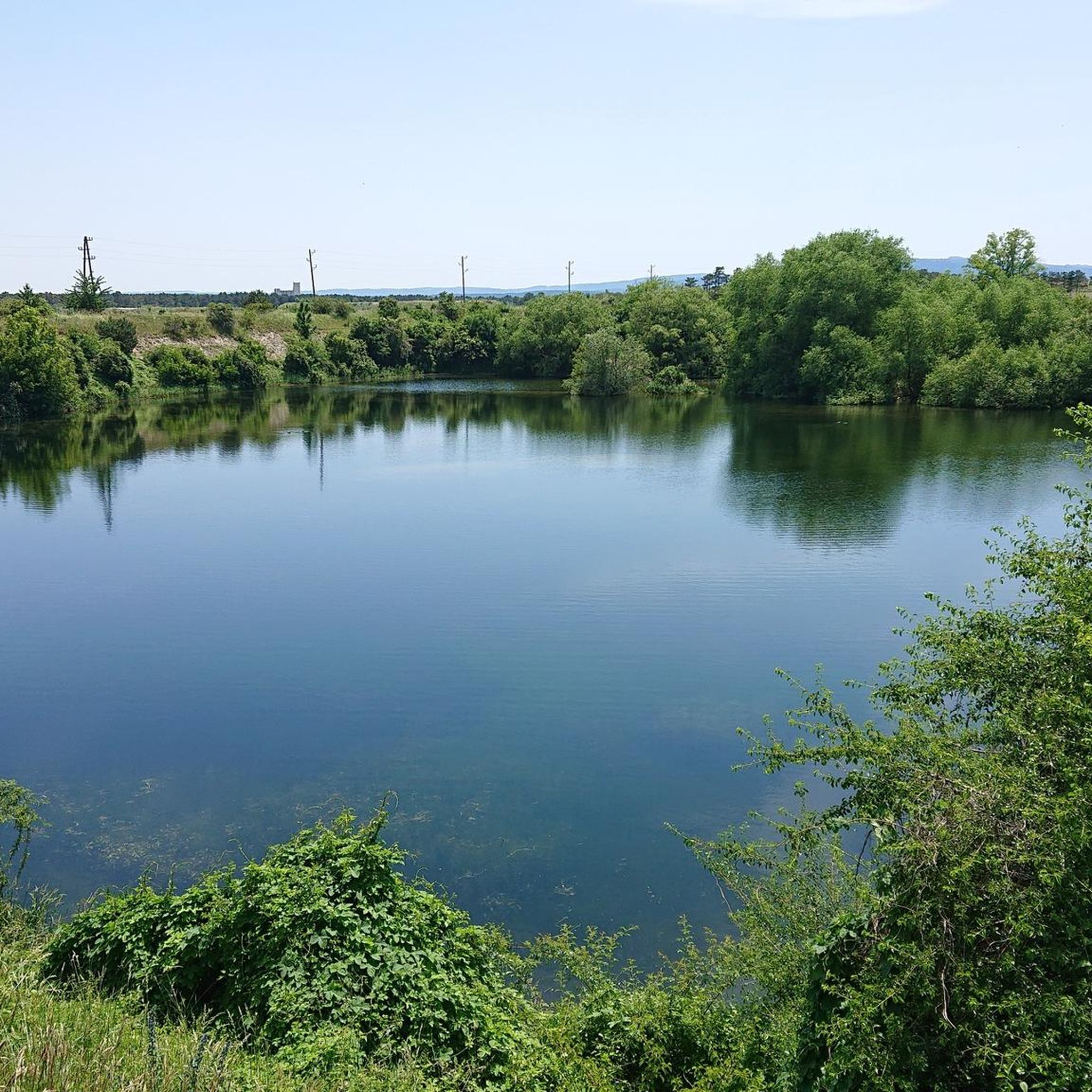
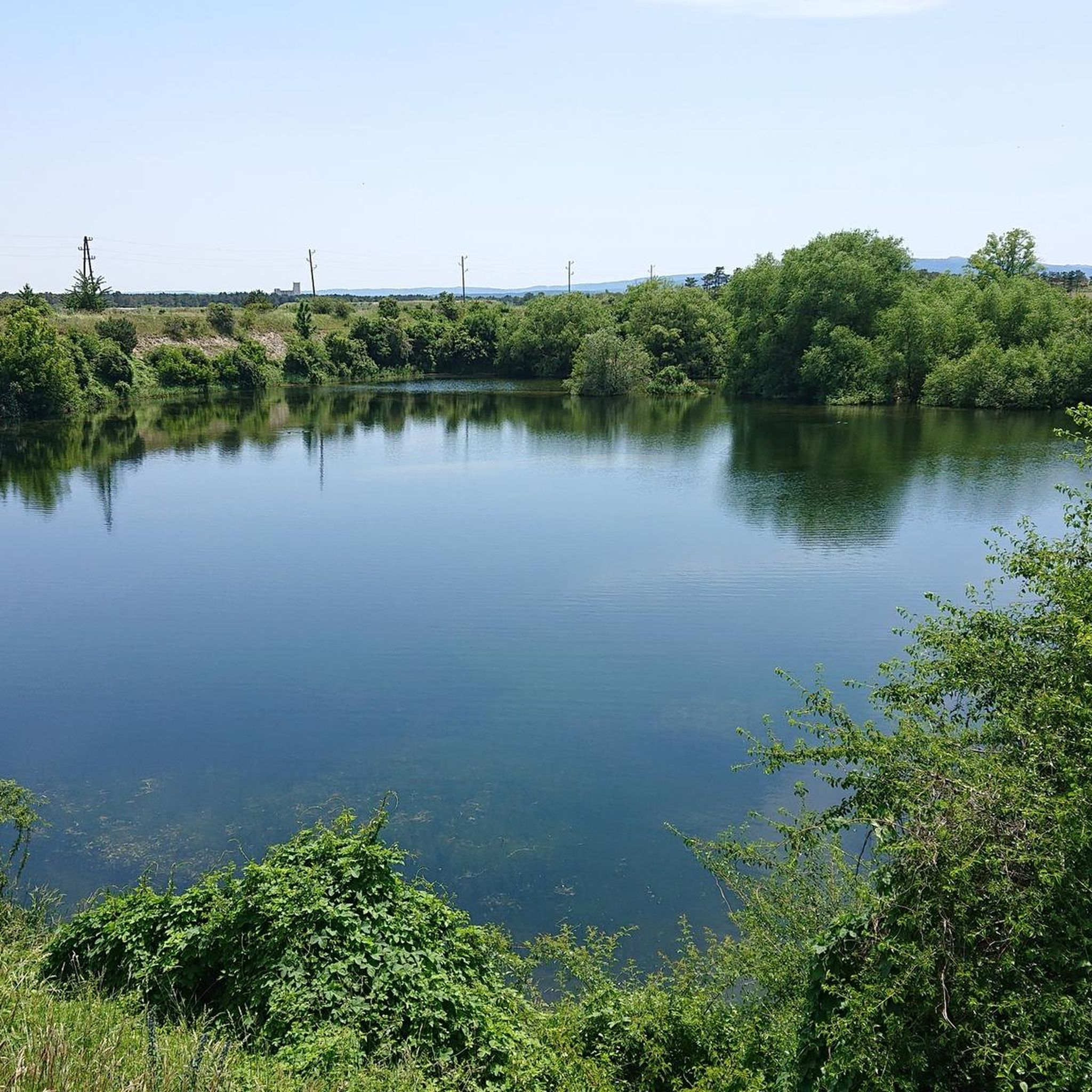
You'll primarily experience the picturesque Lower Austrian countryside, characterized by flat terrain, open fields, and quaint local houses. Many routes also incorporate the scenic Wiener Neustädter Canal, providing a pleasant waterside element to your ride. The broader region can also feature charming villages and streams.
Are there any circular touring cycling routes in the Theresienfeld area?
Yes, many of the touring cycling routes around Theresienfeld are designed as loops. For example, the Wiener Neustädter Canal loop from Felixdorf offers an easy 10.7 km circular ride along the canal.
What are some interesting places or landmarks to see along the touring cycling routes?
The routes often pass by historical and natural points of interest. You can cycle along the Wiener Neustädter Canal, cross the Triesting–Wiener Neustädter Canal Crossing, or explore nearby castles like Kottingbrunn Castle or Pottendorf Castle. The historic city of Wiener Neustadt, with its medieval fortifications, is also easily accessible by bike.
What do other touring cyclists enjoy most about cycling in Theresienfeld?
The area is highly rated by the komoot community, with an average score of 4.6 stars from over 2700 reviews. Cyclists often praise the peaceful suburban atmosphere, the flat and comfortable terrain, and the well-maintained paths that connect natural beauty with historical sites.
Is Theresienfeld a good destination for family-friendly touring cycling?
Absolutely. The predominantly flat terrain and numerous easy routes make Theresienfeld an excellent choice for family cycling. The quiet roads and dedicated cycleways provide a safe and enjoyable environment for riders of all ages.
Are there options for parking near the touring cycling routes in Theresienfeld?
While specific parking areas are not detailed for every route, Theresienfeld's suburban nature generally offers accessible parking options within the town or near popular starting points for cycling routes. Many routes are designed as loops, allowing you to start and end at the same location.
Can I reach the touring cycling routes using public transport with my bike?
Theresienfeld is connected by public transport, and bike carriage policies vary by operator and time. It's advisable to check with local public transport providers (e.g., ÖBB for trains) regarding their specific rules and restrictions for taking bicycles on board to ensure a smooth journey to your starting point.
Are there any cafes or places to stop for refreshments along the touring cycling routes?
Yes, routes often pass through small villages where you can find local cafes. Additionally, the Boathouse on the Wiener Neustädter Canal is a specific highlight that serves as a cafe, offering a pleasant stop during your ride.
What is the best time of year for touring cycling in Theresienfeld?
The spring and autumn months generally offer the most pleasant conditions for touring cycling in Theresienfeld, with mild temperatures and beautiful scenery. Summer can also be enjoyable, but it's wise to plan rides for cooler parts of the day to avoid the midday heat.
Are there any routes that explore the Piesting River?
Yes, the Wöllersdorf Village Church – Piesting Riverside Path loop from Theresienfeld is an easy 20.8 km trail that leads through small villages and alongside the Piesting River, offering a varied and enjoyable touring experience.
Most popular routes around Theresienfeld
Most popular attractions around Theresienfeld

Get inspired with the komoot mobile app


Explore more
Browse the best Cycling routes in other regions.
