Attractions and Places To See around Segusino - Top 20
Best attractions and places to see around Segusino include a blend of natural landscapes, historical sites, and cultural experiences. Situated between the Piave River and the Venetian Prealps in the province of Treviso, Italy, the area offers diverse terrain. It features significant historical landmarks, picturesque villages, and natural attractions, making it suitable for outdoor enthusiasts.
Best attractions and places to see around Segusino
- The most popular attractions is Hairpin Bends of Castelli di Monfumo, a trail that offers scenic…
Last updated: May 26, 2026
Guglielmo Marconi Square, Valdobbiadene
Highlight • Settlement
Translated by Google •
Tip by

Canovian Temple
Highlight • Religious Site
It is such a beautiful place that it deserves all the strenuous climbs to do to reach it.
Translated by Google •
Tip by

Sign up now to discover places like this
Get recommendations on the best single tracks, peaks, & plenty of other exciting outdoor places.
Sign up for free
Hairpin Bends of Castelli di Monfumo
Highlight • Trail
Translated by Google •
Tip by

Gor della Cuna Waterfall
Highlight • Waterfall
Translated by Google •
Tip by

Santo Stefano di Valdobbiadene
Highlight • Settlement
Translated by Google •
Tip by

Sign up for free to discover even more attractions around Segusino.
Sign up for free
Already have an account?
Start today with a free account
Your next adventure awaits.
Login or Signup
Tips from the Community

In the heart of the Prosecco Superiore DOCG hills, declared a UNESCO World Heritage site, Santo Stefano di Valdobbiadene represents the purest essence of heroic viticulture. This village is surrounded by a natural amphitheatre of very steep vineyards, where human labour has blended for centuries with a landscape shaped by the characteristic "ciglioni", the grassy terraces that follow the curves of the land. The hamlet is famous for being an integral part of the prestigious Cartizze area, a small patch of land of only 107 hectares where the sun exposure and soil composition gift the most prized bubbles of the denomination. Strolling among historic cellars and belvedere points, you breathe in an authentic hospitality linked to the wine culture. Among the most curious and beloved places stands out the Osteria senz’Oste, a rustic farmhouse where visitors can refresh themselves in complete autonomy, celebrating an indissoluble bond between territory, trust, and peasant conviviality.
0
0

We couldn't find the cottage because there was a roadblock. Which was a real shame for the children, who, in their complete fantasy, suddenly had to walk on the asphalt in the blazing sun. Such a shame. Because the road from the beginning to the 2.5 kilometers is a dream.
0
1

It's wonderful to glide through the vineyards like this!🤗
1
0

Marvellous view on Cartizze hills, where grapes are used to create the prestigious Prosecco DOCG Premium
3
0

Piazza Guglielmo Marconi is the main square of Valdobbiadene. This is where social life comes together. Enjoy the daily happenings on the cozy terraces.
6
0

Native of Possagno, Antonio Canova decided to renovate the old parish church at the urging of his fellow villagers: on 11 July 1818 the first stone of what would become one of his greatest works was laid. (Canova, however, did not have time to see the completed Temple: he died eight years before the end of the works, in 1822).
1
1

A beautiful route, little traffic.
2
0
Very beautiful and evocative tour but interrupted by a landslide which prevents the circular tour!
4
0
Frequently Asked Questions
What natural attractions can I explore around Segusino?
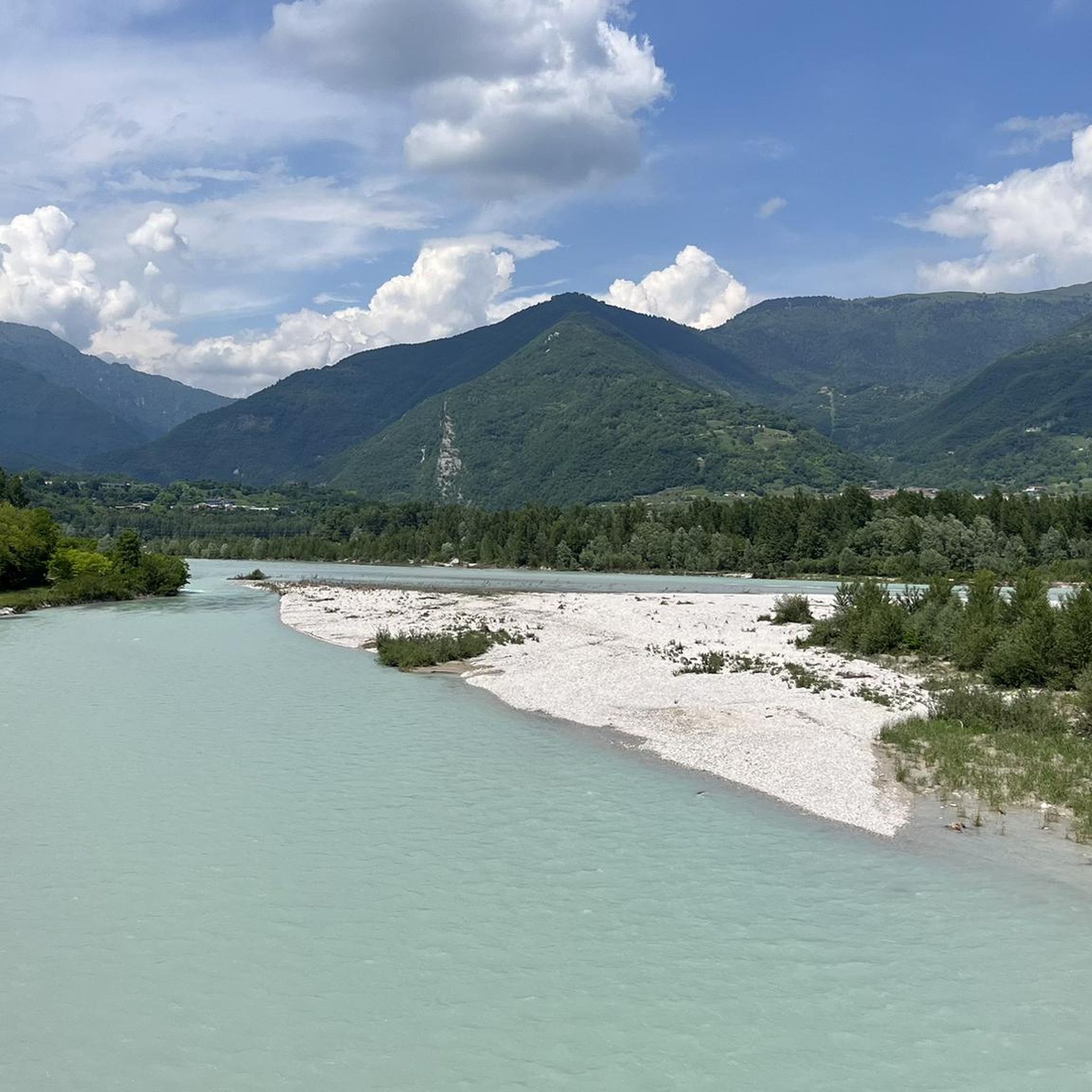
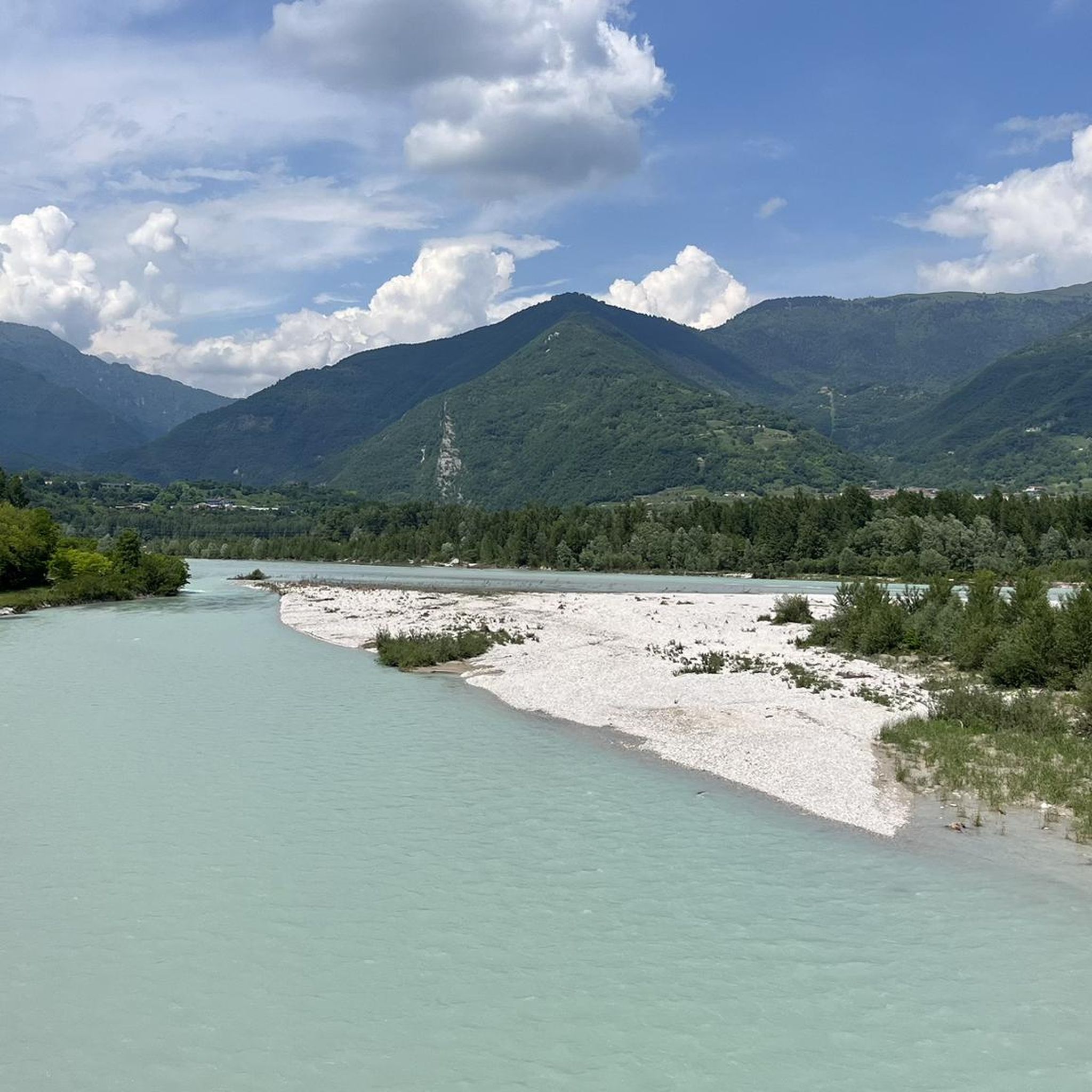
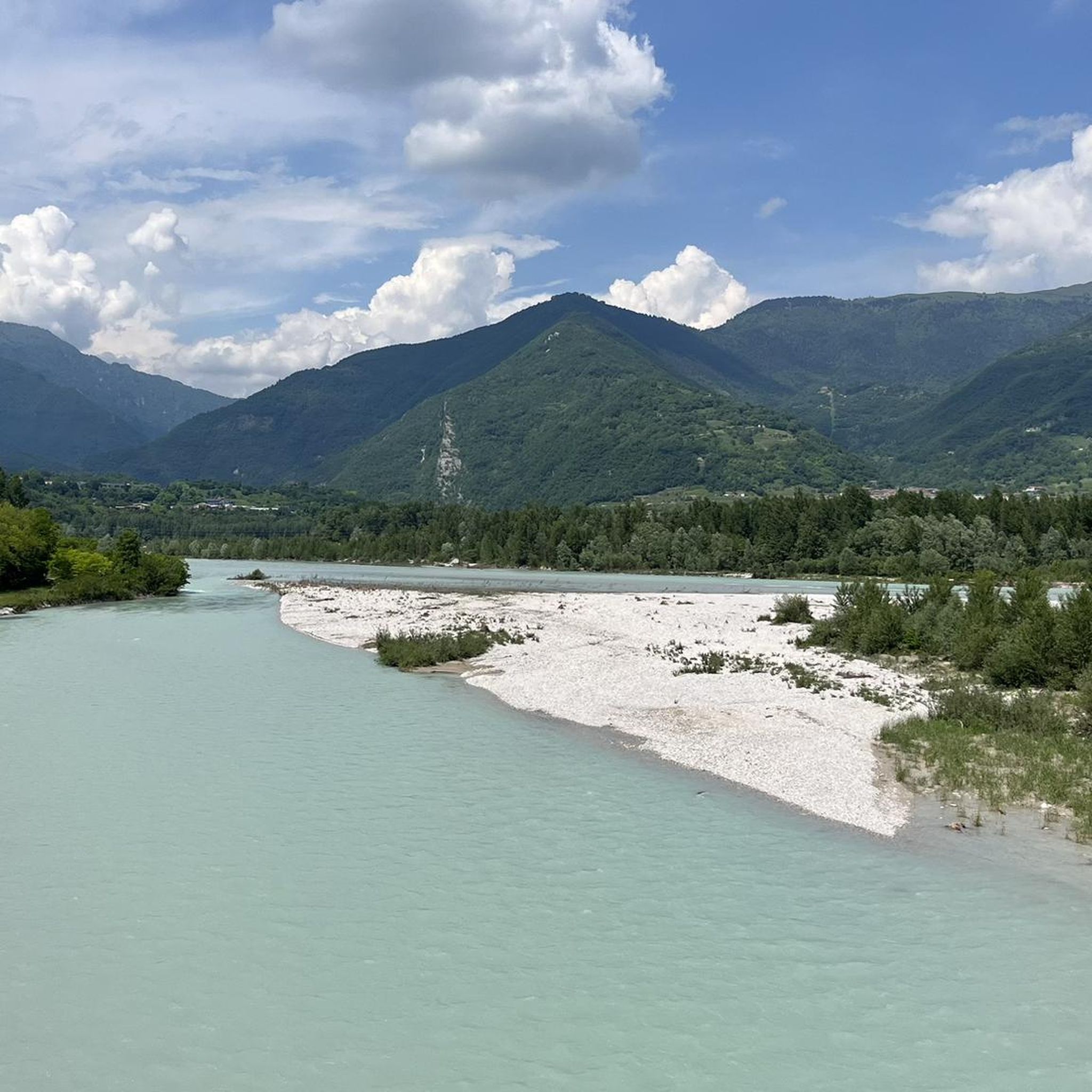
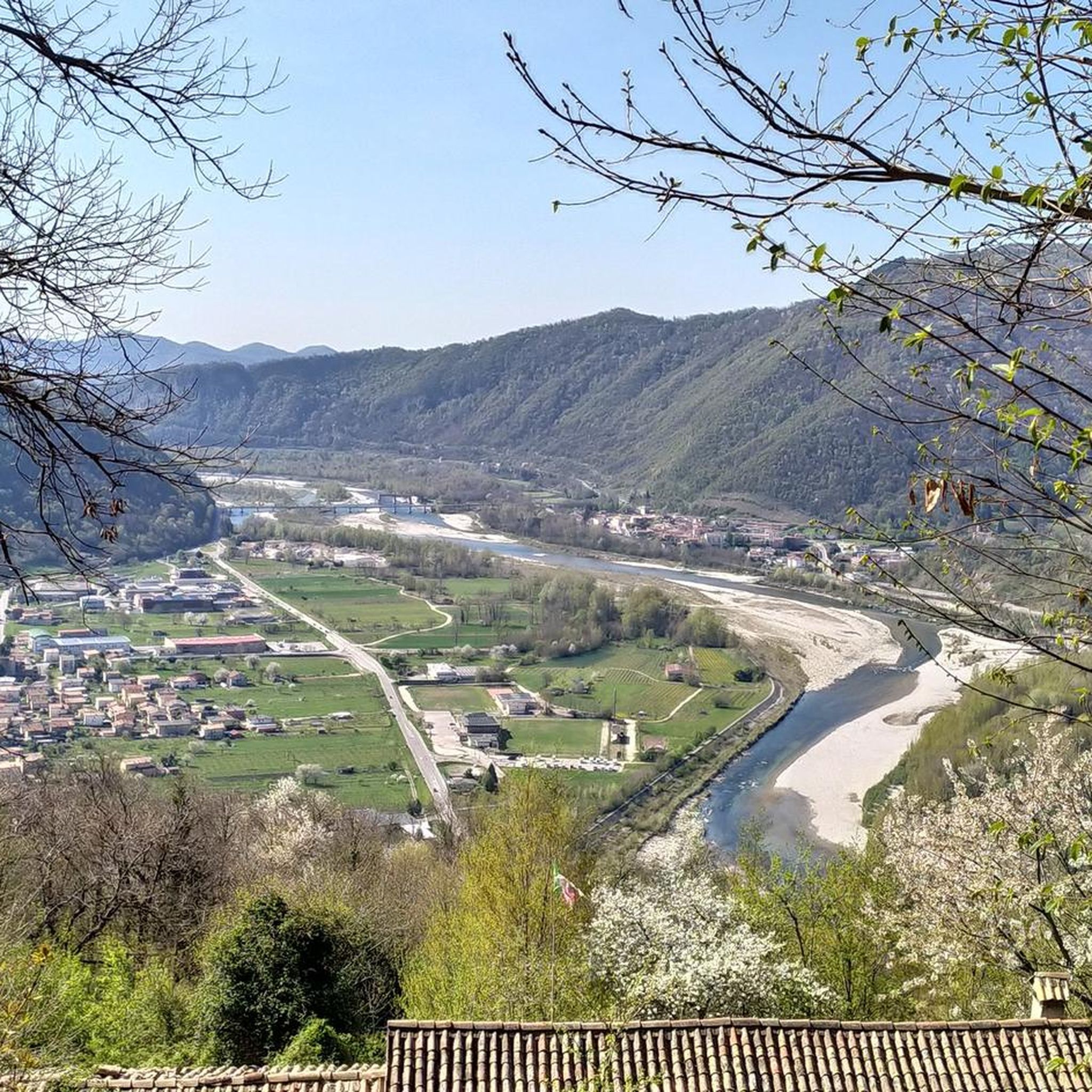
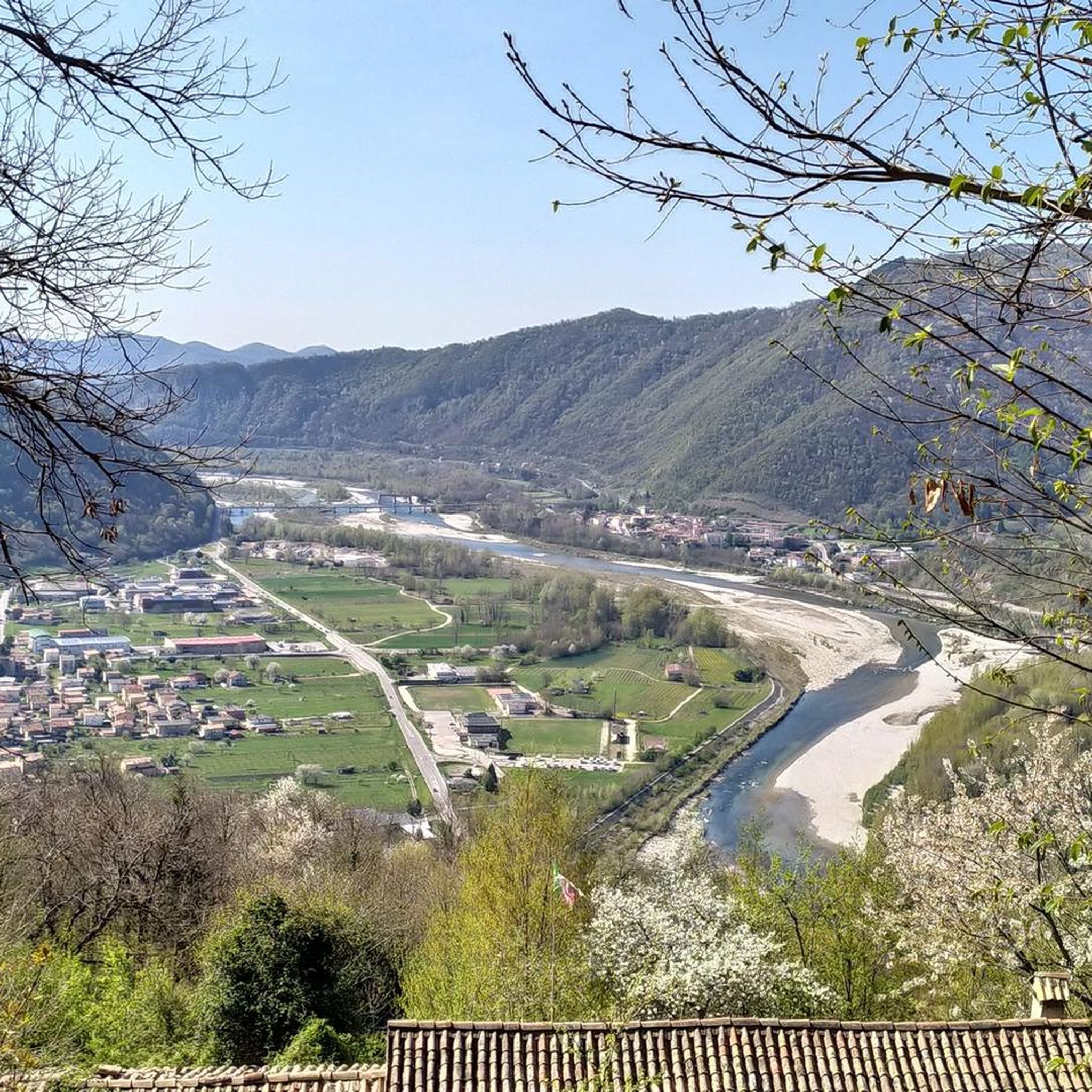
Segusino offers several natural highlights. You can visit the beautiful and evocative Gor della Cuna Waterfall, nestled in a small, shady canyon. The area is also home to Mount Zogo (Mount Doc), the highest point in Segusino, known for its pastures and woods. The banks of the Piave River form part of the town's natural landscape, and between spring and summer, the meadows come alive with blooming daffodils, especially in Milies and on Mount Zogo.
What historical and cultural sites are there in Segusino?
Segusino is rich in history and culture. You can explore ancient religious sites like the Oratory of San Giorgio and Bell Tower on Colle San Giorgio, dating back to the tenth century and offering panoramic views. Other notable churches include the Parish Church of S. Lucia, the Church of San Barnaba (known as the 'little church of the little devil'), and the ancient hermitage of Santi Gervasio and Protasio overlooking the Piave River. Don't miss the picturesque historic villages of Stramare and Milies, which offer glimpses into traditional life.
Are there any significant viewpoints in the Segusino area?
Yes, the region boasts several impressive viewpoints. The Oratory of San Giorgio on Colle San Giorgio provides an excellent panoramic view, stretching from the Venetian plain to Monte Grappa and the Dolomite peaks of Cimonega. On clear days, you might even spot the domes of the Basilica del Santo in Padua. The hill where the Church of San Barnaba sits also offers beautiful views of Segusino.
What outdoor activities can I do near Segusino?
Segusino is an ideal location for outdoor enthusiasts. You can enjoy hiking, horseback riding, and mountain biking on various trails. Notable routes include the 'Trodo delle acque' along the Riù torrent and a challenging ring path to the top of Mount Doc. For specific routes, consider exploring the Gravel biking around Segusino, Cycling around Segusino, or MTB Trails around Segusino guides.
Are there family-friendly attractions around Segusino?
Many of Segusino's natural and cultural sites can be enjoyed by families. Exploring the picturesque villages of Stramare and Milies, or visiting the Gor della Cuna Waterfall (with careful access), can be fun for all ages. The main square of Valdobbiadene, Guglielmo Marconi Square, is also considered family-friendly and a great spot for social activity.
What is the best time of year to visit Segusino for outdoor activities?
The period between spring and summer is particularly beautiful for outdoor activities in Segusino. From mid-April, the meadows come alive with daffodil blooms, culminating in June with the flowering that whitens the pastures of Mount Zogo. This makes it an excellent time for hiking, cycling, and enjoying the natural scenery.
What is the Canovian Temple and where is it located?
The Canovian Temple, also known as the archpriest church of the Holy Trinity, is an impressive neoclassical religious building located in nearby Possagno. It was designed by the famous sculptor Antonio Canova and is considered one of his greatest works, offering a significant cultural experience.
Can I find challenging cycling routes near Segusino?
Yes, the area around Segusino offers challenging cycling routes. For instance, the Hairpin Bends of Castelli di Monfumo provide a steep climb with rewarding scenic views of the Asolo hills. You can find more difficult routes, such as the 'Molinetto della Croda – San Salvatore Castle loop' or 'Prosecco Hills – Combài loop', in the Gravel biking around Segusino guide.
What is unique about the Church of San Barnaba in Segusino?
The Church of San Barnaba, located in Riva Grassa, is uniquely known as the 'little church of the little devil' (Céseta del Diaolet). This is due to a fresco behind the altar depicting a small devil at the feet of Saint Barnabas. Local folklore suggests this addition was meant to exorcise a demonic presence. The hill it sits on also provides beautiful views of Segusino.
Are there any archaeological sites in the Segusino region?
Yes, the Segusino region has archaeological significance. Mount Zogo (Mount Doc) is known as an archaeological site. Recent discoveries in the Segusinese mountains have also unearthed tools dating back to Neanderthal man (80-35 thousand years ago), indicating ancient human presence in the area.
What is the significance of the Piave River to Segusino?
The Piave River forms the lower part of Segusino's natural landscape and holds historical significance. The Church of Santi Gervasio and Protasio, an ancient hermitage overlooking the Piave, was an enemy post during the Great War and is now restored by volunteers. The river banks offer opportunities for walks and enjoying the natural environment.
What is there to see in the neighboring town of Valdobbiadene?
In the neighboring town of Valdobbiadene, you can visit Guglielmo Marconi Square, which serves as the main square and a central point for social activity. It's a popular spot for tourists to enjoy a glass of Prosecco and experience the local atmosphere.
Most popular routes around Segusino
Most popular attractions around Segusino

Get inspired with the komoot mobile app


Explore more
Still not found the Highlight you’re looking for? See guides of the top attractions in other regions:
