The best walks and hikes around Thanstein
4.7
(380)
1,334
hikers
69
hikes
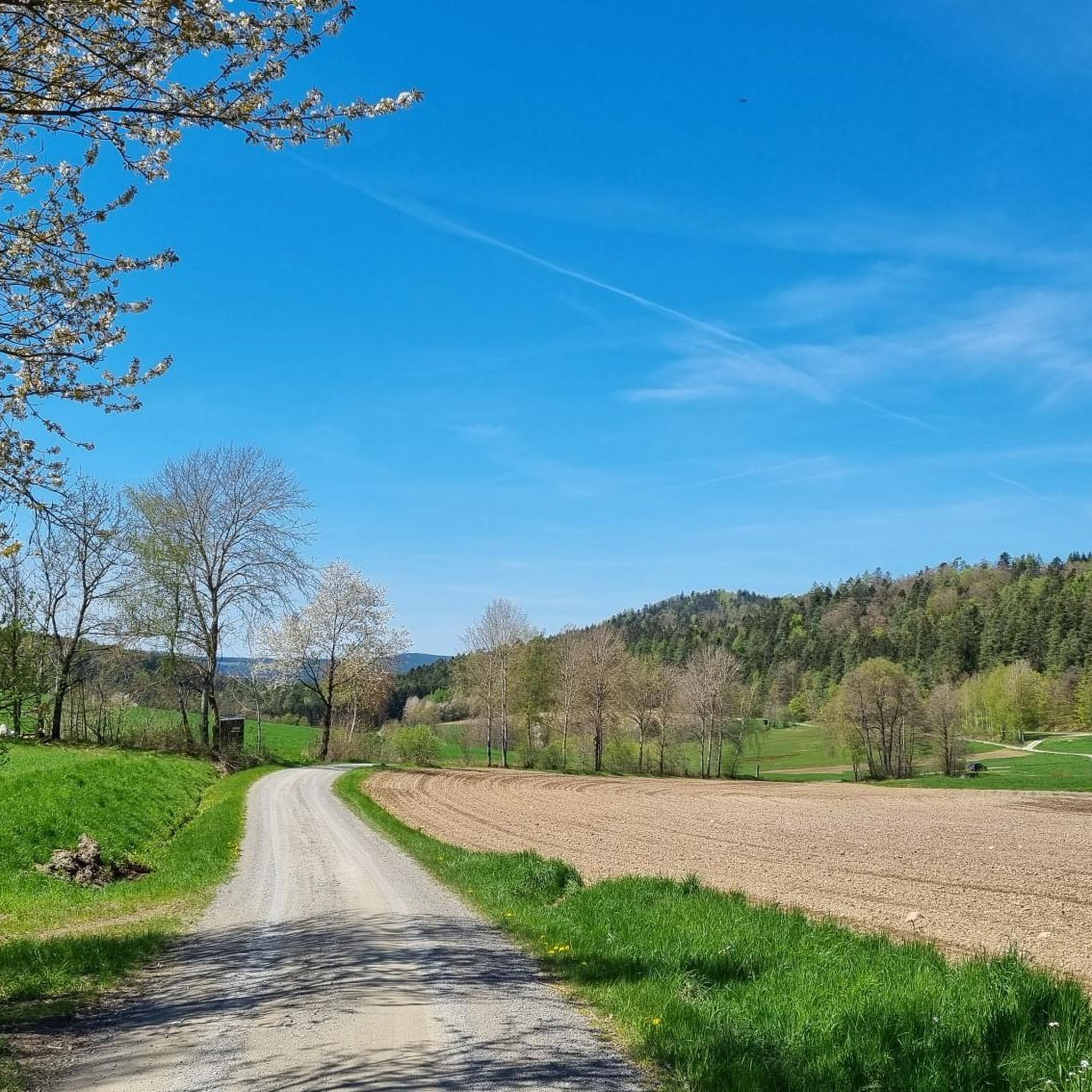
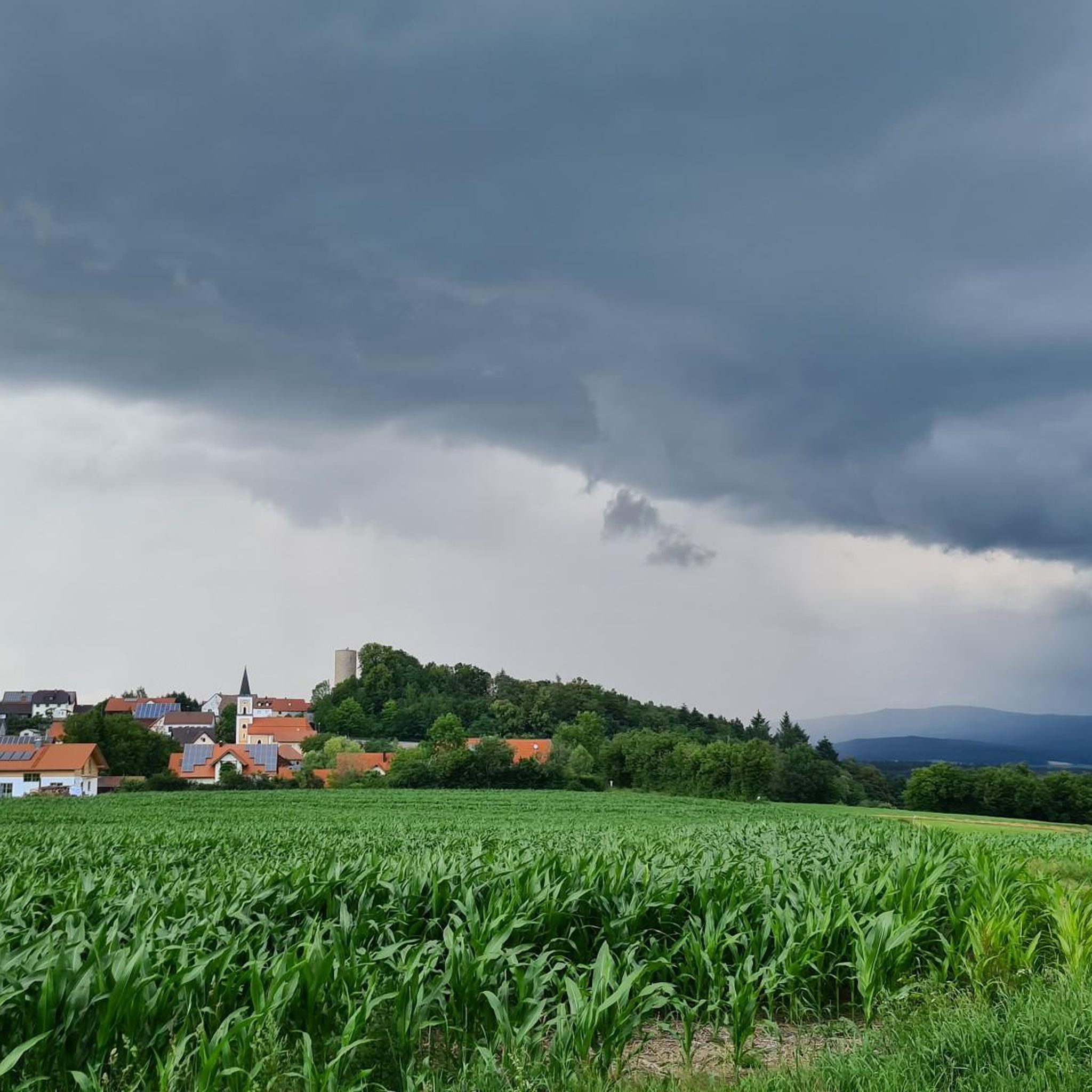
Hiking around Thanstein offers diverse landscapes in the transition zone between the Upper Palatinate Forest and the Bavarian Forest. The region features varied mountainous and forested terrain, characterized by picturesque forests and rolling hills. Hikers can explore unique natural features such as the Prackendorf Bog and the Eixendorfer Reservoir. Distant views of the Bohemian Forest are also accessible from various points.
Best hiking trails around Thanstein
- The most popular hiking route is Prackendorf Bog – Wooden boardwalk "Kulzer Moos" loop…
Last updated: July 18, 2026
4.7
(69)
283
hikers
Easy hike. Great for any fitness level. Easily-accessible paths. Suitable for all skill levels.
4.8
(41)
133
hikers
10.5km
02:57
210m
210m
Moderate hike. Good fitness required. Easily-accessible paths. Suitable for all skill levels.

Sign up for free
4.5
(31)
96
hikers
Moderate hike. Good fitness required. Easily-accessible paths. Suitable for all skill levels.
4.8
(10)
37
hikers
6.33km
01:48
140m
140m
Easy hike. Great for any fitness level. Easily-accessible paths. Suitable for all skill levels.
4.3
(9)
36
hikers
Moderate hike. Good fitness required. Easily-accessible paths. Suitable for all skill levels.
Get access to more routes and recommendations from other explorers.
Sign up for free
Already have an account?
Our route recommendations are based on thousands of hikes, rides, and runs completed by other people on komoot.
Start today with a free account
Your next adventure awaits.
Login or Signup



Tips from the Community


looks almost too good to have been created naturally
0
0

This stamping point is one of over 50 natural history sites in Bavaria for which there is a stamping point. The stamp can be entered in a stamp booklet, and if you collect 5 stamps you win a prize.
0
0

Thanstein Castle Ruins Uto von Thanstein, a ministerial of the Count of Sulzbach, is mentioned for the first time in a document in 1218, and the Murachers are also named as co-owners. The last representative of the Thansteiners, Alto, becomes abbot of the St. Emmeram monastery in Regensburg in 1358. In Thanstein, a branch of the Zenger family takes over rule from 1353 onwards, and calls itself von Thanstein from then on. In 1390, Thanstein is captured by the Leuchtenbergers during a feud, but not destroyed. In 1425, it survives a looting by the Hussites. In 1530, the Saxon knight Georg von Ebenleben marries the last Zenger, Margarethe. When he takes over rule, he also orders the introduction of the Protestant faith in Thanstein. In the Thirty Years' War, his descendants were expropriated by Elector Maximilian of Bavaria because they fought on the side of the Swedes, but in the Peace of Westphalia it was agreed that the property would be returned. After that, the owners changed hands constantly. The castle burned down almost completely in 1811, but the rule did not end until 1848. The keep was restored in 1887. Extensive security measures and excavations have been carried out since 2011. The core of the complex is a rectangular fort on a granite hilltop, which is relatively rare in the Upper Palatinate. After the latest renovation work, the history of the complex had to be rewritten and the floor plan redrawn. Parts of the walls and the foundation of the keep were dated to around 1200 - in line with the first mention of the castle nobility. Uto was therefore not, as is often said, lord of the nearby Altenthanstein castle near Dautersdorf, but was already at home in what is now Thanstein. The entrance area is dominated by the round keep made of ashlars and rubble stones, which is still 17 m high today. It was added to the complex later and dates from around 1300. The tower has a wall thickness of 2.5 m and an entrance at a height of 5 m. The floors were once separated by wooden ceilings, and the wall recedes slightly at each step. A deep moat, spanned by a stone bridge, separates the inner castle from the large outer castle area. The entrance is a gate system that provides access to the moat, which also forms the driveway to the outer castle. At the top, houses and utility buildings are grouped around a square, some of which incorporate older wall remains. Source: Excerpts from www.burgenseite.de
4
0
Kröblitz Castle The origins of the Kröblitz castle and manor date back to around the year 1000. A large defensive structure must have existed on the cellars that still exist. The old castle or palace complex was built on a small promontory on the Schwarzach and was surrounded by the Schwarzach to the east and south. Georg the Prackendorfer is named as the first lord of the castle in Kröblitz in 1255; the manor was awarded to him by the emperor for his services in the crusade. He was followed in 1304 by his brother Heinrich the Prackendorfer, who fought from 1264 to 1268 on the side of the emperor Rudolf of Habsburg against the bishop of Basel, Heinrich of Neuenburg. Kröblitz is mentioned for the first time as an iron hammer in 1423, owned by Mertel Walzer. On April 17, 1517, Elector Ludwig V and Count Palatine Friedrich issued a hammer certificate in favor of Lorenz Heber. The Heber family owned the hammer until 1581. From May 19, 1581, Hans Manner, later Hanns Sannter, is named as the hammer master. After the Thirty Years' War, around 1650, the Kröblitz iron hammer was desolate and burned down. In 1716, Baron Kaspar von Wildenau bought the land and built the baroque castle that still exists today, which was completed in 1735. In 1743, the attached chapel was consecrated in honor of Saint Nepomuk. Baron Michael Franz von Wildenau, who had taken over the land from his parents in 1751, bought the Kröblitz hammer together with the associated flour and sawmill, and a brewery was added in 1773. In 1782, the Kröblitz castle estate and hammer passed from Baron von Wildenau to Willhelm Freiherr von Weinbach for 27,000 guilders. As late as 1870, there was a charcoal blast furnace in Kröblitz, one of the few private smelters in the Upper Palatinate at that time. Iron ore from the Erzberg in Amberg was smelted here and processed into semi-finished products such as rail and bar iron. The smelter was later converted into a mirror grinding and polishing plant. Today, a small power plant stands here. In 1886, Johann Hofmann from Nabburg acquired the remaining Kröblitz estate with the castle, and it has been in the family ever since. The names changed through marriage from Hofmann to Sinzger to Grimm. In 1973, the property was completely renovated and guests have been entertained in the castle walls ever since. Source: Excerpts from www.wikipedia.de / www.schloss-kröblitz.de
5
0

The terrace operation is great again
3
0
Wonderful view over the Murnthal
2
0

Frequently Asked Questions
What kind of terrain can I expect when hiking in Thanstein?
Thanstein is characterized by picturesque forests and rolling hills, nestled within the Upper Palatine Forest. You'll find diverse terrain ranging from gentle paths through unique ecosystems like the Kulzer Moos with its wooden boardwalks, to more challenging ascents on mountains like Schwarzwihrberg. The region offers a mix of wooded areas, open vistas, and scenic valleys like the Schwarzach and Murn Valleys.
Are there any easy hiking trails suitable for beginners or families in Thanstein?
Yes, Thanstein offers a good selection of easy trails. For instance, the Prackendorf Bog – Wooden boardwalk "Kulzer Moos" loop is an easy 1.9-mile route featuring a unique lowland moor. Another accessible option is the Schönbuchen Pilgrimage Chapel loop from Dautersdorf, which is 6.3 miles long. The region also features the child-friendly Waldwichtelpfad (Forest Gnome Trail) along a river, perfect for playful exploration of nature.
What are some notable natural features or viewpoints to discover on a hike?
Thanstein boasts several impressive natural features and viewpoints. The Eixendorf Reservoir offers a beautiful circular trail with numerous scenic vistas. You can also explore the unique Kulzer Moos with its wooden boardwalk. For panoramic views, the Kupferplatte viewpoint offers stunning vistas into the Murn Valley, and the Steinerne Wand (Stone Wall) on Schwarzwihrberg provides a dramatic natural monument. Don't miss the Stone Wall (Schwarzwihrberg) itself.
Are there any historical sites or castles I can visit while hiking?
Absolutely. Thanstein is rich in historical sites. The medieval Burgstall Thanstein offers breathtaking panoramic views from its ruins, with the 17-meter-high keep often open for an even higher vantage point. Another significant site is the Schwarzenburg Castle Ruins, which includes a renovated keep with a viewing platform. You can visit Schwarzenburg Castle Ruins as part of the Schwarzach Waterfall – Schwarzenburg Castle Ruins loop.
What is the best time of year to go hiking in Thanstein?
The best times for hiking in Thanstein are typically spring and autumn. During these seasons, the weather is pleasant, and the landscape offers vibrant natural displays, whether it's meadows in bloom or colorful foliage. While accessible year-round, these seasons provide the most comfortable and visually rewarding experiences.
Are there any circular hiking routes in Thanstein?
Yes, many of the trails in Thanstein are circular, allowing you to start and end at the same point. Examples include the easy Prackendorf Bog – Wooden boardwalk "Kulzer Moos" loop, the moderate Druid's Stone – Murnthal loop, and the challenging Schwarzach Waterfall – Schwarzenburg Castle Ruins loop. The Eixendorf Reservoir also features a beautiful circular trail.
What do other hikers enjoy most about hiking in Thanstein?
The area is highly rated by the komoot community, with an average score of 4.7 stars from over 300 reviews. Hikers often praise the diverse landscapes, from picturesque forests and rolling hills to unique natural features like the Kulzer Moos. The variety of trails, catering to different ability levels, and the presence of historical sites like the castle ruins are also frequently highlighted as enjoyable aspects.
Are there any challenging hikes in the Thanstein area?
Yes, for those seeking a more strenuous experience, Thanstein offers several challenging routes. The Schwarzach Waterfall – Schwarzenburg Castle Ruins loop is an 8.0-mile difficult trail with significant elevation changes. Hiking up Schwarzwihrberg to the Steinerne Wand also provides a rewarding challenge, requiring sturdy shoes and sure-footedness due to its stony terrain.
Can I bring my dog on the hiking trails in Thanstein?
Most hiking trails in Thanstein are dog-friendly, allowing you to enjoy the beautiful scenery with your canine companion. However, it's always recommended to keep your dog on a leash, especially in nature protection areas or near wildlife, and to be mindful of local regulations. Always carry water for your dog and clean up after them.
Are there any waterfalls in the Thanstein region?
Yes, the region features the Schwarzach Waterfall. You can experience it as part of the Schwarzach Waterfall – Schwarzenburg Castle Ruins loop from Thanstein, a challenging route that also leads to the historical castle ruins.
How many hiking trails are available in Thanstein?
Thanstein offers a wide range of hiking opportunities with over 60 different tours. These include a variety of options, from easy strolls to moderate and difficult hikes, ensuring there's something for every skill level and preference.
Most popular routes around Thanstein
Most popular attractions around Thanstein

Get inspired with the komoot mobile app


Explore more
Browse the best Hikes in other regions.
