Attractions and Places To See around Gazzada Schianno - Top 20
Best attractions and places to see around Gazzada Schianno are found in a region characterized by its position between the high Lombard plain and morainic hills leading to the pre-Alps. This area offers a blend of historical landmarks, cultural sites, and natural beauty. Visitors can explore ancient churches, historic villas, and significant natural features like Lake Varese and the Campo dei Fiori Regional Park. The municipality unites the distinct nuclei of Gazzada and Schianno, providing diverse points of interest.
Best…
Last updated: May 9, 2026
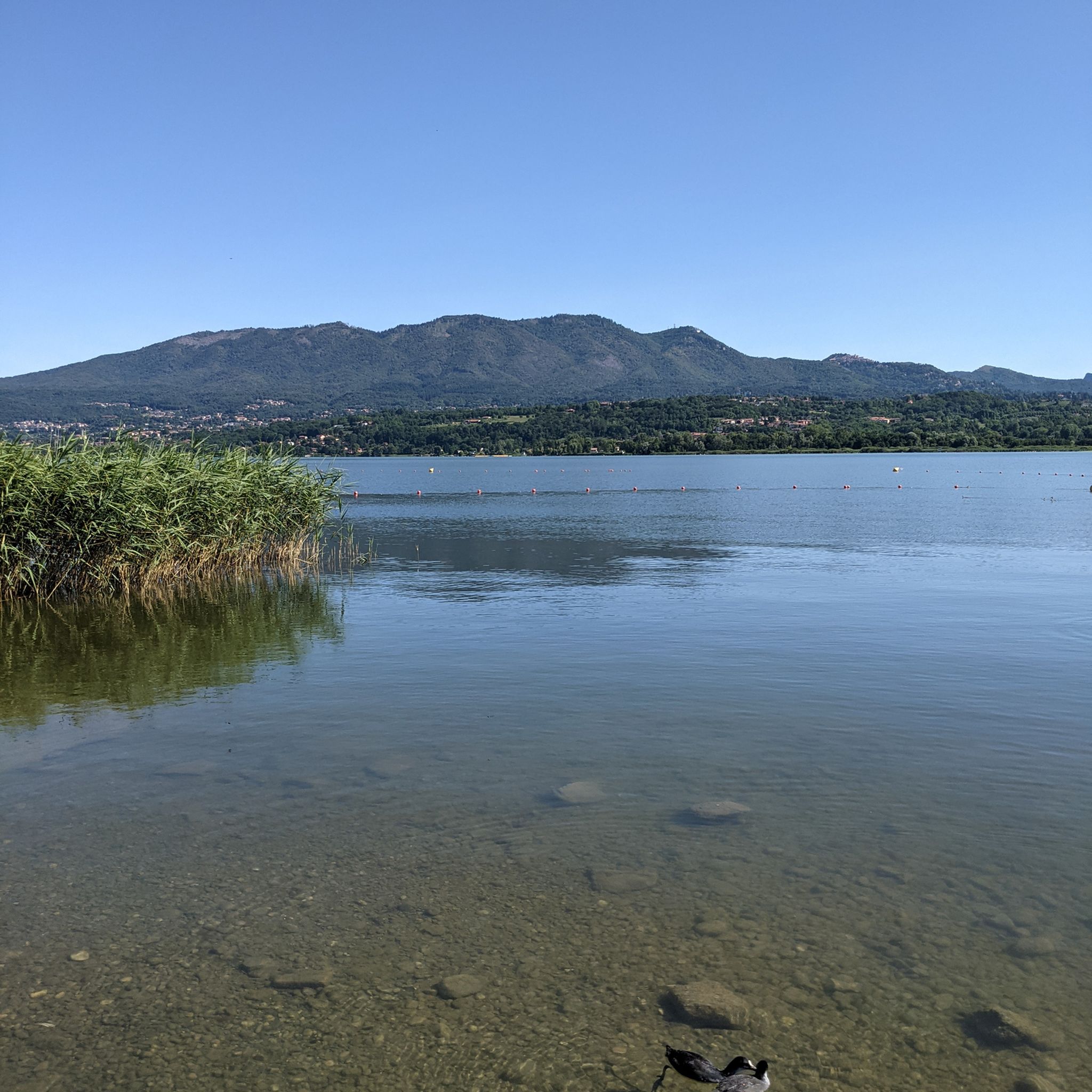
Lakeside picnic area on Lake Varese
Highlight • Lake
Translated by Google •
Tip by

Valmorea Railway Cycle Path (Valle Olona Cycle Path)
Highlight (Segment) • Cycleway
Translated by Google •
Tip by

Sign up now to discover places like this
Get recommendations on the best single tracks, peaks, & plenty of other exciting outdoor places.
Sign up for free
Sacro Monte of Varese and the Sanctuary of Santa Maria del Monte
Highlight • Religious Site
Translated by Google •
Tip by

Lake Varese cycle path
Highlight • Cycleway
Translated by Google •
Tip by

Lake Varese Cycle Path
Highlight • Cycleway
Translated by Google •
Tip by
Sign up for free to discover even more attractions around Gazzada Schianno.
Sign up for free
Already have an account?
Start today with a free account
Your next adventure awaits.
Login or Signup

Tips from the Community

The fact that it is a pilgrimage site does not exclude appropriate clothing, especially footwear; hiking shoes are recommended, even low-cut ones, as long as they have a good sole: you walk on cobblestones and, if it rains, the stones become slippery!
0
0

You should see a fantastic path and a great view
0
0

You approach the route of the former Valmorea Railway, with its disused station and enter the cycle path that heads towards the real Gurone Dam, a structure 12 metres high above the river level and 156 metres long, built between 2004 and 2009 and capable of generating a reservoir of more than a million cubic metres. The construction was necessary because this stretch of the valley has always been subject to flooding from the Olona (around 70 have been recorded since the 15th century), such as the most recent ones in 1995 and 2002. The cycle path now climbs along its embankments with an almost linear route and a gradient of almost 12%, built in this way so as not to interfere with the structure of the dam and its hydraulic characteristics. Once you reach the top, be careful on the descent. After reaching the closest point to the river, you start following the railway again, of which you can see sections of tracks in the woods. Now on the right we have the Pedemontana motorway and you cycle in one of the tunnels created during its construction. You can now reach the small public garden equipped with a rack with e-bike charging and a self-repair kit or, keeping to the left at the roundabout and crossing the provincial road, you head south. We are in the Lozza plain, which you cross on the side of the railway embankment with a long straight stretch before arriving at a narrow peninsula formed on the left by the Olona and on the right by the Selvagna stream. After crossing the stream, the path goes to the side of the provincial road to enter Castiglione Olona. On the right, the railway system of the former station opens up, where you can still see some carriages. At the crossing, keep left to continue on the cycle path, while instead you will go to the right to reach the historic village.
1
0

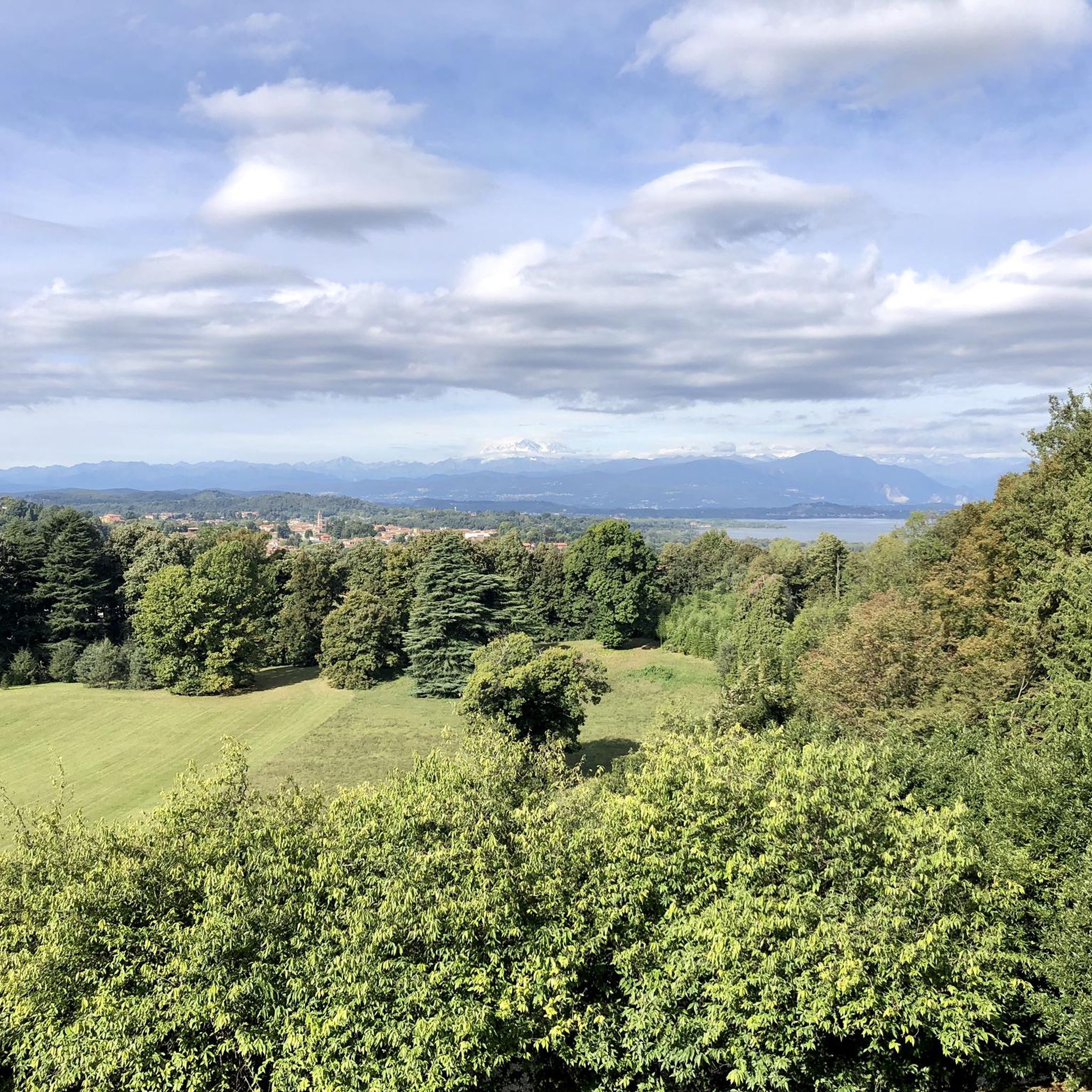
Un cammino di ciottoli fra boschi e antiche cappelle, che conduce a un minuscolo borgo medievale: vi porto con me al Sacro Monte di Varese, patrimonio Unesco Era da tanto che volevo andarci e ce l’ho fatta! Il Sacro Monte di Varese, patrimonio Unesco, è un complesso devozionale del 1600 sulle pendici del Monte di Velate. Andando oltre l’aspetto religioso, è uno splendido cammino che sale fino al borgo medievale di Santa Maria del Monte, arroccato a 850 metri di altezza. Circa 2 chilometri lungo una strada di ciottoli costellata di antiche cappelle. Una splendida gita fuori porta se siete in Lombardia. Il Sacro Monte è costituito da 14 cappelle che raccontano i misteri del rosario (la storia di Maria dall’annunciazione dell’arcangelo Gabriele alla resurrezione di Cristo), il santuario e la cripta. È stato costruito lungo tutto il ‘600 come opera di evangelizzazione contro la riforma protestante. Secondo la tradizione fu Sant’Ambrogio nel IV secolo a portare sul monte la devozione alla Vergine Maria, per celebrare la vittoria sugli eretici nei pressi della Torre degli Ariani(costruzione romana nel monastero del borgo di cui vi parlerò fra poco). Il luogo infatti era strategico per controllare le invasioni da nord. A introdurre il percorso ci pensa il primo arco, detto “del rosario”, a cui poi ne seguiranno altri due. Il viale è molto ampio e spazioso, contornato da boschi fittissimi ed eleganti dimore. Il Sacro Monte infatti è immerso nel Parco regionale Campo dei Fiori, 6.300 ettari di verde e poi è una passeggiata di circa 45 minuti, non una scarpinata devastante e la pendenza è fattibilissima, infatti c’erano parecchi bimbi. I lavori per costruire il Viale delle Cappelle iniziarono nel 1604. L’obiettivo era quello di offrire ai pellegrini un percorso più agevole rispetto ai vecchi sentieri, recitando il rosario e meditando di cappella in cappella. Ogni cappella è diversa dalle altre, ma hanno tutte al loro interno gruppi di sculture in terracotta. Non mancano nemmeno gli affreschi, che raffigurano paesaggi o templi. Le cappelle non sono aperte al pubblico, ma grazie ad ampie finestre si può guardare all’interno. Quando arrivate all’ultima cappella, con Santa Maria del Monte che vi guarda dalla cima, un largo sorriso vi illuminerà il volto. È un borgo minuscolo ma di grande bellezza. La sua nascita e il suo sviluppo sono strettamente legati al santuario. Le prime abitazioni infatti dovevano ospitare le persone che si occupavano della chiesa e dei pellegrini in arrivo. Il nucleo più antico è tutt’uno col santuario. Poco sotto il campanile di fine ‘500, a destra salite verso Piazza Paolo VI, da cui si accede al santuario. Dalla terrazza del Mosè dell’800, su uno sperone roccioso sul Viale delle Cappelle, c’è una vista bellissima, mentre a fianco c’è un belvedere con tanto di spiegone. Il panorama abbraccia tutta la pianura padana da Varese a Como, dalle Alpi fino a Milano avvolta nello smog. A sinistra del campanile invece vi infilate in un breve cunicolo che percorre la casa parrocchiale e altri locali del santuario. Anche in questo antico corridoio ci sono piccole finestre che si aprono sulla valle. Non manca poi un lillipuziano dedalo di vicoletti per un tuffo nel passato. Dal cunicolo si sbuca nella Piazzetta Monastero. Qui si affacciano il santuario, il monastero delle romite ambrosiane (eretto nel 1474 e in cui vive una trentina di monache) e il Museo Baroffio. Questa sede ospita la collezione storico-artistica della chiesa, i dipinti di Giuseppe Baroffio Dall’Aglio, e una sezione d’arte del ‘900. Se vi interessa, all’ingresso del borgo c’è anche la Casa Museo Lodovico Pogliaghi. Il pittore, scultore e scenografo, innamorato duro di Santa Maria del Monte, ha costruito una splendida villa in cui è raccolta la sua eclettica collezione di opere d’arte. E arriviamo al cuore del Sacro Monte di Varese, il santuario, che rappresenta anche la quindicesima cappella. Citato per la prima volta nel 922, è sicuramente ancora più antico. Quello che vediamo oggi è il risultato di una serie di interventi. Tre sono le costruzioni fondamentali: una chiesa di età carolingio-ottoniana del IX-X secolo; una nuova chiesa di età romanica; l’ampliamento voluto nel 1400 dal Duca di Milano Galeazzo Maria Sforza e dai suoi avi. Infine, sotto l’altare c’è la cripta con affreschi devozionali; al suo interno conserva i resti della prima chiesa edificata sul monte fra il IX e il X secolo. Come arrivare – in macchina: il percorso pedonale inizia dalla località Prima Cappella, col monumentale arco del rosario. Poco prima, a destra c’è un mini parcheggio e una viuzza in discesa in cui lasciare la vettura (Via dell’Immacolata). Se volete arrivare direttamente al borgo in auto, la meta è Piazzale Pogliaghi, nella parte alta del Sacro Monte. Beati quelli che troveranno posto! – in funicolare: la funicolare Vellone-Sacro Monte, dei primi del ‘900, collega la valle del Vellone col borgo. È attiva nei weekend. La stazione a valle può essere raggiunta col bus della linea C, che passa per il centro di Varese. Chi arriva in treno può prenderlo in Corso Moro o Via Veratti, se invece siete in macchina parcheggiate in Piazzale Montanari. – in autobus: quando la funicolare non è attiva, la linea C porta fino al borgo.
3
0

they are very beautiful and scenic places.
1
0

Chapel of the Blessed, very beautiful 🌈 the frescoes 🎨
1
0
🌈Beautiful Church to see Absolutely💒
4
0

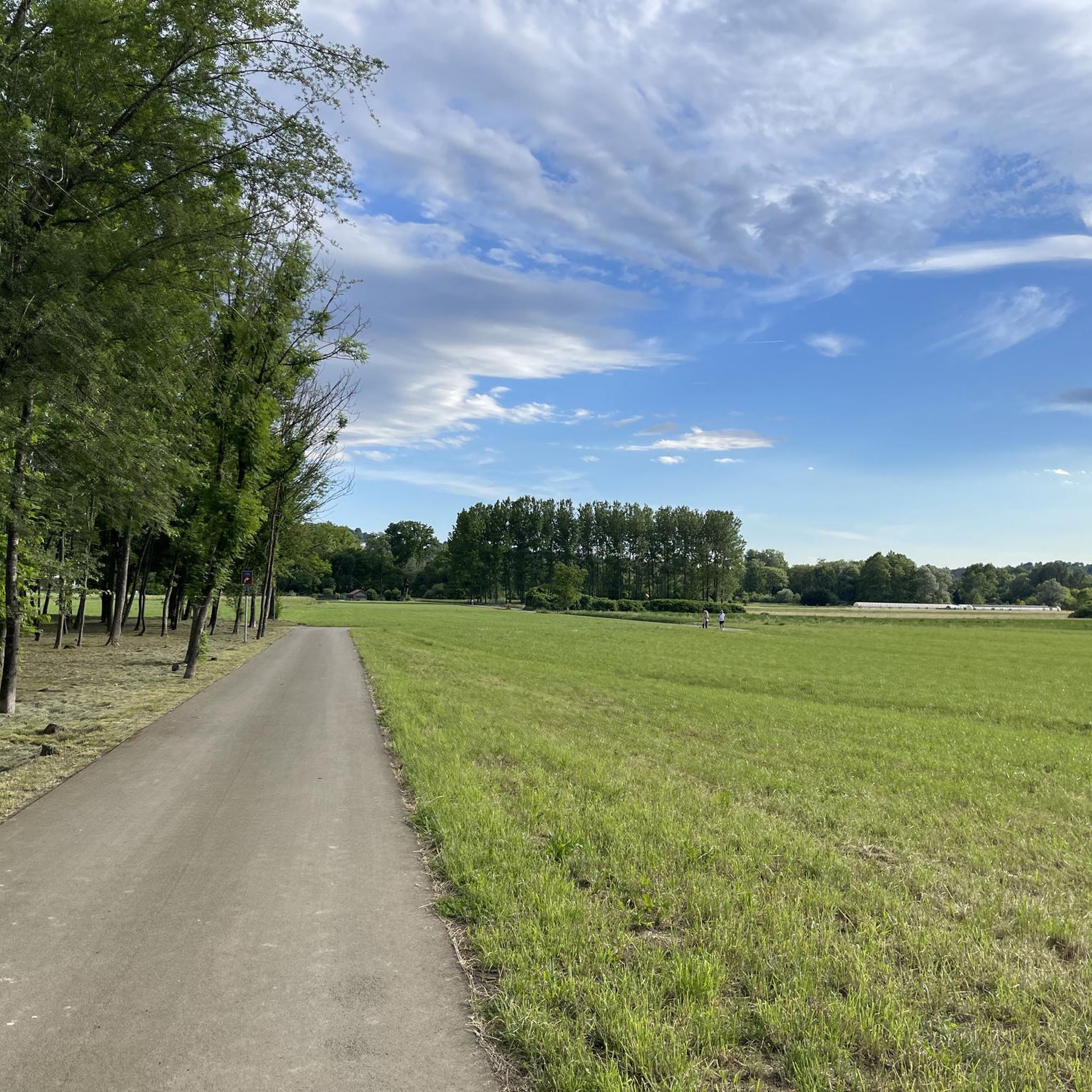
Near Bodio Lomnago there is this place from where it is possible to admire one of the many panoramic points offered by the beautiful cycle path of Lake Varese.
1
1
Frequently Asked Questions
What historical landmarks can I explore in Gazzada Schianno?
Gazzada Schianno is rich in history. You can visit the historic Villa Cagnola, known for its art collection, or the ancient Church of SS. Cosmas and Damian in Schianno, which features a distinctive medieval tower and 15th-16th century frescoes. The Church of Santa Croce in Gazzada also boasts significant 16th-century frescoes by Francesco De Tatti.
Are there any significant natural attractions near Gazzada Schianno?
Yes, the area offers several natural highlights. Gazzada Schianno is situated within the Campo dei Fiori Regional Park, providing opportunities for hiking and cycling with views of the Prealps. You can also explore the picturesque Valganna Waterfalls and Caves, known for their springs and travertine formations. The municipal territory itself lies between the Lombard plain and morainic hills, offering a tranquil natural environment.
What cycling opportunities are available around Gazzada Schianno?
Cycling enthusiasts will enjoy the area. The Lake Varese Cycle Path offers beautiful panoramic viewpoints around the lake. Another option is the Valmorea Railway Cycle Path (Valle Olona Cycle Path), a scenic route following an old railway line through the industrial Olona Valley. For more routes, you can explore the cycling guide for Gazzada Schianno.
Where can I find a pleasant spot for a picnic or to relax by the water?
A great spot to relax and admire Lake Varese is the Lakeside picnic area on Lake Varese, located near Bodio Lomnago. It's one of the many panoramic points along the Lake Varese cycle path, perfect for a leisurely break.
Is the Sacro Monte of Varese worth visiting, and what does it offer?
Absolutely, the Sacro Monte of Varese and the Sanctuary of Santa Maria del Monte is a UNESCO World Heritage site and a must-see. It features a 2 km cobbled path with 14 chapels, each dedicated to a Mystery of the Rosary, leading up to the sanctuary. From the top, you'll be rewarded with breathtaking panoramic views of the Lombard plain and surrounding lakes. The village itself has characteristic alleys, stairways, and Art Nouveau villas.
Are there family-friendly activities or places to visit in the area?
Yes, several attractions are suitable for families. The Sacro Monte of Varese is a pleasant walk for all ages, with many children seen enjoying the path. The Lake Varese Cycle Path is comfortable, fun, and safe for cycling with family. The Lakeside picnic area on Lake Varese also provides a relaxing spot for families.
What kind of hiking trails can I find near Gazzada Schianno?
Gazzada Schianno is located within the Campo dei Fiori Regional Park, which offers ample opportunities for hiking. While specific hiking routes are not detailed in the highlights, the park provides various trails with spectacular views of the Prealps. For more detailed hiking options, you can explore the relevant komoot guides for the region.
Can I explore the industrial heritage of the region?
Yes, the Valmorea Railway Cycle Path (Valle Olona Cycle Path) is an excellent way to explore the region's industrial heritage. This fragmented path follows a former railway line through the industrial Olona Valley, showcasing sites like old paper and ceramics factories.
What do visitors particularly enjoy about the attractions around Gazzada Schianno?
Visitors frequently praise the panoramic views, especially from the Sacro Monte of Varese, which offers breathtaking vistas of the Lombard plain and surrounding lakes. The Lake Varese Cycle Path is also highly appreciated for its comfort, safety, and beautiful scenery. The blend of historical sites, cultural richness, and natural beauty consistently receives positive feedback.
Are there options for mountain biking near Gazzada Schianno?
Yes, mountain biking is a popular activity in the area. You can find various MTB trails, such as the 'Madonna degli Alpini Shrine – Podere Santantonio loop' or the 'Monte Piambello – Monte Piambello Trail loop'. For a comprehensive list of routes and their difficulties, refer to the MTB Trails around Gazzada Schianno guide.
When is the best time of year to visit Gazzada Schianno for outdoor activities?
The region generally enjoys pleasant weather for outdoor activities from spring through early autumn. Spring (April-May) offers blooming landscapes and mild temperatures, ideal for cycling and hiking. Summer (June-August) is great for lake activities and longer days, though it can be warmer. Early autumn (September-October) provides comfortable temperatures and beautiful fall foliage, perfect for exploring the parks and trails.
Are there any lesser-known historical chapels or churches worth seeing in the area?
Beyond the main churches, you can discover the Chapel of Santa Maria Assunta in Gazzada, established in 1488, which houses a cycle of 15th-century frescoes attributed to Galdino da Varese. The Church of San Giorgio in Schianno also features interesting frescoes by Isidoro Bianchi and a finely crafted 15th-century Madonna and Child.
Where can I find panoramic views of the surrounding landscape?
For stunning panoramic views, head to the Sacro Monte of Varese and the Sanctuary of Santa Maria del Monte. From here, you can see the vast Lombard plain and the surrounding lakes. Additionally, the Lake Varese Cycle Path offers numerous viewpoints around the lake, providing picturesque vistas of the water and its surroundings.
Most popular routes around Gazzada Schianno
Most popular attractions around Gazzada Schianno

Get inspired with the komoot mobile app


Explore more
Still not found the Highlight you’re looking for? See guides of the top attractions in other regions:
