Attractions and Places To See around Crotta D'Adda - Top 20
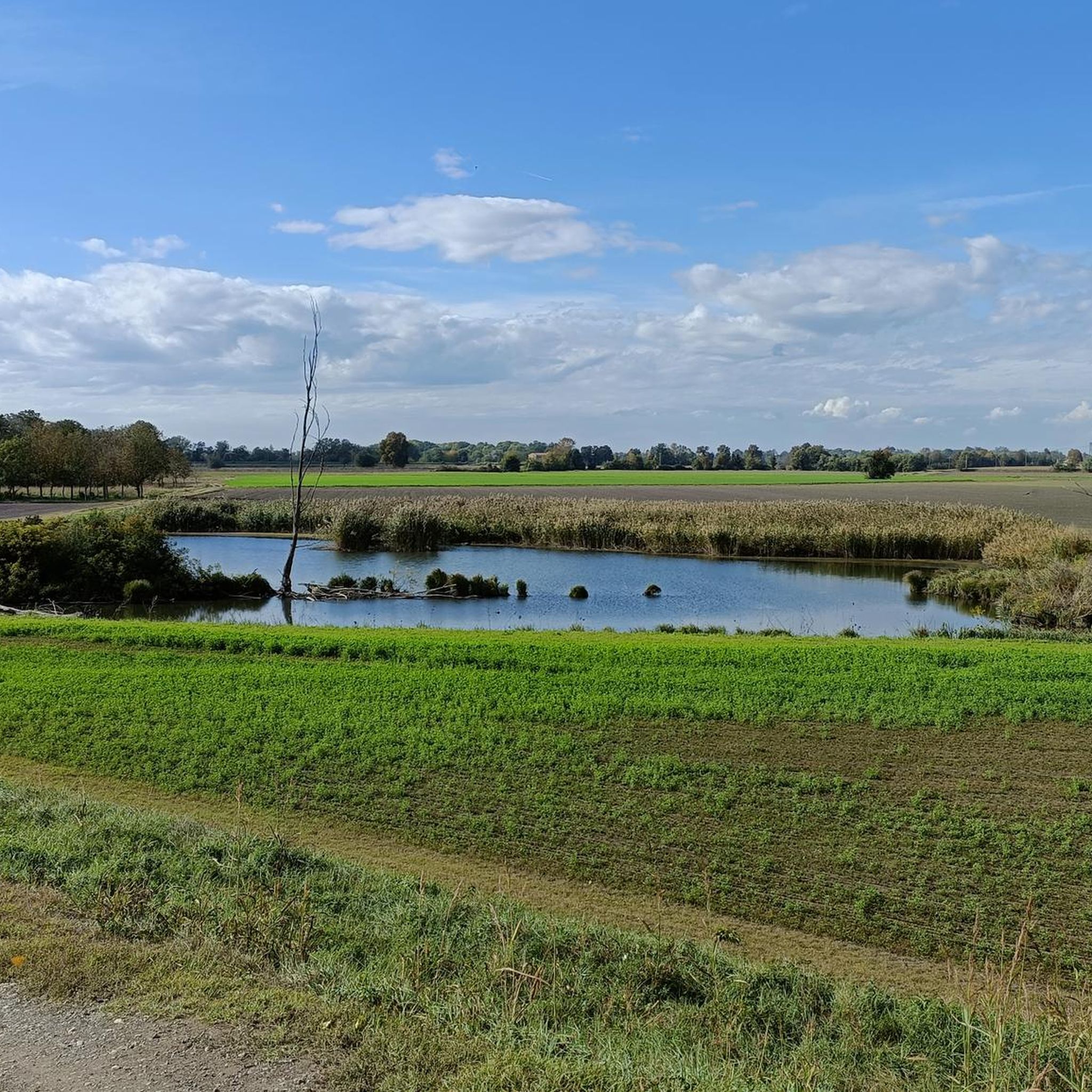
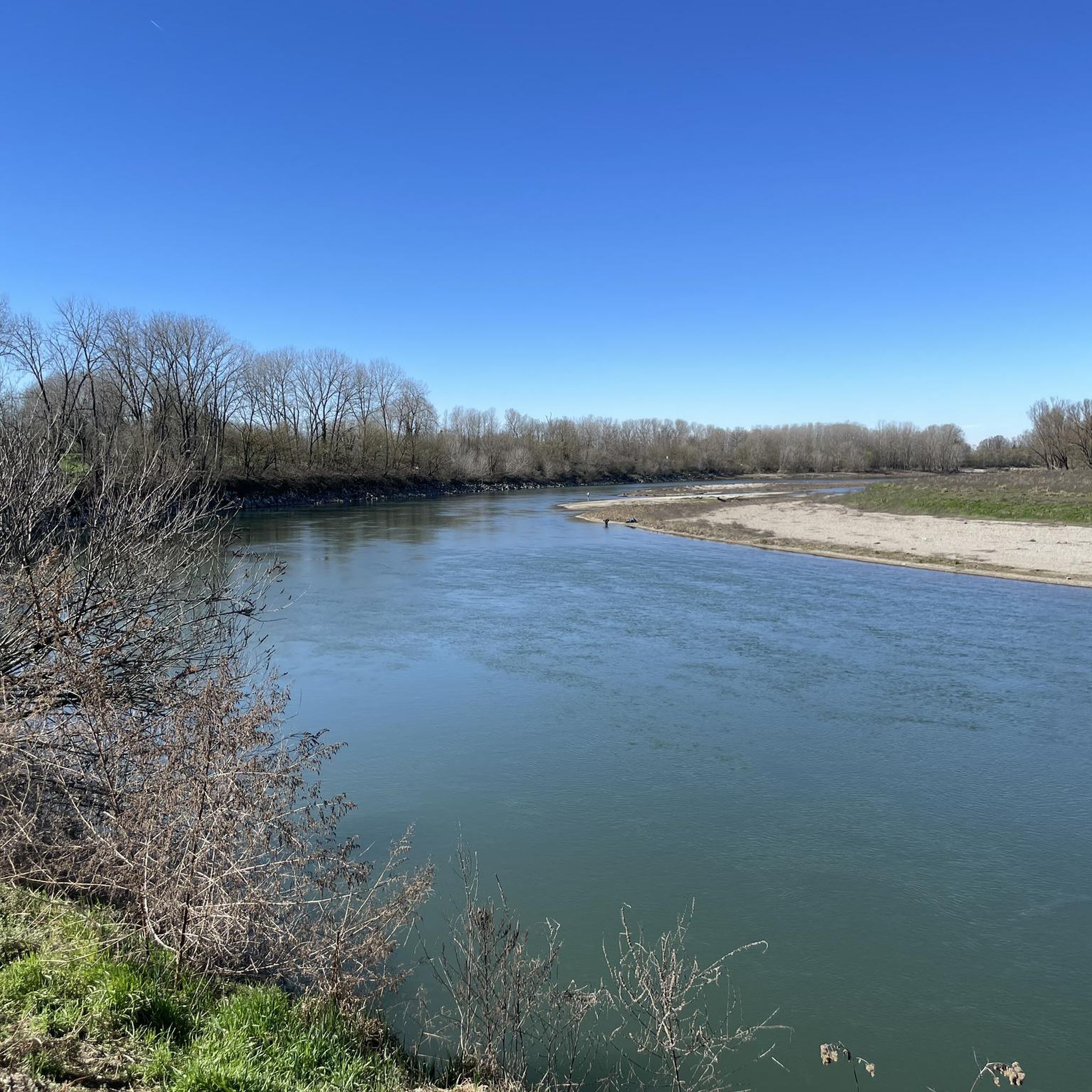
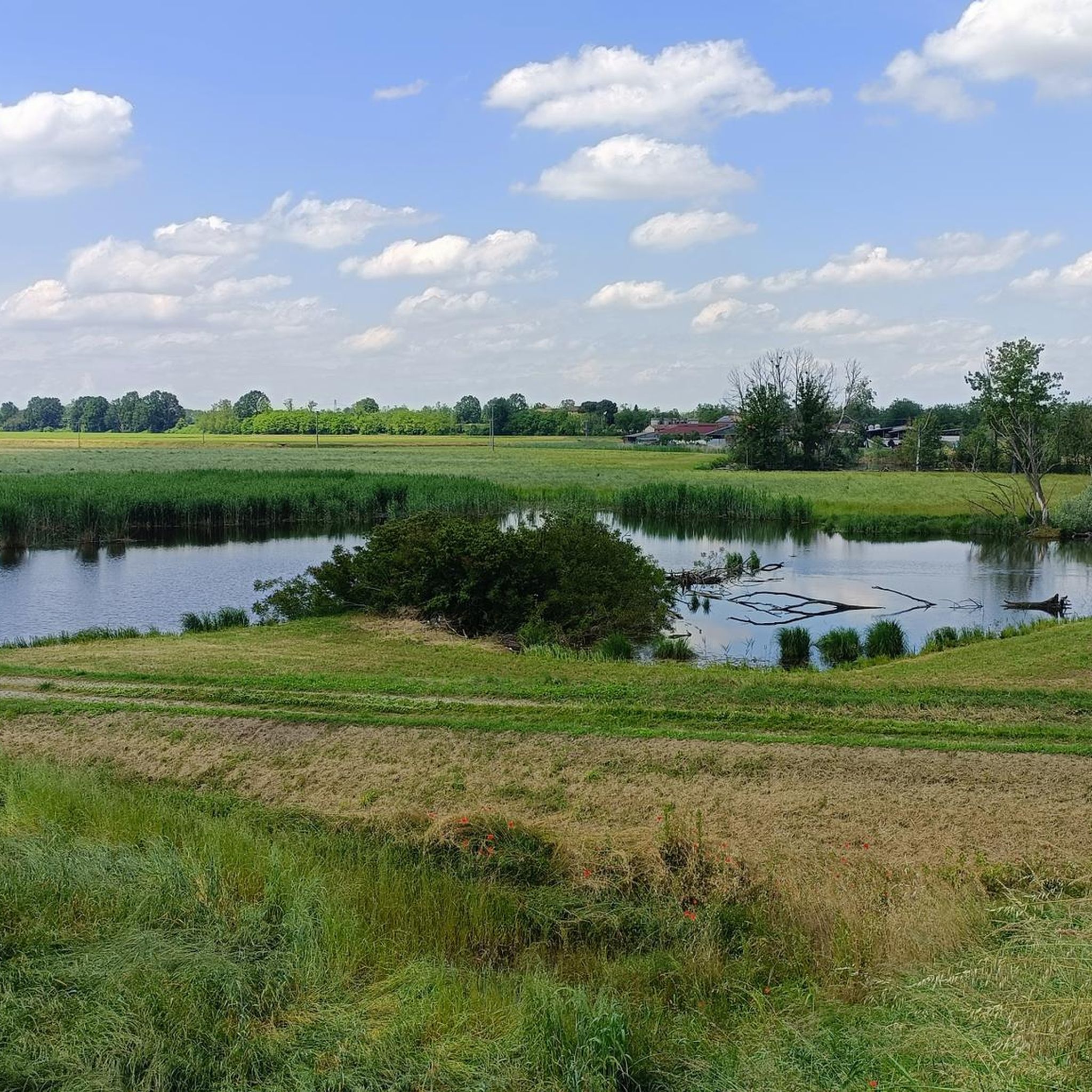
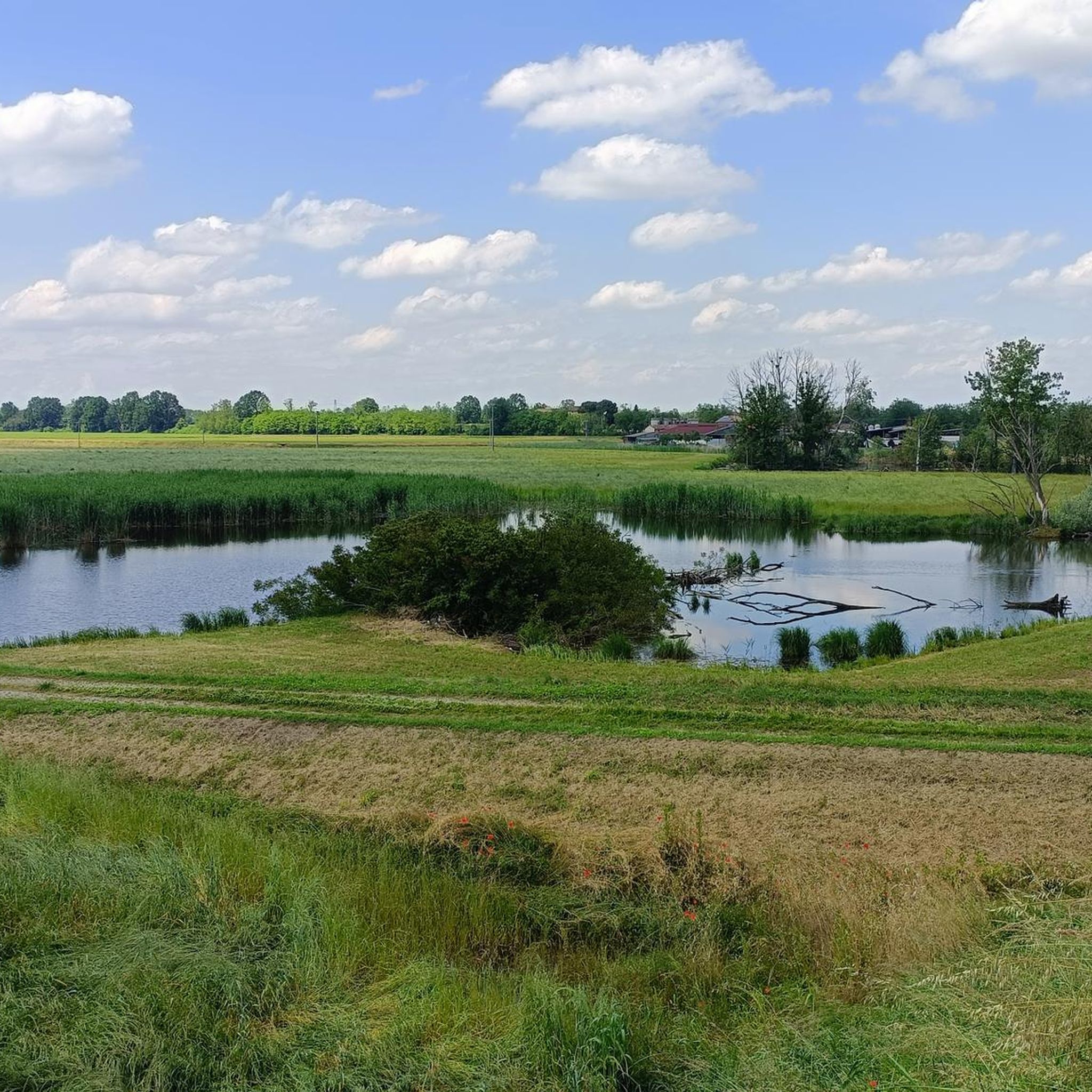
Best attractions and places to see around Crotta D'Adda, a municipality in the Province of Cremona, Italy, offers a blend of cultural initiatives and historical architecture. The town is situated on a terrace overlooking the Adda River, shortly before its confluence with the Po River. This location provides scenic natural beauty and opportunities for cycling along the river. Crotta D'Adda's identity is enhanced by projects like Crotta Dipinta, which transformed the town into an open-air art gallery.
Best attractions and…
Last updated: August 2, 2026
Torrazzo of Cremona
Highlight • Monument
Boasting the record of being the tallest medieval brick bell tower …
Translated by Google •
Tip by

Adda River Bridge and Visconti Tower, Pizzighettone
Highlight • Bridge
Translated by Google •
Tip by

Sign up now to discover places like this
Get recommendations on the best single tracks, peaks, & plenty of other exciting outdoor places.
Sign up for free
Iron Bridge over the Po River (Cremona)
Highlight • Bridge
Translated by Google •
Tip by

Church of San Pietro in Pizzighettone
Highlight • Religious Site
Translated by Google •
Tip by

Cathedral of Saint Mary of the Assumption
Highlight • Religious Site
Translated by Google •
Tip by

Sign up for free to discover even more attractions around Crotta D'Adda.
Sign up for free
Already have an account?
Start today with a free account
Your next adventure awaits.
Login or Signup

Tips from the Community

A visit to this unusual museum is definitely worthwhile. Current prices, opening hours, and restrictions can be found here: https://museoverticale.it/
1
0
The historic city of Cremona in Lombardy is dominated by a monumental bell tower, the Torrazzo. At 112 meters tall, it is the tallest brick bell tower in Europe and one of the most impressive medieval structures in Italy. The Torrazzo was built gradually between the 13th and 14th centuries as part of the cathedral complex. Its brick construction testifies to both the technical ingenuity of medieval builders and the city's ambition to express its power and importance. In 1583, a unique astronomical clock was added to the tower, which still fascinates with its accuracy. Climbing the Torrazzo is a spiritual journey from earth to heaven, and it is not difficult to ascend the 502 steps that lead to the final terrace to enjoy a breathtaking 360° panorama. The visit includes a stop in the rooms dedicated to the study of time and astronomy in the new Vertical Museum, which was inaugurated in November 2018. https://www.cattedraledicremona.it/torrazzo-interno/?lang=de
2
0
Cremona Cathedral (Duomo di Cremona) is the seat of the Bishop of Cremona. The Romanesque church also exhibits Gothic, Renaissance, and Baroque elements. Together with the Baptistery and the bell tower, the Torrazzo, it forms the city's most important architectural ensemble. The three buildings stand opposite the Town Hall on the eastern edge of the Piazza del Comune (the old Platea Maior of the medieval city). The main structural elements of the three buildings date from the late 12th to the 15th centuries. The Cathedral is a national monument. https://de.wikipedia.org/wiki/Dom_von_Cremona
1
0

I recommend a visit, the interior is stunning.
0
1
Stunning frescoes that completely decorate the interior
0
1
Magnificent interior with spectacular frescoes
0
1

Church of San Pietro (Shrine of Our Lady of the Sacred Heart) in the nearby village of Gera, an 18th-century Marian sanctuary entirely covered in marble and mosaics to celebrate the figure of the Virgin, present both inside and outside at the initiative of the priest Pietro Mizzi (parish priest of Pizzighettone until 1999) who dedicated his entire life to its embellishment.
1
0

must see
0
0
Frequently Asked Questions
What unique cultural initiatives can I discover in Crotta D'Adda?
Crotta D'Adda is home to the unique Crotta Dipinta initiative, which has transformed the town into an open-air art gallery. Artists have adorned house walls with frescoes inspired by the natural landscapes, particularly focusing on themes of water and the Adda River, aiming to restore the town's identity through art.
What historical buildings are significant in Crotta D'Adda?
A significant architectural example is Villa Stanga, a historic property that underwent extensive renovations in the 18th century, showcasing late Lombard Baroque architecture. The Palazzo Comunale (Town Hall) also serves as a central landmark in the municipality.
What natural features define the area around Crotta D'Adda?
Crotta D'Adda is strategically situated on a terrace overlooking the Adda River, shortly before its confluence with the Po River. This location provides a picturesque backdrop and is central to the area's natural beauty and historical importance.
Are there cycling opportunities near Crotta D'Adda?
Yes, the area along the Adda River is known for interesting cycling paths. There are plans to connect to the larger 'Ciclovia VenTo' (Venice-Turin cycle route), making it an attractive stop for cyclists. You can find various routes, such as the Cycling around Crotta D'Adda guide, which includes routes like the 'Cathedral Square, Cremona – Cremona Tourist River Dock loop'.
What historical landmarks can I visit in the wider region?
Beyond Crotta D'Adda itself, you can explore significant historical sites like the Torrazzo of Cremona, Europe's tallest medieval brick bell tower, and the Adda River Bridge and Visconti Tower in Pizzighettone, located within a well-preserved walled city.
Are there any religious sites worth visiting nearby?
Yes, the Cathedral of Saint Mary of the Assumption in Cremona is a main symbol of the city, noted for its lavish 15th-century frescoes. Another notable religious building is the Church of San Pietro in Pizzighettone, known for its unique facade covered with precious marbles and mosaics.
What kind of outdoor activities are available for hikers?
The region offers several hiking opportunities, particularly along the rivers. You can explore routes like the 'South Adda Ring Trail' or the 'Golena del Po Trail'. More options can be found in the Hiking around Crotta D'Adda guide.
Are there family-friendly attractions in the area?
Many of the historical sites, such as the Adda River Bridge and Visconti Tower in Pizzighettone and the Cathedral of Saint Mary of the Assumption, are considered family-friendly. Additionally, the ongoing riverfront requalification project in Crotta D'Adda includes plans for an inclusive playground, enhancing family options.
What is the significance of the Caronte Sculpture?
The evocative Caronte Sculpture, depicting a benevolent Charon ('San Cristoforo con in spalla il Bambinello'), commemorates the historical ferry point that once connected the province of Cremona with the opposite bank in Lodi. It highlights the Adda River's historical importance for transport and local legends.
What do visitors particularly enjoy about the attractions around Crotta D'Adda?
Visitors appreciate the blend of cultural initiatives, historical architecture, and scenic natural beauty. The Torrazzo of Cremona is often highlighted for its historical significance and impressive height, while the well-preserved walled city of Pizzighettone, including its bridge and tower, is praised for its historical charm.
Are there running trails available near Crotta D'Adda?
Yes, there are several running trails that allow you to explore the local landscape. Options include the 'Castelnuovo Bocca d'Adda - Po Floodplain Loop' and the 'Adda and Po Confluence Loop Trail'. You can find more details in the Running Trails around Crotta D'Adda guide.
Can I find any viewpoints to enjoy the scenery?
The Torrazzo of Cremona offers panoramic views from its top, providing a unique perspective of the city and surrounding area. Additionally, the Iron Bridge over the Po River in Cremona also serves as a viewpoint, offering scenic vistas of the river.
Most popular routes around Crotta D'Adda
Most popular attractions around Crotta D'Adda

Get inspired with the komoot mobile app


Explore more
Still not found the Highlight you’re looking for? See guides of the top attractions in other regions:
