Attractions and Places To See around Quingentole - Top 20
Attractions and places to see around Quingentole offer a tranquil experience rooted in its local history and rural landscape within the province of Mantua, Italy. This charming village is characterized by its picturesque countryside and proximity to the Po main - Lower - Oglio river catchment. Visitors can explore historical points of interest and natural features that reflect the region's rich past and agricultural setting.
Best attractions and places to see around Quingentole
- The most popular attractions is Abbey of…
Last updated: May 9, 2026
Ostello Dei Concari
Highlight • Rest Area
Translated by Google •
Tip by

Abbey of St. Benedict in Polirone
Highlight • Religious Site
Translated by Google •
Tip by

Sign up now to discover places like this
Get recommendations on the best single tracks, peaks, & plenty of other exciting outdoor places.
Sign up for free
Ciclovia del Sole – Tramuschio Entrance
Highlight • Cycleway
Translated by Google •
Tip by

Ostiglia–Revere Bridge over the Po
Highlight • Bridge
Translated by Google •
Tip by

San Leone Lock
Highlight • Structure
Translated by Google •
Tip by
Sign up for free to discover even more attractions around Quingentole.
Sign up for free
Already have an account?
Start today with a free account
Your next adventure awaits.
Login or Signup
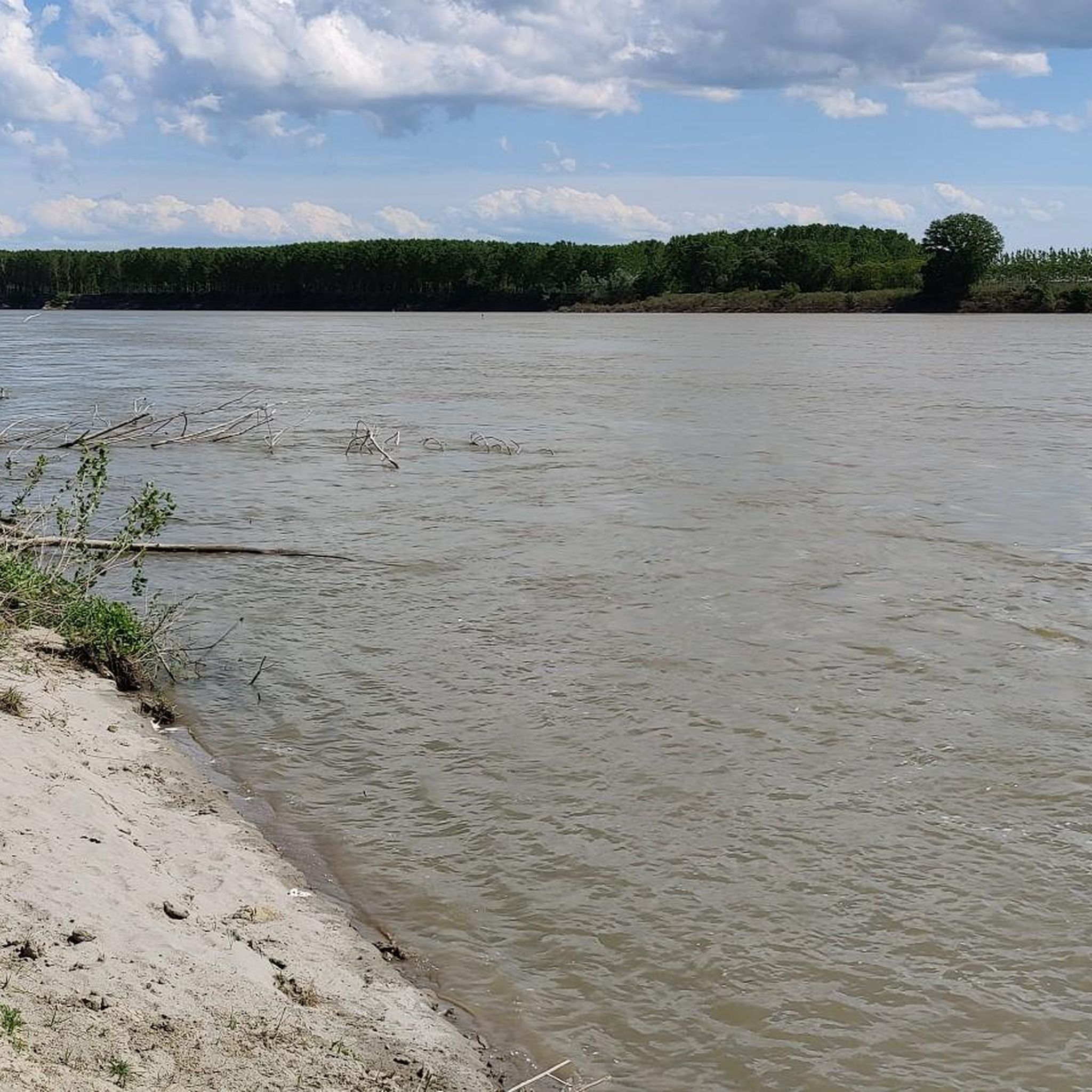
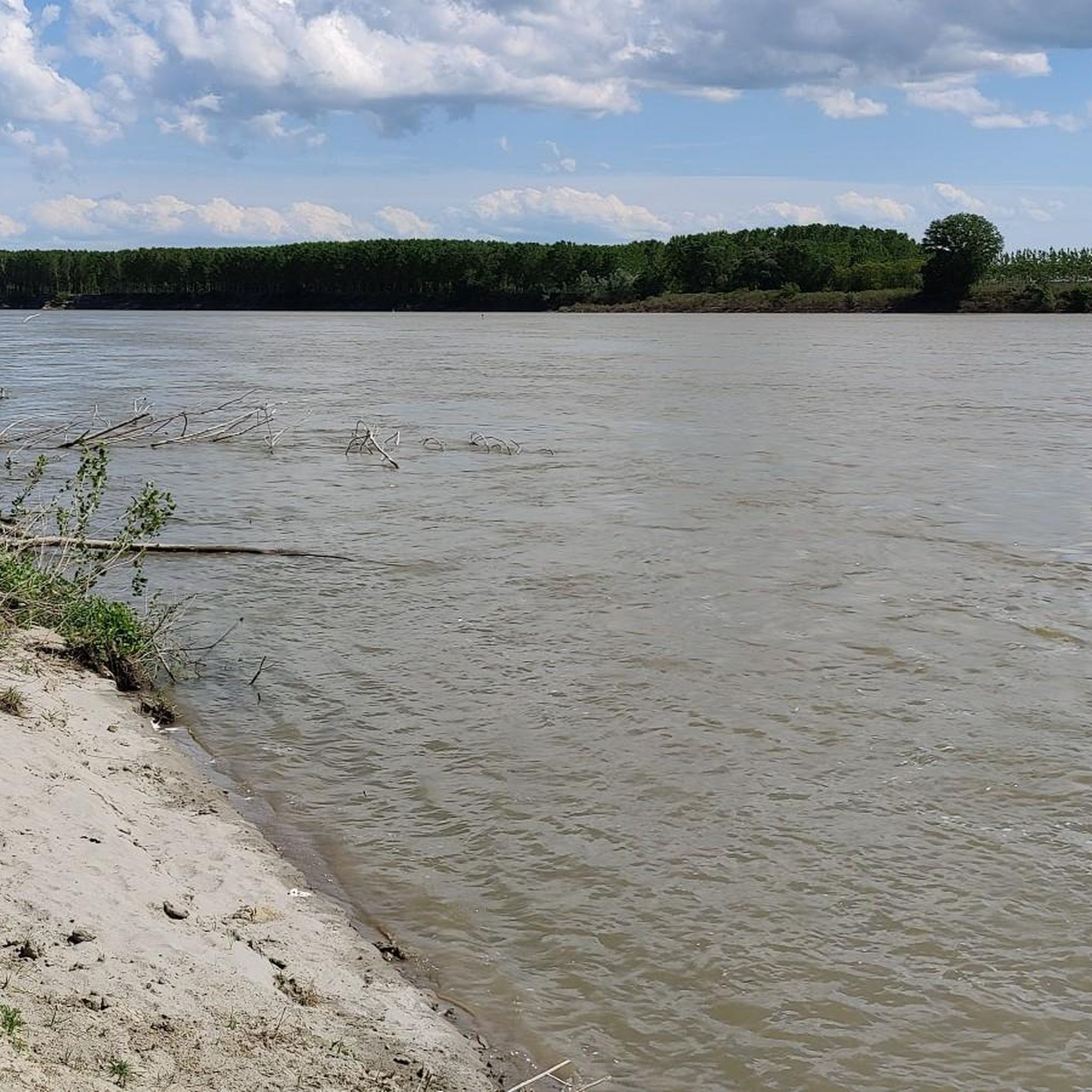
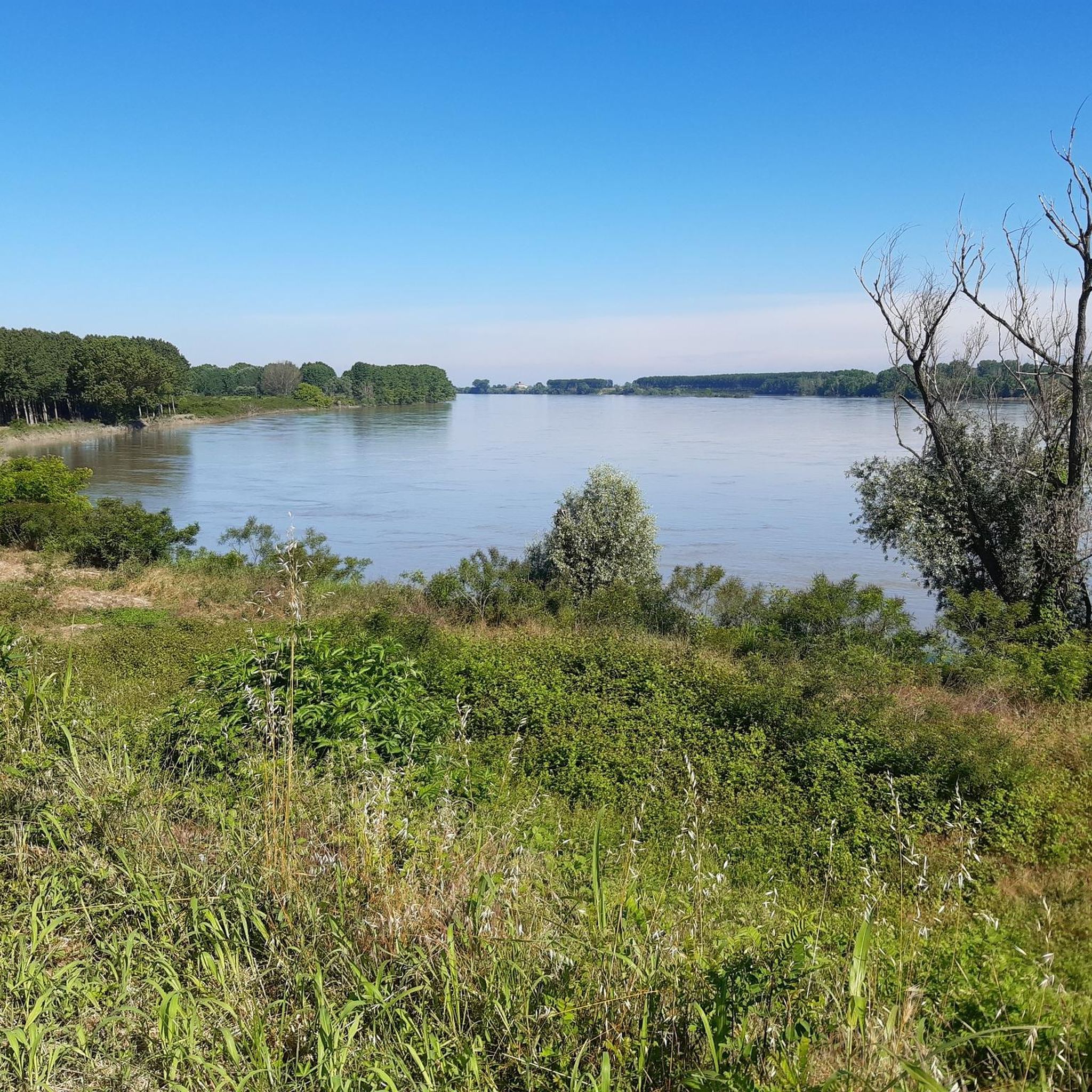
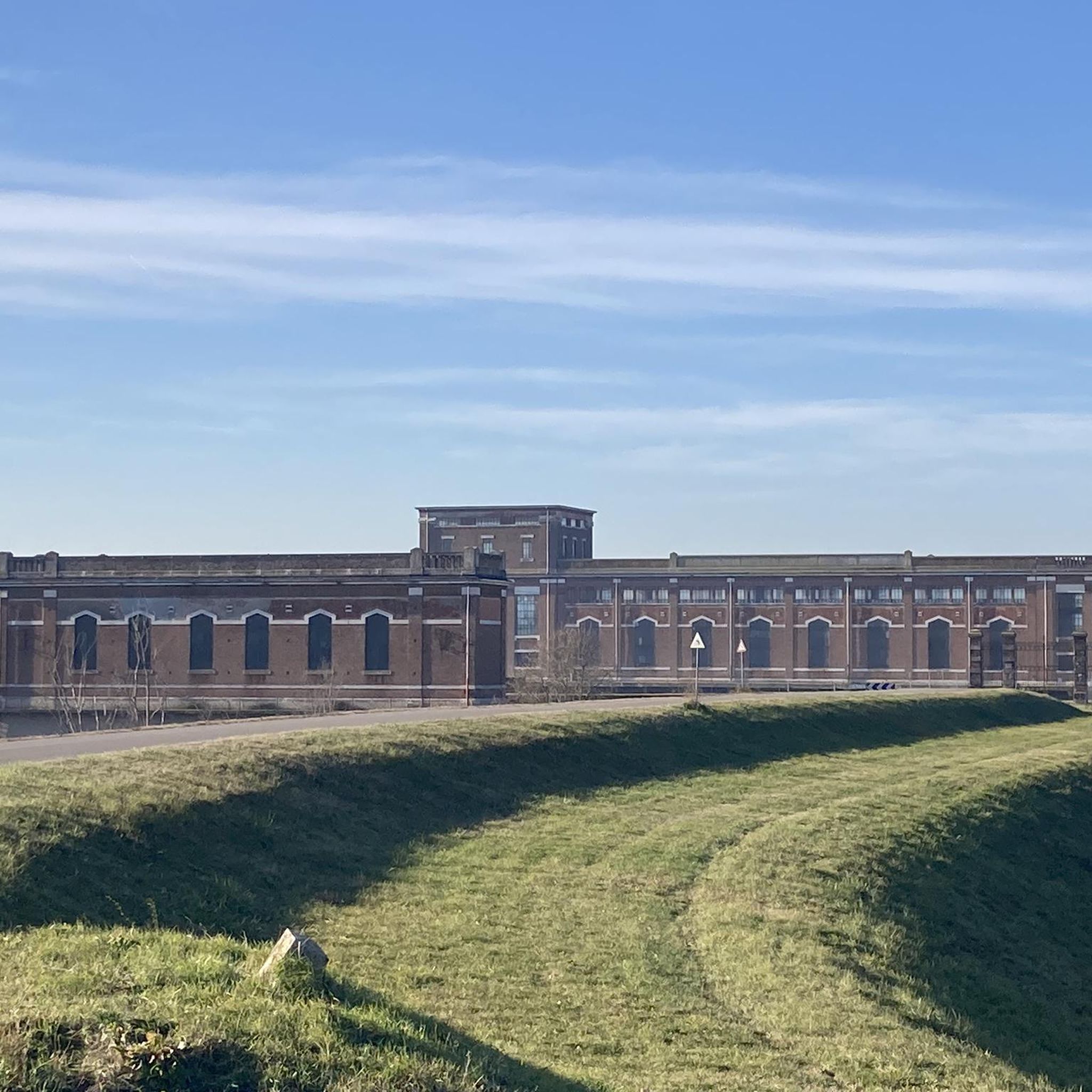

Tips from the Community

We arrive in Ostiglia
0
0
You can safely cross the Po River using the cycle/pedestrian lane.
0
0
They redid the bridge and you no longer have to take state road 12 to get there from Poggio Rusco
0
0
Shelter from the rain and storm under the Iron Bridge over the Po River
0
0
Beautiful cycle path suitable for all types of bicycles
0
0
Beautiful cycle path with the cat waiting
0
0
Beautiful cycle path that reaches Bologna, suitable for all types of bicycles and pedestrians
0
0
From here you exit and can go to Poggio Rusco
0
0
Frequently Asked Questions
What historical and cultural sites can I explore in Quingentole?
Quingentole offers a rich historical tapestry. You can visit the central Piazza Italia, home to the historic Villa Vescovile (now the Town Hall) with its 16th-century decorations by Giulio Romano, and the impressive Baroque Church of San Lorenzo. Beyond the village, the significant Abbey of St. Benedict in Polirone, founded in 1007, is recognized as one of Italy's largest Benedictine monastic complexes.
Are there any natural features or scenic viewpoints near Quingentole?
While Quingentole is known for its tranquil, agricultural countryside, the region is characterized by its proximity to the Po main - Lower - Oglio river catchment. You can appreciate the rural landscape and the presence of water features. The San Leone Lock is a notable man-made structure that connects the Mincio river to the Fissero-Tartaro artificial navigable canal, offering a unique view of the region's water management.
What outdoor activities, like cycling or running, are available around Quingentole?
The flat terrain around Quingentole is ideal for various outdoor activities. For cyclists, there are numerous routes, including sections of the Eurovelo7. You can find detailed MTB trails and gravel biking routes, such as the 'Mantua Lakes and Po River Loop'. Runners can explore running trails like the 'Running loop from Revere' or 'Along the Po River – Ostiglia–Revere Bridge over the Po loop'.
Are there family-friendly attractions or activities in the area?
Yes, several attractions around Quingentole are suitable for families. The Abbey of St. Benedict in Polirone is listed as family-friendly, offering a historical and educational experience. For outdoor activities, the Ciclovia del Sole – Tramuschio Entrance provides access to a cycle path that is suitable for all bikes and walking, making it a great option for families to enjoy the countryside together.
Where can I find places to eat or take a break near the attractions?
For a convenient stop, Ostello Dei Concari in Governolo is a popular spot. It offers home cooking and serves as a meeting point for cyclists on the Eurovelo7. It's an ideal place to eat or take a break, though booking in advance is recommended.
What is the best time of year to visit Quingentole for outdoor activities?
The Mantuan countryside, including Quingentole, is generally pleasant for outdoor activities during spring (April-May) and autumn (September-October) when temperatures are milder. Summers can be warm, and winters are typically cool, so these shoulder seasons offer the most comfortable conditions for exploring the trails and historical sites.
Are there any accessible paths or attractions for visitors with mobility needs?
Yes, some paths and attractions are designed to be accessible. The Ciclovia del Sole – Tramuschio Entrance leads to a cycle path that is wheelchair accessible. Additionally, the Ostiglia–Revere Bridge over the Po is also wheelchair accessible, allowing safe passage across the river.
What is the significance of the Po River in the Quingentole area?
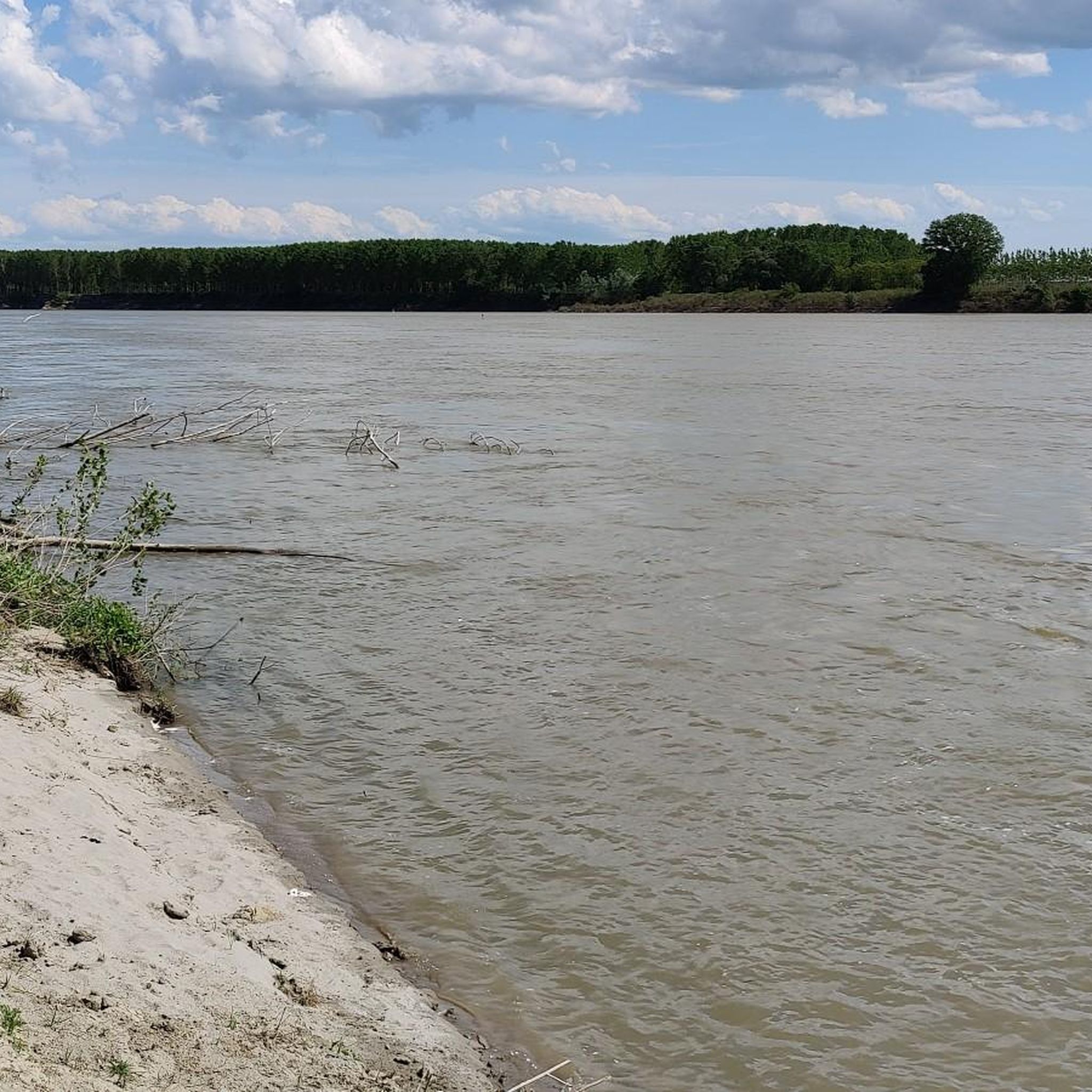
The Po River is a significant geographical feature in the region. The area around Quingentole is part of the Po main - Lower - Oglio river catchment. The Ostiglia–Revere Bridge over the Po provides a crucial crossing point, and the river plays a role in the local landscape and historical development, including navigation and agricultural practices.
What do visitors particularly enjoy about the attractions around Quingentole?
Visitors appreciate the blend of history and tranquil rural beauty. The Abbey of St. Benedict in Polirone is highly regarded for its historical significance and architectural grandeur. The Ostello Dei Concari is loved for its welcoming atmosphere and home cooking, especially by cyclists. The overall appeal lies in experiencing authentic Italian village life and exploring the peaceful countryside.
Can I find accommodation directly in Quingentole?
Quingentole is a charming village offering a peaceful retreat. While specific accommodation options are not detailed here, the village provides a tranquil atmosphere for those seeking an authentic Italian experience. For broader options, the wider Mantuan area offers various choices, including the nearby Ostello Dei Concari which provides lodging.
Are there any long-distance cycling routes that pass through or near Quingentole?
Yes, Quingentole is situated along or near significant cycling routes. The Ostello Dei Concari is noted as a meeting point and passage on the Eurovelo7, a major European cycling network. This makes the area a great base for longer cycling tours, with various routes like the 'Mantua Lakes and Po River Loop' available for exploration.
What kind of historical significance does the Villa Vescovile hold?
The Villa Vescovile in Piazza Italia is a significant historical building. Originally constructed in the first half of the 15th century, it was expanded in the late 1400s and notably adorned internally with decorations by Giulio Romano in the 16th century. It now serves as the Town Hall, primary schools, and the Municipal Theater, reflecting centuries of local history.
Most popular routes around Quingentole

Get inspired with the komoot mobile app


Explore more
Still not found the Highlight you’re looking for? See guides of the top attractions in other regions:
