Top 4 Castles around Massalengo
Castles around Massalengo are found in the Province of Lodi, a region in Lombardy, Italy, known for its historical significance. While Massalengo itself does not host prominent castles, its location provides access to several notable historical buildings in the broader Lodi area. This region offers a rich history, with structures dating back centuries, reflecting various periods of Italian heritage. Visitors can explore these sites to understand the area's past and architectural evolution.
Best castles around Massalengo
- The most popular castles…
Last updated: July 28, 2026
Chignolo Po Castle
Highlight • Castle
Via Stazione, 27013 Chignolo Po PV
castellodichignolopo.it
3201198899
Translated by Google •
Tip by

San Colombano Castle
Highlight • Castle
Translated by Google •
Tip by

Sign up now to discover places like this
Get recommendations on the best single tracks, peaks, & plenty of other exciting outdoor places.
Sign up for free
Ramp on Via Collada, San Colombano Castle
Highlight (Segment) • Castle
Translated by Google •
Tip by

Bolognini Castle of Sant'Angelo Lodigiano
Highlight • Castle
Translated by Google •
Tip by

Torrione of Lodi
Highlight • Castle
Translated by Google •
Tip by

Sign up for free to discover even more castles around Massalengo.
Sign up for free
Already have an account?
Start today with a free account
Your next adventure awaits.
Login or Signup

Tips from the Community

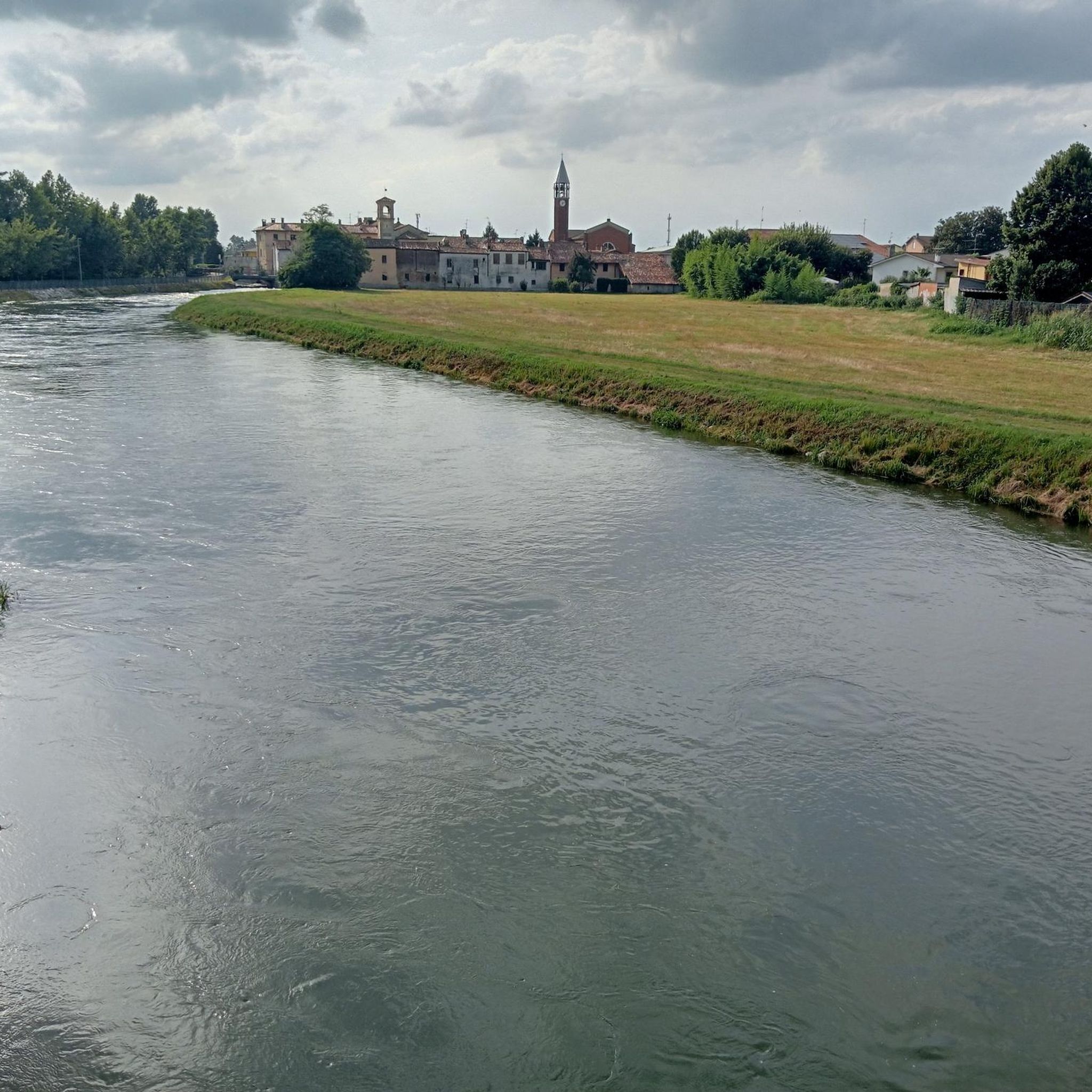
The Castello di San Colombano (or Castello Belgioioso) stands in the medieval village famous for its vineyards and for being an exclave in the province of Milan. Dating back to the 6th century and rebuilt by Barbarossa in 1164, it is divided between a private area (the keep) and a communal one (the fortified village).
0
0
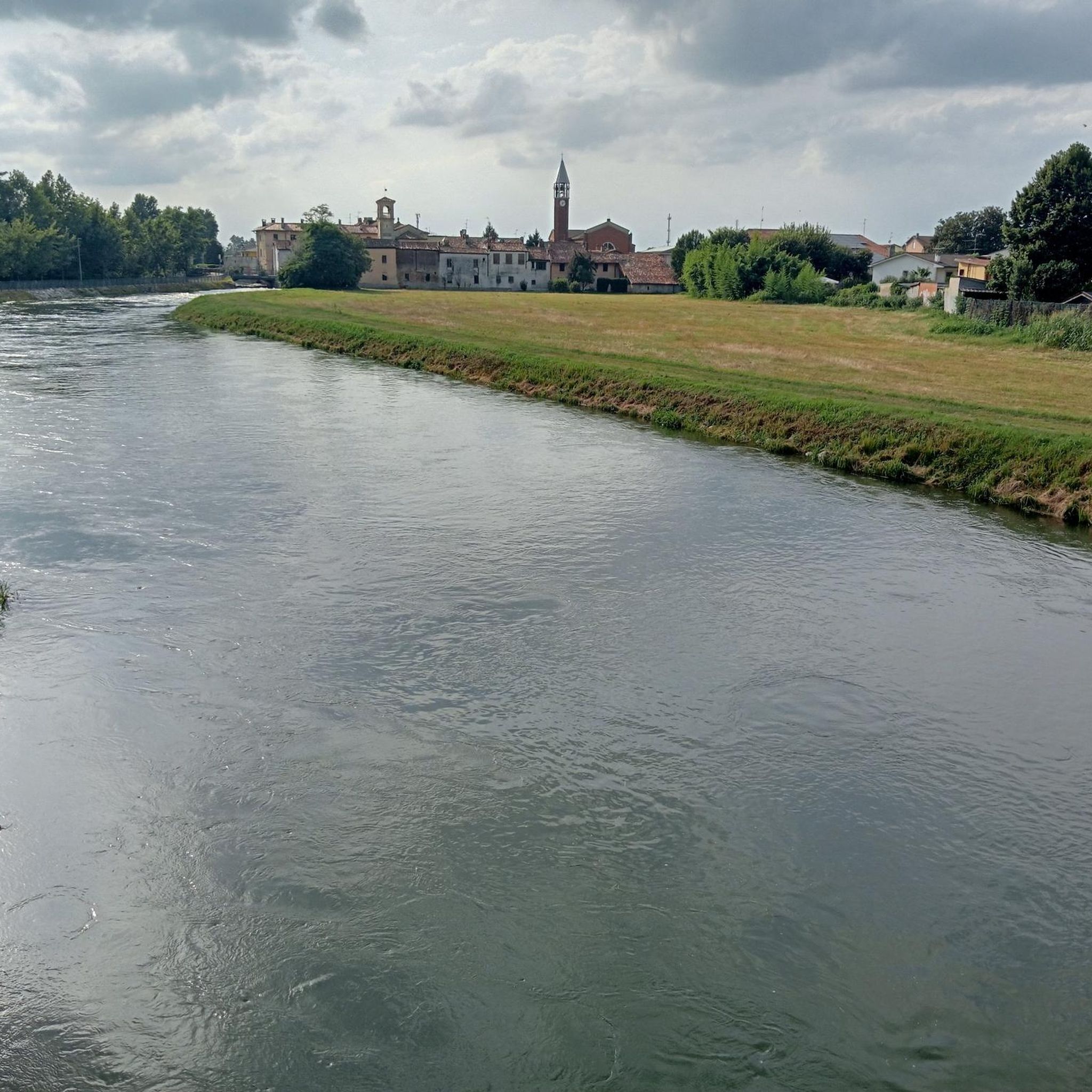
The Ramp on Via Collada in San Colombano al Lambro (MI) is a climb of about 700-1160 meters that starts right by the castle walls. It is known for its challenging average gradient of ~17% and peaks exceeding 20%] Length: Approximately 1.16 km (with a steep initial section of ~ 500 meters). Elevation gain: ~ 199 meters. Average gradient: 17.12%. Maximum gradient: Very steep, suitable for intense training (MTB/road bike climb category).
0
0

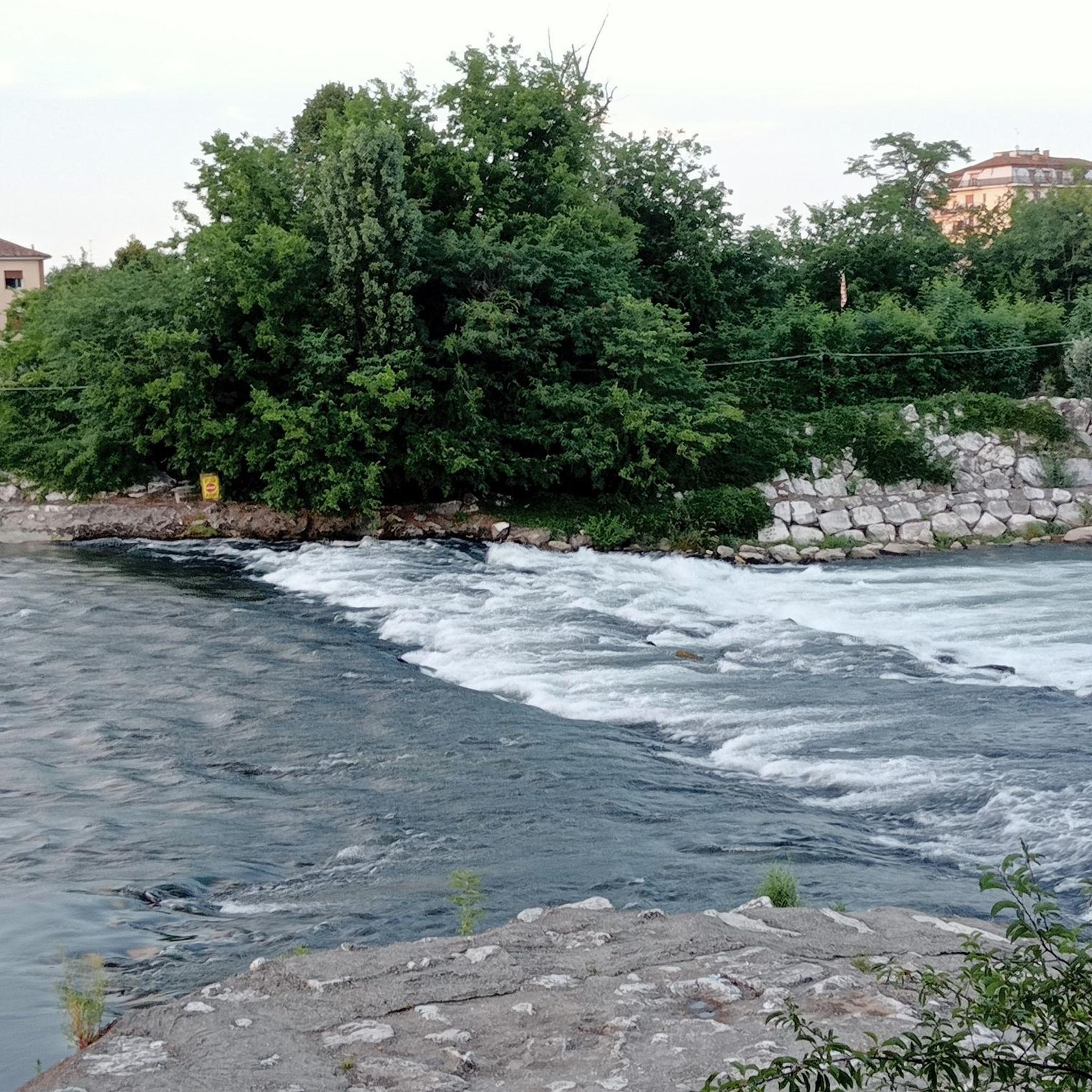
The Torrione of Lodi is a 15th-century historical defensive structure, an integral part of the Castello di Lodi (Visconteo Castle), commissioned by Francesco Sforza. It represents one of the main testimonies of the Renaissance fortifications of the Lombard city, located in the historical context of the city.
1
0

This palace is called the "Versailles" of Lombardy. Everything is locked. According to the sign, it can be visited by appointment. The grounds are vast.
1
0

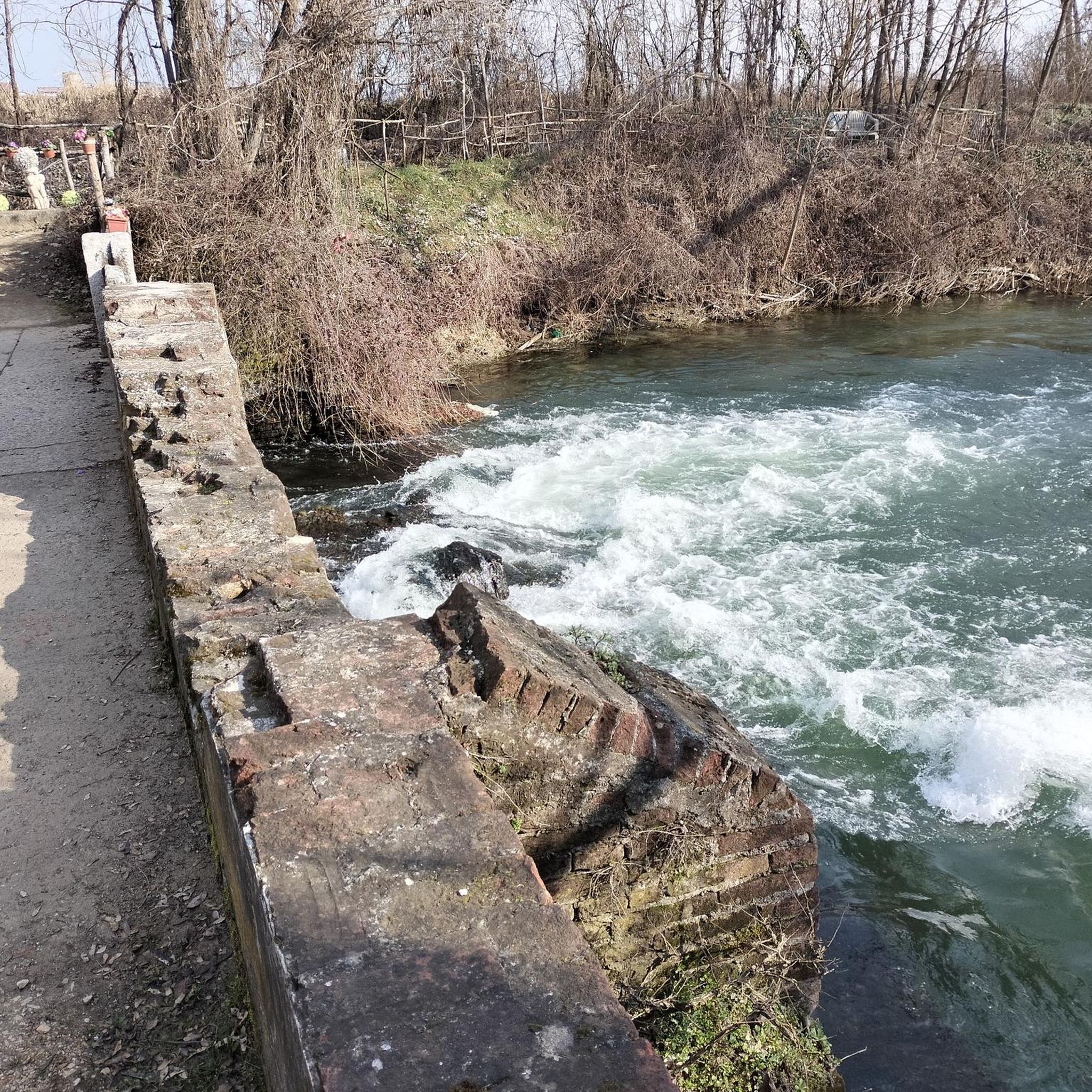
A piece of history of Lodi and its ancient walls
0
0


On gravel we followed dirt roads along waterways and cycle paths as much as possible, but you can get there faster with a road bike.
0
0
We left Gorgonzola in the direction of the Chignolo Po Castle, one of the sumptuous country residences of Lombardy, and after about three hours we arrived at our destination... discovering that the Castle was closed... no big deal we took pictures from the outside. Its oldest part is the tower, built as a garrison on the Po and on the connecting routes between northern Europe and Italy. The Castle, built in the thirteenth century, was transformed into a princely palace in the eighteenth century, through an imaginative stylistic reworking of the building. It appears as a majestic terracotta construction, surmounted by a protruding gallery supported by stone brackets. Each window is framed in white. The most spectacular element is the central tower, square and with battlements, embellished with a small loggia. Inside you can admire the apartments in which Pope Clement XI, Napoleon Bonaparte and Francis I of Austria were hosted, as well as the sumptuous ballroom on whose ceiling the glory of the four seasons is painted. The Castle is also home to the Museum of the History of Lombard Agricultural Civilization, created with the intent of bringing together the many historical realities that have formed the foundation of the agricultural activities of the lower Po Valley and the Lombard Wine Museum. The visit route aims to admire the monumental complex of the Castle of Chignolo Po and to enhance the history of its centuries-old royal fiefdom and its position along the Via Francigena. The visits are only guided as the Castle is a private residence. Nice trip!
0
0
Frequently Asked Questions
What are the most popular castles to visit near Massalengo?
Among the most popular castles in the region are Chignolo Po Castle, known for its ancient history and medieval and Renaissance routes, and San Colombano Castle, which has origins dating back to the 6th century and underwent numerous transformations. Visitors also highly appreciate the Bolognini Castle of Sant'Angelo Lodigiano, a medieval complex housing several museums.
Are there family-friendly castles around Massalengo?
Yes, several castles in the area are suitable for families. The Bolognini Castle of Sant'Angelo Lodigiano is a great option, offering museums that can engage visitors of all ages. Chignolo Po Castle and San Colombano al Lambro Castle are also categorized as family-friendly, providing historical exploration for everyone.
Which castles offer a deep dive into the region's history?
For a deep dive into history, Chignolo Po Castle is excellent, with its main tower dating back to the Lombards and offering both medieval and Renaissance routes. San Colombano Castle, with its 6th-century origins and history of various owners like Frederick I and the Visconti-Sforzas, also provides a rich historical experience. The Bolognini Castle of Sant'Angelo Lodigiano, built as a military garrison, includes museums dedicated to local history and agriculture.
What outdoor activities can I do near these castles?
The area around Massalengo offers various outdoor activities. You can find numerous hiking trails, such as the Adda Sud Park Trail, and cycling routes like the Waterfall on the Muzza Canal loop. For mountain biking enthusiasts, there are also MTB trails, including the Adda River and Muzza Canal Loop.
Are there any castles with unique architectural features or legends?
Yes, the region has castles with distinct characteristics. Chignolo Po Castle is sometimes referred to as the 'Versailles of Lombardy' due to its grandeur. The Torrione of Lodi, a Visconti-style tower, is a notable architectural remnant of a larger castle. Additionally, the Maccastorna Castle, mentioned in regional research, is known for its 'haunted architecture' and local legends of echoing screams.
What kind of museums can I find within or near these castles?
The Bolognini Castle of Sant'Angelo Lodigiano is home to several museums, including the Morando Bolognini Museum, the Bread Museum, and the Agriculture Museum, offering insights into local heritage and history.
What is the best time to visit castles near Massalengo?
While specific opening hours vary by castle, generally, spring and autumn offer pleasant weather for exploring the castles and their surrounding areas. These seasons avoid the peak heat of summer and the colder, potentially wetter conditions of winter, making outdoor exploration and castle visits more comfortable.
Can I combine a castle visit with a walk or hike?
Absolutely. Many castles are situated in areas with scenic surroundings. For example, San Colombano Castle is located at the foot of a hill, which is part of the Park of the Hill of S. Colombano, where vineyards are cultivated. You can find nearby hiking routes to combine your visit with a walk.
What do visitors enjoy most about the castles around Massalengo?
Visitors frequently praise the rich history and cultural significance of the castles. They appreciate the opportunity to explore ancient structures, learn about the region's past, and admire the architectural evolution. The presence of museums within castles, like at Bolognini Castle, is also a highlight for many.
Are there any castles near Massalengo that were significant military outposts?
Yes, the Bolognini Castle of Sant'Angelo Lodigiano was built in the 13th century specifically as a military garrison for the Signoria of Milan. The Visconti Castle in Lodi, though not a highlight in this guide, was also established as a fortification by German Emperor Frederick I and later served as a military outpost under Austrian rule.
What is the historical significance of Massalengo itself?
While Massalengo doesn't host grand fortresses, it has its own historical points of interest. These include antique agricultural businesses, the Cascina Grande, the 1885 Liberty-style Villa Premoli, and the parish church of Sant'Andrea Apostolo e Martire, built in 1621. The municipality is part of a region rich in history.
Most popular routes around Massalengo
Most popular attractions around Massalengo

Get inspired with the komoot mobile app


Explore more
Looking for the best castles somewhere else? Discover other guides around Massalengo:
