The best road cycling routes around Liscate
4.2
(1038)
14,217
riders
303
rides
Road cycling routes around Liscate are characterized by flat terrain and historical waterways, making it an accessible destination for cyclists. Situated approximately 20 kilometers east of Milan, the area's average altitude of 115 meters provides a manageable environment for rides. The region offers access to the Naviglio Martesana, a historic canal network with largely flat cycling paths that wind through peaceful agricultural territories, providing countryside views. This network connects to broader Milanese cycling routes, including those along the Naviglio Grande.
…Last updated: October 28, 2026
4.1
(11)
217
riders
Easy road ride. Mostly well-paved surfaces and easy to ride.
3.8
(4)
131
riders
121km
05:29
1,180m
1,180m
Hard road ride. Very good fitness required. Some segments of this route may be unpaved and difficult to ride.

3.4
(5)
96
riders
75.6km
02:57
110m
110m
Moderate road ride. Good fitness required. Some segments of this route may be unpaved and difficult to ride.
5.0
(1)
37
riders
113km
04:58
880m
880m
Moderate road ride. Good fitness required. Mostly well-paved surfaces and easy to ride.
37
riders
99.2km
03:57
290m
290m
Moderate road ride. Good fitness required. Mostly well-paved surfaces and easy to ride.
Get access to more routes and recommendations from other explorers.
Already have an account?
Our route recommendations are based on thousands of hikes, rides, and runs completed by other people on komoot.
Start today with a free account
Your next adventure awaits.
Tips from the Community

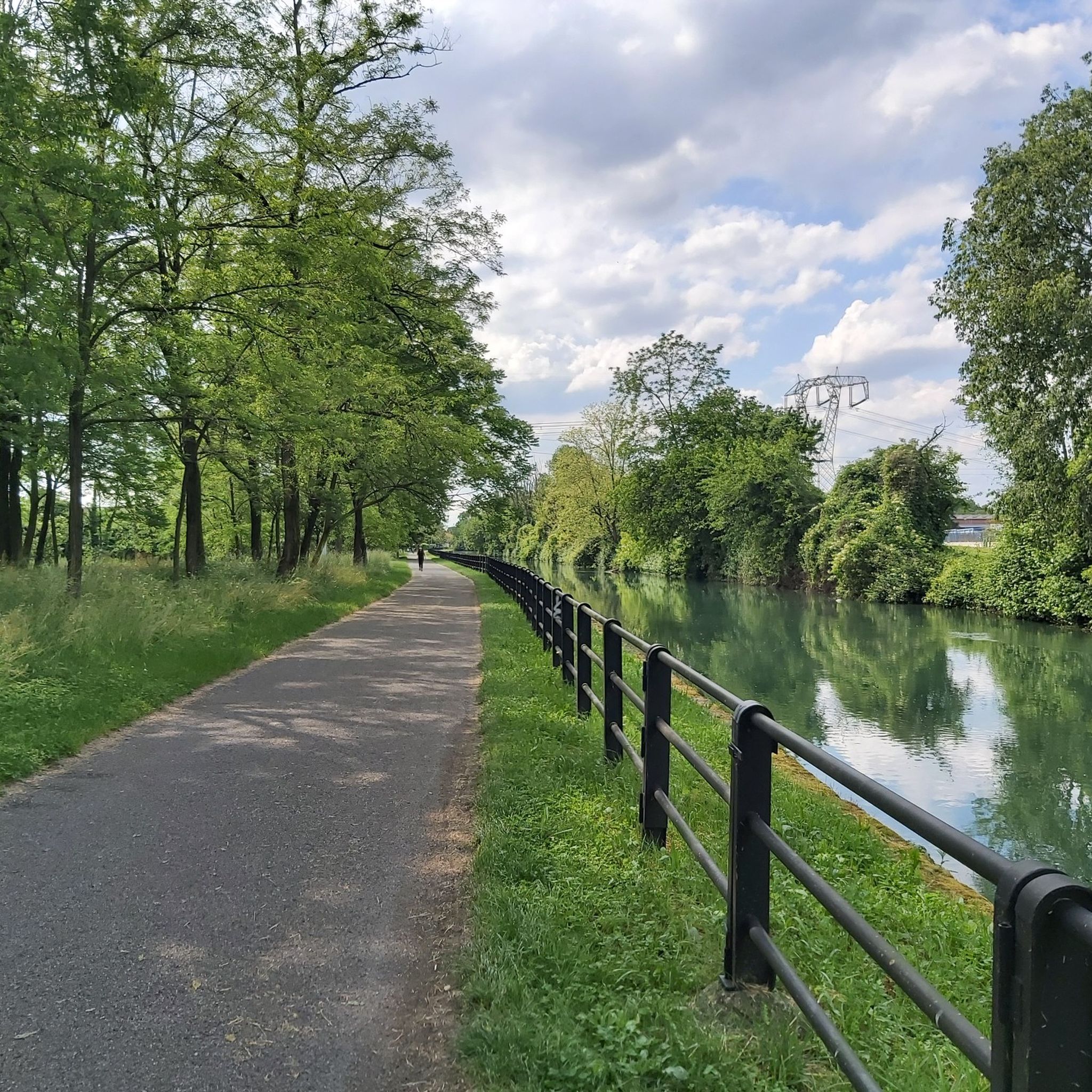
The Naviglio della Martesana, also known as Naviglio Piccolo (in Lombard Navili de la Martesana or Naviliett), is one of the Milanese canals that connects Milan with the Adda river, from which it receives water at Concesa, just downstream from Trezzo sull'Adda. It was named Martesana, after the county it would cross, by Francesco Sforza in 1457, even before construction work began in 1460.
0
0


By the main road, with their own park with benches
0
0
Il Vicolo dei Lavandai is one of the most famous and characteristic historic corners of Milan, located along the Naviglio Grande (at number 14 Alzaia Naviglio Grande). It takes its name from the public wash house where workers – originally organized in an all-male association in the 19th century – used to wash clothes and linen on behalf of Milanese families. Only later was the activity also carried out by women. The "Brellin": The washermen used an original marble support and a slanted wooden board called "brellin", useful for kneeling and rubbing clothes with "palton" (a paste based on ash, soap, and soda). Today the name survives in the famous restaurant El Brellin overlooking the alley.
0
0
The territory of the municipality of Marzano (in the province of Pavia) and its immediate surroundings are crossed by important cycle tourism routes and local connections that link the Pavese to the Lodigiano and the Navigli system
0
0
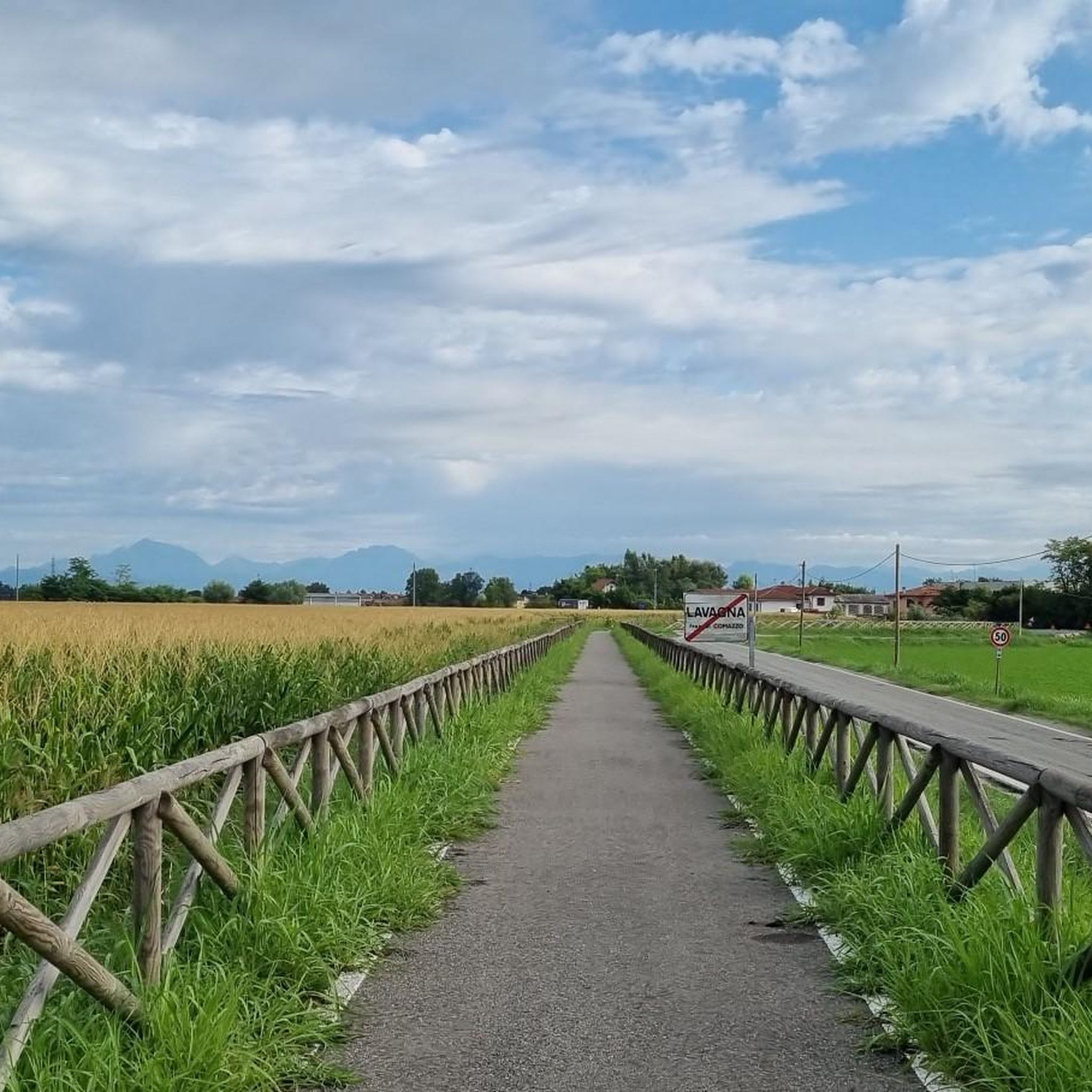
The Church of San Materno Vescovo in Comazzo, an imposing 18th-century building, represents a significant example of Baroque religious architecture, enriched with Rococo details. The interior of the church is decorated with Rococo-style frescoes that, despite recent restorations, retain their grace and elegance intact, characterizing the atmosphere of spirituality and devotion that permeates the space. The church's facade is plastered with elegant exposed stone profiles. The portal, a solemn architectural element, is preceded by a porch that emphasizes its importance and access. Above the portal, a large lunette houses a rectangular window that allows light to filter inside, giving luminosity to the building. The crowning of the facade is marked by a triangular pediment, which adds a sense of balance and majesty to the composition. The bell tower, quadrangular and made of exposed stone, stands solemnly next to the church.
0
0
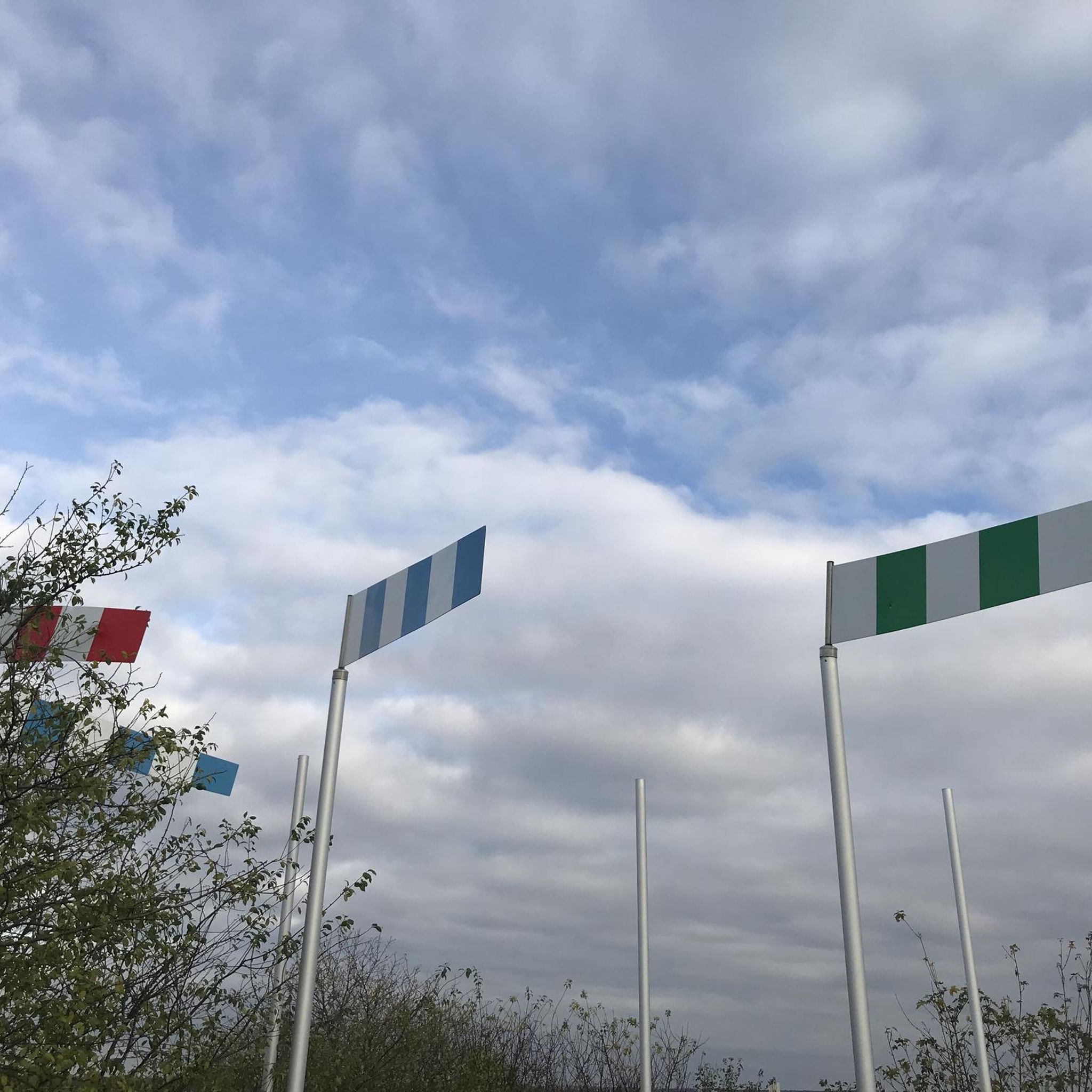
Work in the fields has been immortalized as a work of art through classical painting, land art, and the Asian tradition of rice paddy art.
0
0
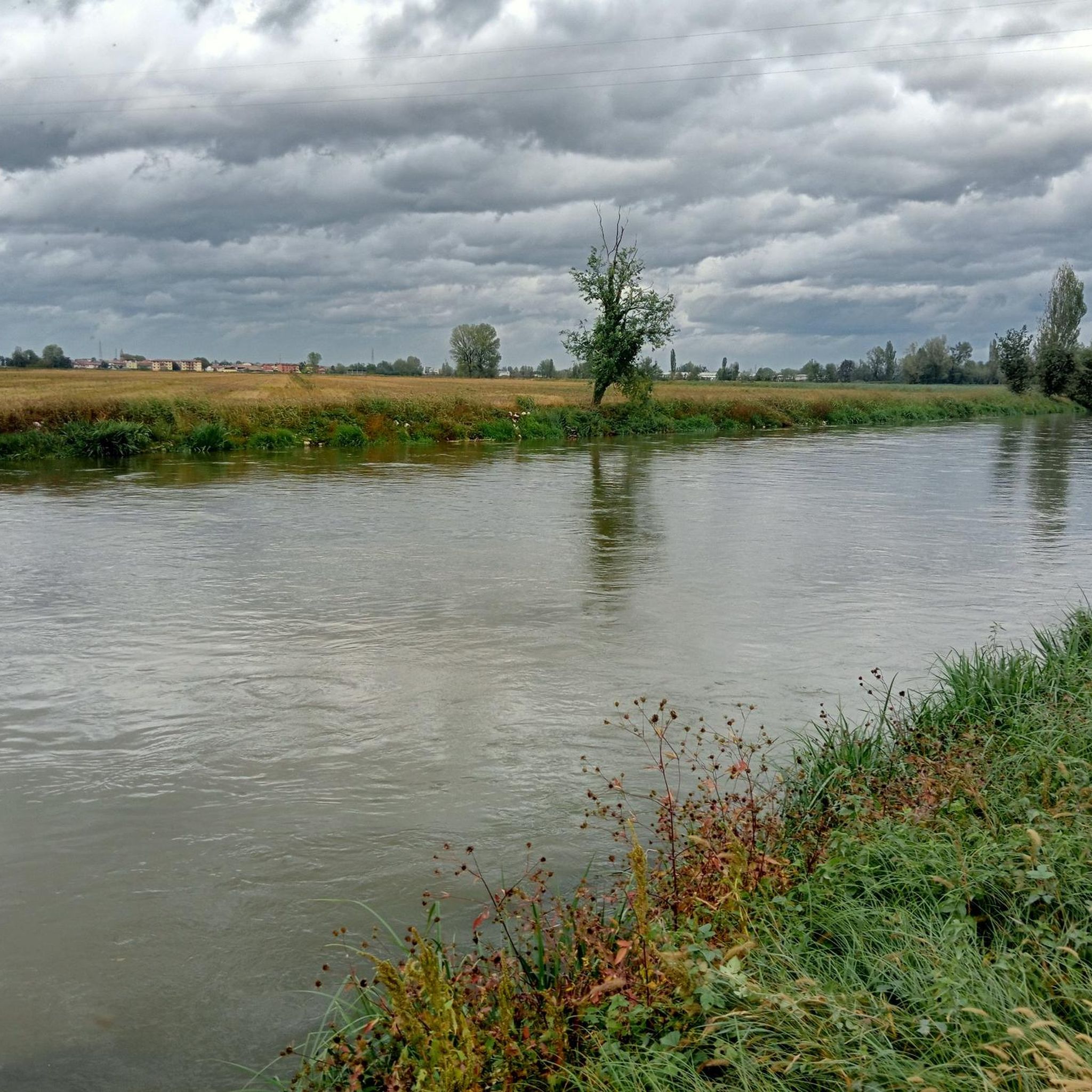
Il Sentiero Adda e Muzza indicates a network of spectacular cycle-pedestrian and dirt routes in the Lombardy plain, ideal for mountain bikes, gravel bikes, and trekking. These paths mainly run along the banks of the Adda river and the artificial Muzza canal, touching the provinces of Milan, Lodi, and Cremona within the protected natural area of the Parco Regionale Adda Sud.
0
0
Frequently Asked Questions
How many road cycling routes are available around Liscate?
Liscate offers a wide variety of road cycling routes, with over 300 different tours available. These routes cater to all skill levels, from easy to difficult.
What is the typical terrain for road cycling in the Liscate area?
The Liscate area is characterized by largely flat terrain, with an average altitude of 115 meters. This makes it ideal for road cyclists seeking manageable and scenic rides, particularly along the historic canal networks like the Naviglio Martesana. While many routes are flat, some extend towards the mountains, offering significant elevation gain and challenging climbs.
What are the main natural features or landmarks I can expect to see while road cycling near Liscate?
Road cycling routes around Liscate often follow the historic Navigli (canals), such as the Naviglio Martesana, offering picturesque countryside views through agricultural territories. You can also explore highlights like the Martesana Canal Cycle Path or the Idroscalo of Milan. Some routes extend to areas with mountain views, like those towards the Grigna Mountains.
Are there easy road cycling routes suitable for beginners in Liscate?
Yes, Liscate is very welcoming for beginners. There are over 100 easy road cycling routes, many of which follow the flat paths along the Navigli canals. A great option for an easy ride is the Canale Muzza – Bridge over the Muzza loop from Melzo, which is 44.8 km long with minimal elevation gain.
Can I find challenging road cycling routes with significant elevation gain near Liscate?
Absolutely. While Liscate itself is flat, some routes extend into more challenging terrain. For instance, the Selvino Switchbacks – Valle Brembana Cycle Path loop from Melzo is a difficult 120.4 km route with over 1,100 meters of elevation gain, leading through the Valle Brembana. Another moderate option with notable climbs is the View of the Grigna Mountains – Final Climb to Colle Brianza loop from Melzo.
What do other road cyclists enjoy most about road cycling in Liscate?
The komoot community highly rates road cycling in Liscate, with an average score of 4.3 stars from over 900 reviews. Cyclists often praise the well-maintained paths along the historic canals, the peaceful agricultural landscapes, and the variety of routes that cater to different skill levels, from leisurely rides to more challenging climbs.
Are there any historical sites or attractions to visit along the road cycling routes?
Yes, the region offers several points of interest. While cycling, you might encounter historical elements related to the Navigli network. In Liscate itself, you can find the Church of Santi Giorgio e Lorenzo, the Alessandro Manzoni Monument, and evidence of Roman archaeological remains. For specific historical sites, consider exploring guides like Castles around Liscate, which features places like the Castello di Peschiera Borromeo.
Are there circular road cycling routes available in Liscate?
Yes, many of the road cycling routes around Liscate are designed as loops, allowing you to start and end in the same location. Examples include the Canale Muzza – Bridge over the Muzza loop from Melzo and the Sanctuary of Madonna di Rezzano – Bridge over the Muzza loop from Melzo.
What is the best season for road biking in Liscate?
The generally mild climate of the Lombardy region makes Liscate suitable for road cycling for much of the year. Spring and autumn offer pleasant temperatures and beautiful scenery, ideal for exploring the canal paths and agricultural areas. Summer can be warm, but early mornings or late afternoons are still enjoyable. Winters are generally mild, though cooler.
How can I access the Naviglio Martesana cycle path from Liscate?
Liscate is well-situated for accessing the Naviglio Martesana, a key feature for road cycling in the area. The canal network is easily reachable from the town, allowing cyclists to quickly join the picturesque and largely flat paths that wind through the countryside. You can find specific sections like the Naviglio Martesana Cycle Path Between Bellinzago Lombardo and Inzago.
Are there options for moderate-difficulty road cycling routes?
Yes, Liscate offers a significant number of moderate road cycling routes, with over 180 available. These routes provide a good balance of distance and occasional elevation changes without being overly strenuous. An example is the Canale della Muzza in Conterico – Adda and Muzza Trail loop from Melzo, which covers 73.8 km.
Most popular attractions around Liscate

Get inspired with the komoot mobile app


Explore more
Browse the best Road cycling routes in other regions.
