The best cycling routes around Palazzo Pignano
4.3
(397)
3,157
riders
326
rides
Touring cycling around Palazzo Pignano offers routes through the flat, rural landscapes of the Po Valley and Crema countryside. The region is characterized by its serene agricultural scenery and proximity to waterways, including the Adda and Serio rivers. Many routes follow the Martesana Canal and traverse the Tormo River Interprovincial Natural Park, providing accessible cycling experiences. This area's generally flat terrain is suitable for various touring cycling routes.
Best touring cycling routes around Palazzo Pignano
- The most popular touring cycling…
Last updated: May 16, 2026
5.0
(7)
43
riders
39.6km
03:21
60m
60m
Moderate bike ride. Good fitness required. Mostly paved surfaces. Suitable for all skill levels.
2.0
(2)
18
riders
99.4km
05:48
200m
200m
Hard bike ride. Very good fitness required. Mostly paved surfaces. Suitable for all skill levels.

Sign up for free
4.2
(13)
113
riders
Moderate bike ride. Good fitness required. Mostly paved surfaces. Suitable for all skill levels.
3.0
(1)
17
riders
Moderate bike ride. Good fitness required. Mostly paved surfaces. Suitable for all skill levels.
5.0
(2)
16
riders
56.4km
03:38
110m
110m
Hard bike ride. Good fitness required. You may need to push your bike for some segments of this route.
Get access to more routes and recommendations from other explorers.
Sign up for free
Already have an account?
Our route recommendations are based on thousands of hikes, rides, and runs completed by other people on komoot.
Start today with a free account
Your next adventure awaits.
Login or Signup
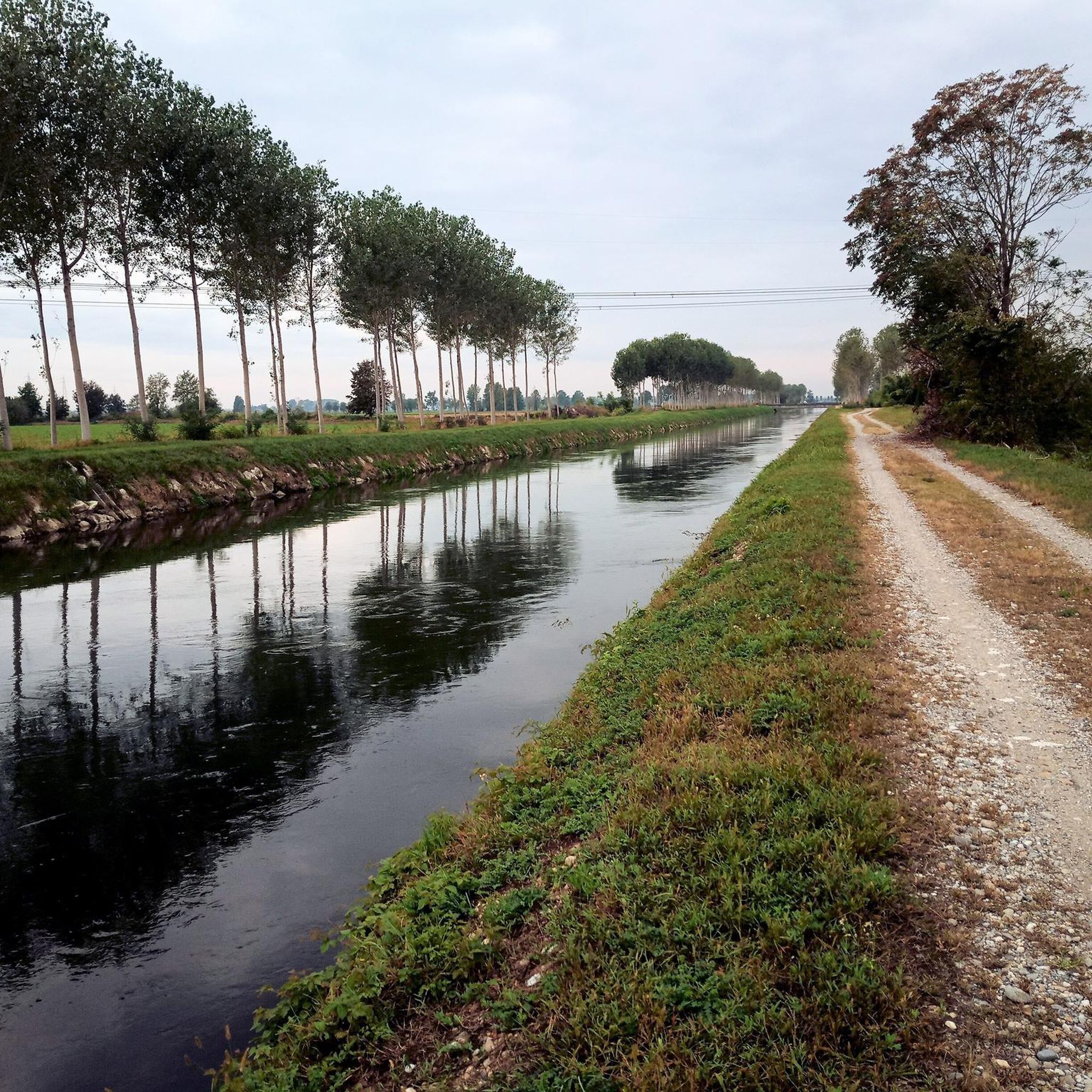
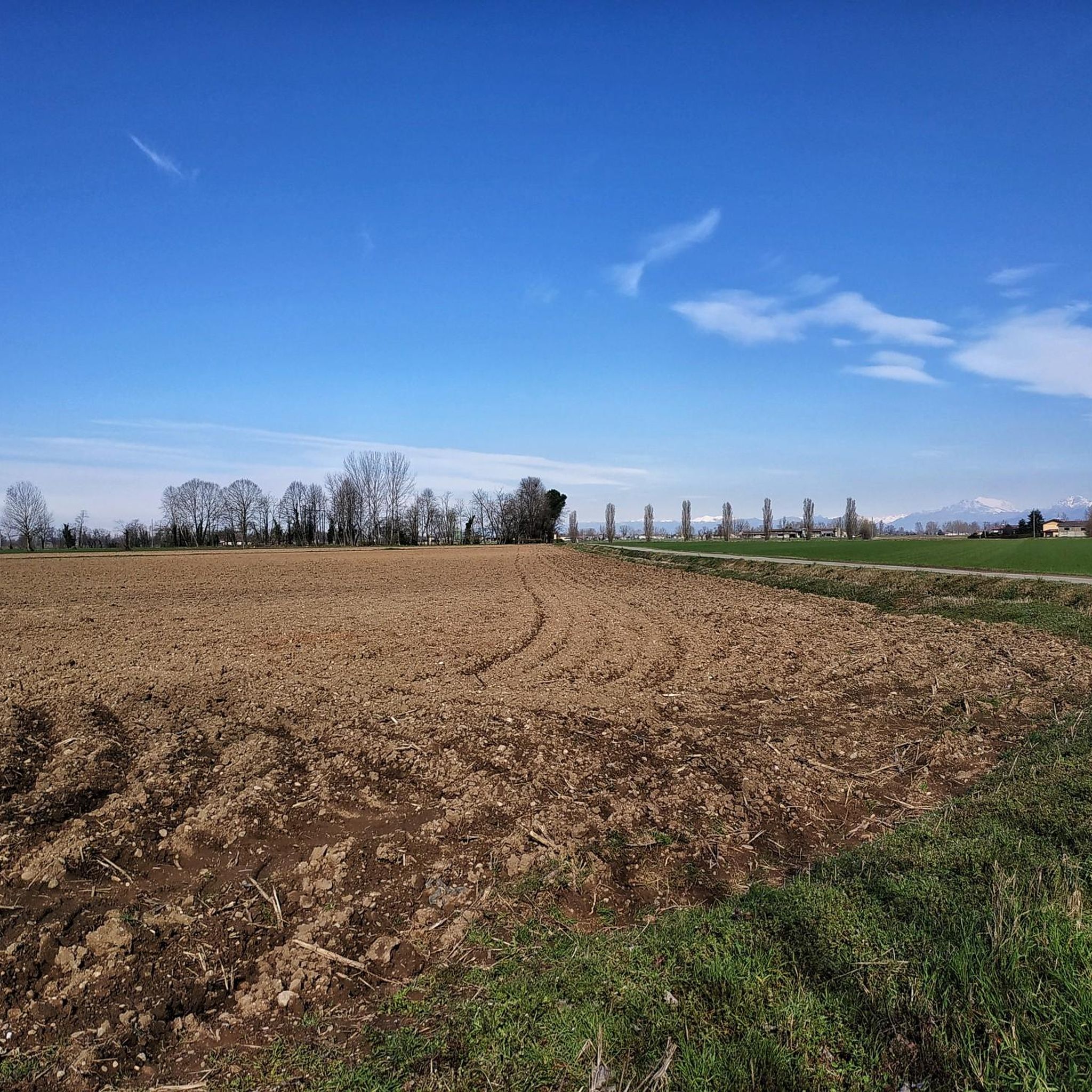
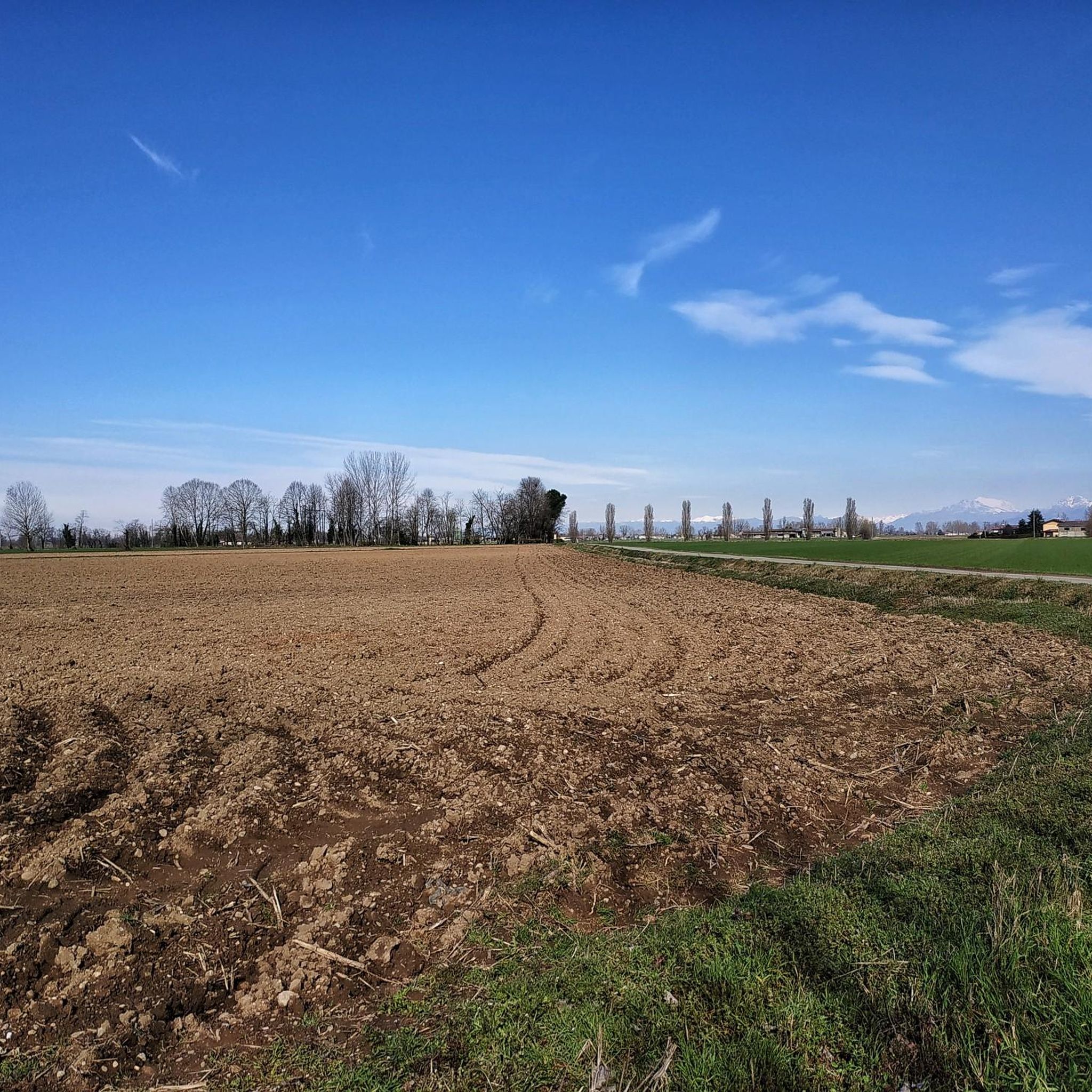
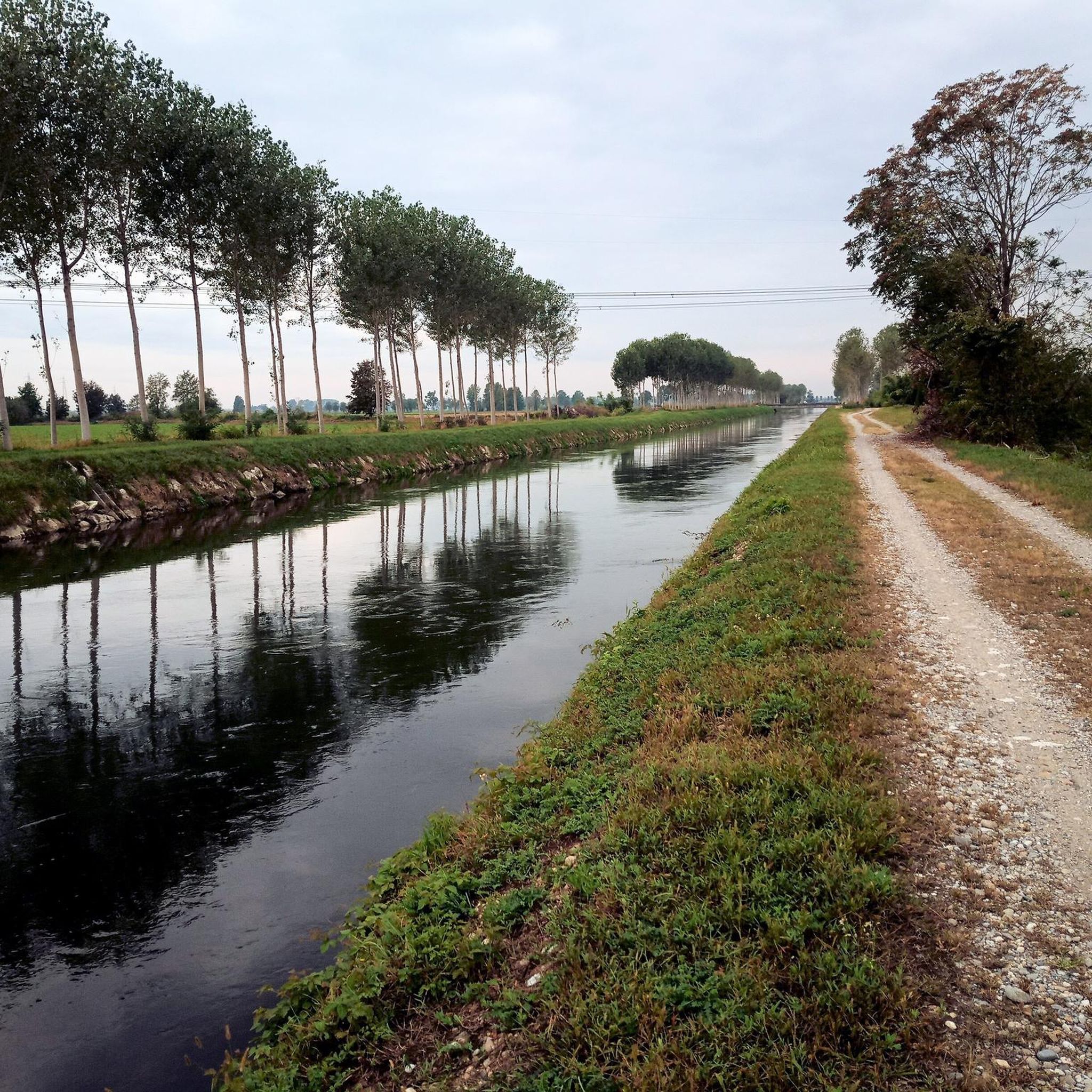

Tips from the Community

With these boulder waymarkers, you are always sure not to lose the track, and they are also beautiful
1
0

The Naviglio della Martesana, definitively completed in 1496 under the leadership of Ludovico il Moro, flows from Trezzo sull’Adda to Milan for a total length of 38 km. The route runs alongside the ancient Roman road (the current SS 11 padana superiore) which crossed the Adda with two branches: at Vaprio and at Cassano. Irrigation of the land located above the spring belt was for a long time the predominant use of the canal, so much so that initially navigation was limited to two days a week; concurrently with the improvement of the agricultural structure thanks to irrigation, a notable flourishing of stately villas occurred in the Baroque era, aimed at enjoying the convenience of water travel and controlling the owned lands.
0
0
The Naviglio della Martesana, definitively completed in 1496 under the leadership of Ludovico il Moro, flows from Trezzo sull’Adda to Milan for a total length of 38 km. The route runs alongside the ancient Roman road (the current SS 11 padana superiore) which crossed the Adda with two branches: at Vaprio and Cassano. The irrigation of the lands located above the spring belt was for a long time the predominant use of the canal, so much so that initially navigation was limited to two days a week; concurrently with the improvement of the agricultural structure thanks to irrigation, a notable flourishing of stately homes occurred in the Baroque era, aimed at enjoying the convenience of travel on water and controlling the owned lands.
0
0
The Naviglio della Martesana, definitively completed in 1496 under the guidance of Ludovico il Moro, flows from Trezzo sull’Adda to Milan for a total length of 38 km. The route runs alongside the ancient Roman road (the current SS 11 padana superiore) which crossed the Adda with two branches: at Vaprio and Cassano. Irrigation of the land located above the spring belt was for a long time the predominant use of the canal, so much so that initially navigation was limited to two days a week; concurrently with the improvement of the agricultural structure thanks to irrigation, a notable flourishing of stately villas occurred in the Baroque era, intended to enjoy the convenience of travel on water and to control owned lands.
1
0
The Naviglio della Martesana, definitively completed in 1496 under the guidance of Ludovico il Moro, flows from Trezzo sull’Adda to Milan for a total length of 38 km. The route runs alongside the ancient Roman road (the current SS 11 padana superiore) which crossed the Adda with two branches: at Vaprio and at Cassano. The irrigation of the lands located above the spring belt was for a long time the prevalent use of the canal, so much so that initially navigation was limited to two days a week; concurrently with the improvement of the agrarian structure thanks to irrigation, a notable flourishing of stately villas emerged in the Baroque era, aimed at enjoying the convenience of travel on water and controlling the lands of property.
1
0
The Naviglio della Martesana, initially known as Naviglio Piccolo, is one of the Milanese canals that connects Milan with the course of the Adda river through the municipalities of Martesana. Commissioned in the 15th century by Francesco Sforza, it was used for irrigating the countryside but also represented the ambitious project of connecting Milan with Lake Como and thus with the Alps and Ticino. The Naviglio della Martesana is a place rich in history and beauty, a heritage for everyone that, however, today is still little known and protected. Along the Naviglio runs a rather busy cycle path, which allows you to admire the landscape and cultural beauties, such as the rich flora, fauna, or the numerous historic villas, including the Renaissance Villa Melzi d’Eril in Vaprio d’Adda.
1
0

The Naviglio Martesana cycle path is a 30-35 km cycle and pedestrian route that connects Milan (Cassina de' Pomm/via Melchiorre Gioia area) to Trezzo sull'Adda, running alongside the homonymous canal. It is a predominantly asphalted, flat, easy route suitable for everyone, passing through parks, rural areas, and historic noble villas from the 17th-18th centuries.
0
0
The Naviglio Martesana cycle path is a cycle-pedestrian route of about 30-35 km that connects Milan (Cassina de' Pomm/via Melchiorre Gioia area) to Trezzo sull'Adda, running alongside the canal of the same name. It is a predominantly asphalted, flat, easy route suitable for everyone, which crosses parks, rural areas, and historic noble villas from the 17th-18th centuries.
1
0
Frequently Asked Questions
What types of touring cycling routes can I find around Palazzo Pignano?
Palazzo Pignano offers a diverse range of touring cycling routes, primarily characterized by the flat, rural landscapes of the Po Valley and Crema countryside. You'll find paths along waterways like the Adda and Serio rivers, and many routes traverse the Tormo River Interprovincial Natural Park. The area is well-known for accessible cycling experiences, including sections of the scenic Martesana Canal Cycle Path. There are over 300 routes available, catering to various skill levels.
Are there easy touring cycling routes suitable for beginners in Palazzo Pignano?
Yes, Palazzo Pignano is an excellent area for beginners due to its generally flat terrain. There are over 160 easy touring cycling routes. A good option for those starting out is the Entrance to Pandino – Chiesa di Cascine Capri loop from Pandino, which is a shorter, easy trail perfect for a relaxed ride.
What historical or natural attractions can I explore along the cycling routes?
The region around Palazzo Pignano is rich in both history and natural beauty. You can cycle past significant historical sites such as the ancient late Roman archaeological area, including remains of a monumental Roman villa and the Pieve di San Martino. Natural highlights include the Sanctuary of Our Lady of the Fountains, the tranquil Reflection Lake in Ricengo, and various sections of the Tormo River Interprovincial Natural Park. Many routes also follow the Martesana Canal, offering picturesque views.
Are there any circular touring cycling routes in the area?
Yes, many touring cycling routes around Palazzo Pignano are designed as loops, allowing you to start and end at the same point. For example, the Church of Santa Maria dei Mosi – Pizzighettone Walls loop from Casaletto Vaprio offers a moderate circular path exploring the countryside and historical sites. Another popular option is the Tower of the Villa of Azzano – Sanctuary of Caravaggio loop from Palazzo Pignano, which takes you through the local agricultural landscape.
What is the best time of year to go touring cycling in Palazzo Pignano?
The generally flat terrain of Palazzo Pignano makes it suitable for touring cycling for much of the year. Spring and autumn typically offer the most pleasant temperatures for cycling, with comfortable weather for exploring the agricultural scenery and historical sites. Summer can be warm, but the proximity to rivers and canals can provide some cooler sections. Winter cycling is possible, but be prepared for colder temperatures.
Are there touring cycling routes suitable for families with children?
Given the predominantly flat landscape of the Po Valley and Crema countryside, many routes around Palazzo Pignano are well-suited for families. The easy-rated trails, in particular, offer a relaxed cycling experience away from significant climbs. Look for routes that follow the Martesana Canal or explore the Tormo River Interprovincial Natural Park for scenic and generally safe paths.
What do other touring cyclists say about the routes in Palazzo Pignano?
The touring cycling routes in Palazzo Pignano are highly regarded by the komoot community, holding an average rating of 4.3 stars from over 400 reviews. Cyclists often praise the serene agricultural scenery, the well-maintained paths along the Martesana Canal, and the opportunity to combine cycling with exploring historical sites. Over 3,000 touring cyclists have used komoot to explore this region.
Are there options for longer, more challenging touring cycling routes?
While much of the area is flat, there are options for longer and more challenging touring cycling routes. These routes often cover greater distances, providing a good endurance test. An example of a more difficult route is the Martesana Canal – Martesana Canal Cycle Path loop from Casaletto Vaprio, which spans nearly 100 km and offers a full day's ride along the scenic canal.
Can I find cafes or pubs along the touring cycling routes for refreshments?
Yes, as you cycle through the charming towns and villages of the Crema countryside and along the Martesana Canal, you'll find opportunities for refreshments. Many routes pass through or near small centers where you can stop for a coffee, a meal, or a drink. Planning your route with komoot allows you to identify points of interest, including cafes and restaurants, along your chosen path.
Is public transport available to access touring cycling routes in Palazzo Pignano?
Palazzo Pignano is located in the Province of Cremona, Lombardy. While specific public transport options directly to every trailhead may vary, regional train and bus services connect larger towns in the area. Cyclists often use these services to reach starting points or return from longer tours. It's advisable to check local transport schedules and bicycle carriage policies for the most up-to-date information.
Where can I park my car when starting a touring cycling route?
Parking is generally available in the towns and villages that serve as common starting points for touring cycling routes around Palazzo Pignano. For example, if you're starting a route from Casaletto Vaprio or Pandino, you'll typically find public parking areas. It's always a good idea to check local signage for parking regulations and availability, especially in smaller centers.
Are there any specific natural monuments or unique natural features to see?
Beyond the general beauty of the Po Valley, the area features several interesting natural spots. You can visit the Fontanile Quarantina, a natural spring, or the unique Spring with Fallen Tree. The Merlino Nature Trail – Zelo Buon Persico in Adda Sud Park also offers a dedicated path to experience the local flora and fauna.
Most popular routes around Palazzo Pignano
Most popular attractions around Palazzo Pignano

Get inspired with the komoot mobile app


Explore more
Browse the best Cycling routes in other regions.
