Attractions and Places To See around Correggio - Top 20
Best attractions and places to see around Correggio are found in this town in the Emilia-Romagna region of Italy. Correggio is known as the birthplace of Renaissance painter Antonio Allegri and features well-preserved architecture and significant art collections. The area is situated between the Crostolo and Tresinaro streams, offering a mix of historical sites and natural landscapes for exploration.
Best attractions and places to see around Correggio
- The most popular attractions is Barchetta Bridge on the Secchia River, a bridge that allows crossing the Secchia river. This impressive wooden arched bridge is located in a natural setting.
- Another must-see spot is Nature Trail of the Secchia River Expansion Reserve, a trail that can be challenging with potential obstacles and muddy sections. Visitors can explore a path through the reserve, requiring attention to the terrain.
- Visitors also love Secchia Floodplain Lakes, a natural area characterized by lakes and wetlands. This site is of landscape-naturalistic interest, featuring vast permanent bodies of water with islets and peninsulas.
- Correggio is known for its historical landmarks, cultural sites, and natural features. The region offers a variety of attractions to see and explore, from Renaissance architecture to river trails and floodplain lakes.
- The attractions around Correggio are appreciated by the komoot community, with more than 180 upvotes and 55 photos shared.
Last updated: August 2, 2026
Nature Trail of the Secchia River Expansion Reserve
Highlight (Segment) • Trail
Translated by Google •
Tip by

Barchetta Bridge on the Secchia River
Highlight • Bridge
Translated by Google •
Tip by
Sign up now to discover places like this
Get recommendations on the best single tracks, peaks, & plenty of other exciting outdoor places.
Sign up for free
Secchia Floodplain Lakes
Highlight • Lake
Translated by Google •
Tip by
Secchia River Between Rubiera and Colombarone
Highlight • River
Translated by Google •
Tip by
Bagnolo–Correggio Rail Trail
Highlight (Segment) • Cycleway
Translated by Google •
Tip by
Sign up for free to discover even more attractions around Correggio.
Sign up for free
Already have an account?
Start today with a free account
Your next adventure awaits.
Login or Signup
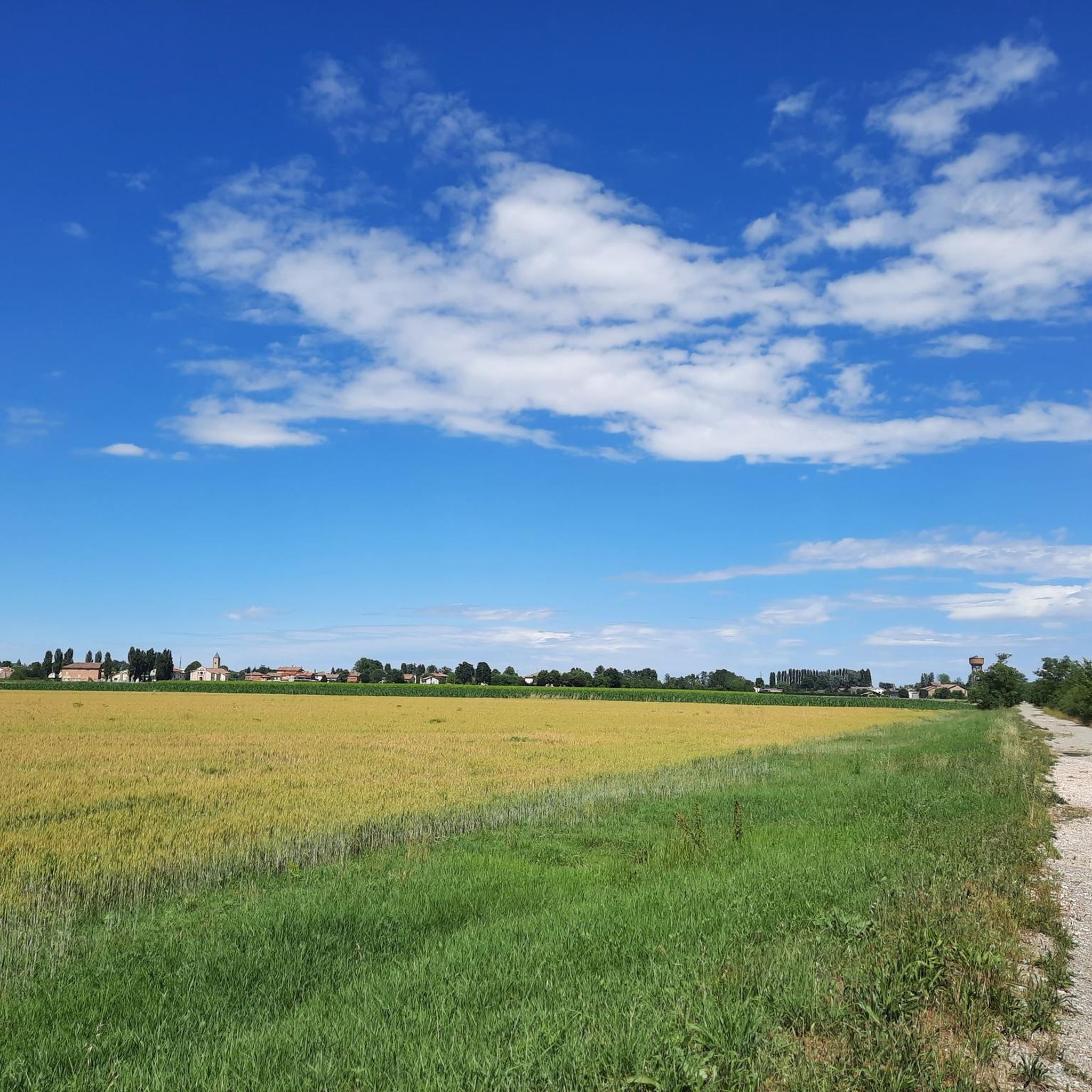
Tips from the Community

The location would be beautiful, but there's currently massive construction work on the floodplains, making it nearly impossible to walk along the banks. As long as the construction work continues, it's a dangerous area.
0
0

characteristic little bridge with the inevitable lovers' padlocks
1
0

My aunt and I did it today November 19th. Not practicable. It's all marshy with quicksand for over two kilometres. There are no signs that it is not viable.
0
0

Nice cycle bridge...it was recently made safe as the wooden floorboards were in bad shape
1
0

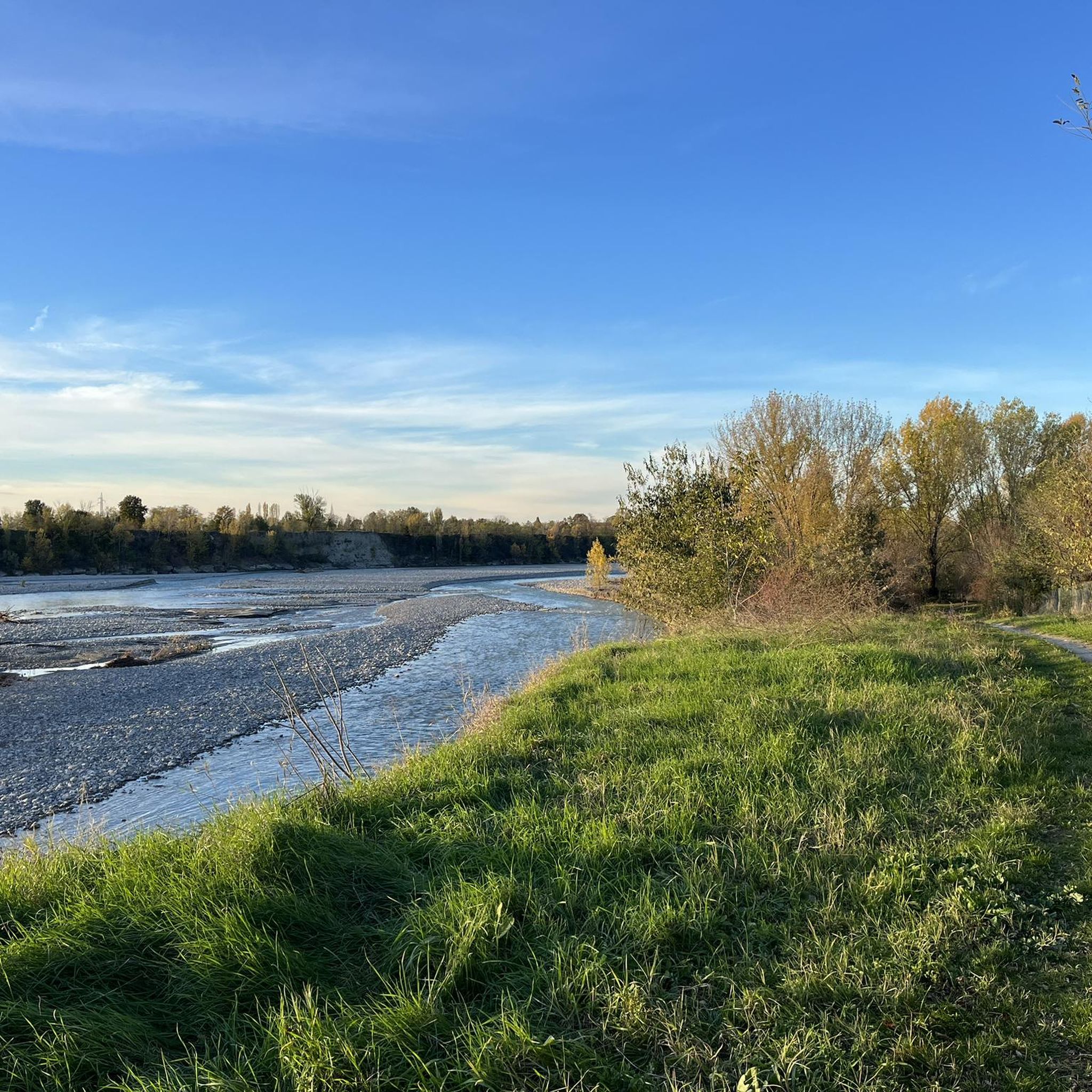
The Secchia River expansion tank is a site built on the left bank of the river to regulate its floods. It consists of vast permanent bodies of water with islets, peninsulas and vegetation typical of lowland wetlands.
2
0

Nice simple circular route but surrounded by nature. About 70/80 km to complete it. Partly on asphalt and partly on white gravel road. From the Modena side you can go from Modena to Castellarano then cross over the dam at Castellarano during opening hours (not at night and be careful as they are different between summer and winter) and continue from the Reggio Emilia side to Roteglia. Then you go back along the same route up to the dam but continuing straight until Rubiera where you cross again to return to Modena. The official crossing points are Rubiera, Sassuolo and Castellarano to cross. There are at least 3 WATER SOURCES: Colombarone from the car park, Sassuolo from the vegetable gardens and Castellarano next to the square of the church of Campiano. Also recommended for children. ATTENTION ⚠ ⚠️ TO THE BOARS AND ROE DEER WHICH FROM TIME TO TIME CROSS SPECIES EARLY IN THE MORNING AND IN THE EVENING in the area between Sassuolo and Roteglia.
1
0

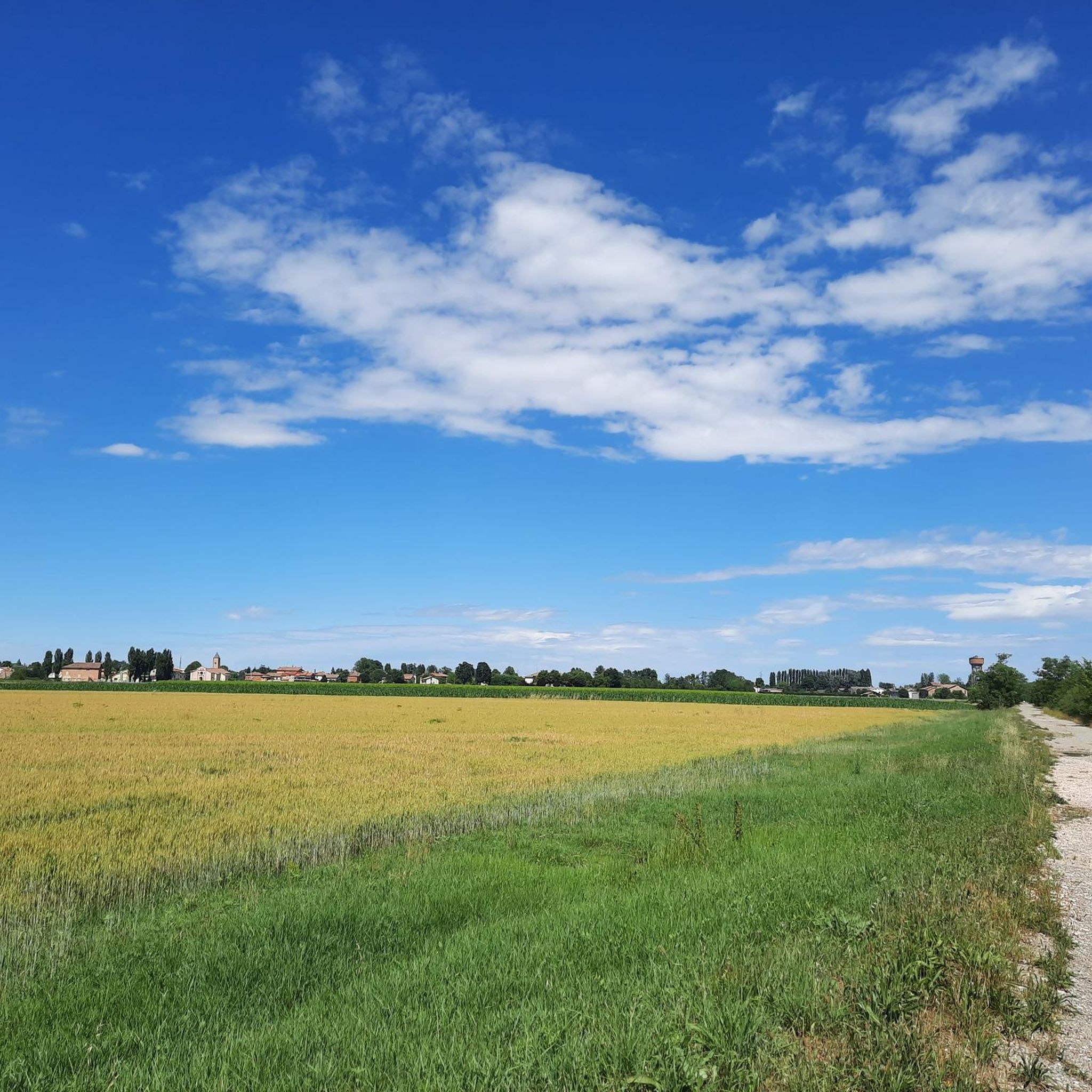
Cycle path that connects Bagnolo to Correggio surrounded by nature
4
1

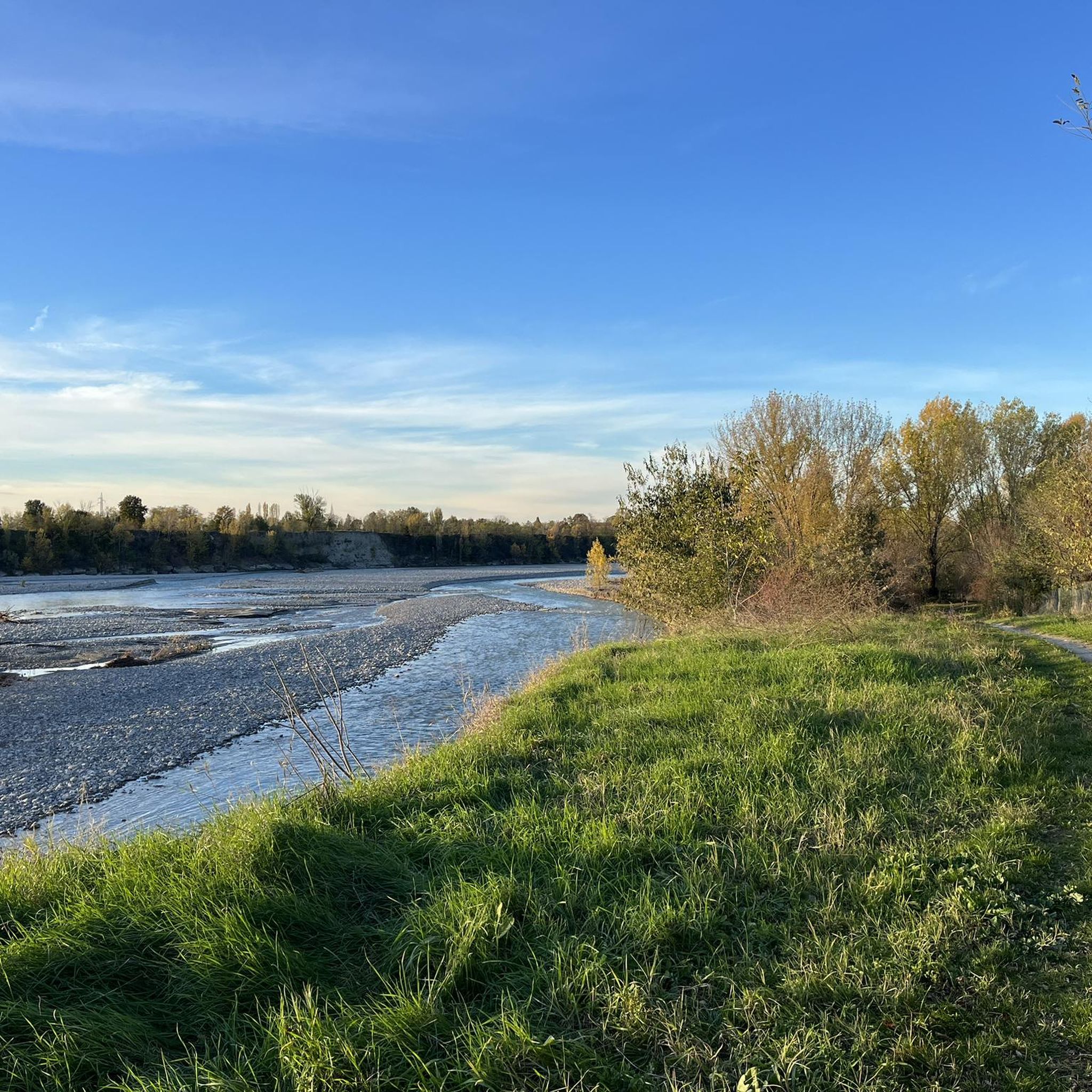
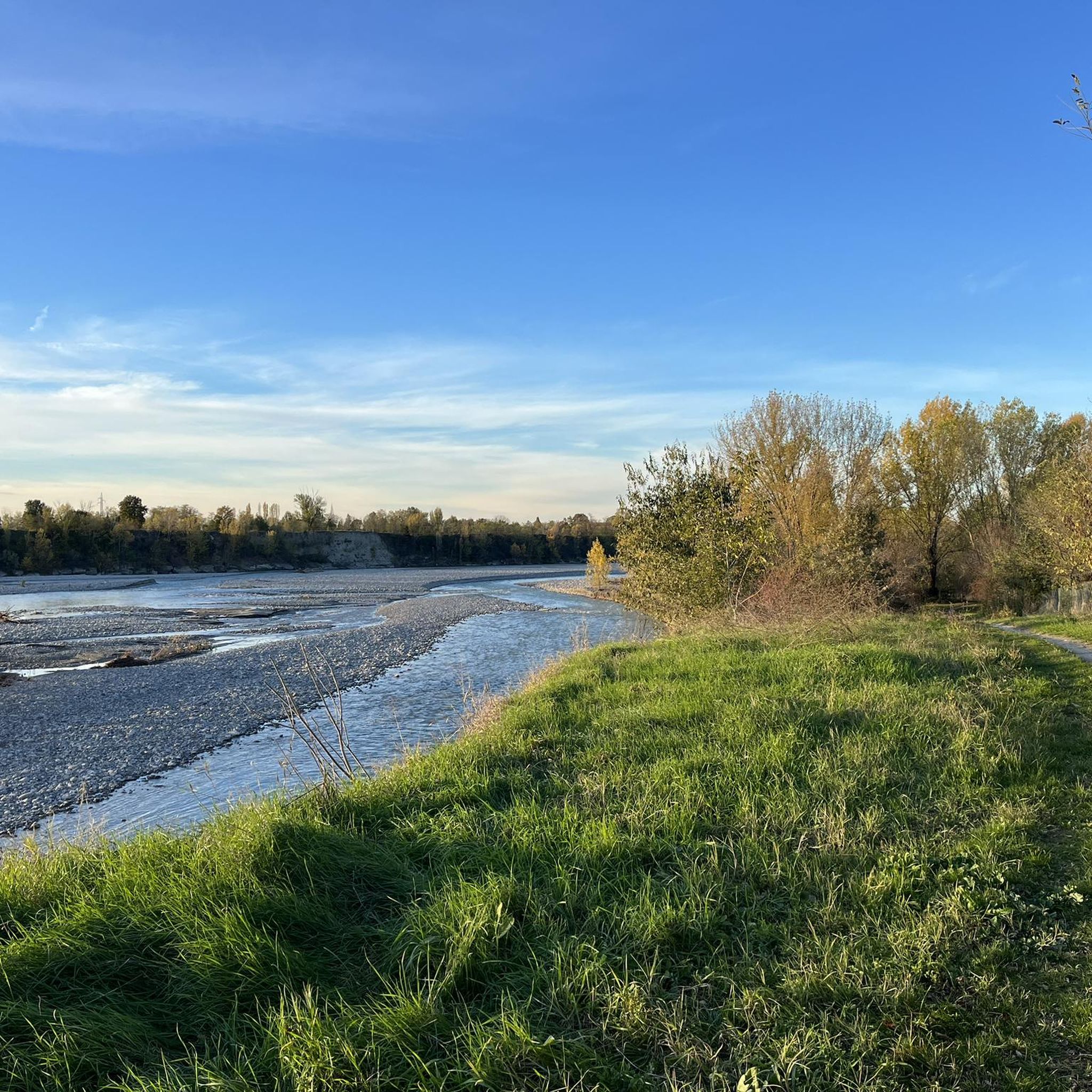
the dry river discovers points for crossing between the two banks
1
0
Frequently Asked Questions
What historical landmarks can I explore in Correggio?
Correggio offers a rich history with several notable landmarks. You can visit the Basilica di San Quirino, which dates back to the late 16th century and incorporates a 14th-century castle bulwark. The Palazzo dei Principi, begun in 1507, showcases refined Renaissance architecture and now houses cultural institutions. Don't miss the Casa del Correggio, a reconstruction on the site of the famous painter's original home, and the Monument to Antonio Allegri in Piazza San Quirino.
Where can I learn about Correggio's famous painter, Antonio Allegri?
Correggio is the birthplace of the renowned Renaissance painter Antonio Allegri, known as 'il Correggio.' You can visit the Casa del Correggio, a reconstruction of his original home. Additionally, the Correggio Art Home serves as a documentation center dedicated to information about Antonio Allegri, and a monument to him stands in Piazza San Quirino.
Are there any notable museums or art collections in Correggio?
Yes, the "Il Correggio" Civic Museum, located within the Palazzo dei Principi, houses valuable collections. These include a masterpiece by Andrea Mantegna, "The Redeemer," a cycle of superb Brussels tapestries, archaeological items, coins from the Correggio mint, and paintings by various artists.
What natural attractions are there to see around Correggio?
Correggio is situated between the Crostolo and Tresinaro streams, offering several natural attractions. You can explore the Secchia Floodplain Lakes, a natural area with vast permanent bodies of water, islets, and peninsulas. Another option is the Nature Trail of the Secchia River Expansion Reserve, which offers a path through a natural setting. The Parco della Memoria also provides a lovely green space within the town.
Are there any scenic viewpoints or natural reserves nearby?
Yes, the Secchia Floodplain Lakes are considered a site of landscape-naturalistic interest and a nature reserve, characterized by lakes and wetlands. The Barchetta Bridge on the Secchia River also offers a very impressive wooden arched bridge in a natural setting, providing scenic views of the river.
What outdoor activities, like cycling or hiking, can I do near Correggio?
The area around Correggio is great for outdoor activities. For cycling, you can explore routes like the Bagnolo–Correggio Rail Trail, a former railway transformed into a cycle path. There are also various cycling routes around the Secchia River, such as those found in the Cycling around Correggio guide. For hiking, you can find trails like the Nature Trail of the Secchia River Expansion Reserve, or explore options in the Hiking around Correggio guide.
Are there any specific cycling routes recommended around Correggio?
Absolutely! The Bagnolo–Correggio Rail Trail is a popular choice, being a very nice cycle path through nature. You can also find several routes that incorporate the Secchia River, such as those passing by the Secchia River Between Rubiera and Colombarone, which features a nice gravel track. More options are available in the Cycling around Correggio guide and the Gravel biking around Correggio guide.
Can I find hiking trails suitable for different skill levels?
Yes, the area offers a variety of trails. While some, like the Nature Trail of the Secchia River Expansion Reserve, can be challenging with potential obstacles and muddy sections, there are also easier options. For example, the Hiking around Correggio guide lists routes with varying difficulty grades, including easy and moderate trails like the "Correggio–Bagnolo Cycle Path loop from Correggio" or "Chiesa di San Biagio loop from San Biagio di Correggio".
Are there family-friendly attractions or activities in Correggio?
Many of Correggio's attractions can be enjoyed by families. The Barchetta Bridge on the Secchia River is a family-friendly spot, offering an impressive wooden bridge in a natural setting. Exploring the Secchia Floodplain Lakes or walking along the Secchia River Between Rubiera and Colombarone can also be pleasant family outings. The Parco della Memoria provides a green space for relaxation and play.
What is the main street or central area of Correggio like?
The main street of Correggio's historic center is Corso Mazzini. It is flanked by picturesque porticoes paved in Verona marble and features 18th-century palaces of artistic value, such as the Cantarelli Palace. The Palazzo Cattini, also known as the Clock Palace, is another imposing structure on this street, overlooked by a public clock built in 1783.
What do visitors particularly enjoy about the natural areas around Correggio?
Visitors appreciate the tranquility and natural beauty of the area. The Barchetta Bridge on the Secchia River is noted for being "very impressive" and "in the middle of nature." The Secchia Floodplain Lakes are described as being "in the middle of nature" and a site of "landscape-naturalistic interest." The Bagnolo–Correggio Rail Trail is enjoyed as a "very nice cycle path in the middle of nature" for those looking to pedal through the countryside.
When is the best time of year to visit Correggio?
Correggio, located in the Emilia-Romagna region, generally enjoys pleasant weather from spring through early autumn (April to October). These months are ideal for exploring historical sites, walking through the town's streets, and enjoying outdoor activities like cycling and hiking along the rivers and in natural reserves. Summers can be warm, while spring and autumn offer milder temperatures perfect for sightseeing.
Is there a place to experience local food or wine in Correggio?
Yes, the region of Emilia-Romagna is renowned for its culinary traditions. In Correggio, you might find opportunities to experience local flavors. For example, Lini 910 is mentioned as a place where visitors can enjoy a tasting or tour, suggesting a local winery or food producer that highlights the area's gastronomic offerings.
What are some significant churches to visit in Correggio?
Correggio is home to several historic churches. The Basilica di San Quirino is a significant landmark. Other notable churches include the Church of the Madonna della Rosa (commissioned in 1626), the 15th-century Church of Santa Maria della Misericordia, the 17th-century Church of San Giuseppe, and the gothic-style Church of San Francesco (built between 1467 and 1485).
Are there any unique architectural features in Correggio?
Correggio boasts several unique architectural features. The Palazzo dei Principi is an excellent example of Ferrara-style Renaissance architecture. The Torrione is a distinctive Art Nouveau building from the early 20th century. You'll also find 18th-century palaces with artistic value along Corso Mazzini, and the Palazzo Cattini with its public clock from 1783. Remains of the 15th-century Rocchetta (Little Fort) can still be seen, now housing a youth hostel.
Most popular routes around Correggio
Most popular attractions around Correggio

Get inspired with the komoot mobile app


Explore more
Still not found the Highlight you’re looking for? See guides of the top attractions in other regions:
