Attractions and Places To See around Castell'Arquato - Top 20
Best attractions and places to see around Castell'Arquato include a range of historical, cultural, and natural sites. This medieval village, located in the Arda Valley of Emilia-Romagna, Italy, is known for its well-preserved medieval architecture. The area offers a picturesque setting with various landmarks and natural features to explore.
Best attractions and places to see around Castell'Arquato
- The most popular attractions is Keep of Vigoleno, a castle that is a place of historical, architectural, and cultural interest. It is…
Last updated: August 2, 2026
Abbey of Chiaravalle della Colomba
Highlight • Religious Site
Translated by Google •
Tip by

Keep of Vigoleno
Highlight • Castle
via Libertà s.n., 29010 Vigoleno PC
visitvigoleno.it
3297503774
Translated by Google •
Tip by

Sign up now to discover places like this
Get recommendations on the best single tracks, peaks, & plenty of other exciting outdoor places.
Sign up for free
Vigoleno Castle
Highlight • Castle
Translated by Google •
Tip by

Mignano Dam
Highlight • Monument
Translated by Google •
Tip by

Church of San Michele Arcangelo, Montanaro
Highlight • Religious Site
Translated by Google •
Tip by
Sign up for free to discover even more attractions around Castell'Arquato.
Sign up for free
Already have an account?
Start today with a free account
Your next adventure awaits.
Login or Signup
Popular around Castell'Arquato
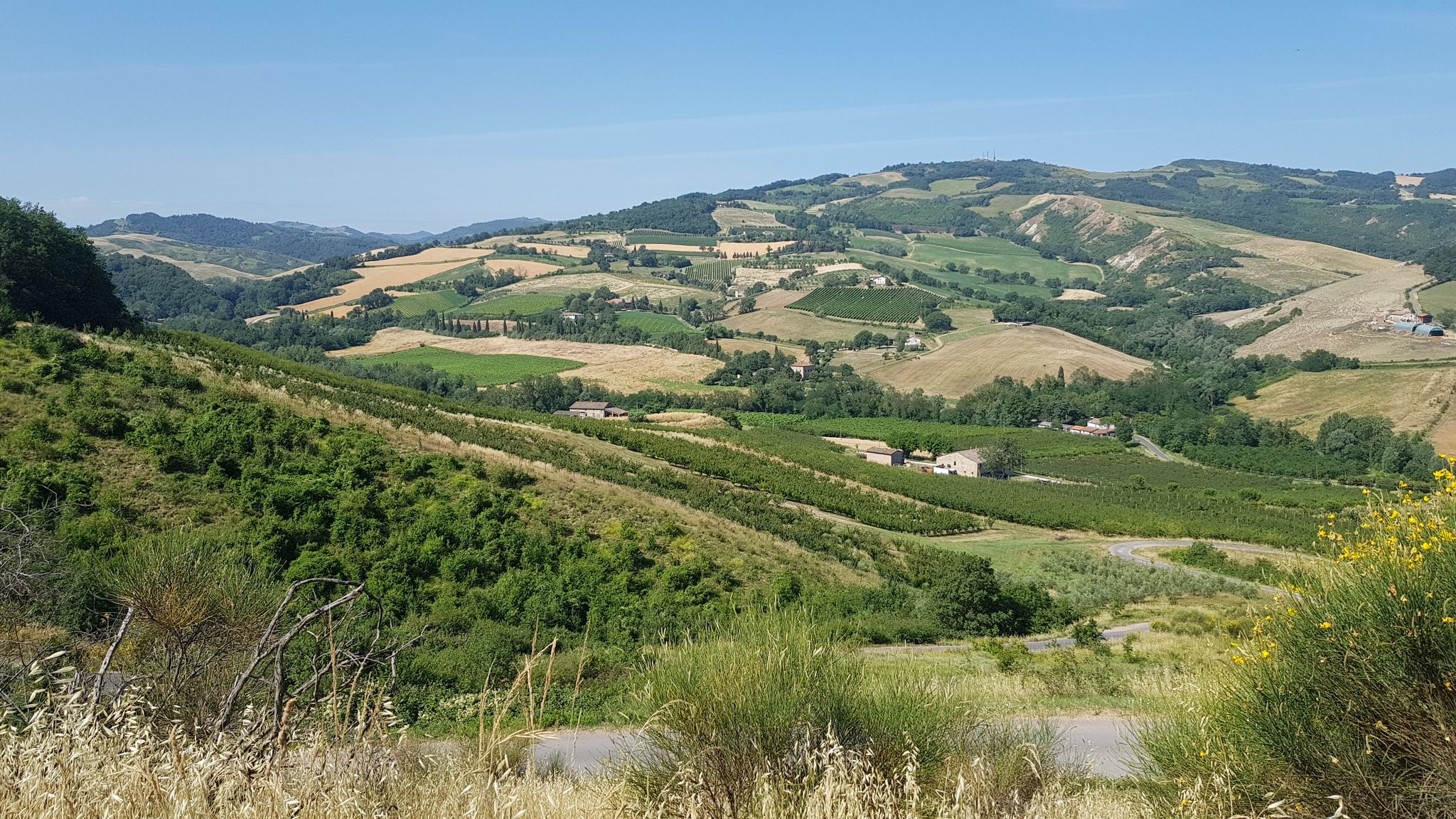
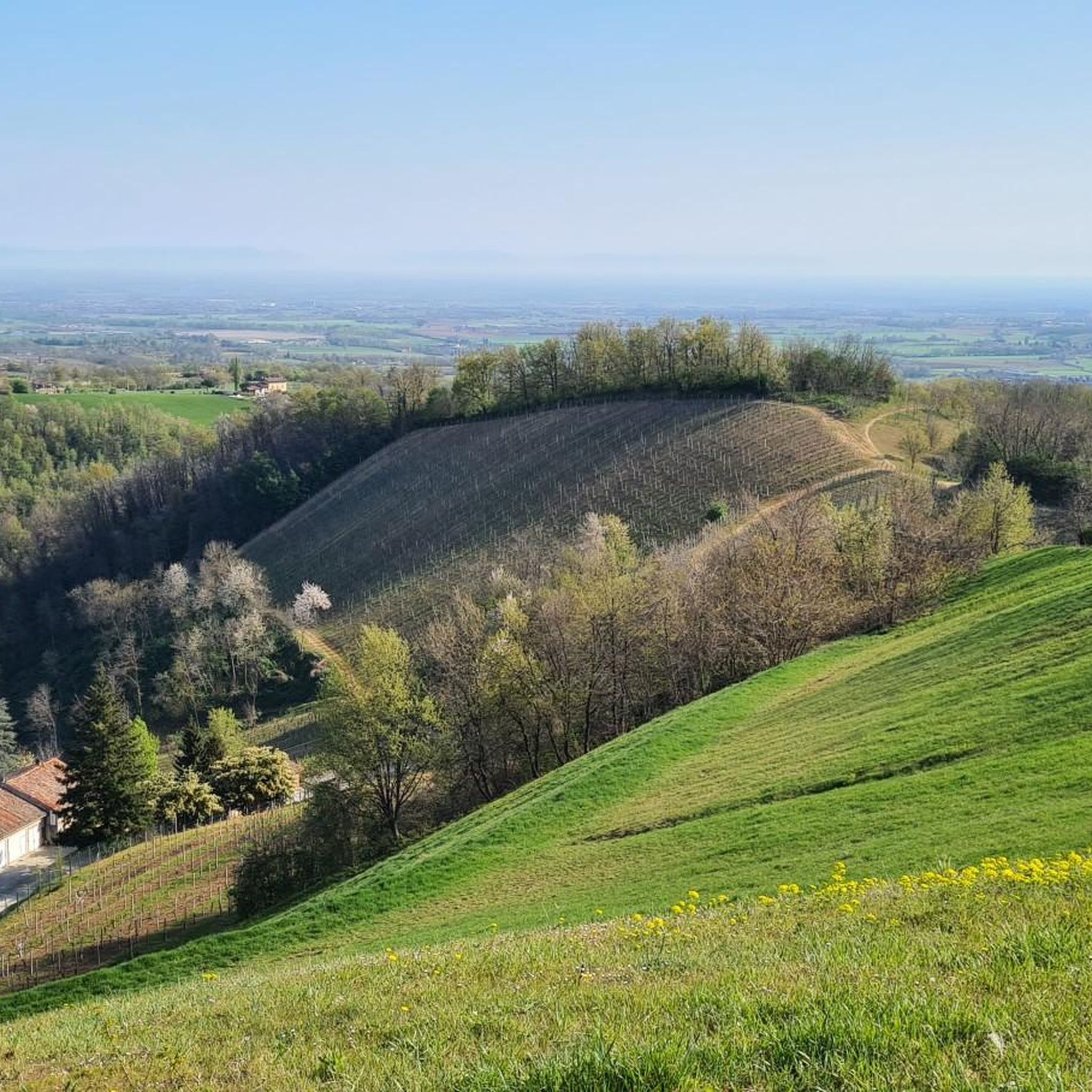
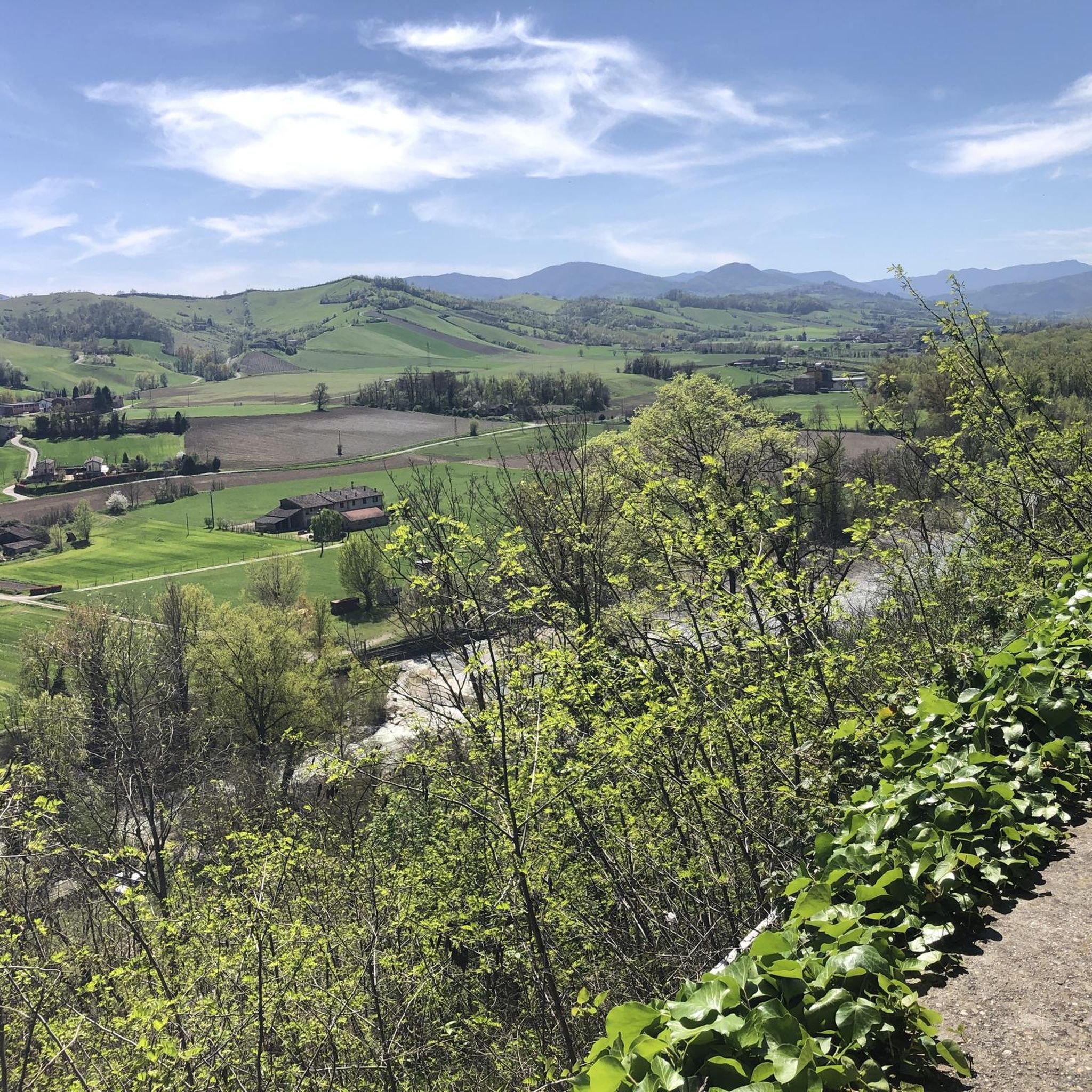
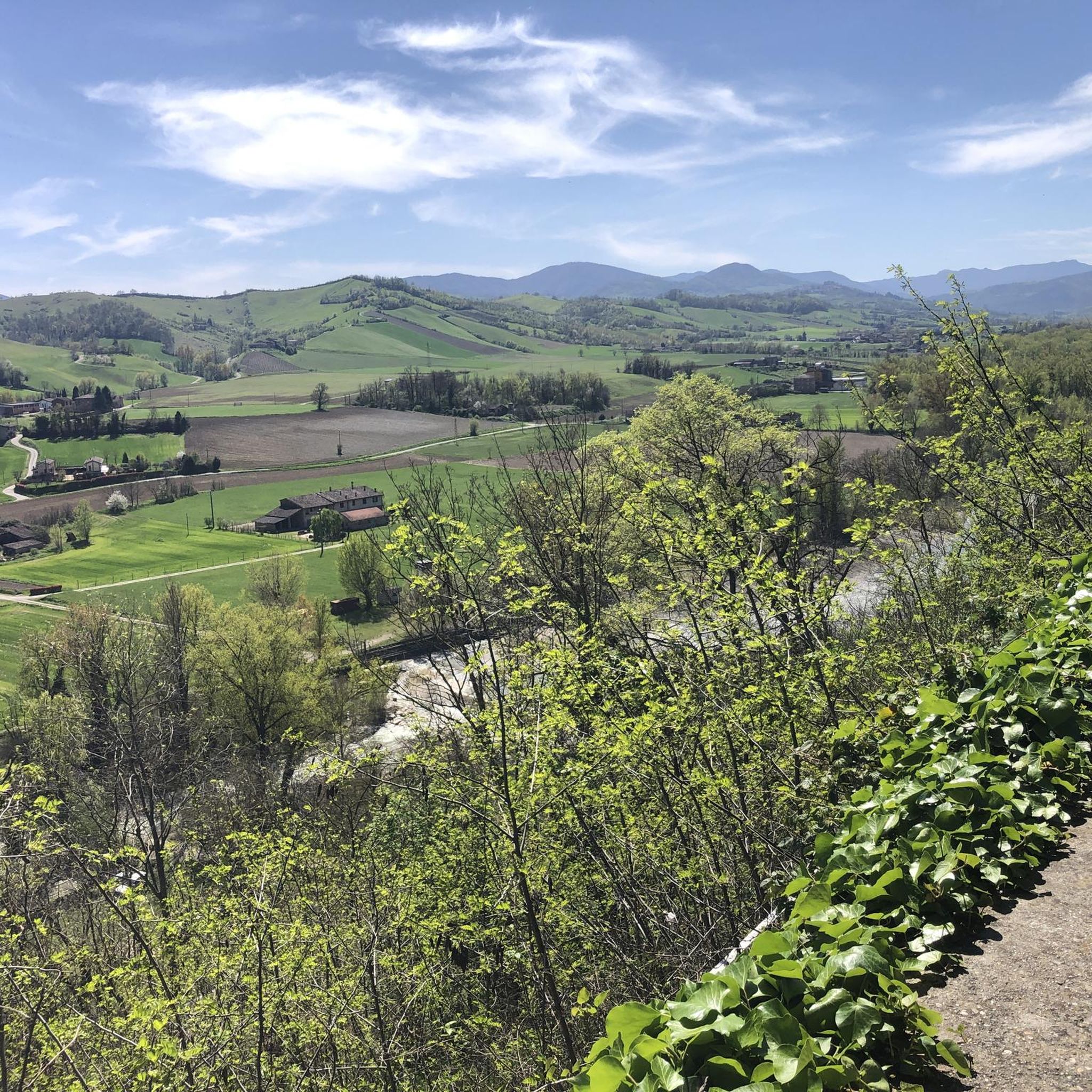
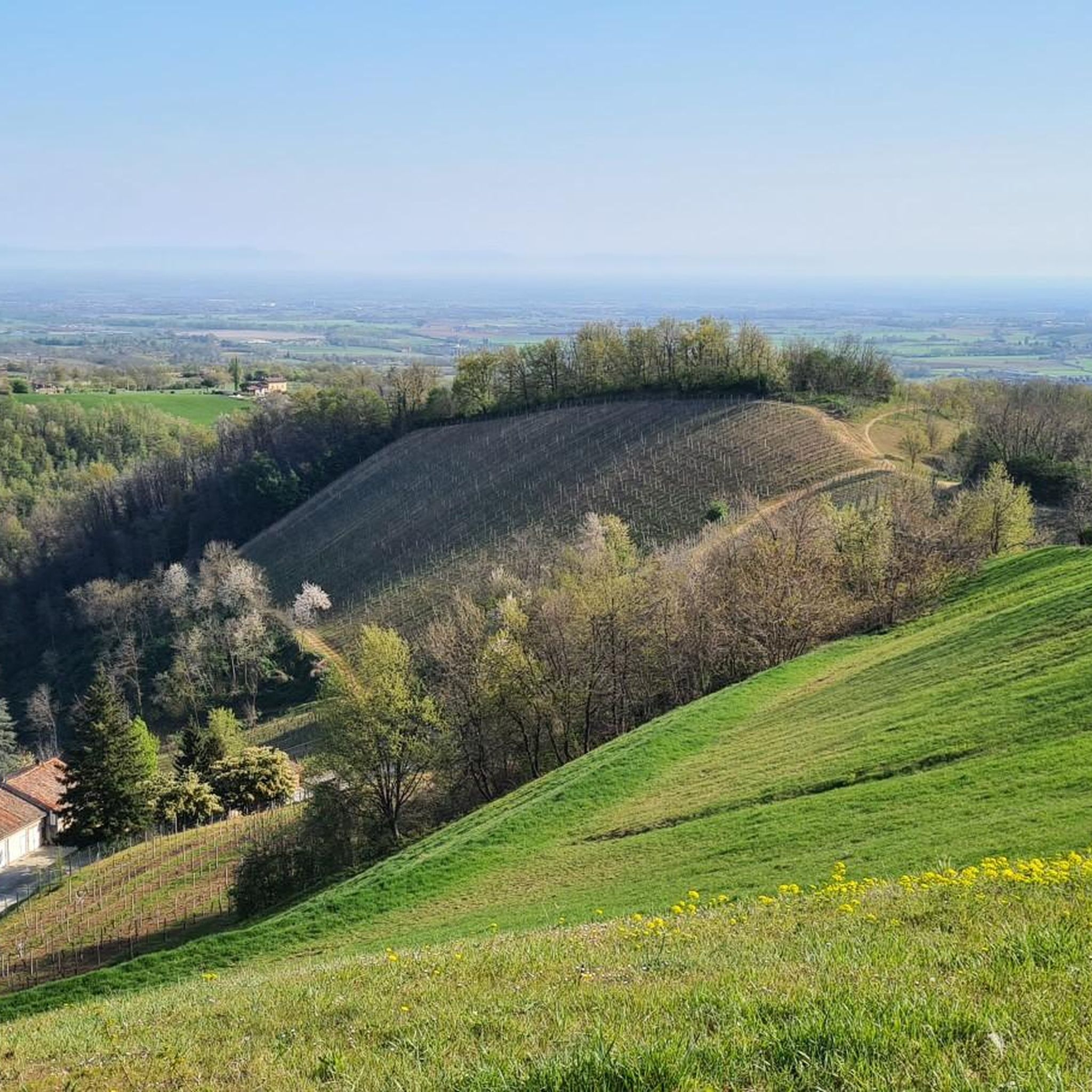

Other adventures around Castell'Arquato

Tips from the Community

A scenic finish line. Beautiful climbs and descents on both sides. A must-do for everyone on your tours.
0
0

The road is passable with one-way traffic regulated by traffic lights.
0
0

Wonderful abbey - a former Cistercian monastery - A dove dropped pieces of wood, thus determining the size of the abbey. Hence the name Colomba = dove
0
0

Very beautiful village, well worth a visit
2
0

This was one of the most important Cistercian centers in Italy. The church was built around 1135 according to the wishes of Saint Bernard of Claivaux and the Pallavicino family. Of the abbey complex, the Romanesque church with 14th- and 15th-century frescoes and the beautiful cloister have been preserved. The old facade of the basilica is still visible in the upper part, behind the 14th-century porch. The church consists of three naves with a transept following the classical plan of the primitive churches of the Cistercian order. The southern part of the transept has a beautiful staircase, which provides access to the monks' dormitory.
7
1
The Chiesa di San Michele Arcangelo is located in Montanaro, a hamlet of Carpaneto Piacentino. The building probably dates from before the year 1000 and has a special significance for the Lombards, who had a special veneration for the figure of the archangel. The church has undergone several renovations over the centuries, with the Baroque renovations from the 18th century determining its current appearance. The interior of the church consists of a single nave with two side chapels that are connected to each other. The internal decoration is partly the work of Alberto Aspetti, one of the most important experts in mural painting in Piacenza in the first half of the 20th century. In the apsidal area, the patron saint is depicted in a sculptural group: Saint Michael fighting the devil. The bell tower, which began in the Renaissance, was completed at the end of the 18th century.
7
0

This church with the patronage “SAN MICHELE” was dedicated to the Archangel Michael. The name (coming from the Hebrew language) means “Who is like God?” He is often depicted - in paintings or as a statue - with a flaming sword, and occasionally a lance. Michael is - together with Raphael and Gabriel, occasionally Uriel is also included - one of the three or four archangels who (according to human understanding) occupy the highest rank in the heavenly hierarchy of angelic beings. Their common feast day in the saints' calendar is September 29th.
6
0

For the celebration of Corpus Domini you can admire the wonderful flowered carpet, better known as the "infiorata", prepared by the monks with the help of the local faithful in the Cistercian abbey of Chiaravalle della Colomba (Alseno).
3
0
Frequently Asked Questions
What historical sites can I explore in Castell'Arquato?
Castell'Arquato is rich in history. You can visit the imposing Visconti Fortress of Castell'Arquato, which dominates the village and offers panoramic views from its 42-meter high keep. Other significant historical sites include the Romanesque Collegiata di Santa Maria Assunta, the Gothic Palazzo del Podestà, and the Palazzo del Duca. Don't miss the Keep of Vigoleno, a well-preserved medieval village and castle nearby.
Are there any notable religious buildings to visit?
Yes, the area features several important religious sites. The Collegiata di Santa Maria Assunta in Castell'Arquato is a remarkable Romanesque church with 15th-century frescoes. Further afield, the Abbey of Chiaravalle della Colomba is a significant Cistercian monastery founded in 1136, featuring a Romanesque church and a beautiful cloister. You can also visit the historic Church of San Michele Arcangelo in Montanaro, which dates back to before the year 1000.
What natural attractions are there around Castell'Arquato?
The region is known for its natural beauty. Castell'Arquato is situated on a hilltop overlooking the Val d'Arda, surrounded by the verdant Piacenza Hills. The area has a unique geological history, once covered by the sea, and you can explore this at the Cortesi Geological Museum, which displays local fossils. The Mignano Dam creates a large artificial lake, offering scenic views. For more extensive nature, consider visiting the Bosco di Santa Franca or the Monte Moria Regional Park.
What outdoor activities can I do near these attractions?
The surrounding Piacenza Hills offer excellent opportunities for outdoor activities. You can find numerous hiking and cycling trails with breathtaking views. For hiking, explore routes like the 'Castello di Vigoleno – Mount Giogo Cross loop' or 'Fontane del Duca loop'. Cyclists can enjoy longer routes such as the 'Castell'Arquato and Piacenza Hills Loop'. For more details on routes, visit the hiking guide or the cycling guide for Castell'Arquato.
Are there family-friendly attractions in Castell'Arquato?
Yes, several attractions are suitable for families. Children often enjoy exploring the medieval architecture of the Visconti Fortress and climbing its tower for views. The Cortesi Geological Museum, with its fossil displays and whale reconstruction, offers an educational and engaging experience for all ages. The historic center itself is pedestrian-friendly, making it pleasant for family strolls.
What is the best time to visit Castell'Arquato?
The best time to visit Castell'Arquato is typically during the spring (April to June) and early autumn (September to October). During these months, the weather is pleasant for exploring the historic village and enjoying outdoor activities in the surrounding hills. The vineyards are lush in spring and vibrant with harvest colors in autumn. Summers can be warm, while winters are generally mild but may have fewer outdoor activity options.
Where can I find the best panoramic views of the area?
For the most breathtaking panoramic views, climb to the top of the 42-meter high main tower of the Visconti Fortress of Castell'Arquato. From here, you can see the entire village, the surrounding Piacenza hills, and even the Po Valley and Apennines on a clear day. The Keep of Vigoleno also offers excellent vantage points over the landscape.
Are there any museums in Castell'Arquato?
Yes, Castell'Arquato hosts a few specialized museums. The Medieval Museum is located within the Visconti Fortress, detailing life in the Middle Ages. The Cortesi Geological Museum, housed in a former hospital, showcases fossils found in the region, including a significant whale reconstruction. Additionally, the Illica Museum is dedicated to Luigi Illica, a famous librettist from Castell'Arquato, displaying scores, costumes, and photos.
What is unique about the local wine region?
Castell'Arquato is located in the Colli Piacentini wine region, known for its local wines such as Gutturnio, Ortrugo, and Malvasia. Many wineries in the surrounding hills offer tastings and tours, providing an opportunity to experience the local viticulture and enjoy the scenic vineyards.
Can I find easy walking trails near Castell'Arquato?
Yes, while some trails in the Val d'Arda can be challenging, there are options for easier walks. The historic center of Castell'Arquato itself is perfect for a leisurely stroll through cobbled streets. For specific easy hiking routes, it's best to consult local guides or the hiking guide for Castell'Arquato, which often includes routes with varying difficulty levels.
What is the significance of the Piazza Municipale?
The Piazza Municipale, or Piazza del Municipio, is the vibrant heart of Castell'Arquato's historic center. It is a picturesque main square surrounded by key historical buildings that represent the town's past political, military, and religious powers. These include the Rocca Viscontea, the Collegiata di Santa Maria Assunta, and the Palazzo del Podestà, making it a central point for exploring the village's heritage.
Most popular routes around Castell'Arquato
Most popular attractions around Castell'Arquato

Get inspired with the komoot mobile app


Explore more
Still not found the Highlight you’re looking for? See guides of the top attractions in other regions:
