The best cycling routes around Agliè
4.6
(23)
350
riders
27
rides
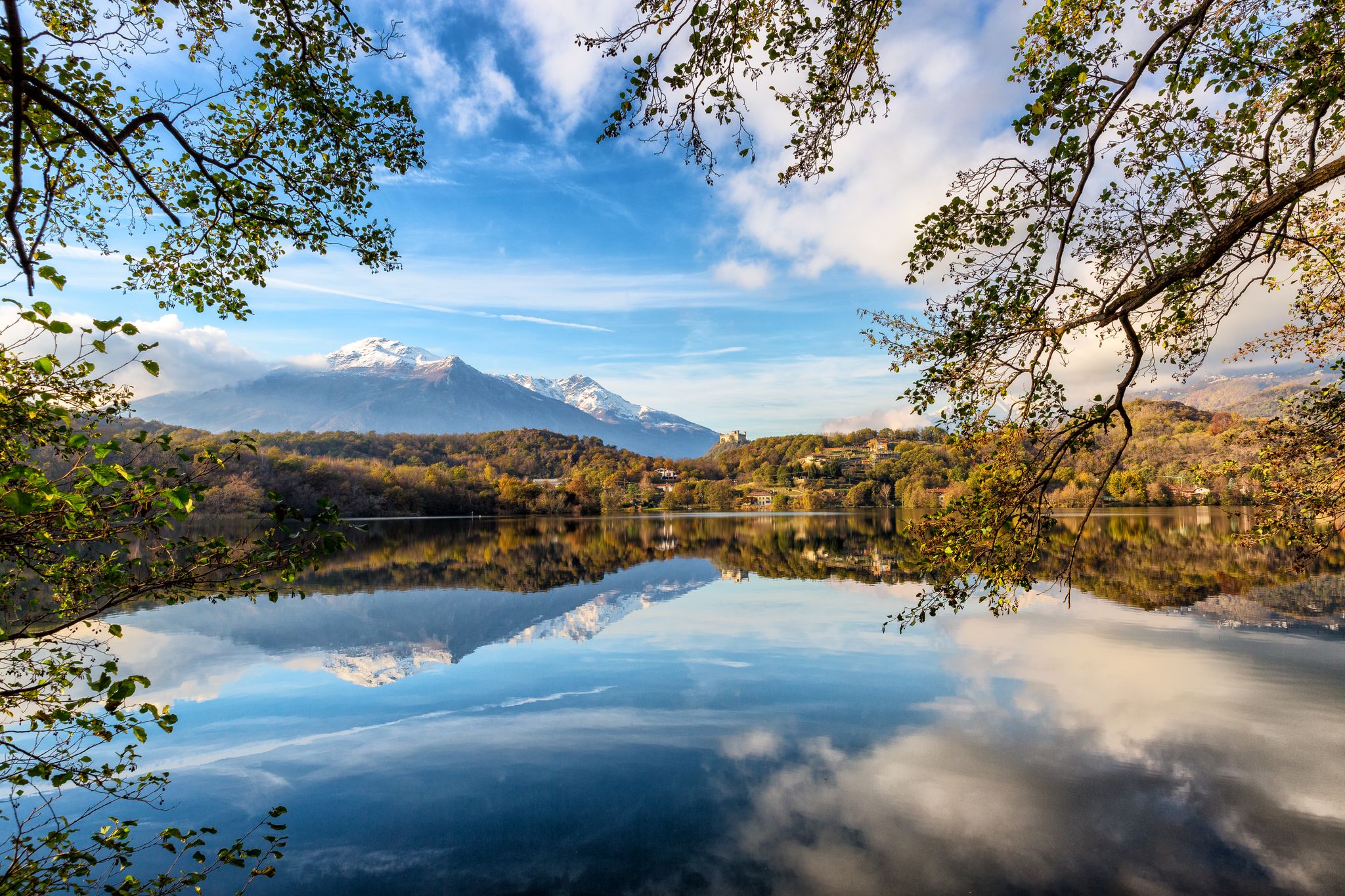
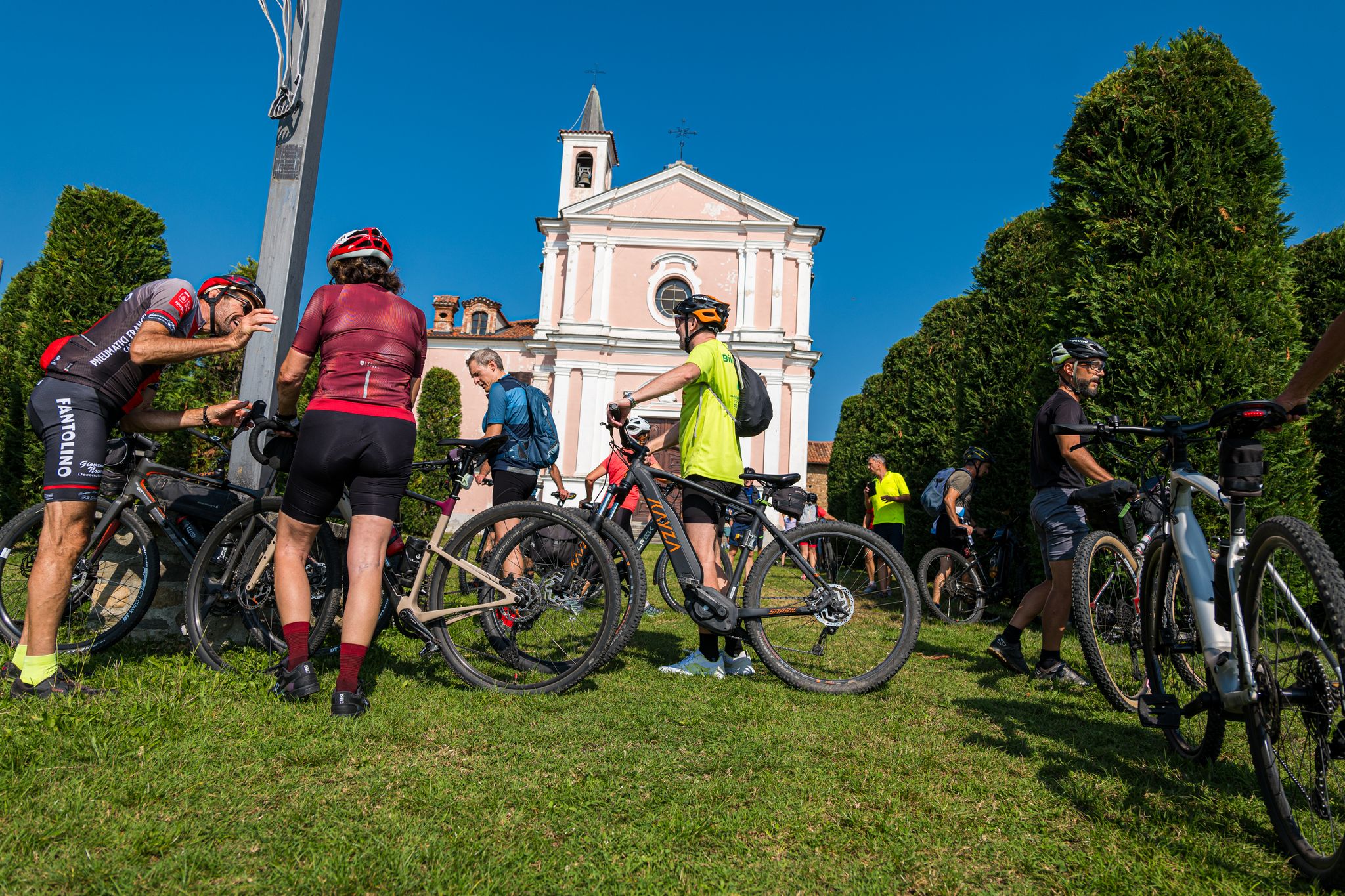
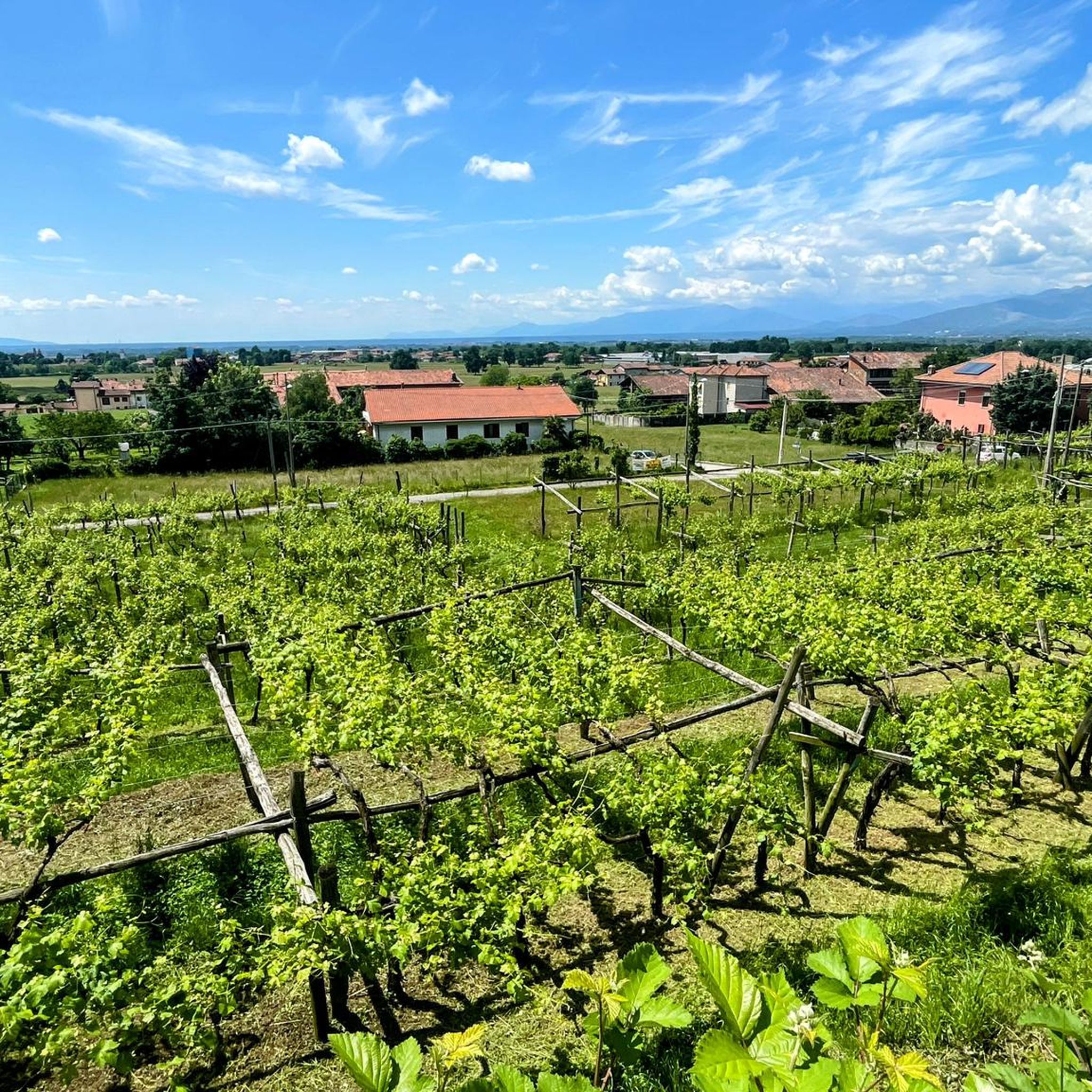
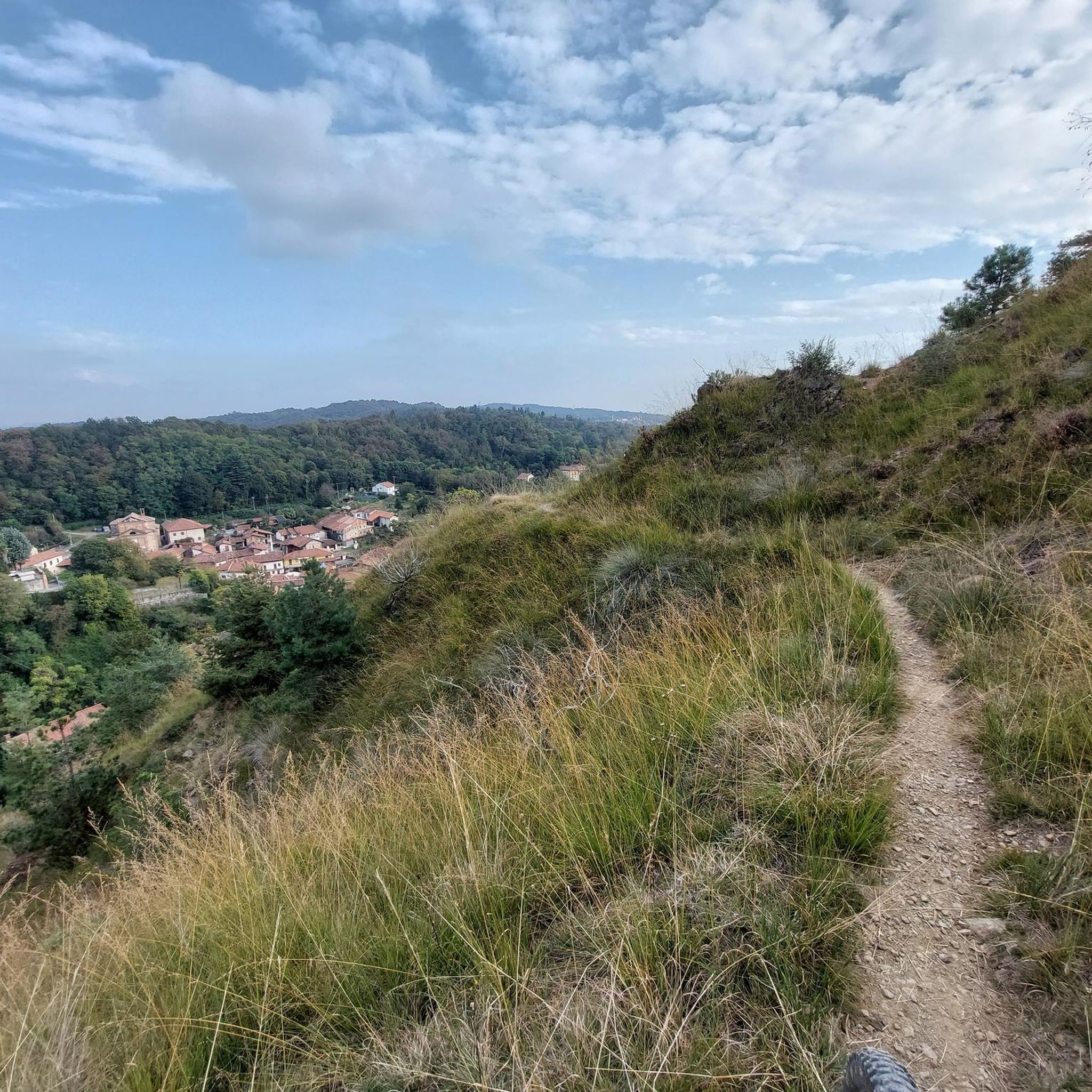
Touring cycling around Agliè offers diverse landscapes within Italy's Canavese region. The area features a mix of flat plains, rolling morainic hills, and more demanding mountainous ascents. Cyclists can find routes passing by lakes, through vineyards, and dense chestnut forests. This varied terrain provides options for different cycling preferences and skill levels.
Best touring cycling routes around Agliè
- The most popular touring cycling route is Pian delle Nere – Torre Canavese Village loop from Agliè, a 28.2 miles (45.4…
Last updated: October 4, 2026
5.0
(2)
47
riders
45.4km
03:35
1,130m
1,130m
Hard bike ride. Very good fitness required. Mostly paved surfaces. Suitable for all skill levels.
4.5
(2)
56
riders
Hard bike ride. Very good fitness required. Mostly paved surfaces. Suitable for all skill levels.

5.0
(2)
33
riders
38.5km
02:42
720m
720m
Hard bike ride. Very good fitness required. Mostly paved surfaces. Suitable for all skill levels.
27
riders
48.5km
04:34
1,350m
1,350m
Hard bike ride. Very good fitness required. You may need to push your bike for some segments of this route.
5.0
(2)
15
riders
Moderate bike ride. Good fitness required. Mostly paved surfaces. Suitable for all skill levels.
Get access to more routes and recommendations from other explorers.
Already have an account?
Our route recommendations are based on thousands of hikes, rides, and runs completed by other people on komoot.
Start today with a free account
Your next adventure awaits.



Tips from the Community


the blooming of Narcissus and Monte Val o in the background
2
0

Beautiful, quaint place with a view of the mountains.
0
0
Beautiful old town with imposing buildings and views of the mountains.
0
0

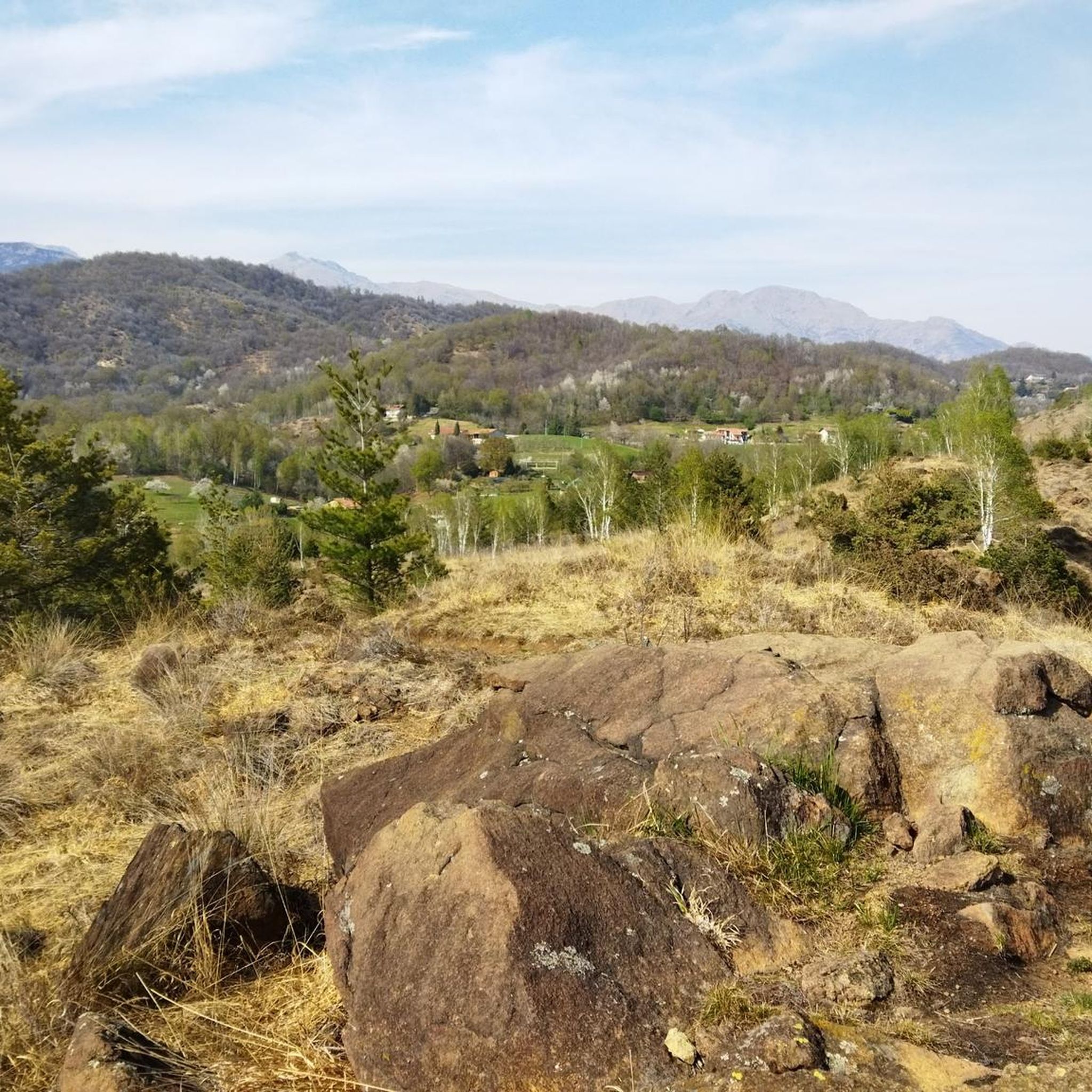
Accessible by car via a somewhat narrow but recently restored paved road, it is in excellent condition. Ample parking is available. It has a barbecue and picnic area. It's also an excellent starting point for reaching the surrounding peaks.
2
0

Victoria is yawning with new joints... :-P
0
0

A natural spectacle to enjoy in the month of May
2
0
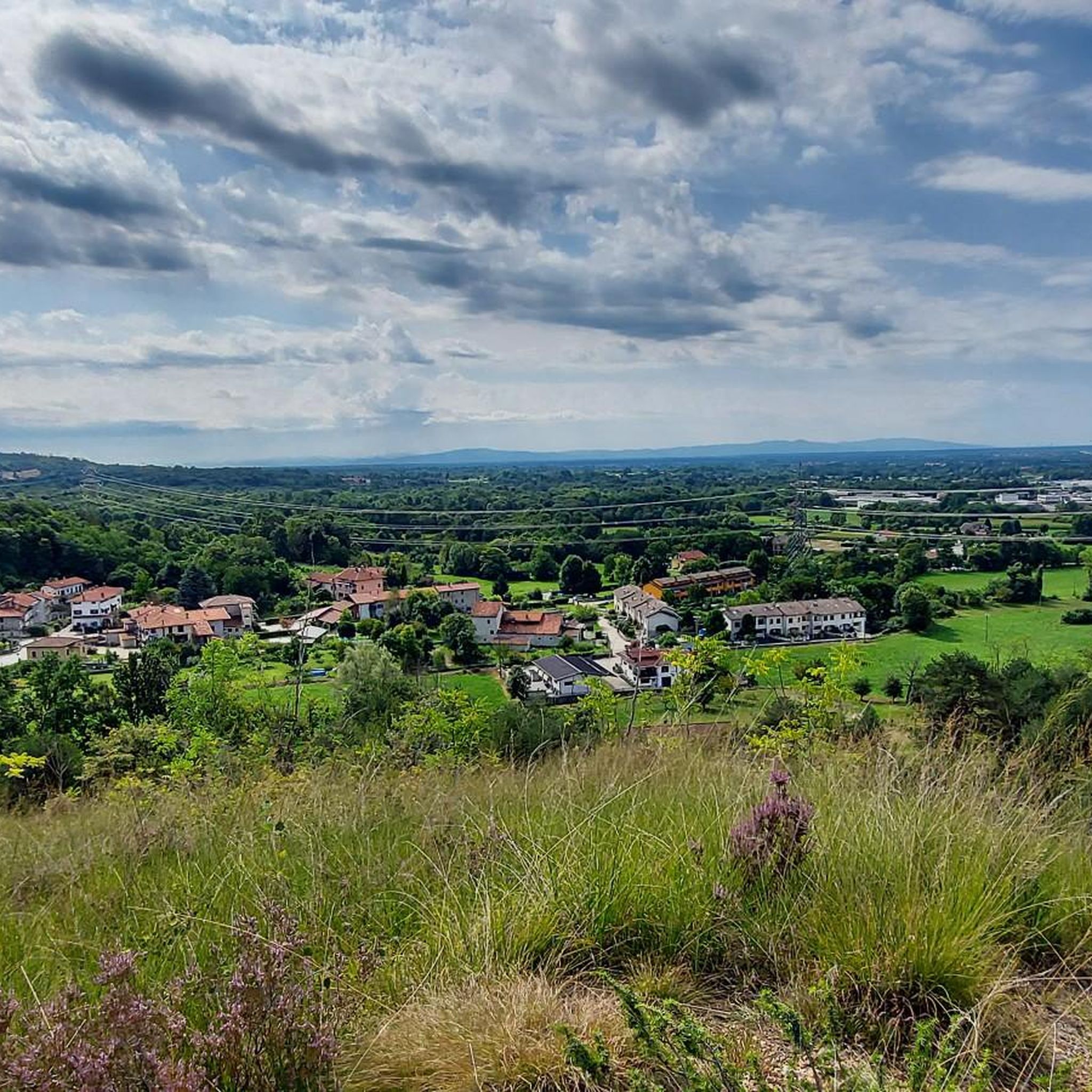
Easily accessible on a paved road (unfortunately). Breathtaking view of the plain. In May, the spectacle of the daffodils blooming is unmissable.
2
0
Frequently Asked Questions
How many touring cycling routes are available around Agliè?
There are over 30 touring cycling routes around Agliè, catering to various skill levels. These include 6 easy routes, 13 moderate routes, and 11 difficult routes, ensuring options for every cyclist.
What kind of terrain can I expect on touring cycling routes in Agliè?
The Agliè area, nestled in Italy's Canavese region, offers a diverse terrain. You can expect a mix of flat plains, rolling morainic hills, and more demanding mountainous ascents. Routes often pass by scenic lakes, through vineyards, and dense chestnut forests, providing a varied and picturesque cycling experience.
What historical or natural attractions can I see along the touring cycling routes in Agliè?
Many routes in Agliè offer opportunities to explore significant historical and natural attractions. You can cycle past the impressive Castello Ducale di Agliè, a historic summer residence of the Savoy family. Natural highlights include scenic views of Lake Candia and the unique morainic hills of Serra di Ivrea. The historic town center of Agliè itself is a charming stop.
Are there challenging touring cycling routes for experienced riders?
Yes, Agliè offers 11 difficult touring cycling routes for experienced riders seeking a challenge. One such route is the Pian delle Nere – Torre Canavese Village loop from Agliè, which covers 28.2 miles (45.4 km) with significant elevation gain, typically taking over 3.5 hours to complete. Another demanding option is the View of the Vidracco Dam – Lake Meugliano loop from Agliè, a 22.2-mile (35.7 km) path with notable climbs.
Are there circular touring cycling routes available in Agliè?
Yes, many touring cycling routes around Agliè are designed as loops, allowing you to start and end in the same location. Examples include the popular View of the Vidracco Dam – Torre Canavese Village loop from Agliè, a 21.6-mile (34.7 km) trail, and the Agliè - the historic town center loop from Agliè, which is a moderate 17.2-mile (27.7 km) ride.
What is the best time of year for touring cycling in Agliè?
The Canavese region, including Agliè, is generally pleasant for cycling from spring through autumn. These seasons offer mild temperatures and vibrant landscapes, from blooming spring flowers to the rich colors of autumn vineyards. Summer is also suitable, though it can be warmer, especially in the plains.
Are there routes suitable for beginners or those looking for an easy ride?
Absolutely! Agliè offers 6 easy touring cycling routes, perfect for beginners or those seeking a more relaxed ride. These routes typically feature less elevation gain and shorter distances, allowing you to enjoy the scenery at a leisurely pace. While specific easy routes are not detailed here, komoot's route planner can help you find them.
What do other touring cyclists enjoy the most about touring cycling in Agliè?
The touring cycling experience in Agliè is highly rated by the komoot community, with an average score of 4.5 stars from over 20 reviews. Cyclists often praise the diverse landscapes, the mix of historic villages and natural beauty, and the generally low-intensity traffic on secondary roads, which enhances the peaceful riding experience.
Is public transport available to access touring cycling routes in Agliè?
While specific public transport connections directly to trailheads are not detailed, Agliè is part of the broader Canavese region, which has some regional bus and train services. For detailed information on public transport options to Agliè and surrounding areas, it's advisable to check local transport schedules or visit the official tourism website for Piedmont, such as italia.it.
Where can I park my car when starting a touring cycling route in Agliè?
Agliè, as a town, typically offers various parking options within or near its center. For specific trailheads, parking availability can vary. It's generally recommended to look for public parking areas in the town or near major attractions like the Castello Ducale, which often serve as convenient starting points for cycling routes.
Can I bring my dog on touring cycling routes in Agliè?
While many outdoor areas in Italy are dog-friendly, specific regulations for cycling routes can vary. It's generally advisable to keep dogs on a leash, especially in populated areas or near wildlife. Always ensure your dog is comfortable with the distance and terrain, and carry enough water for both of you. Check local signage for any specific restrictions on individual routes.
Are there any scenic viewpoints along the touring cycling routes in Agliè?
Yes, the varied terrain of the Canavese region provides numerous scenic viewpoints. Routes often traverse morainic hills, offering panoramic vistas of the surrounding plains, lakes like Lake Candia, and the distant Alps. The Upper Malone Valley, with its charming woods and streams, also provides picturesque views, as do the vineyard-covered slopes.
Most popular attractions around Agliè

Get inspired with the komoot mobile app


Explore more
Browse the best Cycling routes in other regions.
