The best road cycling routes around Cassano D'Adda
4.2
(880)
13,921
riders
26
rides
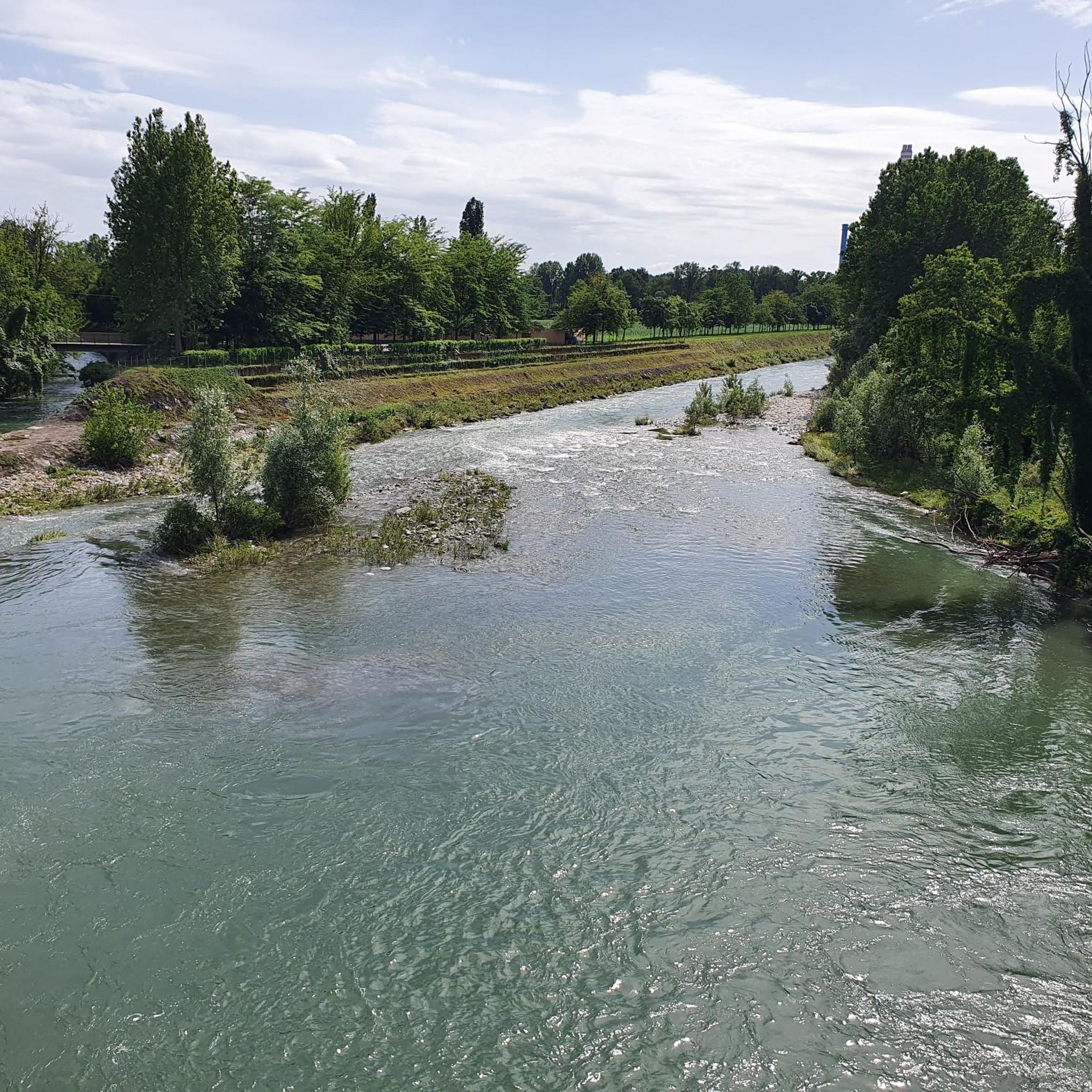
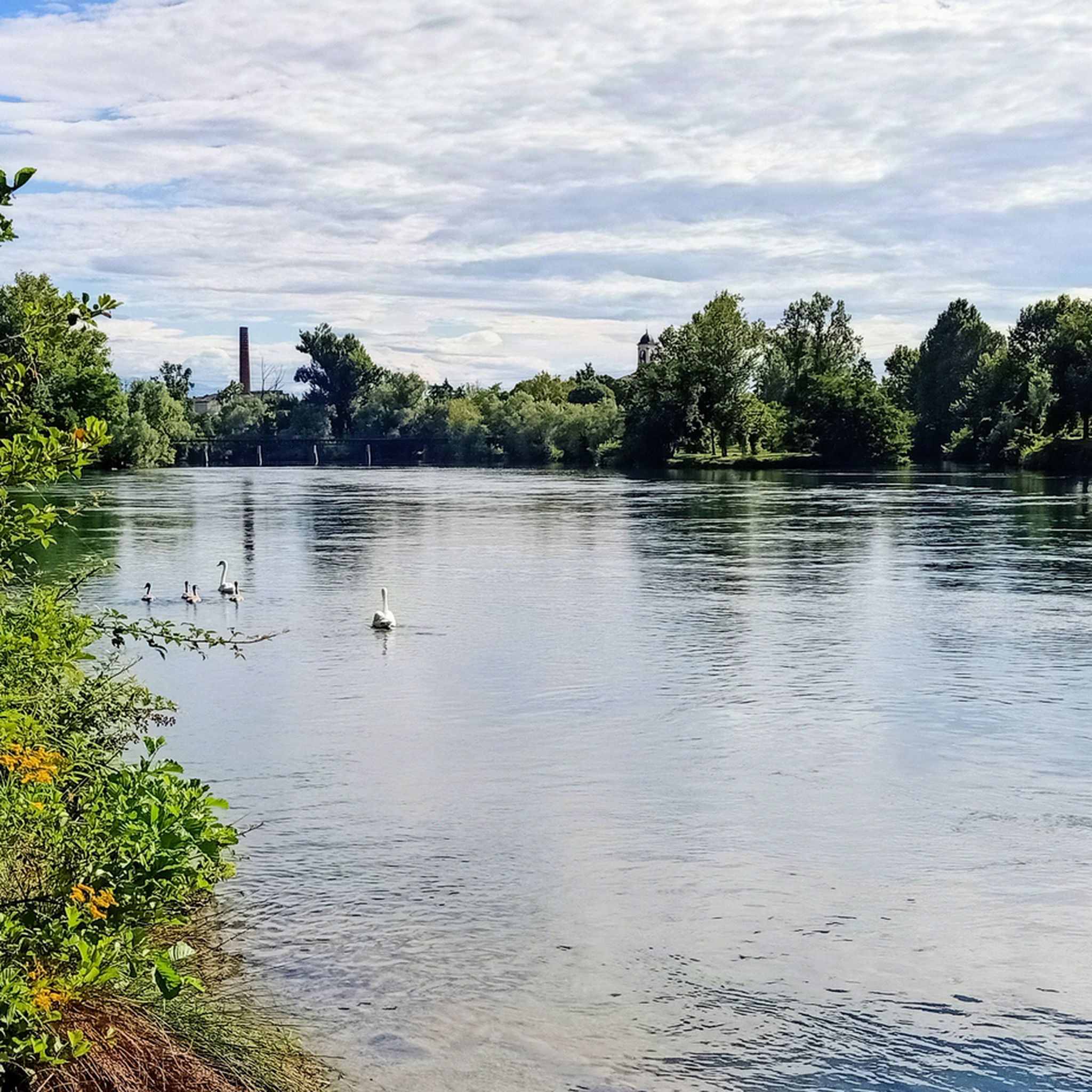
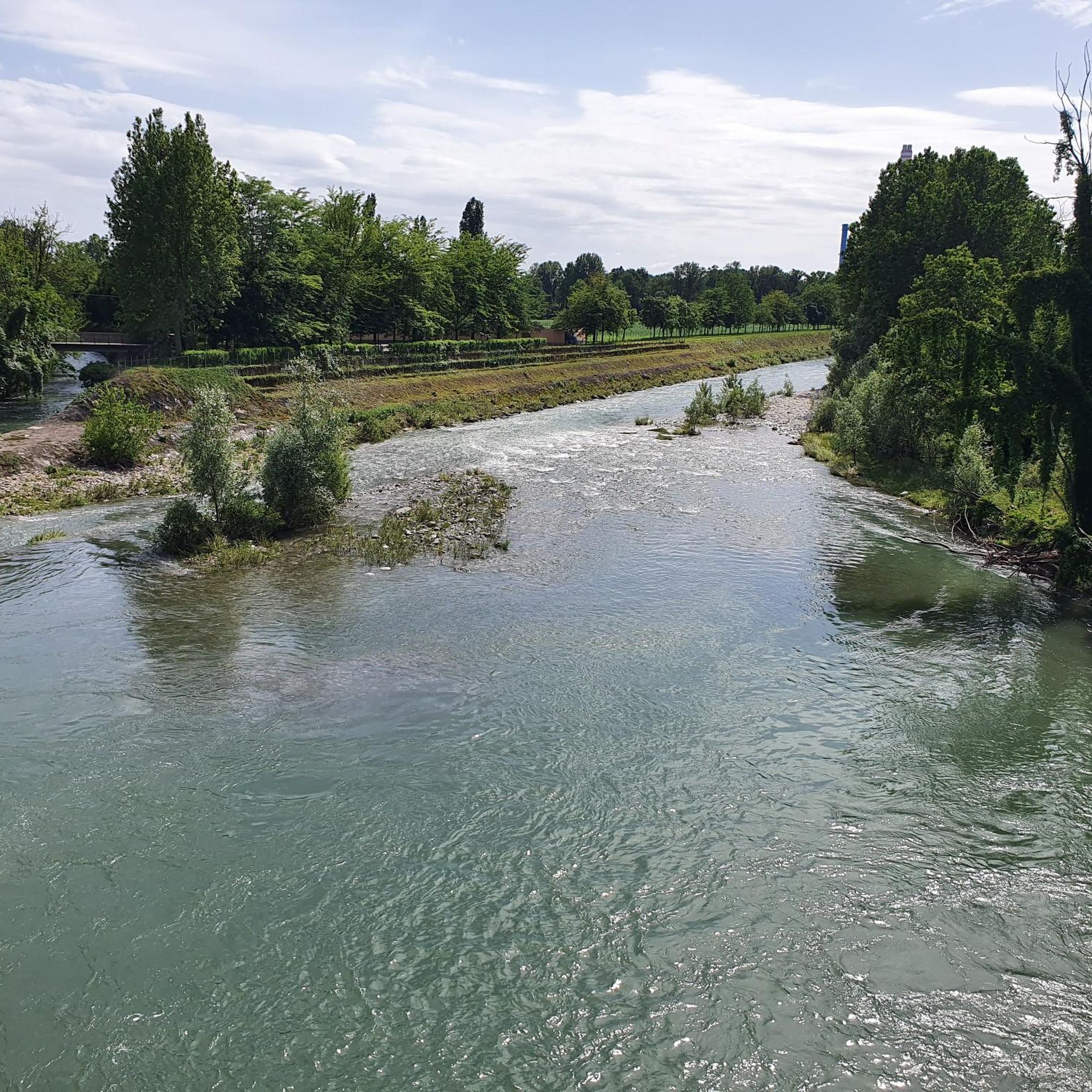
Road cycling around Cassano D'Adda is characterized by its diverse landscapes, including the Adda River valley and the historic Naviglio Martesana canal. The region features a network of routes that traverse undulating countryside, lush greenery, and areas protected by Regional Parks. Cyclists will encounter both paved and unpaved surfaces, with elevation changes ranging from gentle river paths to more challenging climbs.
Best road cycling routes around Cassano D'Adda
- The most popular road cycling route is Martesana Cycle Route, a…
Last updated: May 10, 2026
4.5
(138)
1,418
riders
65.7km
02:38
150m
150m
Moderate road ride. Good fitness required. Mostly well-paved surfaces and easy to ride.
4.7
(6)
303
riders
133km
06:30
1,740m
1,740m
Hard road ride. Very good fitness required. Some segments of this route may be unpaved and difficult to ride.

Sign up for free
3.7
(3)
154
riders
66.2km
02:48
500m
500m
Moderate road ride. Good fitness required. Mostly well-paved surfaces and easy to ride.
4.3
(3)
90
riders
62.7km
02:37
400m
400m
Moderate road ride. Good fitness required. Mostly well-paved surfaces and easy to ride.
5.0
(2)
40
riders
91.1km
03:45
560m
560m
Moderate road ride. Good fitness required. Mostly well-paved surfaces and easy to ride.
Get access to more routes and recommendations from other explorers.
Sign up for free
Already have an account?
Our route recommendations are based on thousands of hikes, rides, and runs completed by other people on komoot.
Start today with a free account
Your next adventure awaits.
Login or Signup
Popular around Cassano D'Adda
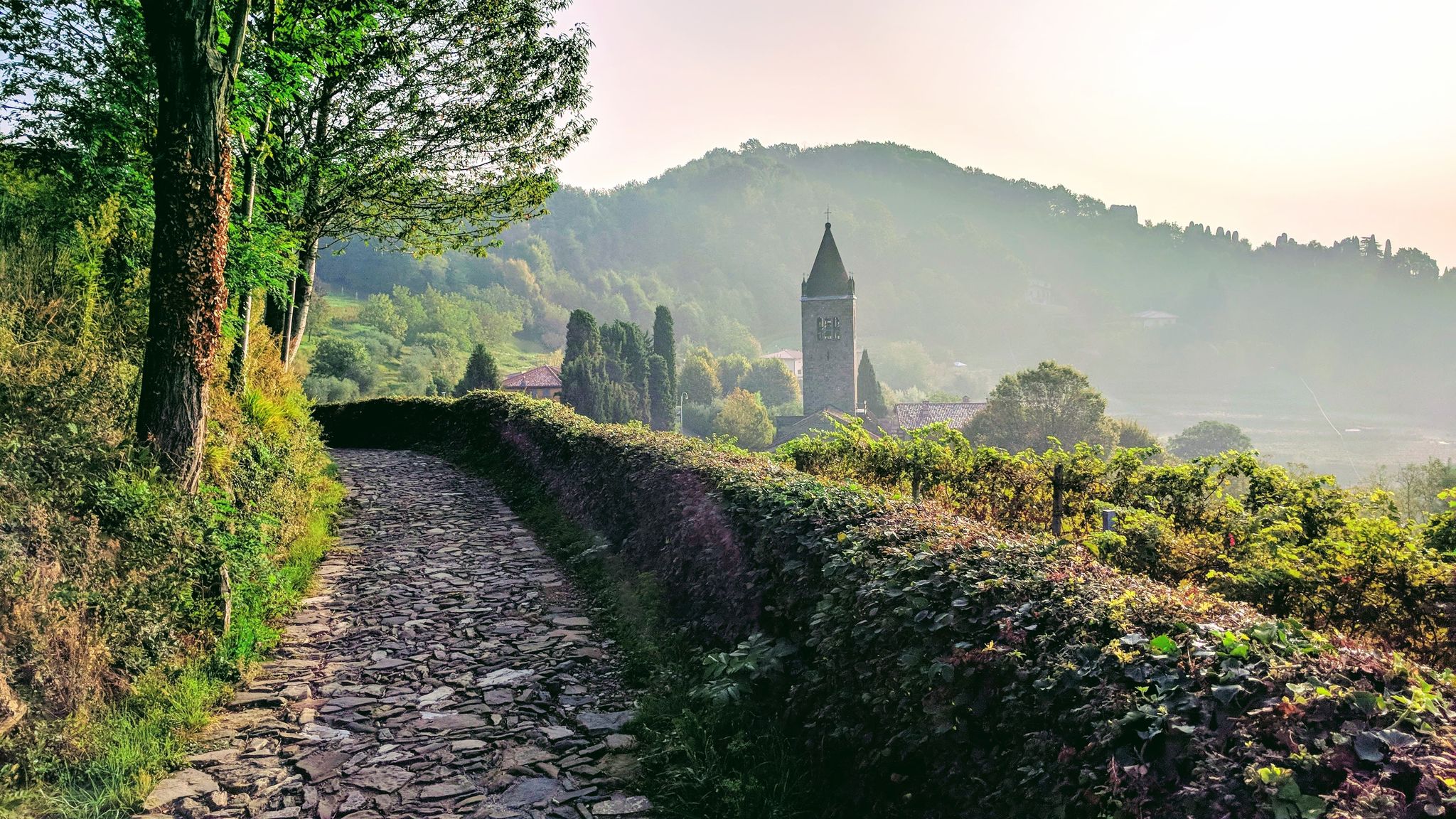
Away with the train – trekking an hour from Milan
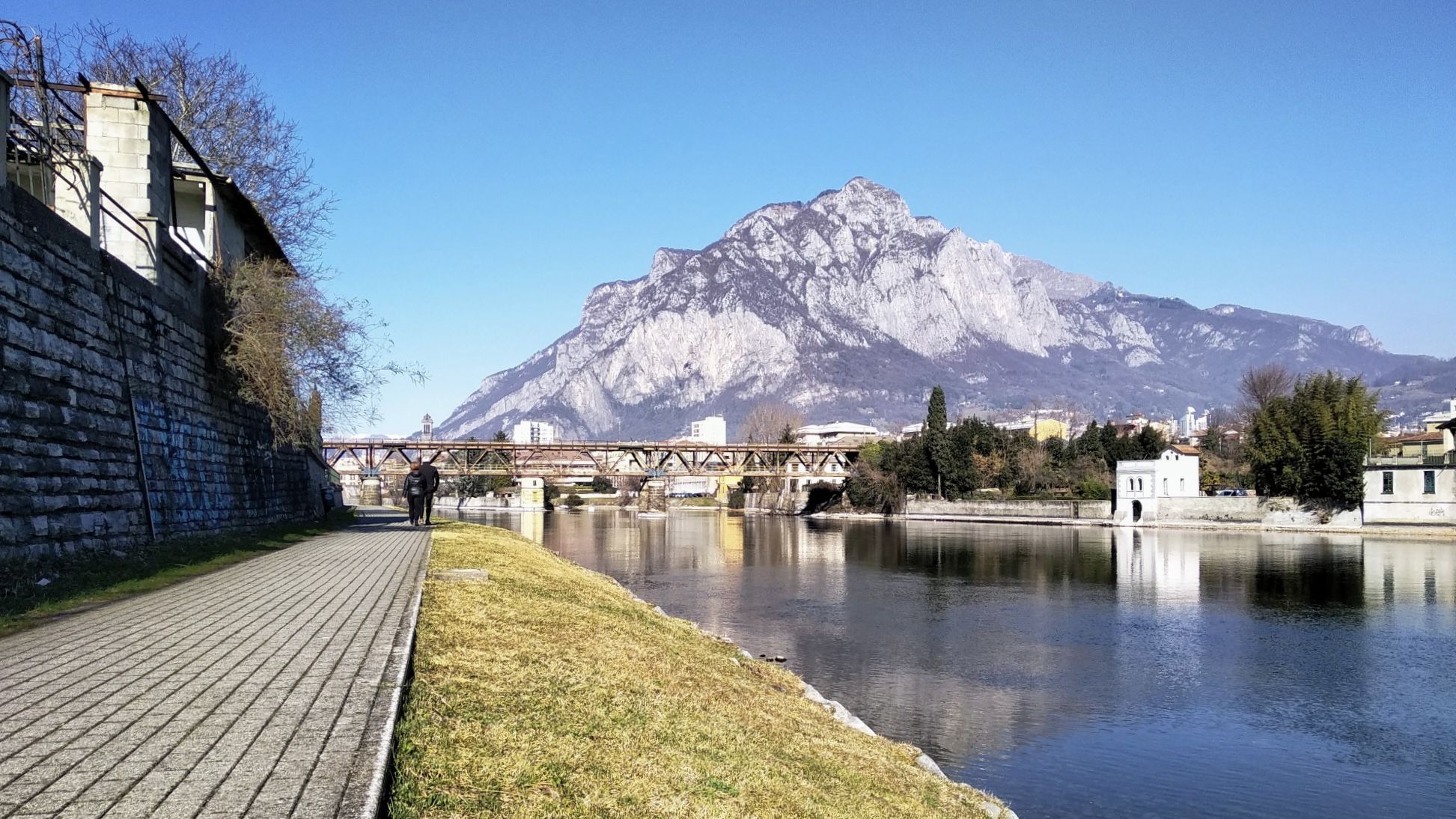
Lecco Pre-Alps to the Po Valley – Adda Cycle Route
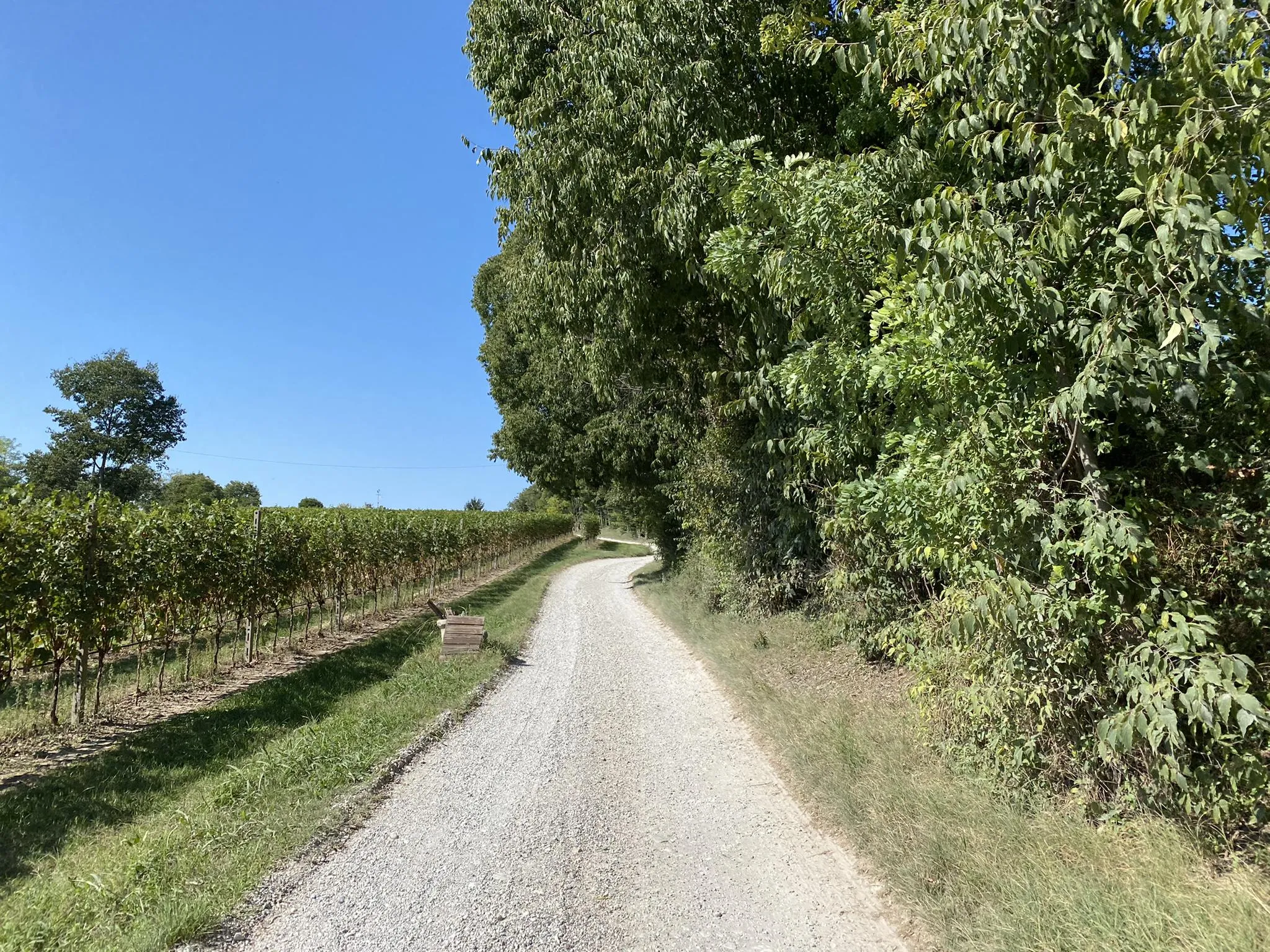
A bike Tour from Moncenisio to Verona – AIDA (western part)
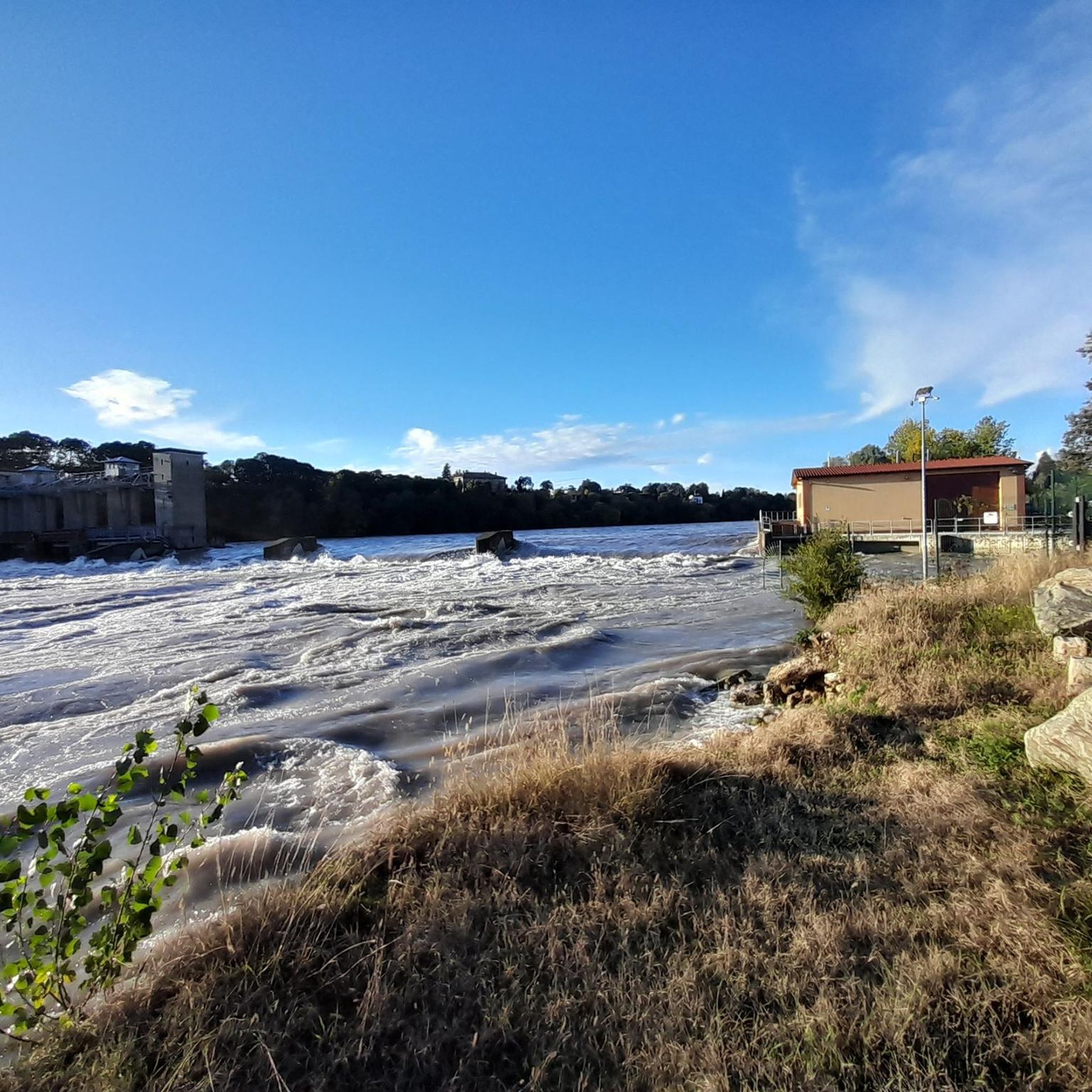
Cycling around Cassano D'Adda
Hiking around Cassano D'Adda
MTB Trails around Cassano D'Adda
Running Trails around Cassano D'Adda

Gravel biking around Cassano D'Adda


Tips from the Community

located in the heart of San Giovanni Bianco
0
0

Naviglio della Martesana is perhaps the least known of the ancient artificial canals connecting Milan to the great Lombard rivers. It originates from the Adda in Concesa, a hamlet of Trezzo d’Adda, crosses the Martesana sub-region, northeast of the provincial capital, and once in the city, it plunges underground beneath Via Melchiorre Gioia, at the height of Cassina de’ Pomm. It measures approximately 38 km in length, with a width varying from 9 to 18 meters. However, once upon a time, the Naviglio della Martesana continued in the open air all the way to the center, where a lock system centered on the Conca dell’Incoronata connected it to the short Naviglio di S. Marco and the urban network of the Navigli. The lock was inaugurated in 1496, utilizing lock gates designed by Leonardo da Vinci. The canal had been opened in 1471, under Francesco Sforza. By connecting it to the other Navigli, Leonardo laid the foundations for realizing a dream of the Sforzas: to travel by water from the Ticino, and therefore from Lake Maggiore, all the way to the Adda.
1
0
The route runs alongside the Naviglio della Martesana, perhaps the least known among the ancient artificial canals connecting Milan to the great Lombard rivers. It originates from the Adda river in Concesa, a hamlet of Trezzo d’Adda, crosses the Martesana sub-region, north-east of the provincial capital, and once in the city, it plunges underground beneath via Melchiorre Gioia, near Cassina de’ Pomm. It measures approximately 38 km in length, with a width varying from 9 to 18 meters. However, at one time, the Naviglio della Martesana continued in the open air right into the center, where a system of locks centered on the Conca dell’Incoronata connected it to the short Naviglio di S. Marco and the urban ring of the Navigli. The lock was inaugurated in 1496, utilizing lock gates designed by Leonardo da Vinci. The canal had been opened in 1471, under Francesco Sforza. By connecting it to the other Navigli,
2
0

A valuable 17th-century monument of Lombard Baroque, but also a bulwark that rises in a panoramic position overlooking the Adda Valley in Imbersago, in the province of Lecco. A perfect blend of religious devotion, commemoration of a mystical past, and immersion in lush nature, a symbol of vitality and timeless beauty. The history of the Sanctuary of Imbersago is rooted in a past of apparitions and miraculous events. It all began on May 9, 1617, when three shepherds who were grazing their flock in the woods saw a celestial figure among dazzling lights and harmonious melodies on the three large chestnut trees that stood around the Sorgente del Lupo (so named for the animals that roamed there). At that point, Pietro, one of the children, with great wonder, spotted and picked up a ripe hedgehog, an unlikely event in the middle of spring. And for all the people, this represented the prodigious sign that the Blessed Virgin wished to be honored in that very place. From here, from this miraculous vision, began the devotion to the Madonna del Bosco, also known as Madonna del Riccio, referring precisely to the miracle just narrated, or Madonna dei Miracoli di Imbersago.
0
0
The construction of the Naviglio Piccolo, later called della Martesana, was initiated by Francesco Sforza in 1475 to move along the route "machinery, oil presses, spinning mills, paper mills". It originates from the Adda river, on the right bank, below the Castle of Trezzo and reaches Milan at Cascina de' Pomm, ending up buried at San Marco. The Naviglio della Martesana, definitively completed in 1496 under the guidance of Ludovico il Moro, flows from Trezzo sull’Adda to Milan for a total length of 38 km. The route runs alongside the ancient Roman road that crossed the Adda with two branches: at Vaprio and at Cassano. Concurrently with the improvement of the agricultural structure thanks to irrigation, a notable flourishing of stately villas occurred in the Baroque era. The irrigational function of the Martesana marks the clear boundary between the dry plain to the north and the irrigated plain to the south.
1
0
The construction of the Naviglio Piccolo, later known as the Martesana, was started by Francesco Sforza in 1475 to transport along the route "grinding stones, oil presses, spinning mills, paper mills". It originates from the Adda, on the right bank, below the Castle of Trezzo and reaches Milan at Cascina de' Pomm, ending buried at San Marco. The Naviglio della Martesana, definitively completed in 1496 under the guidance of Ludovico il Moro, flows from Trezzo sull’Adda to Milan for a total length of 38 km. The route runs alongside the ancient Roman road that crossed the Adda with two branches: at Vaprio and at Cassano. Concurrently with the improvement of the agricultural structure thanks to irrigation, a notable flourishing of stately villas occurred in the Baroque era. The irrigation function of the Martesana marks the clear boundary between the dry plain, to the north, and the irrigated plain, to the south.
2
0
The imposing water wheel (about eleven meters in diameter) was built in the early 17th century by Cardinal Federico Borromeo to lift water from the canal and convey it to the nearby Archbishop's Palace. A washhouse can be seen near the wheel.
1
0
descent to San Sebastiano
0
0
Frequently Asked Questions
What types of landscapes can I expect to see while road cycling around Cassano D'Adda?
Road cycling around Cassano D'Adda offers a diverse range of landscapes. You'll primarily encounter the scenic Adda River valley and the historic Naviglio Martesana canal, both providing lush greenery and opportunities to observe local wildlife. The routes traverse undulating countryside, woods, and areas protected by Regional Parks, offering a tranquil experience. Some routes also integrate picturesque lake and mountain scenery, particularly around Lakes Garlate and Olginate.
Are there road cycling routes suitable for beginners or those looking for an easier ride?
Yes, Cassano D'Adda offers several routes suitable for beginners or those preferring an easier ride. Many paths along the Adda River and Naviglio Martesana are relatively flat. For example, the Martesana Cycle Route is a moderate 65.7 km trail that follows the historic canal, offering scenic views with gentle elevation changes. The Adda Cycle Route, connecting Lecco to Cassano d'Adda, is also described as an easy cycle-pedestrian route.
What historical and cultural attractions can I explore along the road cycling routes?
The region is rich in historical and cultural attractions. You can cycle past the UNESCO World Heritage site of Crespi d'Adda, a preserved industrial village. Other notable sights include the iconic Ponte San Michele, various historical hydro plants like Bertini, Esterle, and Taccani (such as the Taccani Hydroelectric Power Plant), and structures influenced by Leonardo da Vinci's studies. In Cassano d'Adda itself, you can see the exquisite Villa Borromeo and the historical Visconti Castle of Cassano d'Adda. The Groppello water wheel (El Rudun) is another interesting historical point.
Are there any circular road cycling routes around Cassano D'Adda?
Yes, there are several excellent circular road cycling routes. The "Martesana Canal Cycle Path – Martesana Canal loop from Cassano d'Adda" is a 50.4 km option. Another popular choice is the "Brembate e Crespi da Cassano – gravel loop along the Adda river," which is 31.7 km and passes by Crespi d'Adda. For a longer ride, consider the From Cassano d'Adda to Brivio along the Adda – loop tour, covering over 62 km, or the Adda River to Lecco Loop, which is over 91 km.
What is the best time of year for road cycling in Cassano D'Adda?
The best time for road cycling in Cassano D'Adda is generally during spring (April to June) and autumn (September to October). During these months, the weather is typically mild and pleasant, with less extreme heat than summer and fewer chances of rain or cold than winter. The natural scenery is also particularly vibrant in spring and autumn, enhancing the cycling experience.
Are there any challenging road cycling routes for experienced riders?
Absolutely. While many routes are gentle, there are options for experienced riders seeking a challenge. The Valle Brembana and Val Taleggio Cycle Loop is a difficult 132.8 km path featuring significant elevation gain, traversing valleys and offering extensive views. These routes provide more demanding climbs and longer distances for those looking to push their limits.
Can I find places to eat or stay along the cycling paths?
Yes, the region around Cassano D'Adda, especially along the Naviglio Martesana and Adda River, is dotted with charming towns and villages. These often offer a variety of cafes, pubs, and accommodation options where you can refuel and rest. While specific establishments are not detailed in this guide, you'll find opportunities for refreshments and overnight stays in towns like Cassano d'Adda itself and other settlements along the canals and river.
What are the typical surface types for road cycling routes in this area?
The road cycling routes around Cassano D'Adda feature a mix of surface types. Many dedicated bike paths are paved, providing smooth riding conditions. However, you will also encounter unpaved (gravel) sections, particularly on routes like the "From Cassano to Boffalora – gravel tour along the Adda river" and the "Brembate e Crespi da Cassano – gravel loop along the Adda river." The "Adda River and Muzza Canal Loop" also features mixed terrain, so it's advisable to check route details for specific surface information.
Is public transport available to access the cycling routes, and can I bring my bike?
Cassano D'Adda is generally well-connected, and public transport options like regional trains and buses serve the area. Many Italian regional trains allow bikes, often with a small additional fee or during specific off-peak hours. It's recommended to check the specific transport provider's regulations regarding bike carriage before planning your journey to ensure a smooth experience accessing the various cycle paths.
Where can I park my car if I want to start a road cycling route?
Parking is generally available in and around Cassano D'Adda and the towns along the major cycling paths like the Martesana Canal and Adda River. Look for public parking areas in town centers or near popular access points to the cycle routes. While specific parking lots are not detailed here, most towns cater to visitors and cyclists, making it feasible to find a suitable spot to begin your ride.
What do other road cyclists enjoy most about road cycling in Cassano D'Adda?
The area is highly rated by the komoot community, with an average score of 4.6 stars from over 280 reviews. Reviewers often praise the diverse landscapes, the blend of natural beauty with rich historical attractions, and the well-developed network of cycling routes. The tranquil experience along the river and canal paths, away from heavy traffic, is frequently highlighted as a major draw.
Are there any specific regulations for cycling with dogs on the trails?
While the region offers many scenic paths, specific regulations for cycling with dogs are not universally detailed for all trails. Generally, in Italy, dogs must be kept on a leash in public areas. If you plan to cycle with your dog, ensure they are well-behaved, accustomed to cycling, and that you carry waste bags. It's always best to check local signage or specific park regulations for any restrictions on certain paths within the Regional Parks.
Most popular routes around Cassano D'Adda
Most popular attractions around Cassano D'Adda

Get inspired with the komoot mobile app


Explore more
Browse the best Road cycling routes in other regions.
