Attractions and Places To See around Scarperia E San Piero - Top 20
Best attractions and places to see around Scarperia E San Piero include a rich tapestry of historical, cultural, and natural sites nestled in the Mugello countryside of Tuscany. This charming municipality, formed from two medieval villages, is recognized as one of "I Borghi più Belli d'Italia." The region features green landscapes, rolling hills, and the River Sieve, offering diverse exploration opportunities.
Best attractions and places to see around Scarperia E San Piero
- The most popular attractions is Monte Senario Sanctuary…
Last updated: August 2, 2026
Remains of the Military Flaminia
Highlight • Historical Site
Translated by Google •
Tip by

Monte Senario Sanctuary
Highlight • Religious Site
Translated by Google •
Tip by
Sign up now to discover places like this
Get recommendations on the best single tracks, peaks, & plenty of other exciting outdoor places.
Sign up for free
Scenic Road from Fiesole to Torre di Buiano
Highlight (Segment) • Cycleway
Translated by Google •
Tip by

Emilia-Romagna–Tuscany Border Marker
Highlight • Monument
Translated by Google •
Tip by

Croce della Retaia
Highlight • Summit
Translated by Google •
Tip by

Sign up for free to discover even more attractions around Scarperia E San Piero.
Sign up for free
Already have an account?
Start today with a free account
Your next adventure awaits.
Login or Signup
Popular around Scarperia E San Piero
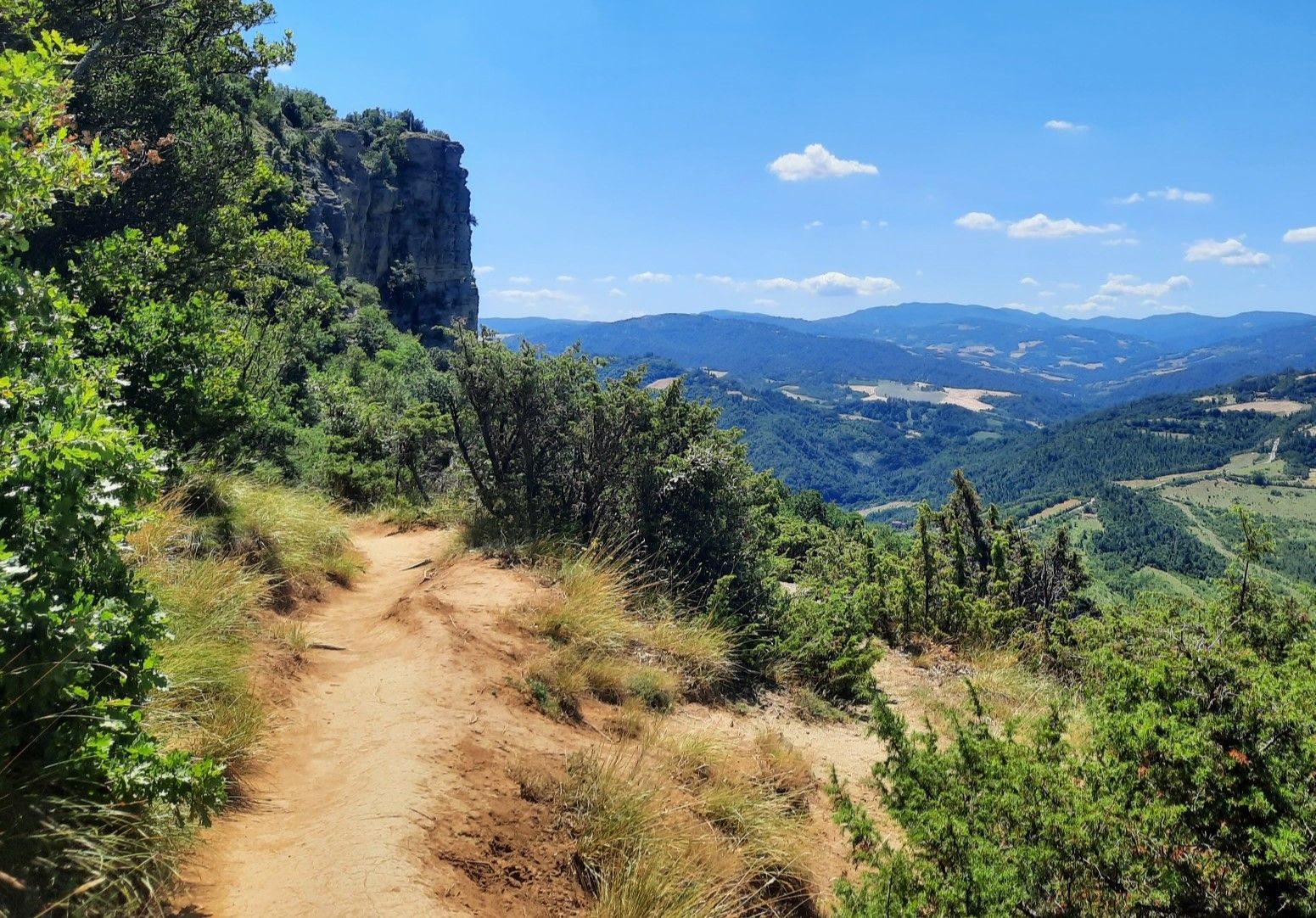
Bologna to Florence through the Apennines — the Via degli Dei
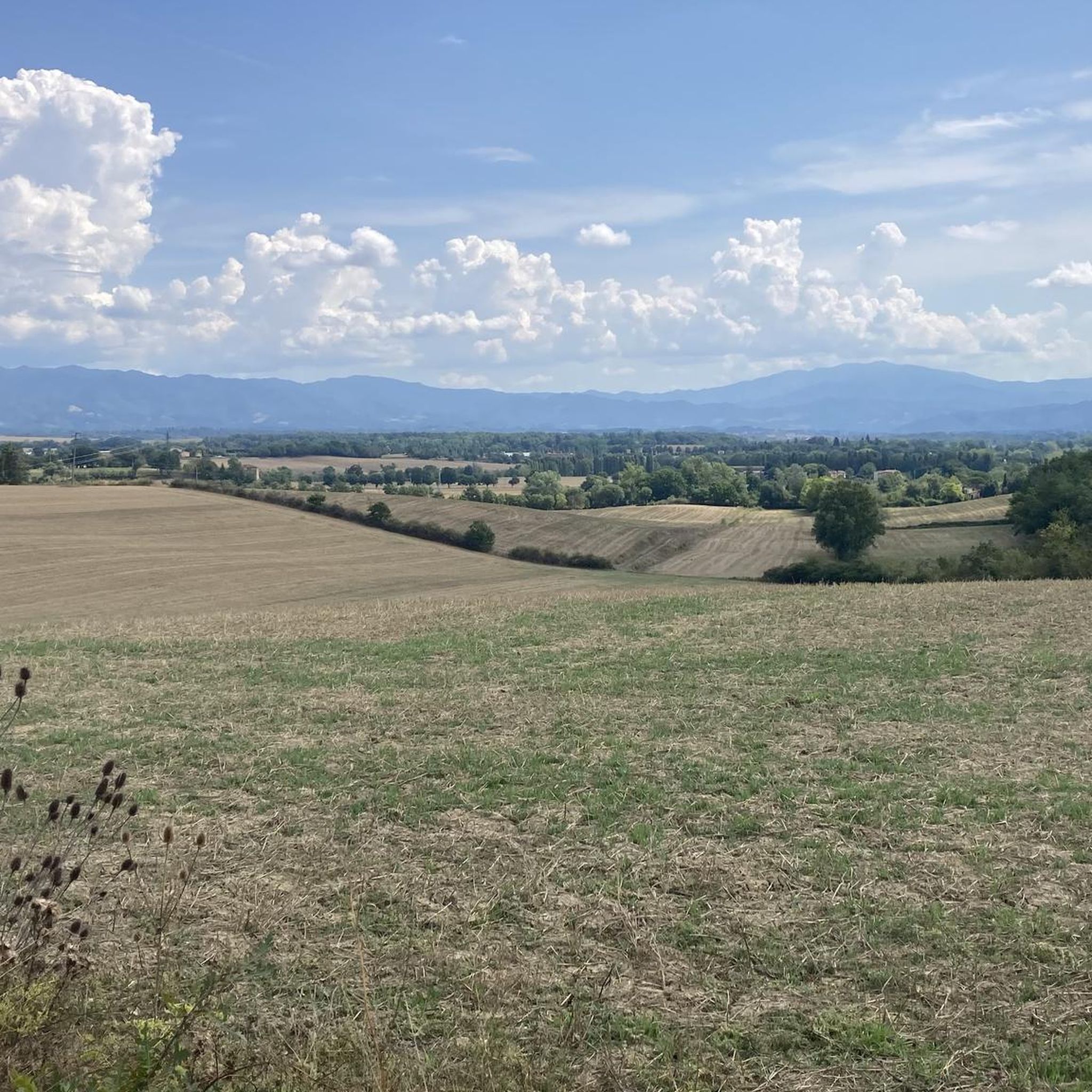
Road Cycling Routes around Scarperia E San Piero
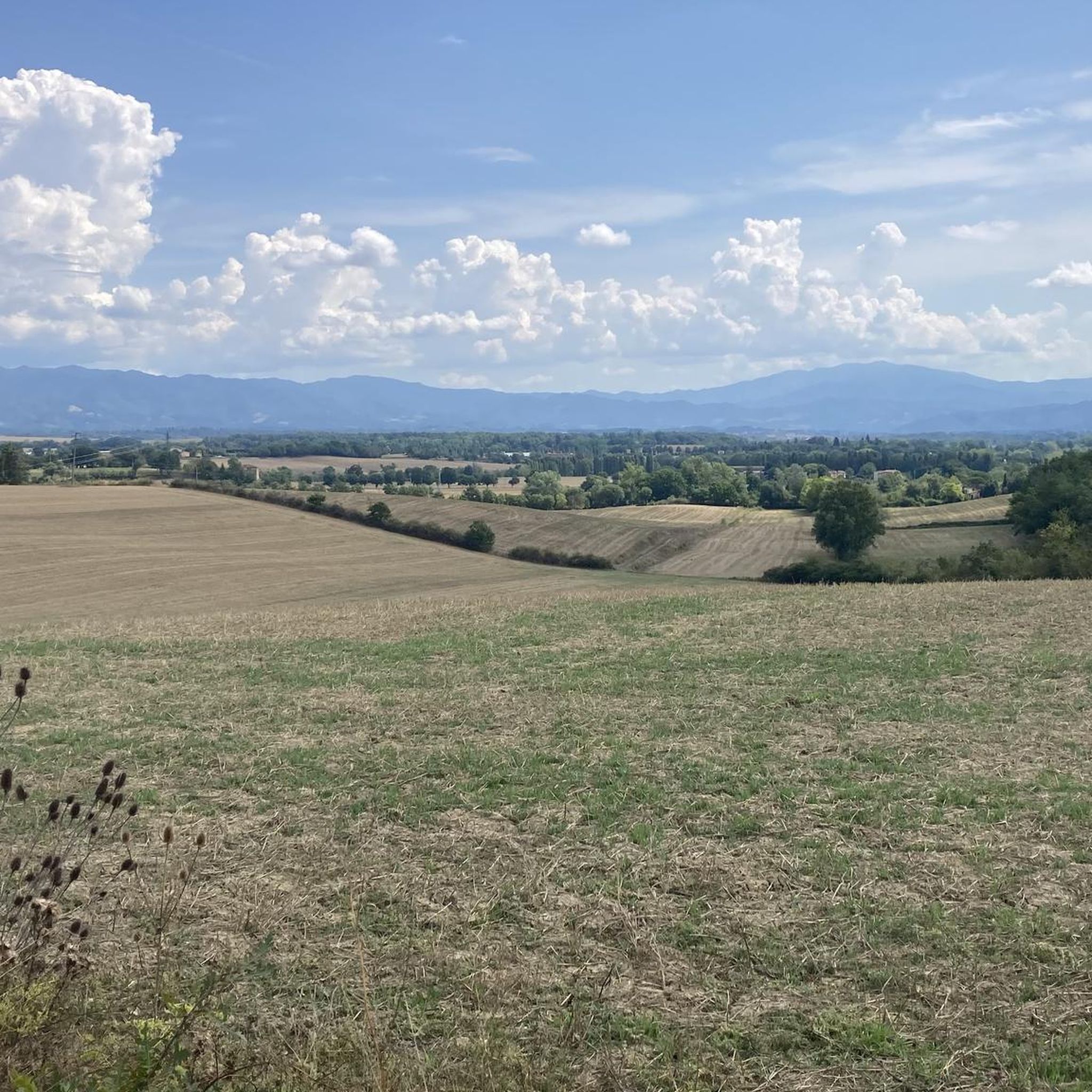
Hiking around Scarperia E San Piero
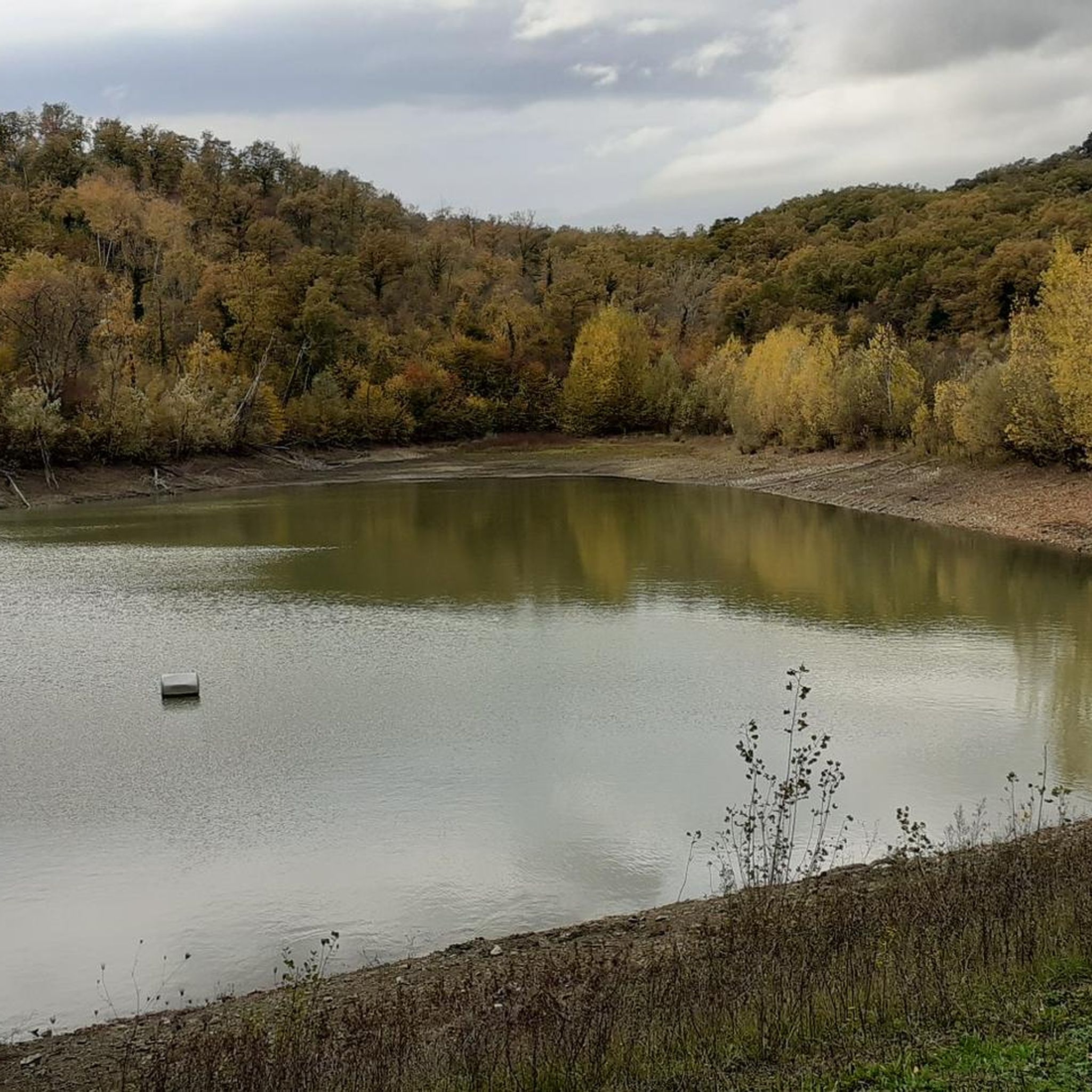
MTB Trails around Scarperia E San Piero
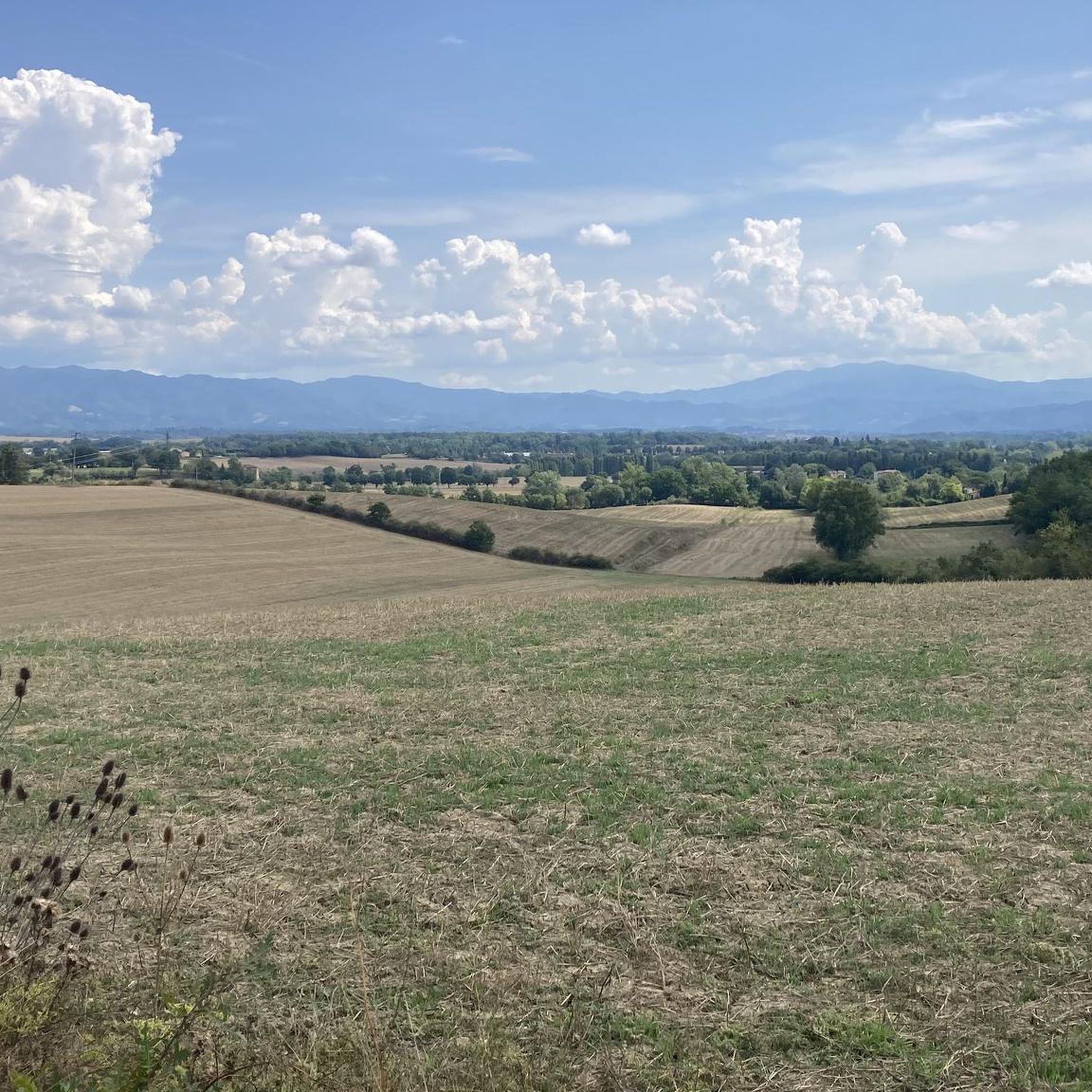
Cycling around Scarperia E San Piero
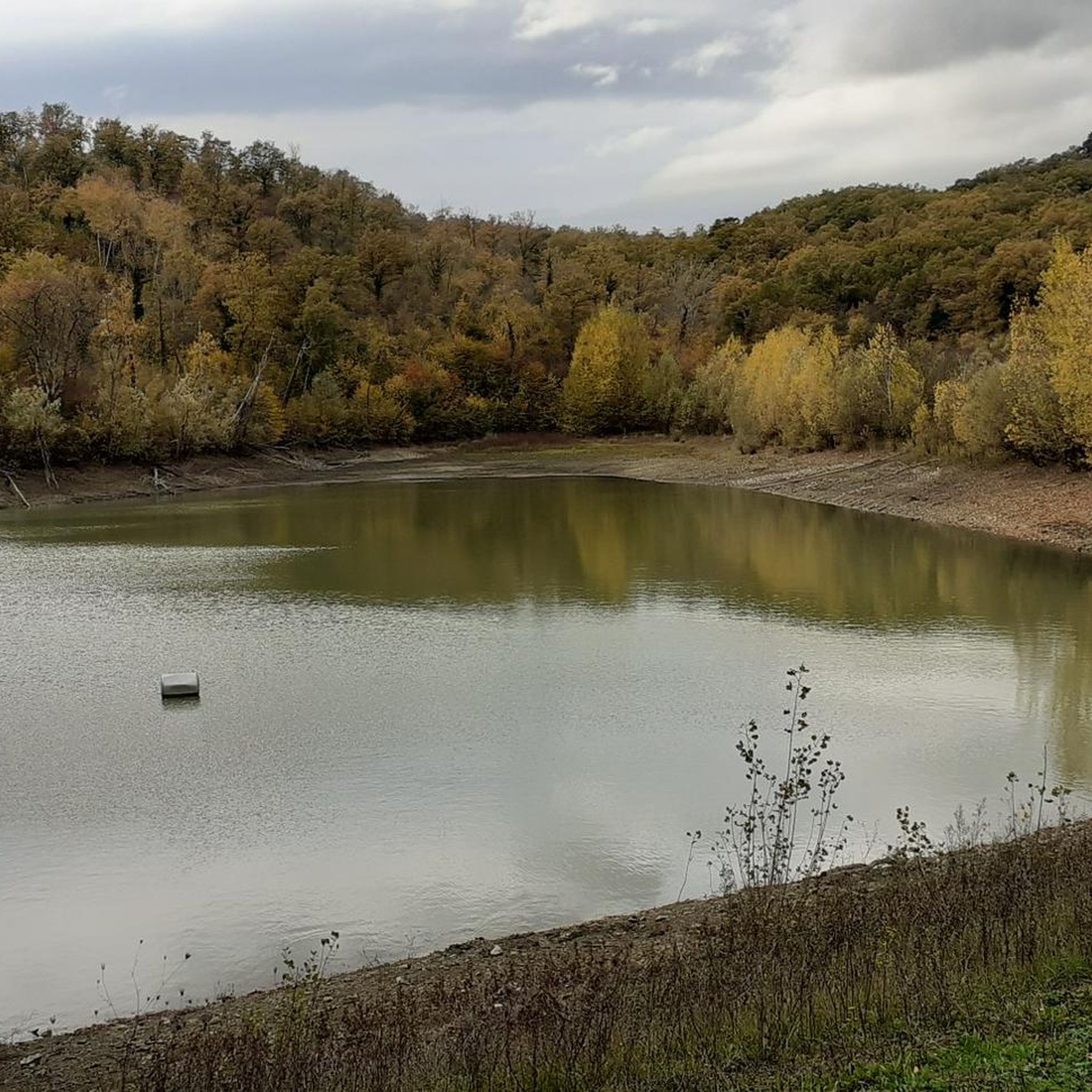
Running Trails around Scarperia E San Piero

Gravel biking around Scarperia E San Piero
Other adventures around Scarperia E San Piero

Tips from the Community

a walk not to be missed!
0
0


It is the pinnacle of Prato's hikes, starting from the slopes to get some fresh air, or for those with more time, as a stopping point for beautiful hikes in Calvana.
0
0

already done twice and always beautiful
0
0

Starting from Florence, the climb presents few difficulties and is pleasant. The climb to Fiesole is the toughest part, but it's less than four kilometers with an average gradient of 5% and a peak of 8%. After passing the Fiesole square, there are about 10 kilometers of road, mostly uphill but with a fairly easy gradient, and the view that opens up over the valley makes the effort worthwhile. At the intersection of roads that we Florentines call the "four roads," you can turn right, take the final ramp and descend into the beautiful Mugello valley, but in this case I continued straight to the village of Bivigliano. The road isn't long but includes a short 11% climb, fortunately very brief. In Bivigliano, there are refreshments and a public fountain in the square.
0
0

Along the Via degli Dei (Way of the Gods), you'll find the remains of the Flaminia Militare, an ancient Roman road built in 187 BC to connect Bologna to Arezzo. Hidden for centuries, it was rediscovered in the 1970s by two passionate hikers. Today, well-preserved sections of the original pavement can still be seen, nestled in the Apennine woods. Walking along it means traversing a true piece of history, on a journey that combines nature, archaeology, and memory.
2
0
recommended for the wonder of the woods and the super marked path
0
0

Borders as they should be. Nothing more than a stone by the wayside.
0
0
Frequently Asked Questions
What historical landmarks can I explore in Scarperia e San Piero?
Scarperia e San Piero is rich in history. You can visit the Palazzo dei Vicari in Scarperia, a 14th-century palace adorned with coats of arms and home to the Museum of Cutting Tools. Another significant site is the Remains of the Military Flaminia, an ancient Roman road built in 187 BC. Don't miss the Medici Villa of Trebbio, a UNESCO World Heritage Site, or the imposing Medicean Fortress of San Martino in San Piero a Sieve.
Are there any natural attractions or scenic viewpoints in the area?
Absolutely! The Mugello countryside itself offers green landscapes and rolling hills. For stunning panoramic views, head to Croce della Retaia, which offers extensive vistas over the Florentine plain. The Giogo Pass, at 882 meters, also provides astonishing views of the Upper Mugello. You can also enjoy the peaceful atmosphere and walks around Lago di Bilancino.
What kind of outdoor activities can I do near these attractions?
The region is perfect for outdoor enthusiasts. You can explore numerous hiking trails, with options like the 'Bridge over the Sieve – Tuscan Panorama loop from Scarperia' or the 'View of San Piero a Sieve – Castello di Trebbio loop from San Piero a Sieve'. Cycling is also popular, with routes such as the 'View of Lake Bilancino – View of Lake Bilancino loop from San Piero a Sieve'. For more ideas, check out the hiking guide, cycling guide, and running trails guide for Scarperia e San Piero.
Are there family-friendly attractions or activities available?
Yes, there are several options for families. The Monte Senario Sanctuary is considered family-friendly and offers a unique experience with its distillery. The Museum of Sant'Agata Artigiana e Contadina of Leprino is a unique and engaging museum that recreates rural and artisan life with animated scenes, which can be very appealing to children.
Where can I find unique cultural experiences in Scarperia e San Piero?
For a deep dive into local traditions, visit the Museum of Cutting Tools, housed within the Palazzo dei Vicari, which showcases Scarperia's renowned knifemaking heritage. The Convent of Bosco ai Frati, one of Tuscany's oldest religious houses, holds a wooden crucifix attributed to Donatello and offers a glimpse into ancient religious life.
What are some notable religious sites to visit?
The region has several significant religious buildings. The Monte Senario Sanctuary, built in 1234, is a prominent site where friars still produce liqueurs. Other notable churches include the Propositura of Saints Jacopo and Filippo, the ancient Parish Church of San Pietro, and the Parish Church of Sant'Agata, which features unique architectural details and nearby museums.
What is the best time of year to visit Scarperia e San Piero for outdoor activities?
The Mugello region, including Scarperia e San Piero, is generally pleasant for outdoor activities from spring through early autumn (April to October). During these months, the weather is typically mild, making it ideal for hiking, cycling, and exploring the natural landscapes. Summer can be warm, but the higher elevations offer cooler temperatures.
Are there specific hiking trails recommended for different difficulty levels?
Yes, you can find trails for various skill levels. For an easy walk, consider the 'View of the Lake – Bosco ai Frati Convent loop'. Moderate options include 'Bridge over the Sieve – Tuscan Panorama loop' and 'Gothic Line Battlefield Site – View of Mugello loop'. You can find more detailed information and routes in the hiking guide for Scarperia e San Piero.
What cycling routes are available around Scarperia e San Piero?
Cyclists can enjoy a variety of routes, from moderate to difficult. The 'View of Lake Bilancino – View of Lake Bilancino loop' is a moderate option. For more challenging rides, consider the 'View of Florence – View of Florence from Fiesole loop' or the 'San Piero a Sieve – Passo della Colla loop'. Explore more options in the cycling guide for Scarperia e San Piero.
Are there any museums that offer insight into the local history or traditions?
Scarperia e San Piero boasts several museums. The Museum of Cutting Tools in the Palazzo dei Vicari highlights the town's famous knifemaking tradition. The Gothic Line Museum “MuGot” in Ponzalla preserves the memory of World War II's Gothic Line. Additionally, the Sant'Agata Sacred Art Collection and Archaeological Documentation Centre offer insights into the area's religious art and ancient human presence.
What are some lesser-known or 'hidden gem' attractions?
Beyond the main sites, consider visiting the Oratory of the Madonna di Piazza in Scarperia, dating back to 1320, which holds historical significance for the vicars. The hamlet of Sant'Agata, with its ancient Parish Church and unique museums like the Museum of Sant'Agata Artigiana e Contadina of Leprino, offers a charming and less-traveled experience.
What do visitors particularly enjoy about the attractions in Scarperia e San Piero?
Visitors frequently praise the extensive views from spots like Croce della Retaia and the historical significance of sites like the Remains of the Military Flaminia. The peaceful and panoramic setting of the Monte Senario Sanctuary is also highly appreciated, often described as a rewarding climb with a special atmosphere.
Can I find information about the Gothic Line in the area?
Yes, the Gothic Line Museum “MuGot” in Ponzalla is dedicated to preserving the historical memory of the Gothic Line from World War II. You can also find a 'Gothic Line Battlefield Site – View of Mugello loop' among the hiking routes, offering a chance to explore the historical landscape.
Most popular routes around Scarperia E San Piero
Most popular attractions around Scarperia E San Piero

Get inspired with the komoot mobile app


Explore more
Still not found the Highlight you’re looking for? See guides of the top attractions in other regions:
