The best walks and hikes around Cibiana Di Cadore
4.5
(2060)
12,314
hikers
23
hikes
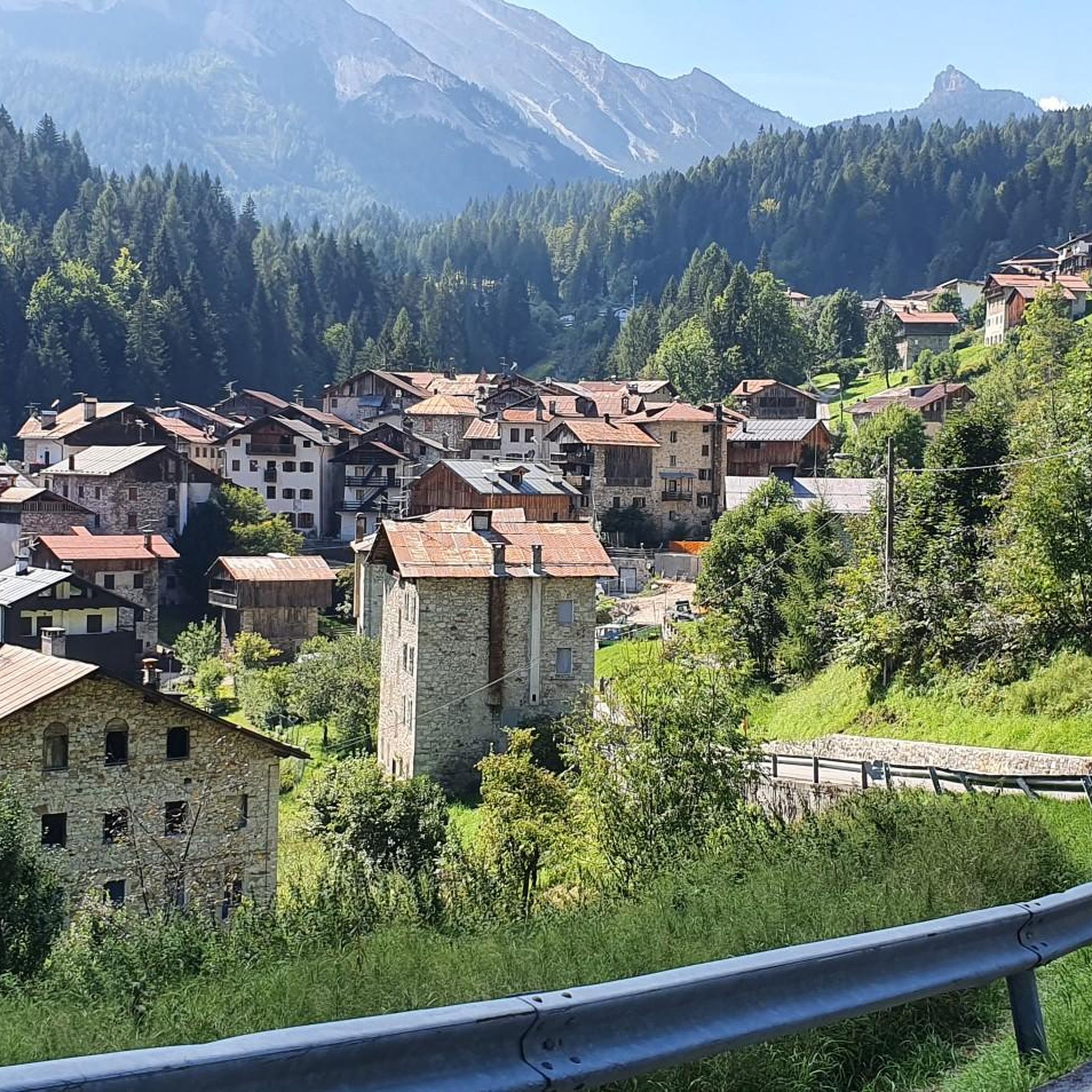
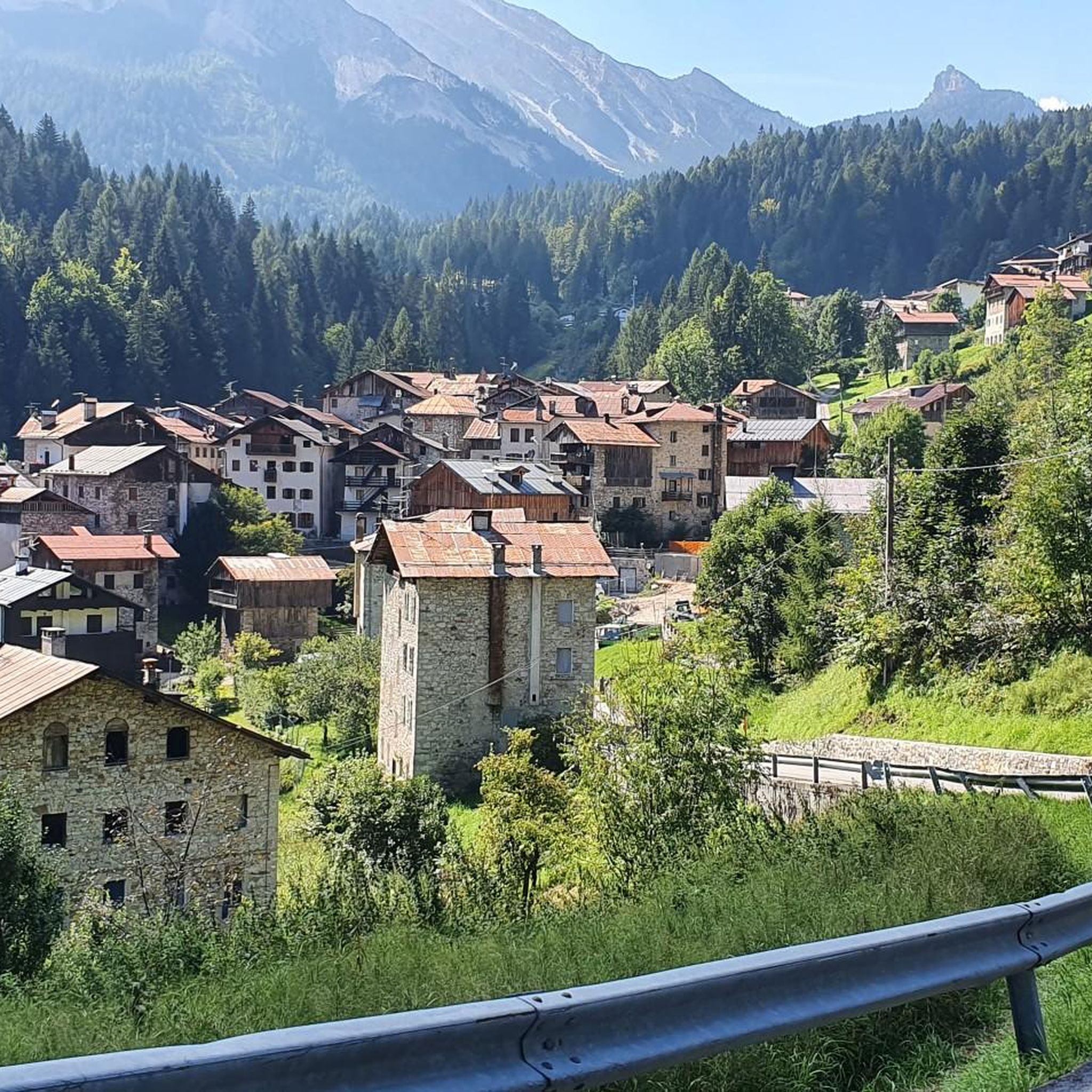
Hiking around Cibiana Di Cadore offers access to the dramatic Dolomite landscapes of the Province of Belluno, Italy. The region is characterized by jagged peaks, such as Monte Rite and Sassolungo di Cibiana, and extensive wooded slopes. Valleys and passes, including the Cibiana Pass, provide strategic starting points for numerous trails.
Best hiking trails around Cibiana Di Cadore
- The most popular hiking route is Rifugio Dolomiti — ring tour, a 6.7 miles (10.7 km) trail that takes 2 hours…
Last updated: October 12, 2026
4.7
(206)
1,278
hikers
10.7km
02:27
620m
630m
Hard hike. Good fitness required. Sure-footedness, sturdy shoes and alpine experience required.
4.6
(36)
303
hikers
7.11km
03:06
470m
470m
Moderate hike. Good fitness required. Mostly accessible paths. Sure-footedness required.

4.3
(8)
27
hikers
11.0km
04:18
540m
540m
Moderate hike. Good fitness required. Mostly accessible paths. Sure-footedness required.
4.7
(210)
1,261
hikers
14.7km
05:00
700m
700m
Hard hike. Very good fitness required. Mostly accessible paths. Sure-footedness required.
4.5
(19)
212
hikers
6.53km
02:14
310m
310m
Moderate hike. Good fitness required. Mostly accessible paths. Sure-footedness required.
Get access to more routes and recommendations from other explorers.
Already have an account?
Our route recommendations are based on thousands of hikes, rides, and runs completed by other people on komoot.
Start today with a free account
Your next adventure awaits.

Tips from the Community


The structure that houses the Rifugio Dolomites – Monte Rite was built at the beginning of the last century, when the Kingdom of Italy militarily fortified the Cadore area to protect itself from a possible Austrian advance. To this end, it built the so-called "Cadore-Maè Fortress," which included the Monte Rite complex. In 1917, after the defeat at Caporetto, the army abandoned this position. In the summer of 1944, the remains of the fortification served as a refuge for the Cadore partisans. In 1997, Reinhold Messner identified the Rite as the ideal location for his "Museum in the Clouds"; renovations began, which led to the inauguration of the museum and the adjoining refuge in 2002. Nestled just 20 meters below the summit, it enjoys a magnificent view of most of the Dolomite mountain ranges. From its terrace, the view of the Sassolungo di Cibiana is magnificent. It offers hikers cozy rooms (some with private bathrooms) and home-cooked meals featuring traditional dishes. Easily accessible from Forcella Cibiana year-round, it is a stop on the Alta Via delle Dolomiti no. 3 and the Anello Zoldano. The refuge, owned by the Municipality of Cibiana di Cadore, is open from May to October and on winter weekends when the weather is nice.
1
0
Monte Rite (2,183 m) is a densely wooded mountain in the Zoldo Dolomites, rising to the right of the Bóite stream, above the Chiusa pass. On its southern slope, it dominates the village of Cibiana. The summit ridge consists of a long ridge connecting Col Alto to Forcella Dèona. From the summit, there is a privileged view of the Sassolungo di Cibiana on one side and the Central Cadore Dolomites on the other. Along its ridge are fortifications built during the Great War, restored to house the current MMM-Messner Mountain Museum, an initiative of renowned mountaineer Reinhold Messner based on a restoration project developed by the University of Architecture of Venice - IUAV. Inside, a large gallery of paintings depicting the Dolomites, from Romanticism to the present day, is housed. There is also a collection of objects and documents belonging to great mountaineers, which chronicle the evolution of rock climbing. https://www.messner-mountain-museum.it/it/dolomites/museo/
1
0
The Talamini Refuge is located in the municipality of Vodo di Cadore, at an altitude of 1,582 meters, in the Col Botei area, overlooking peaks such as Pelmo, Civetta, and Antelao. It can be reached from the Val di Zoldo side (Zoppè), the Cadore side (Vodo), and the Cibiana Pass. Open from December to March and from June to September, it offers refreshments with traditional dishes such as goulash, canederli, casunziei, grilled cheese, and Ampezzo-style potatoes. It sleeps up to six people in a dormitory. It is named in memory of Gianpietro Talamini (Vodo di Cadore, November 19, 1845 – Venice, September 22, 1934), an Italian journalist and founder of the Gazzettino newspaper (as well as its editor for nearly 50 years). www.rifugiotalamini.com
1
0

Extremely touristy refuge.
0
0

Paid museum
0
0
You can see all the way to Cortina
0
0
Frequently Asked Questions
How many hiking trails are available in Cibiana Di Cadore?
Cibiana Di Cadore offers a diverse network of over 15 hiking trails, catering to various skill levels. You'll find options ranging from easy strolls to challenging alpine ascents, all set against the dramatic backdrop of the Dolomites.
What kind of terrain can I expect on hikes around Cibiana Di Cadore?
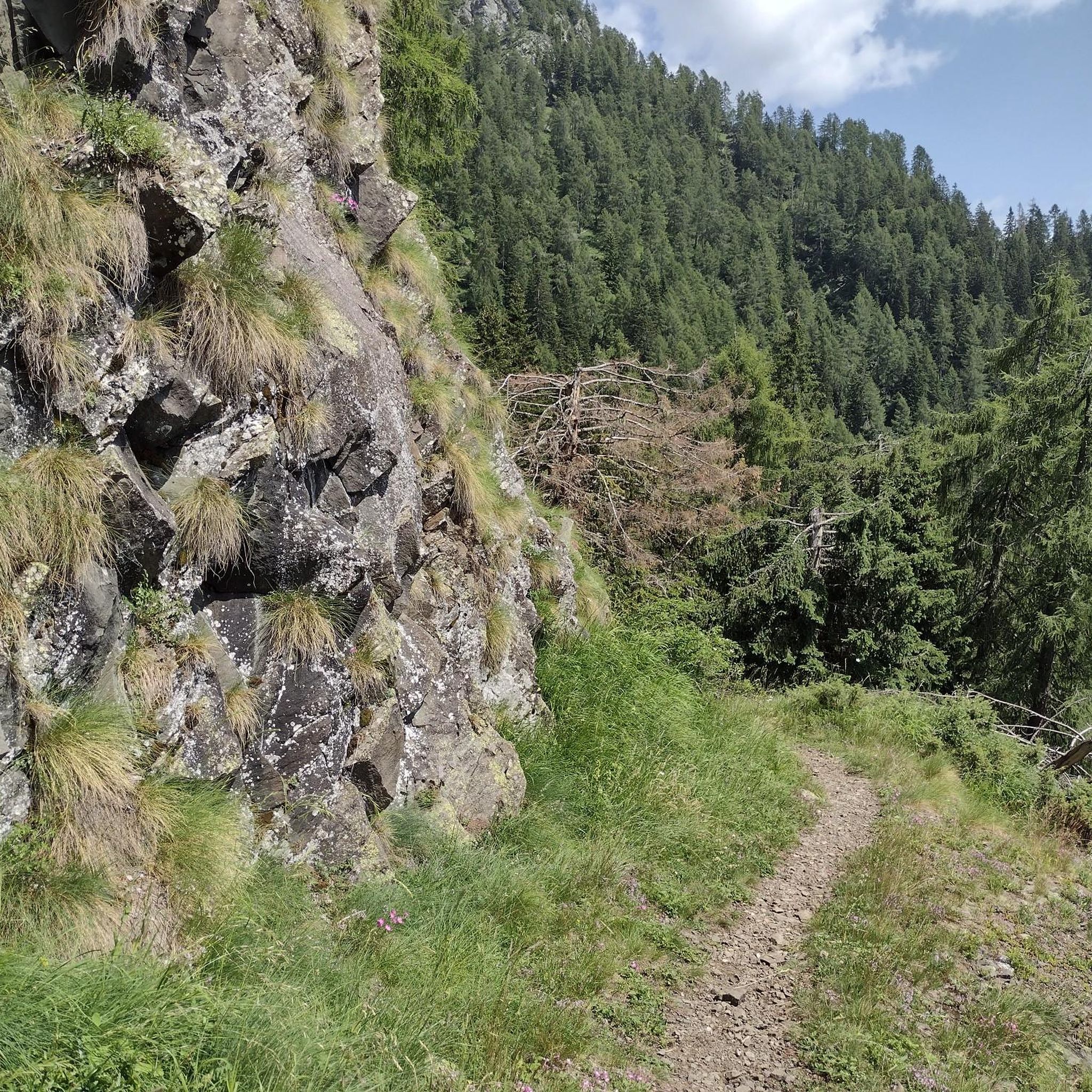
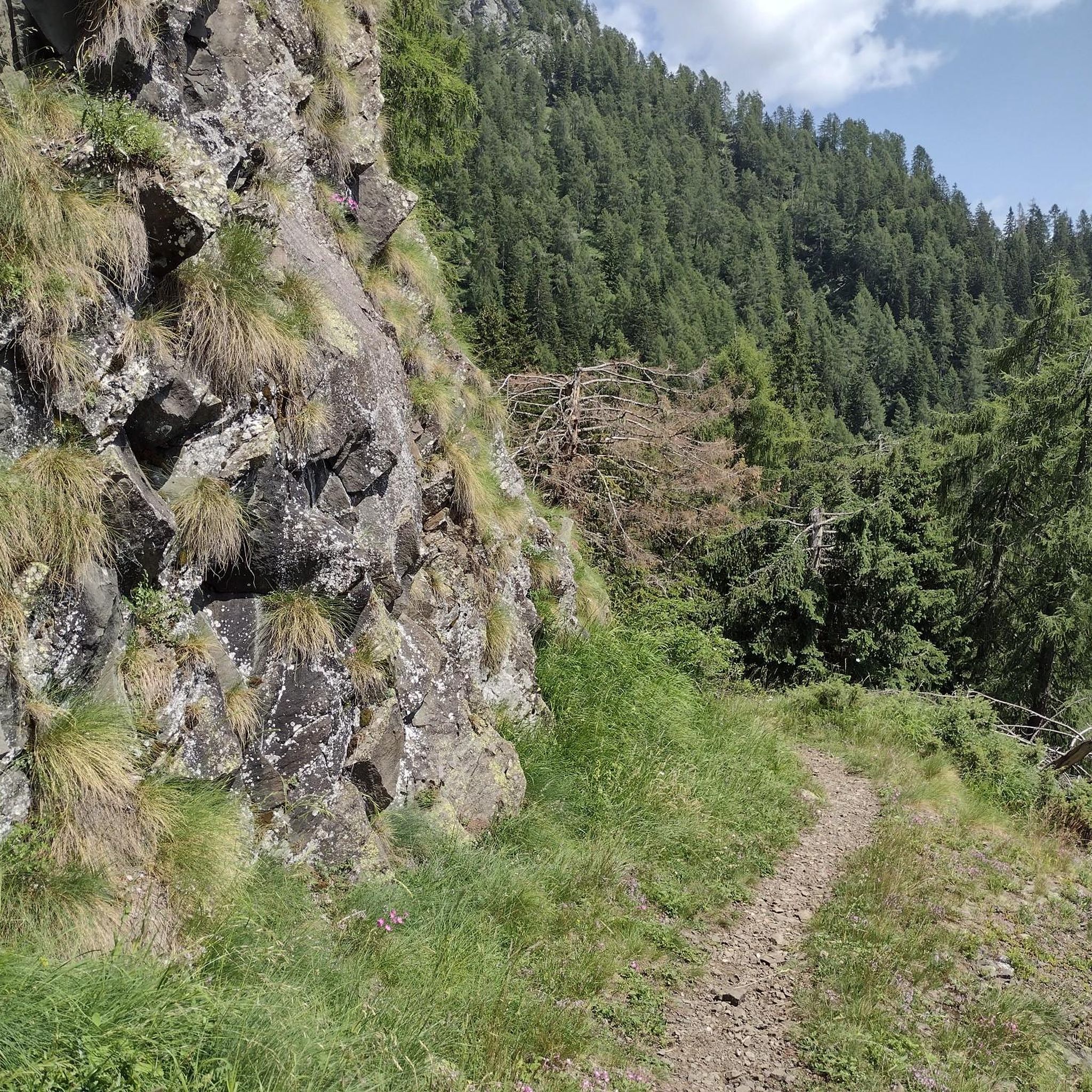
The trails in Cibiana Di Cadore traverse a varied landscape, characterized by majestic Dolomite peaks, extensive wooded slopes, and historic mining areas. You can expect paths that wind through valleys, ascend to panoramic viewpoints, and sometimes lead through ancient industrial sites like those in Vallinferna.
Are there any easy hikes suitable for beginners or families in Cibiana Di Cadore?
Yes, Cibiana Di Cadore offers several easier routes. There are at least 3 trails classified as easy, providing gentle paths suitable for those new to hiking or families looking for a relaxed outdoor experience amidst the beautiful scenery.
Are there any circular hiking routes in Cibiana Di Cadore?
Yes, the region features several circular routes. One notable option is the Monte Rite Dolomites Hut – Monte Rite loop from Passo Cibiana, which offers a comprehensive experience of the area's natural beauty. Another is the Deona Pass – Copada Alta – Forcella delle Ciavazole loop from Passo Cibiana, providing another excellent circular option.
What are the best viewpoints or attractions to see while hiking in Cibiana Di Cadore?
Many trails lead to spectacular viewpoints. The hike to Monte Rite offers 360° vistas encompassing numerous Dolomite peaks. Atop Monte Rite, you can visit the Messner Mountain Museum Dolomites, the highest museum in Europe. Additionally, the village itself is known as the 'Village of Murals,' with over 50 frescoes depicting local history, making for a unique cultural walk.
Are there any waterfalls or lakes accessible from the hiking trails?
While hiking, you might encounter natural water features. Nearby attractions include Laghetto al Vach and Tose Lake. For waterfalls, you can explore areas near Pile Waterfall and Bosconero Waterfall, which are part of the wider region's natural beauty.
What is the best season for hiking in Cibiana Di Cadore?
The best time for hiking in Cibiana Di Cadore is generally from late spring to early autumn (May to October), when the weather is mild and trails are clear of snow. During winter, the area transforms into a destination for cross-country skiing, offering a different kind of outdoor experience.
Are dogs allowed on the hiking trails in Cibiana Di Cadore?
Generally, dogs are welcome on hiking trails in the Dolomites, but it's always advisable to keep them on a leash, especially in protected areas or when encountering wildlife or livestock. Please ensure you carry waste bags and clean up after your pet to maintain the pristine environment.
Are there any challenging hikes for experienced trekkers?
Yes, Cibiana Di Cadore offers challenging routes for experienced hikers. There are at least 3 trails classified as difficult, featuring significant elevation gains and rugged terrain. These routes often lead to higher alpine areas, providing rewarding views and a true test of endurance.
What historical sites can be explored on hikes in Cibiana Di Cadore?
The region has a rich mining history. Trails like the Valle Inferna Trail to Rifugio Talamini lead through historic mining areas in Vallinferna, Ronzei, and Ciarsies, offering a glimpse into the region's ancient heritage. You can explore ruins and learn about the past while enjoying the natural surroundings.
Is there parking available near the trailheads in Cibiana Di Cadore?
Parking is typically available at key starting points for hikes, such as Passo Cibiana and within the village itself. It's recommended to arrive early during peak season to secure a spot, especially for popular trailheads.
What do other hikers enjoy most about hiking in Cibiana Di Cadore?
The area is highly rated by the komoot community, with an average score of 4.5 stars from over 1600 reviews. Reviewers often praise the breathtaking panoramic views of the Dolomites, the diverse range of trails for all abilities, and the unique cultural elements like the Messner Mountain Museum and the 'Village of Murals'.
Most popular routes around Cibiana Di Cadore
Most popular attractions around Cibiana Di Cadore

Get inspired with the komoot mobile app


Explore more
Browse the best Hikes in other regions.
