Attractions and Places To See around Sant'Agata Bolognese - Top 20
Best attractions and places to see around Sant'Agata Bolognese, a town in Italy's Emilia-Romagna region, offers a mix of automotive heritage, cultural sites, and natural landscapes. The area is known for its historical landmarks and serene natural features. Visitors can explore a variety of sites, from significant architectural structures to expansive nature reserves. This region provides diverse points of interest for outdoor enthusiasts and history buffs alike.
Best attractions and places to see around Sant'Agata Bolognese
- The most popular attractions…
Last updated: May 9, 2026
Former Bolognina Railway Station
Highlight • Rest Area
Translated by Google •
Tip by

La Bora Nature Reserve
Highlight • Natural Monument
Translated by Google •
Tip by

Sign up now to discover places like this
Get recommendations on the best single tracks, peaks, & plenty of other exciting outdoor places.
Sign up for free
Piazza of San Giovanni in Persiceto
Highlight • Historical Site
Translated by Google •
Tip by

Bridge over the Lavino Stream (Ciclovia del Sole)
Highlight • Bridge
Translated by Google •
Tip by

Easy technical MTB section by the river
Highlight (Segment) • MTB Park
Translated by Google •
Tip by

Sign up for free to discover even more attractions around Sant'Agata Bolognese.
Sign up for free
Already have an account?
Start today with a free account
Your next adventure awaits.
Login or Signup
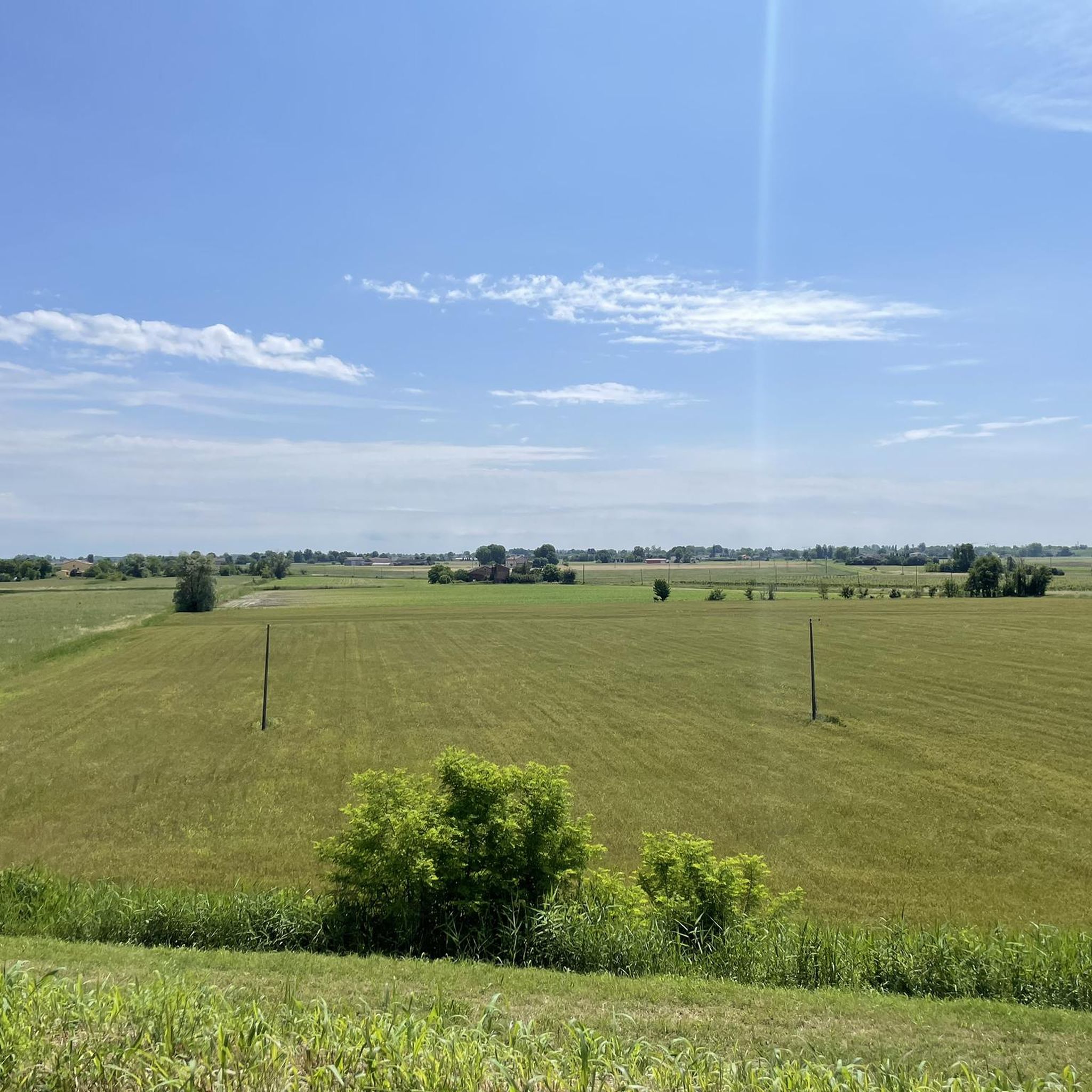
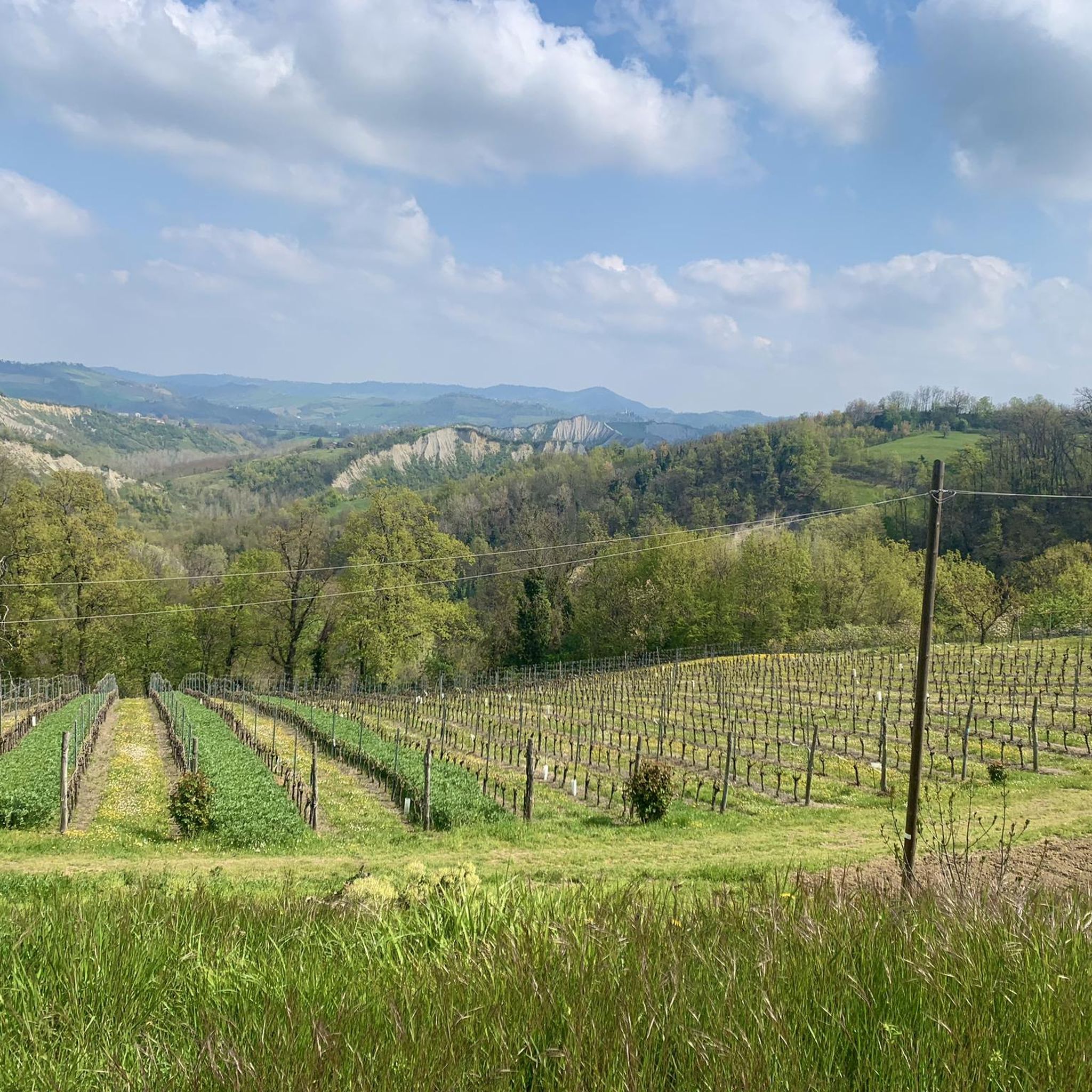
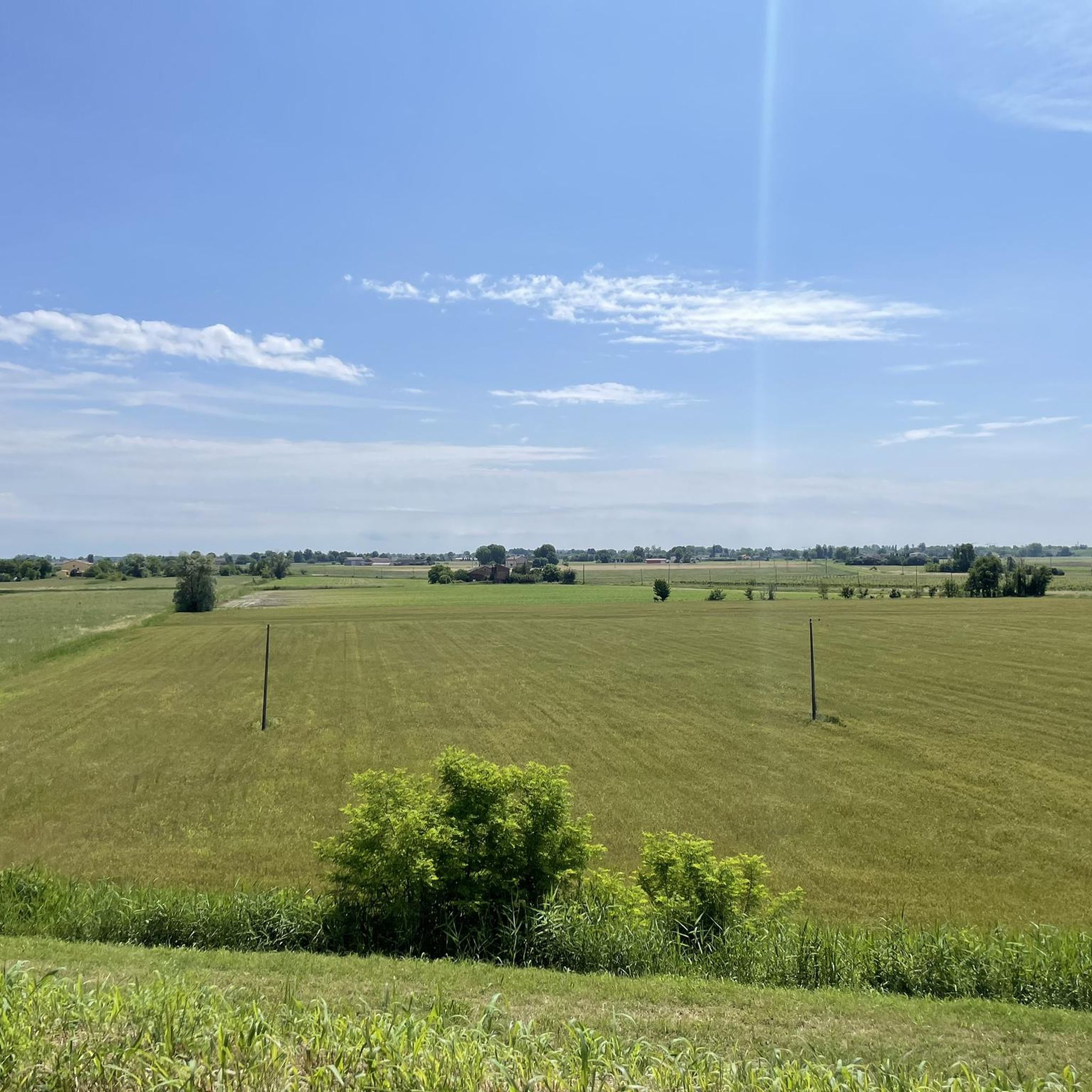
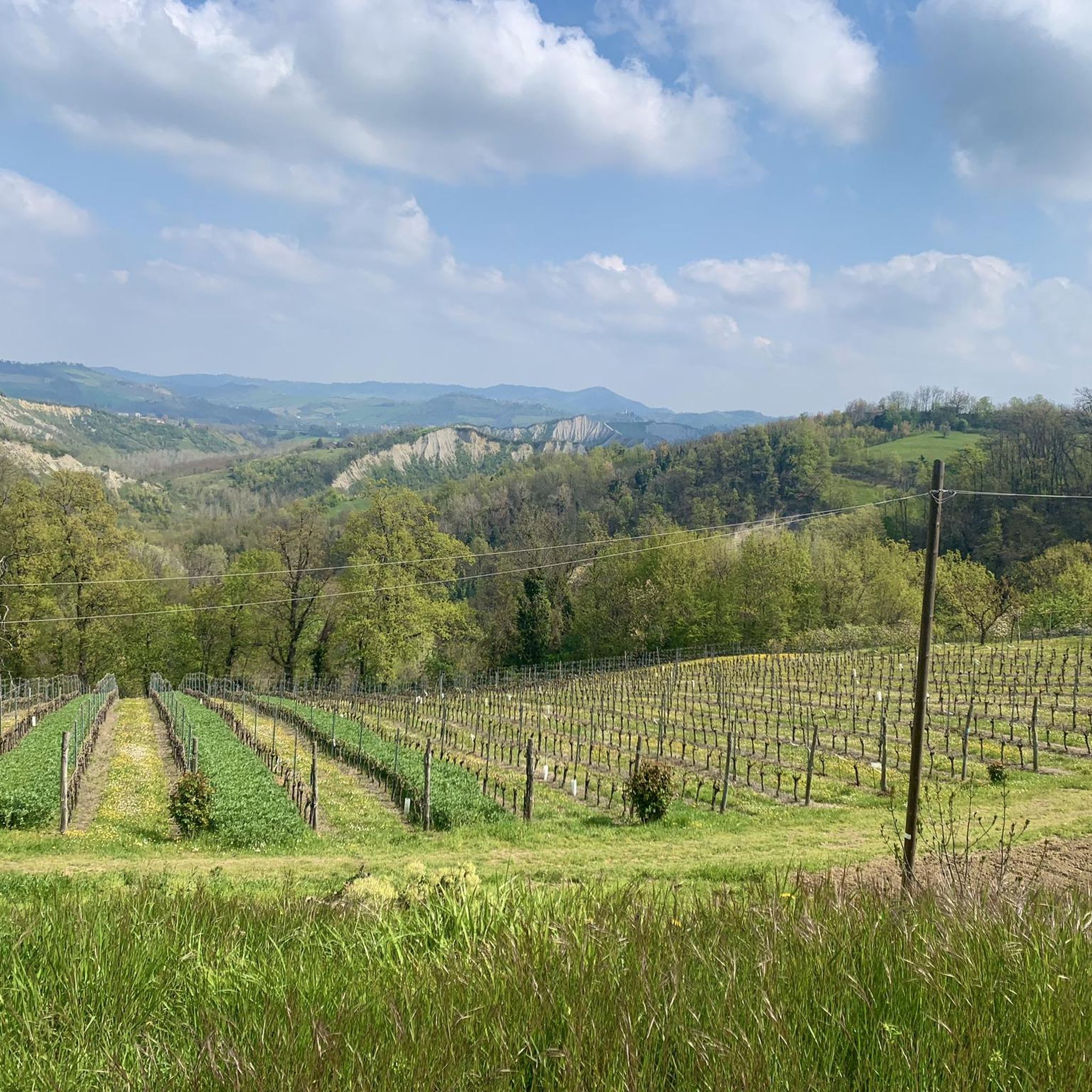

Tips from the Community

A fallen tree in the middle of the road. In some places, brambles and nettles make it very difficult to pass.
0
0

You can only enter on foot
0
0
Beautiful cycle path
0
0
Beautiful cycle path that reaches all the way to Bologna
0
0
Very convenient, there is also a cyclist counter
0
0
Suitable for all bicycles and pedestrians
0
0
Frequently Asked Questions
What natural features can I explore around Sant'Agata Bolognese?
The area offers several natural attractions. You can visit La Bora Nature Reserve, an ecological rebalancing area with a large water collection, forest, and prairie, known for its birdlife and pond turtle repopulation center. Other notable natural spots include Bosco di Santa Lucia, a 30-hectare wood, and the Lamborghini Park with 10,000 planted oak trees. Nearby, the Area di Riequilibrio "Torrazzuolo" spans over 115 hectares with paths through woods, marshlands, and small lakes, providing a habitat for various birds and mammals.
Where can I learn about the region's automotive heritage?
Sant'Agata Bolognese is globally recognized as the home of Lamborghini. The paramount attraction is the Lamborghini Museum (MUDETEC), which showcases 60 years of innovation, from early visionary creations to the latest super sports cars. You can also experience driving simulators and, with advance booking, take guided tours of the Lamborghini factory production lines.
Are there historical sites beyond the automotive industry?
Yes, the town has a rich history. You can explore the Former Bolognina Railway Station, a historical site that once served the Bologna-Verona route and now features a monument commemorating a tragic event. Other significant sites include the Parish Church of Santi Andrea e Agata, housing a portrait believed to be by Guido Reni, and the Oratory of the Holy Ghost, known for its remarkable 16th-century frescoes. The Piazza of San Giovanni in Persiceto also offers a well-preserved medieval historic center with a unique concentric layout.
What cultural attractions are available in Sant'Agata Bolognese?
For cultural experiences, consider visiting the Bibiena Theatre, a small, intimate 18th-century theatre that hosts various cultural activities and performances. The Archaeological Environmental Museum provides insights into ancient human settlements in the Bologna metropolitan region, including an exhibition on a rustic Roman villa. The charming town center itself, with its arcaded streets and 11th-century fortifications, offers a pleasant cultural stroll.
Are there family-friendly attractions around Sant'Agata Bolognese?
Many attractions in the area are suitable for families. Natural areas like La Bora Nature Reserve offer opportunities for outdoor exploration and wildlife observation. Historical sites such as Giovannina Castle, a castle-like villa, can spark imagination. The Lamborghini Museum also offers an engaging experience for older children interested in cars. Additionally, the cycling paths, like sections of the Ciclovia del Sole, are generally family-friendly for active outings.
What cycling routes can I find near these attractions?
The region is excellent for cycling, especially with the Ciclovia del Sole, part of the EuroVelo 7 project. This route utilizes former railway lines, offering scenic paths. You can find various cycling routes, including those around Sant'Agata Bolognese, with options like the "Old Bolognina Station – San Felice sul Panaro loop from Crevalcore" or the "Bike loop from Guisa Pepoli." For more details and specific routes, refer to the Cycling around Sant'Agata Bolognese guide.
Are there opportunities for running or jogging?
Yes, there are several running trails available. You can find routes like the "Running loop from Sant'Agata Bolognese" or the "Running loop from Crevalcore," offering moderate to difficult options. These trails provide a great way to experience the local landscape. For a comprehensive list of routes, check the Running Trails around Sant'Agata Bolognese guide.
Can I go gravel biking in the area?
The area around Sant'Agata Bolognese also offers gravel biking opportunities. Routes such as the "Vignola Castle – Panaro River Cycle Path loop from Stazione di Castelfranco Emilia" or the "Ponte di Bomporto – Iron Bridge over the River Panaro loop from Crevalcore" provide varied terrain for gravel enthusiasts. Explore more options in the Gravel biking around Sant'Agata Bolognese guide.
When is the best time of year to visit Sant'Agata Bolognese for outdoor activities?
The Emilia-Romagna region, including Sant'Agata Bolognese, is particularly pleasant for outdoor activities during spring and autumn. In spring, meadows are filled with colorful flowers, while autumn brings an explosion of warm colors to the trees. These seasons offer mild temperatures, ideal for exploring natural reserves, cycling paths, and historical sites without the intense heat of summer.
What do visitors particularly enjoy about the attractions in this area?
Visitors appreciate the blend of automotive heritage, cultural sites, and natural landscapes. The Bridge over the Lavino Stream (Ciclovia del Sole), for example, is popular for its scenic integration into the cycling route. The historical significance of sites like the Former Bolognina Railway Station and the charm of the Giovannina Castle are also highly rated. The komoot community has shared over 90 photos and given more than 240 upvotes, highlighting the diverse appeal of the region's attractions.
Are there any unique architectural landmarks to see?
Beyond the more prominent historical sites, Sant'Agata Bolognese features unique architectural landmarks. Porta Otesia, a 17th-century gate with its original bertesca and a 16th-century clock, serves as a historical entrance to the village. Traces of its drawbridge can still be seen. The Bibiena Theatre, an intimate 18th-century venue, is also considered a local architectural jewel.
Most popular routes around Sant'Agata Bolognese
Most popular attractions around Sant'Agata Bolognese

Get inspired with the komoot mobile app


Explore more
Still not found the Highlight you’re looking for? See guides of the top attractions in other regions:
