The best walks and hikes around Santo Stefano Di Cadore
4.4
(424)
2,755
hikers
47
hikes
Hiking around Santo Stefano Di Cadore offers access to the eastern Dolomites, a UNESCO World Heritage Site known for its alpine scenery. The region features jagged peaks and bare rock towers contrasting with lush green woods on lower slopes. It is situated at the confluence of the Piave, Padola, and Ansiei streams, with the Piave River carving through Dolomite gorges. Trails traverse pine forests, alpine meadows, and provide access to peaks within the Comelico region and the Carnic Alps.
Best hiking trails around Santo Stefano Di Cadore
- The most popular hiking route is Monte Col Summit Trail (via Route 331), a 7.3 miles (11.8 km) trail that takes 5 hours 54 minutes to complete. This difficult route ascends to a summit offering expansive views.
- Another top favourite among local hikers is Trail to Bivacco Ursella-Zandonella, a moderate 4.8 miles (7.7 km) path. This trail leads to a mountain bivouac, providing a destination amidst the alpine landscape.
- Local hikers also love the Forcella Grande Trail (via Sentiero 130), a 4.6 miles (7.3 km) trail leading through mountain passes, often completed in about 4 hours 40 minutes.
- Hiking around Santo Stefano Di Cadore is defined by dramatic Dolomite peaks, river valleys, and extensive pine forests. The network offers options for various ability levels, from leisurely walks to challenging mountaineering routes.
- The routes in Santo Stefano Di Cadore are highly rated by the komoot community with an average score of 4.4 stars from more than 300 reviews. More than 2000 hikers have used komoot to explore Santo Stefano Di Cadore's varied terrain.
Last updated: July 20, 2026
11
hikers
11.8km
05:54
1,070m
1,070m
Hard hike. Very good fitness required. Mostly accessible paths. Sure-footedness required.
5.0
(1)
9
hikers
7.34km
04:40
940m
940m
Hard hike. Very good fitness required. Mostly accessible paths. Sure-footedness required.

Sign up for free
7
hikers
7.73km
03:12
640m
640m
Moderate hike. Good fitness required. Easily-accessible paths. Suitable for all skill levels.
7
hikers
9.97km
05:28
960m
960m
Hard hike. Very good fitness required. Sure-footedness, sturdy shoes and alpine experience required.
5.0
(1)
11
hikers
15.3km
07:33
1,420m
1,420m
Hard hike. Very good fitness required. Mostly accessible paths. Sure-footedness required.
Get access to more routes and recommendations from other explorers.
Sign up for free
Already have an account?
Our route recommendations are based on thousands of hikes, rides, and runs completed by other people on komoot.
Start today with a free account
Your next adventure awaits.
Login or Signup
Popular around Santo Stefano Di Cadore
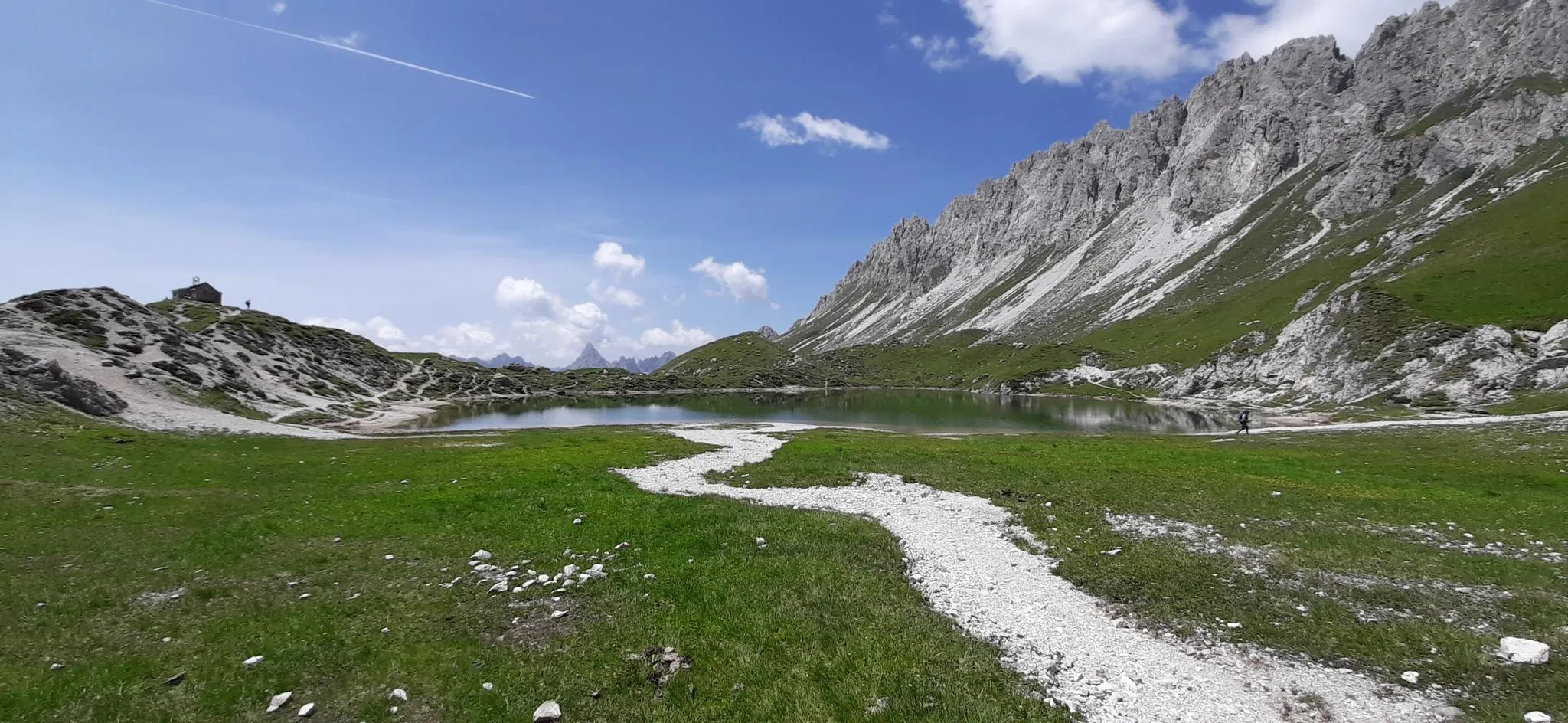
A trail running adventure in the Dolomites – Alta Via 6
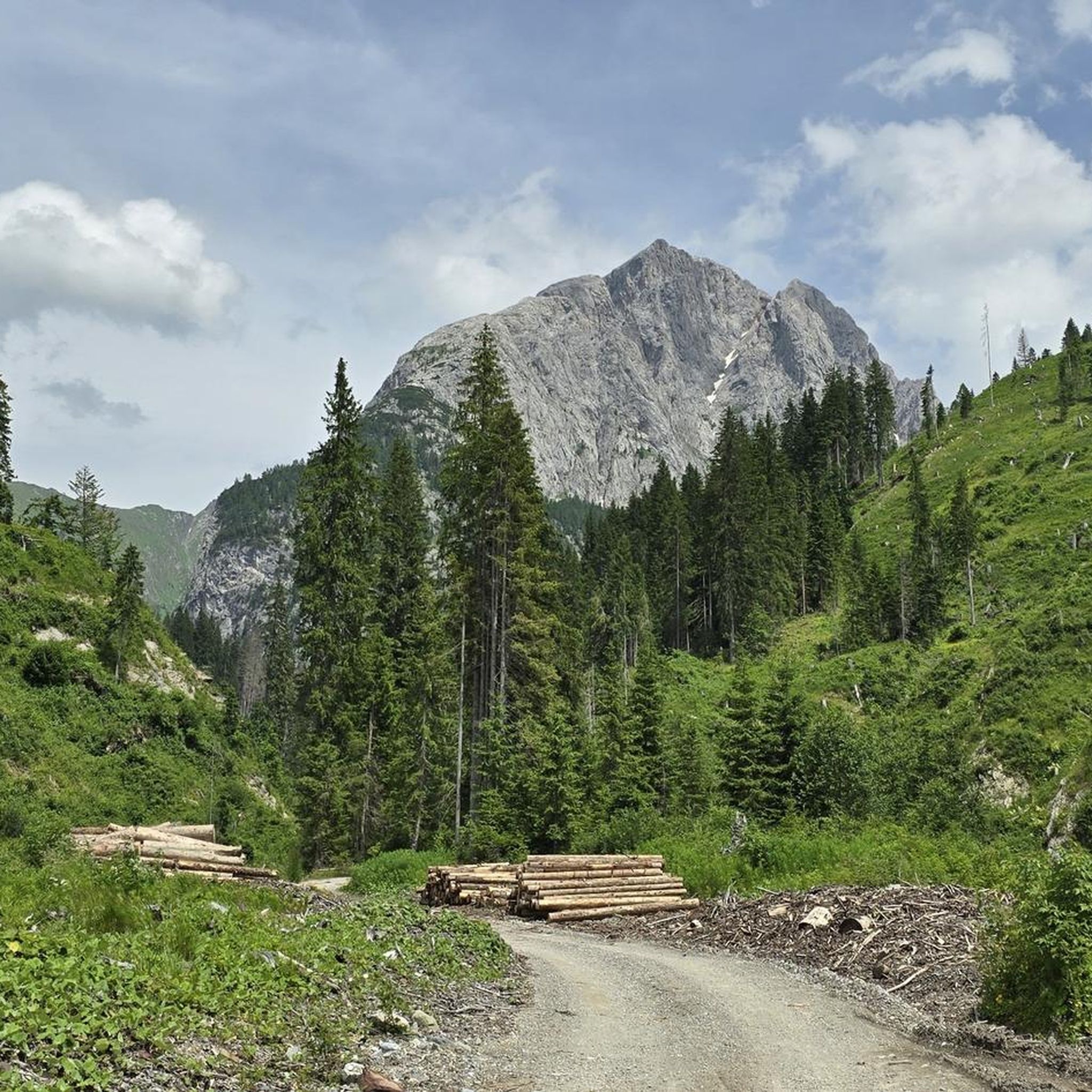
Road Cycling Routes around Santo Stefano Di Cadore
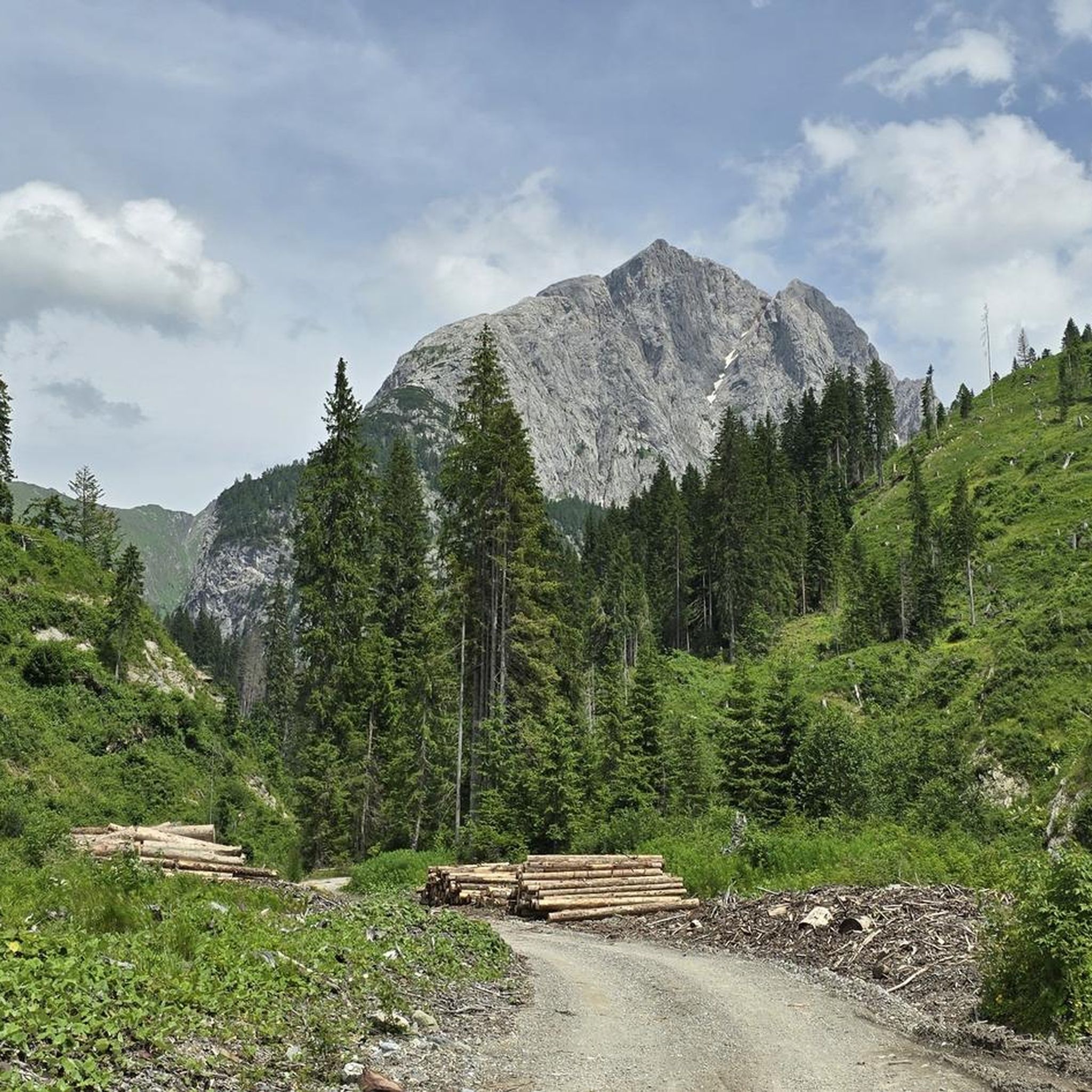
MTB Trails around Santo Stefano Di Cadore
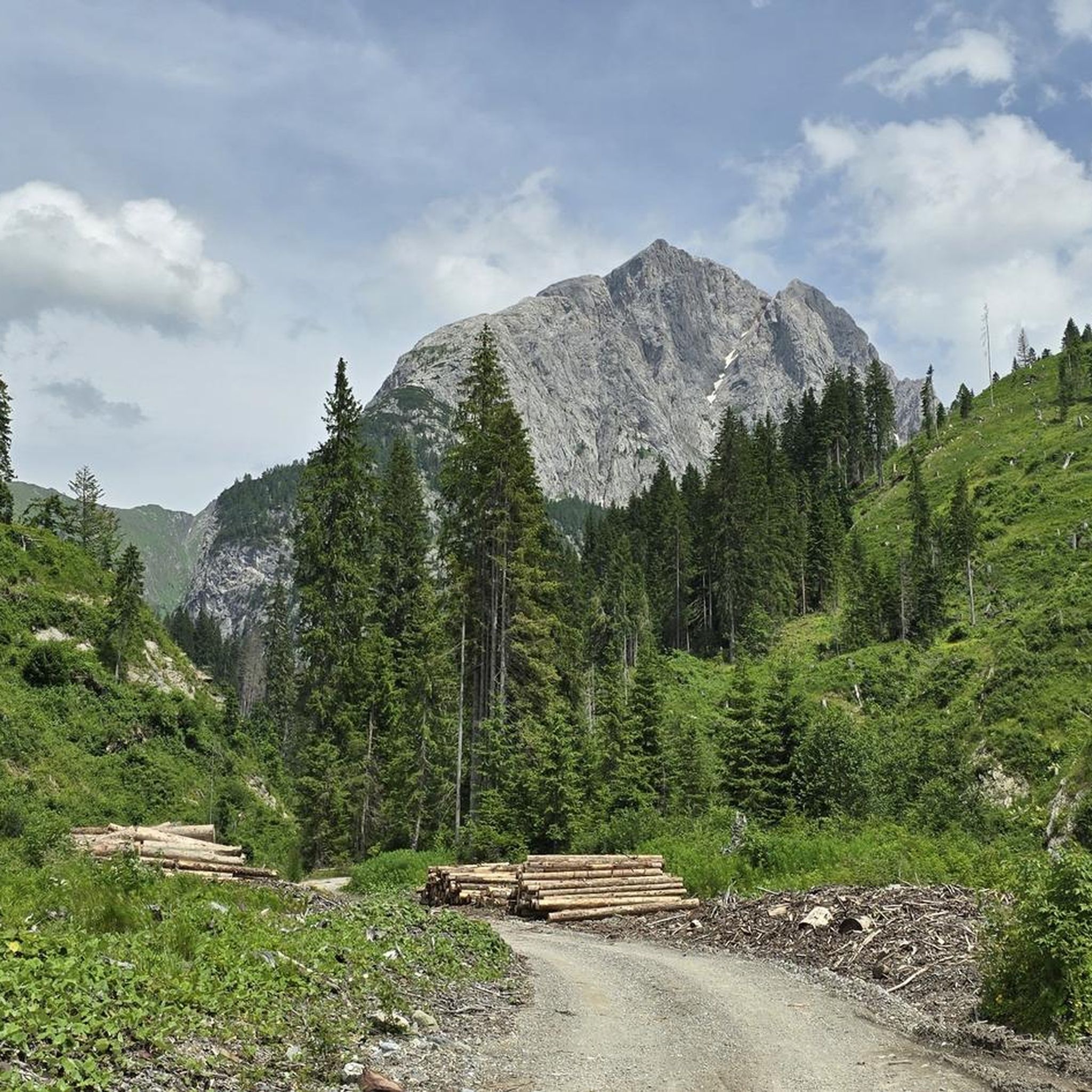
Cycling around Santo Stefano Di Cadore

Gravel biking around Santo Stefano Di Cadore
Mountain Hikes around Santo Stefano Di Cadore
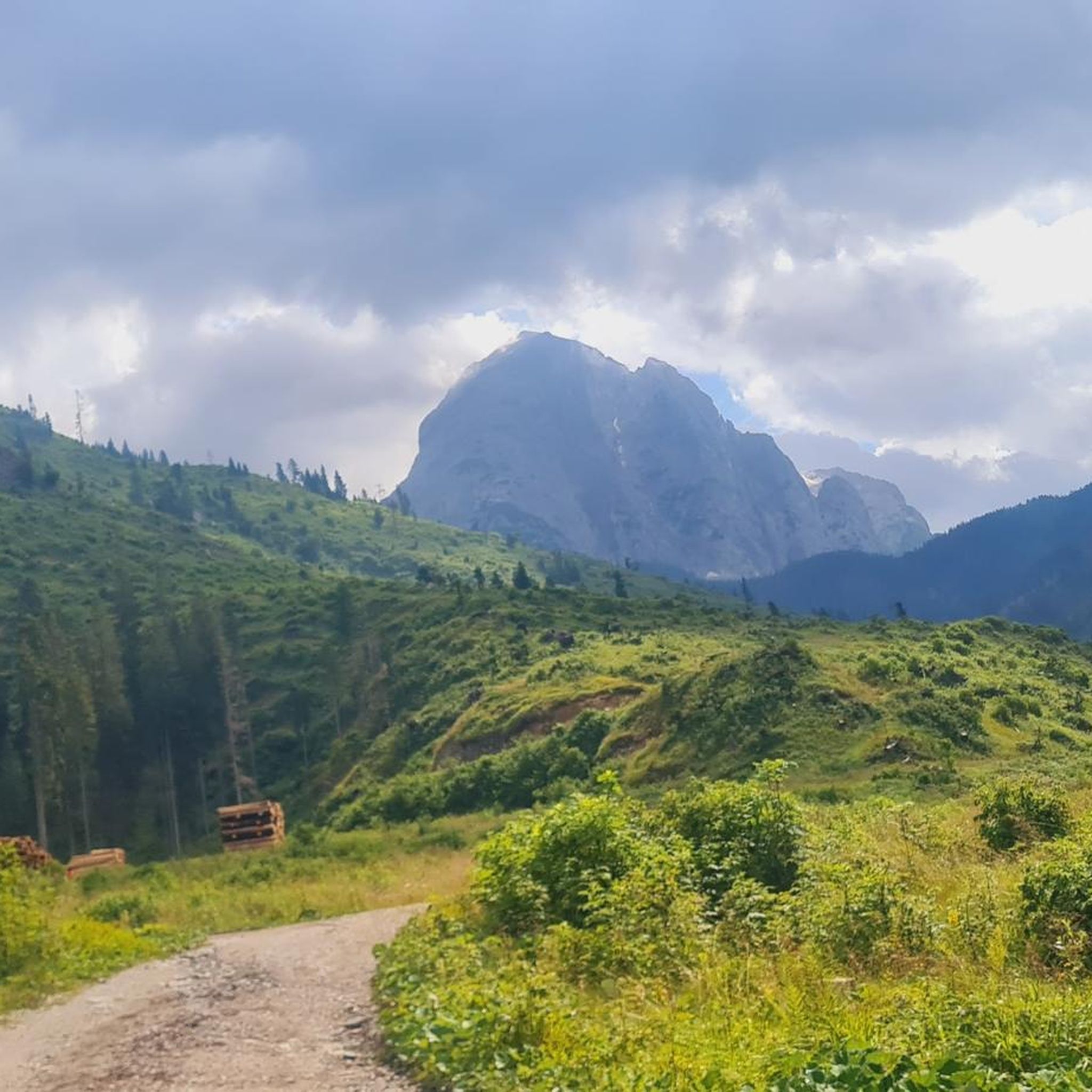
Running Trails around Santo Stefano Di Cadore
Other adventures around Santo Stefano Di Cadore

Tips from the Community

It is beautiful! Keep in mind that it contains one steep scree descent. This can feel very exciting for inexperienced hikers.
0
0


The Mule pass is a ridge notch, located at 2,356 meters above sea level, between Mount Righile and Mount Lastroni, representing an important pass between Val Visdende and Sappada. Thanks to its strategic position, it was used as an outpost during the Great War. The pass took on its current name following a curious event that occurred in the summer of 1916: on a day of thick fog, the Austrians, having approached the Italian positions, joined a group of Alpine troops with their mules. Unnoticed, they unhitched the last mule and took it with them across the fork, which has since been called Mule Pass. The terrain is characterized by a steep climb on the north side and routes of varying difficulty on the south side. It's fun to climb up the northern escarpment and then quickly descend south.
2
0
Frequently Asked Questions
How many hiking trails are available in Santo Stefano di Cadore?
Santo Stefano di Cadore offers a diverse network of over 40 hiking trails. These range from leisurely strolls along riverbanks to demanding mountaineering routes, catering to various skill levels.
What makes hiking in Santo Stefano di Cadore unique?
Hiking in Santo Stefano di Cadore provides a quieter, authentic Dolomite experience. The region features dramatic jagged peaks and bare rock towers contrasting with lush green woods, and is strategically located at the confluence of the Piave, Padola, and Ansiei streams, offering diverse landscapes from river valleys to high alpine meadows.
What do other hikers say about the trails in Santo Stefano di Cadore?
The trails in Santo Stefano di Cadore are highly rated by the komoot community, with an average score of 4.4 stars from over 370 reviews. Hikers often praise the stunning Dolomite scenery, the variety of routes, and the immersive natural environment.
Are there easy hiking options suitable for beginners or casual walkers?
Yes, Santo Stefano di Cadore offers several easy hiking options. You can find 5 easy routes, including gentle, flat trails along the banks of the Piave and Padola rivers, which are perfect for relaxing walks.
Are there challenging hikes for experienced mountaineers?
Absolutely. For experienced hikers, there are 19 difficult routes available. Trails like the Monte Col Summit Trail (via Route 331), which ascends over 1000 meters, offer significant challenges and expansive views.
What kind of natural features and landmarks can I see while hiking?
You can explore dramatic Dolomite scenery, river valleys carved by the Piave River, and extensive pine forests. Notable landmarks include the Romiti Hermitage, the Totem and Madonna Statue on Monte Zovo, and various mountain passes like Passo Giramondo.
Are there any mountain huts (rifugi) along the trails?
Yes, the region features strategically placed mountain huts such as Porze Hut, Hochweißstein Hut, Giaf Hut, Rifugio Piani del Cristo, and Rifugio De Doo. These provide essential resting points, meals, and sometimes lodging for hikers.
Are there any circular walks in the area?
Yes, you can find circular routes in Santo Stefano di Cadore. An example is the challenging Monte Curiè Loop from Val Visdende, which offers a full circuit experience through diverse terrain.
Is Santo Stefano di Cadore a good destination for family-friendly hikes?
Yes, the area offers accessible walks and cycle routes along the Piave River that are flat and suitable for families. These provide a relaxed way to enjoy the natural beauty without significant elevation changes.
What is the best time of year to go hiking in Santo Stefano di Cadore?
The warmer months, typically late spring to early autumn, are ideal for hiking. During this time, alpine meadows burst with wildflowers, and the weather is generally favorable for exploring the diverse trail network.
Are there any historical points of interest along the hiking routes?
Yes, some trails offer historical context. For instance, the Passo del Mulo (Mule Pass), accessible via the Alpine trail to Passo del Mulo (via Trail 135), carries anecdotes from World War I, adding a cultural layer to the natural beauty.
Is public transport available to access hiking trailheads?
While specific public transport routes to all trailheads vary, Santo Stefano di Cadore is a regional hub. It's advisable to check local bus schedules for connections to nearby villages or starting points for trails, especially for routes further afield.
Where can I park my car when going on a hike?
Parking is generally available in Santo Stefano di Cadore town and at various designated trailheads throughout the region. Specific parking information for individual routes can often be found on detailed trail descriptions or local tourist information boards.
Most popular routes around Santo Stefano Di Cadore
Most popular attractions around Santo Stefano Di Cadore

Get inspired with the komoot mobile app


Explore more
Browse the best Hikes in other regions.
