Attractions and Places To See around Rocca Susella - Top 20
Best attractions and places to see around Rocca Susella are found in the Oltrepò Pavese region, nestled amidst the green landscapes of the Valle Ardivestra, Valle Schizzola, and Valle del Rile. This municipality offers a blend of historical sites, natural beauty, and cultural experiences. The area is characterized by gentle hills, extensive vineyards, cultivated fields, and lush woods, providing diverse scenic views throughout the seasons.
Best attractions and places to see around Rocca Susella
- The most popular attractions is Montalto…
Last updated: May 9, 2026
Greenway Voghera–Varzi: Voghera–Salice Terme Segment
Highlight (Segment) • Cycleway
Translated by Google •
Tip by

Montalto Pavese
Highlight • Settlement
Translated by Google •
Tip by

Sign up now to discover places like this
Get recommendations on the best single tracks, peaks, & plenty of other exciting outdoor places.
Sign up for free
Fortunago Historic Center and Fountain
Highlight • Historical Site
Translated by Google •
Tip by

Mural of Il Quarto Stato by Giuseppe Pellizza da Volpedo
Highlight • Monument
Translated by Google •
Tip by

Hermitage of St. Albert of Butrio
Highlight • Religious Site
Translated by Google •
Tip by
Sign up for free to discover even more attractions around Rocca Susella.
Sign up for free
Already have an account?
Start today with a free account
Your next adventure awaits.
Login or Signup
Tips from the Community

11th-century hermitage in excellent condition with valuable frescoes. Worth a careful visit.
0
0

"The Fourth Estate" (1901) by Giuseppe Pellizza da Volpedo is a famous oil on canvas depicting a march of laborers, set in Piazza Malaspina in Volpedo (Alessandria). A symbol of workers' struggle, the work combines Pointillist technique and social themes. It is now housed at the Museo del Novecento in Milan.
4
0

Beautiful paths and view. Bring the map as the hike is not well marked.
0
0

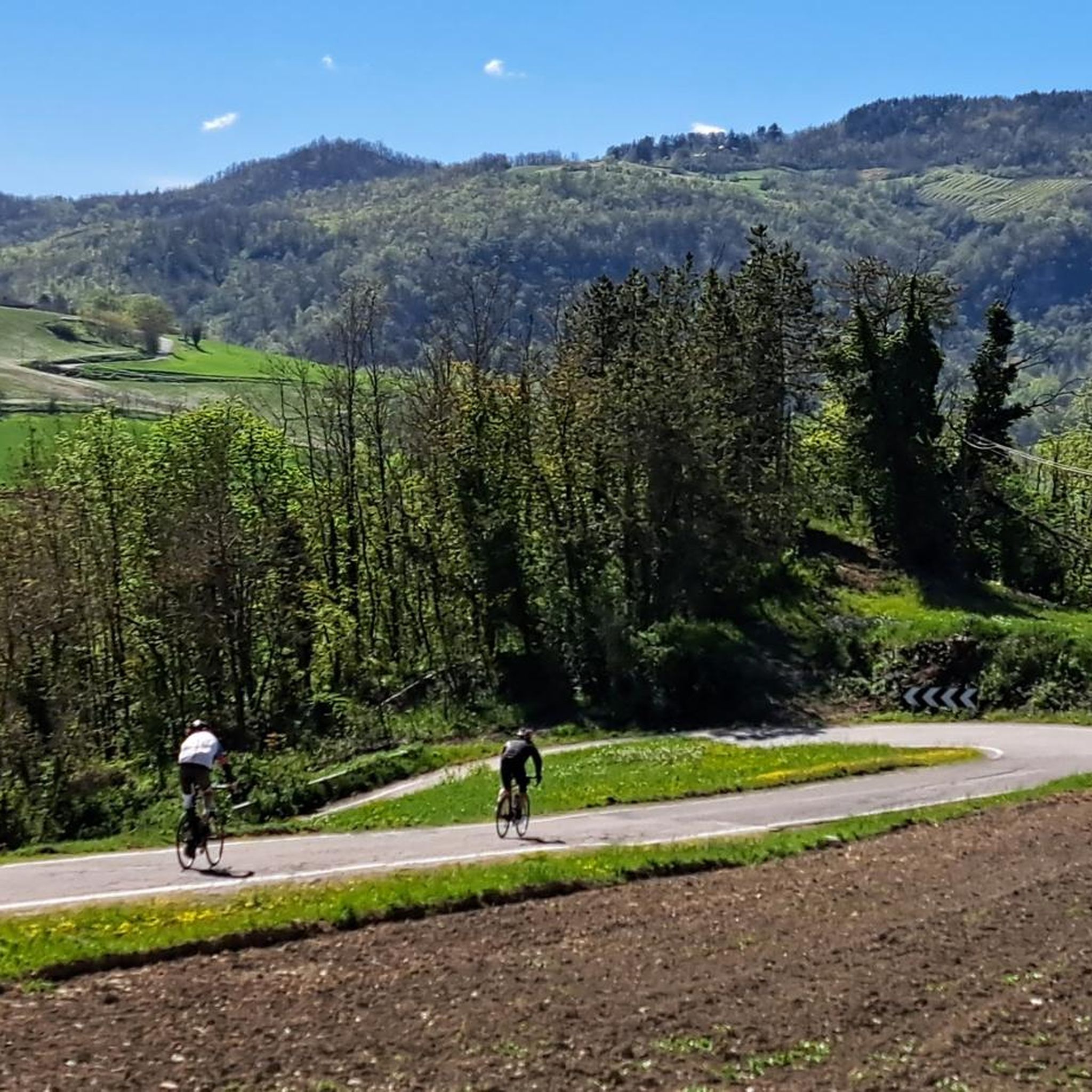
Beautiful but extremely easy to puncture due to large thorns falling from the trees and present on the pavement along some sections of the route. The many punctures were also reported by local residents. It is advisable to bring a puncture repair kit with you.
2
0

Quarto Stato Volpedo Square
2
0
Montalto Pavese stands in a dominant position on the first hills above Casteggio, the beautiful castle (one of the best preserved in the region) with its Italian garden and its wine production.
23
0

Village above Casteggio with two excellent restaurants and panoramic square
1
0

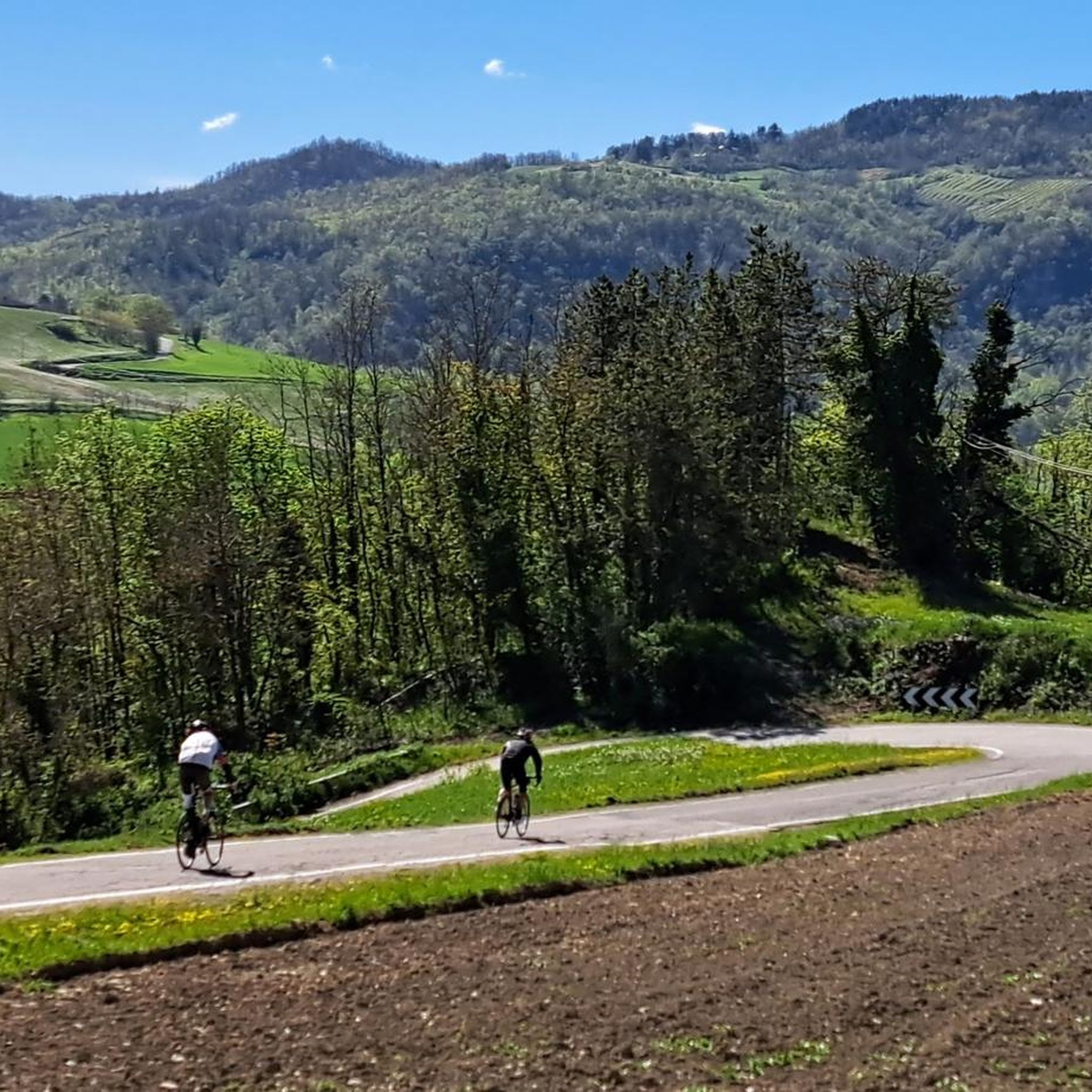
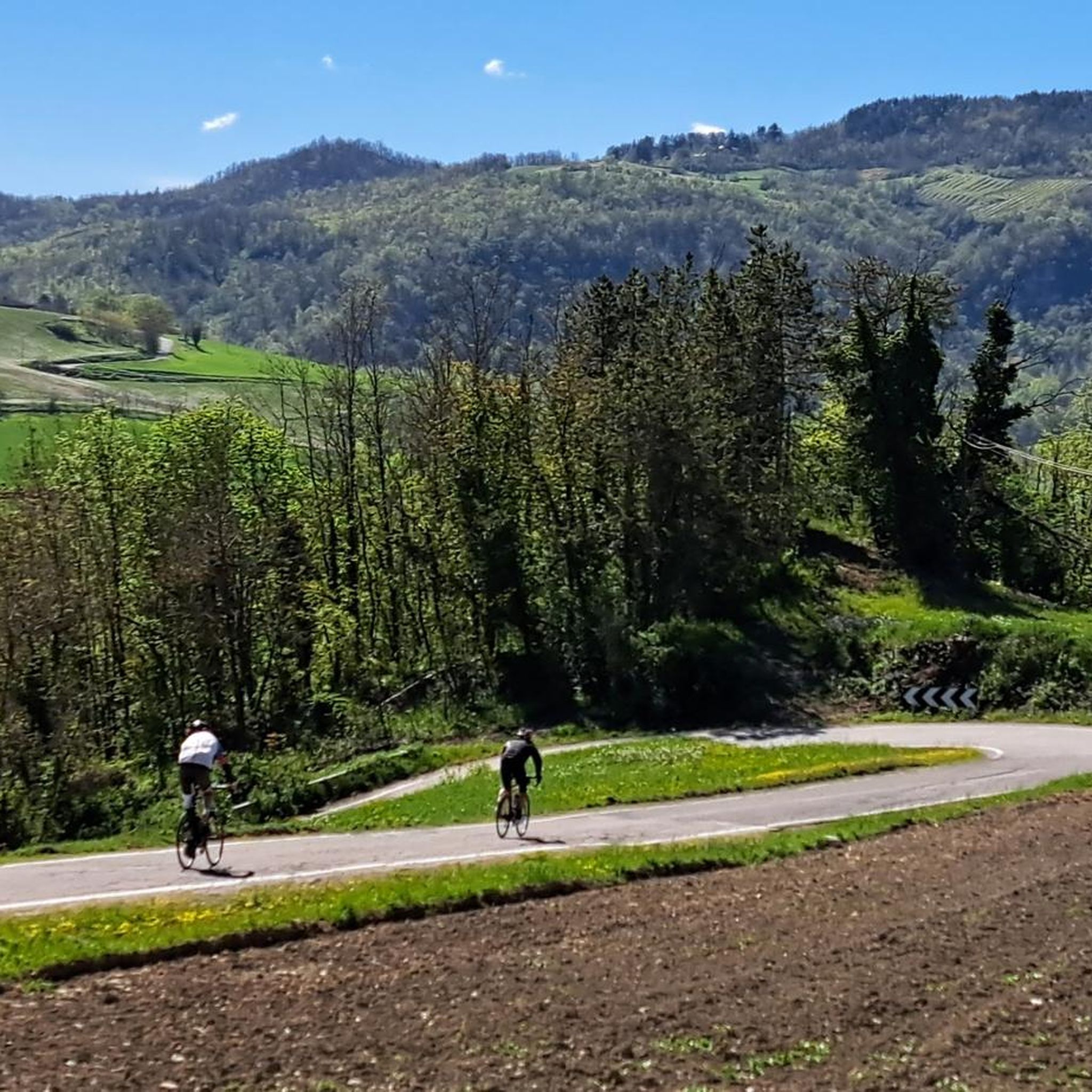
You arrive from Scuropasso, Casteggio or Oliva Gessi. Coming from Pavia, you go up from the Scuropasso valley, via Lirio and Finigeto. Nice climb, longer than the usual low hill climbs, about 6 km. Fairly regular, with a few short stretches of counterslope once you reach the coast. Overview. Very little traffic.
1
0
Frequently Asked Questions
What kind of natural landscapes can I explore around Rocca Susella?
Rocca Susella is nestled amidst the green landscapes of the Valle Ardivestra, Valle Schizzola, and Valle del Rile. The area is characterized by gentle hills, extensive vineyards, cultivated fields, and lush woods, offering diverse scenic views throughout the seasons. You can also discover the Fortunago Historic Center and Fountain, which is surrounded by 400 hectares of protected forest with marked routes.
Are there any historical or cultural sites worth visiting in the area?
Absolutely. The region is rich in history. You can visit the 12th-century Romanesque Parish Church of San Zaccaria in Giarone, known for its distinctive banded masonry and medieval frescoes. The Chiesa dei Santi Apostoli Pietro e Paolo (Church of San Pietro) is another significant site. While now a private residence, the Castello di Rocca Susella retains its original charm. Don't miss the Hermitage of St. Albert of Butrio, a magical place with historical importance.
What outdoor activities are popular near Rocca Susella?
The area is excellent for various outdoor activities. Mountain biking is popular, with trails like 'Rock Side' and 'River Side'. For cycling, you can explore routes like the Greenway Voghera–Varzi: Voghera–Salice Terme Segment. If you enjoy running, there are trails such as the 'Oratory of San Rocco loop'. You can find more detailed routes for road cycling, general cycling, and running on our dedicated guide pages: Road Cycling Routes around Rocca Susella, Cycling around Rocca Susella, and Running Trails around Rocca Susella.
Are there family-friendly attractions or activities in Rocca Susella?
Yes, several attractions are suitable for families. The Fortunago Historic Center and Fountain is considered family-friendly, offering a charming village to explore. The Greenway Voghera–Varzi: Voghera–Salice Terme Segment is a cycle path that follows an old railway line, providing an accessible and enjoyable cycling experience for all ages. The Hermitage of St. Albert of Butrio is also listed as family-friendly.
What is the best time of year to visit Rocca Susella?
Rocca Susella offers a different scenic spectacle each season. Spring brings vibrant colors, summer offers intense scents, and autumn transforms the vineyards into rich reds and golds. The mild climate of the Oltrepò Pavese region generally makes it pleasant for outdoor activities from spring through autumn. Consider visiting in September for the Feast of Saints Peter and Paul, or in July for the Feast of San Zaccaria.
Can I find good food and wine in Rocca Susella?
Yes, Rocca Susella is a destination for enogastronomic tourism, reflecting the traditions of the Oltrepò Pavese. You can enjoy local wines such as Bonarda, Pinot Nero, Riesling, and Pinot Grigio, as well as typical products like Salame di Varzi DOP and various local fruits. Many local establishments offer these regional specialties.
What are the Orridi di Rocca Susella?
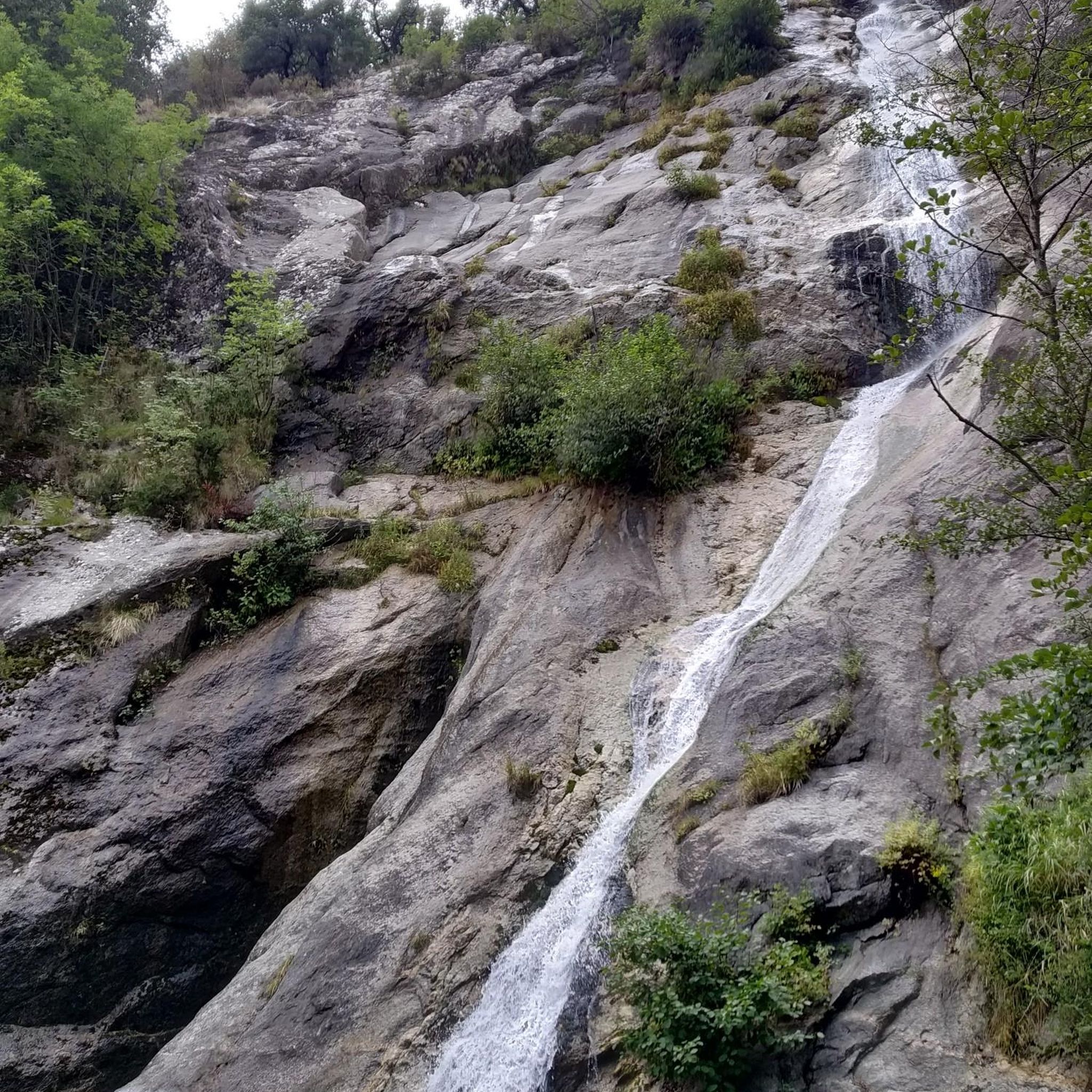
The Orridi di Rocca Susella are a natural complex of gorges, ravines, and rock formations. Carved by water over millennia, they offer a captivating experience for trekking enthusiasts and nature photographers seeking unique geological features.
Is there a place for sport climbing near Rocca Susella?
Yes, the crag south of Monte Vallassa, part of the Castelliere di Guardamonte site, is equipped for sport climbing. This area also holds historical and archaeological interest, with evidence of settlements dating back to the Middle Neolithic and Roman eras.
What do visitors enjoy most about the attractions around Rocca Susella?
Visitors particularly appreciate the well-preserved historical sites and the natural beauty. For instance, Montalto Pavese is loved for its dominant position, beautiful castle, and Italian garden. The Fortunago Historic Center and Fountain is celebrated as one of Italy's most beautiful villages, with its charming atmosphere and surrounding nature. The cycling path, Greenway Voghera–Varzi: Voghera–Salice Terme Segment, is praised for being an excellent and accessible route.
Are there any notable villages nearby that are worth a visit?
Beyond Rocca Susella, you can visit Fortunago, recognized as one of Italy's most beautiful villages, known for its historic center and perennial water source. Another nearby village is Montalto Pavese, which stands in a dominant position and features a well-preserved castle and Italian garden.
What is the significance of the Oratorio di San Rocco?
The Oratorio di San Rocco, located at 550 meters in Poggio Alemanno, was built in 1606. It houses a 17th-century fresco depicting the Madonna and Child with Saints Peter and Rocco. Historically, it was expanded into a lazaret during the Spanish flu epidemic before being restored in 1994, making it a site of both religious and historical interest.
Most popular routes around Rocca Susella
Most popular attractions around Rocca Susella

Get inspired with the komoot mobile app


Explore more
Still not found the Highlight you’re looking for? See guides of the top attractions in other regions:
