The best cycling routes around Vittorio Veneto
4.7
(191)
3,158
riders
93
rides
Touring cycling around Vittorio Veneto offers diverse landscapes, from the gentle slopes of the Prosecco Hills to the challenging ascents of the Treviso Prealps. The region features extensive networks of trails through vineyards, pine forests, and along rivers. Cyclists can explore historic towns, scenic lakes like Santa Croce, and enjoy views towards the Dolomites. This varied terrain provides options for a wide range of cycling experiences.
Best touring cycling routes around Vittorio Veneto
- The most popular touring cycling route is Lago di Lago – Lake Santa Maria loop from Vittorio Veneto, a 28.2 miles (45.4 km) trail that takes 3 hours 11 minutes to complete. This difficult route explores the scenic lakes and surrounding countryside.
- Another top favourite among local touring cyclists is Borgo Antico Climb – Conegliano Castle loop from Vittorio Veneto, a difficult 48.3 miles (77.7 km) path. This route features historic towns, a castle, and significant climbs through the landscape.
- Local touring cyclists also love the Lakes of Revine – Lago di Lago loop from Soffratta, a 24.8 miles (39.9 km) trail leading through a landscape of lakes and hills, often completed in about 3 hours 26 minutes.
- Touring cycling around Vittorio Veneto is defined by the rolling Prosecco Hills, the foothills of the Dolomites, and river valleys. The network offers options for easy rides, moderate explorations, and challenging routes with significant elevation gain.
- The routes in Vittorio Veneto are highly rated by the komoot community with an average score of 4.7 stars from over 200 reviews. More than 3000 touring cyclists have used komoot to explore Vittorio Veneto's varied terrain.
Last updated: May 24, 2026
4.7
(27)
228
riders
45.4km
03:11
570m
570m
Hard bike ride. Very good fitness required. Mostly paved surfaces. Suitable for all skill levels.
4.6
(16)
180
riders
44.1km
02:56
610m
610m
Hard bike ride. Very good fitness required. Mostly paved surfaces. Suitable for all skill levels.

Sign up for free
4.9
(8)
131
riders
77.7km
05:25
710m
710m
Hard bike ride. Very good fitness required. You may need to push your bike for some segments of this route.
4.7
(7)
158
riders
39.9km
03:26
1,090m
1,090m
Hard bike ride. Very good fitness required. Mostly paved surfaces. Suitable for all skill levels.
4.5
(2)
117
riders
102km
06:46
1,340m
1,340m
Hard bike ride. Very good fitness required. Mostly paved surfaces. Suitable for all skill levels.
Get access to more routes and recommendations from other explorers.
Sign up for free
Already have an account?
Our route recommendations are based on thousands of hikes, rides, and runs completed by other people on komoot.
Start today with a free account
Your next adventure awaits.
Login or Signup
Popular around Vittorio Veneto
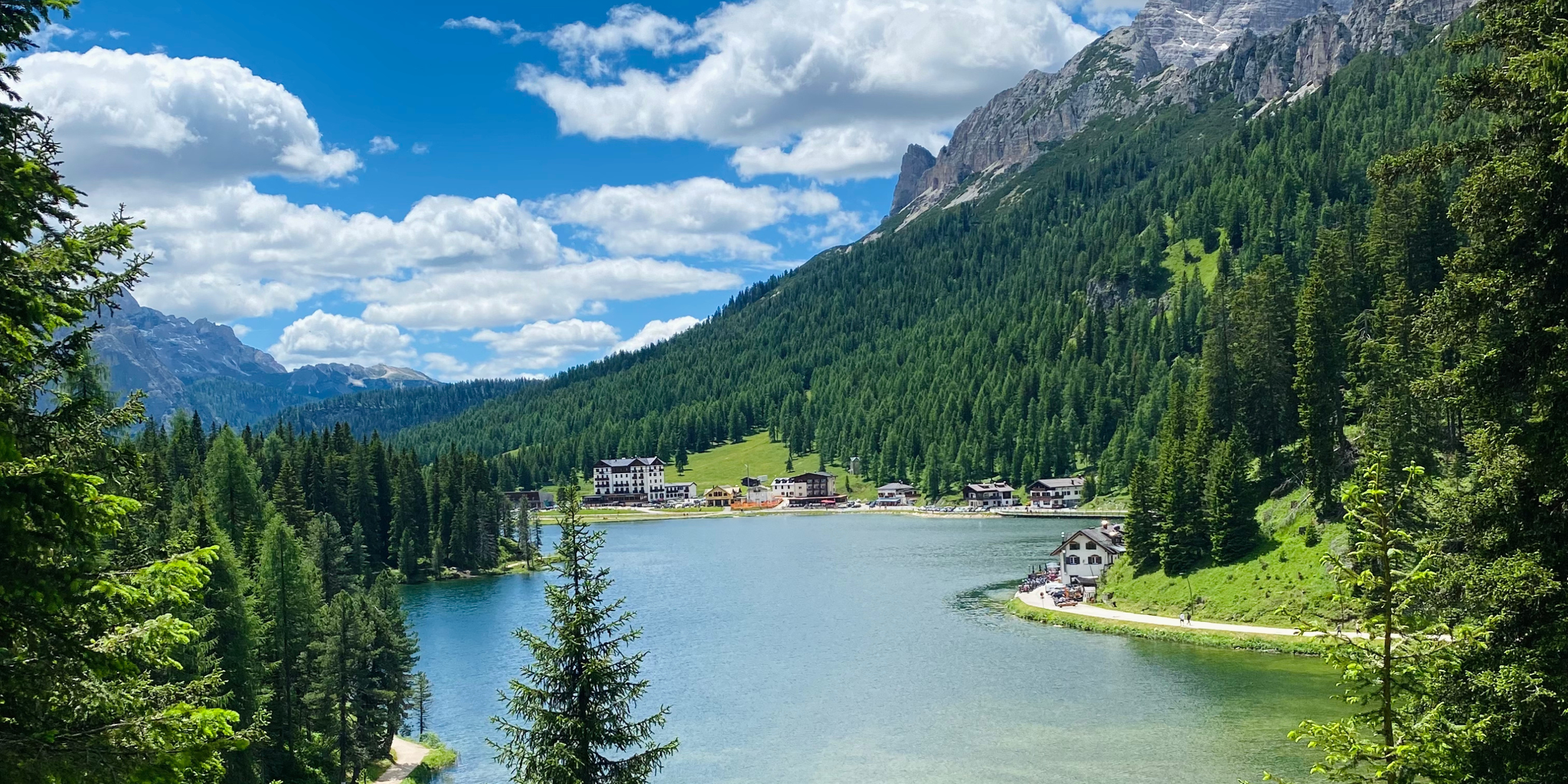
Cycling from sea to mountains – Venice to Cortina d'Ampezzo
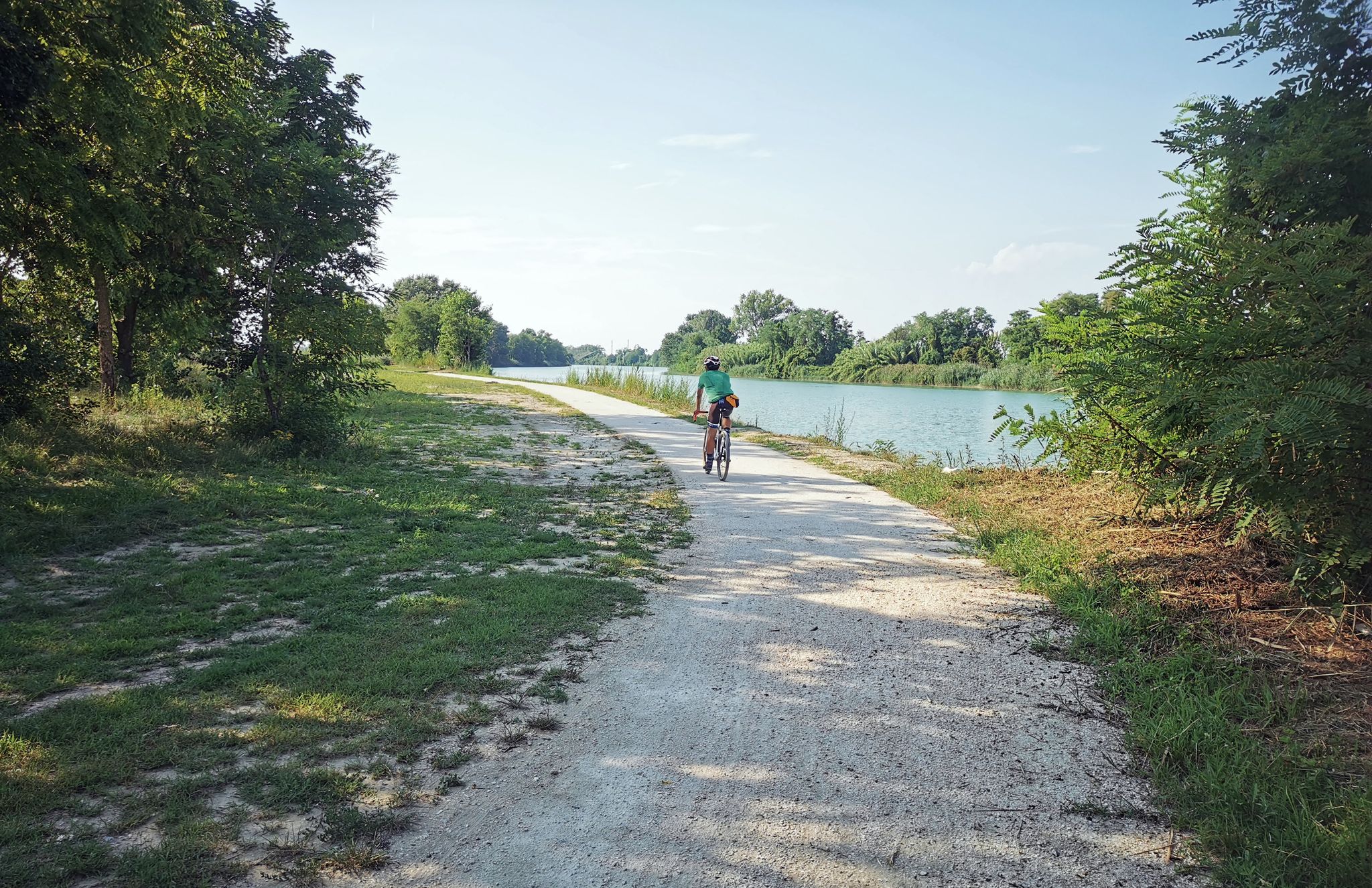
Italian Gravel – up and down dirt roads in Veneto
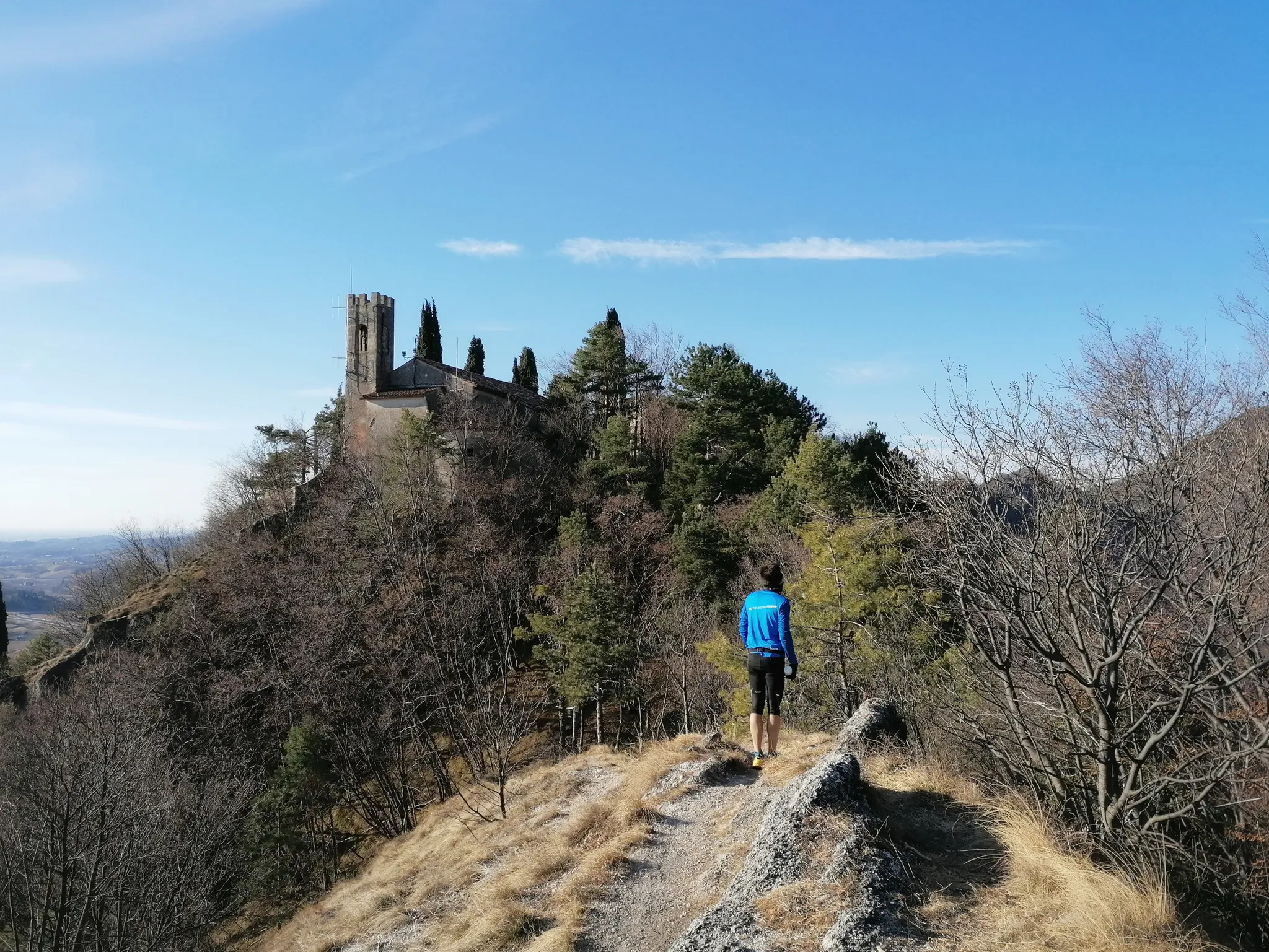
800 years of history from Gemona to Padua – Cammino di Sant'Antonio
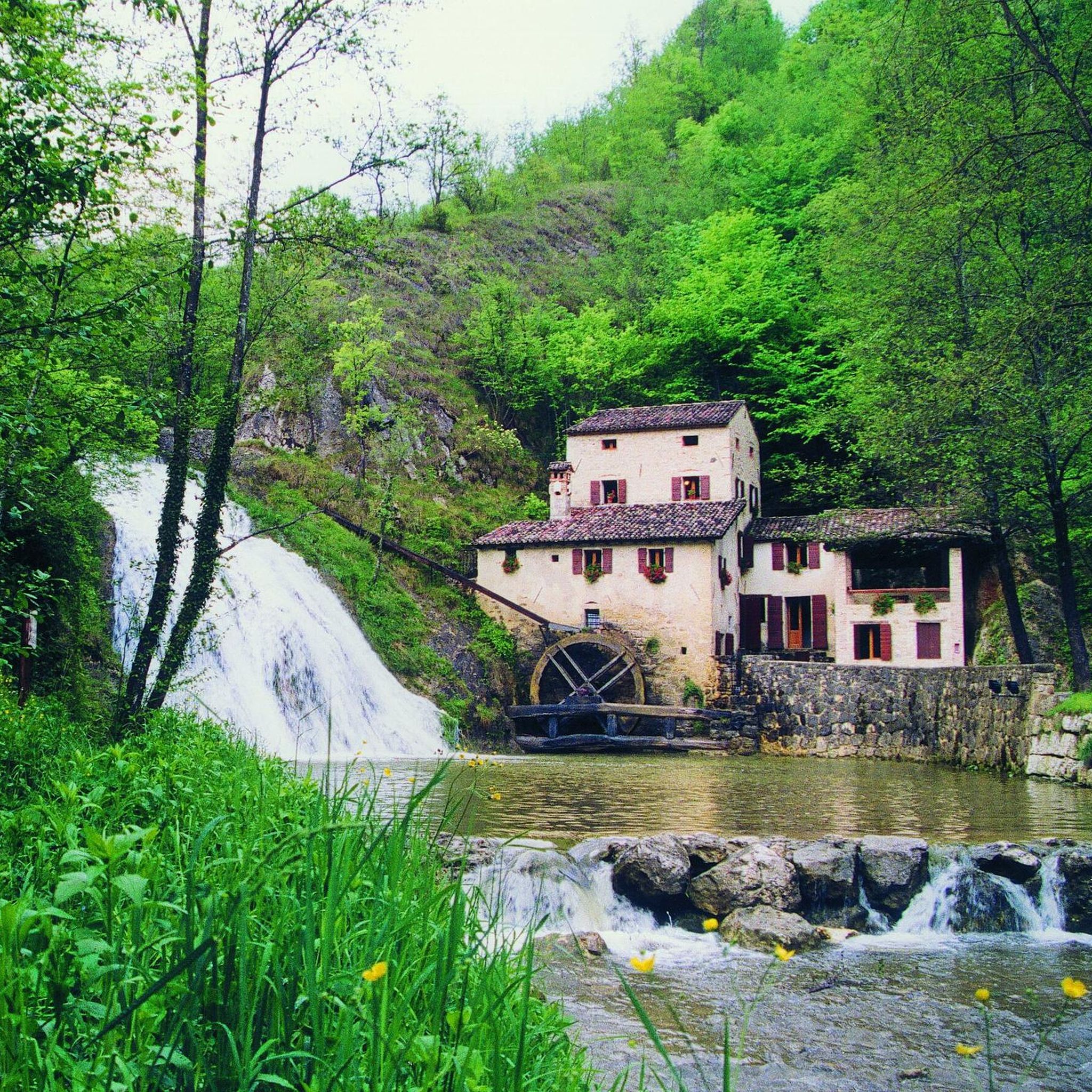
Hiking around Vittorio Veneto
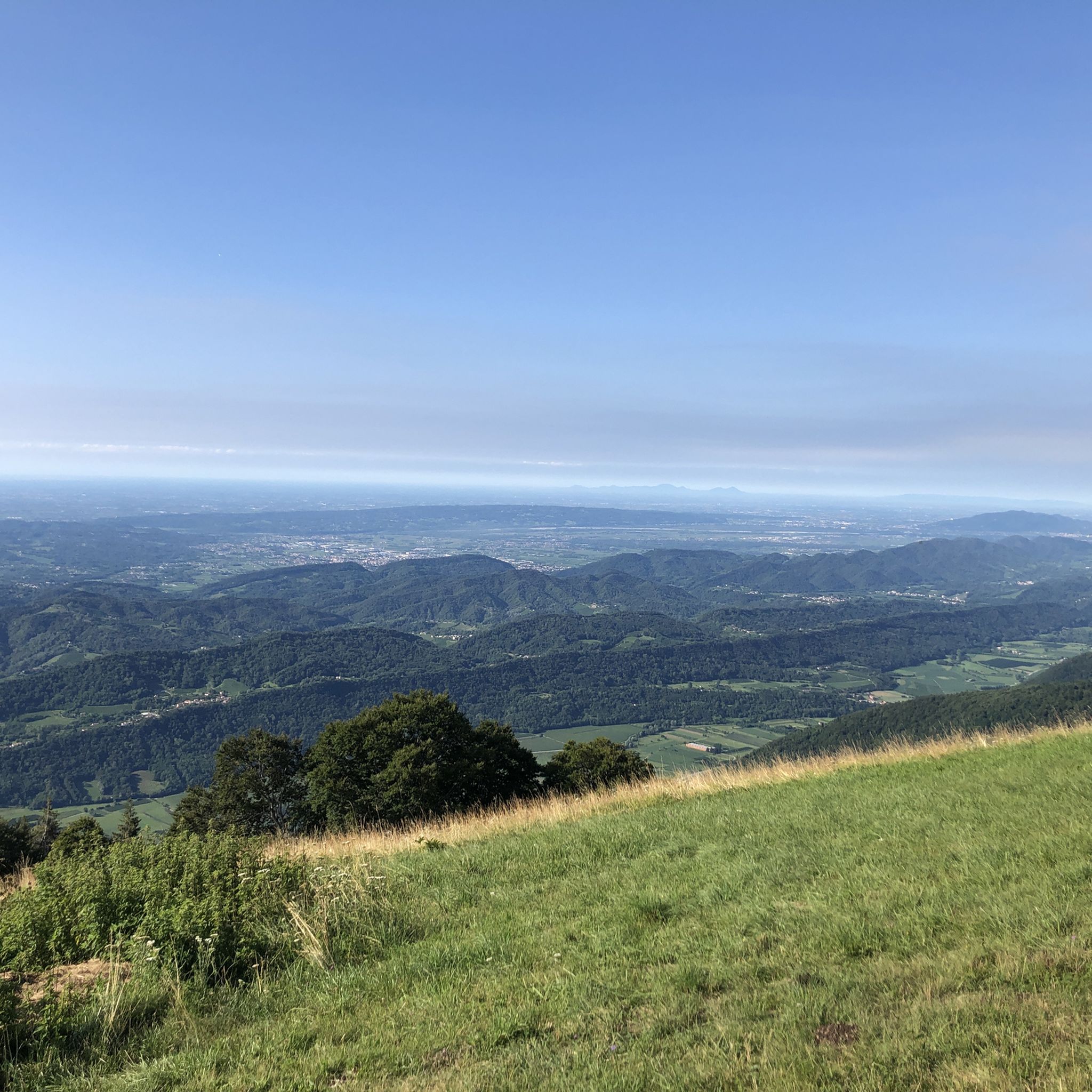
MTB Trails around Vittorio Veneto
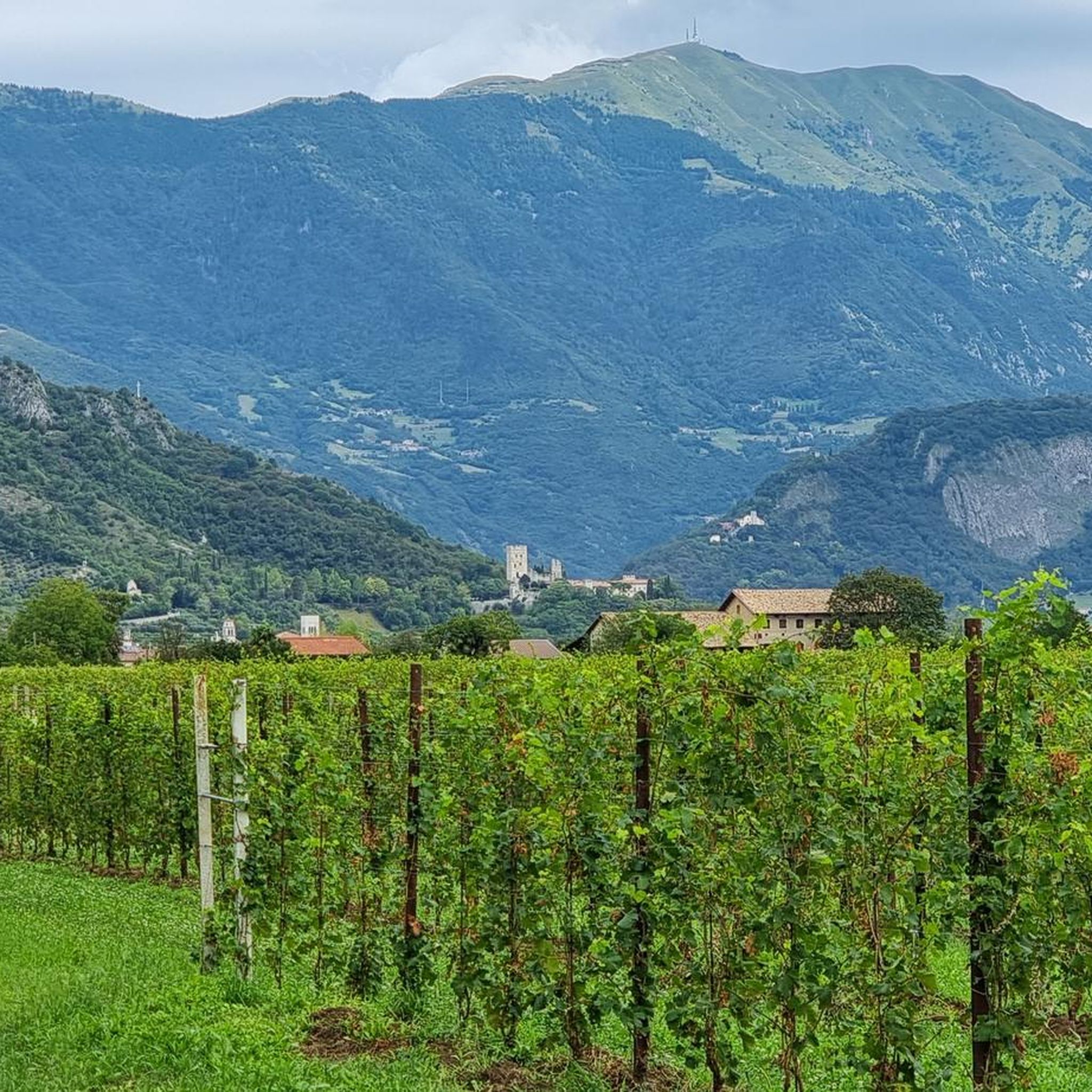
Road Cycling Routes around Vittorio Veneto
Running Trails around Vittorio Veneto

Gravel biking around Vittorio Veneto

Mountain Hikes around Vittorio Veneto
Other adventures around Vittorio Veneto


Tips from the Community

Combai is a picturesque hamlet in the municipality of Miane, nestled between the Prosecco hills and the foothills of the Treviso Prealps. This enchanting village is nationally renowned for the production of Marrone di Combai IGP, a prized and very sweet variety of chestnut to which a famous and historic folk festival is dedicated every autumn, attracting thousands of visitors. The surrounding territory is characterized by a unique landscape, where centuries-old chestnut groves alternate with historic vineyards cultivated on steep hillsides. In addition to its enogastronomic richness, Combai is an ideal destination for nature and trekking lovers, thanks to a dense network of trails, such as the evocative "Troi de la Ròda", which allow you to explore the woods and enjoy wide panoramas of the Marca Trevigiana.
0
0
Lago Morto is a striking body of water located in Val Lapisina, in the municipality of Vittorio Veneto, right at the foot of the Treviso side of the Sella di Fadalto pass. Its peculiar name derives from a unique geographical characteristic: it is a lake devoid of visible surface outlets and inlets, as it is fed and emptied exclusively through underground karst pathways. The basin, surrounded by steep wooded slopes and imposing rocky walls, is characterized by deep and cool waters. Today, the lake plays a fundamental role in hydroelectric power production, being connected to the valley's power plant system that utilizes the waters coming from the overlying Lago di Santa Croce. Despite the industrial footprint, the area is a popular destination for relaxing walks, picnics, and sport fishing.
0
0
Located on the summit of Colle di Giano, the Castle of Conegliano is the historical emblem of the city and a privileged sentinel over the Venetian plain. Of the ancient medieval complex, the strategic heart of the village since the 12th century, the Bell Tower stands out today, the only surviving element along with part of the walls and the Guard Tower. Inside, the Civic Museum houses a precious collection ranging from archaeological finds to important pictorial works. From the top of the tower, the view is breathtaking: on clear days, the gaze sweeps from the rooftops of the historic center, adorned by the frescoed facades of via XX Settembre, to the crests of the Prealps and the Prosecco vineyards. Reachable via charming cobbled streets or staircases immersed in greenery, the castle is not just a monument, but a meeting place where history blends with the beauty of the Treviso landscape.
0
0
The Abbey of Santa Maria is a masterpiece of Cistercian architecture and one of the most significant spiritual centers in the Veneto. Founded on a previous Benedictine settlement, the current structure dates back to the 13th century and impresses with the elegance of its Gothic-Romanesque style. The true jewel of the complex is the cloister: a perfect quadrilateral where paired columns, all different from each other in decoration and shape, create a unique play of light and shadow. Inside the basilica, the gable facade and the solemn naves lead the eye towards the altar, where the venerated statue of the Madonna del Sacro Calice is kept. This place emanates a sense of absolute peace, bearing witness to centuries of monastic labor and profound sacred art.
0
0
Located in a picturesque position along the road connecting Cison di Valmarino to Follina, the small Church of Madonna delle Grazie is an enchanting example of rural sacred architecture. The building features a sober facade and a welcoming portico, historically intended to offer shelter to wayfarers and pilgrims traversing the valley. Inside, the church preserves an atmosphere of authentic peace, with frescoes and decorations celebrating the Virgin's protection over the community and the harvests. This sanctuary is particularly beloved by the local inhabitants for its simplicity and its deep connection to the territory. Its location, immersed in greenery and surrounded by the silence of the Prealps, makes it an ideal destination for a reflective stop during a walk among the villages, confirming the spiritual and scenic vocation of this corner of the Marca Trevigiana.
1
0

beautiful lake, it was the first time I saw it I was amazed, also by the wind!!!
0
0

Nice little road, great for gravel bikes.
0
0

Conegliano Castle dominates the city from its hilltop position. The first document mentioning it dates back to 1016 AD, but the structure reached its maximum extension in the fourteenth century, thanks to the influence of the Scaligeri and Carraresi rulers.
0
0
Frequently Asked Questions
How many touring cycling routes are available around Vittorio Veneto?
There are nearly 100 touring cycling routes around Vittorio Veneto, offering a wide range of experiences. These include 6 easy routes, 34 moderate routes, and 56 difficult routes, catering to various skill levels.
Are there easy touring cycling routes suitable for beginners or families in Vittorio Veneto?
Yes, Vittorio Veneto offers several easy touring cycling routes perfect for beginners or families. These routes often follow gentler terrain, such as the cycle path along the Meschio River, which provides a scenic ride through nature and history within the town. While specific easy routes are not highlighted in the top selections, the region's diverse network includes options for leisurely rides.
What kind of terrain can I expect on touring cycling routes in Vittorio Veneto?
The terrain around Vittorio Veneto is incredibly diverse. You can expect gentle slopes through the UNESCO World Heritage Prosecco Hills, challenging ascents into the Treviso Prealps and towards the Dolomites, and scenic rides along river valleys. Routes often pass through vineyards, pine forests, and charming historic towns, offering a varied cycling experience.
Are there any circular touring cycling routes around Vittorio Veneto?
Yes, many touring cycling routes in Vittorio Veneto are designed as loops, allowing you to start and end in the same location. Examples include the challenging Lago di Lago – Lake Santa Maria loop from Vittorio Veneto, which explores scenic lakes, and the Rolle – View of the Vineyards in Rolle loop from Vittorio Veneto, offering picturesque views of the Prosecco Hills.
Can I find challenging routes for experienced touring cyclists in the region?
Absolutely. Vittorio Veneto serves as a gateway to the Dolomites and the Treviso Prealps, offering numerous challenging routes with significant elevation gains. Experienced cyclists can tackle routes like the Borgo Antico Climb – Conegliano Castle loop from Vittorio Veneto, which features substantial climbs and covers 77.7 km. The region also includes historic passes like San Boldo, known for its switchbacks and tunnels.
What natural attractions can I explore along the cycling routes?
Cycling routes in Vittorio Veneto often lead to stunning natural attractions. You can explore picturesque lakes such as Lake Santa Croce, popular for water sports, or the Lakes of Revine. The region also features unique geological formations like the Grotte del Caglieron (Caglieron Caves) near Fregona, with their gorges and caves. Many routes offer panoramic views of the Dolomites and the Venetian Lagoon on clear days.
Are there historical or cultural landmarks to see while cycling?
Yes, Vittorio Veneto is rich in history and culture. Cycling routes frequently pass through charming historic towns and villages, allowing you to discover ancient architecture. Notable landmarks include Castello di San Martino and the Molinetto della Croda, a 17th-century rural mill. You can also encounter historic passes like San Boldo Pass, known for its unique tunnels and historical significance.
What is the best time of year for touring cycling in Vittorio Veneto?
The best time for touring cycling in Vittorio Veneto is generally from spring to autumn. During these seasons, the weather is pleasant, and the landscapes are vibrant, especially the Prosecco Hills. While some routes might be accessible in winter, many higher-elevation paths or passes could be affected by snow or colder conditions.
Are there routes that pass through the famous Prosecco Hills?
Yes, Vittorio Veneto is situated within the UNESCO World Heritage Site of the Prosecco Hills, and many touring cycling routes traverse this renowned wine region. You can enjoy tranquil roads, picturesque villages, and stunning vineyard views. A great option is the challenging Santo Stefano – Prosecco Hills loop from Soffratta, which covers over 100 km through this beautiful landscape.
Where can I find parking for touring cycling routes in Vittorio Veneto?
Vittorio Veneto and its surrounding towns offer various parking options, often near trailheads or in town centers. While specific parking locations for each route vary, you can typically find public parking in areas like Soffratta or Vittorio Veneto itself, which serve as common starting points for many tours. It's advisable to check local parking regulations upon arrival.
Is public transport accessible for reaching touring cycling routes?
Vittorio Veneto is well-connected, making it a good base for cycling. While direct public transport access to every single trailhead might vary, the town itself is accessible by train and bus, which can help you reach starting points for many routes. For specific routes, you might need to cycle a short distance from public transport hubs.
What do other cyclists say about touring cycling in Vittorio Veneto?
The touring cycling routes around Vittorio Veneto are highly rated by the komoot community, with an average score of 4.7 stars from over 200 reviews. Cyclists often praise the diverse landscapes, from the rolling Prosecco Hills to the challenging Prealps, and the opportunity to explore historic towns and scenic lakes. Over 3,000 touring cyclists have used komoot to discover the area's varied terrain.
Can I combine cycling with other activities like wine tasting in Vittorio Veneto?
Absolutely! Vittorio Veneto is at the heart of the Prosecco wine region, making it ideal for combining cycling with culinary experiences. Many routes wind through vineyards, offering opportunities to stop at local wineries for tastings. You can also enjoy local flavors in the charming towns and villages you pass through, enhancing your touring cycling adventure.
Most popular routes around Vittorio Veneto
Most popular attractions around Vittorio Veneto

Get inspired with the komoot mobile app


Explore more
Browse the best Cycling routes in other regions.
