Attractions and Places To See around Santa Maria Capua Vetere - Top 20
Best attractions and places to see around Santa Maria Capua Vetere include a range of historical sites and cultural landmarks. The city, once known as ancient Capua, was a prominent Roman city with a significant gladiator school. This region offers insights into ancient Roman history, with archaeological sites, alongside medieval villages and religious architecture. Visitors can explore various historical sites, providing a diverse experience of the area's heritage.
Best attractions and places to see around Santa Maria Capua Vetere
- The…
Last updated: July 29, 2026
Piazza della Vaccheria and the Church of Santa Maria delle Grazie
Highlight • Religious Site
Translated by Google •
Tip by

Casertavecchia Medieval Village
Highlight • Historical Site
Translated by Google •
Tip by
Sign up now to discover places like this
Get recommendations on the best single tracks, peaks, & plenty of other exciting outdoor places.
Sign up for free
Amphitheatre of Capua
Highlight • Historical Site
Translated by Google •
Tip by

Vaccheria Panoramic Trail
Highlight (Segment) • Trail
Translated by Google •
Tip by

Royal Palace of Caserta
Highlight • Historical Site
Translated by Google •
Tip by

Sign up for free to discover even more attractions around Santa Maria Capua Vetere.
Sign up for free
Already have an account?
Start today with a free account
Your next adventure awaits.
Login or Signup
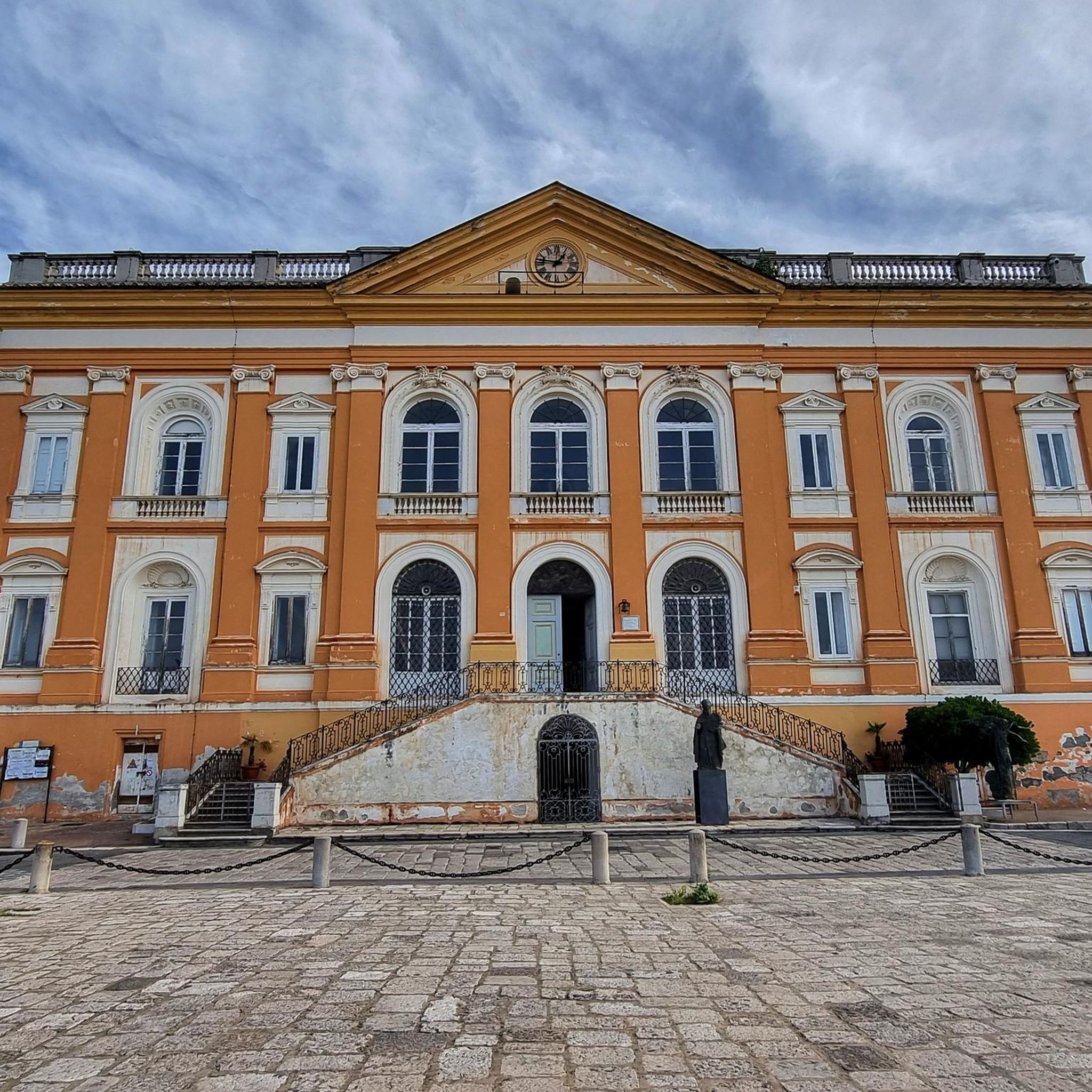
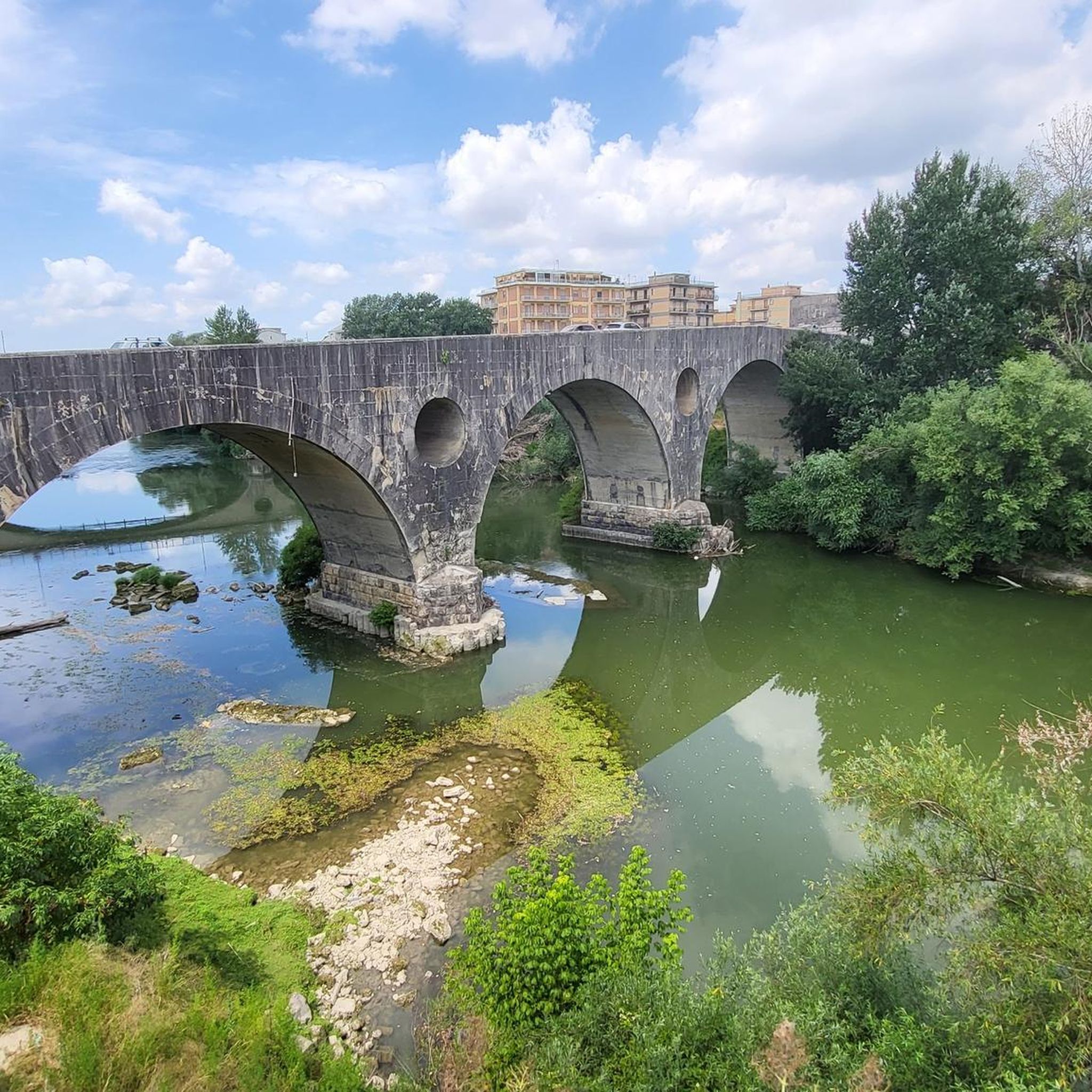
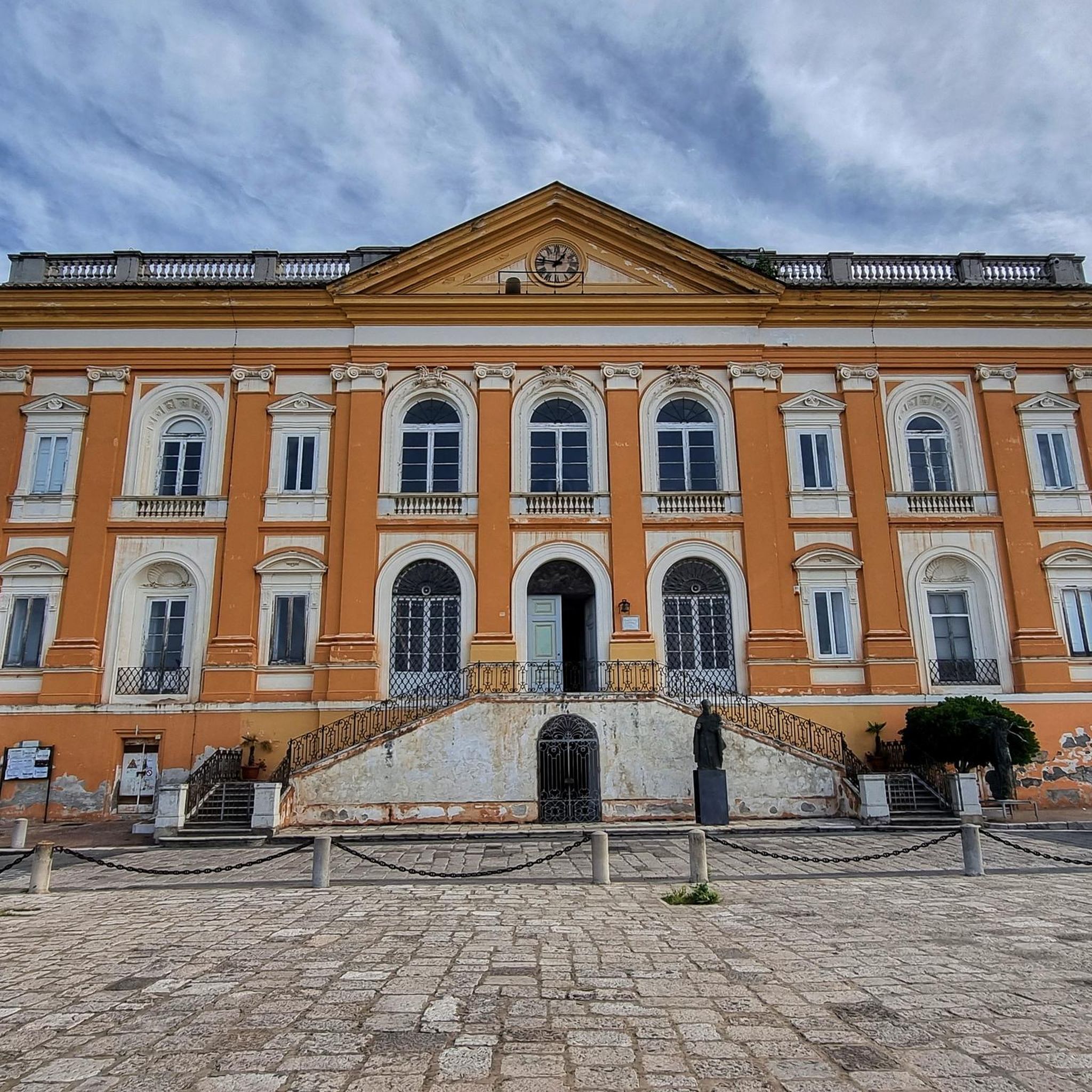
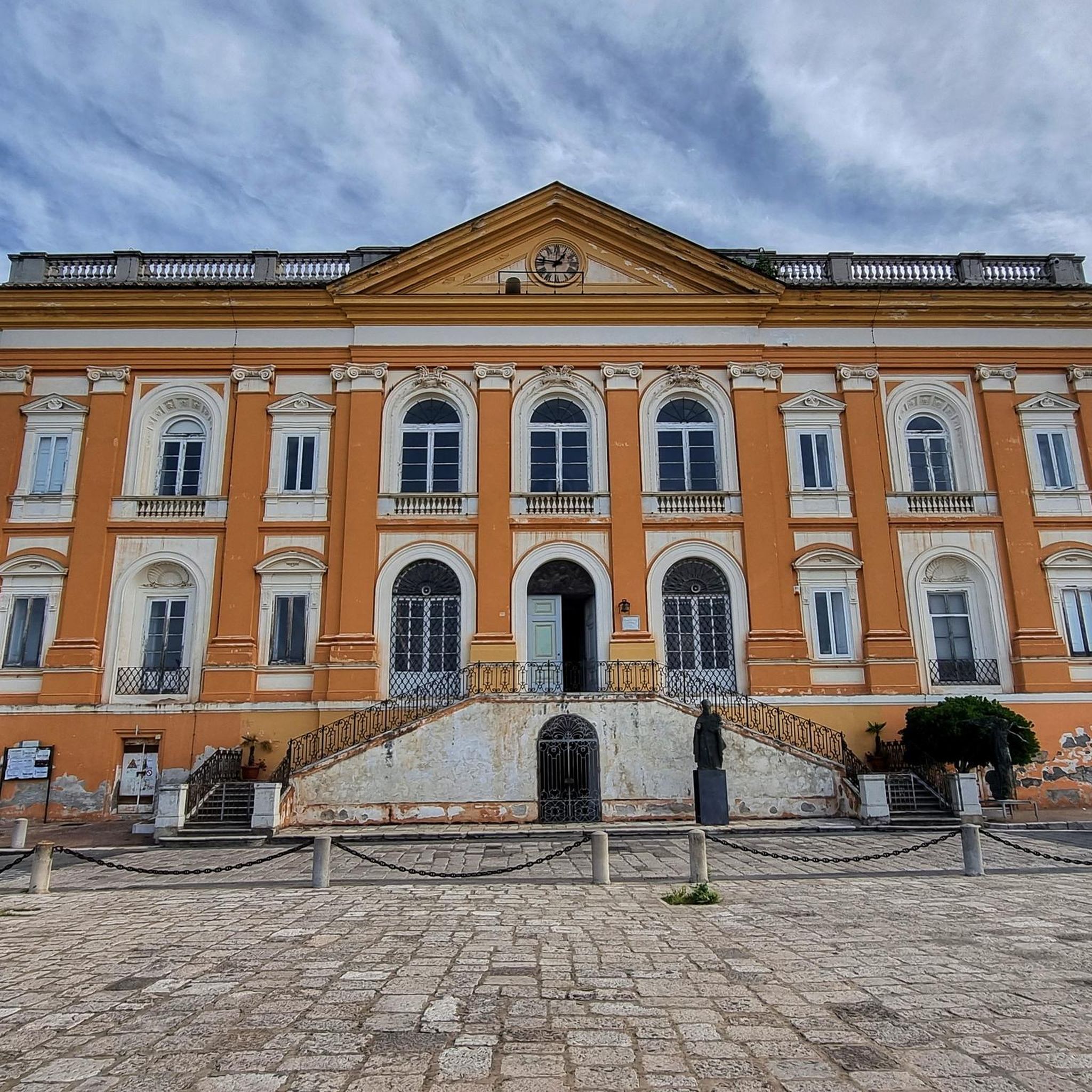

Tips from the Community

Unfortunately I didn't go out to enter the palace - I have to go back!
0
0

Spectacular amphitheater, the largest of antiquity after the Colosseum, located in Santa Maria Capua Vetere, the ancient Capua. It is clearly visible from the outside without having to enter the archaeological area
0
0
Very interesting archaeological site in Santa Maria Capua Vetere, the ancient Capua. The Campanian amphitheater stands out, the largest of antiquity after the Colosseum
1
0

Route traveled at the beginning of September 2024. Due to bad weather the route is bumpy with fallen trees that prevent transit. I struggled and not a little, if it is not cleared it is to be avoided
0
0

The Campanian amphitheater or Capuano amphitheater is a Roman-era amphitheater in the city of Capua, today located in Santa Maria Capua Vetere
0
0
Worth a visit...but without a bicycle!
0
0
It is a Roman-era amphitheater in the city of Capua, nowadays located in Santa Maria Capua Vetere
0
0
The Campania amphitheater is second only to the Colosseum in importance and size
0
0
Frequently Asked Questions
What historical sites can I visit in Santa Maria Capua Vetere?
Santa Maria Capua Vetere is rich in history. You can explore the impressive Amphitheatre of Capua, known for its gladiator school and connection to the Spartacus rebellion. Another significant site is the Casertavecchia — Medieval Village, offering a glimpse into medieval life with its castle, towers, and panoramic views.
Are there any family-friendly attractions in the area?
Yes, several attractions are suitable for families. The Amphitheatre of Capua is a fascinating historical site that can engage children with stories of gladiators. Additionally, the Piazza della Vaccheria and the Church of Santa Maria delle Grazie offers a cultural experience in a charming setting.
What is the best time of year to visit the archaeological sites in Santa Maria Capua Vetere?
The best time to visit the archaeological sites and other outdoor attractions in Santa Maria Capua Vetere is typically during the spring (April-May) and autumn (September-October). During these months, the weather is pleasantly mild, making it comfortable for exploring without the intense heat of summer or the cooler, wetter conditions of winter.
What kind of outdoor activities can I do near Santa Maria Capua Vetere?
The region around Santa Maria Capua Vetere offers various outdoor activities. You can find numerous trails for mountain biking, hiking, and running. For example, there are MTB Trails around Santa Maria Capua Vetere with routes like the 'Canalone Caserta Enduro Trail'. Hikers can explore options such as the 'Sant'Angelo in Formis – loop tour' found in the Hiking around Santa Maria Capua Vetere guide, and runners have routes like the 'Arch of Hadrian – Campanian Amphitheater loop' in the Running Trails around Santa Maria Capua Vetere guide.
Where can I find medieval architecture and villages?
The Casertavecchia — Medieval Village is a prime example of medieval architecture in the area. This well-preserved village features a castle, towers, and bell towers, offering a complete medieval experience with stunning panoramic views.
Are there any religious buildings of note to visit?
Yes, the Piazza della Vaccheria and the Church of Santa Maria delle Grazie is a significant religious building. Its architecture blends gothic exteriors with baroque classicism, making it a notable example of Neapolitan eclectic art.
What should I wear when visiting the Roman ruins in Capua?
When visiting Roman ruins like the Amphitheatre of Capua, it's advisable to wear comfortable walking shoes as you'll likely be on uneven surfaces. Light, breathable clothing is best during warmer months, and layers are recommended for spring and autumn. A hat, sunglasses, and sunscreen are also good ideas, as many sites offer limited shade.
Are there any viewpoints with scenic views?
Absolutely. The Casertavecchia — Medieval Village, situated on the slopes of the Tifatini mountains, offers breathtaking panoramic views of the surrounding landscape.
What do visitors enjoy most about the attractions around Santa Maria Capua Vetere?
Visitors particularly appreciate the rich historical immersion offered by sites like the Amphitheatre of Capua and the charm of the well-preserved Casertavecchia — Medieval Village. The blend of ancient Roman history with medieval settlements and unique religious architecture provides a diverse and engaging experience.
Are there any less crowded alternatives to the main archaeological sites?
While the Amphitheatre of Capua is a must-see, for a different historical experience that might be less crowded, consider exploring the various smaller historical elements within the Casertavecchia — Medieval Village, or seeking out the specific architectural details of the Church of Santa Maria delle Grazie.
Can I find places to eat or drink near the attractions?
Yes, especially around the Casertavecchia — Medieval Village, there are many refreshment activities, bars, and restaurants where you can stop for a coffee or a lunch break. This makes it convenient to combine sightseeing with local culinary experiences.
Most popular routes around Santa Maria Capua Vetere
Most popular attractions around Santa Maria Capua Vetere

Get inspired with the komoot mobile app


Explore more
Still not found the Highlight you’re looking for? See guides of the top attractions in other regions:
