Attractions and Places To See around Robella - Top 20
Attractions and places to see around Robella, a small municipality in Italy's Piedmont region, offer a blend of historical charm and natural landscapes. The area is primarily centered around its ancestral castle, providing a glimpse into medieval origins. Robella serves as a gateway to the broader Piedmont region, which features diverse cultural sites and points of interest. Visitors can explore historical landmarks and scenic routes within and around the municipality.
Best attractions and places to see around Robella
- The most…
Last updated: May 26, 2026
Canonica of Saint Mary of Vezzolano
Highlight • Religious Site
Translated by Google •
Tip by

Church of Saints Nazarius and Celsus
Highlight • Religious Site
Translated by Google •
Tip by

Sign up now to discover places like this
Get recommendations on the best single tracks, peaks, & plenty of other exciting outdoor places.
Sign up for free
Ford
Highlight • River
Translated by Google •
Tip by

Lauriano to Tonengo Hill Route
Highlight (Segment) • Trail
Translated by Google •
Tip by

Connection between Villamiroglio and Murisengo
Highlight (Segment) • Trail
Translated by Google •
Tip by
Sign up for free to discover even more attractions around Robella.
Sign up for free
Already have an account?
Start today with a free account
Your next adventure awaits.
Login or Signup
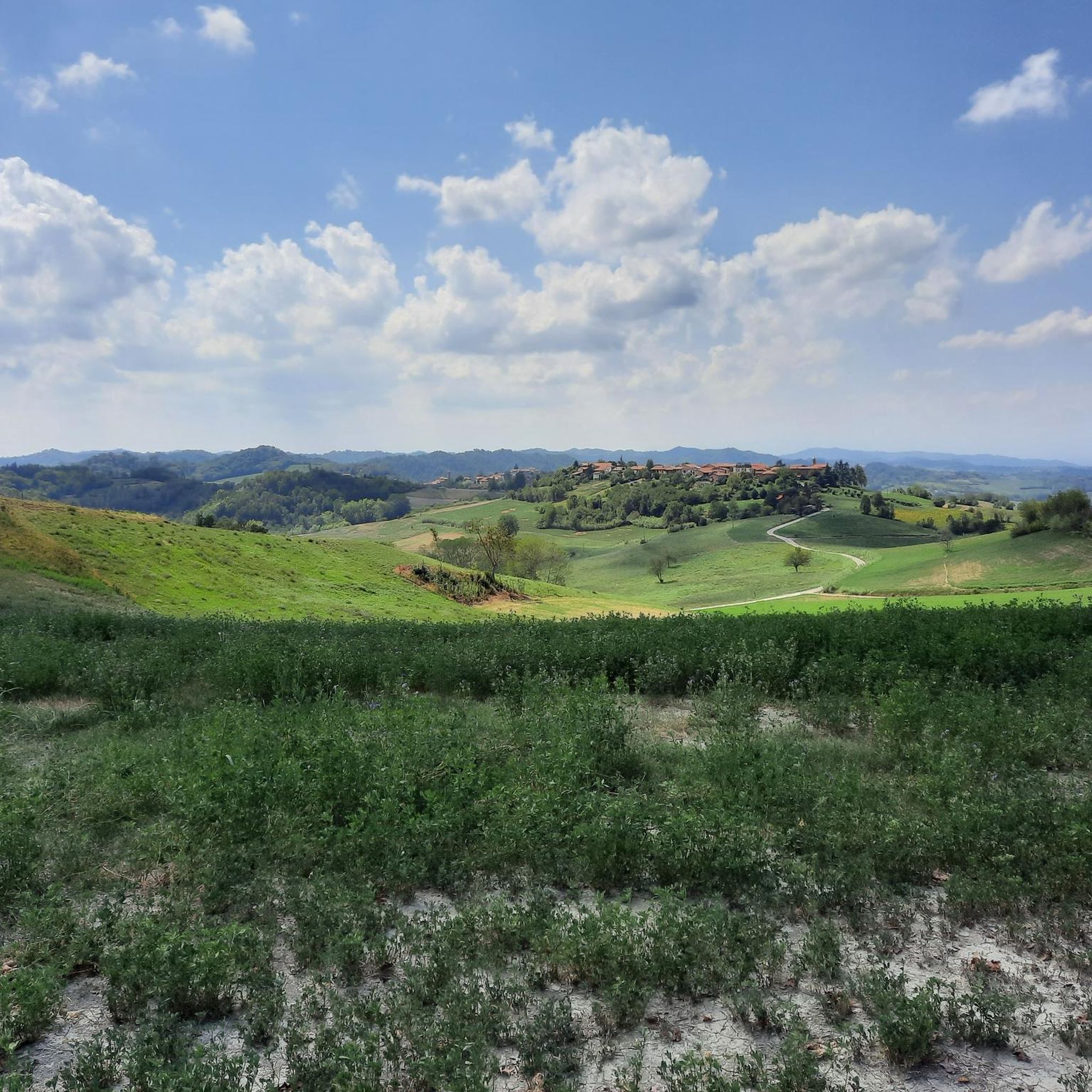
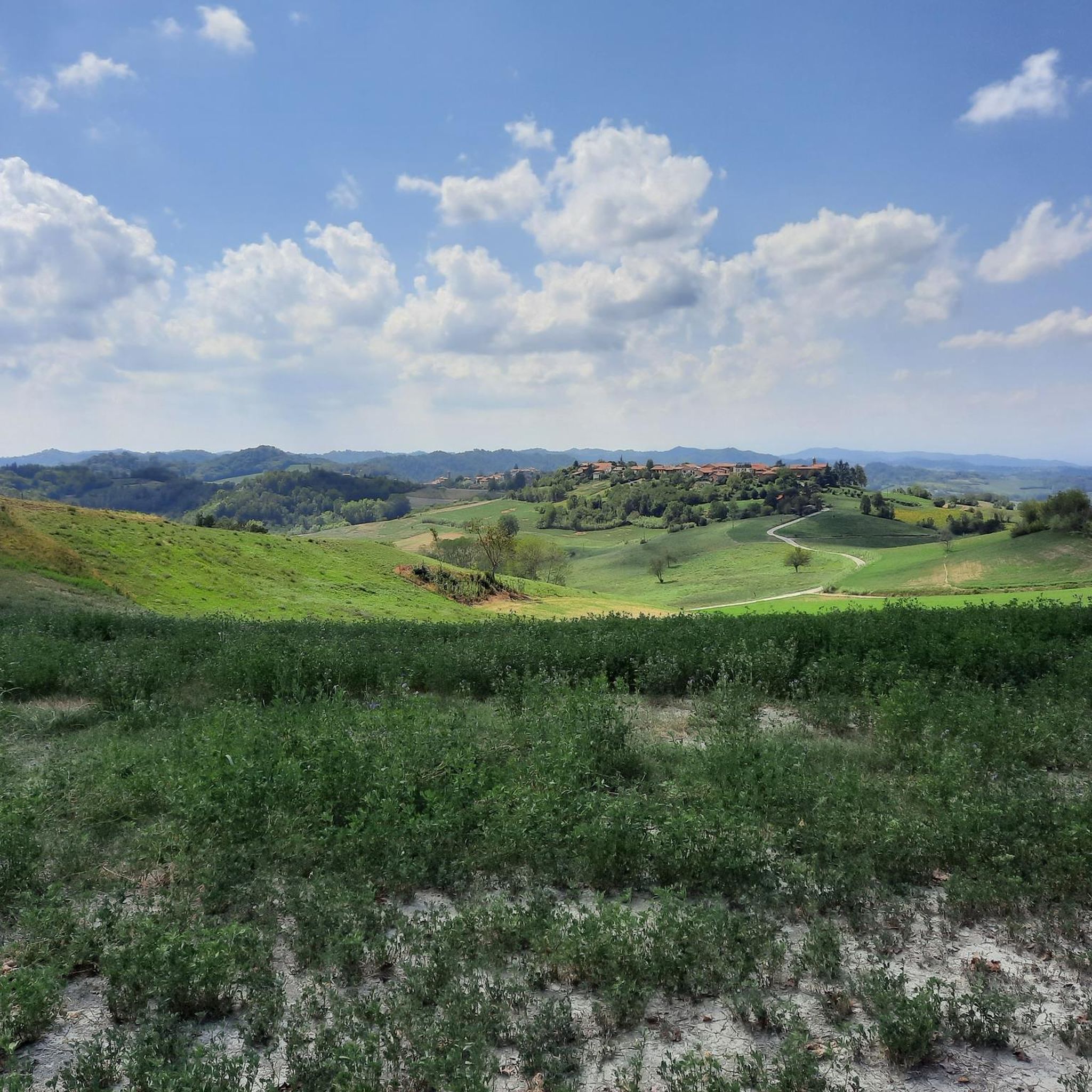
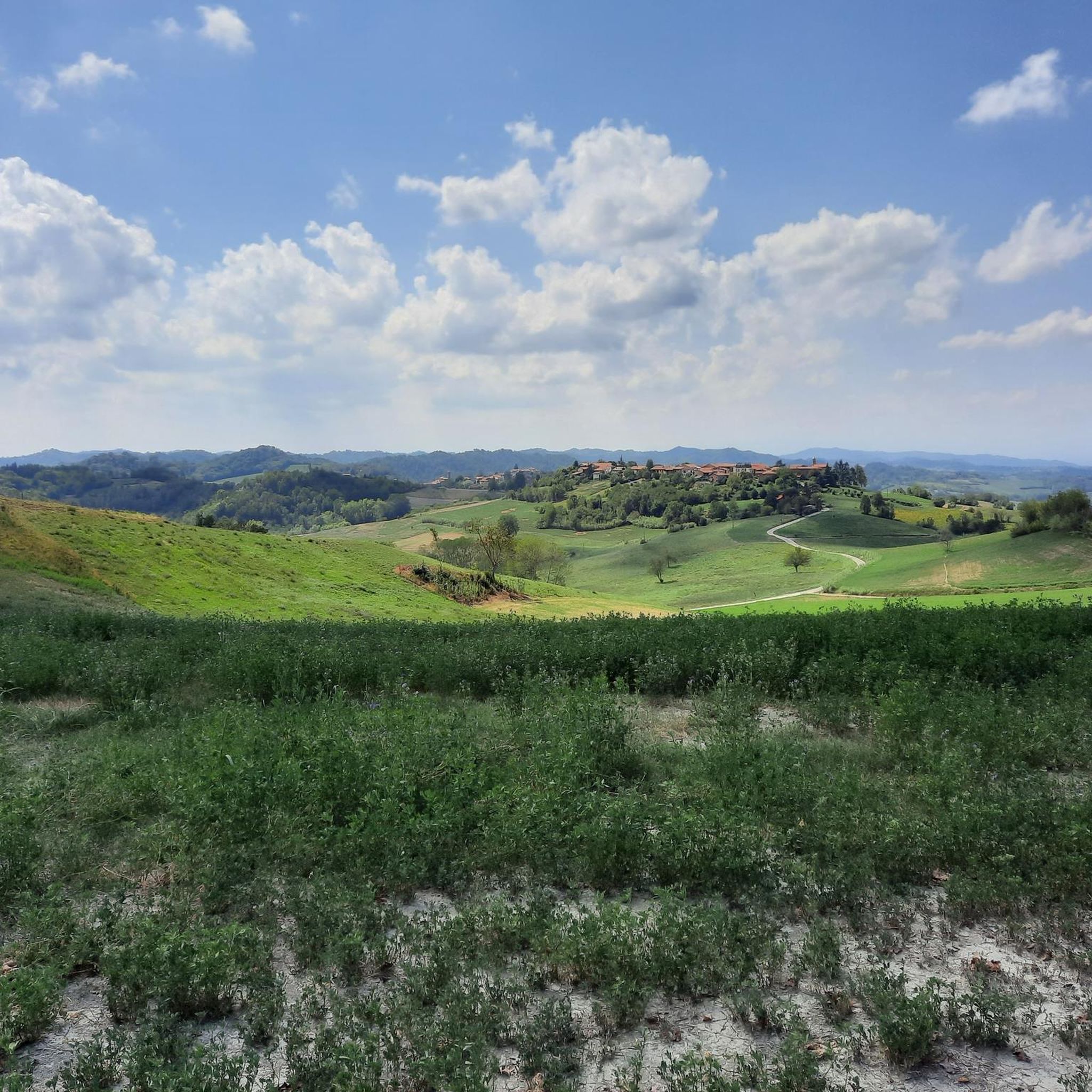
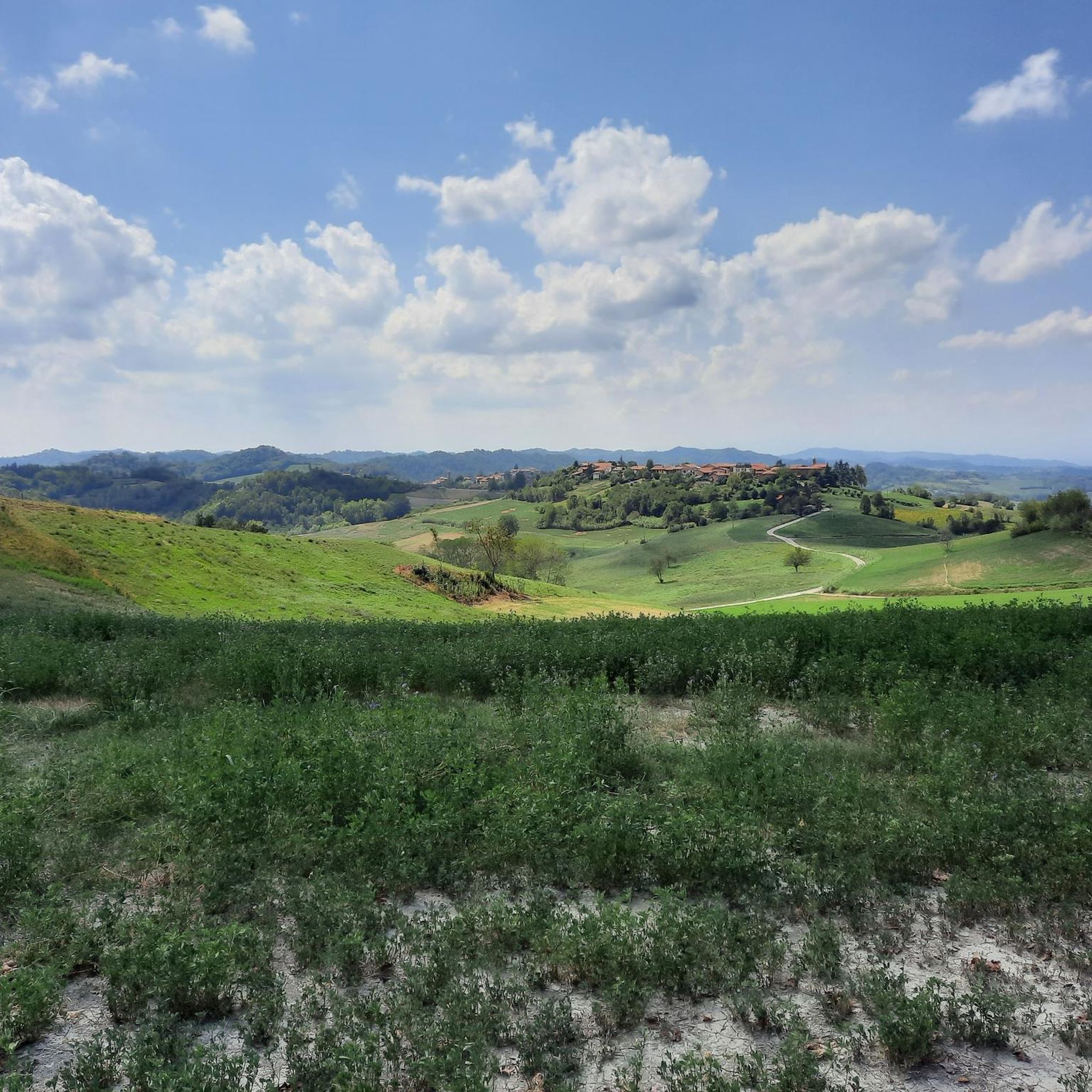

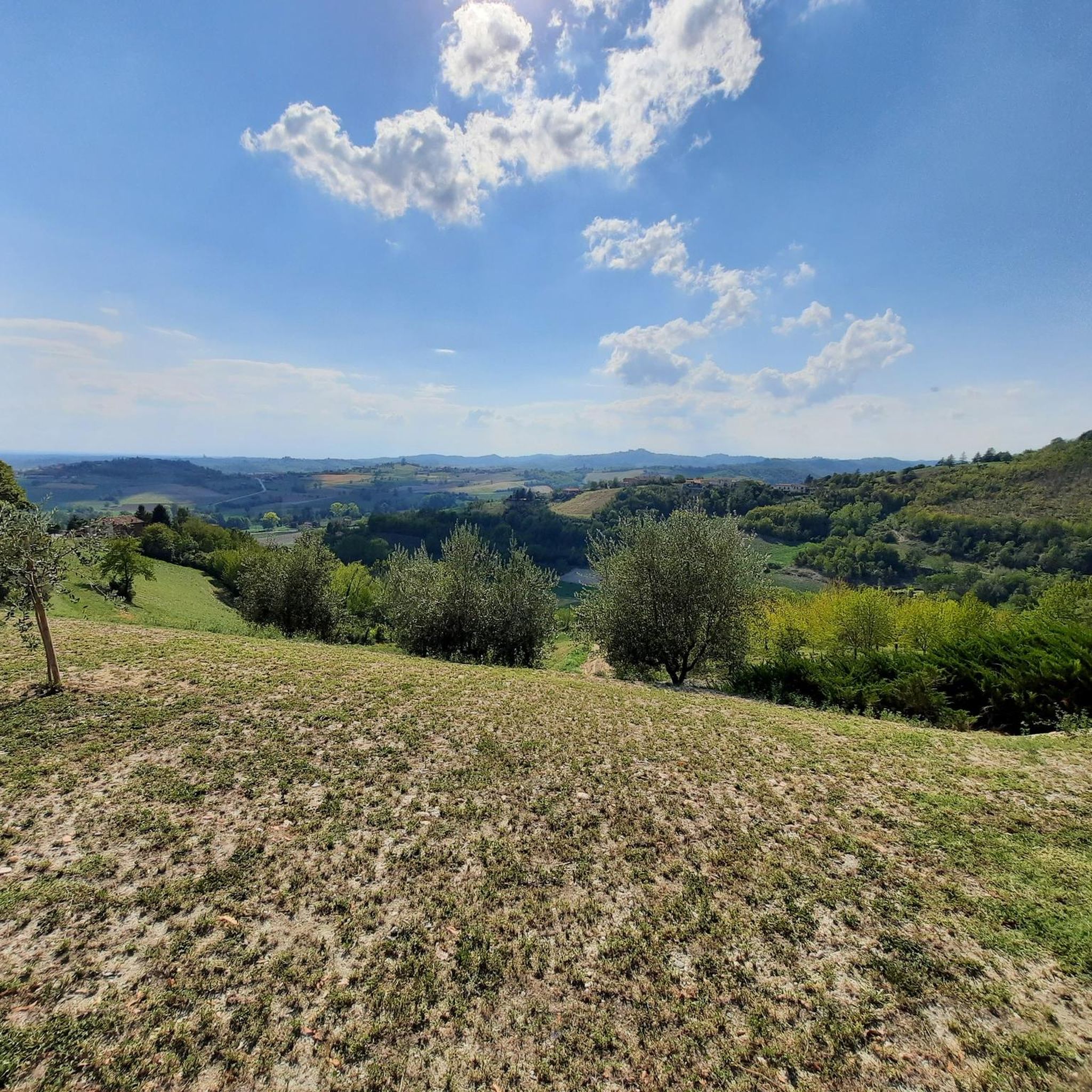
Tips from the Community

Attention! This ford cannot be bypassed except with a very long detour to return to the SP31bis. It is not very deep but the bottom is stony. In the direction of Casale it is shallower on the right, and obviously on the left in the direction of Chivasso. It is right on the VenTo track so... watch out...
0
0

The Abbey of Santa Maria di Vezzolano, located in the hills of Monferrato, is a jewel of Romanesque-Gothic architecture. Dating back to the 12th century, it preserves medieval frescoes and a valuable carved pier, and is surrounded by an aura of history and spirituality.
1
0

A not very long climb with sections in double figures. Very few cars pass by and this is very relaxing.
27
0

Of particular interest in the interior of the church, a rarity, the pier above the first span. See photo.
3
0

As of 11/24/2023, the ford can be easily crossed by staying on the right side (coming from Turin)
0
0

Vezzolano Abbey, beautiful and very characteristic, I recommend a visit inside the courtyard
1
0

The church of Santi Nazario e Celso stands completely isolated about two kilometers north-east of Montechiaro d'Asti on the slopes of a green hill (the "Bric San Nazario"), surrounded all around by trees except on the facade. The building strikes the visitor from afar for its tall bell tower and for the chromatic effect given by the alternating bands of brick and sandstone; it constitutes an important testimony of the Romanesque architecture that developed in the XII century in the Asti Monferrato area.
0
0

Frequently Asked Questions
What historical sites can I explore in and around Robella?
Robella's primary historical attraction is the Castello di Robella, a historic castle dating back to the 12th or 13th century with medieval origins and a unique 19th-century observatory offering panoramic views. Nearby, you can visit the Canonica of Saint Mary of Vezzolano, a Romanesque-Gothic abbey from the 12th century known for its medieval frescoes. Another significant historical religious building is the Church of Saints Nazarius and Celsus, an important example of 12th-century Romanesque architecture in Asti Monferrato.
Are there family-friendly activities or attractions near Robella?
Yes, the Canonica of Saint Mary of Vezzolano is categorized as family-friendly, offering a historical and architectural experience suitable for all ages. Additionally, the Sanctuary of the Madonna del Palazzo of Crescentino is also considered family-friendly, especially during the period between December and February when it features a beautiful Nativity scene.
What kind of outdoor activities can I do around Robella?
The area around Robella offers diverse outdoor activities, particularly cycling and hiking. You can explore various road cycling routes, such as the 'Cardona – Panorama of Lower Monferrato loop' or the 'View of Cocconato – Conzano loop'. For hikers, options include the 'Robella and the Secret Lake Loop' or the 'Rolling hills trail to Montiglio Monferrato Castle'. Gravel biking is also popular, with routes like the 'View of Cocconato – Moncalvo town centre loop'. You can find more details on these and other routes on the dedicated Road Cycling Routes around Robella, Hiking around Robella, and Gravel biking around Robella guide pages.
Are there any scenic trails for cycling or walking with good views?
Absolutely. The Lauriano to Tonengo Hill Route offers a challenging yet relaxing experience with minimal traffic and scenic ups and downs. Another route, the Connection between Villamiroglio and Murisengo, provides wonderful landscapes with fun ups and downs through meadows and woods. The 19th-century observatory at Castello di Robella itself offers breathtaking 360-degree panoramic views of the Alps, Apennines, and the Po Valley on clear days.
What is the best time to visit Robella for outdoor activities and views?
For enjoying outdoor activities like hiking and cycling, and to fully appreciate the panoramic views from locations like the Castello di Robella, visiting during spring, summer, or early autumn is generally recommended. Clear days are essential for the best visibility of the distant Alps and Po Valley from the castle's observatory.
Can I bring my dog to attractions in the Robella area?
While some outdoor trails are generally dog-friendly, it's important to check specific rules for indoor attractions. For instance, a visitor tip for the Canonica of Saint Mary of Vezzolano mentions that dogs were initially not allowed inside, but a sign later indicated they could enter. It's always best to verify directly with the attraction beforehand or plan to keep your dog outside if visiting religious buildings.
What are some unique architectural features to look out for in Robella and its surroundings?
Robella's Castello di Robella features medieval polygonal structures, defensive walls, Guelph battlements, and a distinctive 19th-century iron observatory. The Canonica of Saint Mary of Vezzolano is a prime example of Romanesque-Gothic architecture with medieval frescoes and a carved pier. The Church of Saints Nazarius and Celsus is notable for its high bell tower and alternating bands of brick and sandstone, characteristic of 12th-century Romanesque design.
Are there any hidden gems or less-known places to visit near Robella?
Beyond the main highlights, the Sanctuary of the Madonna del Palazzo of Crescentino is a charming, typically Italian baroque church with a unique history, including its bell tower being literally 'moved' in 1776. It's a place cherished by locals and pilgrims, offering a glimpse into regional religious heritage.
What can I expect from the broader Piedmont region if I venture beyond Robella?
The wider Piedmont region offers a wealth of diverse experiences. You can explore the renowned Langhe Vineyards for wine tasting, visit the tranquil Lake Maggiore and its Borromean Islands, or discover the ancient Sacra di San Michele abbey with its spectacular views. The Susa Valley provides opportunities for hiking and skiing, while Turin, the capital city, boasts elegant squares, museums, and palaces.
What do visitors enjoy most about the attractions around Robella?
Visitors frequently appreciate the historical depth and architectural beauty of sites like the Canonica of Saint Mary of Vezzolano, often described as a 'jewel' with a 'thousand-year history.' The scenic trails, such as the Lauriano to Tonengo Hill Route, are enjoyed for their challenging yet relaxing nature and minimal traffic. The unique chromatic effect and isolated setting of the Church of Saints Nazarius and Celsus also leave a lasting impression.
Are there any challenging cycling routes in the Robella area?
Yes, for cyclists seeking a challenge, the Lauriano to Tonengo Hill Route includes sections with double-digit slopes, particularly in the first 2.5 km up to Piazzo. For road cycling, the 'View of Cocconato – Conzano loop' is rated as difficult, and for gravel biking, routes like 'View of Cocconato – Moncalvo town centre loop' also present a significant challenge.
Can I find accommodation with a historical feel in Robella?
Yes, the Castello di Robella offers a unique historical accommodation experience. An apartment furnished with period furniture is available for stays in a 17th-century wing of the castle, allowing guests to immerse themselves in its rich history.
Most popular routes around Robella
Most popular attractions around Robella

Get inspired with the komoot mobile app


Explore more
Still not found the Highlight you’re looking for? See guides of the top attractions in other regions:
