Attractions and Places To See around Loreggia - Top 20
Best attractions and places to see around Loreggia include historical villas and extensive cycle paths. Loreggia is a municipality located in the Province of Padua, Veneto, Italy, characterized by a rural landscape within the Venetian plain. Its location provides access to regional attractions in Padua and Venice, serving as a base for exploring the wider Veneto region.
Best attractions and places to see around Loreggia
- The most popular attractions is Province Border on the Treviso-Ostiglia Cycle Path, a cycle_way…
Last updated: August 16, 2026
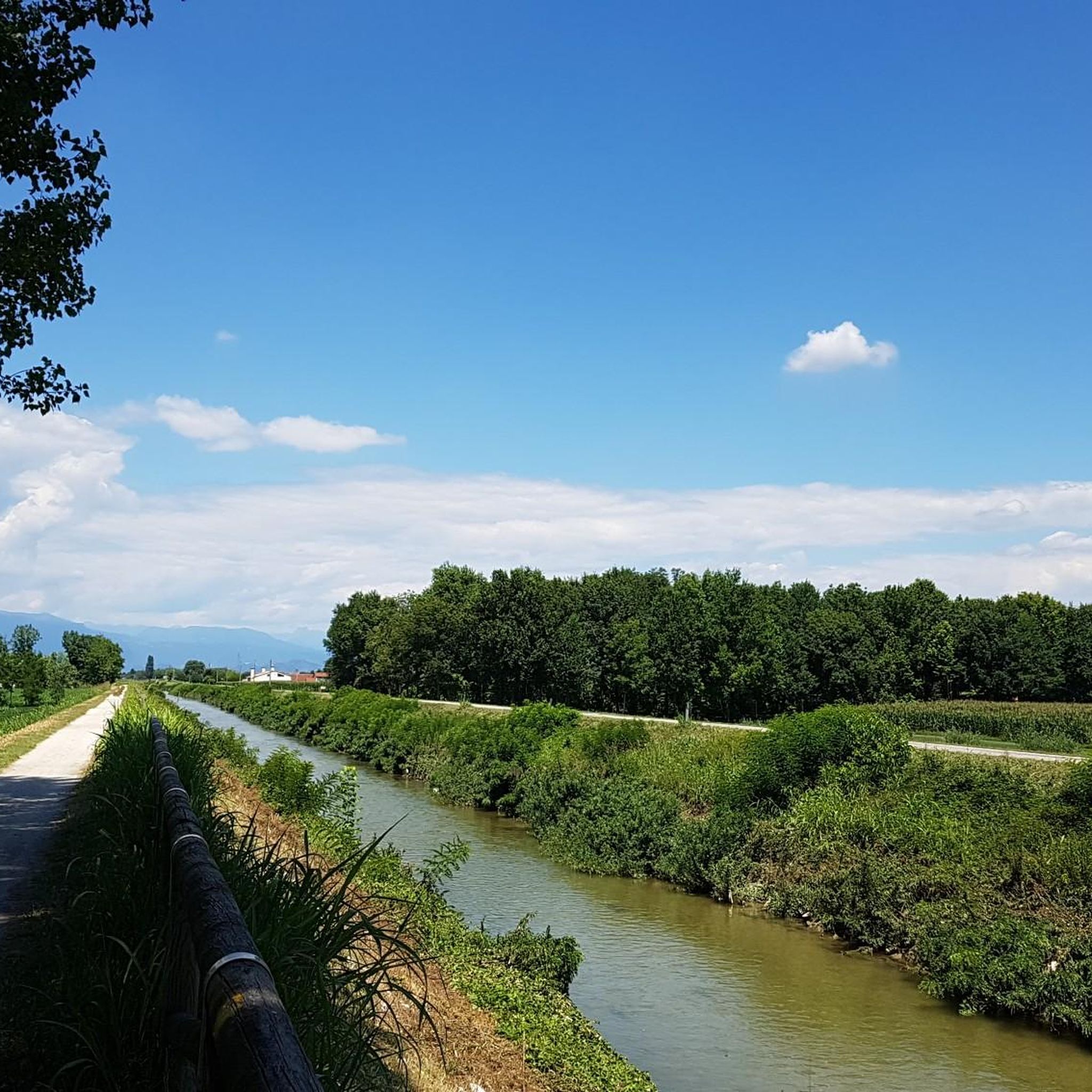
Province Border on the Treviso-Ostiglia Cycle Path
Highlight • Cycleway
Translated by Google •
Tip by

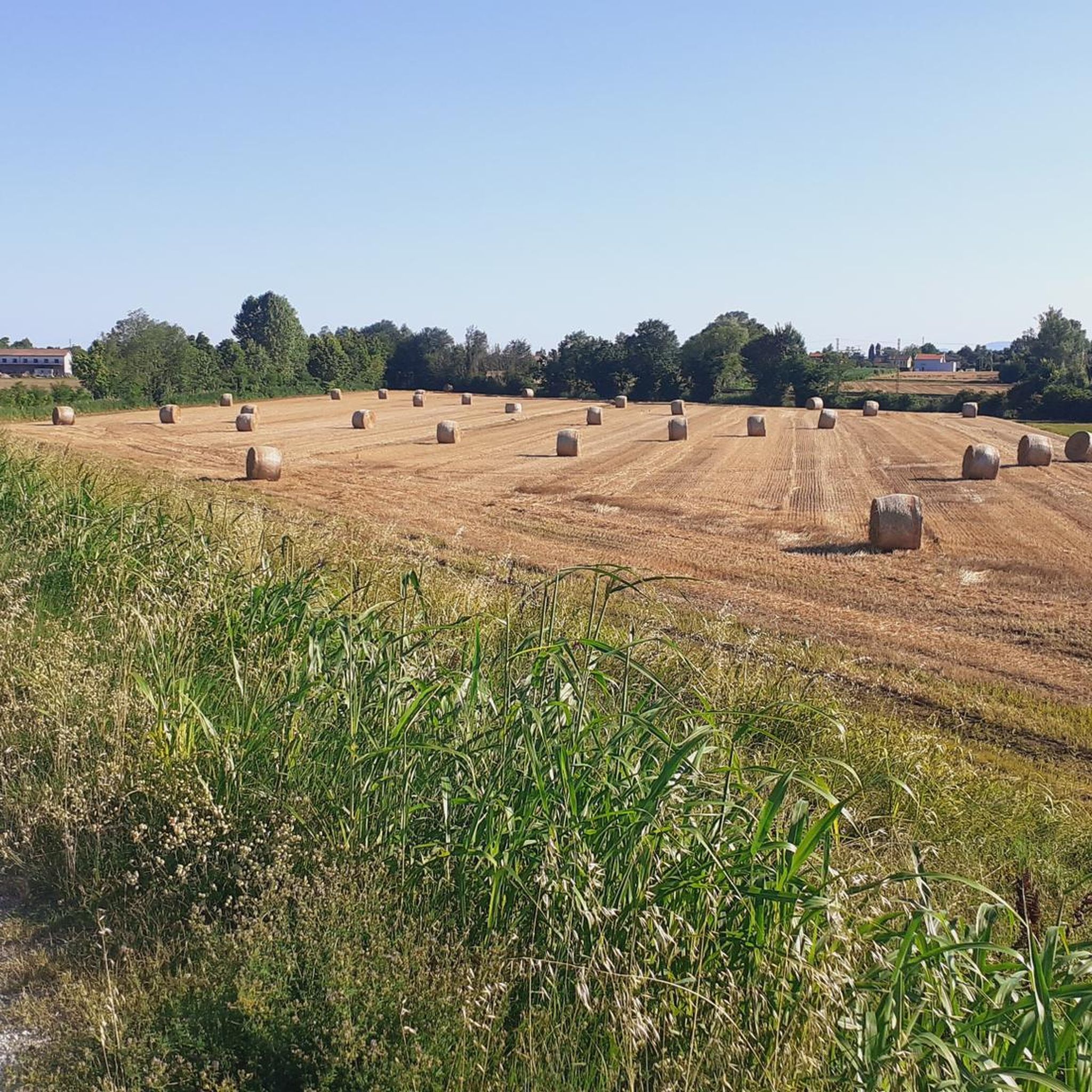
Treviso-Ostiglia Cycle Path Access at Silvelle
Highlight • Cycleway
Translated by Google •
Tip by

Sign up now to discover places like this
Get recommendations on the best single tracks, peaks, & plenty of other exciting outdoor places.
Sign up for free
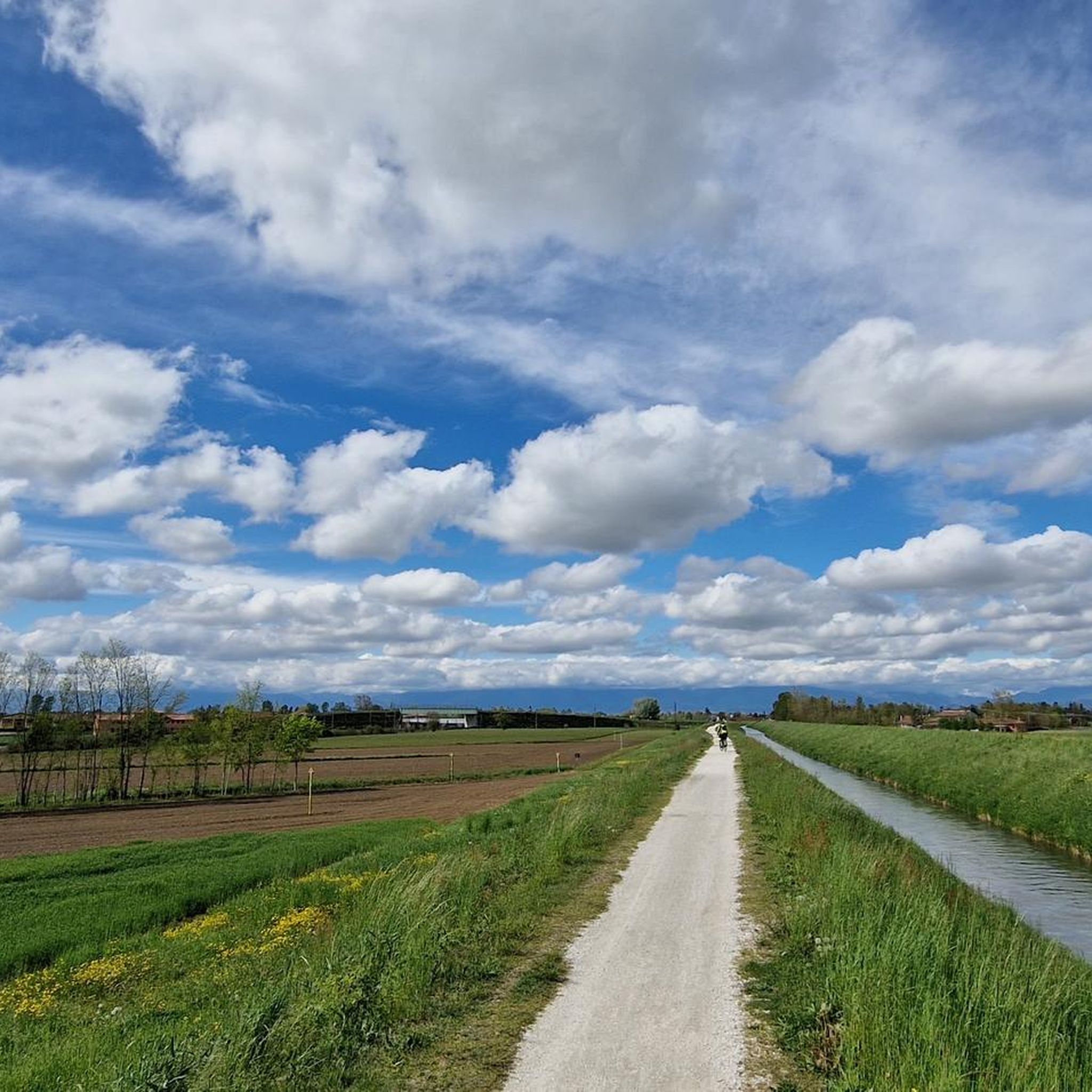
Kiosk at the Treviso-Ostiglia and Via del Santo Cycle Path Junction
Highlight • Rest Area
Translated by Google •
Tip by

Piazza Indipendenza
Highlight • Historical Site
Translated by Google •
Tip by
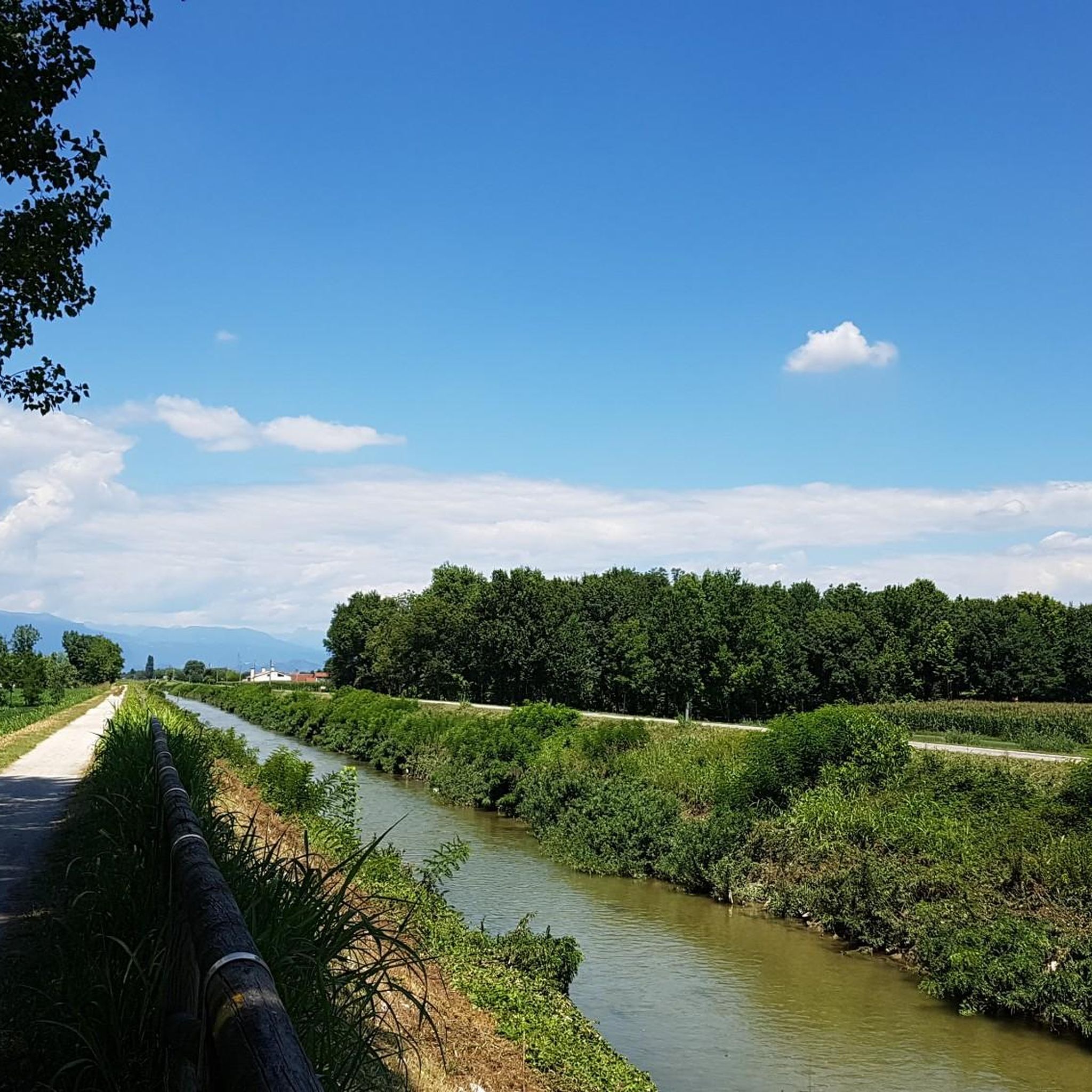
Ostiglia Refreshment Kiosk
Highlight • Cafe
Translated by Google •
Tip by

Sign up for free to discover even more attractions around Loreggia.
Sign up for free
Already have an account?
Start today with a free account
Your next adventure awaits.
Login or Signup

Tips from the Community

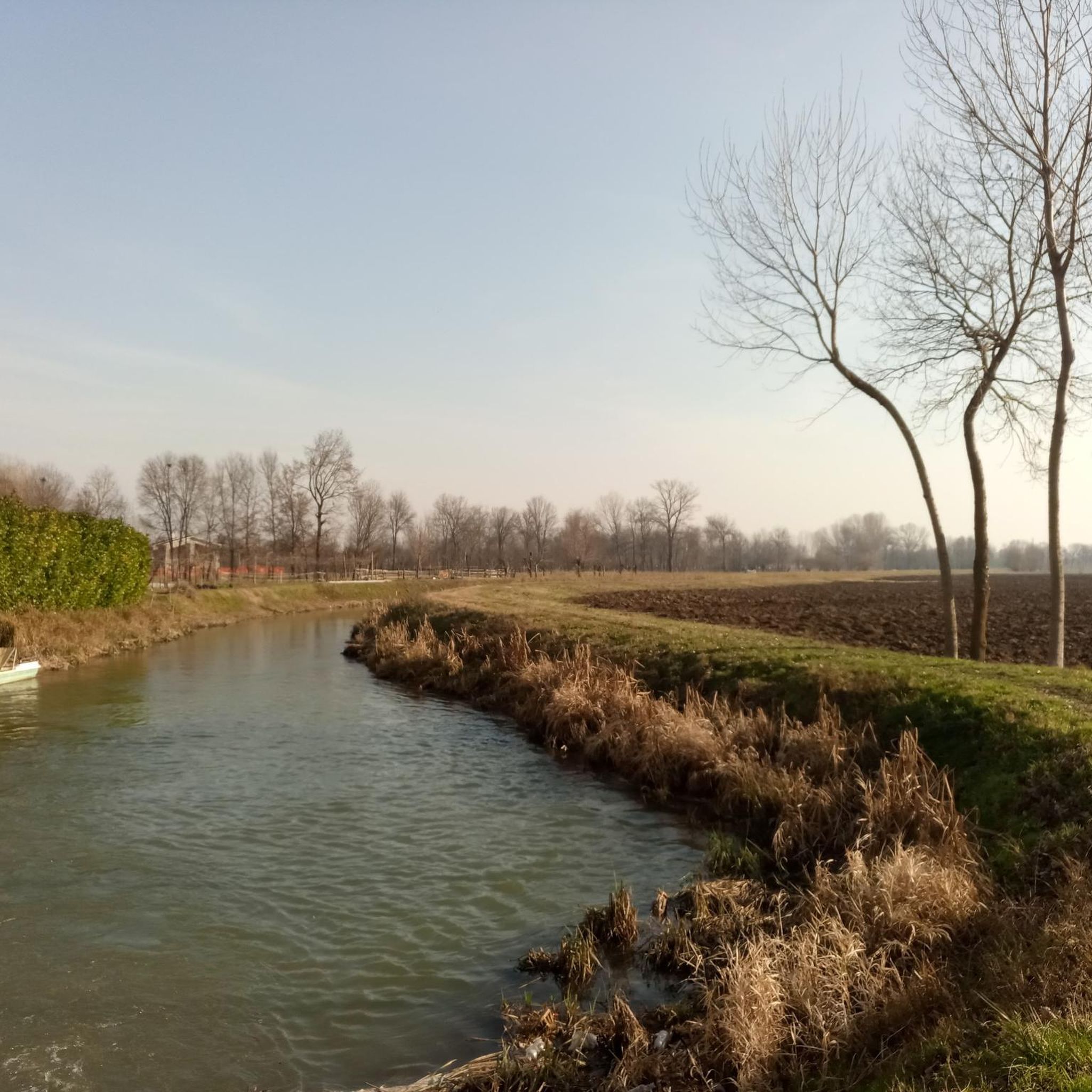
The first section of the Treviso-Ostiglia cycle path entering the province of Padua.
0
0

The Treviso-Ostiglia cycle path is an exceptional example of railway reconversion, born on the route of a 20th-century military line. With its approximately 118 kilometers, it crosses the Veneto region up to Lombardy, offering a flat path immersed in greenery. The route allows you to cycle in complete safety away from cars, passing from the Sile Park to the vast expanses of the Po Valley. The charm of the journey is enhanced by the old stations and railway houses that dot the way, witnesses of an industrial past perfectly integrated into nature. Thanks to its well-maintained surface, it is an ideal destination for families and cycle tourists who wish to discover historic villages and river oases, concluding the itinerary at the gates of Mantua, on the banks of the Po River.
2
0
The Treviso-Ostiglia cycle path is an exceptional example of railway reconversion, born on the track of a 20th-century military line. With its approximately 118 kilometers, it crosses the Veneto region to Lombardy, offering a flat route immersed in greenery. The route allows you to cycle in complete safety away from cars, passing from the Parco del Sile to the vast expanses of the Po Valley. The charm of the journey is enhanced by the old stations and railway houses that dot the path, witnesses of an industrial past perfectly integrated into nature. Thanks to its well-maintained surface, it is an ideal destination for families and cycle tourists who wish to discover historic villages and river oases, concluding the itinerary at the gates of Mantua, on the banks of the Po.
1
1
Piazza Indipendenza in Badoere is an architectural masterpiece unique in the Venetian landscape. Famous for its scenic semi-circular structure, the square is bordered by two imposing semicircular barchesse facing each other, creating a large elliptical space. One side anciently housed shops and dwellings, while the other was intended for agricultural purposes. This conformation conveys a sense of harmony and welcome, making it an open-air living room where history, craftsmanship, and markets still merge today, maintaining the intact charm of the eighteenth-century Venice.
1
0


Excellent refreshment point, also open during the week.
2
0

The nice man provided us with warm drinks and tips for the surrounding area.
2
0

Great Christian who is always present even in the cold...
2
0
Frequently Asked Questions
What historical landmarks can I visit in Loreggia?
Loreggia is home to several significant historical sites. You can explore Villa Wollemborg, a 15th-century villa with a romantic park, canals, and statues. Another notable site is Villa Contarini, which was revised in construction around 1590 by the Italian architect Vincenzo Scamozzi. While not accessible internally, the former Loreggia Station is also a historical building worth seeing from the outside.
Are there good cycling paths around Loreggia?
Yes, Loreggia is well-known for its excellent cycling paths. Popular options include the Ostiglia-Treviso Cycle Path Near Piombino Dese, which features a natural tunnel created by trees, and the Muson dei Sassi Cycle and Pedestrian Path, which combines nature and history through rural landscapes and Venetian villages. You can also access the Treviso-Ostiglia path from Silvelle at the Treviso-Ostiglia Cycle Path Access at Silvelle.
What kind of natural features can I expect to see in Loreggia?
Loreggia is characterized by a picturesque rural landscape within the Veneto plain. While there are no prominent natural reserves directly within the municipality, the cycle paths like the Muson dei Sassi Cycle and Pedestrian Path offer views of rural landscapes and follow the ancient route of the Muson river. The Ostiglia-Treviso Cycle Path Near Piombino Dese is particularly noted for its natural tunnel created by trees.
Are there family-friendly activities or attractions in the Loreggia area?
Many of the cycle paths around Loreggia are considered family-friendly, such as the Treviso-Ostiglia Cycle Path Access at Silvelle and the Muson dei Sassi Cycle and Pedestrian Path. Additionally, you'll find family-friendly facilities like the Ostiglia Refreshment Kiosk and the Kiosk at the Treviso-Ostiglia and Via del Santo Cycle Path Junction, which are great for breaks during your outdoor adventures.
What outdoor activities can I do near Loreggia?
Beyond cycling, the area around Loreggia offers various outdoor activities. You can explore numerous routes for gravel biking, mountain biking, and road cycling. For detailed routes and guides, check out the Komoot guides for Gravel biking around Loreggia, MTB Trails around Loreggia, and Road Cycling Routes around Loreggia.
Is there a museum near Loreggia?
Yes, the Museo Civico d'Arte Contemporanea "Umbro Apollonio" (M.A.C.U.A.) is located in San Martino di Lupari, a neighboring municipality. This unique museum in Italy is dedicated to Umbro Apollonio and houses over 160 works of kinetic, neo-constructivist, and optical art.
What do visitors enjoy most about the attractions around Loreggia?
Visitors particularly appreciate the extensive network of cycle paths, often highlighting the serene atmosphere of routes like the Ostiglia-Treviso Cycle Path Near Piombino Dese, especially when light filters through the natural tree tunnels. The combination of nature and history along paths like the Muson dei Sassi Cycle and Pedestrian Path is also highly valued, offering a glimpse into rural landscapes and Venetian villages.
Are there any cafes or refreshment points along the cycle paths?
Yes, there are convenient refreshment points. The Ostiglia Refreshment Kiosk is a popular spot for a coffee break, especially as it's located at the intersection of the Treviso Ostiglia, Way of St. Anthony, and Muson dei Sassi itineraries. Another excellent option is the Kiosk at the Treviso-Ostiglia and Via del Santo Cycle Path Junction, which serves as a great crossroads for deciding your next cycling direction.
What is the best time to visit Loreggia for outdoor activities?
For cycling and walking, spring and autumn generally offer the most pleasant weather. While paths like the Muson dei Sassi Cycle and Pedestrian Path are always exposed to the sun, making morning or evening preferable in summer, the cooler seasons provide comfortable temperatures for exploring the rural landscapes and historical sites.
Are there any wheelchair accessible attractions in Loreggia?
The Ostiglia-Treviso Cycle Path Near Piombino Dese is noted as being wheelchair accessible, offering an opportunity for everyone to enjoy the natural beauty of the route.
Can I find dog-friendly trails around Loreggia?
Many of the cycle and pedestrian paths in the area, such as the Muson dei Sassi Cycle and Pedestrian Path, are suitable for walking and are generally dog-friendly. However, always ensure your dog is on a leash and be mindful of other users on the paths.
What are some less crowded places to visit near Loreggia?
While the main cycle paths are popular, exploring the smaller rural roads and less-traveled sections of the Muson dei Sassi path can offer a quieter experience. The historical sites like Villa Wollemborg and Villa Contarini, outside of event times, can also provide a more tranquil visit compared to major city attractions.
Most popular routes around Loreggia
Most popular attractions around Loreggia

Get inspired with the komoot mobile app


Explore more
Still not found the Highlight you’re looking for? See guides of the top attractions in other regions:
