Top 20 Natural Monuments around Livinallongo Del Col Di Lana
Best natural monuments around Livinallongo Del Col Di Lana are found within the Dolomites, a UNESCO World Natural Heritage Site. This region features a landscape of geological formations, including prominent massifs and unique rock structures. The area offers a connection to natural history and the geological forces that shaped the Earth. Livinallongo Del Col Di Lana is characterized by its dramatic mountain scenery and diverse natural features.
Best natural monuments around Livinallongo Del Col Di Lana
- The most popular natural…
Last updated: May 29, 2026
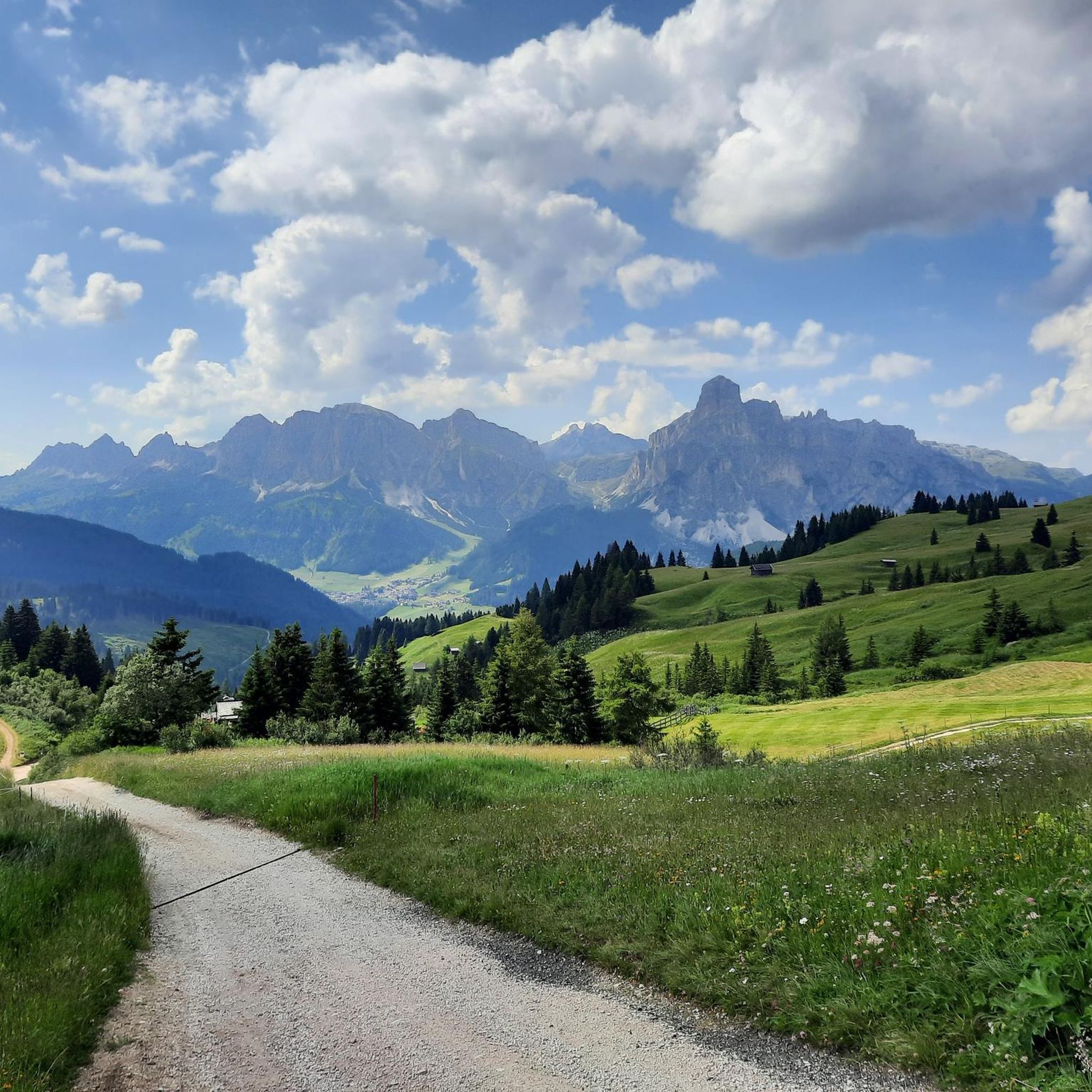
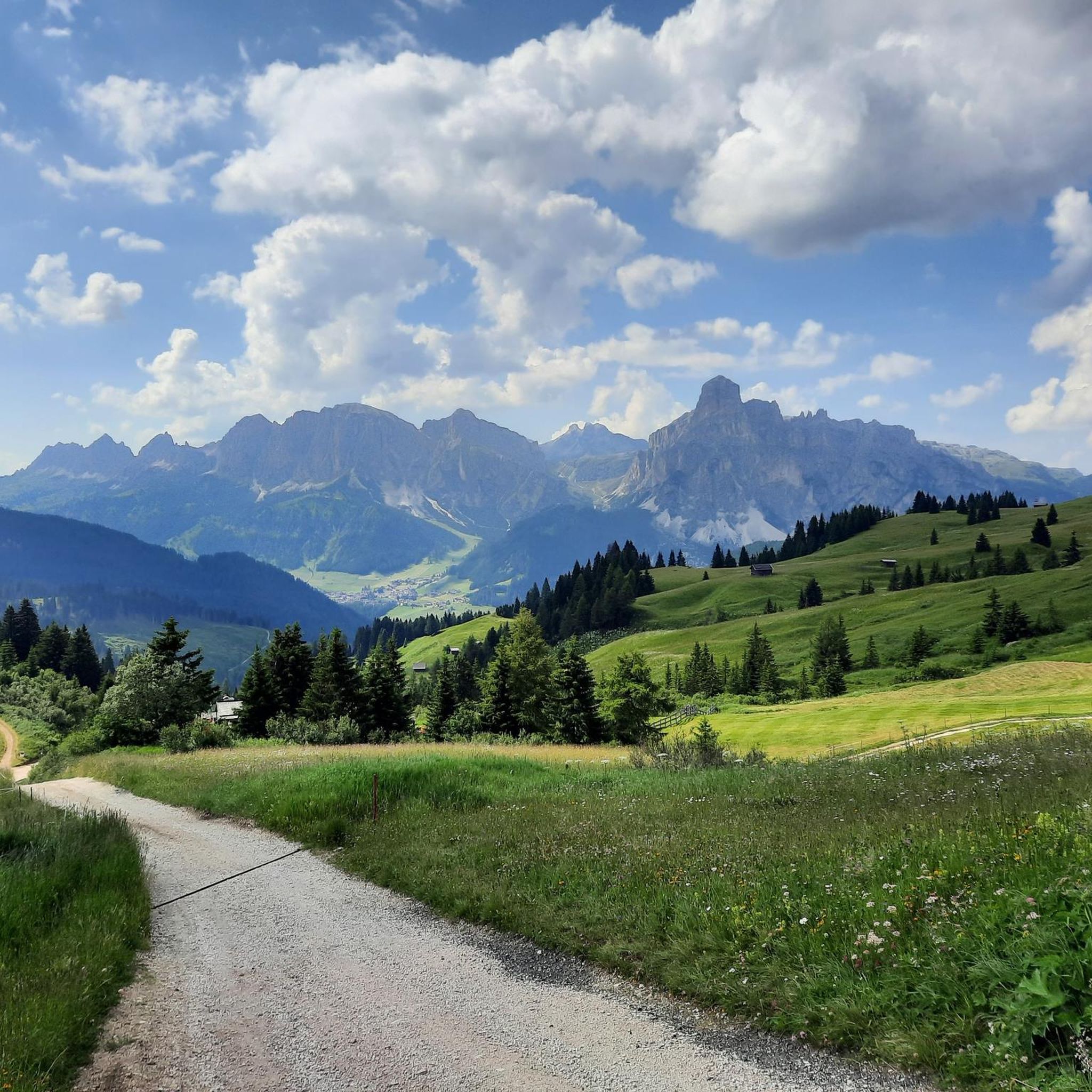
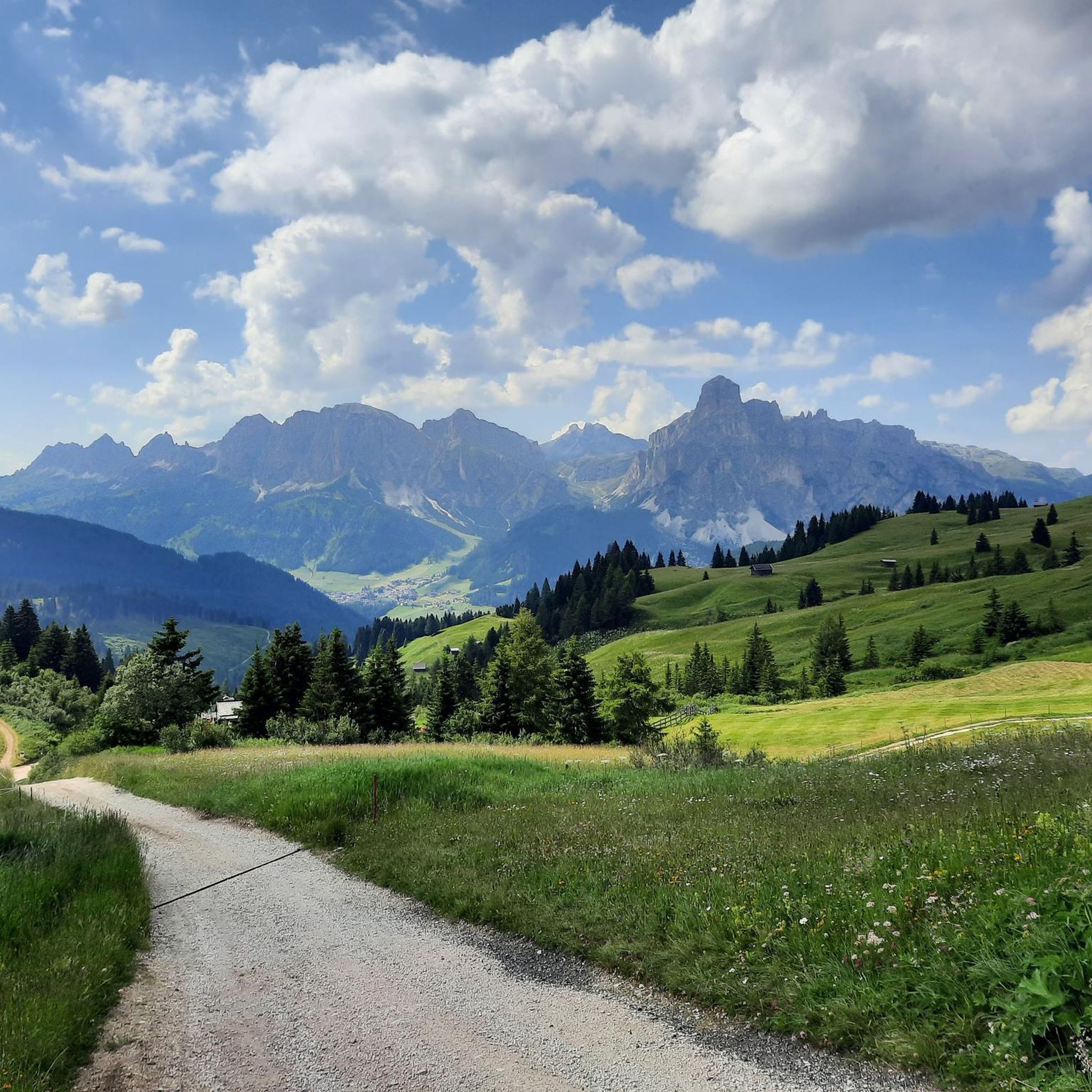
View of the Sassolungo Group
Highlight • Viewpoint
Translated by Google •
Tip by

Nuvolau Hut
Highlight • Mountain Hut
Source: rifugionuvolau.it/?page_id=253
Translated by Google •
Tip by

Sign up now to discover places like this
Get recommendations on the best single tracks, peaks, & plenty of other exciting outdoor places.
Sign up for free
Cinque Torri
Highlight • Natural Monument
Translated by Google •
Tip by

Ascent to the Forcella del Sassolungo (Sassolungo Pass)
Highlight (Segment) • Mountain Pass
Translated by Google •
Tip by

Gardena Pass
Highlight • Mountain Pass
Translated by Google •
Tip by

Sign up for free to discover even more natural monuments around Livinallongo Del Col Di Lana.
Sign up for free
Already have an account?
Start today with a free account
Your next adventure awaits.
Login or Signup
Popular around Livinallongo Del Col Di Lana
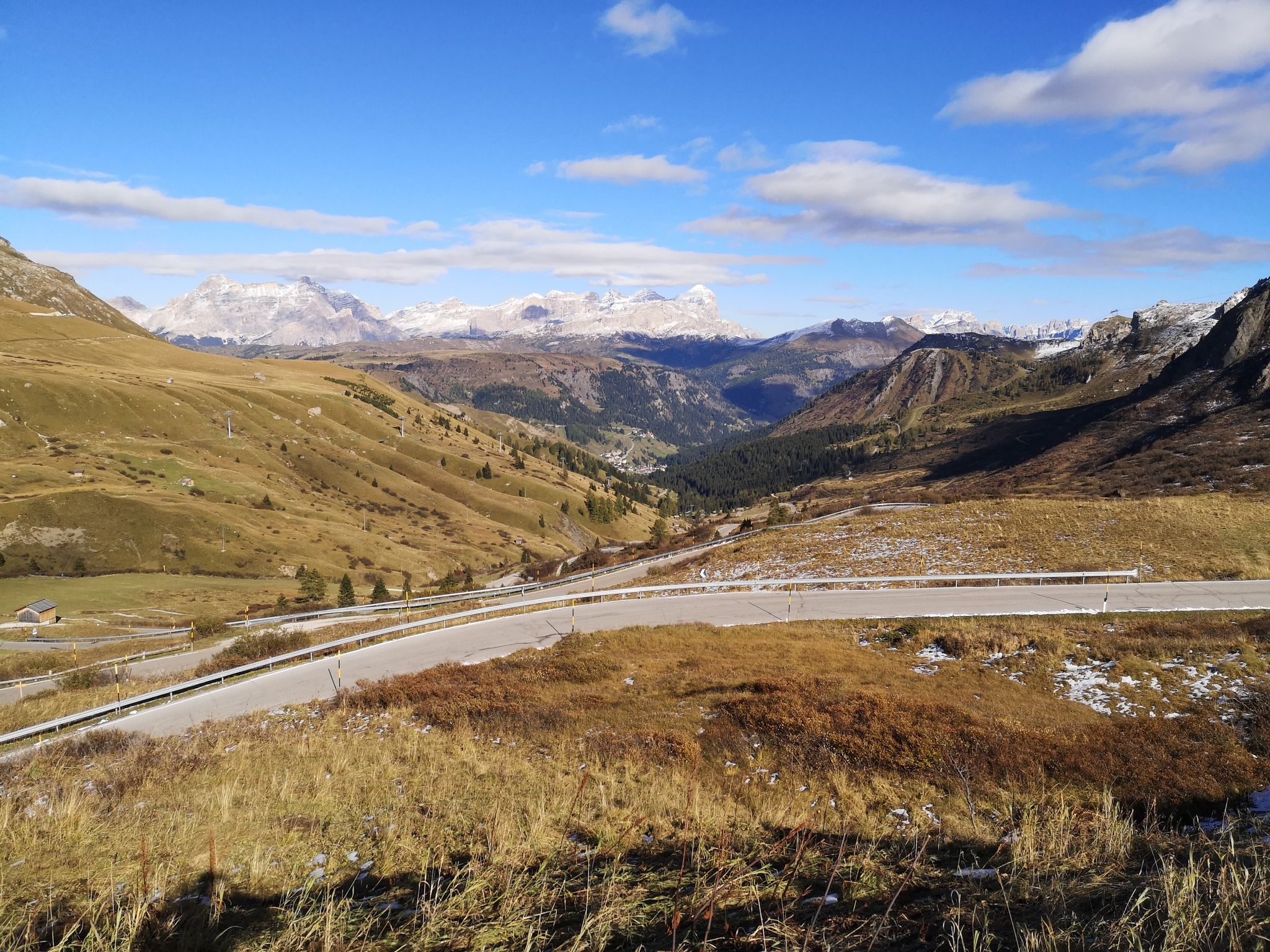
The great passes of the Giro d'Italia – 10 historic climbs
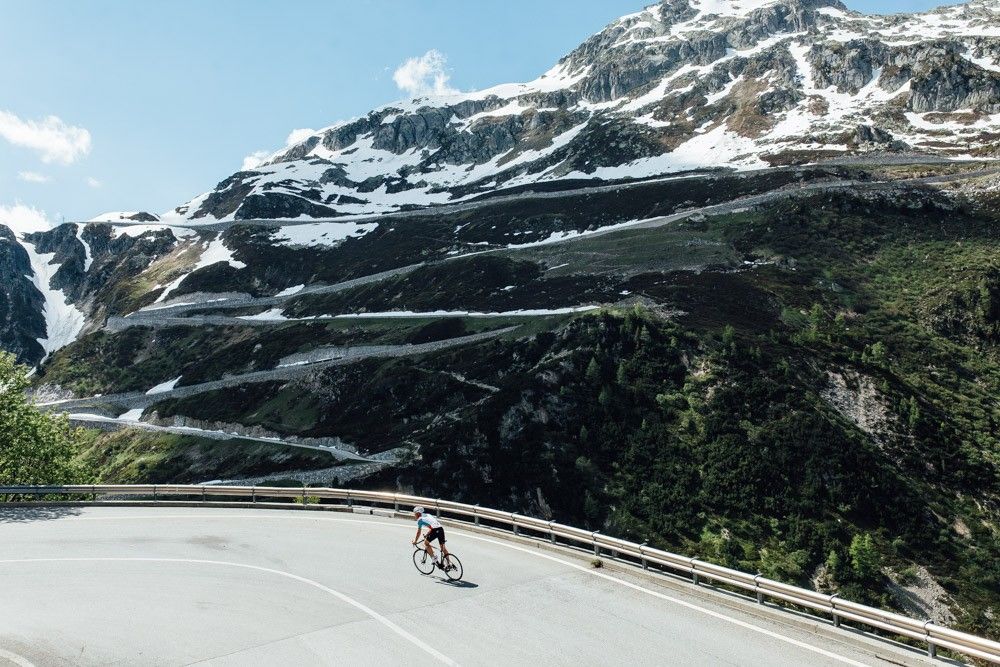
Off to the clouds on slick asphalt
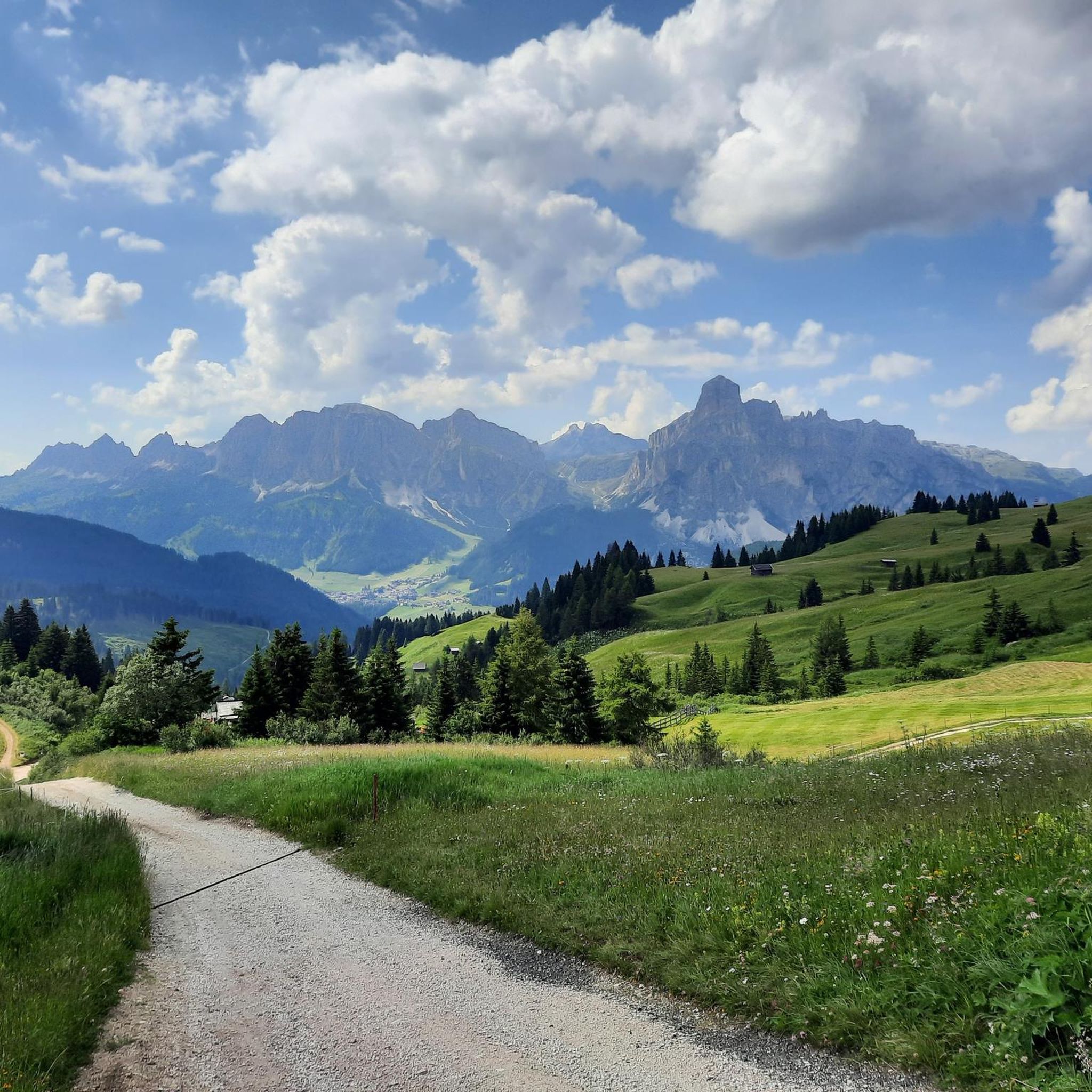
Hiking around Livinallongo Del Col Di Lana
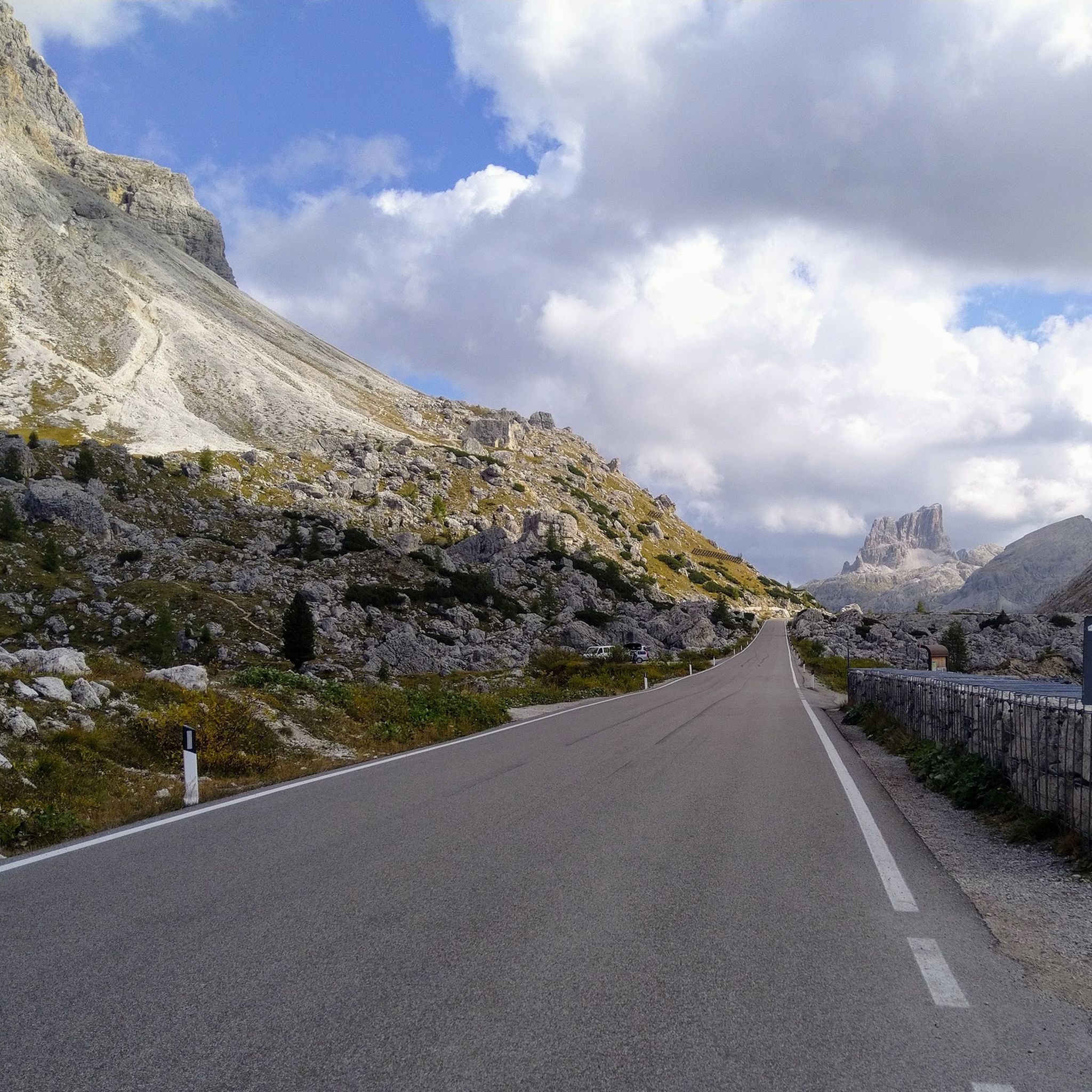
Road Cycling Routes around Livinallongo Del Col Di Lana
Cycling around Livinallongo Del Col Di Lana
MTB Trails around Livinallongo Del Col Di Lana
Mountain Hikes around Livinallongo Del Col Di Lana
Running Trails around Livinallongo Del Col Di Lana
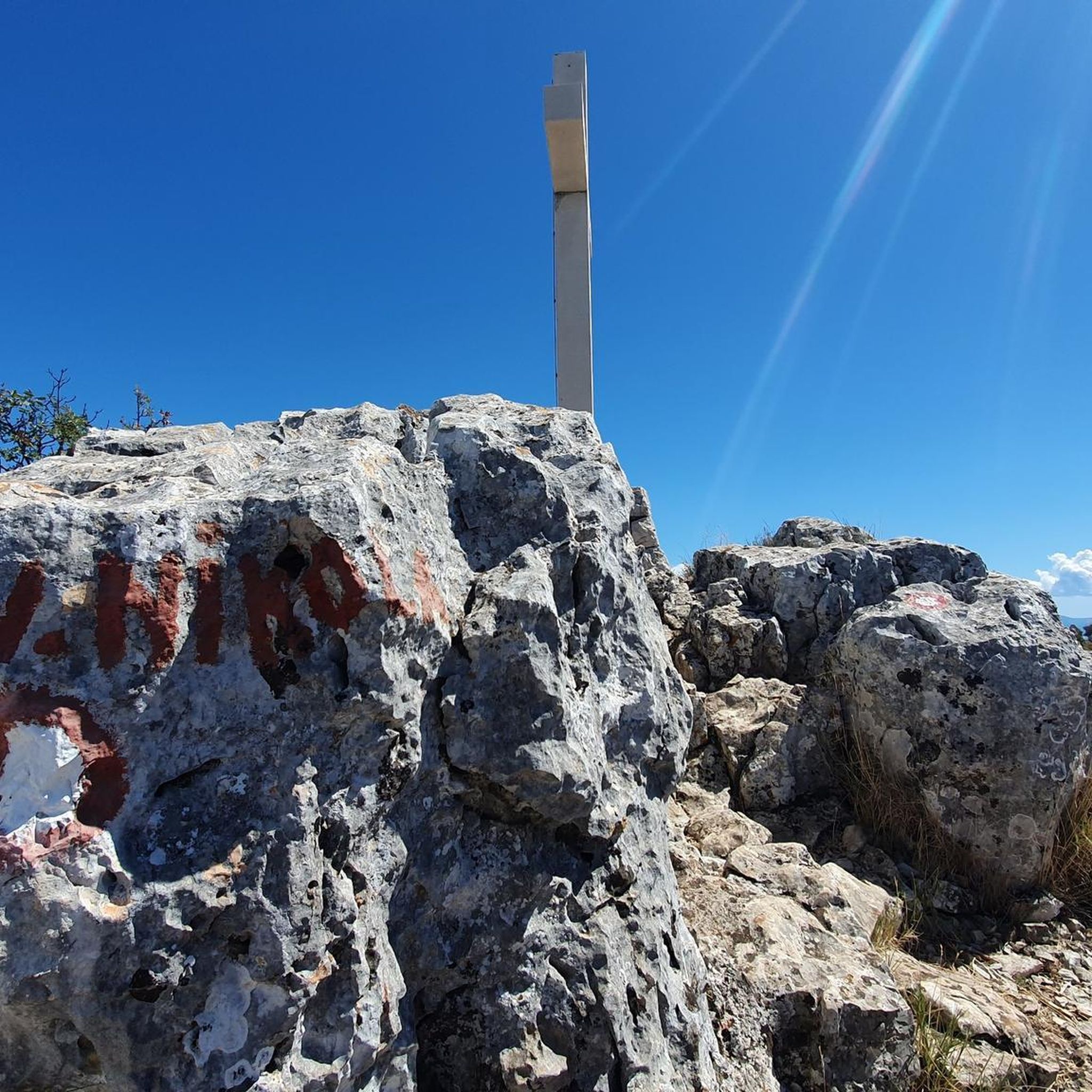
Gravel biking around Livinallongo Del Col Di Lana
Other adventures around Livinallongo Del Col Di Lana


Tips from the Community

Wonderful climb, one of the 4 passes of the Sellaronda. Beautiful
3
0


Framed by wild and evocative alpine landscapes, the Gardena Pass ("Grödner Joch" in German) represents one of the Dolomite passes frequented by man since prehistoric times.
1
0

You can see sport climbers on every corner. Just pause and watch the ladies and gentlemen doing their great sport. Really nice to look at.
13
0

Obviously a paradise for sport climbers. We were able to discover climbers in all possible and sometimes impossible places.
8
1

the hike from the closest cable car (Rifugio Averau) on a summer day is similar to the exit of a subway station in term of people density ! Fortunately, the view on the top is rewarding. And the best comes when you go down on the north ridge: after 5 minutes, the crowd is behind and you can enjoy a very nice walk. Beware of the path: 2 short sections of 40m are equipped with a cable. Easy if you have a sure foot.
6
1

Great location, good food, very friendly staff. No water for showering, hardly any power sockets in the rooms, so a power bank is necessary.
5
1

The Gardena pass, located at an altitude of 2,121 metres, is one of the most important Dolomite passes. The Gardena pass, in fact, connects Val Badia with Val Gardena. The slope that goes up from Corvara in Badia is longer and more difficult than the one that starts from Selva di Val Gardena. From the pass it is possible to admire the Sella and Cir groups.
12
5
Frequently Asked Questions
What are some of the most popular natural monuments to visit around Livinallongo Del Col Di Lana?
Among the most popular natural monuments, you'll find Cinque Torri, known for its dramatic limestone spires and climbing opportunities. Another favorite is Nuvolau Hut, which offers a magnificent panorama from Monte Nuvolau. Visitors also highly recommend the View of the Sassolungo Group for its distinct peaks and rich flora and fauna.
What makes the natural monuments in Livinallongo Del Col Di Lana unique?
The natural monuments in this region are part of the Dolomites, a UNESCO World Natural Heritage Site, characterized by their unique geological formations. You'll find dramatic limestone spires like those in the Sella Group, the distinctive dark basalt of Col di Lana, and the impressive Marmolada Massif, home to the Dolomites' only true remaining glacier. These features showcase millions of years of geological history.
What historical significance do the natural monuments in this area hold?
Many natural monuments in the area are deeply intertwined with history, particularly World War I. Col di Lana, known as the 'Bloody Mountain,' was a significant battleground, with remnants visible today. The Marmolada Massif also features a monumental area at Serauta with preserved caves and walkways from the war. Even Nuvolau Hut, one of the oldest mountain huts, has historical significance dating back to 1883.
Are there hiking opportunities near these natural monuments?
Yes, the region offers extensive hiking opportunities. For instance, the Sassolungo Group is excellent for via ferrata and mountain tours, and you can even circle the massif. The area around City of Stones also has hiking trails. You can find many mountain hikes in the area, including challenging routes like the Forcella Pordoi Hut loop or the Lagazuoi Hut loop. Explore more options on the Mountain Hikes around Livinallongo Del Col Di Lana guide.
What other outdoor activities can I enjoy around the natural monuments?
Beyond hiking, the region is a haven for various outdoor activities. The Sella Group is popular for climbing and skiing the Sellaronda circuit in winter. Cinque Torri is a renowned spot for sport climbing. The City of Stones is a paradise for bouldering enthusiasts. Road cycling is also very popular, with routes like the Sellaronda Cycle Route. Discover more on the Road Cycling Routes guide and Running Trails guide.
What is the best time of year to visit the natural monuments around Livinallongo Del Col Di Lana?
The best time to visit largely depends on your preferred activities. For hiking, climbing, and general exploration of the natural monuments, the warmer months from late spring to early autumn (typically June to September) offer the most favorable weather conditions. During winter, the area transforms into a popular destination for skiing and winter sports, with many natural monuments accessible for scenic views, though some trails may be covered in snow.
Are there family-friendly natural attractions in Livinallongo Del Col Di Lana?
Yes, there are several family-friendly natural attractions. Cinque Torri is considered family-friendly, offering beautiful nature and opportunities to watch climbers. The City of Stones also offers a unique landscape that can be explored with family, though some paths might be uneven. Many viewpoints provide easy access to stunning panoramas without strenuous hikes.
Can I find accommodation or places to eat near the natural monuments?
Yes, you can find various options for accommodation and dining. Mountain huts like Nuvolau Hut offer both food and lodging, providing a unique alpine experience. The Gardena Pass also has various accommodations. Additionally, nearby towns like Arabba and Pieve di Livinallongo offer cafes, restaurants, and pubs.
Are there any natural monuments that offer exceptional panoramic views?
Absolutely. The View of the Sassolungo Group provides impressive vistas of the Sassolungo, Marmolada, and other peaks. From Nuvolau Hut, located on Monte Nuvolau, you can enjoy a magnificent 360-degree panorama of the surrounding Dolomites. The Sella Group, particularly from Sass Pordoi (reachable by cable car), also offers exceptional panoramic views.
What kind of geological features can I expect to see?
The region is rich in diverse geological features. You'll encounter the dramatic limestone spires and towers of the Sella Group, formed from ancient tropical seas, which exhibit the famous 'alpenglow' phenomenon. Col di Lana stands out with its dark basalt and grassy slopes, a unique volcanic landmark. The Marmolada Massif showcases a striking contrast of a volcanic base with towering rocky precipices and is home to the Dolomites' largest glacier.
Are dogs allowed on trails around the natural monuments?
While many trails in the Dolomites are dog-friendly, it's always best to check specific regulations for natural parks and protected areas. Generally, dogs are permitted on trails if kept on a leash, but some areas or huts might have restrictions. Always ensure your dog is well-behaved and that you clean up after them to preserve the natural environment.
What is the Cordevole Stream and its significance to the area?
The Cordevole Stream is a vital natural waterway that crosses Livinallongo del Col di Lana. Rising between the Sella Group and the Padon mountain range, it significantly contributes to the valley's ecosystem. Its presence creates a diverse and picturesque natural environment with lush green meadows and fir forests, contrasting with the dramatic rocky mountains. It also offers opportunities for sport fishing in the summer.
Most popular routes around Livinallongo Del Col Di Lana
Most popular attractions around Livinallongo Del Col Di Lana

Get inspired with the komoot mobile app


Explore more
Extend your search for the best caves by checking out these guides of the top ones around Livinallongo Del Col Di Lana:
