The best mountain hikes around Voltago Agordino
4.8
(20)
224
hikers
20
hikes
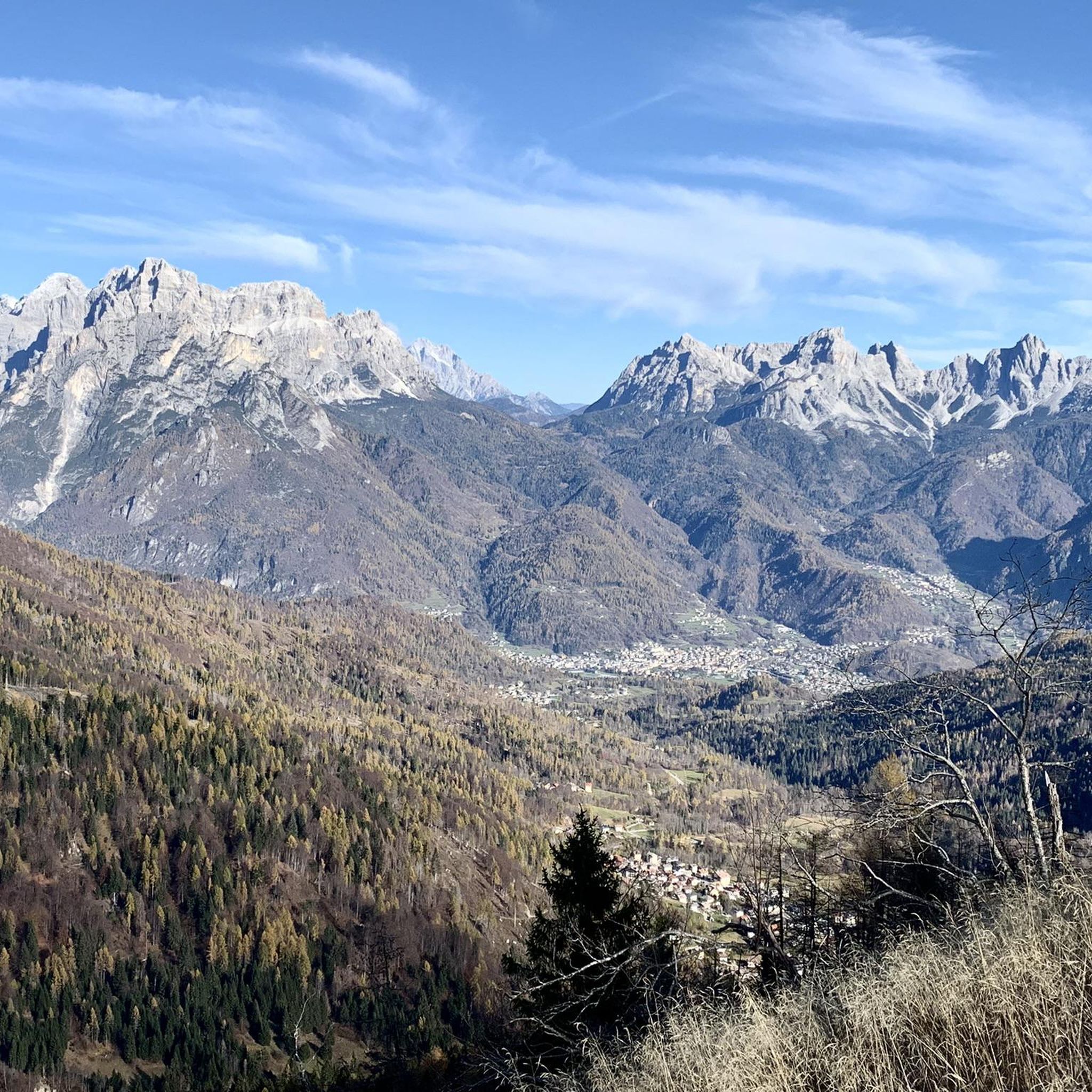
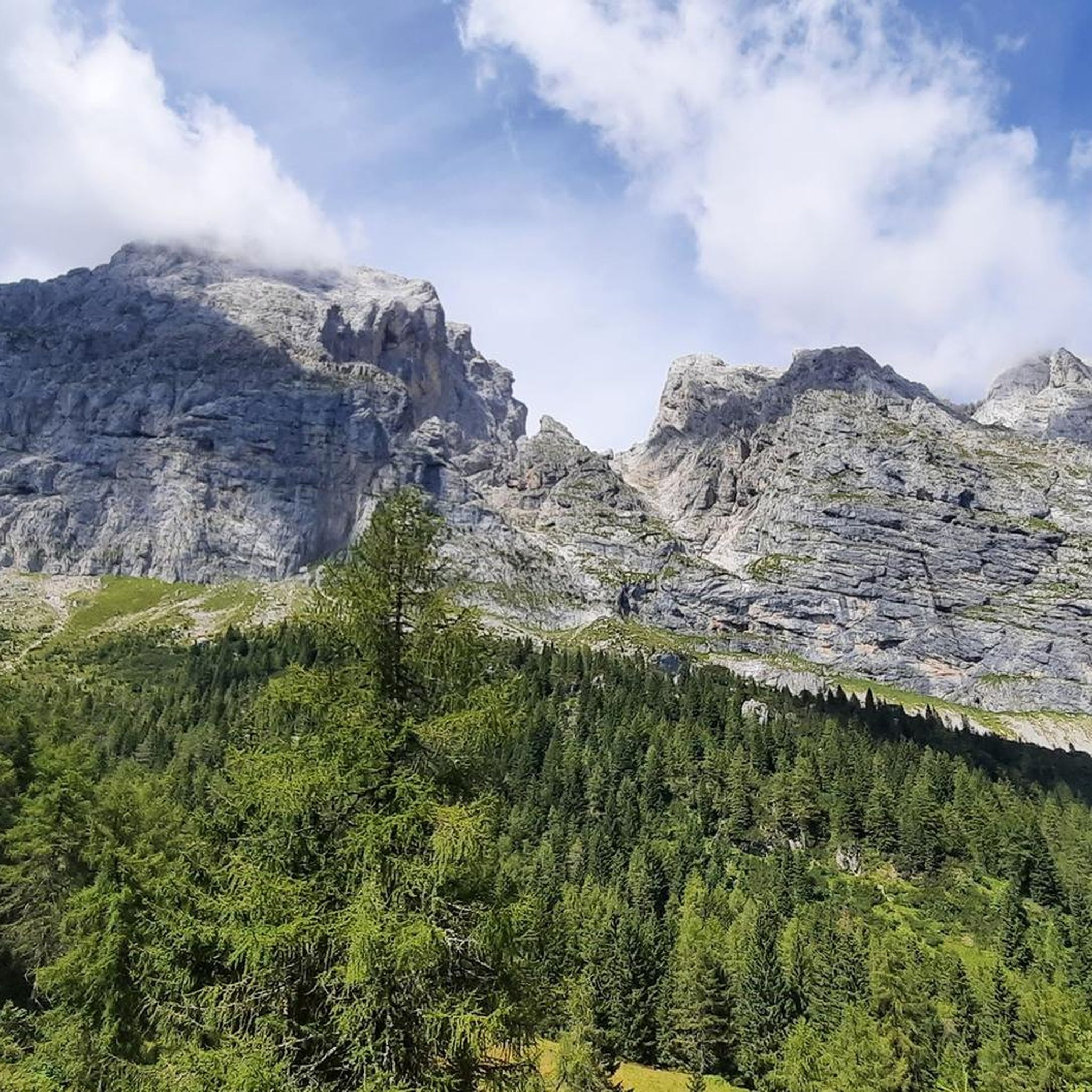
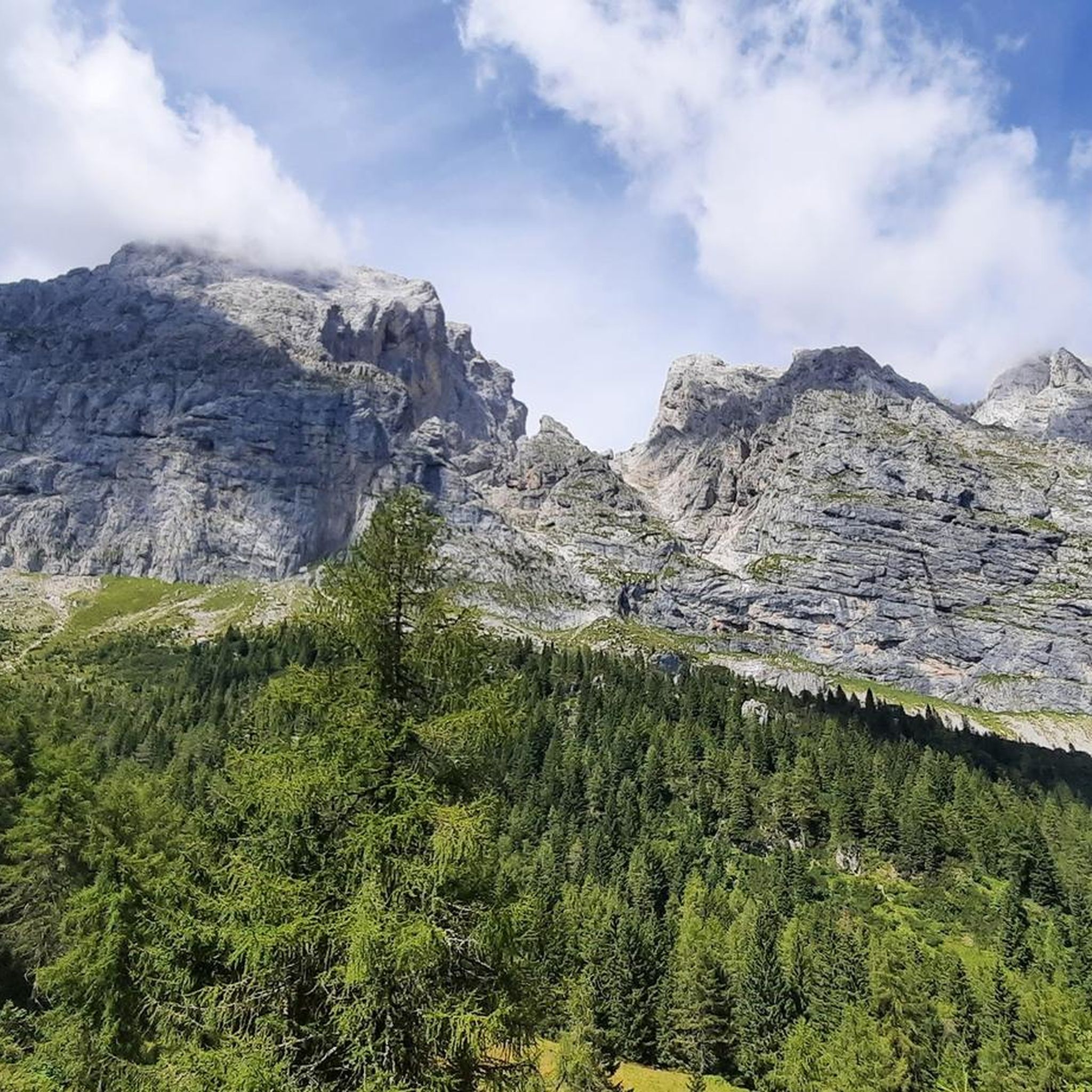
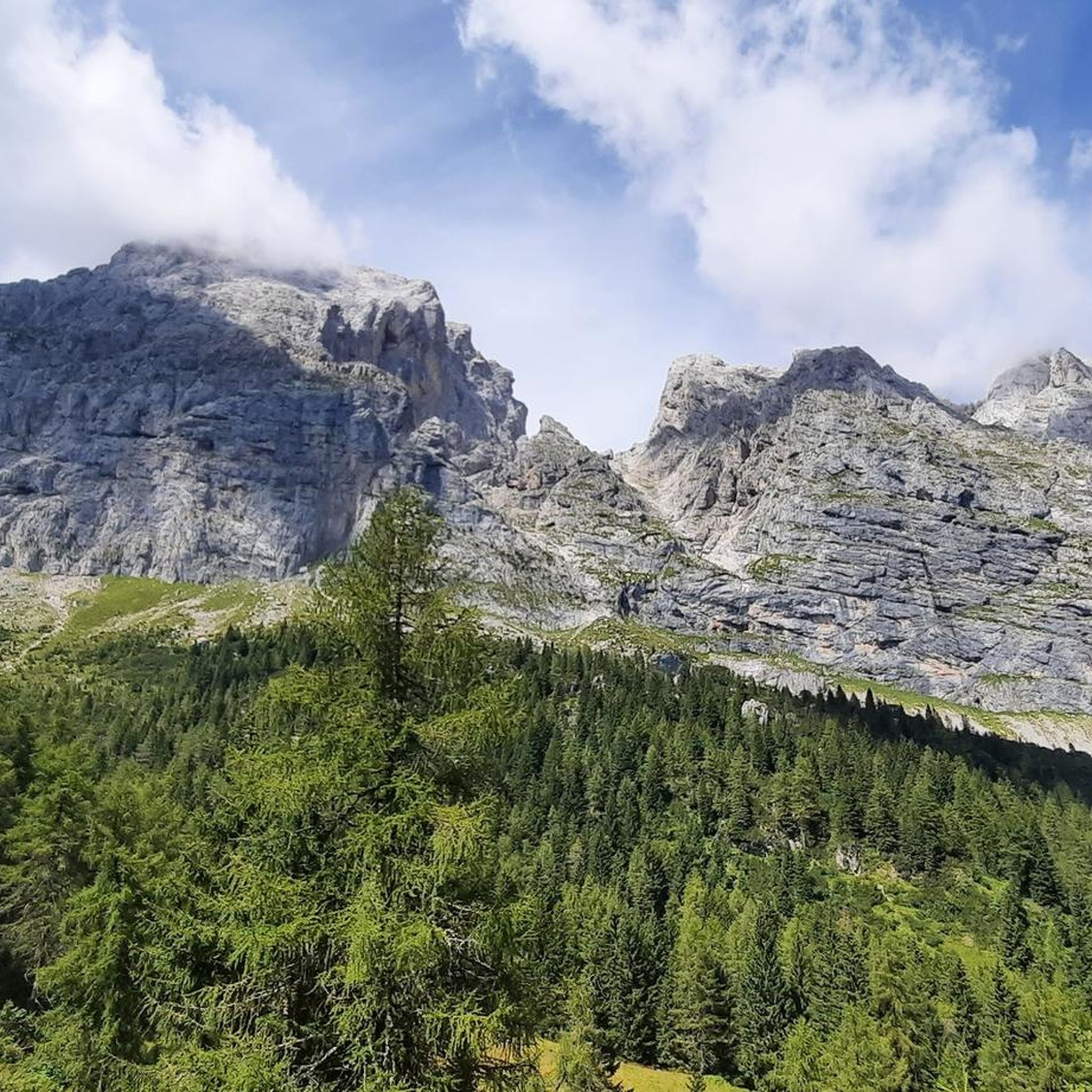
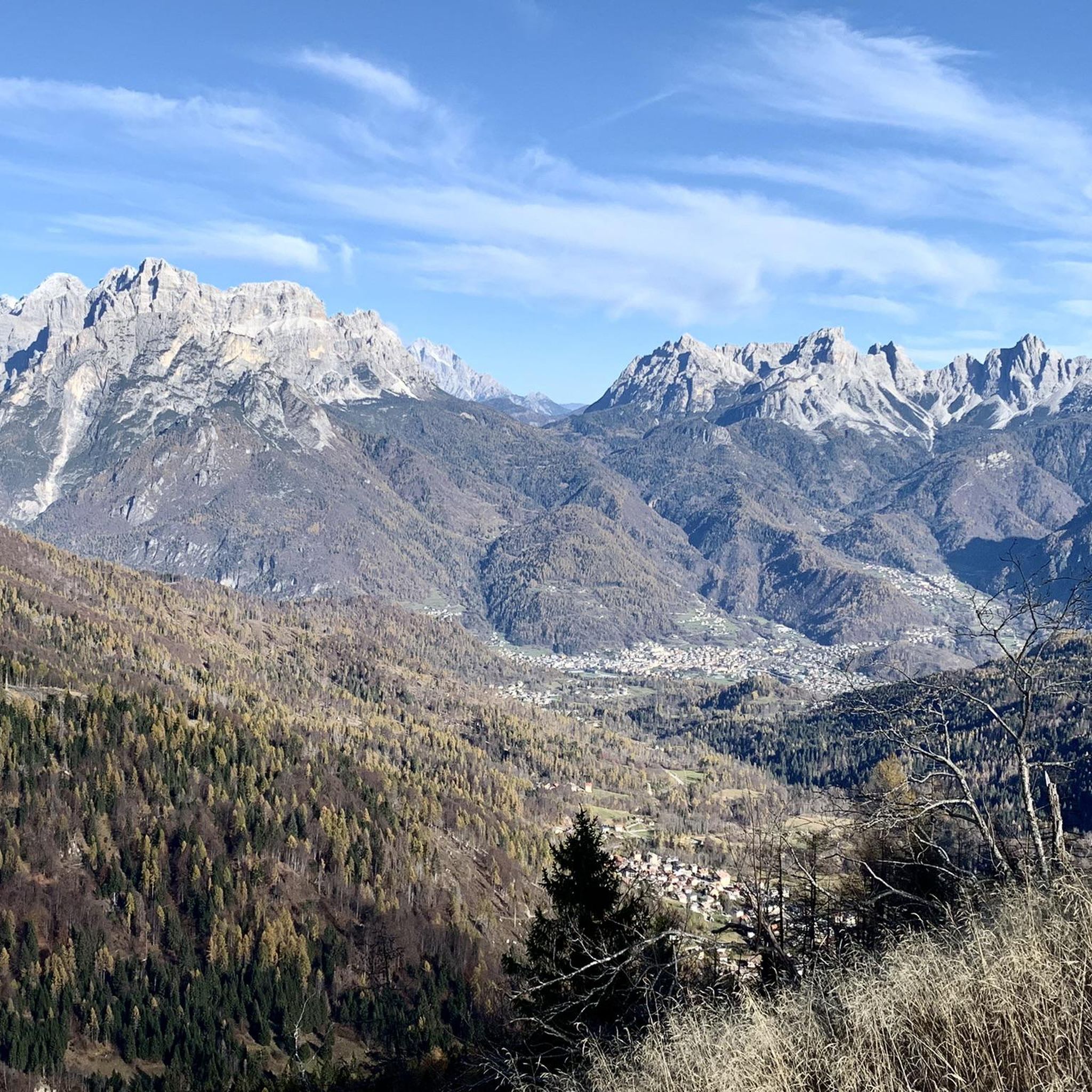
Mountaineering routes around Voltago Agordino are set within the Dolomites UNESCO World Natural Heritage Site, characterized by prominent peaks like Mount Agner and the towering spires of the Pala Group. The terrain features diverse alpine landscapes, including limestone formations and extensive larch and beech woods. This region offers a serene environment for outdoor activities, with numerous trails winding through its natural features.
Best mountaineering routes around Voltago Agordino
- The most popular mountaineering route is Rifugio Pradidali loop from Tonadico,…
Last updated: July 18, 2026
30
hikers
11.4km
06:13
1,060m
1,060m
Hard mountaineering route. Very good fitness required. Sure-footedness, sturdy shoes and alpine experience required.
5.0
(1)
15
hikers
12.2km
05:43
1,150m
1,150m
Hard mountaineering route. Very good fitness required. Mostly accessible paths. Sure-footedness required.

Sign up for free
5.0
(2)
17
hikers
Hard mountaineering route. Good fitness required. Sure-footedness, sturdy shoes and alpine experience required.
4.0
(1)
9
hikers
10.8km
05:10
700m
700m
Hard mountaineering route. Very good fitness required. Sure-footedness, sturdy shoes and alpine experience required.
5.0
(3)
14
hikers
7.75km
04:50
760m
760m
Hard mountaineering route. Good fitness required. Sure-footedness, sturdy shoes and alpine experience required.
Get access to more routes and recommendations from other explorers.
Sign up for free
Already have an account?
Our route recommendations are based on thousands of hikes, rides, and runs completed by other people on komoot.
Start today with a free account
Your next adventure awaits.
Login or Signup
Tips from the Community

Beautiful tour with wonderful views and good paths.
0
0

I was a bit disappointed with the food at the Rifugio Pradidali: - small bowl of minestrone, €10 (4 spoonfuls) - potatoes and eggs, €14 (tiny plate, about 2 bites) - bread basket, €2.50 - large bottle of water, €5 Total €31.50 If a family of four has to spend almost €130 to eat at the refuge, the mountains are only for the rich. I'm all for "supporting" refuges, but with high prices and ridiculous portions, I understand those who bring their own sandwiches. And I don't expect to find gourmet dishes, much less trucker-sized portions at a trattoria. PS: It's in a stunning location, and the staff is very kind and friendly.
3
0

The Carestiato Refuge (1,834 m) stands on the panoramic Còl dei Pass, at the base of the southern faces of the Moiazza. It was built after World War II thanks to a courageous initiative by the Agordina Section of the Italian Alpine Club (CAI). The project was largely supported by the Carestiato family, in memory of their young son Bruto (1921-1943), who died in the Civetta massif. Còl dei Pass, chosen for the refuge, was at that time accessible only by a path used by herds from the nearby mountain pasture: all the necessary materials were therefore carried on the shoulders of endless teams of volunteers who ascended from Passo Duràn. Later, the collaboration of the Alpine troops from the XXII Marzo 1848 Barracks, who intervened several times with their pack animal unit, proved providential. Only the framework was prepared by sourcing wood from the adjacent wooded area and transported to the hill via rudimentary cableways. Over the years, the refuge has undergone technical and structural modernizations to provide logistical assistance to its numerous hikers. The current access (trail 549) was completed in 1978 and subsequently expanded several times. A unique feature is the crossing of the enormous Val di Vie gravel flow, which often blocks the dirt road. The water intake for the refuge's aqueduct is located here, supplied by a modern pumping station. The old structure underwent a radical renovation in 2005-2006, bringing the refuge to a modern and efficient standard through the expansion and modernization of the sleeping accommodations, kitchen area, and outdoor terrace. These works began under the presidency of Giorgio Fontanive and were completed thanks to funding from the Veneto Region, along with funds acquired from the sale of the "Cesare Tomè" refuge at Passo Duràn. The Carestiato Refuge has 8 bedrooms, each with 4 bunk beds, and an additional 4 bedrooms in the annex at the back. From here, the view sweeps across the Agordina Valley and its surrounding mountains: Monte Célo, Monti del Sole, Vette Feltrine, and the Croda Granda-Agnèr mountain range. www.rifugiocarestiato.com
1
0

The summit of Vezzana, or more simply Vezzana, is the highest mountain of the Pale di San Martino (3,192 m above sea level) and is located on the border between the municipal territory of Canale d'Agordo and Primiero San Martino di Castrozza.
0
0

last stage on a towering height
0
0

Superb alpine excursion from the cant del gal to the legendary Pradidali refuge
1
0


especially in winter it is advisable to stay on the pre-summit, without risking avalanches by crossing the snow cornices to reach the real summit
1
0
Frequently Asked Questions
What is the overall difficulty of mountaineering routes around Voltago Agordino?
The mountaineering routes in this area are predominantly challenging. Out of 21 available routes, 16 are classified as difficult, with 5 being moderate. This region is known for its rugged Dolomitic landscape, offering significant ascents and demanding terrain.
Are there any family-friendly mountaineering options near Voltago Agordino?
While many routes are difficult, the broader Agordino region offers a range of outdoor activities. For families, consider the "Giro de le Zime" (Peaks' Tour), a 4.5 km panoramic walk with informational panels, or the "Fabio Miniussi" Nature Trail, which allows appreciation of alpine flora. These are generally more accessible than the advanced mountaineering routes.
What are some notable natural features or landmarks to see while mountaineering?
The routes offer views of iconic Dolomite peaks like Mount Agner, the Pale di San Martino, Moiazza-Civetta, and Croda Granda. You might also encounter highlights such as Cima Rosetta or Vezzana Summit. The area is characterized by dramatic limestone formations and expansive larch and beech forests.
What is the best time of year for mountaineering in Voltago Agordino?
The best time for mountaineering is typically from late spring through early autumn, when trails are clear of snow and weather conditions are more stable. Autumn offers a spectacular display of colors in the larch and beech forests. Winter mountaineering is possible but requires specialized equipment and experience due to snow and ice.
Are there any circular mountaineering routes in the area?
Yes, several routes offer a circular experience. One challenging option is the Rifugio Pradidali loop from Tonadico, a difficult 11 km trail. Another is the Rifugio Rosetta Pedrotti – Passo Pradidali Basso (2658 m) loop from Pale di San Martino, also difficult and offering expansive views of the Pala Group.
Are dogs allowed on the mountaineering trails around Voltago Agordino?
While specific regulations can vary, many trails in the Dolomites are dog-friendly, especially if dogs are kept on a leash. It's always advisable to check local signage or park regulations for specific routes, particularly within protected areas, to ensure compliance.
What do other mountaineers say about the routes in Voltago Agordino?
The mountaineering routes in Voltago Agordino are highly rated by the komoot community, with an average score of 4.7 stars from around 20 reviews. Mountaineers often praise the majestic peaks like Mount Agner, the impressive Pala Group, and the serene larch and beech woods, highlighting the challenging yet rewarding nature of the trails.
Are there any mountain refuges along the routes for rest or accommodation?
Yes, mountain refuges are an integral part of the mountaineering experience here. Notable refuges include Rifugio Rosetta Pedrotti, Bruto Carestiato Hut, and Treviso Hut in Val Canali. These offer opportunities for rest, meals, and sometimes overnight stays, providing a crucial support network for longer treks.
Do I need any permits for mountaineering in Voltago Agordino?
Generally, permits are not required for hiking or mountaineering on established trails in the Dolomites. However, certain protected areas or specific via ferrata routes might have regulations or require booking. It's always good practice to check with local tourist information or park authorities for the most current requirements, especially for more technical climbs.
Where can I find parking for mountaineering trails in Voltago Agordino?
Parking is typically available at trailheads or near villages that serve as starting points for routes. For example, routes like the Cimerlo – Cima della Stanga loop start from areas like Villa Welsperg, which usually have designated parking. It's advisable to research specific route starting points for parking availability.
Are there any less-known or 'hidden gem' mountaineering routes?
While specific 'hidden gems' are often discovered through local knowledge, the region around Voltago Agordino itself is considered less crowded than some other parts of the Dolomites. Exploring trails that lead to less frequented peaks or through the extensive larch and beech forests can offer a more tranquil experience away from the main tourist hubs.
Most popular attractions around Voltago Agordino

Get inspired with the komoot mobile app


Explore more
Browse the best Mountain Hikes & Routes in other regions.
