The best MTB trails around Straßberg
4.5
(157)
411
riders
25
rides
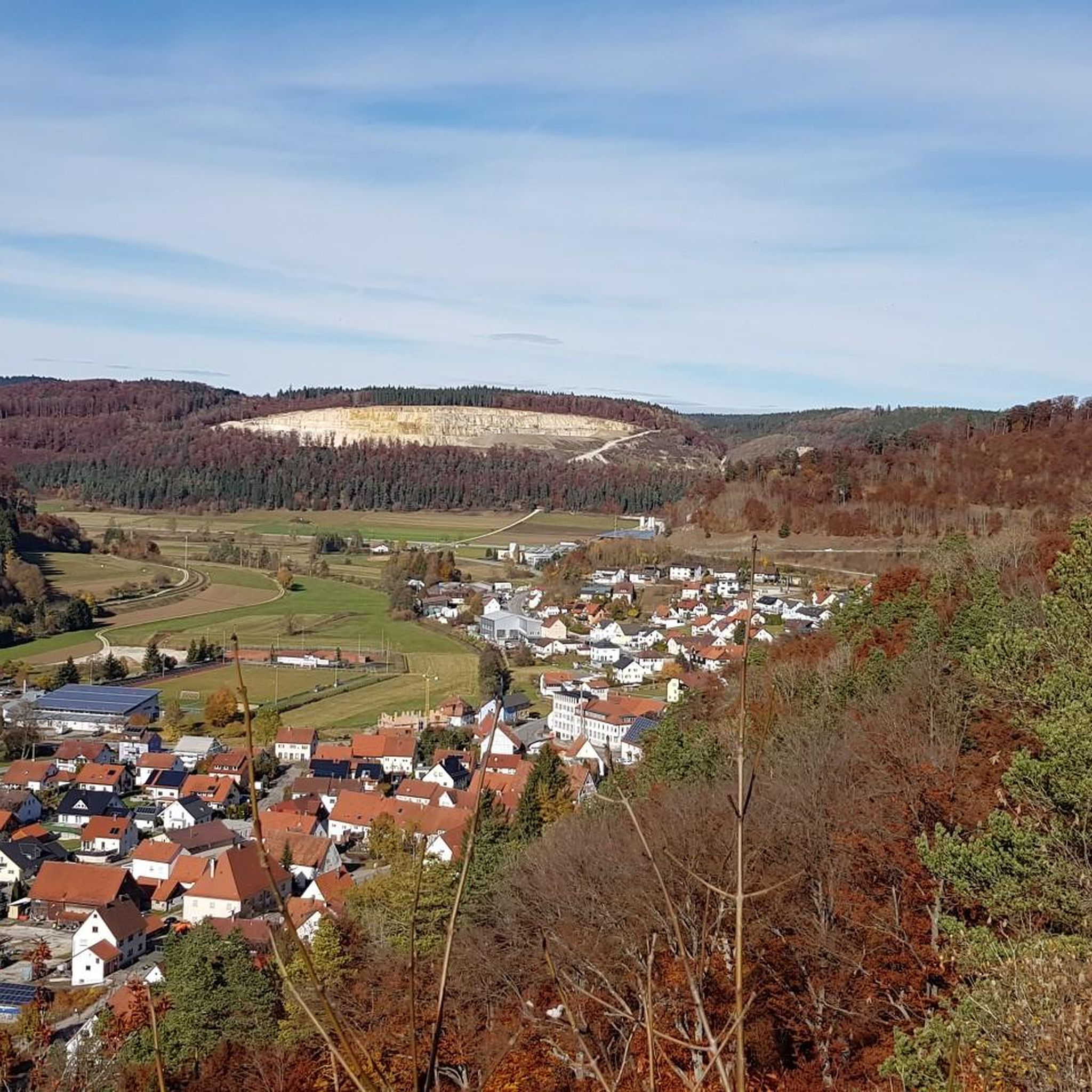
Mountain bike trails around Straßberg are set within the diverse landscapes of the Swabian Alb and close to the Black Forest. The region features rolling hills, extensive forests, grasslands, and juniper heaths, providing varied terrain for mountain biking. Riders can expect a mix of challenging climbs and rewarding descents through picturesque valleys and past unique rock formations. This geographical setting offers a range of natural features suitable for different mountain biking experiences.
Best mountain bike trails around Straßberg
- The most…
Last updated: November 3, 2026
4.8
(68)
119
riders
Moderate mountain bike ride. Good fitness required. Advanced riding skills necessary.
4.7
(21)
55
riders
47.7km
03:25
600m
600m
Moderate mountain bike ride. Good fitness required.

4.7
(13)
44
riders
Easy mountain bike ride.
5.0
(7)
16
riders
Moderate mountain bike ride. Good fitness required. Advanced riding skills necessary.
3.8
(8)
19
riders
Moderate mountain bike ride. Good fitness required. Advanced riding skills necessary.
Get access to more routes and recommendations from other explorers.
Already have an account?
Our route recommendations are based on thousands of hikes, rides, and runs completed by other people on komoot.
Start today with a free account
Your next adventure awaits.
Tips from the Community

The first documentary mention of Sigmaringen Castle can be found in the year 1077, in the annals of the Petershausen monastery. It reports on the stay of King Henry IV during his investiture controversy with the Pope – an indication that the castle already had strategic importance at that time. The oldest surviving parts of the building date back to the Staufer period around 1200. These include the castle gate, the palas, and the keep. Over the centuries, the castle was repeatedly expanded, rebuilt, and adapted to the changing needs of its inhabitants. The 15th and 16th centuries in particular were characterized by profound structural changes. A first major construction period goes back to the Counts of Werdenberg, who began in the 15th century to expand the castle into a representative residence. The expansion to the northeast is documented today only by the preserved lintel on the so-called Swedish Tower with the year 1498. A few years later, another extension to the west followed. With the handover of the castle to the Hohenzollern-Sigmaringen line in 1535, a new era began. Count Karl II of Hohenzollern-Sigmaringen (1576–1606) had the castle extensively rebuilt and expanded it according to modern standards. Another milestone was the merging of two separate building parts by Michael Beer around 1650. The master builder, who came from the Bregenzerwald, connected the facilities from the Werdenberg period into a uniform castle architecture. In the 18th century, mainly smaller renovations and furnishing measures followed. Particularly noteworthy is the establishment of a Knights' Hall in 1736, which was redesigned and restored as an Ancestral Hall in 1878. In the course of the emerging Neo-Gothic style, the castle was further redesigned in the second half of the 19th century by the princely master builder Josef Laur. A dramatic event shook the castle in 1893, when a devastating fire destroyed large parts of the complex. As a result, one of the most significant renovation phases in the castle's history took place. The architectural conclusion of this phase is marked by the Portuguese Gallery, completed in 1907. It forms an elegant connection between the castle wings and separates the inner courtyard from the city side – a masterpiece of courtly representative architecture. https://hohenzollern-schloss.de/de/component/content/article/65-historie?catid=2
2
0

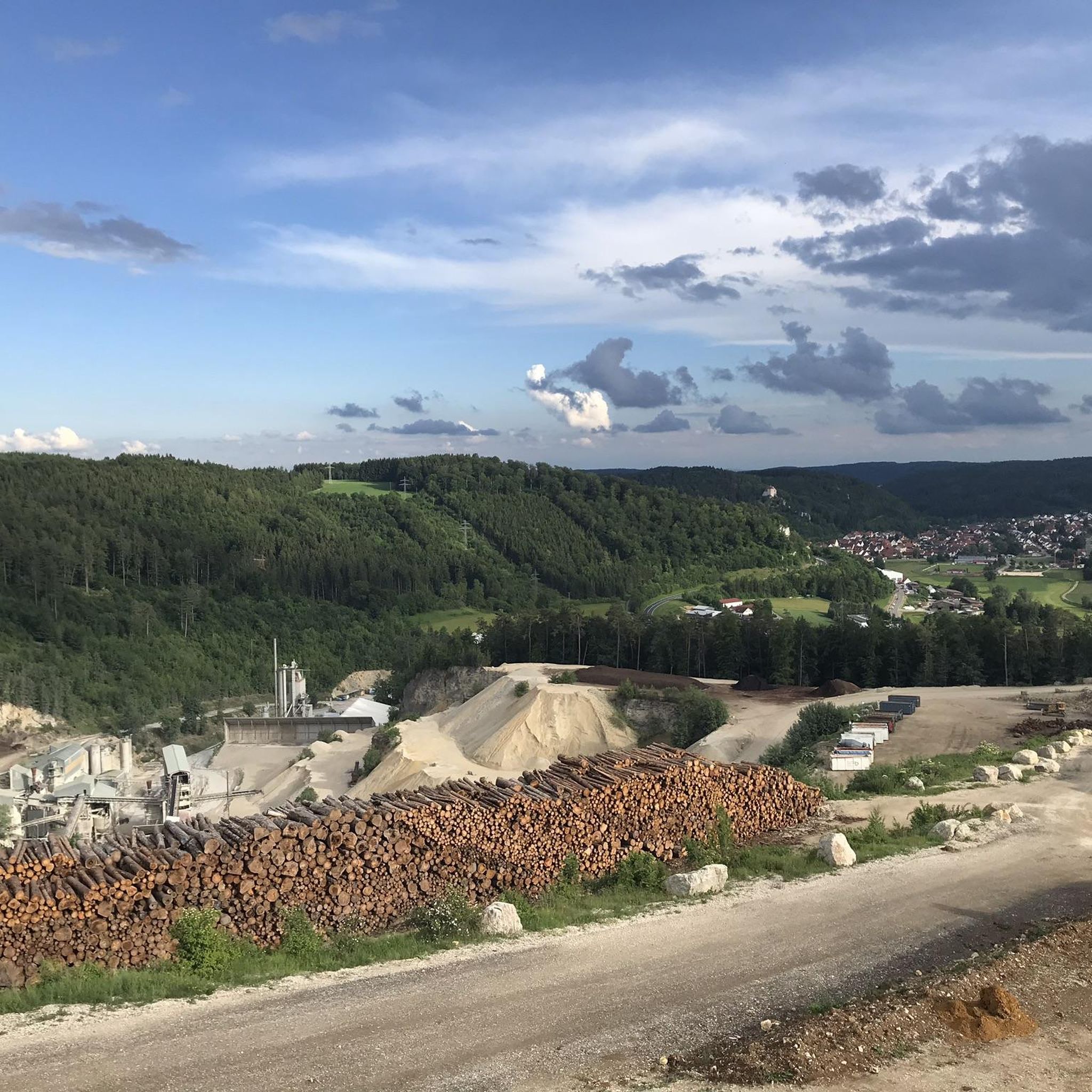
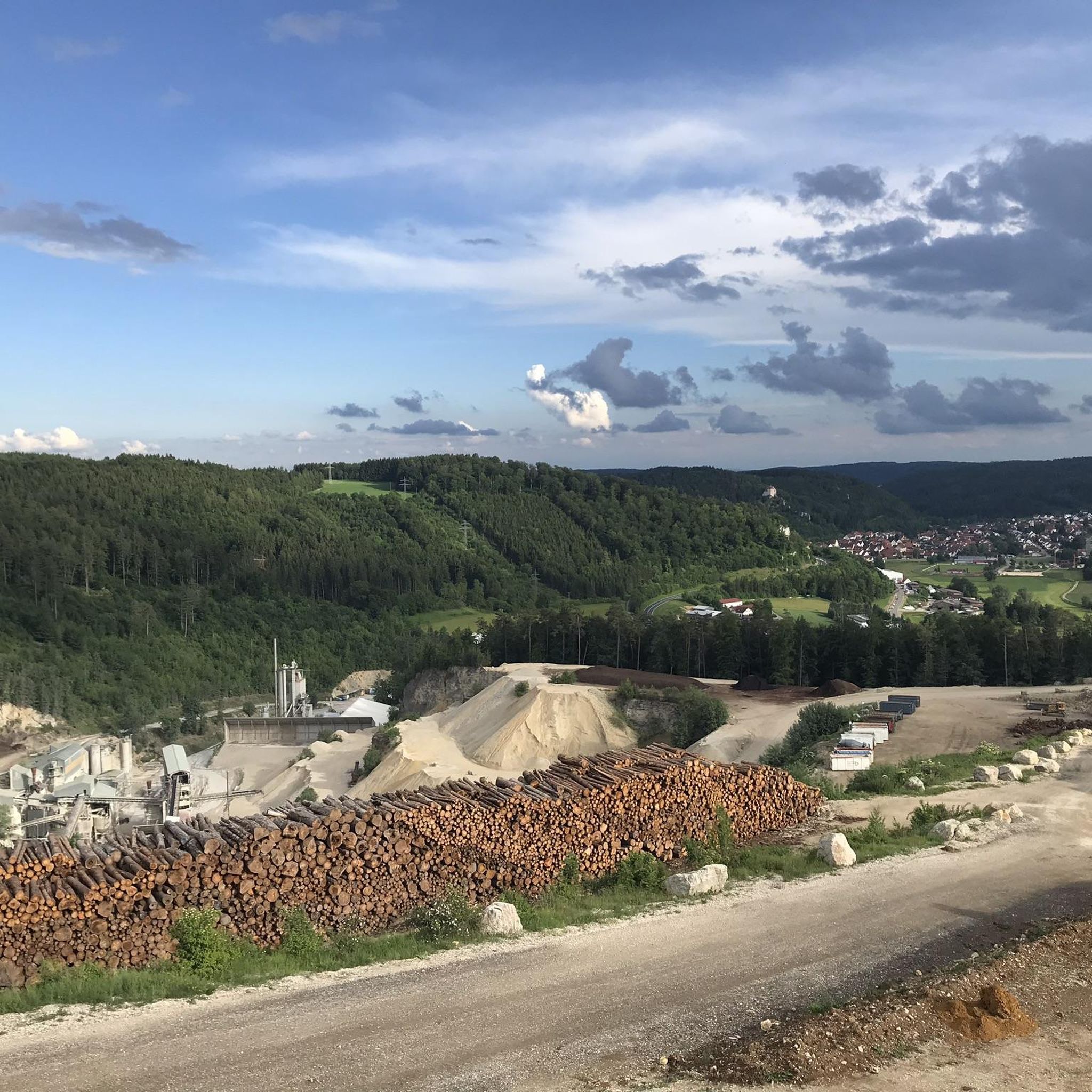
Between Tuttlingen and Sigmaringen there are countless beautiful places worth seeing.
0
0

The Hohenzollern Castle Sigmaringen was first mentioned in documents in the year 1077 and originally originated as a medieval castle on a rock above the Danube. Over the centuries, the complex was expanded several times and developed into a representative residence of the Princes of Hohenzollern-Sigmaringen. After a devastating fire in 1893, large parts of the castle were rebuilt in the historicist style. The castle was the political and cultural center of the Principality of Hohenzollern-Sigmaringen for many generations. Today, it houses significant art, furniture, and weapons collections and is one of the region's most famous attractions.
2
0

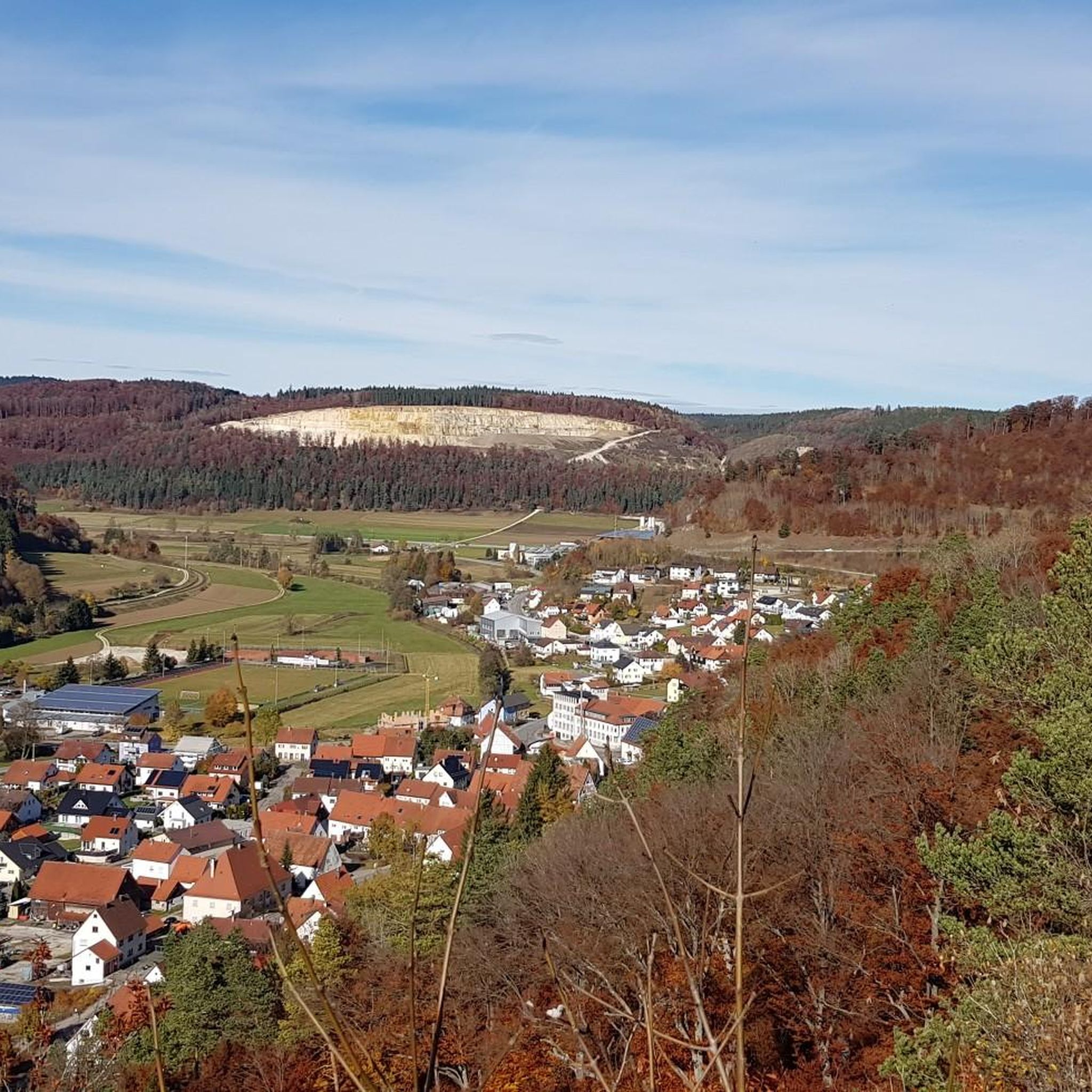
From Neufra to the confluence with the Lauchert (or vice versa), you can enjoy a wonderful walk along the small Fehla river through its gentle valley, even occasionally crossing to the other side. Very relaxing and far from the major tourist hotspots of the Swabian Alb.
0
0

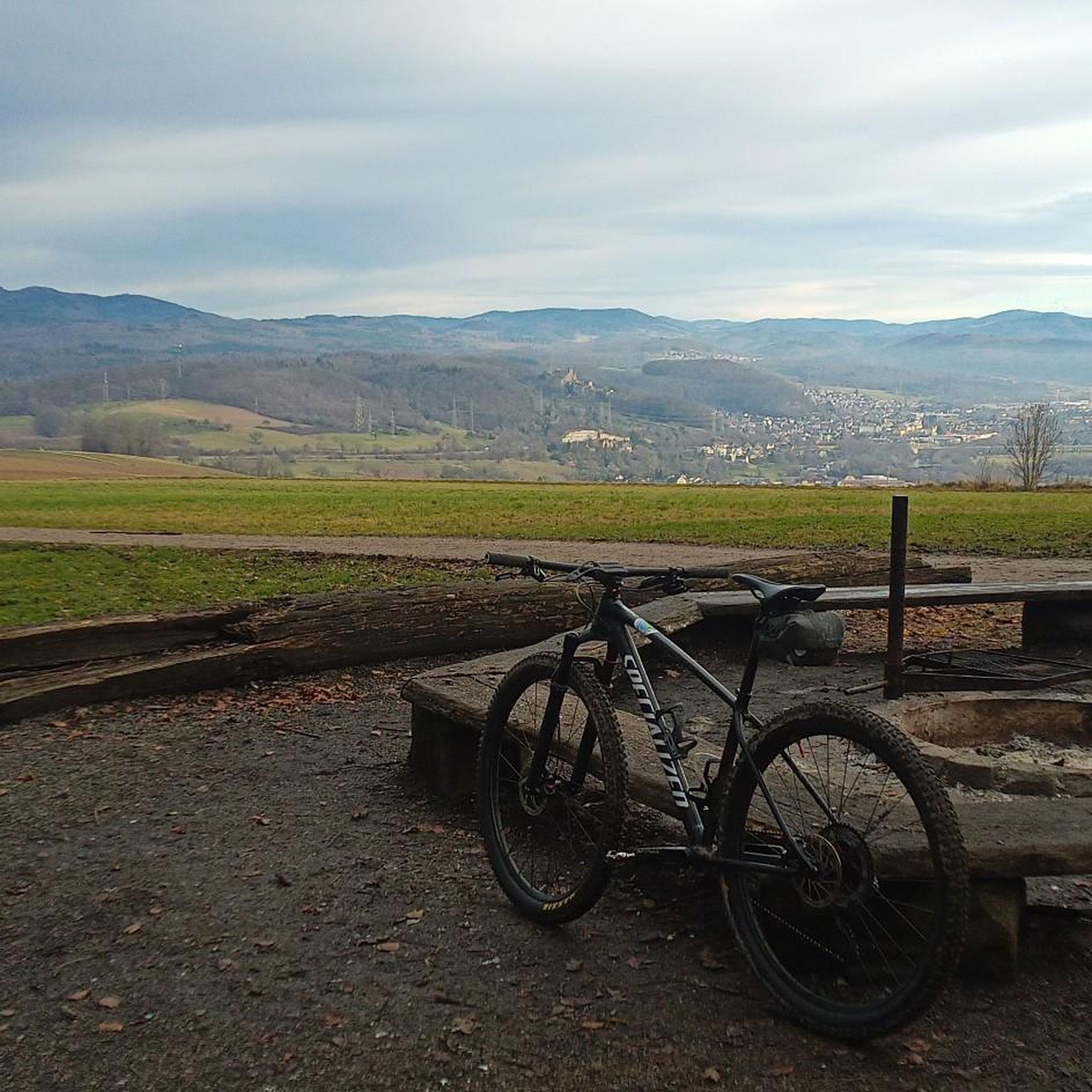
It is a very idyllic place where you can take a break
7
0

Entrance portal - Hohenzollern Castle Sigmaringen 🏰👑⚔🗿 - Former princely residence and administrative seat of the Princes of Hohenzollern-Sigmaringen
2
0

Frequently Asked Questions
How many mountain bike trails are available around Straßberg?
There are over 20 mountain bike trails around Straßberg, offering a variety of experiences. The komoot community has contributed to a network of 24 routes, catering to different skill levels and preferences.
What kind of terrain can I expect on mountain bike trails near Straßberg?
The terrain around Straßberg is diverse, characterized by the rolling hills of the Swabian Alb and proximity to the Black Forest. You'll encounter extensive forests, grasslands, juniper heaths, and picturesque valleys. Riders can expect a mix of challenging climbs and rewarding descents, with some routes featuring unique rock formations and varied surfaces.
Are there mountain bike trails for all skill levels in Straßberg?
Yes, Straßberg offers trails for various skill levels. There are 3 easy routes, 20 moderate routes, and 1 difficult route. Easy trails are generally suitable for all, while moderate routes require good fitness and advanced riding skills. The most challenging trails demand very good fitness and advanced skills, with some sections potentially requiring riders to push their bikes.
Are there any family-friendly mountain bike trails in Straßberg?
Yes, Straßberg has several easy mountain bike trails that are suitable for families. These routes typically involve less elevation gain and shorter distances. An example of an easy route is the Ebingen Old Town loop from Straßberg-Winterlingen, which covers 13.8 miles (22.1 km) with moderate elevation.
What are some scenic mountain bike routes with good viewpoints?
Many routes offer breathtaking views. The Raichberg Tower and Nägele House – Straßberg Castle loop from Straßberg-Winterlingen provides panoramic vistas, exploring the area around Raichberg Tower and Straßberg Castle. The Schmeietal Valley Trail – View of Sigmaringen Castle loop from Straßberg-Winterlingen also offers scenic views of the Schmeietal Valley and Sigmaringen Castle.
What natural features or landmarks can I see along the mountain bike trails?
The trails often pass through or near notable natural features and landmarks. You can explore the picturesque Lauchert Valley, or ride past the Veringendorf Waterfall. The region is also known for its diverse ecosystems, including old beech forests and juniper heaths, and is part of the UNESCO Global Geopark Swabian Alb.
Are there any historical sites or castles accessible by mountain bike?
Yes, you can incorporate historical sites into your rides. The Schmeietal Valley Trail – View of Sigmaringen Castle loop from Straßberg-Winterlingen offers views of Sigmaringen Castle. Another route, the Raichberg Tower and Nägele House – Straßberg Castle loop from Straßberg-Winterlingen, explores the area around the historic Straßberg Castle.
What do other mountain bikers enjoy most about mountain biking in Straßberg?
The area is highly rated by the komoot community, with an average score of 4.4 stars from over 100 reviews. Reviewers often praise the varied terrain, the scenic beauty of the Swabian Alb, and the well-maintained network of trails that cater to different abilities. Many appreciate the mix of challenging climbs and rewarding descents through picturesque valleys.
What is the best time of year to go mountain biking in Straßberg?
The Swabian Alb region generally offers good mountain biking conditions from spring through autumn. During these seasons, the weather is typically mild, and the trails are dry and well-maintained. While specific seasonal closures are not common, it's always advisable to check local weather forecasts and trail conditions before heading out, especially after heavy rain or during winter months.
Are there any circular mountain bike routes available?
Yes, many of the mountain bike routes around Straßberg are designed as loops, allowing you to start and end at the same point. Examples include the Sigmaringen Castle – View of Sigmaringen Castle loop from Straßberg-Winterlingen, and the Veringendorf Waterfall – Lauchert Cycle Path loop from Straßberg-Winterlingen.
Are there places to stop for refreshments or find accommodation near the trails?
While specific cafes or pubs directly on every trail are not guaranteed, the region around Straßberg and nearby towns offer various options for refreshments and accommodation. You can find huts and hilltop inns like Ochsenberg and the Ochsenhaus hilltop inn, or shelters such as Hossinger Leiter Shelter, which can be found along or near some routes. It's advisable to plan your stops in advance.
What is the longest mountain bike trail I can ride from Straßberg?
The longest mountain bike trail listed from Straßberg is the Sigmaringen Castle – View of Sigmaringen Castle loop from Straßberg-Winterlingen, which spans 36.1 miles (58.1 km) and involves a significant elevation gain of 2,523 feet (769 m).
Most popular routes around Straßberg
Most popular attractions around Straßberg

Get inspired with the komoot mobile app


Explore more
Browse the best MTB trails in other regions.
