The best walks and hikes around San Polo Di Piave
4.5
(147)
924
hikers
97
hikes
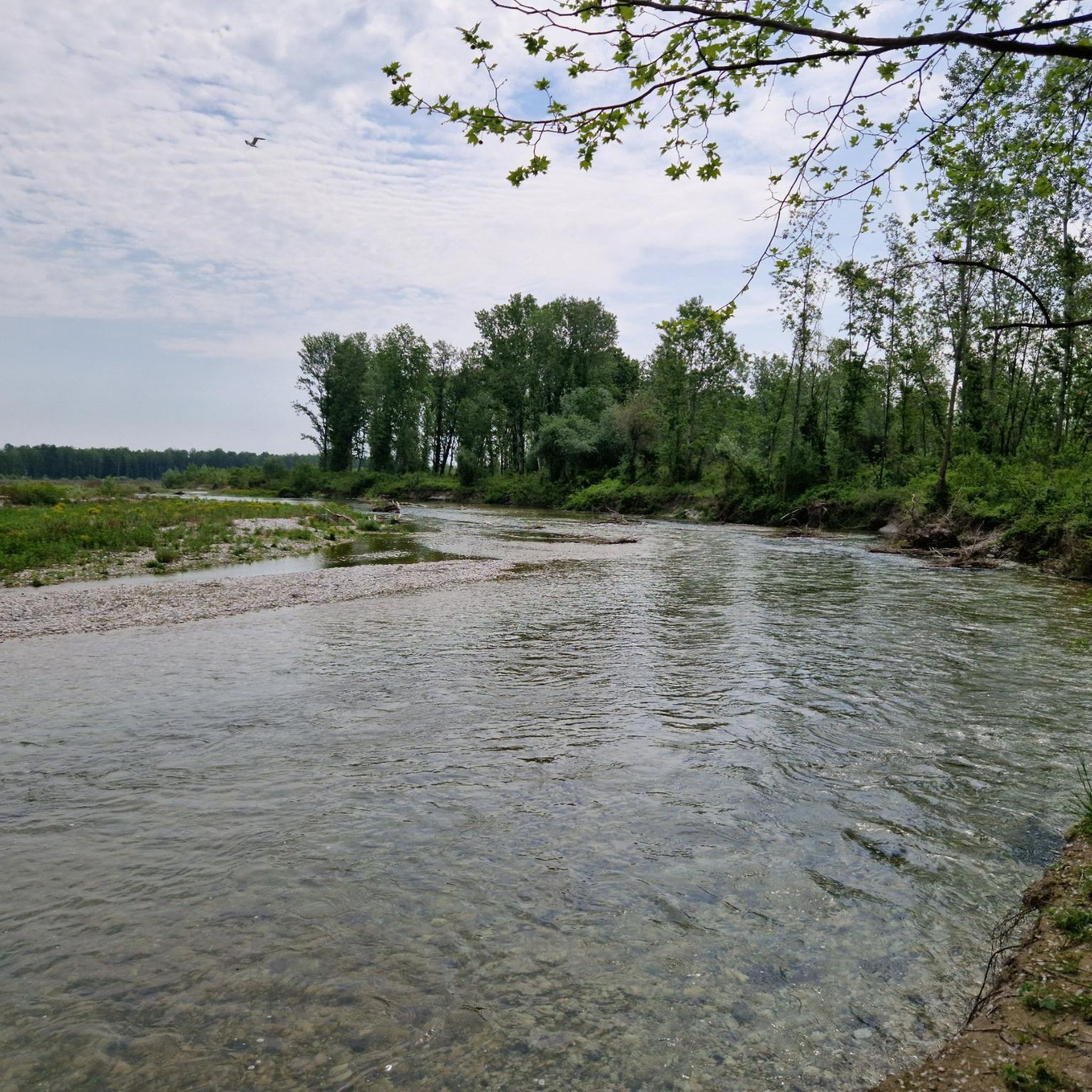
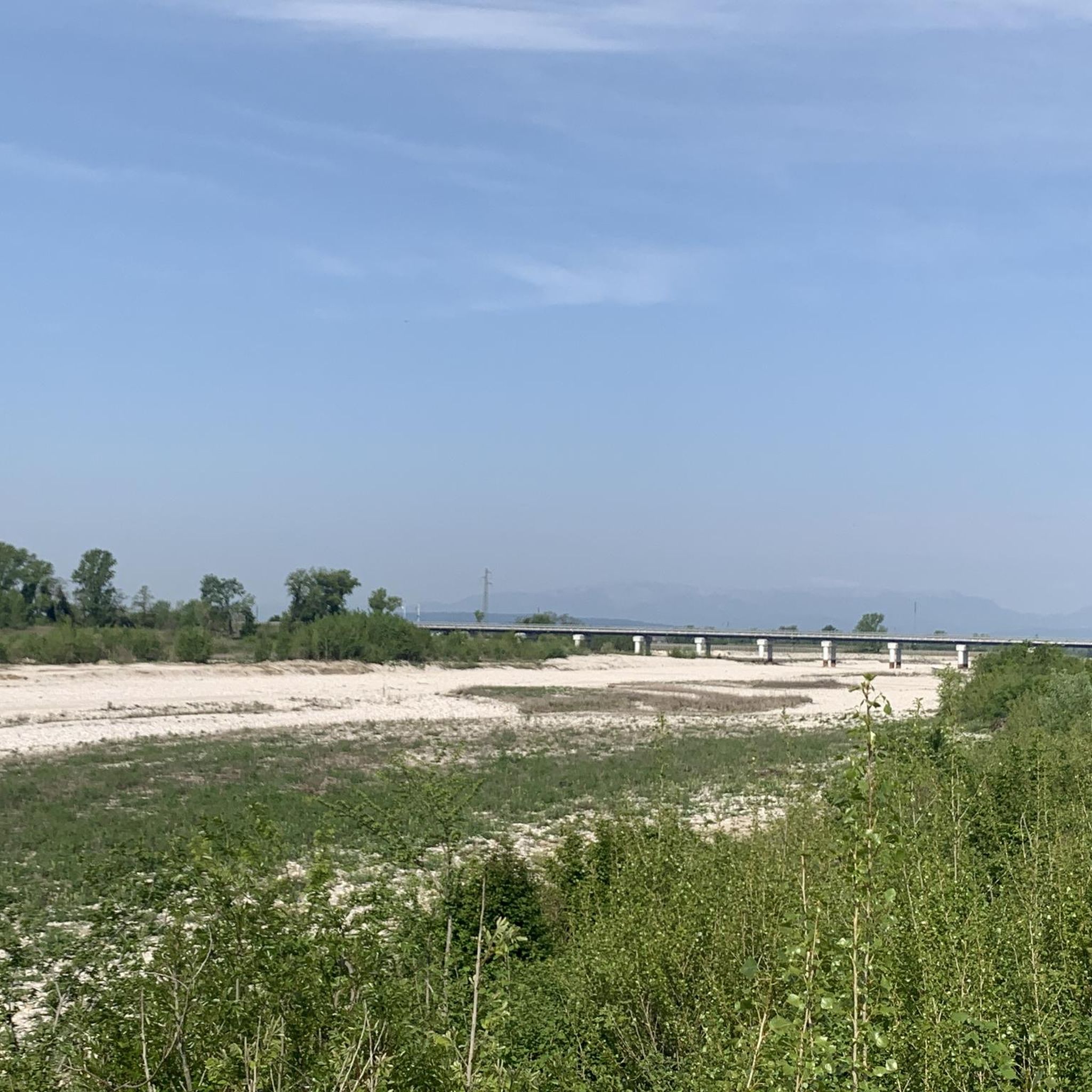
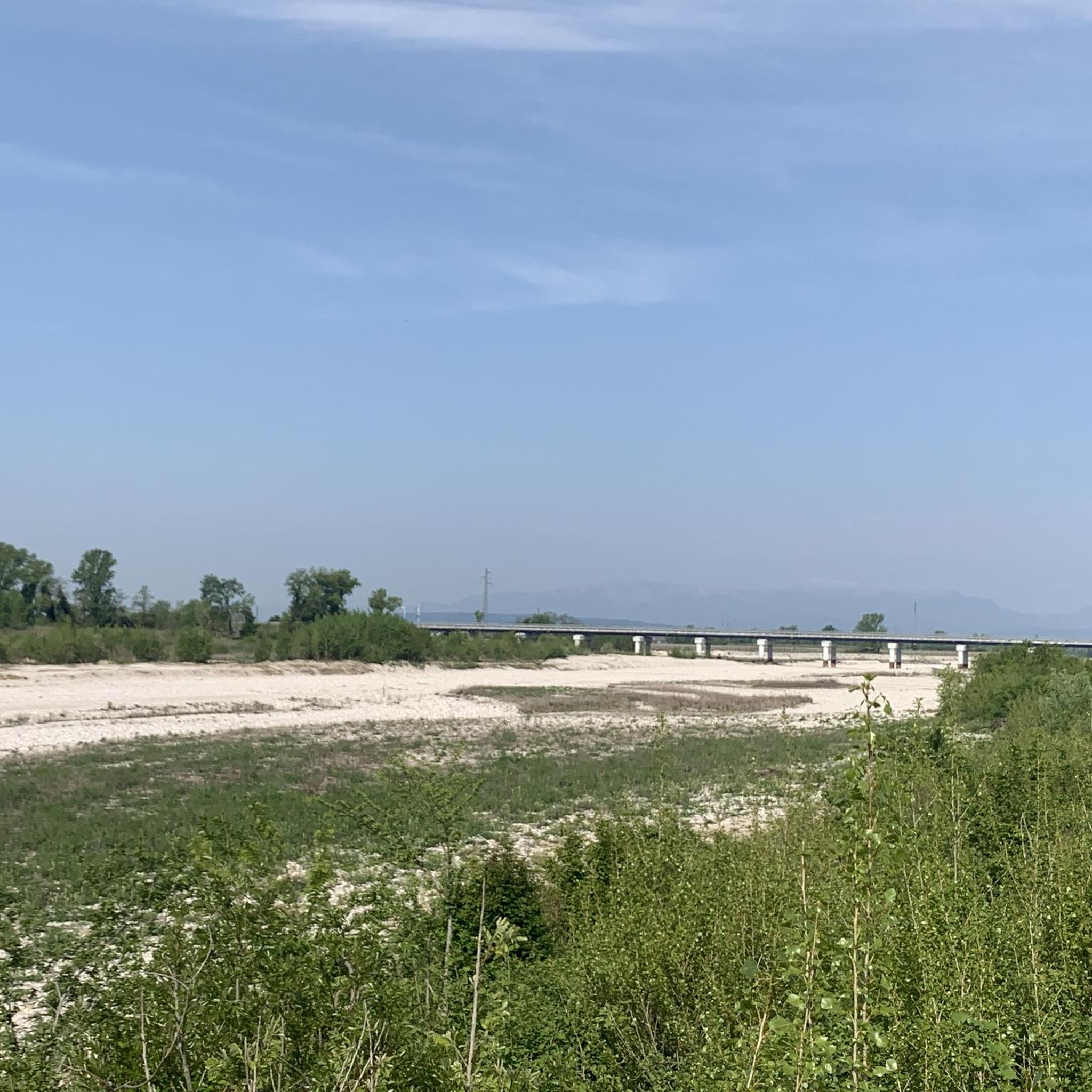
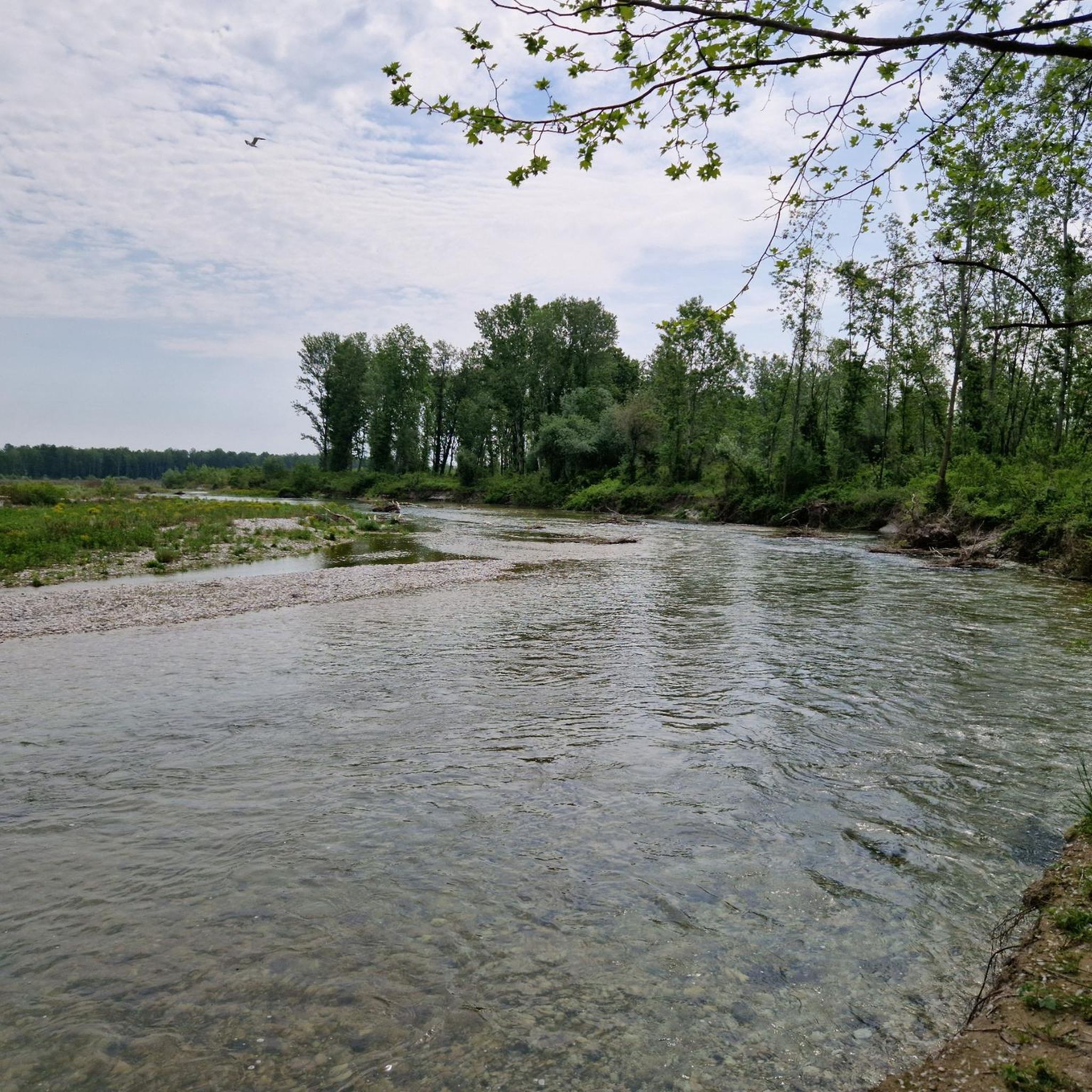
Hiking around San Polo Di Piave offers a variety of routes through the flat plains of the Veneto region. The landscape is primarily characterized by riverine paths along the Piave, agricultural fields, and historical towns. These trails provide opportunities to explore both natural riverbanks and cultural sites. The terrain is generally gentle, making it accessible for various hiking abilities.
Best hiking trails around San Polo Di Piave
- The most popular hiking route is Along the banks of the Piave in…
Last updated: July 18, 2026
5.0
(1)
1
hikers
24.2km
06:10
70m
70m
Hard hike. Very good fitness required. Easily-accessible paths. Suitable for all skill levels.
4.4
(5)
21
hikers
7.27km
01:50
10m
10m
Easy hike. Great for any fitness level. Easily-accessible paths. Suitable for all skill levels.

Sign up for free
5.0
(1)
17
hikers
8.20km
02:04
10m
10m
Moderate hike. Good fitness required. Easily-accessible paths. Suitable for all skill levels.
4.7
(3)
15
hikers
12.0km
03:01
10m
10m
Moderate hike. Good fitness required. Easily-accessible paths. Suitable for all skill levels.
4.0
(2)
8
hikers
10.7km
02:43
20m
20m
Moderate hike. Good fitness required. Easily-accessible paths. Suitable for all skill levels.
Get access to more routes and recommendations from other explorers.
Sign up for free
Already have an account?
Our route recommendations are based on thousands of hikes, rides, and runs completed by other people on komoot.
Start today with a free account
Your next adventure awaits.
Login or Signup

Tips from the Community

tv3 is endless it seems to never end, but it pedals well and without hiccups
0
0

Nice tour with very little traffic, only when we had to cross the Pontebbana
0
0

The descent of the third stretch of the Monticano river begins.
1
0
The "Gira Monticano" is a beautiful itinerary on the river bank. the path winds narrow, sinuous and elegant. Its movement gives wonderful sensations, similar to low flying.
2
0
beautiful single track on the Monticano embankment.
1
0

Villa Montalbano Balbi Valier Paoletti is located near the river Monticano in Mareno di Piave, in the countryside north of the municipal capital. It dates back to the 17th century, the era in which the Venetian nobility began to build the first settlements in the Mareno countryside, a place of large agricultural estates and an excellent base for hunting trips. Over the centuries the villa passed to various owners, who gave their surnames to the place, currently owned by the Paoletti family. The complex is in a precarious state of conservation, with some parts unsafe.
0
0

Castello Papadopoli Giol is a splendid palace in English neo-Gothic style with ancient origins. On this site, in 1192, the Patriarchs had a defense fort built; since then the name "castle" will remain linked to the place on which this primitive fortress stood. Among the subsequent restoration interventions, the most appreciable are due to the Da Tolentino family and, even more so, to the Papadopoli Counts, who made it their country residence. The structure, as seen today, dates back to 1865. Burned down at the end of the Great War, in 1921 it was purchased and rebuilt by Commendatore Giovanni Giol who preferred not to modify its architecture, trying to preserve its original appearance as much as possible. It is an imposing structure with high crenellated towers, bow windows, chimneys disguised as pinnacles and pointed mullioned windows: you really have the impression of being in front of a real English medieval castle. Even more surprising is the vast historical park: a 13-hectare oasis that has survived to this day almost completely intact in its original beauty. The entire route winds through centuries-old plants, groves and large meadows and a picturesque lake overlooked by the castle with two islands that can be reached by boat or on foot. There you can find royal perch, largemouth bass, tench, sardole, carp, chub and eels. Magnificent examples of centuries-old trees alternate in a setting of rare beauty: beeches, maples, oaks, cedars, magnolias, holm oaks, ginkgo biloba. https://www.castellogiol.it
3
0

The center of Lutrano. https://it.m.wikipedia.org/wiki/Lutrano
21
0
Frequently Asked Questions
How many hiking trails are there in San Polo Di Piave?
There are nearly 80 hiking trails around San Polo Di Piave, offering a wide variety of options for different skill levels and preferences. You can find routes ranging from easy strolls to more challenging long-distance hikes.
What is the best time of year for hiking in San Polo Di Piave?
The flat plains of the Veneto region make hiking enjoyable for much of the year. Spring and autumn are particularly pleasant, offering mild temperatures and beautiful scenery along the riverbanks and through agricultural fields. Summers can be warm, while winters are generally mild but can be foggy.
Are there easy hiking trails suitable for beginners in San Polo Di Piave?
Yes, San Polo Di Piave offers 36 easy hiking routes, perfect for beginners or those looking for a relaxed walk. These trails typically feature gentle terrain, often following riverine paths or quiet country roads. An example is the Hiking loop from Mareno di Piave, which is an easy 4.5-mile (7.3 km) trail.
Can I find moderate hiking trails with a good duration around San Polo Di Piave?
Absolutely. There are 38 moderate hiking trails in the area. For example, the Oderzo – Archaeological Area Roman Forum loop from Fontanelle is a moderate 7.1-mile (11.4 km) path that takes about 3 hours to complete, exploring historical sites.
Are there any strenuous or difficult hikes in the area?
While the region is generally flat, there are 5 difficult routes for those seeking a longer challenge. The most popular difficult route is Along the banks of the Piave in the town of Ponte del Piave, a 15.1-mile (24.2 km) trail that follows the scenic Piave riverbanks.
Are there circular walks available in San Polo Di Piave?
Yes, many routes in San Polo Di Piave are designed as circular walks, allowing you to start and end at the same point. Examples include the Oderzo – Archaeological Area Roman Forum loop from Fontanelle and the Hiking loop from Mareno di Piave.
Are the hiking trails in San Polo Di Piave family-friendly?
Many of the easy and moderate trails along the Piave river and through the agricultural landscapes are suitable for families. The generally flat terrain and well-maintained paths make them accessible for children and offer opportunities for leisurely walks. Look for shorter, less challenging routes for the best family experience.
Are dogs allowed on the hiking routes around San Polo Di Piave?
Most hiking routes in the San Polo Di Piave area are dog-friendly, especially those along riverbanks and through open fields. It's always recommended to keep your dog on a leash, especially near agricultural areas or in towns, and to be mindful of local regulations and other hikers.
What interesting places can I explore near the hiking trails?
The area offers several points of interest. You can explore the historical town of Oderzo, known for its Roman Forum archaeological area. Nature lovers might enjoy visiting the Source of the Meolo River or the Confluence of the Lia and Monticano Rivers. There's also the View of Susegana for scenic vistas.
Is parking available at the trailheads in San Polo Di Piave?
Yes, parking is generally available in or near the starting points of many trails, especially in towns like San Polo Di Piave, Oderzo, or Ponte del Piave. For specific routes, it's advisable to check the route details on komoot for parking information or look for public parking areas in nearby villages.
What do other hikers enjoy about the trails in San Polo Di Piave?
The trails around San Polo Di Piave are highly rated by the komoot community, with an average score of 4.3 stars from over 80 reviews. Hikers often praise the peaceful riverine paths, the historical insights offered by routes like those around the Roman Forum, and the gentle, accessible terrain suitable for various activities.
Most popular routes around San Polo Di Piave
Most popular attractions around San Polo Di Piave

Get inspired with the komoot mobile app


Explore more
Browse the best Hikes in other regions.
