Attractions and Places To See around Meduna Di Livenza - Top 20
Best attractions and places to see around Meduna Di Livenza, a municipality in the Province of Treviso, Italy, offers a blend of historical sites, cultural experiences, and natural beauty. The region is shaped by its abundant waterways, including the Livenza and Meduna rivers, which define its landscape. Visitors can explore notable landmarks and enjoy the surrounding natural features.
Best attractions and places to see around Meduna Di Livenza
- The most popular attractions is Civic Tower of Portobuffolè, a man-made…
Last updated: July 21, 2026
Civic Tower of Portobuffolè
Highlight • Monument
Translated by Google •
Tip by

Ponti di Tremeacque
Highlight • Bridge
Translated by Google •
Tip by
Sign up now to discover places like this
Get recommendations on the best single tracks, peaks, & plenty of other exciting outdoor places.
Sign up for free
The Belfiore Mill
Highlight • Monument
Translated by Google •
Tip by
Oderzo
Highlight • Settlement
Oderzo
Commercial center in the heart of Veneto
The inconspicuous and yet important trading town of Oderzo northeast of Treviso is surprisingly pretty. The small town has …
Translated by Google •
Tip by

Piazza Grande, Oderzo
Highlight • Settlement
Translated by Google •
Tip by
Sign up for free to discover even more attractions around Meduna Di Livenza.
Sign up for free
Already have an account?
Start today with a free account
Your next adventure awaits.
Login or Signup

Tips from the Community

Portobuffolè is a historic city worth seeing.
0
0

The Belfiore Mill is located near Pramaggiore. Situated along the Loncon river, it is a valuable example of milling architecture dating back to the 15th century, perfectly preserved and set within the charming park of Villa Dalla Pasqua. Formerly the heart of the local grain economy under the jurisdiction of the lords of Fratina and later the Grimani family, the mill remained active until the 1940s. Today, it houses an important Ethnographic Museum, where you can admire the original millstones and hydraulic gears, as well as a collection of agricultural tools and furnishings that tell the story of past rural life. It is a symbolic place of Eastern Veneto, often hosting cultural events and concerts.
1
0
The Civic Tower of Portobuffolè, soaring 28 meters high, represents the most iconic symbol of the ancient medieval village of Treviso. The sole survivor of the seven towers that once protected the castle, this brick structure testifies to the strategic and commercial importance the city held under the rule of the Serenissima. On its facade stands the Lion of Saint Mark, a symbol of the connection with Venice, while at its base the courthouse was once located. The tower, which has traversed the centuries preserving its austere charm intact, today dominates the main square and offers a privileged view of the network of alleys and stately buildings that make Portobuffolè one of the most beautiful villages in Italy.
1
0

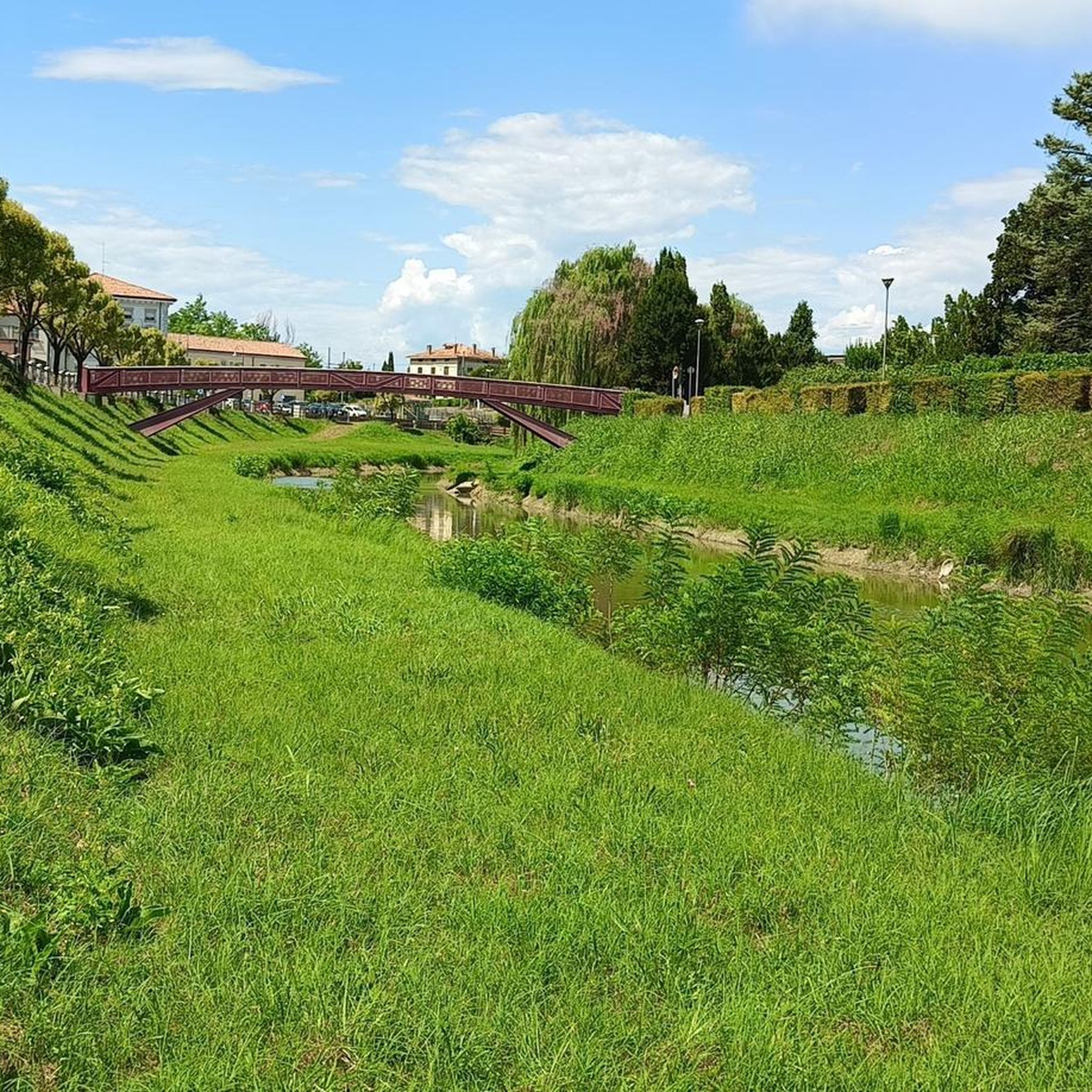
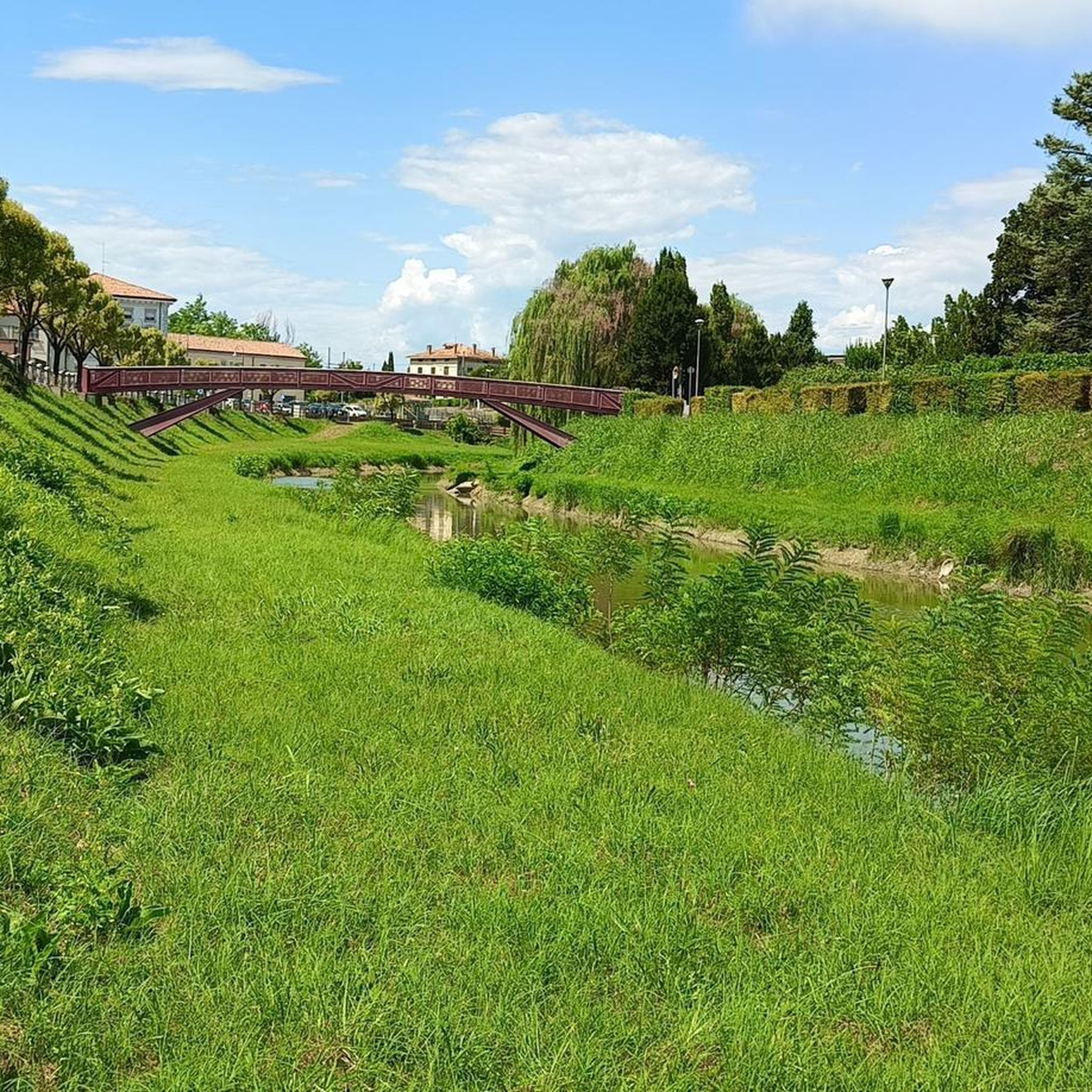
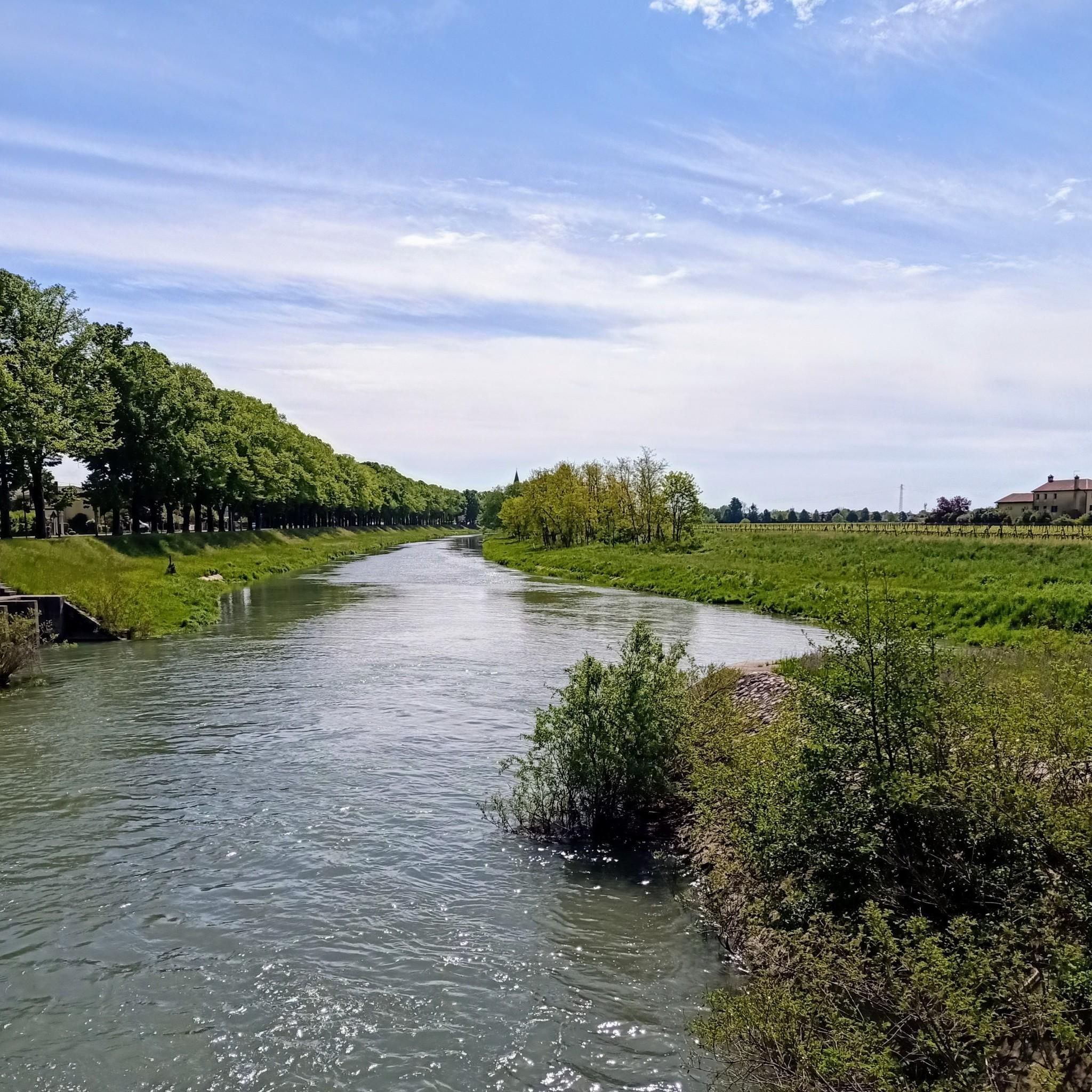
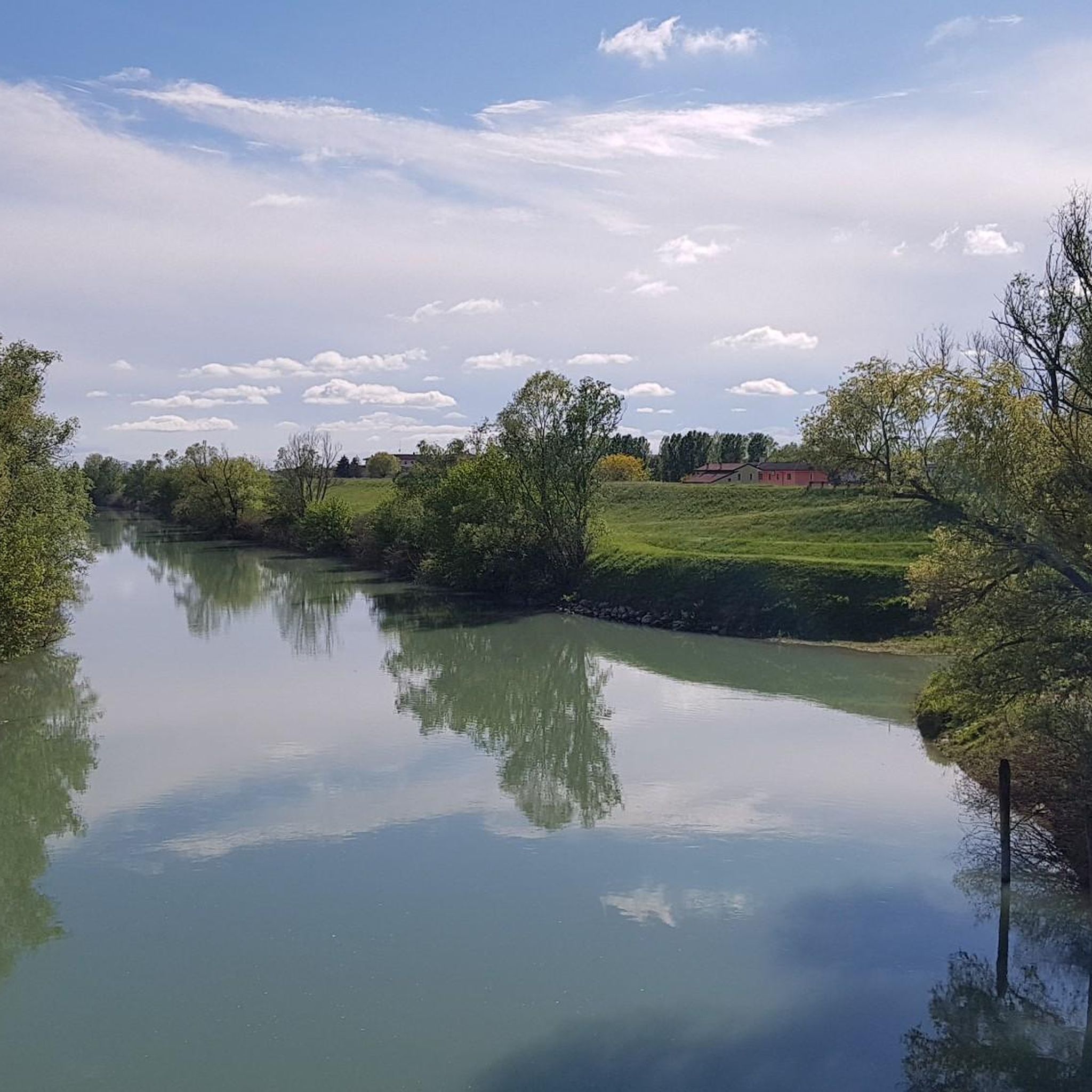
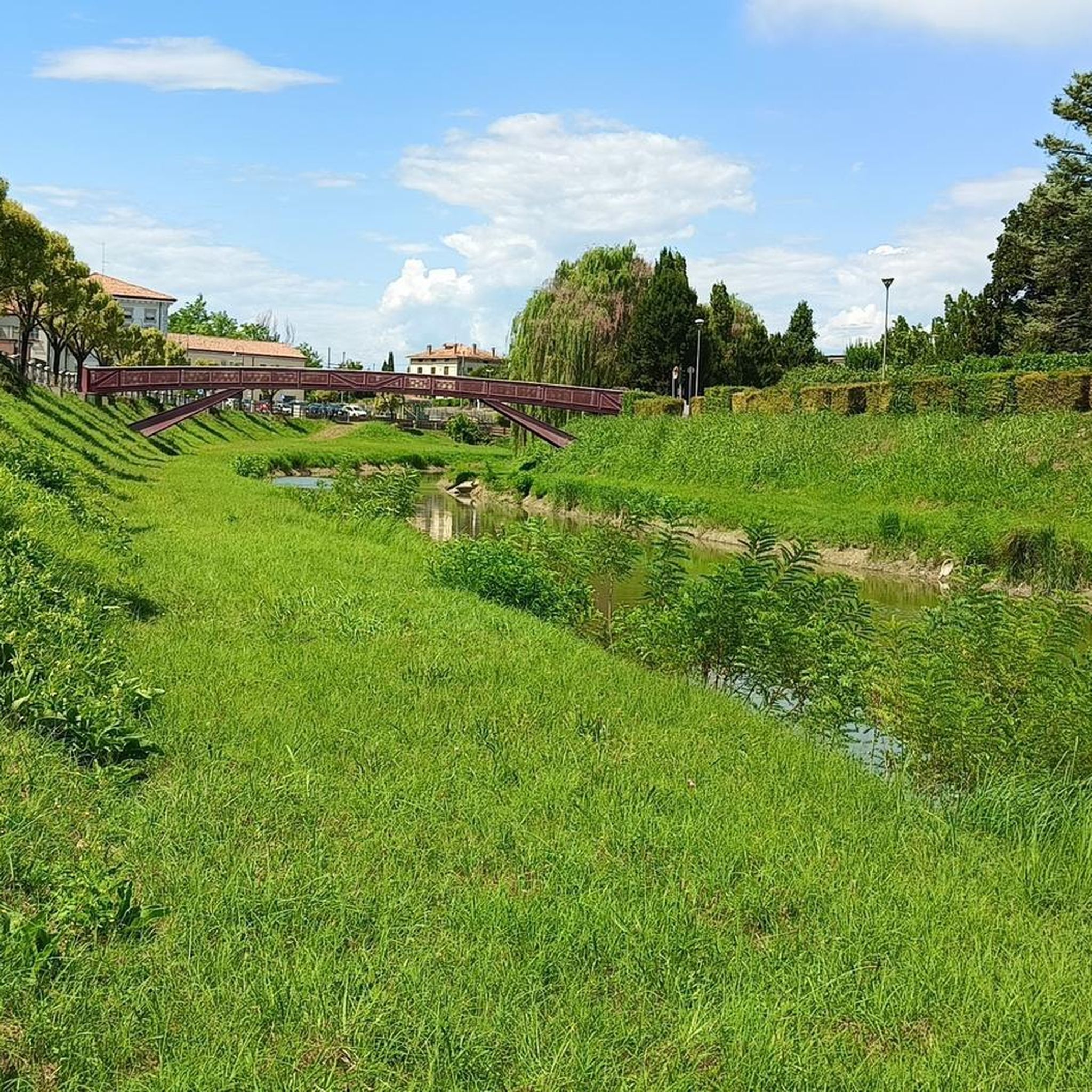
The Tremacque bridge between the provinces of Treviso and Pordenone.
5
0

The mill now houses a museum spread over three floors, featuring material evidence and information panels where visitors can learn more about the milling process and the activities related to cereal cultivation.
1
0
The Belfiore mill was active as early as 1479, but it likely existed for a couple of centuries before that. At its peak, it had five vertical paddle wheels that powered the millstones on the ground floor, while the upper floors of the building housed the millers' families.
1
0
Of the many mills that once existed along the Loncon River, the Belfiore mill is the only one to have retained its original features. The surviving documents date back to the second half of the 1400s, but it is very likely that the original structure predates by at least two centuries. Ownership changed hands over the centuries, until it came into the hands of the Della Pasqua family in 1800. It is currently owned by the Municipality of Pramaggiore. While the modern blades are visible on the outside, inside a beautiful ethnographic museum has been set up, housing both the ancient millstones and the gears of a milling system, as well as some testimonies of rural civilization, from agricultural tools to some everyday objects and furnishings. FAI
13
0

Frequently Asked Questions
What historical landmarks can I explore within Meduna di Livenza?
Meduna di Livenza is rich in history. You can visit the elegant 16th-century Palazzo Michiel Loredan, which now serves as the town hall, or the distinctive Villa Wiel, also from the 16th century, known for its stucco work and large garden. Other notable sites include the Romanesque-style Church of San Giovanni Battista and the 16th-17th century Palazzo Michiel Saccomani. In the *frazione* of Quartarezza, the well-preserved Romanesque Church of San Michele Arcangelo is also worth seeing.
Are there any notable natural features or waterways to visit around Meduna di Livenza?
The region is defined by its abundant waterways. The Livenza, Meduna, Sile, and Fiume rivers flow through the area, offering scenic views and opportunities for nature exploration. The Palù di Livenza is another natural area of interest, connected to archaeological sites. You can also experience the confluence of the Meduna and Livenza rivers at the Ponti di Tremeacque, a unique pedestrian and bicycle crossing.
What kind of outdoor activities, like hiking or cycling, are available near Meduna di Livenza?
The area around Meduna di Livenza offers various outdoor activities. For hiking, you can find easy to moderate routes such as the 'Church of Lorenzaga loop from Motta di Livenza' or a 'Hiking loop from Meduna di Livenza'. Cyclists can enjoy routes like 'Villa Cavazza Querini – View of the Sacile Canal loop' or 'Livenza River Embankment – Gorgazzo Spring loop'. For more details on routes, you can explore the Hiking around Meduna Di Livenza and Cycling around Meduna Di Livenza guides.
Are there family-friendly attractions in the area?
Yes, several attractions are suitable for families. The Civic Tower of Portobuffolè, a 10th-century tower and symbol of the municipality, offers a glimpse into history. The Belfiore Mill, now an ethnographic museum, provides an engaging look at ancient milling and peasant life. The town of Oderzo, with its historic Piazza Grande, is also considered family-friendly and hosts cultural initiatives.
Where can I find historical mills or ethnographic museums nearby?
The most prominent historical mill is The Belfiore Mill in Pramaggiore. Active since at least 1479, it now houses an ethnographic museum displaying ancient millstones, milling gears, and artifacts of peasant civilization. Additionally, the Museo Archeologico "Eno Bellis" in Oderzo exhibits works detailing the city's history from prehistoric times.
What is unique about the town of Portobuffolè, often recommended to visitors?
Portobuffolè is recognized as one of Italy's most beautiful villages and holds the Italian Touring Club's Orange Flag. Its historic center is enclosed by ancient walls, similar to those in Asolo and Castelfranco Veneto. The town's symbol is the 10th-century Civic Tower of Portobuffolè, a 28-meter high structure that is the only one remaining of the original seven that made up the city walls.
Can I visit any significant squares or civic centers in nearby towns?
Yes, the nearby town of Oderzo features Piazza Grande, its main square. This square has been a central hub for social, economic, and religious life since the Middle Ages. Its distinctive stage-like shape makes it one of Veneto's most famous squares and a venue for cultural events.
Are there any art galleries in Meduna di Livenza?
Meduna di Livenza is home to the Galleria d'Arte Jacopo Tintoretto, an art gallery dedicated to the prominent Venetian painter. Visitors can admire works by this renowned artist here.
What are the 'Ponti di Tremeacque' and what can I do there?
The Ponti di Tremeacque are two narrow, ancient bridges built in 1922, located at the confluence of the Meduna and Livenza rivers. They offer a unique pedestrian and bicycle crossing. The surrounding area, with its dense vegetation and tortuous river courses, is ideal for walks among cultivated fields and poplar groves, or for mountain biking and horseback riding along the banks.
What do visitors particularly enjoy about the attractions around Meduna di Livenza?
Visitors appreciate the blend of historical sites, cultural experiences, and natural beauty. The community has shared 63 photos and given 91 upvotes to the attractions, highlighting the charm of places like the Civic Tower of Portobuffolè, the historical Belfiore Mill, and the scenic Ponti di Tremeacque. The unique character of the region's waterways and historical architecture are frequently mentioned as highlights.
Are there any Romanesque churches worth visiting in Meduna di Livenza?
Yes, Meduna di Livenza features the Church of San Giovanni Battista on Via Vittorio Emanuele 55, a Romanesque-style church with an austere facade of exposed brick. Additionally, in the *frazione* of Quartarezza, you can find the well-preserved Romanesque Church of San Michele Arcangelo (also known as the Church of Saints Michele and Lorenzo), which stands in an isolated location near Palazzo Frattina.
What are the main rivers that shape the landscape of Meduna di Livenza?
The landscape of Meduna di Livenza is significantly shaped by its abundant waterways. The primary rivers in the area include the Livenza, Meduna, Sile, and Fiume rivers. These rivers not only give the town its name but also define its borders in many areas, creating a distinctive natural environment.
Most popular routes around Meduna Di Livenza
Most popular attractions around Meduna Di Livenza

Get inspired with the komoot mobile app


Explore more
Still not found the Highlight you’re looking for? See guides of the top attractions in other regions:
