The best road cycling routes around Cornuda
4.5
(115)
4,096
riders
44
rides
Road cycling routes around Cornuda navigate a landscape characterized by rolling hills, river valleys, and ascents into the pre-Alpine foothills. The region offers varied terrain, from gentle routes through agricultural areas to more challenging climbs towards mountain passes. Road cyclists can expect a mix of open roads and sections passing through wooded areas.
Best road cycling routes around Cornuda
- The most popular road cycling route is Arditi Memorial – Stradon del Bosco loop from Cornuda, a 26.2 miles (42.2…
Last updated: October 7, 2026
4.2
(54)
862
riders
41.7km
01:42
210m
210m
Easy road ride. Great for any fitness level. Mostly well-paved surfaces and easy to ride.
4.4
(10)
524
riders
88.1km
04:04
1,040m
1,040m
Hard road ride. Very good fitness required. Mostly well-paved surfaces and easy to ride.

4.8
(12)
440
riders
108km
04:52
1,050m
1,050m
Hard road ride. Very good fitness required. Some segments of this route may be unpaved and difficult to ride.
5.0
(6)
347
riders
70.9km
03:21
800m
800m
Moderate road ride. Good fitness required. Mostly well-paved surfaces and easy to ride.
4.7
(7)
231
riders
69.8km
03:21
860m
860m
Moderate road ride. Good fitness required. Mostly well-paved surfaces and easy to ride.
Get access to more routes and recommendations from other explorers.
Already have an account?
Our route recommendations are based on thousands of hikes, rides, and runs completed by other people on komoot.
Start today with a free account
Your next adventure awaits.

Tips from the Community

Piazza Guglielmo Marconi is the main square and the beating heart of the center of Valdobbiadene, in the province of Treviso. It hosts the town hall of the municipality of Valdobbiadene. It is the main meeting place of the town and the ideal starting point for tourist itineraries and excursions among the Prosecco hills. A short walk away are the Duomo di Santa Maria Assunta and the park of Villa dei Cedri.
8
0

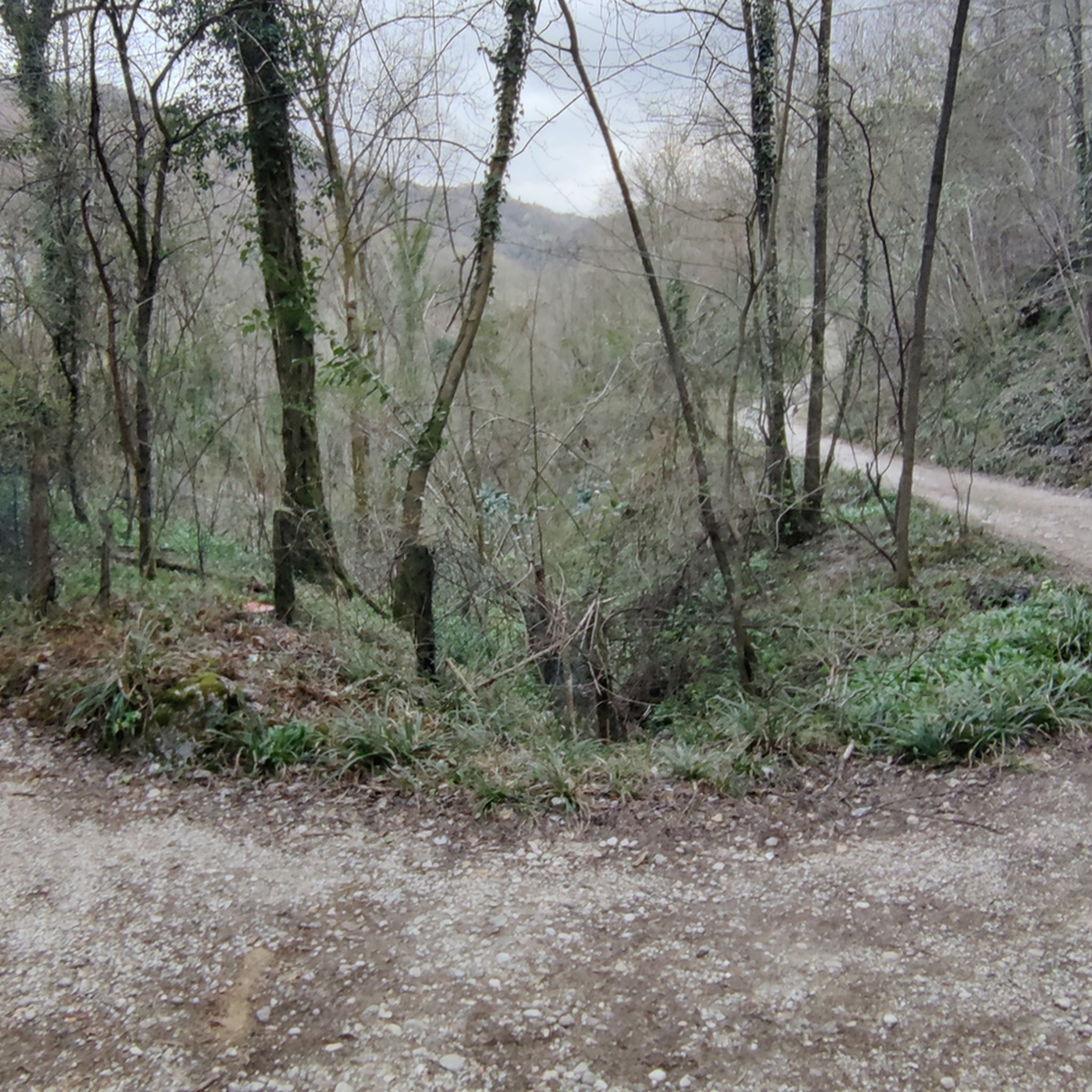
historic mountain road with eight hairpin bends, the Tagliata della Scala and the Tagliata delle Fontanelle. They are located between the Valsugana and the territory of Feltre, in Veneto. The fortifications: Between 1892 and 1895, the Tagliata della Scala in the lower part and the Tagliata delle Fontanelle in the upper part were built to defend the border. The walkway: The two parts are joined by a long covered gallery with loopholes. War: They did not play a major military role during World War I and were later abandoned.
0
0

The cycle path towards Cismon del Grappa, very cool and shaded.
0
0
Fortification built in a natural cave. In the Great War it was a blocking point defending Valsugana. There are references to it as a fortification around the year 1000.
0
0

Whoever wishes to say a short prayer to Christ the Redeemer in this sanctuary may perhaps use the following text by San Francesco (Francis of Assisi), which he often and gladly spoke, and which he even left to posterity in his spiritual testament: + »We adore you, Lord Jesus Christ, [here] and in all your churches throughout the whole world, and we praise you, because by your holy cross you have redeemed the world.« The Franciscan Peter Fobes OFM comments on this in a publication as follows: “He expands the faith in the presence of God in the space where he says the prayer to all the churches in the world. He wishes to adore him who has redeemed the world in all the holy places of the world.”
1
0
The summit of Passo San Boldo between the provinces of Treviso and Belluno.
12
0


There is no second time. Built in 100 days.
3
0
Frequently Asked Questions
What kind of terrain can I expect on road cycling routes around Cornuda?
Road cycling routes around Cornuda feature a diverse landscape, from rolling hills and river valleys to ascents into the pre-Alpine foothills. You'll find a mix of open roads and sections passing through wooded areas, offering varied terrain for all skill levels.
Are there easy road cycling routes suitable for beginners in Cornuda?
Yes, Cornuda offers several easy road cycling routes perfect for beginners or those seeking a relaxed ride. There are 9 easy routes available, such as the Arditi Memorial – Stradon del Bosco loop from Cornuda, which features gentle elevation changes through local scenery.
Where can I find challenging road bike climbs near Cornuda?
For experienced road cyclists looking for a challenge, Cornuda provides routes with significant climbs and mountain passes. Consider the View of Valstagna – Primolano Steps loop from Cornuda, which covers over 108 km with more than 1000 meters of elevation gain, or the San Boldo Pass Tunnels – San Boldo Pass loop from Cornuda, known for its tunnels and mountain pass sections.
Are there any family-friendly road biking options in Cornuda?
While specific 'family-friendly' routes are not explicitly categorized, the region's easier routes with gentle elevation changes, like the Arditi Memorial – Stradon del Bosco loop, could be suitable for families with older children or those comfortable with road cycling. Always check route details for distance and elevation to ensure it matches your family's ability.
What are the best seasons for road cycling in Cornuda?
The best seasons for road cycling in Cornuda are typically spring and autumn, when temperatures are mild and the scenery is vibrant. Summer can also be pleasant, especially in the mornings or late afternoons, though some climbs might be more strenuous in warmer weather. Winter cycling is possible but requires appropriate gear and caution due to potentially colder temperatures and occasional precipitation.
Can I find loop road bike routes around Cornuda?
Yes, many road cycling routes around Cornuda are designed as loops, allowing you to start and end in the same location. Examples include the Villa Barbaro (Villa di Maser) – Asolo Fountain loop from Cornuda and the Le Mire Scenic Road – Rotonda di Mire loop from Cornuda, offering convenient circular journeys.
What historical sites or landmarks can I see along road cycling routes in Cornuda?
Road cycling routes around Cornuda often pass by significant historical sites. You can explore places like Asolo, known for its charm, or the impressive Villa Barbaro (Villa di Maser), a UNESCO World Heritage site. The Villa Barbaro (Villa di Maser) – Asolo Fountain loop specifically highlights these attractions.
Are there scenic viewpoints along the road cycling routes in Cornuda?
Absolutely. The region's rolling hills and pre-Alpine setting provide numerous opportunities for scenic views. Routes like the Villa Barbaro (Villa di Maser) – Asolo Fountain loop offer panoramic vistas, especially from higher elevations, showcasing the beautiful Venetian countryside.
What do other road cyclists enjoy most about road cycling in Cornuda?
The road cycling experience in Cornuda is highly rated by the komoot community, with an average score of 4.6 stars from over 90 reviews. Cyclists frequently praise the varied terrain, which caters to different skill levels, and the beautiful blend of open roads, wooded sections, and historic landmarks.
How many road cycling routes are available in the Cornuda area?
There are over 40 distinct road cycling routes available around Cornuda, ranging from easy to difficult. This extensive network ensures a variety of options for every road cyclist, whether you're looking for a gentle ride or a challenging climb.
Are there any moderate road cycling routes in Cornuda?
Yes, Cornuda offers a good selection of moderate road cycling routes, with 24 such trails available. These routes provide a balanced challenge with some climbs and descents, perfect for cyclists looking to push themselves a bit further without extreme difficulty. A good example is the Le Mire Scenic Road – Rotonda di Mire loop from Cornuda.
Most popular attractions around Cornuda

Get inspired with the komoot mobile app


Explore more
Browse the best Road cycling routes in other regions.
