The best road cycling routes around Santa Maria Di Sala
4.3
(197)
8,616
riders
347
rides
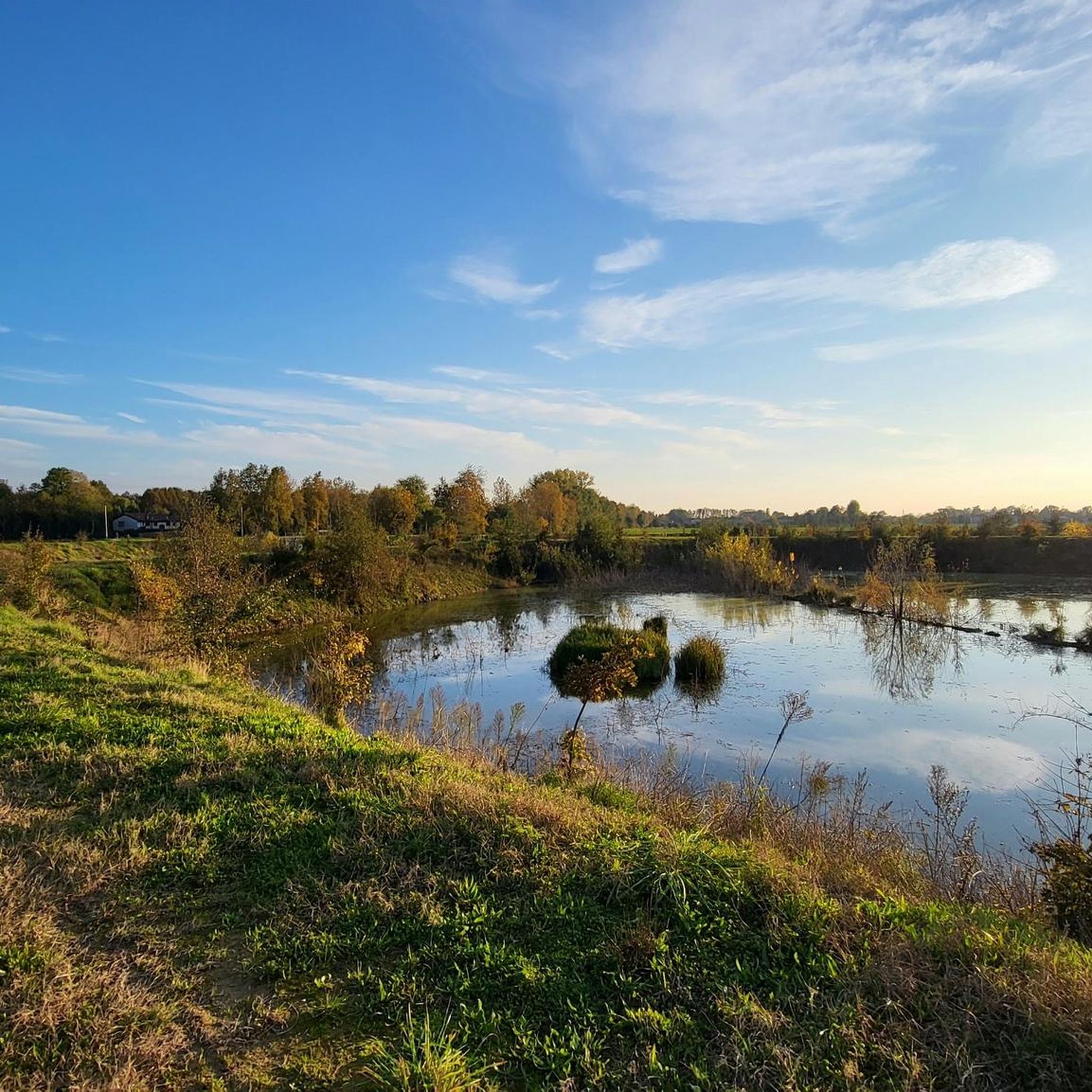
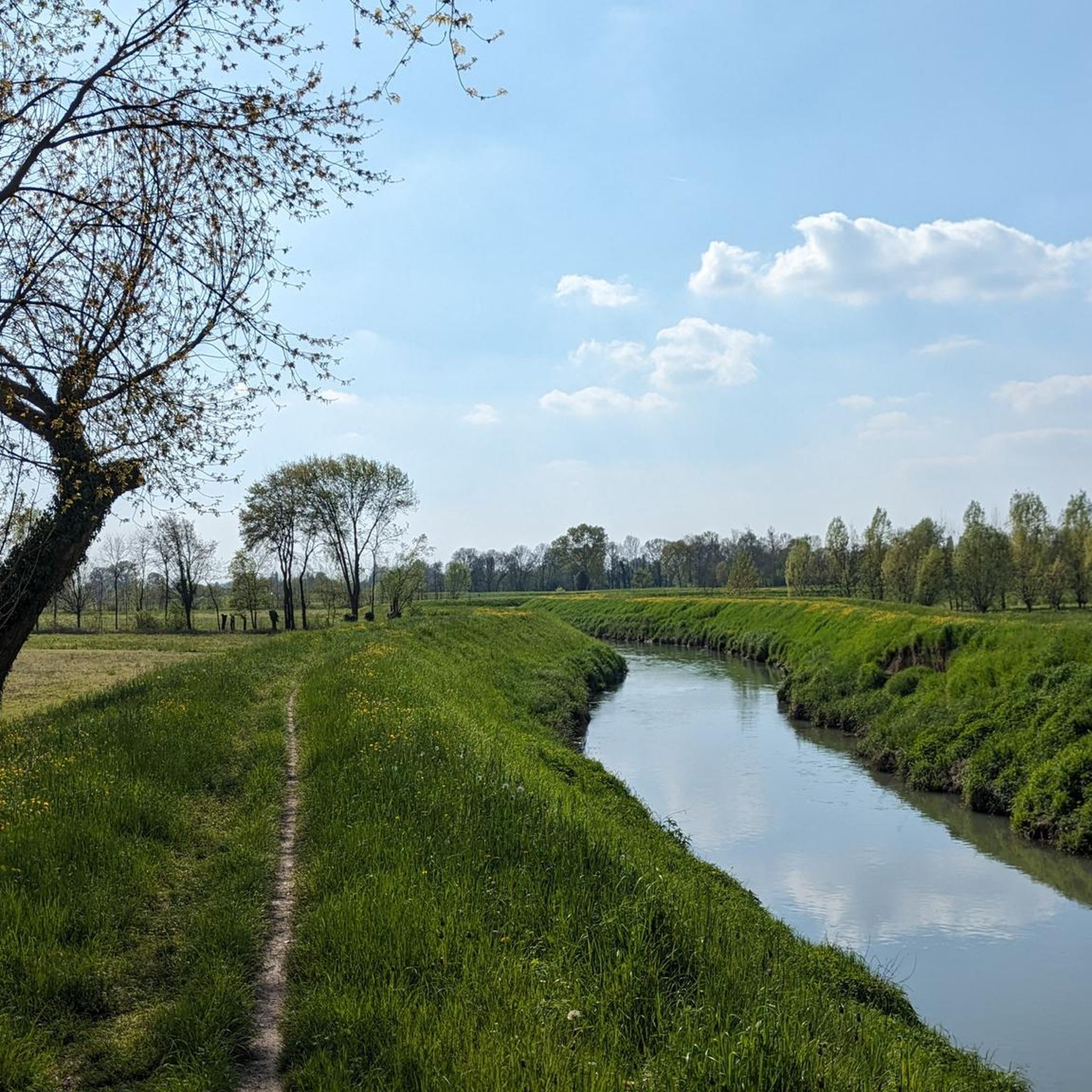
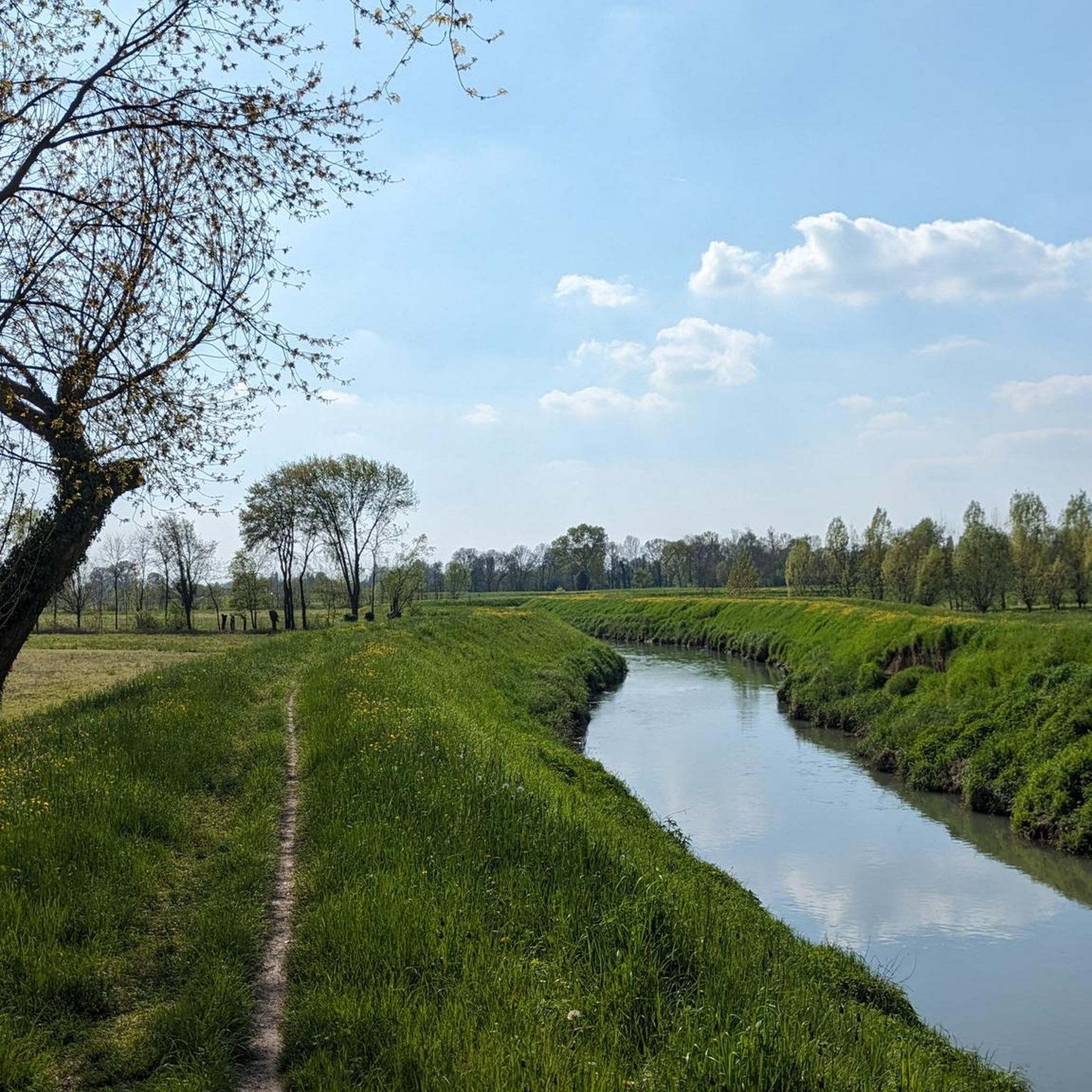
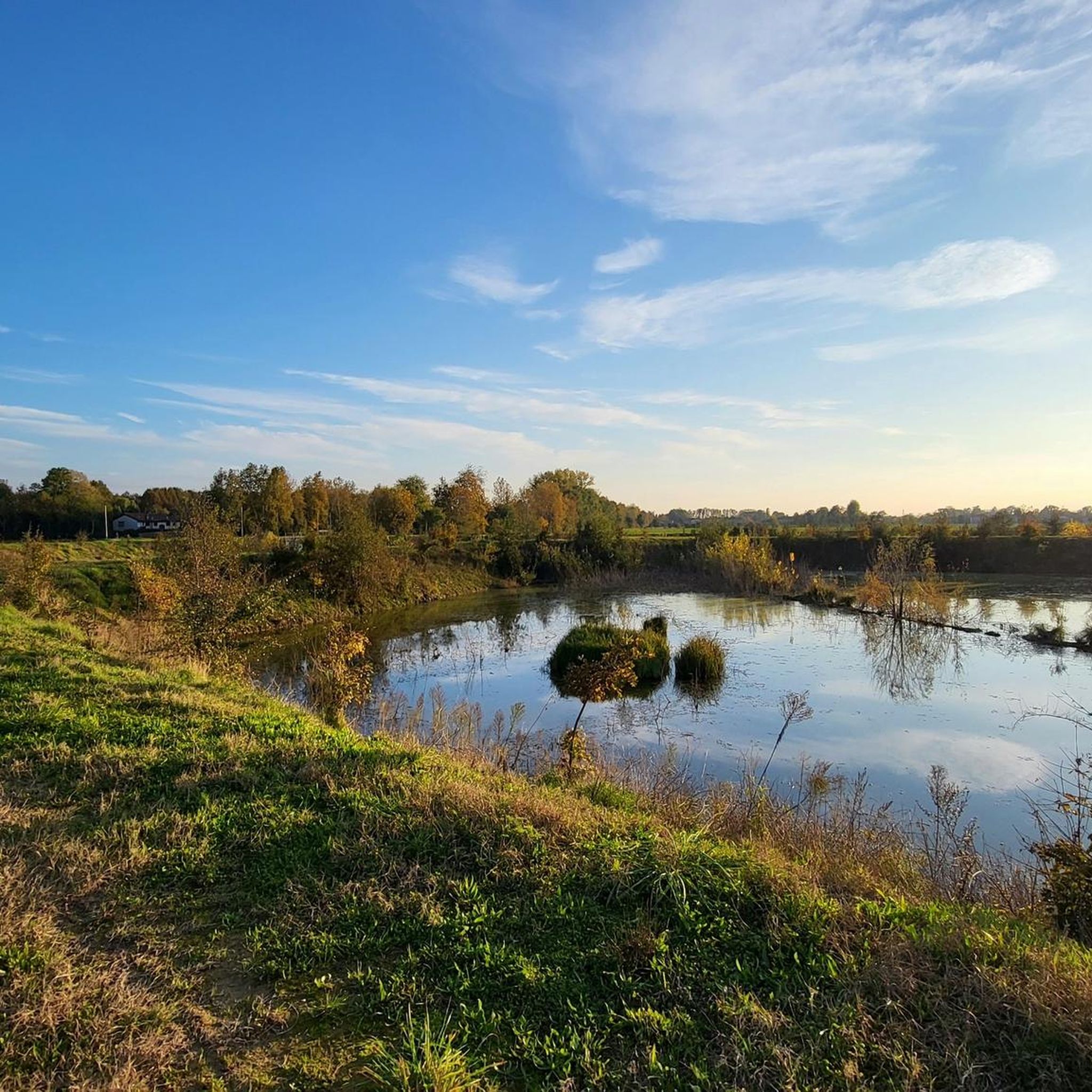
Road cycling around Santa Maria Di Sala, located in Italy's Veneto region, is characterized by its flat plains and an extensive network of canals. The terrain offers minimal elevation changes, making it suitable for various cycling paces and distances. Agricultural fields and traditional farmhouses define much of the landscape, providing open views and quiet roads, while waterways like the Brenta River and the historic Brenta Riviera offer scenic routes.
Best road cycling routes around Santa Maria Di Sala
- The most…
Last updated: June 6, 2026
23
riders
Moderate road ride. Good fitness required. Mostly well-paved surfaces and easy to ride.
7
riders
31.3km
01:10
30m
30m
Easy road ride. Great for any fitness level. Mostly well-paved surfaces and easy to ride.

Sign up for free
7
riders
28.3km
01:12
40m
40m
Easy road ride. Great for any fitness level. Mostly well-paved surfaces and easy to ride.
7
riders
30.2km
01:10
40m
40m
Easy road ride. Great for any fitness level. Mostly well-paved surfaces and easy to ride.
6
riders
Easy road ride. Great for any fitness level. Mostly well-paved surfaces and easy to ride.
Get access to more routes and recommendations from other explorers.
Sign up for free
Already have an account?
Our route recommendations are based on thousands of hikes, rides, and runs completed by other people on komoot.
Start today with a free account
Your next adventure awaits.
Login or Signup

Tips from the Community

La Rocca dei Tempesta is the monumental heart of Noale and one of the most fascinating medieval defensive structures in the Veneto region. Built in the 12th century at the behest of the Tempesta family, the fortress stood on a strategic area, protected by an ingenious system of moats fed by the waters of the Marzenego river. The imposing brick structure, of which today the majestic perimeter walls and corner towers remain, preserves the intact charm of a lowland castle. Although the interior is now a suggestive green meadow used for historical re-enactments such as the Palio, the remains still allow us to read the original layout of the noble residence. The Rocca represents a symbol of power and resistance, offering a unique setting where nature intertwines harmoniously with ancient medieval vestiges.
0
0
The Porta del Castello di Noale, also known as the Clock Tower (or Porta Trevisana), is one of the most evocative symbols of the Venetian medieval village. Located on the eastern side of the fortified complex, it represented the ancient main entrance to the citadel under the rule of the Tempesta family. This imposing brick tower is characterized by a solid and soaring structure, topped by a swallowtail Guelph crenellation that emphasizes its military origin. The large clock face stands out on the facade, but it is the underpass that holds the most fascinating detail: the remains of ancient frescoes that once decorated the entrance. Together with its twin, Porta Cervese (or Porta Padovana), it closes the main axis of the historic center, visually connecting the town square to the Rocca area, offering a glimpse that immediately transports the visitor to the heart of the Middle Ages.
0
0


Basilica of Saint Anthony of Padua / Basilica of Saint Anthony, Padua The Basilica of Saint Anthony, known as "the Saint," is the city's most important religious center and attracts thousands of pilgrims every year, especially on June 13, the saint's feast day. The basilica was built in 1232 to protect the tomb of the Franciscan friar Anthony, who died in Padua in 1231. The large building presents a complex structure with a fusion of styles: Romanesque elements in the façade, Gothic elements in the ambulatory, Byzantine elements in the eight domes covered with lead, and Moorish elements in two tiers. The Church of Saint Anthony holds numerous reminders of the Carrara Signoria. In 1350, Cardinal Guido de Boulogne came to the cathedral to acknowledge the saint's miracle and was greeted by Jacopo II da Carrara and Bishop Hildebrand. Members of the Carraresi family, such as the Lupi di Soragna and the Conti, chose the basilica as the site for their own mausoleums. The Chapel of the Black Madonna now stands on the site of the earlier church, dedicated to Santa Maria, Mother of the Lord. The polychrome Madonna is by Rinaldino di Francia and dates from 1396. Rinaldino is also likely the artist of the shield bearing the portrait of Stefano da Carrara, now in the city museums. A funerary monument to Raffaele Fulgioso, a renowned jurist from the University of Padua, is located to the left of the chapel. The Chapel of Blessed Luca reveals even closer ties to the Carraresi family: it was built between 1380 and 1382 by Naimerio and Manfredino Conti, executing the will of Fina Buzzaccarini. They commissioned Giusto de'Menabuoi, a painter from the Carraresi court, to create the frescoes. The stories of Saints Philip and James, arranged on the chapel walls, reveal a surprising new sense of spaciousness. In the center, within the lunette, are portraits of the patrons: Saint Anthony, Blessed Luke, Saint Francis, and Saint Louis of Toulouse, as they are presented to the Virgin. Text / Source: Turismo Padova https://www.padua.info/de/padua/was-zu-sehen-ist/details/basilica-di-santantonio
15
0


Internal channel
1
0


The Naviglio Interno was an ancient canal that ran through the eastern part of the historic center. In the 1950s it was almost completely filled in.
2
1
Frequently Asked Questions
What is the general terrain like for road cycling around Santa Maria Di Sala?
The Santa Maria Di Sala region is characterized by its flat plains and an extensive network of canals, offering minimal elevation changes. This makes it ideal for various cycling paces and distances, from leisurely rides to more challenging training. You'll cycle through agricultural fields and past traditional farmhouses, enjoying open views and quiet roads.
How many road cycling routes are available in the Santa Maria Di Sala area?
There are over 350 road cycling routes available around Santa Maria Di Sala on komoot. These routes cater to different skill levels, with a significant number of easy and moderate options to explore the flat plains and scenic waterways.
Are there easy road cycling routes suitable for beginners or families?
Yes, the flat terrain around Santa Maria Di Sala is very suitable for beginners and families. Many routes have minimal elevation, making them accessible. An excellent easy option is the Roadbike loop from Vigonza, which covers 17.6 miles (28.3 km) through open plains and rural areas.
What kind of distances can I expect on road cycling routes in this region?
Routes in Santa Maria Di Sala vary in distance. You can find shorter loops, such as the Roadbike loop from Vigonza at 17.6 miles (28.3 km), or longer rides like the Villa Pisani, Stra – Prato della Valle loop from Pianiga, which is 30.9 miles (49.7 km). The flat nature of the region allows cyclists to cover significant distances without extreme elevation changes.
What are some notable landmarks or points of interest I can see while cycling?
While cycling, you can admire the historic Venetian villas along the Brenta Riviera, such as the famous Villa Pisani, Stra. The region also features picturesque waterways like the Brenta River, and you might encounter the Horse Trail (Brenta River Trail), which offers a scenic route through vegetation. Another point of interest is the Villa Giovannelli Colonna.
Are there any circular road cycling routes available?
Yes, many road cycling routes in the Santa Maria Di Sala area are designed as loops, allowing you to start and end in the same location. For example, the From Salsan to Marteago – Canale Taglio loop from Veternigo is a popular circular path that navigates through the region's characteristic canals and agricultural landscapes.
When is the best time of year for road cycling in Santa Maria Di Sala?
The temperate climate of Santa Maria Di Sala, with warm summers and cool, damp winters, makes spring and autumn ideal seasons for road cycling. During these times, the weather is generally pleasant, offering comfortable conditions to explore the region's flat plains and scenic routes.
What do other road cyclists enjoy most about the routes in Santa Maria Di Sala?
The road cycling routes in Santa Maria Di Sala are highly rated by the komoot community, with an average score of 4.3 stars from over 200 reviews. Cyclists often praise the quiet roads, the picturesque views of agricultural fields and canals, and the opportunity to explore historic villas along the Brenta Riviera. The flat terrain is also frequently highlighted as a positive for enjoyable rides.
Are there any routes that pass by historical sites or fortresses?
Yes, you can find routes that take you past historical sites. For instance, the Historic Center of Noale – Tempesta Fortress, Noale loop from Veternigo offers a ride that includes cultural landmarks like the Tempesta Fortress.
Are there places to stop for refreshments or coffee along the routes?
While specific cafes on every route aren't guaranteed, the region has local amenities. You might encounter places like the Ostiglia Refreshment Kiosk, which can be a convenient stop on some routes. Many routes pass through or near small towns where you can find cafes and shops.
What kind of natural features can I expect to see while cycling?
The natural landscape is defined by expansive agricultural plains and a network of canals. You'll experience open views of the countryside, and some routes follow waterways like the Brenta River. The region also features small lakes and natural oases, such as the Lycaena Oasis or the WWF Cave di Noale Oasis, offering peaceful natural settings.
Most popular routes around Santa Maria Di Sala
Most popular attractions around Santa Maria Di Sala

Get inspired with the komoot mobile app


Explore more
Browse the best Road cycling routes in other regions.
