The best cycling routes around Cona
4.2
(332)
2,412
riders
122
rides
Touring cycling routes around Cona traverse a predominantly flat landscape characterized by numerous waterways, including the Adige River and the Chioggia Canal. The region features a network of paths that often follow riverbanks and canals, connecting small towns and agricultural areas. Elevation changes are minimal, making the area suitable for extended rides.
Best touring cycling routes around Cona
- The most popular touring cycling route is From Cavarzere to Chioggia – ring tour, a 42.1 miles (67.8 km) trail that…
Last updated: May 20, 2026
4.2
(17)
76
riders
102km
06:03
110m
110m
Hard bike ride. Very good fitness required. Mostly paved surfaces. Suitable for all skill levels.
4.5
(4)
38
riders
Moderate bike ride. Good fitness required. Mostly paved surfaces. Suitable for all skill levels.

Sign up for free
4.3
(6)
29
riders
Hard bike ride. Very good fitness required. Mostly paved surfaces. Suitable for all skill levels.
5.0
(3)
37
riders
Moderate bike ride. Good fitness required. Mostly paved surfaces. Suitable for all skill levels.
4.1
(7)
37
riders
Moderate bike ride. Good fitness required. Mostly paved surfaces. Suitable for all skill levels.
Get access to more routes and recommendations from other explorers.
Sign up for free
Already have an account?
Our route recommendations are based on thousands of hikes, rides, and runs completed by other people on komoot.
Start today with a free account
Your next adventure awaits.
Login or Signup
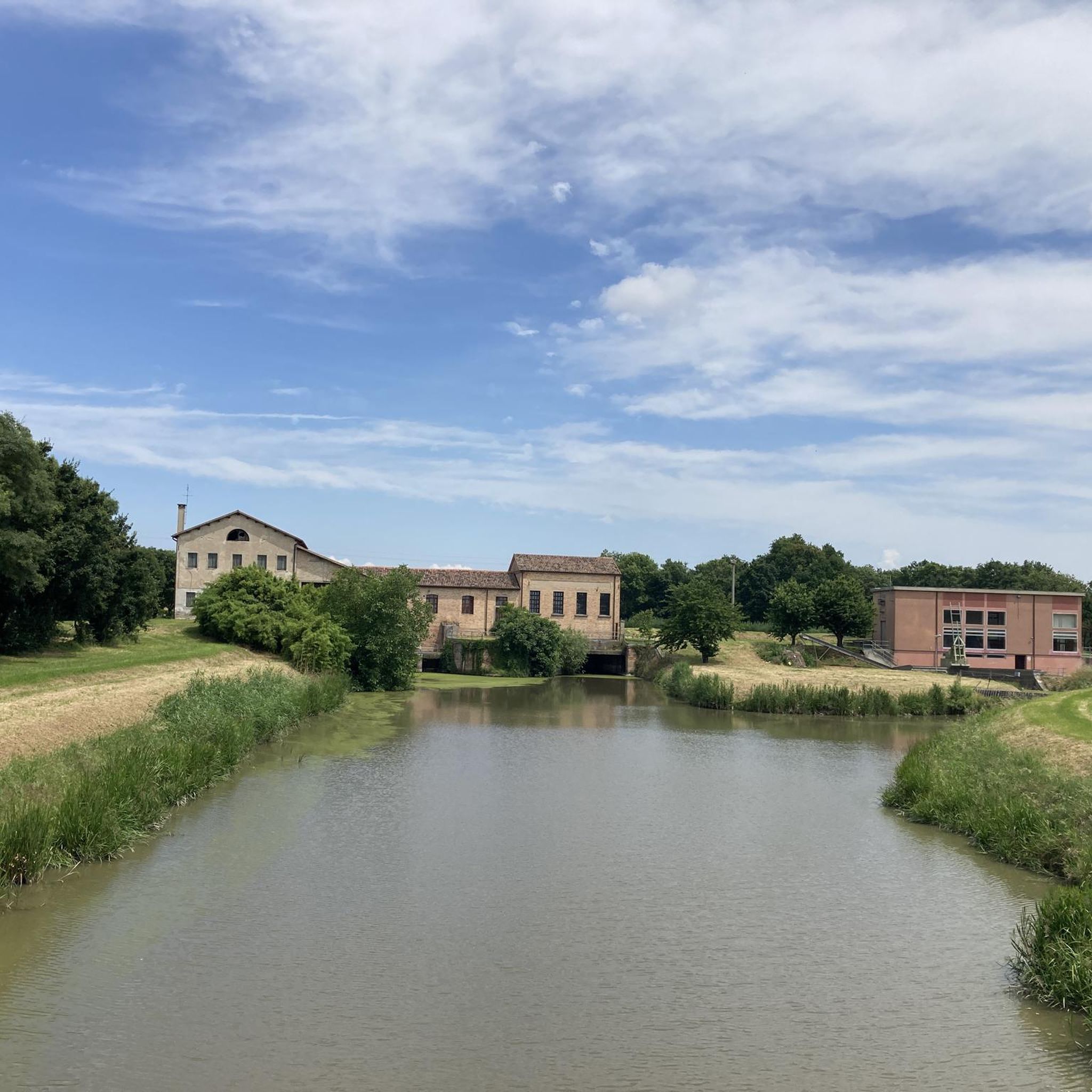
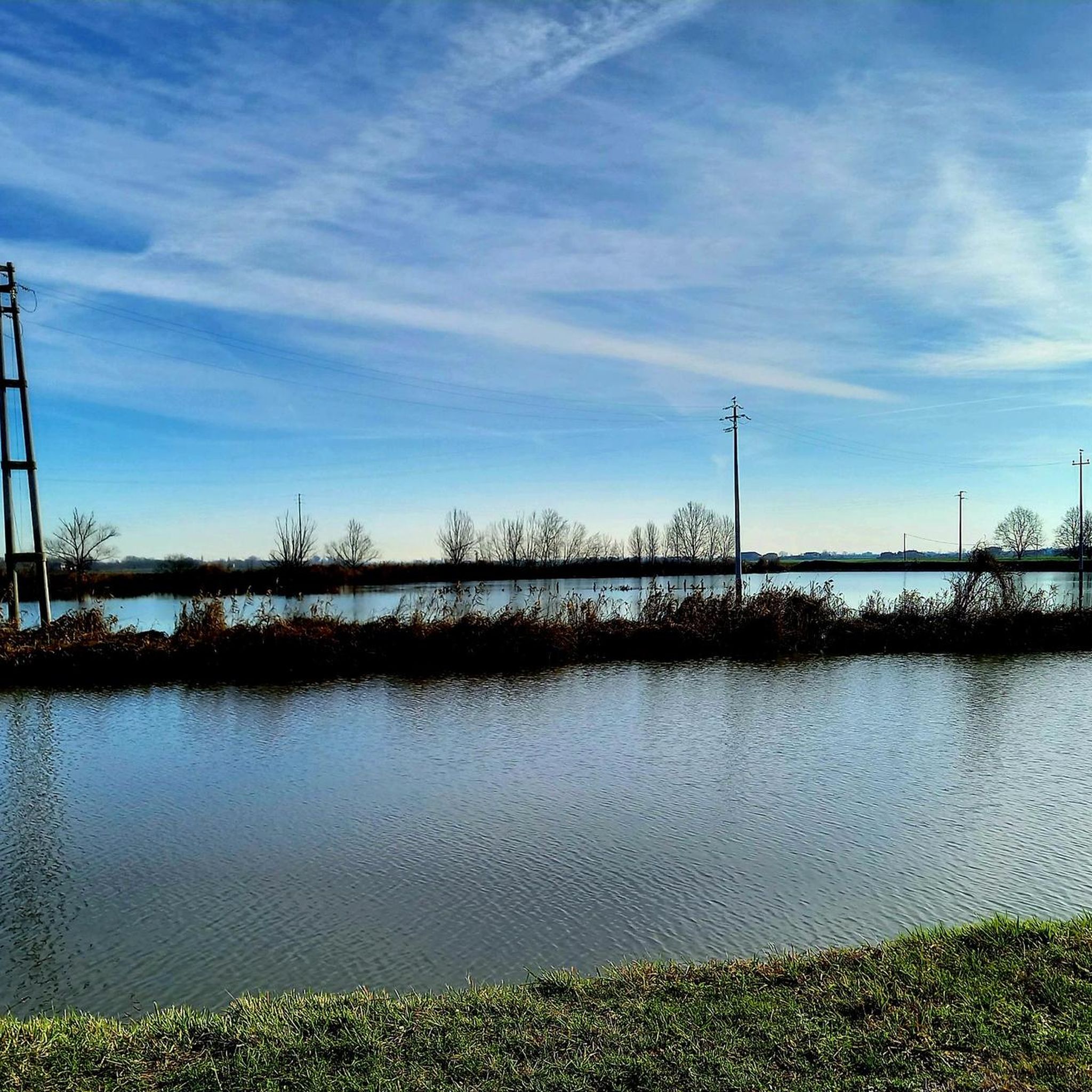
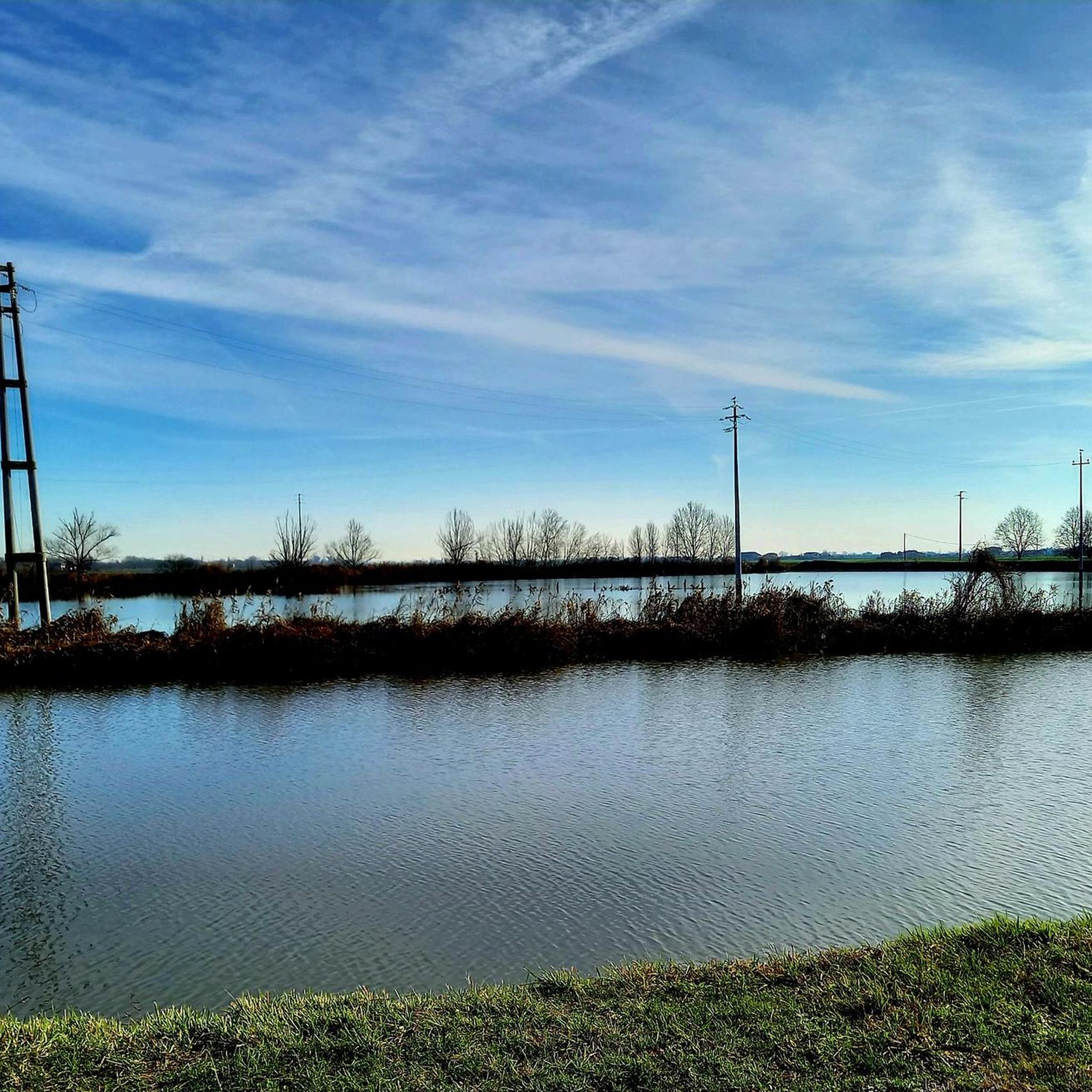
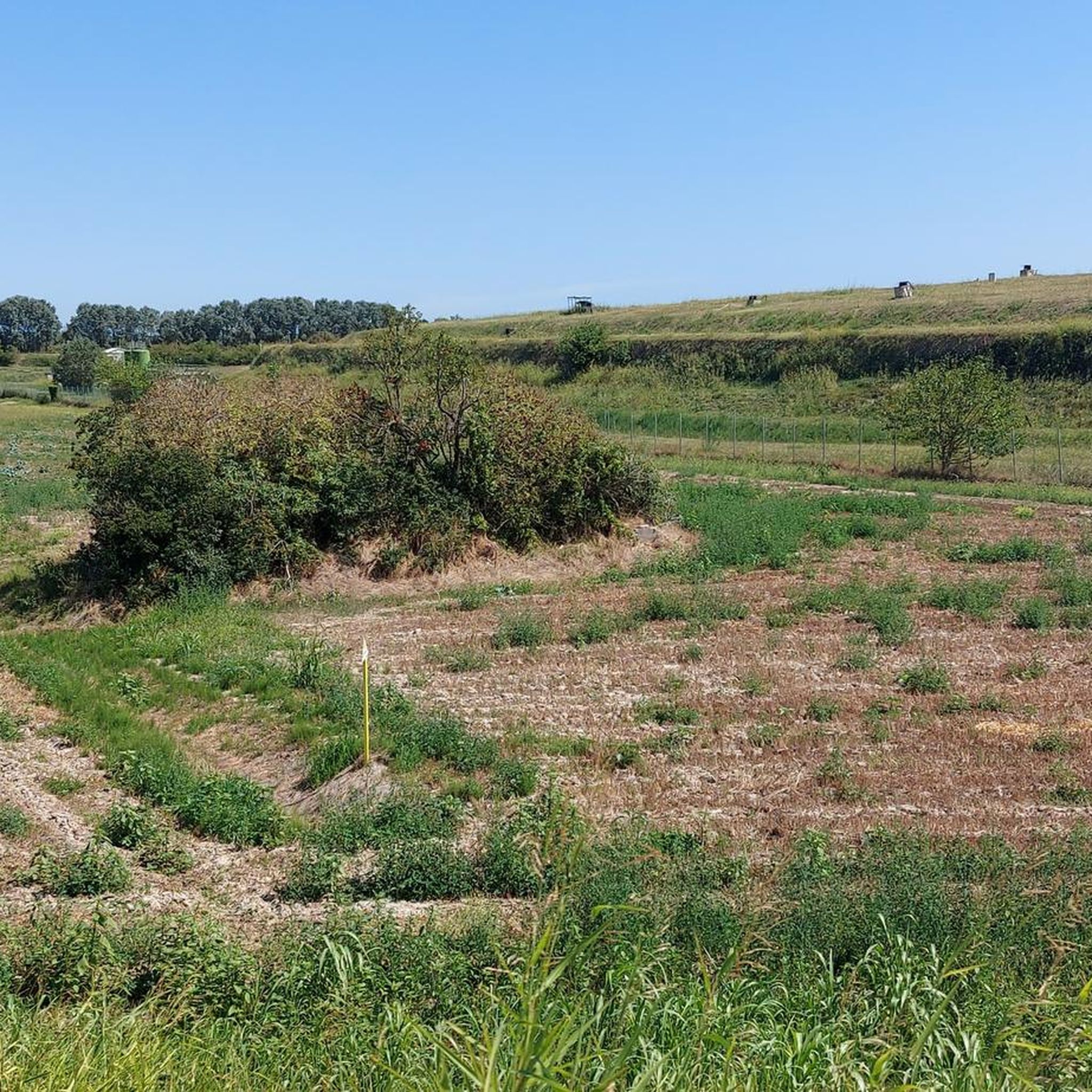

Tips from the Community

The Canal Vena is the most picturesque and vital waterway of Chioggia, often described as the city's "Grand Canal". What makes it unique are its nine bridges, each with its own history and physiognomy, connecting the side foundations and allowing passage between the alleys. The most majestic is undoubtedly the Ponte di Vigo, located at the northern end of the canal, towards the lagoon. Built of marble in 1685, it represents the monumental gateway to the city: with its imposing staircase and elegant decorations, it offers a spectacular view stretching from the canal to the nearby island of Pellestrina. The other eight bridges, such as the Ponte di San Giacomo or the Ponte Caneva, follow one another along the route, offering postcard-perfect glimpses between moored boats and historic markets. These crossings are not just architectural structures, but the beating heart of Chioggia life, where the Venetian atmosphere blends with the authenticity of the fishing village.
0
0

A town that preserves intact the traits of its maritime tradition, with its canals crossed by numerous bridges and the characteristic courtyards that open onto the waterways, offering evocative views. The brightly colored houses along the Vena Canal are one of Chioggia's most distinctive features, making it resemble a miniature of the lagoon capital, but with a livelier and more intimate feel.
0
0

Church of the "Filimates" or Patronage of the Blessed Virgin Mary and Saint Philip Neri, Chioggia The last great religious building from the time of the Serenissima, the Church of the Patronage of the Blessed Virgin Mary and Saint Philip Neri, commonly called "dei Filippini," was built between 1768 and 1772 according to designs by Tommaso Temanza and constructed by Giuseppe Canner, thanks to the generosity of Lodovico Alvise Manin, father of the last Doge of Venice (Lodovico Giovanni Manin), who was Podestà of Chioggia in 1720-21. Count Manin supported the Filipino presence in Chioggia and contributed to the construction of the church, the monastery, and the oratory. The last great religious building from the time of the Serenissima, the Church of the Patronage of the Blessed Virgin Mary and Saint Philip Neri, commonly called "dei Filippini," was built between 1768 and 1772 according to designs by Tommaso Temanza, thanks to the generosity of Lodovico Alvise Manin, father of the last Doge of Venice (Lodovico Giovanni Manin), who was Podestà of Chioggia in 1720-21. Count Manin supported the Filipino presence in Chioggia and contributed to the construction of the church, the monastery, and the oratory. Text / Source: Comune di Chioggia https://www.visitchioggia.com/de/discover/places-worth-seeing/location-details/#/infrastructures/TRN/85400b99-ddfa-4bee-b110-a25472fb9eff
14
0
Vigo Column, Piazzetta Vigo, Chioggia Vigo Column The Vigo Column, located in the square of the same name, is one of the most representative architectural elements of the city of Chioggia. Its location dates back to 1786, at the behest of Podestà Giulio Antonio Mussato. It was created from the collection of artifacts found during excavations in 1763 at the site of the former Praetorian Palace. Text / Source: City of Chioggia, Corso del Popolo, Chioggia (VE) https://www.comune.chioggia.ve.it/vivere-il-comune/luoghi/colonna-di-vigo/
14
0
Vigo Bridge, Chioggia The Vigo Bridge is one of the most important symbols of Chioggia, also known as Little Venice. A major tourist attraction, the bridge tells the story of the lagoon city's centuries-old past. Already existing in 1408, the old bridge was already present during the war against Genoa. At that time, it was the site of the fighting, so it is inferred that it existed at least by 1379. The majestic bridge was restored in 1424, but it wasn't until 1478 that it was rebuilt in stone. The bridge's balcony is entirely covered with Istrian stone and features a marble balustrade. Rebuilt in stone in 1685, the bridge was designed by Giovanni Francesco Morosini. Its conversion was prompted by the excessively high maintenance costs associated with the wooden structure. Furthermore, the bridge was essential for the city and was considered a symbol of beauty and elegance. Therefore, the year 1685 was engraved in the center of the arch. Text / Source: viaggiamo.it https://www.viaggiamo.it/ponte-vigo-chioggia/
15
0

Connection between Chioggia and Sottomarina. The city's only green space.
1
0

Along the track
0
0

This small lagoon can be admired by following a 7 km long circular cycle/pedestrian itinerary that passes through Sottomarina and Chioggia, making various stops both on the beach and in the centre of Chioggia with its canals and monuments.
0
0
Frequently Asked Questions
How many touring cycling routes are available around Cona?
There are over 100 touring cycling routes around Cona, offering a wide variety of options for exploring the region's flat landscapes, waterways, and agricultural areas.
Are there easy touring cycling routes suitable for beginners in Cona?
Yes, Cona is well-suited for beginners and those looking for relaxed rides. The region features a predominantly flat landscape with minimal elevation changes. There are nearly 50 easy touring cycling routes available, perfect for a leisurely day out.
What are some challenging touring cycling routes around Cona?
For more experienced touring cyclists seeking a challenge, Cona offers several difficult routes. One such option is the Bridge over the Adige – Adige River loop from Cavarzere, a 63.2-mile (101.7 km) path that follows the Adige River. Another demanding route is the View of the Chioggia Canal – Boschettona Beach loop from Cona Veneta, covering 54.9 miles (88.4 km) through canal-defined landscapes.
Are there circular touring cycling routes in Cona?
Yes, many touring cycling routes in Cona are designed as circular loops, allowing you to start and end in the same location. An example is the From Cavarzere to Chioggia – ring tour, which offers a 42.1-mile (67.8 km) journey connecting these two towns.
What kind of scenery can I expect on touring cycling routes around Cona?
Touring cycling around Cona is characterized by river paths, canal-side routes, and flat agricultural plains. You'll encounter numerous waterways, including the Adige River and the Chioggia Canal, offering serene views of the local ecosystem and rural life.
What are some interesting places to explore along the touring cycling routes?
Along the touring cycling routes, you can explore various attractions. Consider visiting Boschettona Beach for a coastal experience, or the historic Santa Maria Assunta Cathedral (Chioggia Cathedral). The Casoni della Fogolana, Valle Millecampi also offers a glimpse into traditional local architecture and natural beauty.
Are there any viewpoints or scenic spots along the cycling routes?
Yes, the region offers several scenic spots, particularly those overlooking the lagoons and waterways. You can find beautiful vistas such as the View of Chioggia and Laguna di Lusenzo, and the View of the Venetian Lagoon, which provide expansive views of the unique coastal landscape.
What do other touring cyclists enjoy most about cycling in Cona?
The touring cycling routes in Cona are highly rated by the komoot community, with an average score of 4.3 stars from over 250 reviews. Cyclists often praise the flat, accessible terrain, the peaceful canal-side paths, and the opportunity to explore the region's unique blend of natural and agricultural scenery.
Is there public transport access to the touring cycling routes in Cona?
Cona and its surrounding towns are generally accessible by public transport, though options may vary. It's advisable to check local bus or train schedules for connections to starting points like Cavarzere or Cona Veneta, especially if you plan to combine cycling with public transit.
What is the best time of year for touring cycling in Cona?
The best time for touring cycling in Cona is typically during the spring (April to June) and autumn (September to October) months. During these periods, the weather is generally mild and pleasant, making for comfortable riding conditions. Summers can be hot, while winters can be damp and chilly.
Are there any routes that pass by lakes or natural reserves?
Yes, some routes will take you near natural areas and reserves. For instance, you can find routes that pass close to Oasi di Ca' di Mezzo and Oasi del Gorgo Leze, which are local oases offering opportunities to observe wildlife and enjoy tranquil natural settings.
Are there any routes that lead to coastal areas or beaches?
Yes, some routes extend towards the coast, offering a change of scenery. The EuroVelo 8 Near Tornova – Wild Beach loop from Cavarzere centro is an example of a route that takes you towards a wild beach, providing a refreshing coastal experience.
Most popular attractions around Cona

Get inspired with the komoot mobile app


Explore more
Browse the best Cycling routes in other regions.
