Attractions and Places To See around Bosaro - Top 20
Attractions and places to see around Bosaro are primarily found in the Polesine region, situated between the Collettore Padano and Canalbianco rivers. This small municipality offers insights into the area's historical relationship with its waterways. Visitors can explore historical architecture, natural features, and local culture. The landscape provides opportunities for outdoor activities like cycling.
Best attractions and places to see around Bosaro
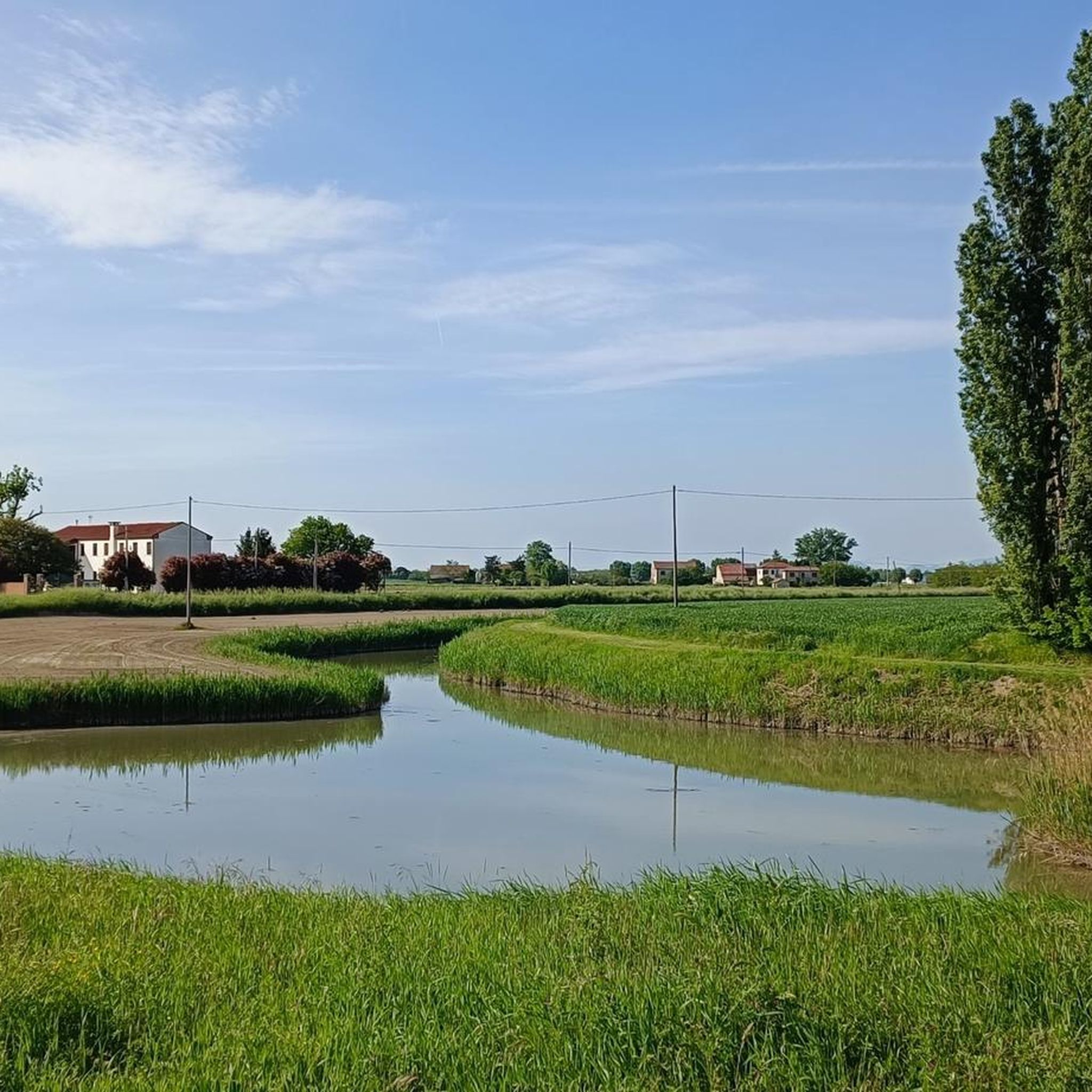
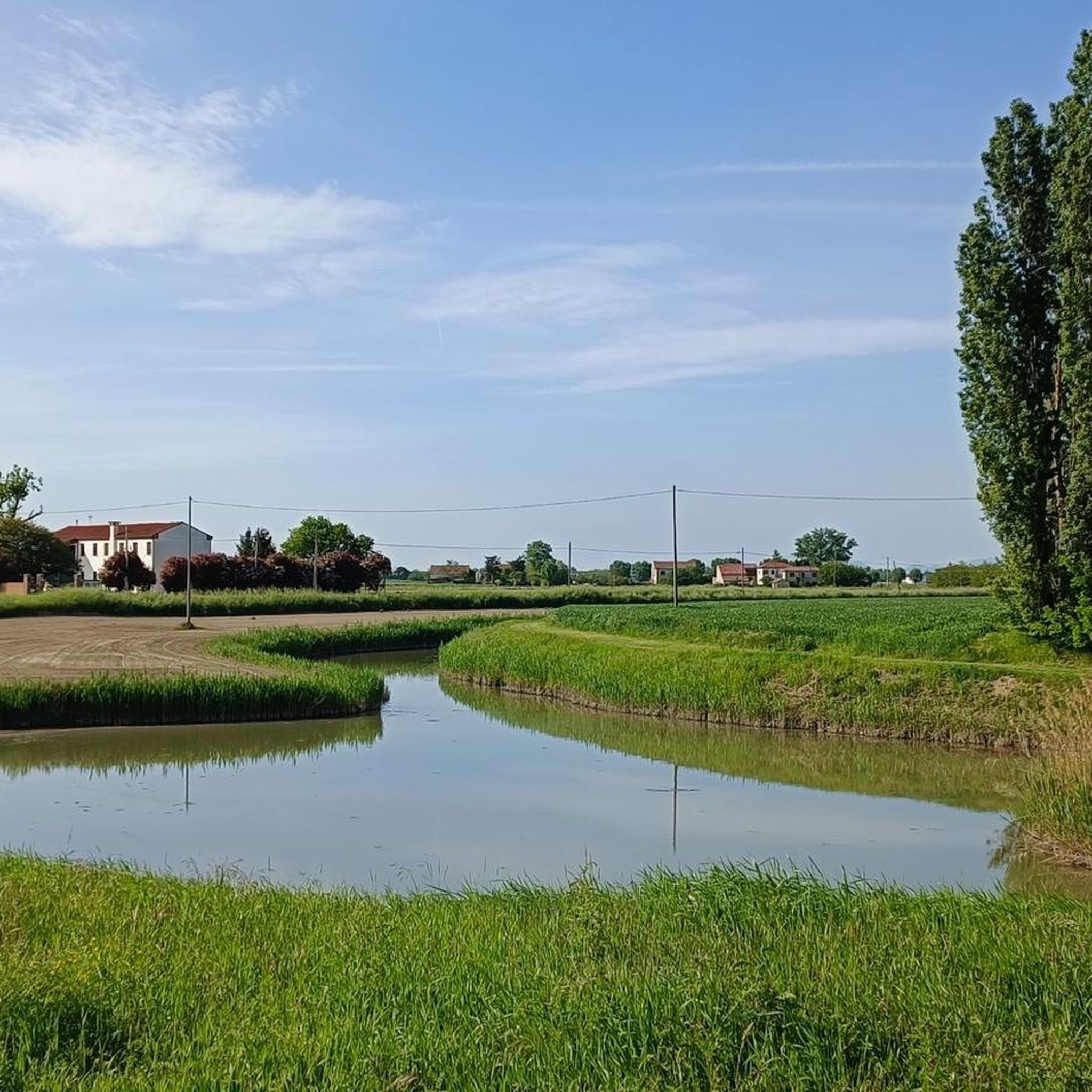
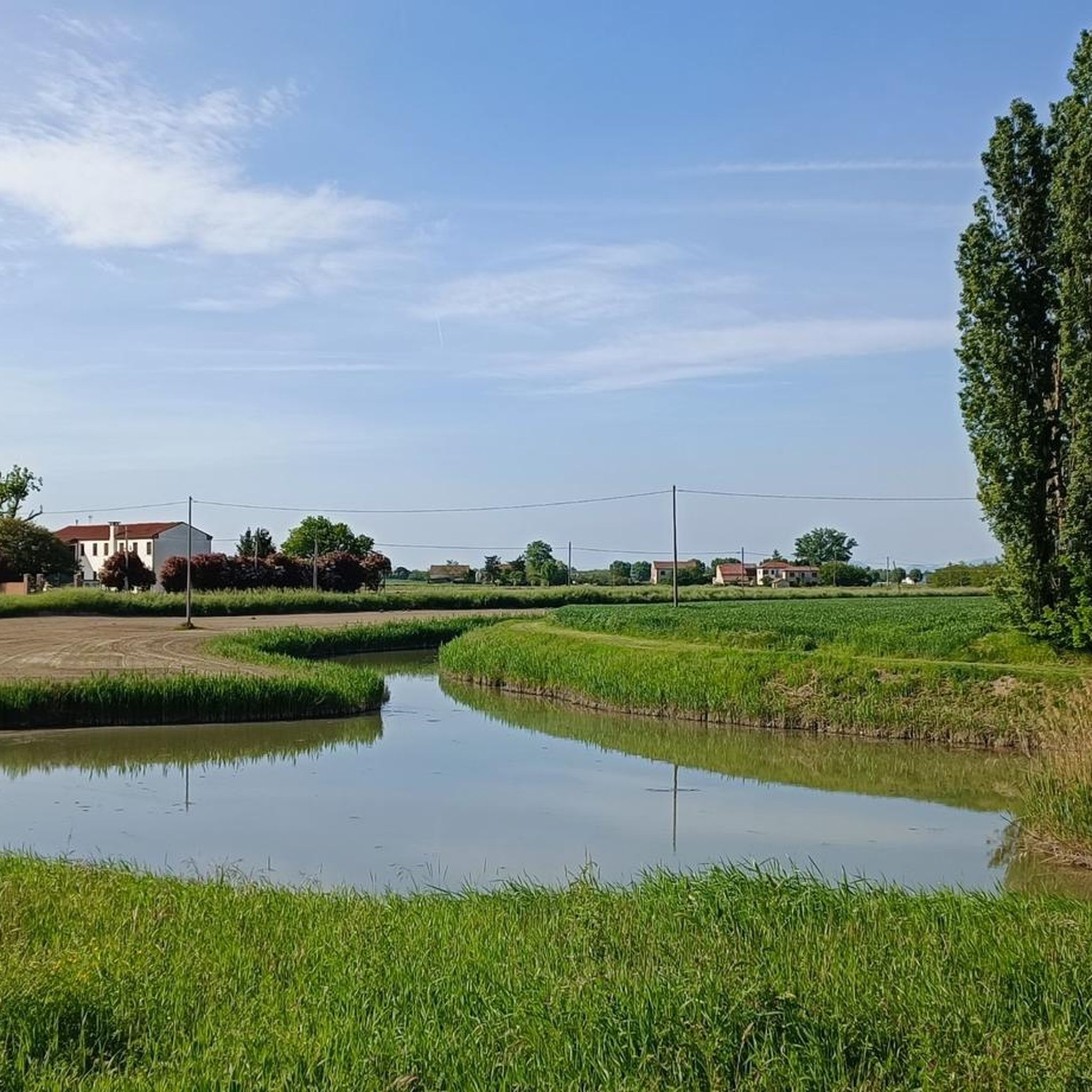
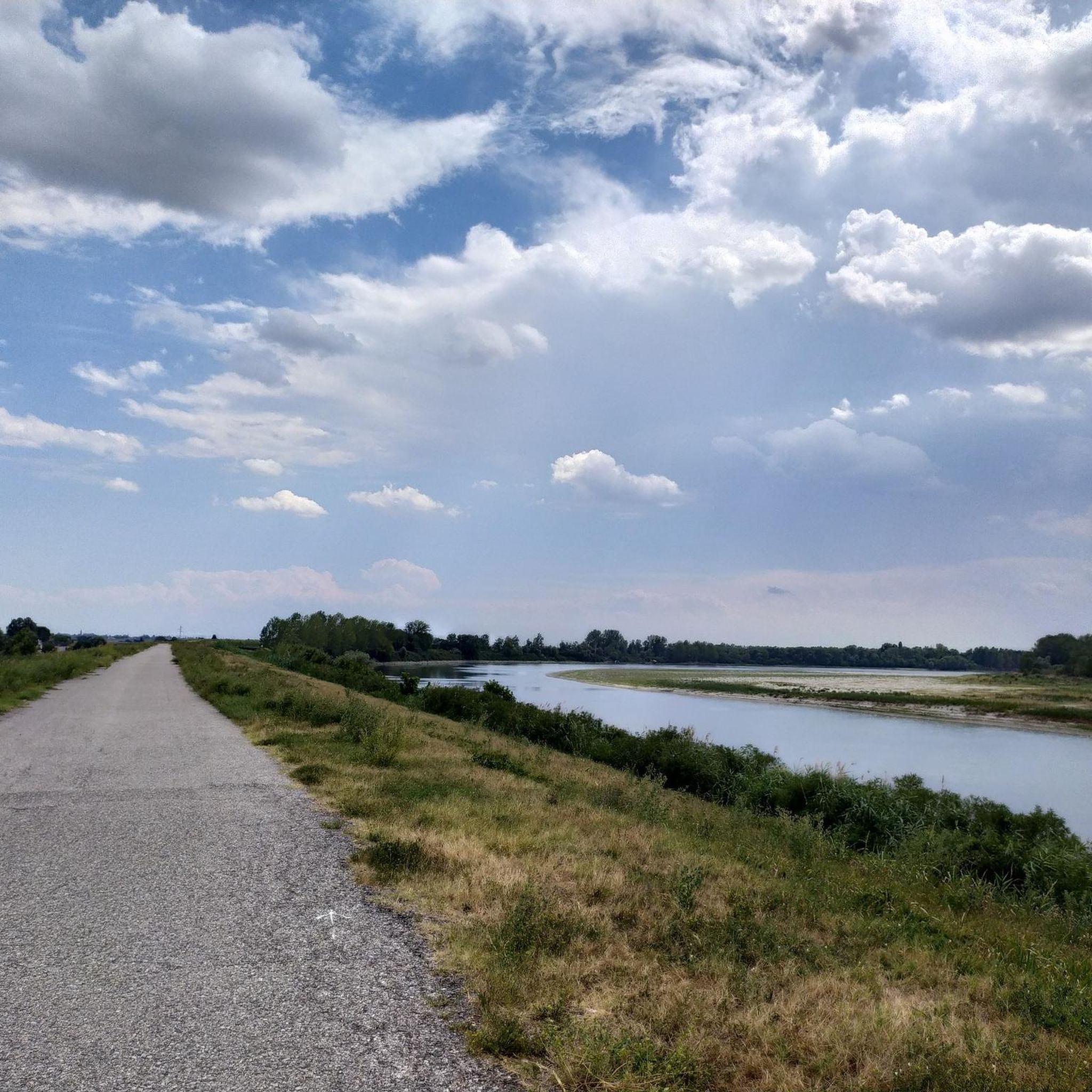
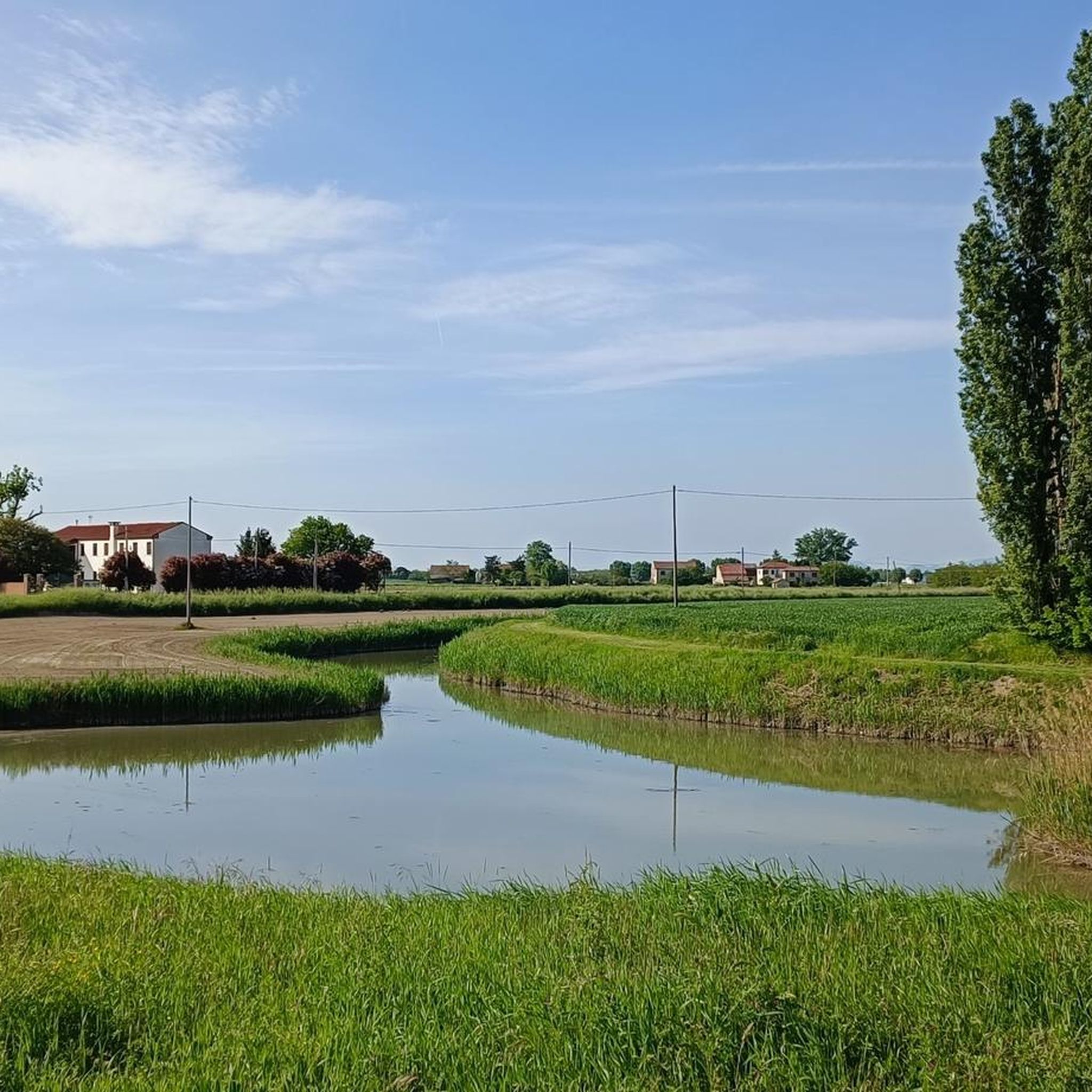
- The most popular attractions is Po cycle path from Polesella to Francolino, a cycle_way that follows the right bank of the Po. This segment of the FE20 cycle path is quiet, paved, and offers views of the Ferrara countryside.
- Another must-see spot is Villa Morosini, Polesella, a historical site. This 17th-century Venetian villa was commissioned by Pietro Morosini and is attributed to architect Vincenzo Scamozzi.
- Visitors also love Delizia di Fossadalbero, a castle built between 1424 and 1434. It features a crenellated castle appearance with 44 large rooms, a chapel, and an internal garden.
- Bosaro is known for its historical sites, natural features, and cycling routes. The area offers a variety of attractions to see and explore, from ancient dwellings to river paths.
- The attractions around Bosaro are appreciated by the komoot community, with more than 30 upvotes and 4 photos shared.
Last updated: May 11, 2026
Delizia di Fossadalbero
Highlight • Castle
According to tradition, the palace was the meeting place of Ugo, son of the Marquis Niccolò III, and Parisina, the young wife of the Marquis, whose love ended tragically.
The palace was transformed into a "Delizia" by Borso d’Este shortly before his death (1471).
It has the appearance of a crenellated castle in the Guelph style with ravelins and forepart; it has 44 large rooms with some beautiful coffered ceilings, a chapel and an internal garden.
Later it belonged to the Mosti family, when Alfonso I d’Este granted them the ducal weapon and the surname "Estense".
In the eighteenth century it passed by inheritance to Ercole Trotti Mosti Estense, whose descendant Tancredi - patriot and commander of the Bersaglieri del Po - in 1872 promoted its restoration.
The first appearance of a tennis court in the province was right here, in 1900, when Tancredi Trotti Mosti himself had one built there.
The palace later passed to the Marquis Giovanni Costabili, then to other families who took care of the restorations; currently it is the seat of the Country Club.
Translated by Google •
Tip by

San Lorenzo Memorial to the Victims of the 1951 Polesine Flood
Highlight • Historical Site
Translated by Google •
Tip by

Sign up now to discover places like this
Get recommendations on the best single tracks, peaks, & plenty of other exciting outdoor places.
Sign up for free
Mulino al Pizzon Ecomuseum
Highlight • Historical Site
Translated by Google •
Tip by

Villa Morosini, Polesella
Highlight • Historical Site
Translated by Google •
Tip by

Church of Saint James the Greater
Highlight • Religious Site
The first mention of Ro occurs in a bull of Pope Martin II of 944. The document was published by Muratori, who doubts its reliability.
The parish church in the course of various events of disputes was destroyed. In 1774, based on a design, it seems, by the arch. Antonio Foschini, the current church was elevated, with sober and elegant lines.
The bell tower dates back to 1882, as can be read in documents conserved in the parish archive.
In 1818, by decree of Pope Pius VII, the parish of Ro, together with Zocca, Guarda Ferrarese, Cornacervina and Rero passed from the diocese of Adria to that of Ferrara.
Ro obtained its own municipal autonomy in 1908, separating from the Municipality of Copparo for the law. of the Hon. Melli n. 752.
Translated by Google •
Tip by
Sign up for free to discover even more attractions around Bosaro.
Sign up for free
Already have an account?
Start today with a free account
Your next adventure awaits.
Login or Signup
Tips from the Community

An event that marked the history of Polesine
0
0
In the locality of Passo di Villamarzana, a hamlet of Frassinelle Polesine, you can see the shrine of San Lorenzo, with its external memorial exhibition of the Polesine flood of 1951. Next to it is a small and touching cemetery, which houses the bodies of the 84 victims of the flood, involved in the tragedy that took place between Frassinelle and Villamarzana on 15 November 1951, which went down in history as "The truck of death". The rescue vehicle was supposed to transport as many evacuees as possible to Rovigo: but during the night, amidst the thick fog and the rushing waters, the truck sank. Among so many elderly people, women and many children, few people managed to save themselves.
1
0
In Fratta Polesine, at the confluence of two waterways, the Canalbianco and the Scortico, there is the Mulino al Pizzon, the only example of a ground-level mill in the province of Rovigo. The building took shape between 1851 and 1853 when six citizens of Fratta Polesine decided to financially support, together with the Municipality of Fratta, the construction of the mill to restore the river route compromised in 1823 following a disastrous breach of the Scortico canal. In 1856 the Municipality of Fratta became the owner of the mill and, over the years, thanks to technological innovation, it underwent important changes with the installation of electric motors (1950), while maintaining the water traction system. In 1964 the mill ceased its activity. In 2004 the Cooperativa Turismo & Cultura of Rovigo promoted the recovery of the mill complex and reopened it to the public. Unfortunately, with the fire of 2018, part of the structure and machinery were destroyed. In 2019 it will be reopened as an Ecomuseum with various socio-cultural functions (workshops, guided tours, bookshop ...). Part of the complex is used as a restaurant and inn where you can taste the products and dishes of the Polesine cuisine.
0
0
Villa Morosini in Polesella (RO), is a historic Venetian noble residence, restored to its original splendor after an intense restoration work. Its construction is attributed to the architect Vincenzo Scamozzi, a student of Palladio. The works began at the end of the 16th century, recovering an old Ferrarese residence from the 15th century. Inside this prestigious residence is set up the extraordinary art collection of the engineer Luciano Zerbinati, owner of the property.
1
0

Beautiful little church to visit!
1
0

Villa Morosini, also referred to as Ca' Morosini, is a Venetian villa located in the south-eastern suburbs and about one kilometer from the center of Polesella, in the province of Rovigo.
3
0

The shrine of San Lorenzo is dedicated to the victims of the terrible flood of 1951 which, in addition to destroying the surrounding countryside, cost the lives of many local inhabitants.
4
0

Seventeenth-century villa commissioned by Pietro Morosini to the architect Vincenzo Scamozzi which later became the home of his son, the Doge of Venice, Pietro Morosini
4
0
Frequently Asked Questions
What historical sites can I visit around Bosaro?
The area around Bosaro is rich in history. You can explore the impressive Delizia di Fossadalbero, a 15th-century castle with a crenellated appearance and 44 rooms. Another significant site is Villa Morosini, Polesella, a 17th-century Venetian villa. Don't miss the Mulino al Pizzon Ecomuseum, a unique ground-level mill that now hosts workshops and showcases Polesine cuisine. Additionally, the Church of S. Sebastiano Martire, dating back to the late 15th century, and Ca' Torelli (now Villa Santi), an ancient Renaissance dwelling, offer glimpses into the region's past.
Are there any natural attractions or features to see near Bosaro?
Yes, Bosaro's location between the Collettore Padano and Canalbianco rivers means there are several natural features to enjoy. Along the picturesque cycling routes, you can discover Gorgo "La Fossa," a striking pool surrounded by lush riparian vegetation. The region's waterways themselves are a significant natural element, shaping the landscape and providing scenic views.
What cycling opportunities are available around Bosaro?
Bosaro is known for its excellent cycling routes. A popular choice is the Po cycle path from Polesella to Francolino, a quiet, paved segment of the FE20 cycle path that offers beautiful views of the Ferrara countryside. Many routes follow the ancient canal, which once connected the Canalbianco to the Po River. For more options, you can explore various Road Cycling Routes around Bosaro.
Are there family-friendly attractions in the Bosaro area?
Several attractions around Bosaro are suitable for families. The Mulino al Pizzon Ecomuseum offers an engaging experience with workshops and a chance to learn about local history and cuisine. The Po cycle path from Polesella to Francolino is also family-friendly, providing a safe and scenic environment for a bike ride. Historical sites like Villa Morosini, Polesella and the Church of Saint James the Greater can also be interesting for older children.
Can I find hiking trails near Bosaro?
Yes, there are several hiking opportunities in the vicinity of Bosaro. You can find a variety of trails, including easy loops like the 'Hiking loop from San Sisto' or the 'Rovigo Castle Towers loop from Rovigo'. For more detailed information and route options, refer to the Hiking around Bosaro guide.
What is the Mulino al Pizzon Ecomuseum?
The Mulino al Pizzon Ecomuseum is a unique ground-level mill located in Fratta Polesine, at the confluence of the Canalbianco and Scortico waterways. Originally built between 1851 and 1853, it ceased activity in 1964 but was later reopened as an Ecomuseum. It now serves as a socio-cultural center offering workshops, guided tours, a bookshop, and a restaurant where you can taste traditional Polesine cuisine.
What is the significance of the Delizia di Fossadalbero?
The Delizia di Fossadalbero is a historical castle built between 1424 and 1434. It features a distinctive crenellated castle appearance with 44 large rooms, a chapel, and an internal garden. Historically, it was a meeting place for Ugo, son of Marquis Niccolò III, and Parisina, the Marquis's young wife, whose love story ended tragically. It later became a 'Delizia' under Borso d’Este and has a rich history of ownership and restoration, even hosting the first tennis court in the province in 1900.
Are there any unique engineering structures to see?
Yes, in the locality of Bresparola, you can find an intriguing hydraulic engineering structure known as a "botte." Designed by F. Paleocapa in 1901, this conduit passes underneath the Fossa di Polesella, facilitating water drainage and showcasing the region's historical relationship with its waterways.
What kind of views can I expect on the Po cycle path?
The Po cycle path from Polesella to Francolino offers excellent views of the Ferrara countryside. As it follows the right bank of the Po River, cyclists can enjoy scenic landscapes, especially during sunset, and appreciate the tranquility of the area due to the absence of vehicular traffic.
What is Villa Morosini, Polesella?
Villa Morosini, Polesella is a historic 17th-century Venetian villa. It was commissioned by Pietro Morosini and is attributed to the renowned architect Vincenzo Scamozzi, a student of Palladio. The villa, also known as Ca' Morosini, has been restored to its original splendor and houses an extraordinary art collection belonging to its current owner.
What kind of running trails are available near Bosaro?
For runners, there are various trails around Bosaro, including moderate loops like the 'Fontana della Riconoscenza loop from Sant'Apollinare' and the 'Running loop from Bosaro'. These trails offer opportunities to explore the local landscape while enjoying a run. More options can be found in the Running Trails around Bosaro guide.
What do visitors enjoy most about the attractions around Bosaro?
Visitors particularly appreciate the peaceful and scenic nature of the cycling paths, such as the Po cycle path from Polesella to Francolino, which is described as quiet and offering beautiful views. The historical depth of sites like the Delizia di Fossadalbero and Villa Morosini, Polesella, along with the cultural insights provided by the Mulino al Pizzon Ecomuseum, are also highly valued.

Get inspired with the komoot mobile app


Explore more
Still not found the Highlight you’re looking for? See guides of the top attractions in other regions:
