Top 14 Castles around Kastelruth - Castelrotto
Castles around Kastelruth - Castelrotto are situated in South Tyrol, offering a blend of historic architecture and scenic mountain landscapes. The region is characterized by its position at the foot of the Dolomites, providing dramatic backdrops for these ancient structures. Visitors can explore a variety of castles, from well-preserved fortresses to atmospheric ruins. These sites offer insights into the area's medieval past and strategic importance.
Best castles around Kastelruth - Castelrotto
- The most popular castles is Presule Castle, a…
Last updated: October 9, 2026
Presule Castle
Highlight • Castle
Translated by Google •
Tip by

Ruins of Castelveccio (Hauenstein Castle)
Highlight • Castle
Hidden under a thick rock is a small area with seating (for children) and a thick book with short stories and legends from the area to read aloud.
Translated by Google •
Tip by

Sign up now to discover places like this
Get recommendations on the best single tracks, peaks, & plenty of other exciting outdoor places.
Ruins of Wolkenstein Castle
Highlight • Castle
Translated by Google •
Tip by

Fischburg Castle (Ciastel de Gherdëina)
Highlight • Castle
Showing Translation
Tip by

Trostburg Castle
Highlight • Castle
Absolutely nice guided tour in German and Italian.
Very informative and interesting. Absolutely worth …
Showing Translation
Tip by
Sign up for free to discover even more castles around Kastelruth - Castelrotto.
Already have an account?
Start today with a free account
Your next adventure awaits.
Popular around Kastelruth - Castelrotto
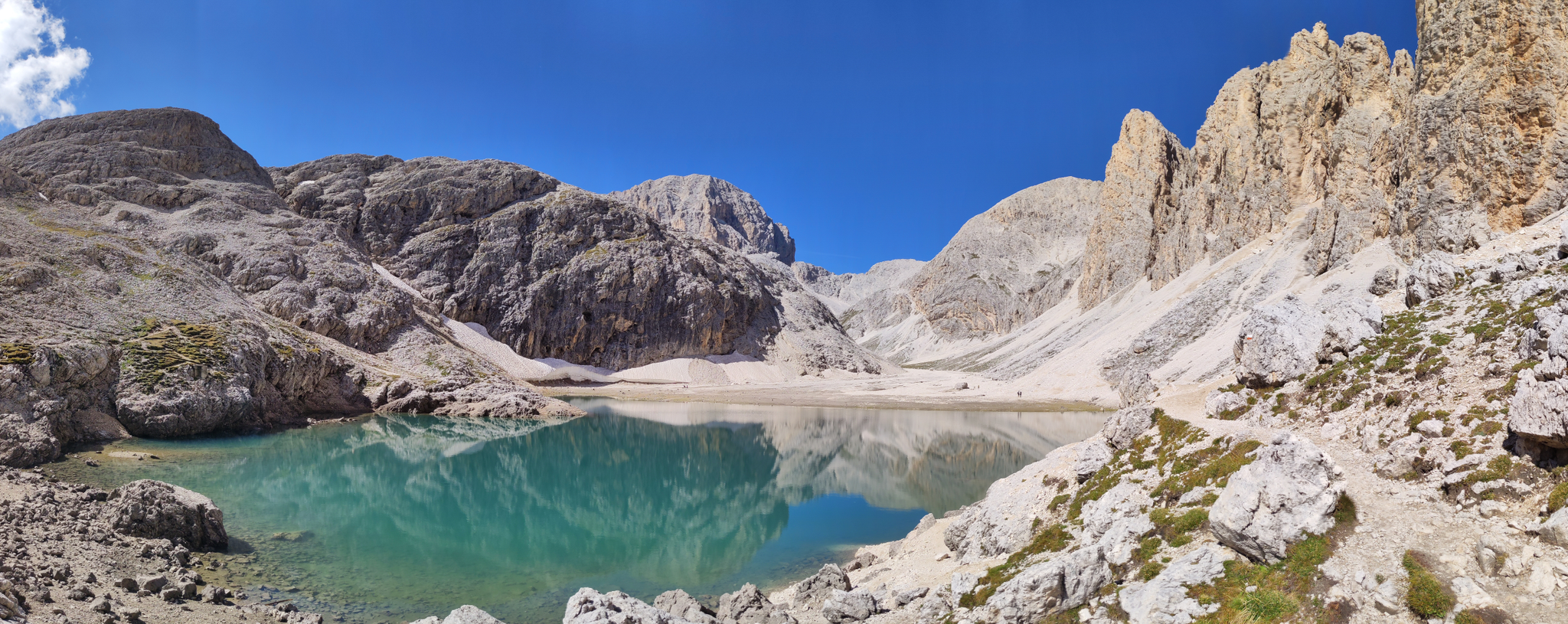
Dolomiti Trek-King – autumnal wonder

Great food, great fun and action – varied family cycling in South Tyrol
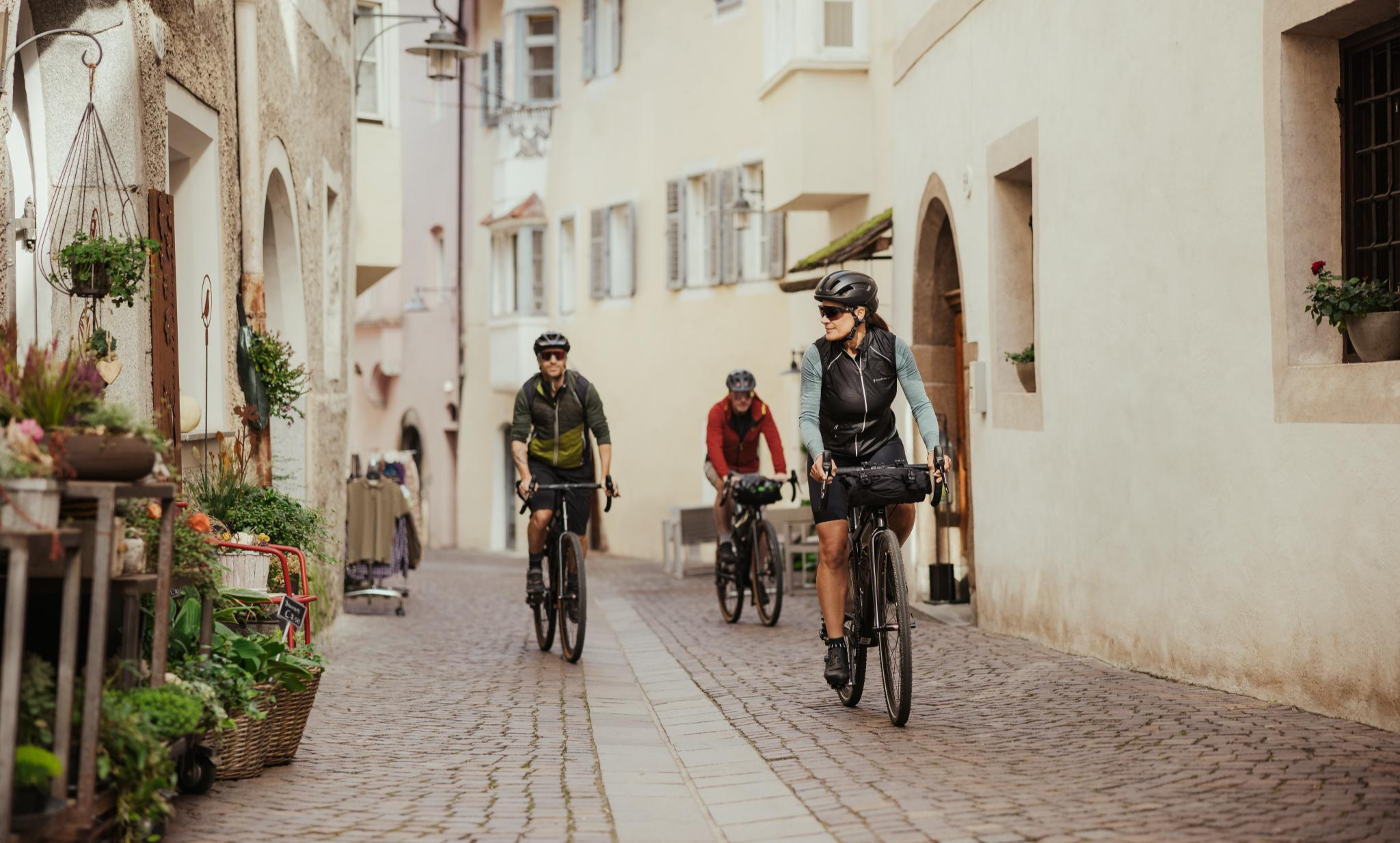
Cycling South Tyrol's historic villages – 'Borghi più belli d’Italia' in Alto Adige
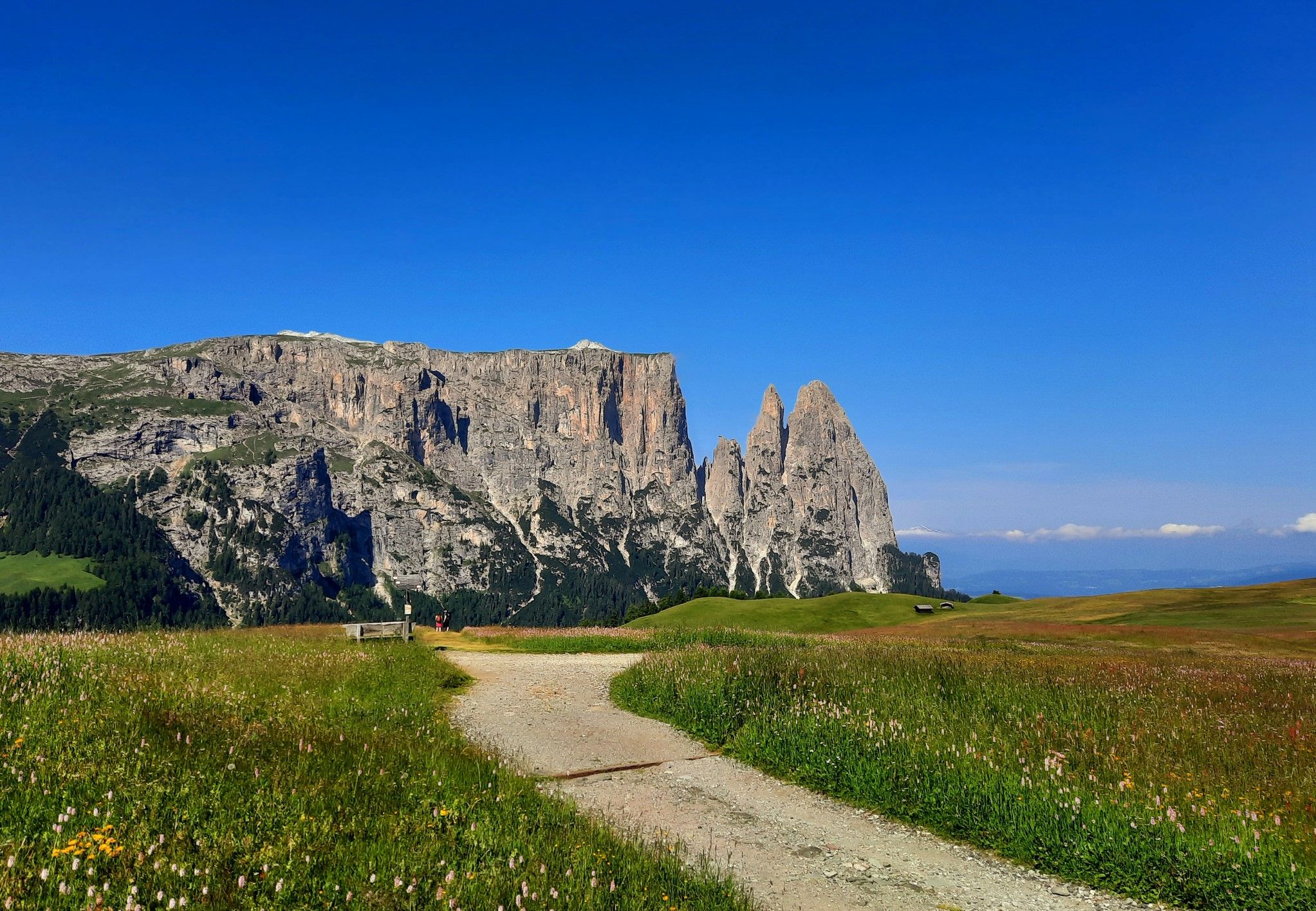
Running in the Dolomites – Italy’s Running Park Alpe di Siusi
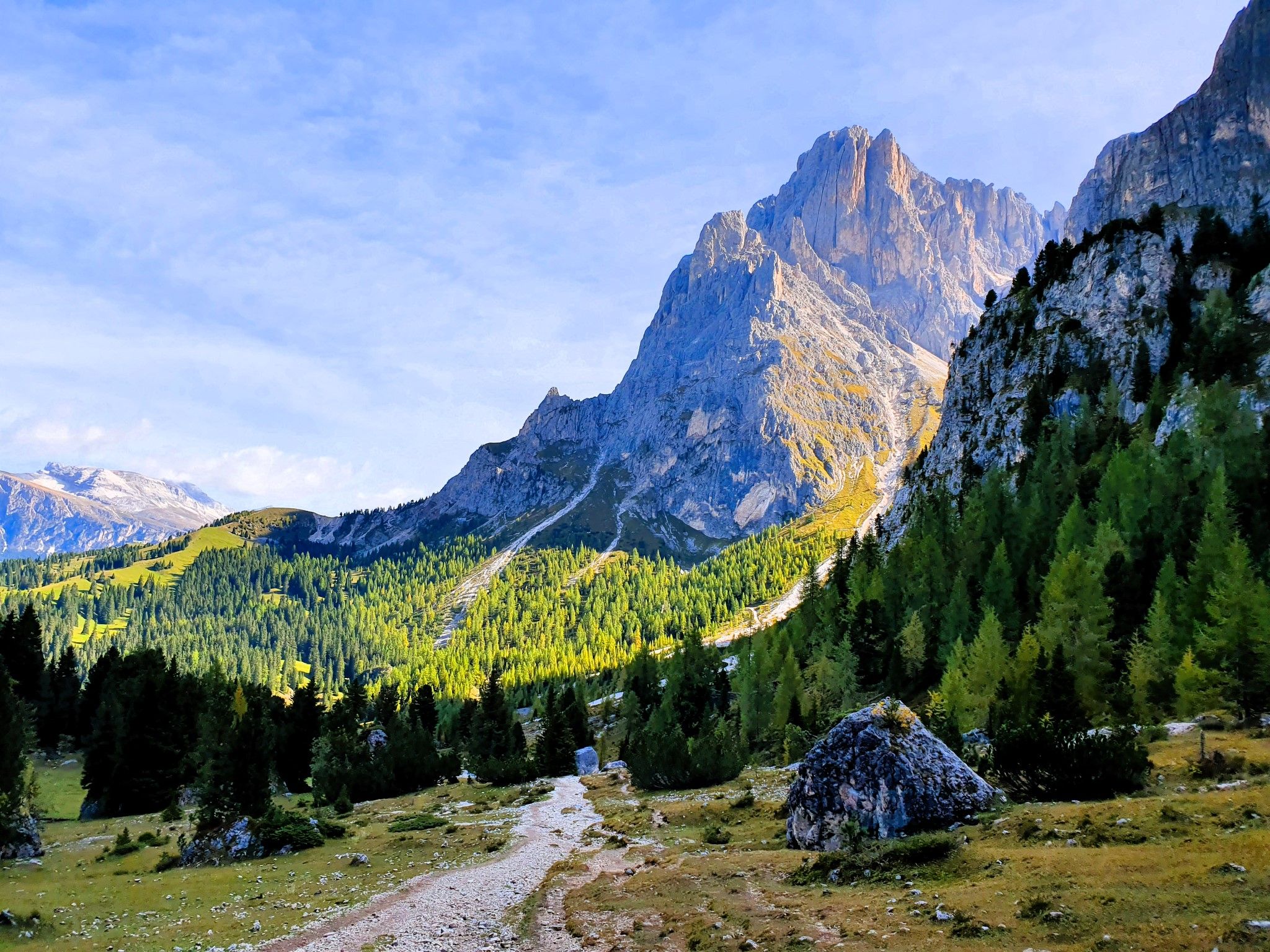
Trail running between the Sciliar and the Puez – Bolzano to Selva
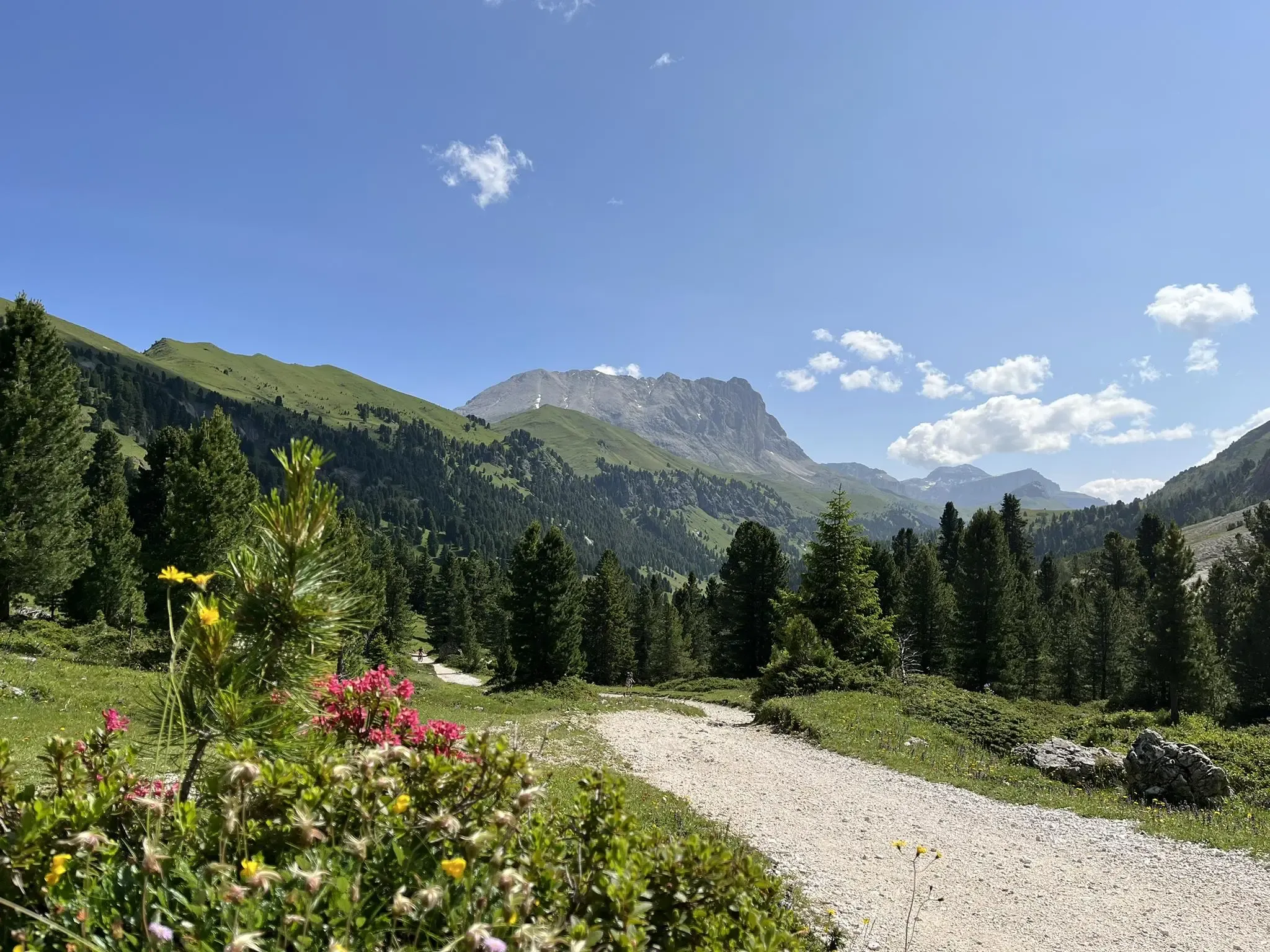
Three days in the Val di Fassa – Dolomiti Trek-King
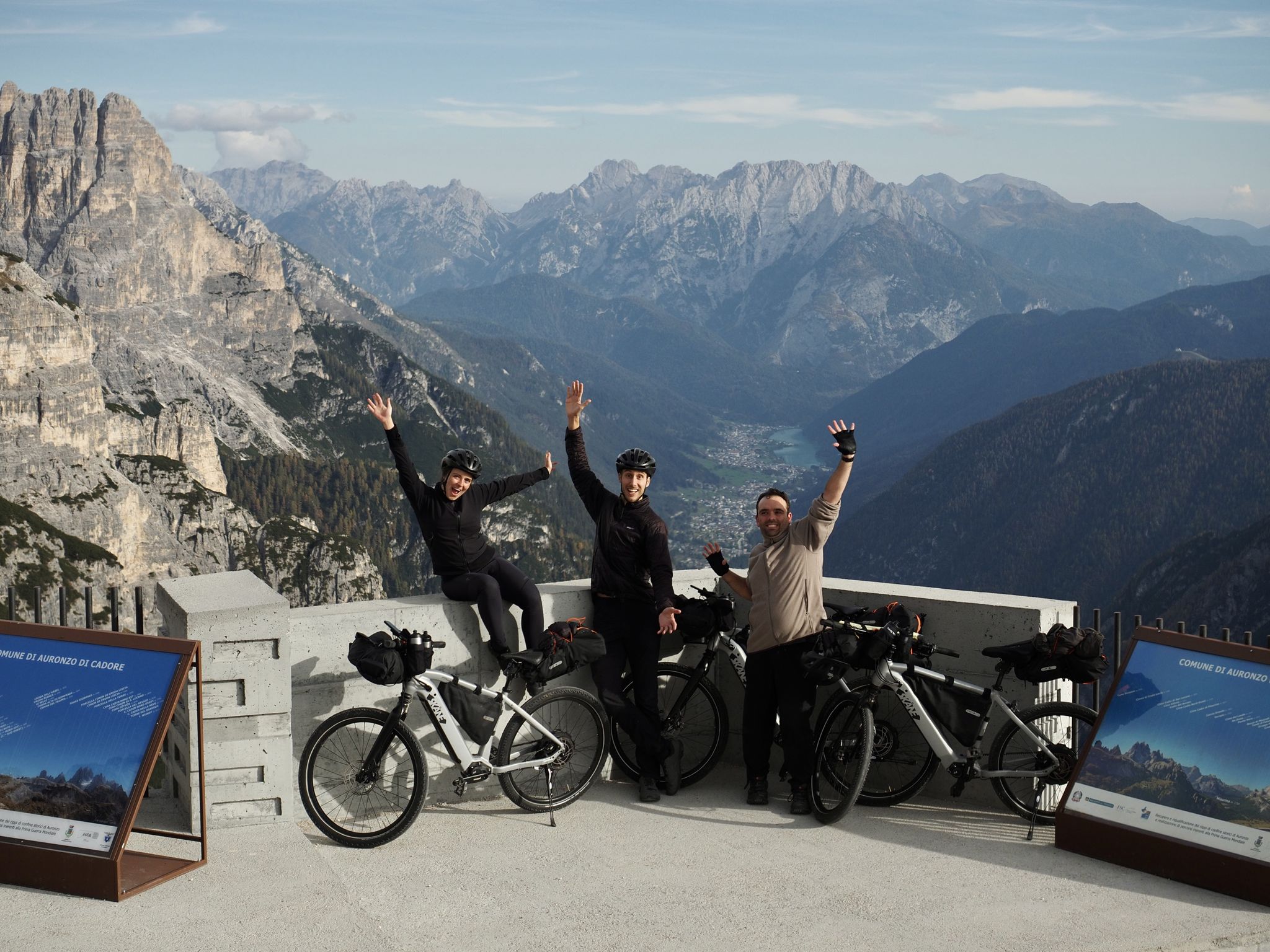
A family adventure – bikepacking through the Dolomites with Belén's brother
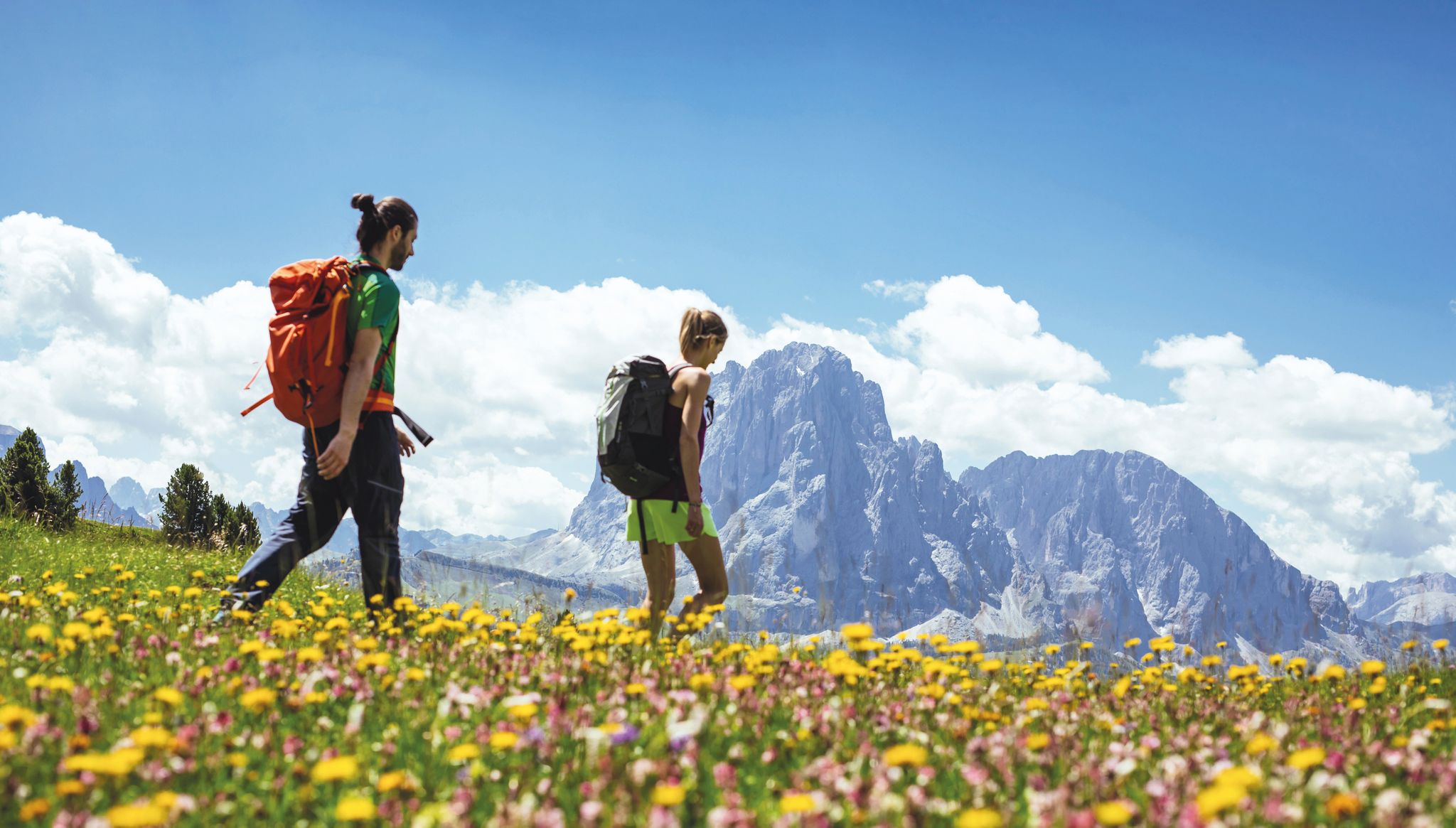
Hiking in Val Gardena – Dolomites
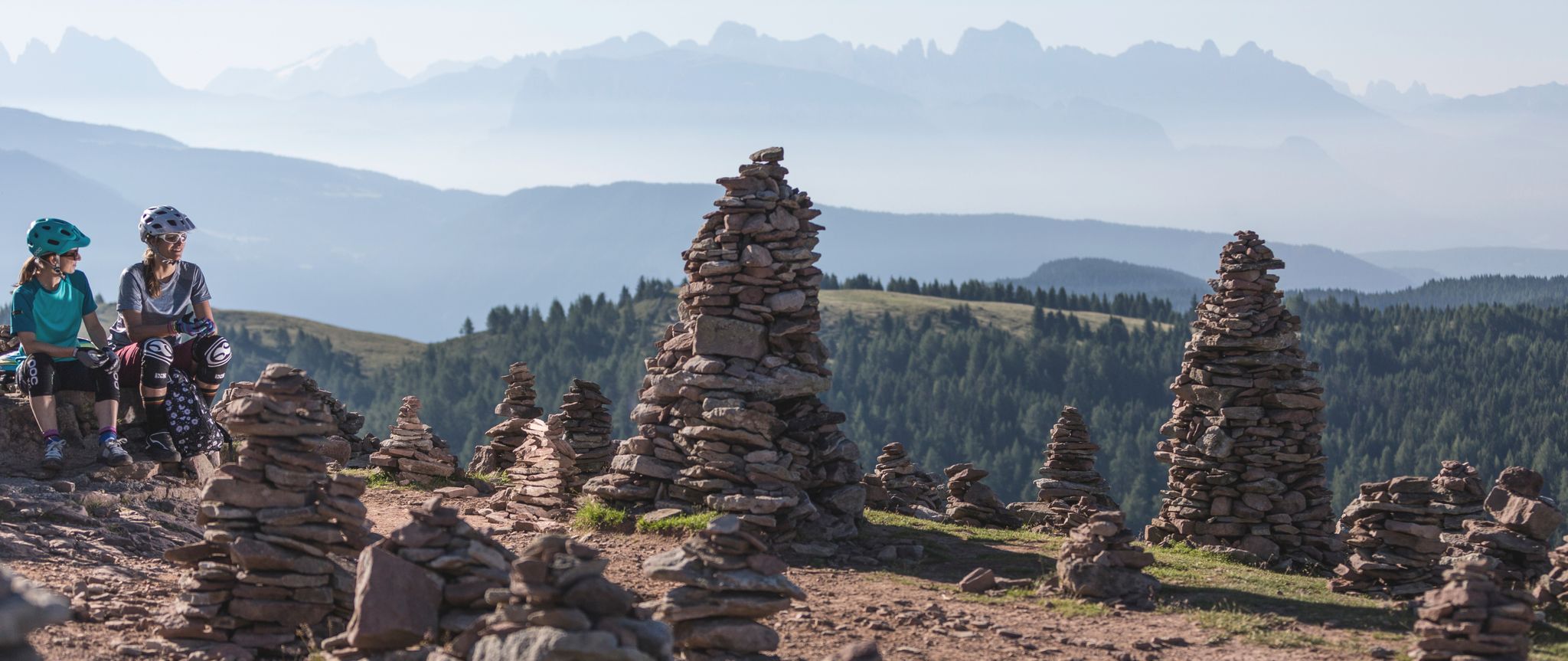
Summertime mountain biking South Tyrol

Graveln abseits der bekannten Routen – Südtirol entdecken
Other adventures around Kastelruth - Castelrotto


Tips from the Community

The Trostburg can be visited with a guided tour, entrance fee €9/adult and €6 for children. Absolutely nice guided tour in German and Italian. Very informative and interesting. Absolutely worth it. Many well-preserved rooms, pictures, furniture and also great from the outside.
10
0
Beautiful romantic 🏰. Some scenes from Roman Polanski's "Dance of the Vampires" were even filmed here.
12
0

A lovely place to stop for a break after a hike along the Oachner Höfeweg. I can wholeheartedly recommend the delicious buckwheat cake.
2
1
Prösels Castle was first mentioned in a document in 1279. Its construction, then still known as Prösels Castle, dates back to the turn of the 12th and 13th centuries. The castle underwent a major alteration at the beginning of the 16th century, for which Leonhard von Völs was responsible. The Barons of Völs family had been the family that owned the castle the longest and thus significantly shaped its present appearance. It was chosen as the family seat of the Barons of Völs due to its strategically favorable geographical location, which also seemed ideally suited for defense purposes. Therefore, Prösels Castle was equipped with the most modern military and defensive technology of its time. At that time, it served to ward off enemies while simultaneously meeting the need for representation and comfortable living. Events that occurred at Prösels Castle at the beginning of the 16th century certainly cast a dark shadow over the castle's history. Between 1506 and 1510, the so-called witch trials were held at Prösels Castle, which was also the seat of the Fiè district court. Around 30 people were sentenced to death. A memorial at the entrance to the castle, erected by the municipality of Fiè allo Sciliar, commemorates these tragic witch burnings. The following inscription is inscribed on this memorial: "The municipality of Fiè allo Sciliar commemorates its fellow citizens who were convicted as witches and sorcerers 500 years ago. Their burning at the stake of ignorance and delusion serves as a warning to us, the next generation, and makes us vigilant against intolerance and every form of exclusion." Since then, the ravages of time have taken their toll on the walls of Prösels Castle, leaving it increasingly to decay. Thanks to the commitment of private individuals, this decay was ultimately prevented. The Kuratorium Schloss Prösels GmbH has owned the castle since 1981. Source: https://seiseralm-schlerngebiet.com/schlerngebiet/orte/225-proesels.html
2
0

The ruins are located at the confluence of the Vallunga and Val Gardena valleys, over 1,600 meters high in the Stevia rock face, in the Puez Group of the Dolomites. The small castle served an important strategic function, guarding the crossing over the Gardena Pass into Val Badia.
13
0


On the left side of the Val Gardena stream, between Selva and St. Christina, the Fischburg (Ladin Ciastel de Gherdëina) stands enthroned, surrounded by numerous fish ponds, which gave the castle its name. The castle was built between 1622 and 1641 by Engelhard Dietrich von Wolkenstein-Trostburg as a summer residence and hunting lodge, even though the monumental building exudes medieval defensiveness. The castle was equipped more with hunting weapons than with military weapons. Fishing equipment was also found - obvious, considering the nearby fish ponds. At the end of the 18th century, the castle gradually fell into disrepair, and in 1826 part of the inventory was auctioned off. In the middle of the 19th century, Count Leopold von Wolkenstein-Trostburg donated the Fischburg to the municipality of St. Christina, which wanted to build a home for the elderly and the poor here. In 1926, the castle was sold to Baron Carlo Franchetti from Venice, who renovated the castle inside and out and equipped it with furnishings purchased in South Tyrol and Val Gardena. The castle is still owned by this Venetian family today and is not accessible. https://www.valgardena-groeden.com/de/highlights/burgen-schloesser/fischburg/
3
0

Beautiful old castle, which unfortunately cannot be visited. It is privately owned
4
0
Frequently Asked Questions
Which castles offer the most comprehensive historical experience in the Kastelruth - Castelrotto area?
For a deep dive into history, Trostburg Castle is highly recommended. It's a well-preserved fortress with a history dating back to the 12th century, housing the South Tyrolean Castle Museum. Visitors can explore richly carved Gothic parlors, the living quarters of the Counts of Wolkenstein, and a frescoed chapel. Guided tours provide detailed insights into its legacy.
Are there any castles that are particularly family-friendly to visit?
Yes, Presule Castle is a great option for families, offering guided tours from May to October. The Ruins of Castelvecchio (Salegg Castle) are also family-friendly, accessible via a short detour from the Oswald-Von-Wolkenstein-Weg, which features playful elements and stories for children along the path.
What kind of views can I expect when visiting castles in this region?
Many castles in the Kastelruth - Castelrotto area offer magnificent panoramic views. Trostburg Castle provides stunning vistas of the Eisack Valley and the Dolomites. From Presule Castle, you can enjoy wonderful views of the Schlern massif, especially from the opposite powder tower. The Ruins of Wolkenstein Castle, perched high in the Dolomites, offer dramatic views of the surrounding peaks and valleys.
Are there hiking trails that connect to or pass by these castles?
Absolutely. The Ruins of Castelvecchio (Salegg Castle) and Burg Hauenstein are both freely accessible via the scenic Oswald-Von-Wolkenstein-Weg from Seis am Schlern. The Ruins of Wolkenstein Castle are a popular destination for hikers due to their dramatic location and can be combined with other trails in the Val Gardena area. You can find more hiking options in the region, including the 'Oswald von Wolkenstein Trail', in the Running Trails around Kastelruth - Castelrotto guide.
Which castles are ruins and what makes them worth visiting?
The Ruins of Castelvecchio (Salegg Castle) and Burg Hauenstein are notable ruins near Siusi allo Sciliar. Castelvecchio offers a mysterious atmosphere and is part of scenic hiking trails, while Burg Hauenstein, once the residence of Oswald von Wolkenstein, provides impressive views and a connection to medieval legends. The Ruins of Wolkenstein Castle are uniquely situated high on a rock face, offering a historical point amidst stunning natural beauty.
Can I visit the interior of all castles, or are some only viewable from the outside?
While Trostburg Castle and Presule Castle offer interior tours (guided tours for Presule from May to October), Fischburg Castle (Ciastel de Gherdëina) is privately owned and generally not accessible inside for tours. Its exterior, however, is an imposing sight amidst the Dolomites. The ruins like Castelvecchio, Hauenstein, and Wolkenstein are freely accessible to explore their remaining structures.
What outdoor activities are available near the castles in Kastelruth - Castelrotto?
Beyond exploring the castles, the region offers a variety of outdoor activities. You can find numerous mountain hikes in the Mountain Hikes around Kastelruth - Castelrotto guide, including routes like the 'Saltner Hut – Touristensteig Trail loop'. For cycling enthusiasts, there are challenging MTB trails listed in the MTB Trails around Kastelruth - Castelrotto guide. Running trails, such as the 'Oswald von Wolkenstein Trail', are also available in the Running Trails around Kastelruth - Castelrotto guide.
Is there a castle that also serves as a cultural venue?
Presule Castle is a medieval fortress that uniquely serves as a venue for events and concerts today. This blend of historical grandeur and cultural use makes it a distinctive visit in the region.
Are there any castles with unique architectural features or settings?
Yes, the Ruins of Wolkenstein Castle are uniquely situated high on the Stevia rock face, with the rock overhang serving as its roof. Fischburg Castle, built as a summer residence, possesses a monumental and fortress-like appearance despite its Renaissance elements, set amidst the breathtaking Dolomites.
What is the best time of year to visit the castles around Kastelruth - Castelrotto?
The period from May to October is generally ideal for visiting the castles, as guided tours are available at places like Presule Castle during these months. The summer months also allow for easier access to ruins like Wolkenstein Castle, which are popular with hikers. The pleasant weather during these seasons enhances the experience of exploring both the castles and the surrounding natural landscapes.
Are there any amenities like cafes near the castles?
Yes, near Presule Castle, you can find a small café at the castle gate, perfect for a break while waiting for a guided tour or after exploring the grounds.
What do visitors enjoy most about the castles in this region?
Visitors frequently appreciate the blend of historic architecture with the stunning mountain landscapes of the Dolomites. The comprehensive historical experience offered by well-preserved fortresses like Trostburg Castle, the mysterious atmosphere of ruins such as Castelvecchio, and the scenic hiking opportunities connecting many of these sites are often highlighted. The region's castles are also valued for their unique settings and the insights they offer into the area's medieval past.
Most popular routes around Kastelruth - Castelrotto
Most popular attractions around Kastelruth - Castelrotto

Get inspired with the komoot mobile app


Explore more
Looking for the best castles somewhere else? Discover other guides around Kastelruth - Castelrotto:
