Top 18 Castles around Villnöß - Funes
Best castles around Villnöß - Funes are situated in a region characterized by its dramatic Dolomite peaks and historic valleys. This area offers a blend of natural beauty and rich cultural heritage, featuring numerous historically significant castles and an impressive abbey. Visitors can explore a variety of architectural styles and historical periods, from medieval fortresses to Renaissance residences. The landscape provides a scenic backdrop for these historical sites, many of which are accessible via popular hiking trails.
Best castles around…
Last updated: August 2, 2026
Novacella Abbey (Neustift Monastery)
Highlight • Religious Site
Source: de.wikipedia.org/wiki/Kloster_Neustift
Translated by Google •
Tip by

Ruins of Wolkenstein Castle
Highlight • Castle
Translated by Google •
Tip by

Sign up now to discover places like this
Get recommendations on the best single tracks, peaks, & plenty of other exciting outdoor places.
Sign up for free
Fischburg Castle (Ciastel de Gherdëina)
Highlight • Castle
Showing Translation
Tip by

Engelsburg - Castel Sant'Angelo
Highlight • Castle
Translated by Google •
Tip by

Trostburg Castle
Highlight • Castle
Absolutely nice guided tour in German and Italian.
Very informative and interesting. Absolutely worth …
Showing Translation
Tip by
Sign up for free to discover even more castles around Villnöß - Funes.
Sign up for free
Already have an account?
Start today with a free account
Your next adventure awaits.
Login or Signup
Popular around Villnöß - Funes
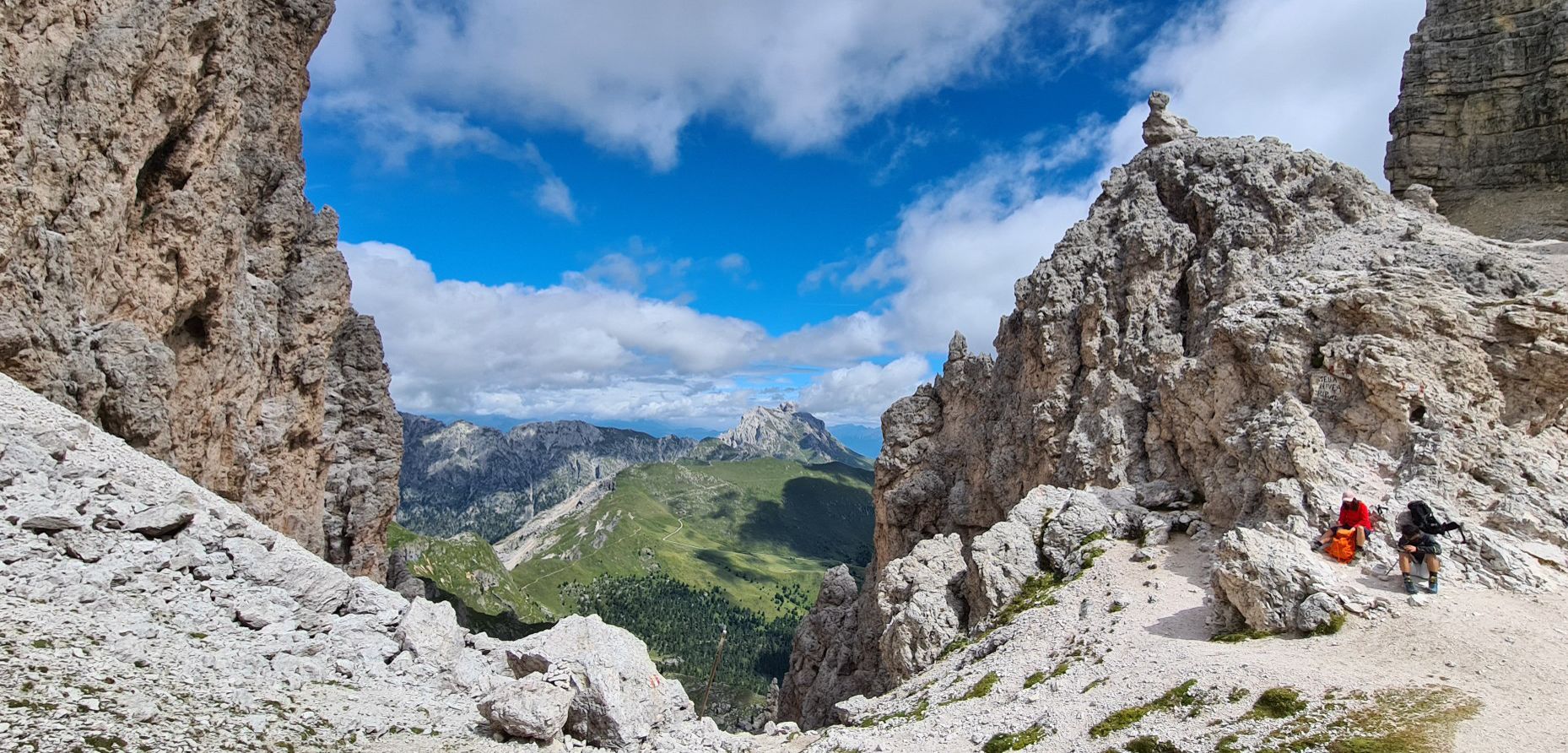
Puez-Odle Nature Park – Hike the Italian Dolomites
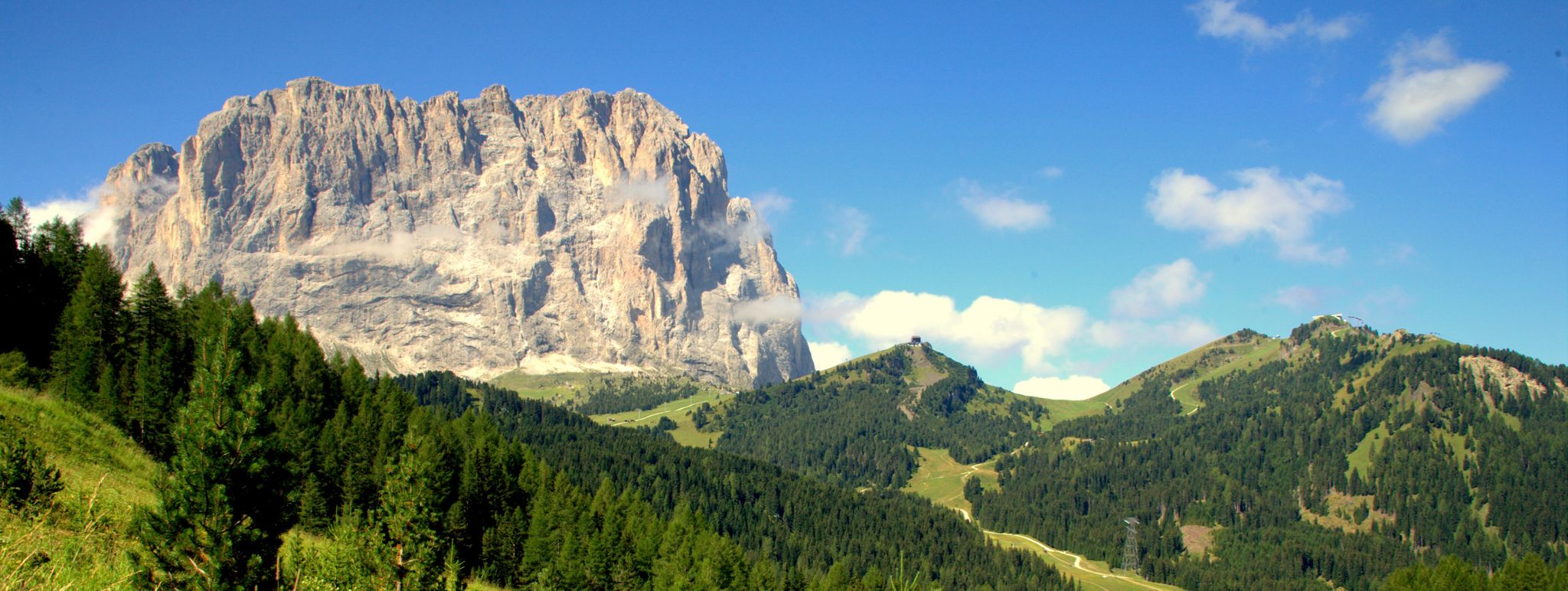
Via Venezia Alpina – hiking across the Alps to the Adriatic Sea
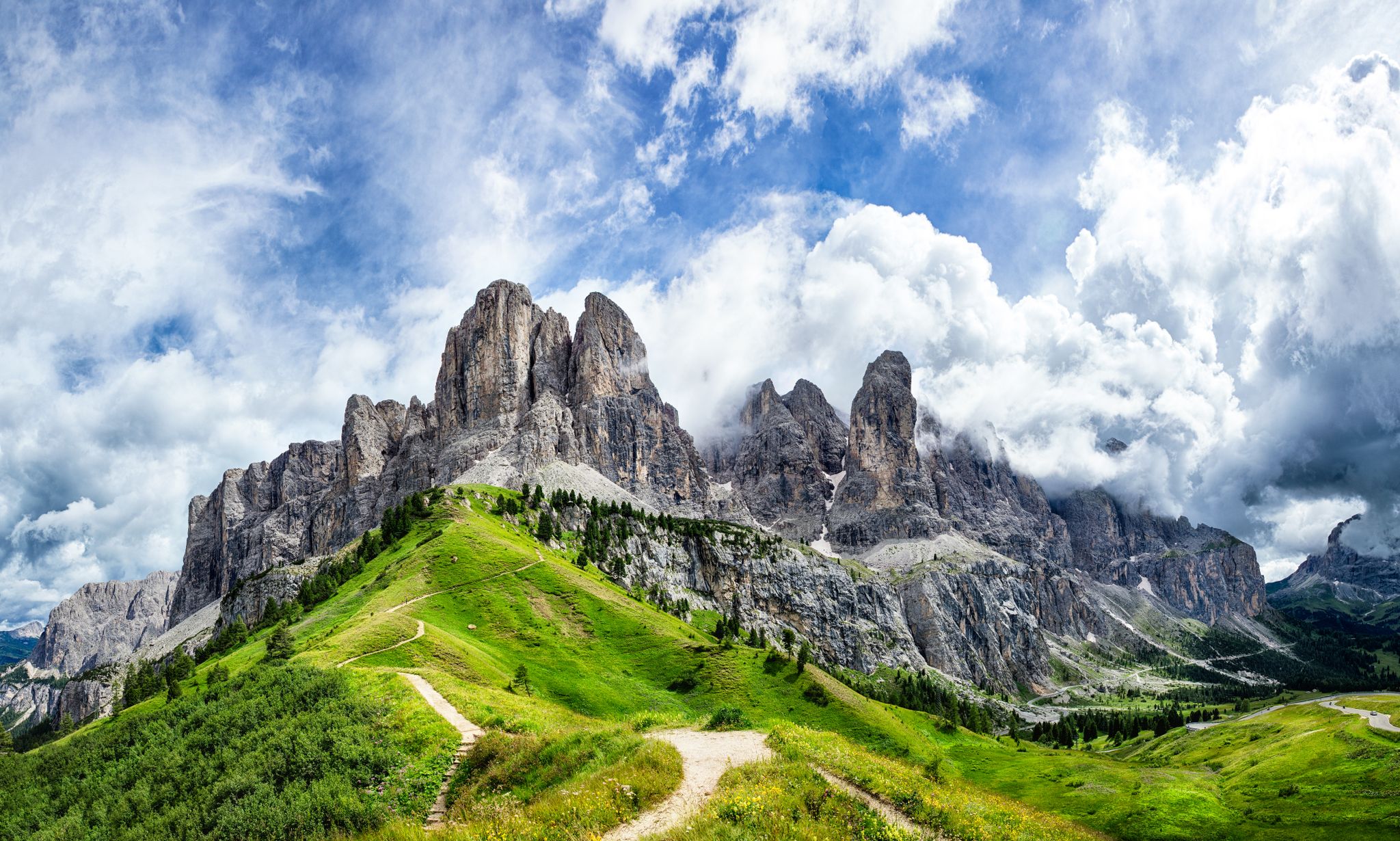
The "Dream Path" hiking trail – From Munich to Venice in 28 stages
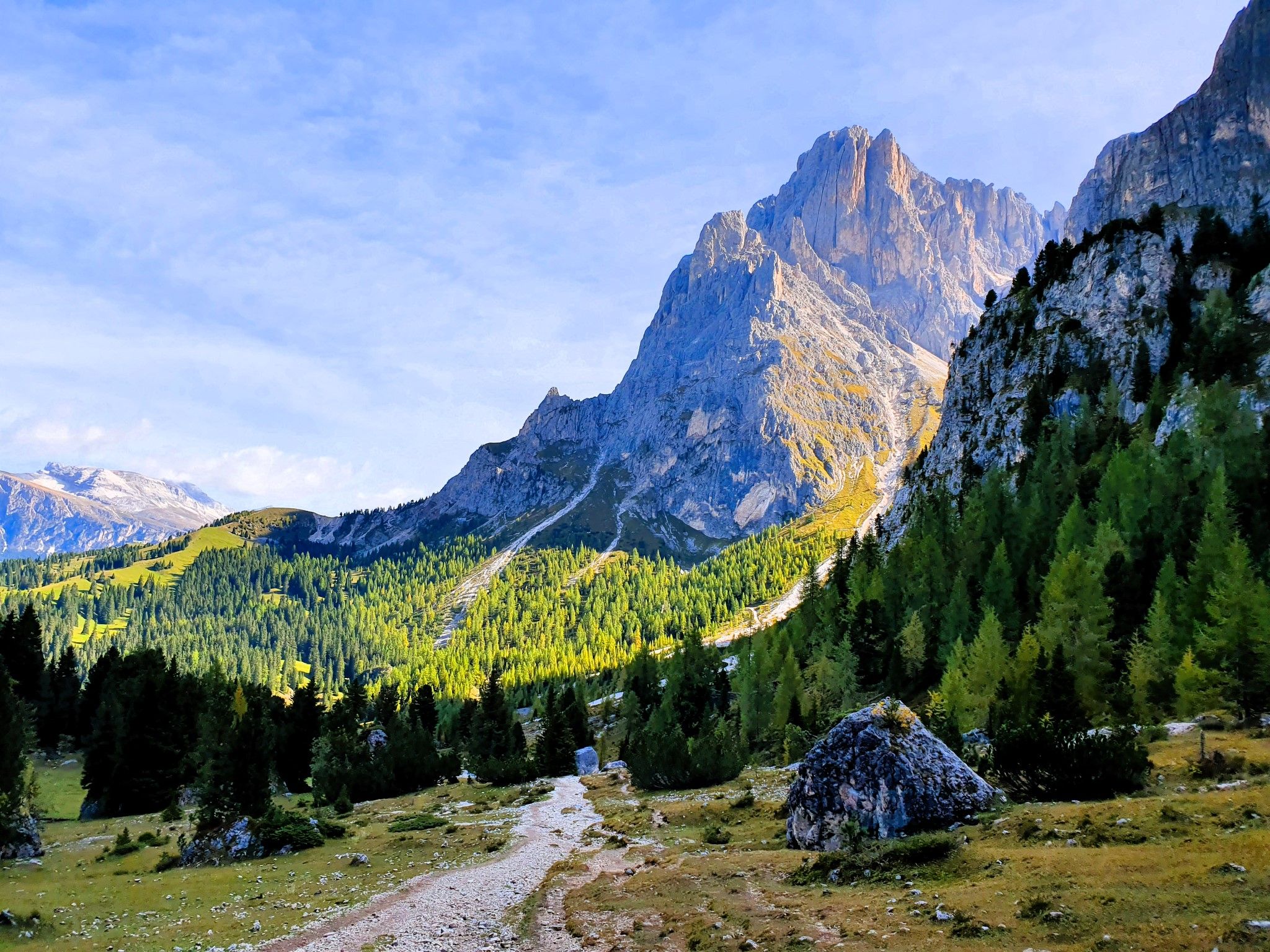
Trail running between the Sciliar and the Puez – Bolzano to Selva
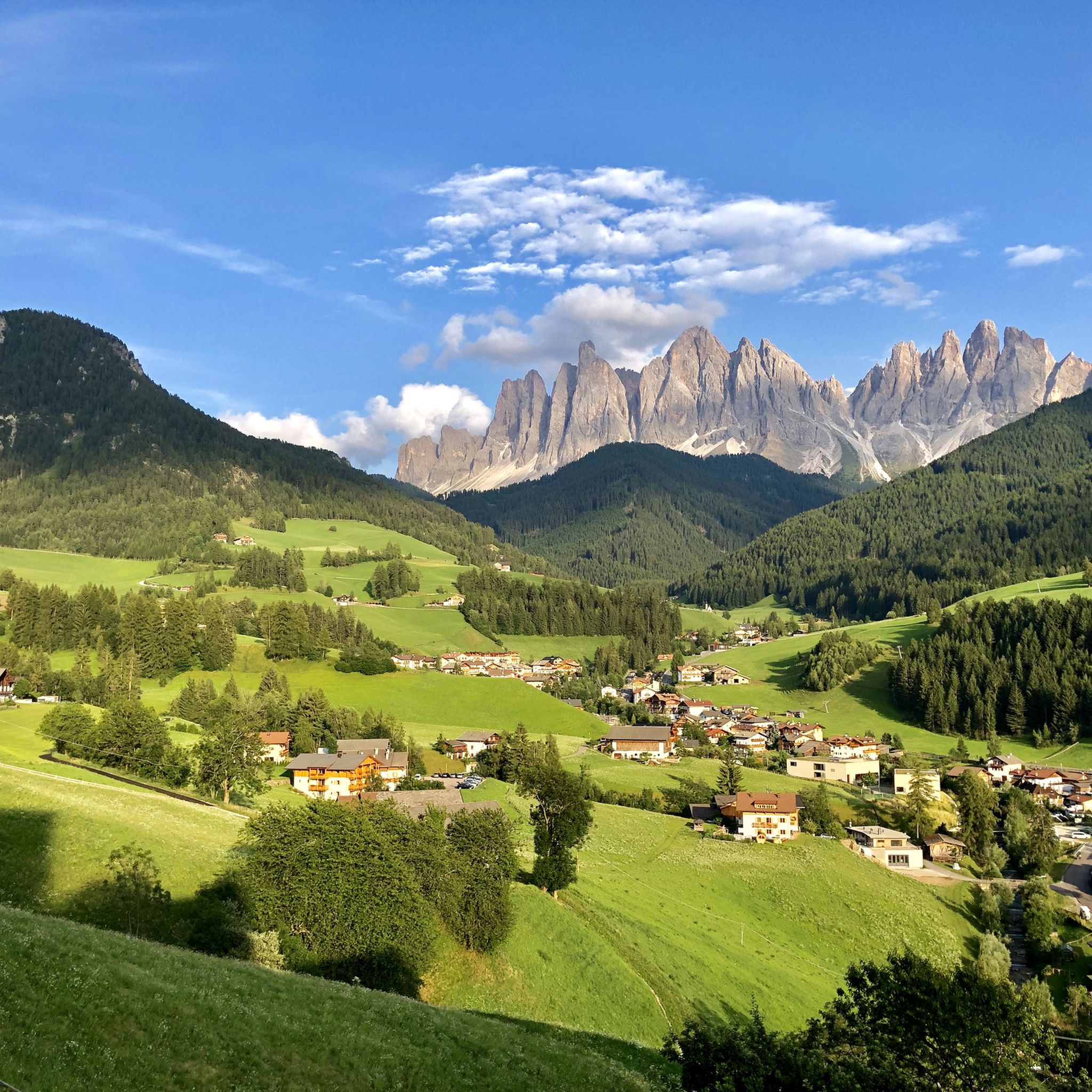
Hiking around Villnöß - Funes
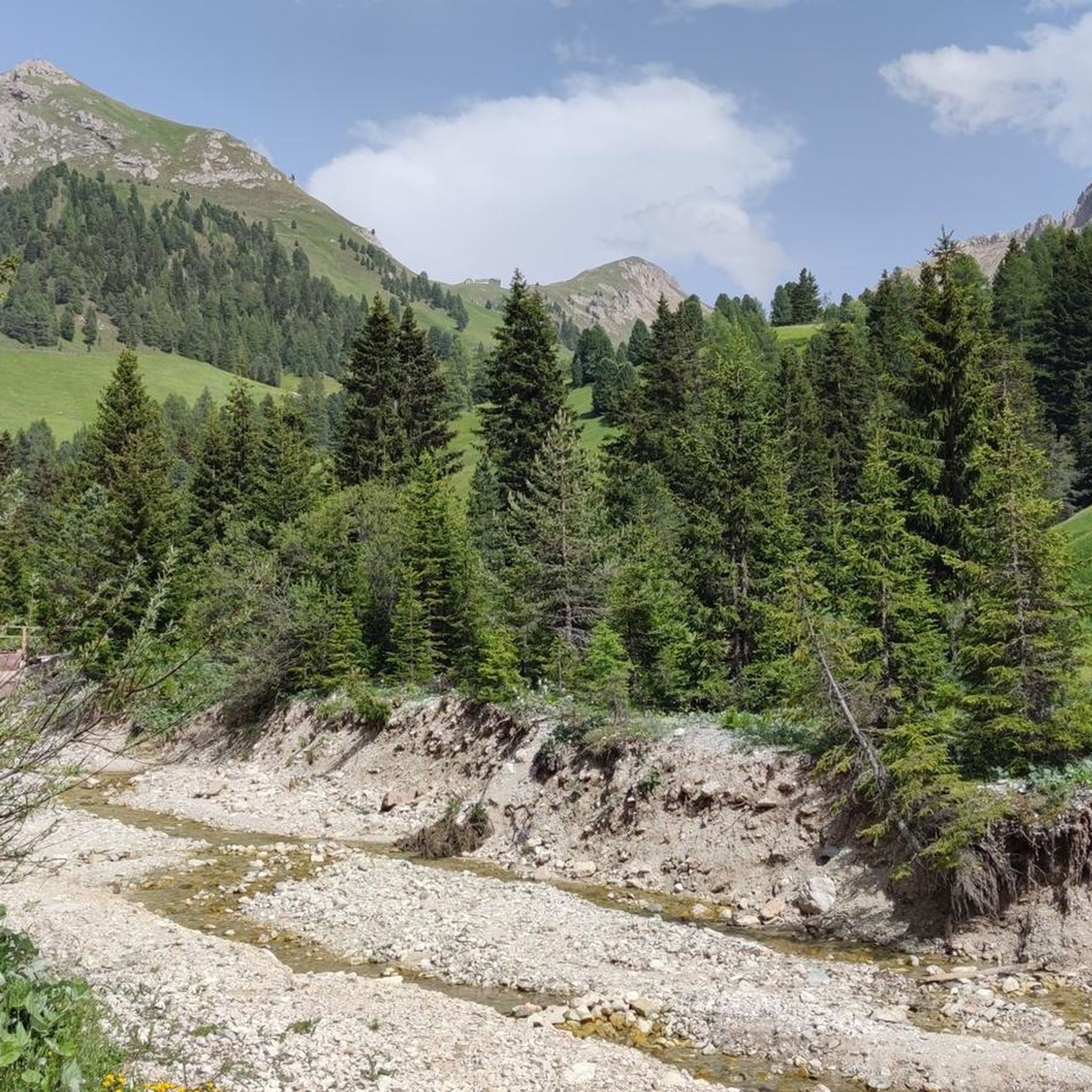
Road Cycling Routes around Villnöß - Funes
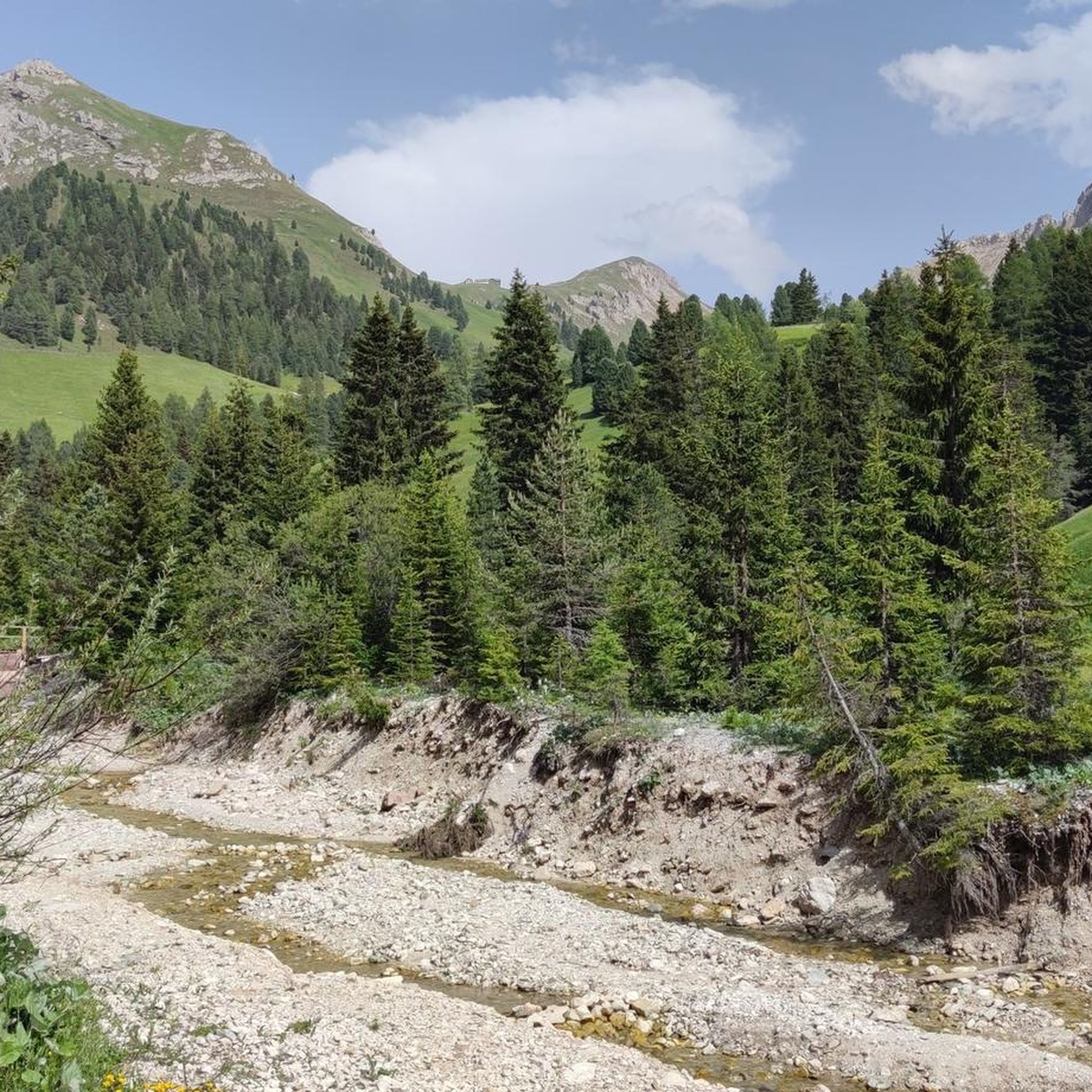
MTB Trails around Villnöß - Funes
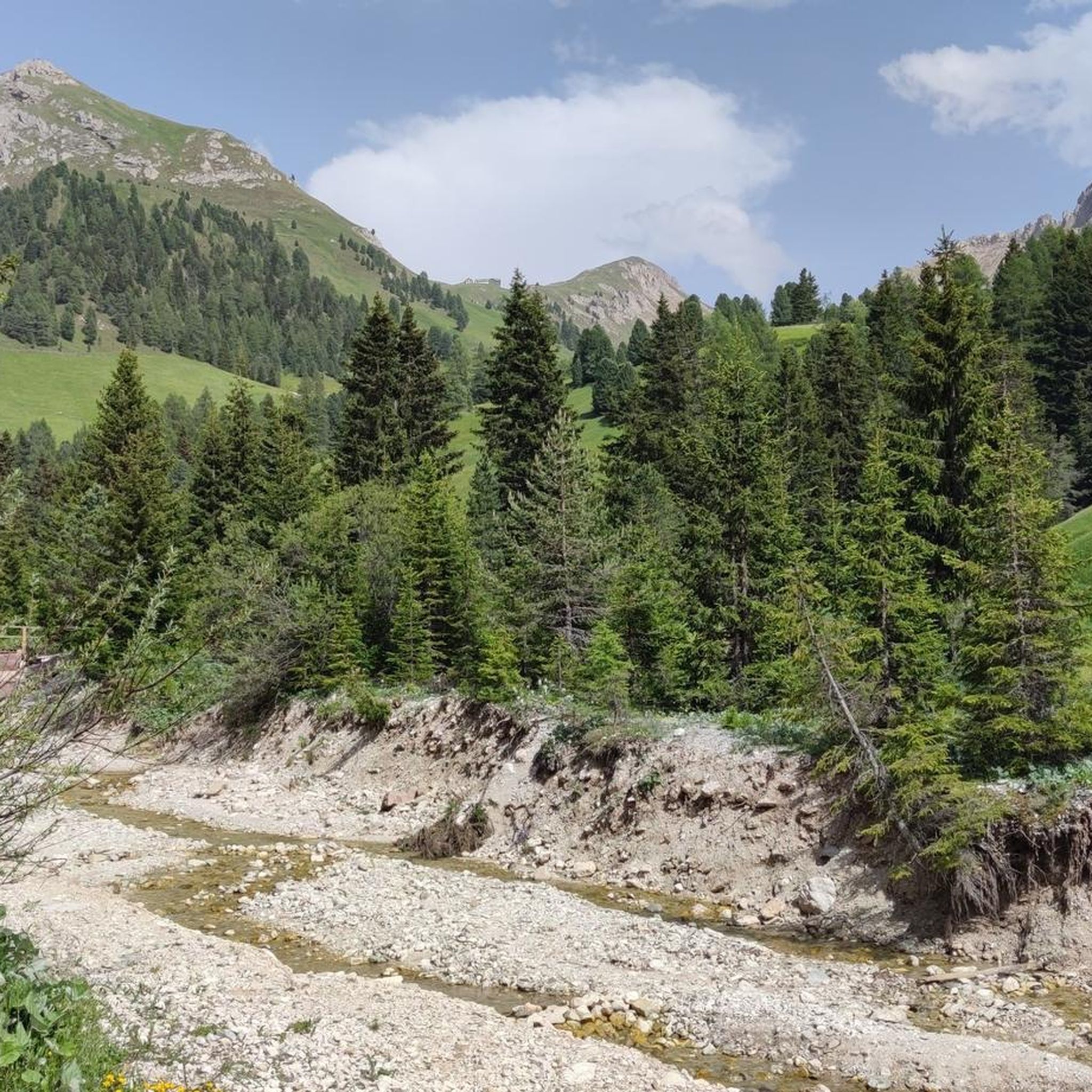
Cycling around Villnöß - Funes
Mountain Hikes around Villnöß - Funes
Running Trails around Villnöß - Funes
Other adventures around Villnöß - Funes


Tips from the Community

The Trostburg can be visited with a guided tour, entrance fee €9/adult and €6 for children. Absolutely nice guided tour in German and Italian. Very informative and interesting. Absolutely worth it. Many well-preserved rooms, pictures, furniture and also great from the outside.
10
0
Beautiful romantic 🏰. Some scenes from Roman Polanski's "Dance of the Vampires" were even filmed here.
12
0

For more than 800 years, the two-story circular chapel has guarded the entrance to the abbey. It is considered one of the most important Romanesque buildings in Tyrol and owes its name to its similarity to its – albeit much larger – counterpart in Rome. The chapel was built around 1200 as a loose replica of the Church of the Holy Sepulchre in Jerusalem. In the second half of the 15th century, it was provided with battlements and loopholes for fear of an Ottoman invasion. A Baroque sculpture of the chapel's patron saint, Archangel Michael with the scales of souls, oversees the entrance. https://www.kloster-neustift.it/de/museum/dauerausstellung/raumkunstwerke/
1
0

The ruins are located at the confluence of the Vallunga and Val Gardena valleys, over 1,600 meters high in the Stevia rock face, in the Puez Group of the Dolomites. The small castle served an important strategic function, guarding the crossing over the Gardena Pass into Val Badia.
13
0


On the left side of the Val Gardena stream, between Selva and St. Christina, the Fischburg (Ladin Ciastel de Gherdëina) stands enthroned, surrounded by numerous fish ponds, which gave the castle its name. The castle was built between 1622 and 1641 by Engelhard Dietrich von Wolkenstein-Trostburg as a summer residence and hunting lodge, even though the monumental building exudes medieval defensiveness. The castle was equipped more with hunting weapons than with military weapons. Fishing equipment was also found - obvious, considering the nearby fish ponds. At the end of the 18th century, the castle gradually fell into disrepair, and in 1826 part of the inventory was auctioned off. In the middle of the 19th century, Count Leopold von Wolkenstein-Trostburg donated the Fischburg to the municipality of St. Christina, which wanted to build a home for the elderly and the poor here. In 1926, the castle was sold to Baron Carlo Franchetti from Venice, who renovated the castle inside and out and equipped it with furnishings purchased in South Tyrol and Val Gardena. The castle is still owned by this Venetian family today and is not accessible. https://www.valgardena-groeden.com/de/highlights/burgen-schloesser/fischburg/
3
0

Neustift is worth a visit
0
2

Beautiful old castle, which unfortunately cannot be visited. It is privately owned
4
0
Frequently Asked Questions
What are some of the most historically significant castles and abbeys to visit near Villnöß - Funes?
The region boasts several historically significant sites. Novacella Abbey (Neustift Monastery), founded in 1142, offers a blend of Romanesque and Baroque architecture, a renowned library, and wine production. The Brixen Bishop's Palace, a former episcopal residence from the 13th century, houses a Diocesan Museum and a Nativity Scene Museum. Trostburg Castle, a 12th-century fortress, is now the South Tyrolean Castles Museum and was the childhood home of poet Oswald von Wolkenstein. For a dramatic ruin, the Ruins of Wolkenstein Castle are perched high in the Dolomites.
Are there any family-friendly castles or historical sites in the Villnöß - Funes area?
Yes, several sites are suitable for families. Novacella Abbey (Neustift Monastery) and its circular chapel, Engelsburg - Castel Sant'Angelo, are listed as family-friendly. The Brixen Bishop's Palace also welcomes families and features a unique Nativity Scene Museum with 5,000 figures.
Can I explore the castles on foot, and are there hiking trails nearby?
Many castles are accessible via scenic walks or are integrated into hiking routes. For instance, the Ruins of Wolkenstein Castle are an excellent stop for those exploring the area's hiking trails in the Dolomites. Trostburg Castle involves a scenic 10-15 minute uphill walk from Ponte Gardena. You can find various hiking routes around the region, including those that pass by historical sites, in the MTB Trails around Villnöß - Funes guide.
What kind of architecture can I expect to see at these castles?
The castles and abbeys in the region showcase a range of architectural styles. Novacella Abbey features a blend of Romanesque and Baroque, while Trostburg Castle has Romanesque arches, Gothic fortifications, and a 17th-century Renaissance hall. The Brixen Bishop's Palace combines Renaissance and Baroque elements, and Fischburg Castle is a notable example of Renaissance architecture.
Are there any castles that are privately owned and not open to the public?
Yes, Fischburg Castle (Ciastel de Gherdëina) in Val Gardena is privately owned and not open for interior visits. However, its Renaissance architecture and impressive exterior can still be admired from the outside, offering beautiful panoramic views of Val Gardena.
What outdoor activities can I combine with a visit to the castles?
The region offers excellent opportunities for outdoor activities. You can find numerous road cycling routes in the Road Cycling Routes around Villnöß - Funes guide, and touring bicycle options in the Cycling around Villnöß - Funes guide. Mountain biking is also popular, with trails detailed in the MTB Trails around Villnöß - Funes guide. Many of these routes offer views of or pass near historical sites.
What is the best time of year to visit the castles around Villnöß - Funes?
The best time to visit depends on your preferences. Spring and autumn offer pleasant weather for exploring and hiking, with fewer crowds. Summer is ideal for combining castle visits with outdoor activities in the Dolomites. Some sites, like Trostburg Castle, are open from spring to autumn. Winter can offer a unique, serene experience, though some access might be limited, especially for higher-altitude ruins like Ruins of Wolkenstein Castle.
Are there any castles that offer guided tours or special exhibitions?
Trostburg Castle offers guided tours where visitors can explore Romanesque and Gothic features, a Renaissance hall, and an ornate vaulted Gothic Stube. It also houses the South Tyrolean Castles Museum with an exhibition of 86 scale models. Novacella Abbey also provides insights into its history and architecture through tours.
How can I reach these castles and abbeys using public transport?
While specific public transport details for each castle vary, many sites like Novacella Abbey and the Brixen Bishop's Palace are located in or near towns like Bressanone, which are well-connected by local buses. Trostburg Castle is accessible via a walk from Ponte Gardena, which can be reached by public transport. It's advisable to check local bus schedules for the most up-to-date information.
What makes the <a href="https://www.komoot.com/highlight/6265830" target="_blank" rel="noopener">Engelsburg - Castel Sant'Angelo</a> unique?
The Engelsburg - Castel Sant'Angelo is a unique circular chapel that guards the entrance to Novacella Abbey. Built around 1200, it is considered an important Romanesque building in Tyrol and was modeled after the Church of the Holy Sepulchre in Jerusalem. It features battlements and loopholes added in the 15th century.
Are there any castles known for their scenic views?
Absolutely. The Ruins of Wolkenstein Castle offer breathtaking Dolomite views from its high perch in the Stevia rock face. Fischburg Castle, though privately owned, provides impressive panoramic views of Val Gardena and the surrounding Dolomites from its exterior.
What can I expect to see at the <a href="https://www.komoot.com/highlight/863783" target="_blank" rel="noopener">Brixen Bishop's Palace</a>?
The Brixen Bishop's Palace features a grand inner courtyard adorned with terracotta statues representing the Habsburg family tree. It houses the Diocesan Museum, showcasing sacred art from various epochs, and the Nativity Scene Museum, which displays a year-round collection of 5,000 figures. You can also explore the richly decorated Court Church and the Imperial and Bishop's Wing.
Most popular routes around Villnöß - Funes
Most popular attractions around Villnöß - Funes

Get inspired with the komoot mobile app


Explore more
Looking for the best castles somewhere else? Discover other guides around Villnöß - Funes:
