Top 20 Mountain Passes around Saint-Vincent
Best mountain passes around Saint-Vincent are situated in the Aosta Valley, Italy, a region characterized by its high-altitude Alpine passes. This area features routes that traverse diverse landscapes, from wooded sections to exposed mountain terrain. The passes offer views of surrounding peaks, including glimpses of the Matterhorn, and provide access to various hiking and cycling opportunities. Saint-Vincent serves as a base for exploring these mountain routes.
Best mountain passes around Saint-Vincent
- The most popular mountain pass is Col de Joux, a mountain pass that connects Saint-Vincent to the municipality of Brusson. This wooded pass, at 1,640 meters above sea level, features simple and non-technical trails with panoramic views.
- Another must-see spot is Fontaines Pass, an intermediate mountain pass. Located at 2,696 meters above sea level, it offers views of surrounding peaks and partial glimpses of the Matterhorn.
- Visitors also love Col Pinter (2,777 m), an intermediate mountain pass. This pass connects the Ayas Valley with the Lys Valley, marked by an imposing stone man landmark and offering views of valleys and glacial peaks.
- Saint-Vincent is known for its high-altitude Alpine passes, wooded passes, and routes offering panoramic viewpoints. The area provides a variety of mountain passes to explore, catering to different levels of difficulty and scenic preferences.
- The mountain passes around Saint-Vincent are appreciated by the komoot community, with 3 highlights featuring 44 photos and receiving 124 upvotes.
Last updated: August 6, 2026
Col de Joux
Highlight • Mountain Pass
Translated by Google •
Tip by

Fenêtre d'Ersaz Pass
Highlight • Mountain Pass
Translated by Google •
Tip by
Sign up now to discover places like this
Get recommendations on the best single tracks, peaks, & plenty of other exciting outdoor places.
Sign up for free
Portola Pass
Highlight • Mountain Pass
Translated by Google •
Tip by

Fontaines Pass
Highlight • Mountain Pass
Translated by Google •
Tip by

Ascent to Col Tzecore from Challand
Highlight (Segment) • Climb
The most challenging part is immediately after the village of Orbeillaz, it is about 2 km from 12 to 17% gradient!
Tackled for the first time by professionals during the Giro d'Italia 2018, on the stage towards Cervinia.
Translated by Google •
Tip by

Sign up for free to discover even more mountain passes around Saint-Vincent.
Sign up for free
Already have an account?
Start today with a free account
Your next adventure awaits.
Login or Signup
Popular around Saint-Vincent
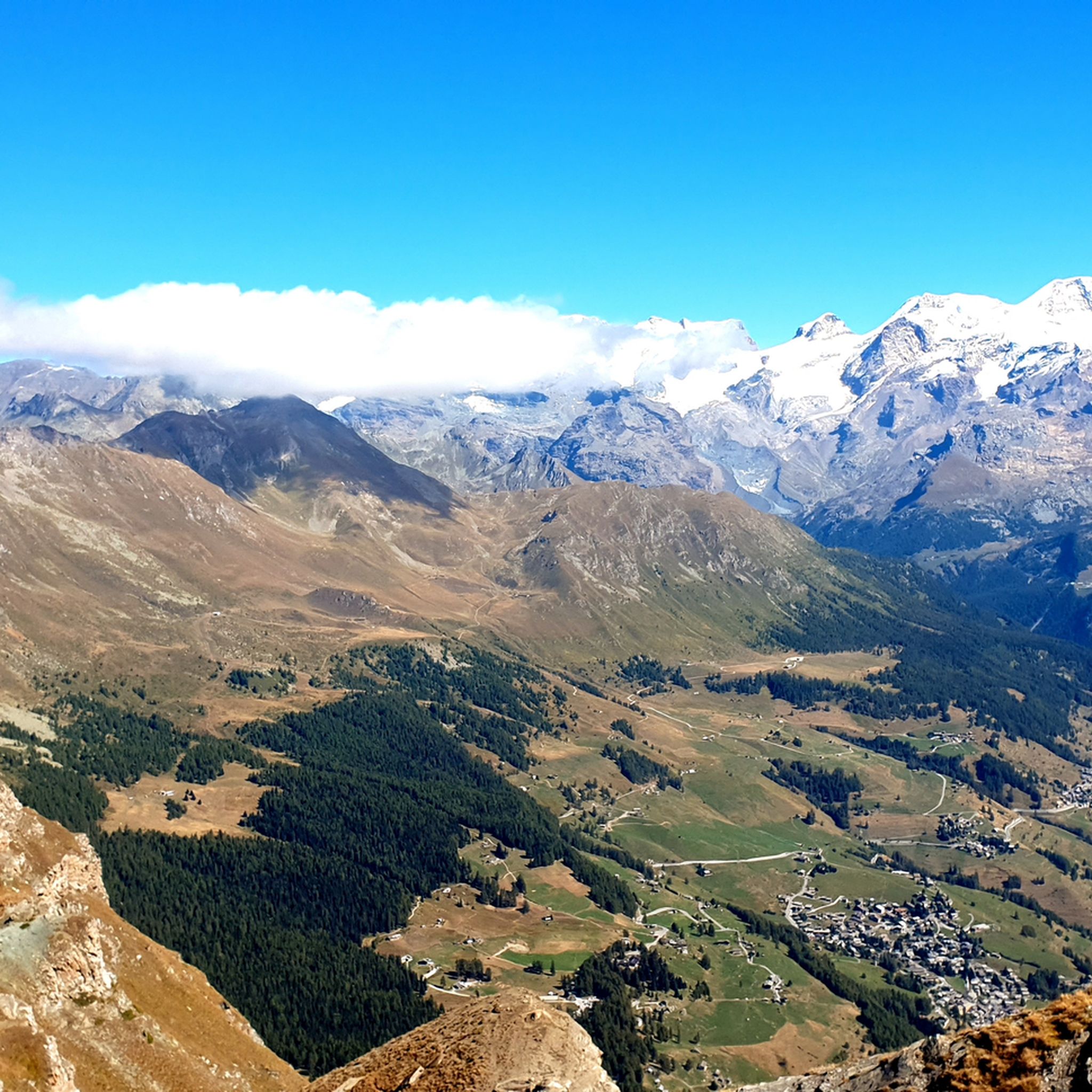
Cammino Balteo – castles, vineyards and trails of the Aosta Valley
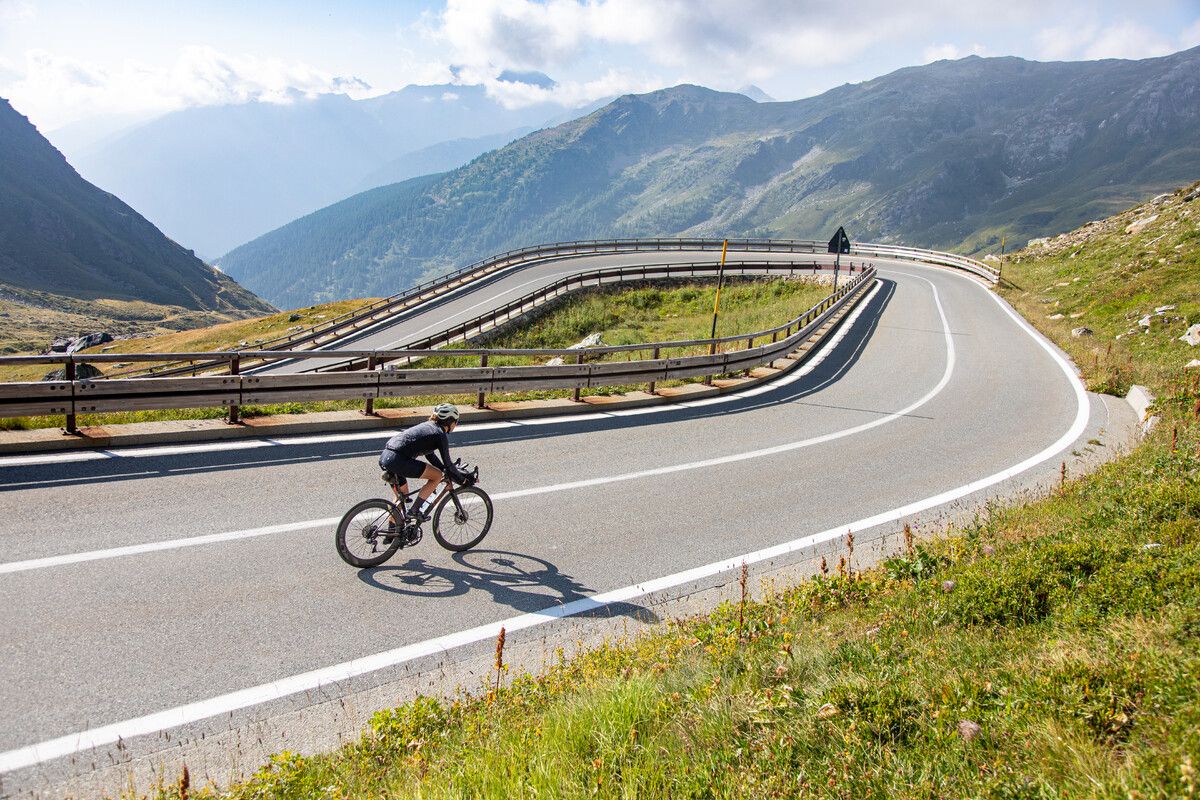
Road cycling in the Aosta Valley – major climbs and alpine routes
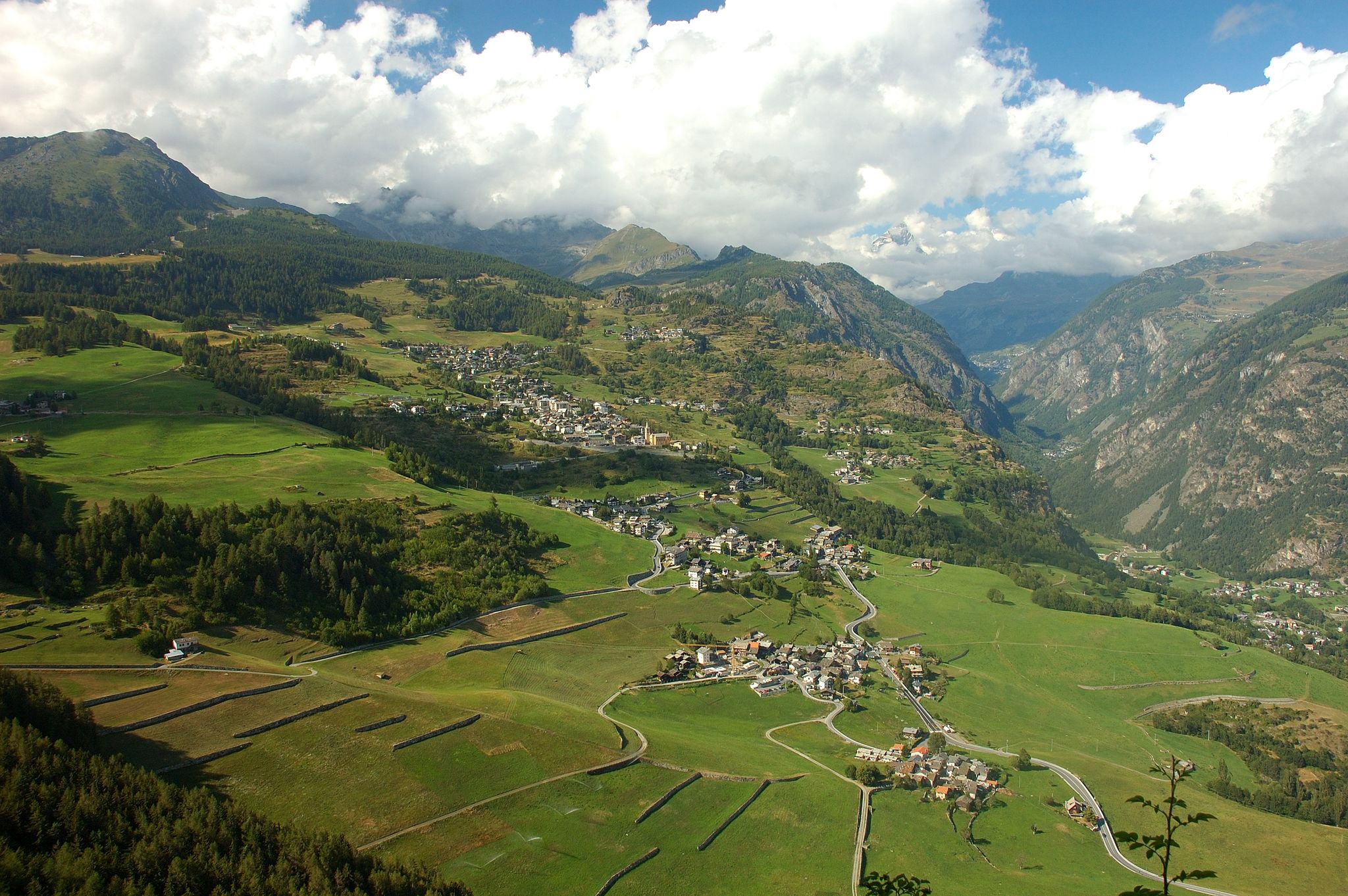
Paths, castles and views of Italy’s Aosta Valley – Cammino Balteo
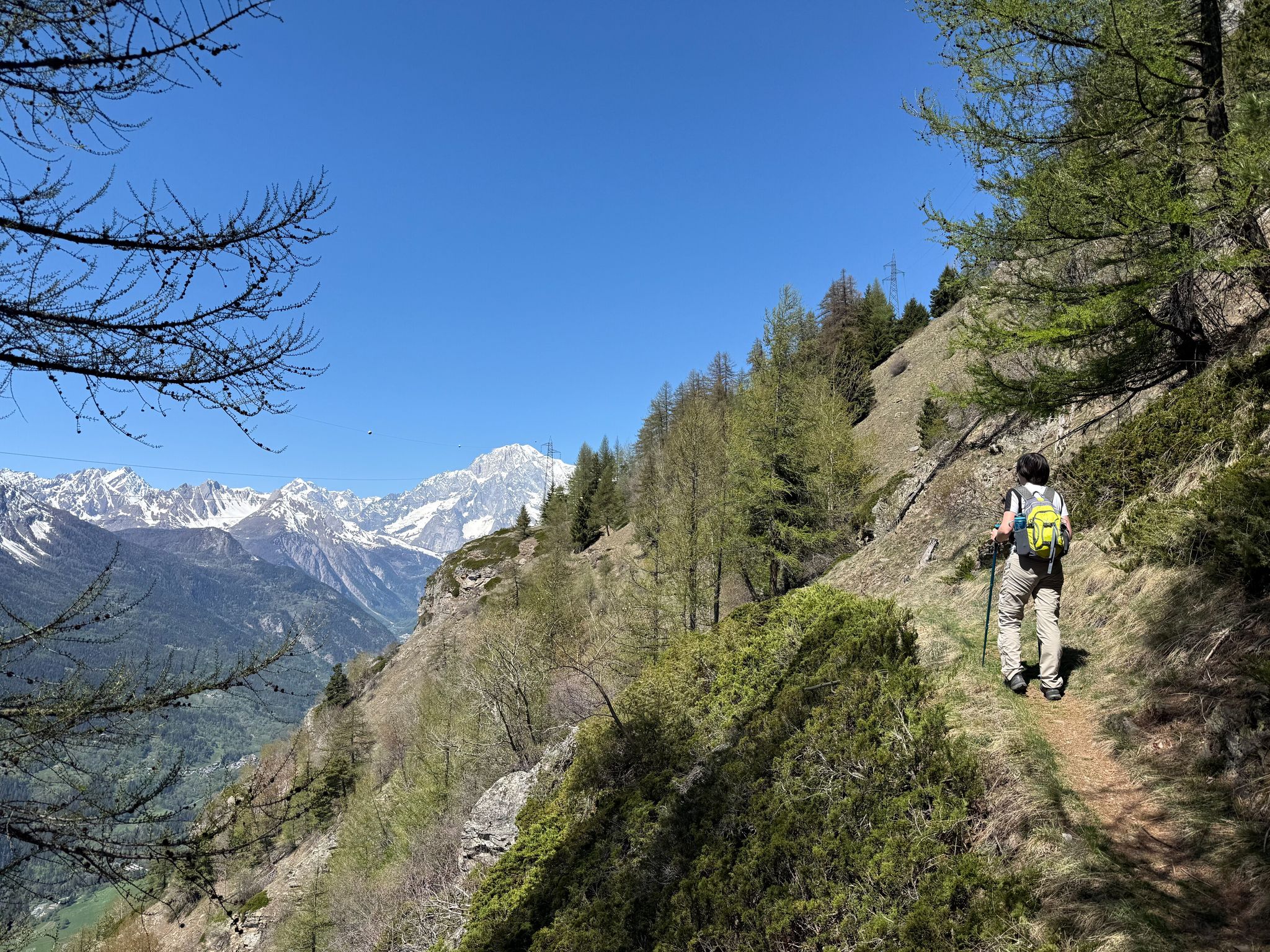
Hiking around Saint-Vincent
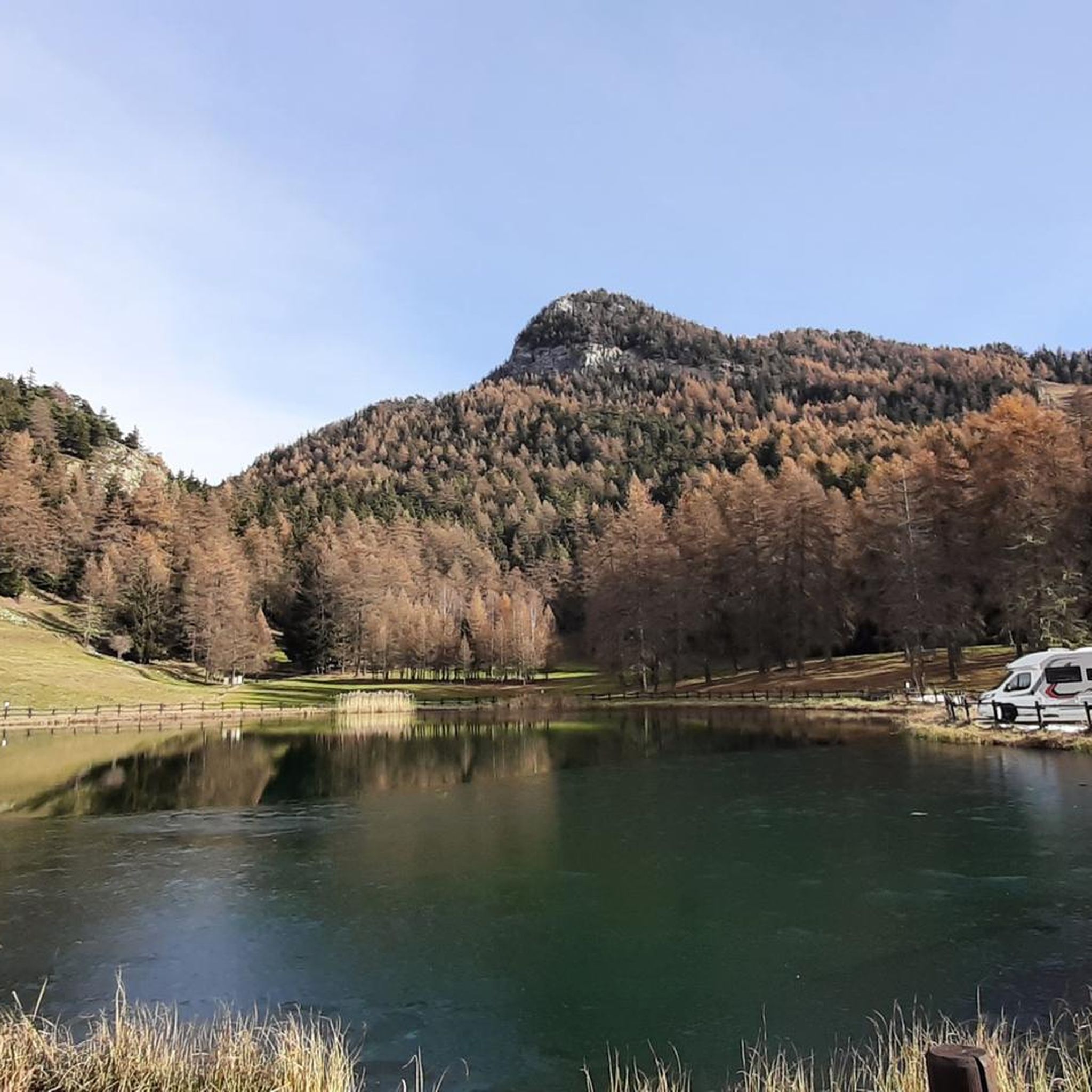
Road Cycling Routes around Saint-Vincent
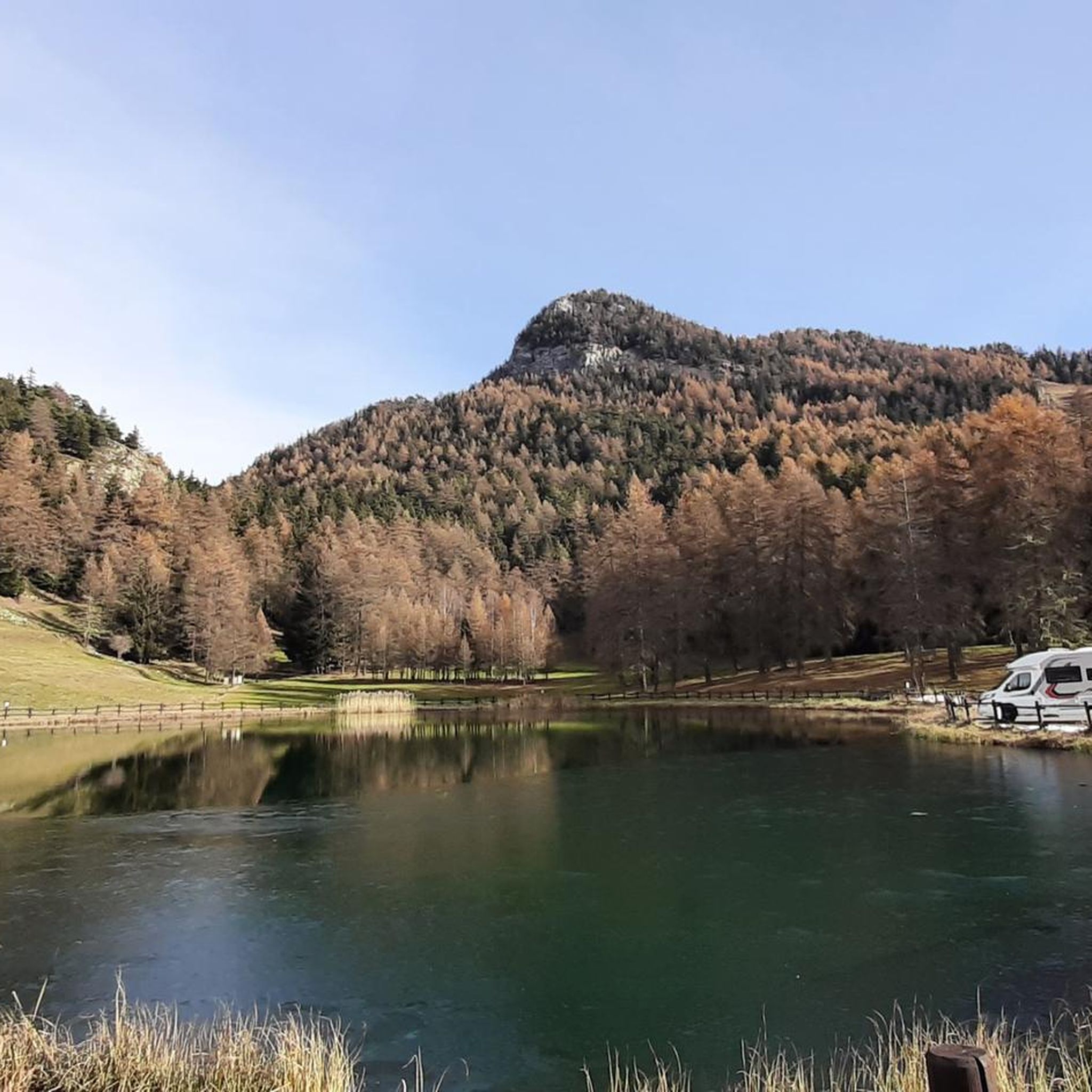
Gravel biking around Saint-Vincent
Cycling around Saint-Vincent
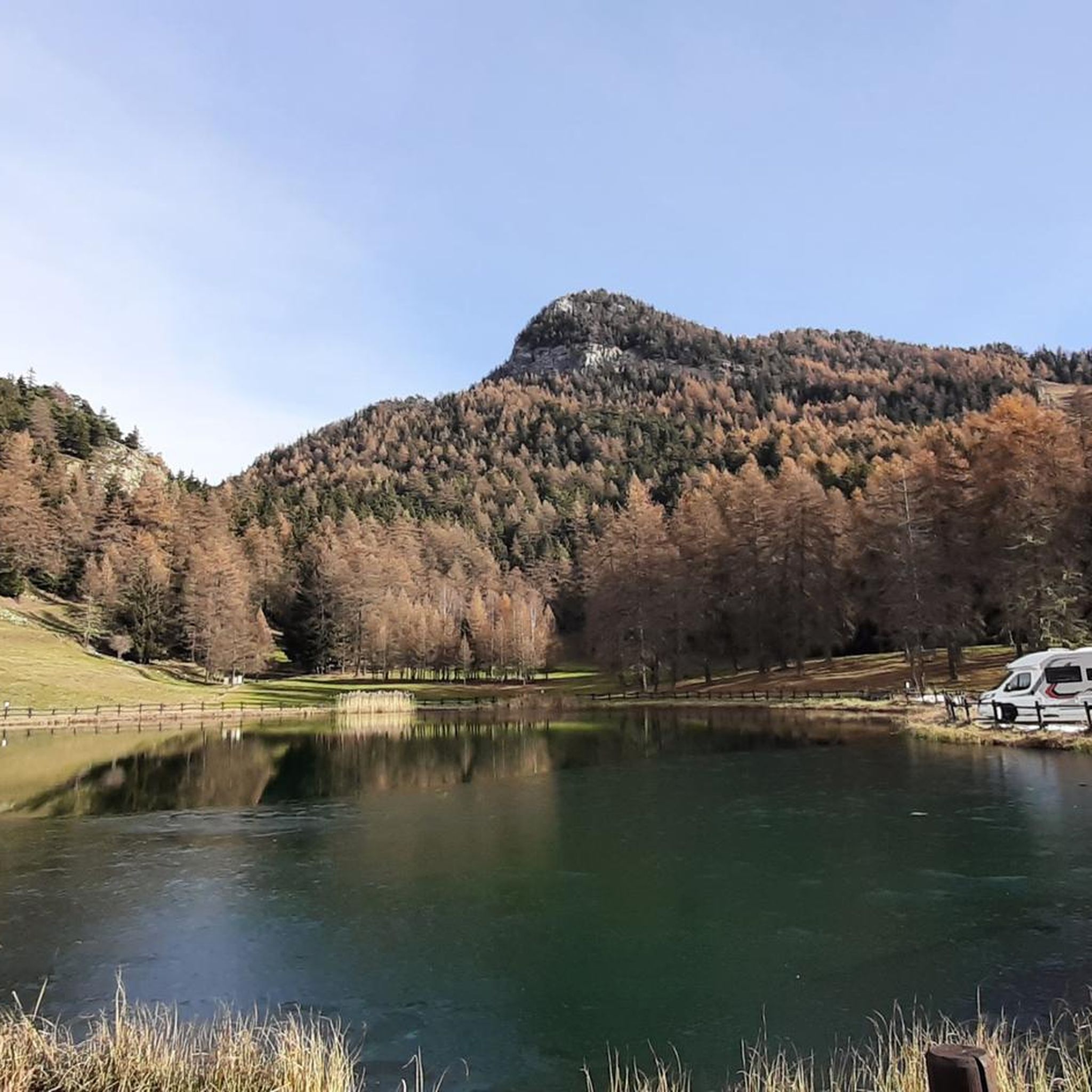
MTB Trails around Saint-Vincent
Running Trails around Saint-Vincent

Mountain Hikes around Saint-Vincent
Other adventures around Saint-Vincent


Tips from the Community


The Fenêtre d’Ersaz, at 2,290 meters, is a mountain pass that offers spectacular views of the Matterhorn and the surrounding peaks. The path that leads to this hill passes through larch forests and wide grassy slopes, offering an immersive experience in the pristine nature of the Aosta Valley. Ideal for those looking for a medium-difficulty excursion, the Fenêtre d’Ersaz conquers with its alpine charm and breathtaking views.
1
0
Col des Fontaines, at 2,695 meters above sea level, is an Alpine pass that enchants with its spectacular views between Val d’Ayas and Valtournenche. The path to reach it winds through pastures and larch forests, offering glimpses of uncontaminated nature and an atmosphere of great tranquility. It is the ideal starting point for exploring the nearby peaks or simply for enjoying a moment of peace immersed in the majestic mountains of the Aosta Valley.
1
0


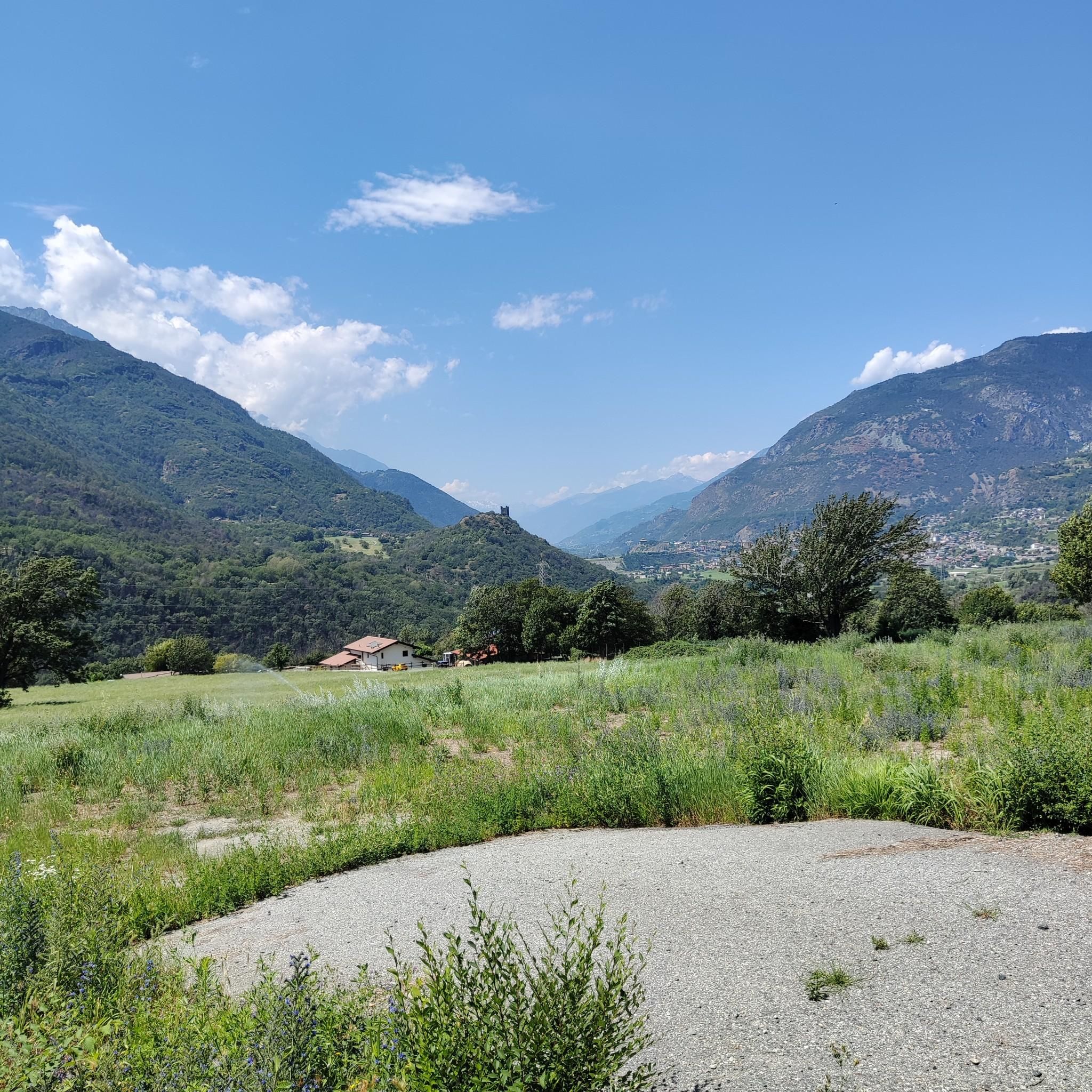
The Col de Joux is a picturesque pass connecting the Ayas Valley to the central valley. The gradients to reach it, both from Saint-Vincent and from Brusson, are always manageable, but never negligible. The word Joux likely derives from a pre-Latin term meaning wooded hill. Others, however, maintain a Latin connection to the word Jugum, meaning yoke, and hence hill.
2
0

Col de Joux, located at 1,640 meters above sea level, is a wooded pass connecting Saint-Vincent to the municipality of Brusson. The trails leading here are simple and non-technical, offering panoramic views on the Saint-Vincent side and passages through the woods on the Brusson side. The Ru Courthoud trail also begins here.
4
0

Now (August '23) there is a prohibition sign shortly after Col de Joux due to landslides, you are forced to go down to the valley. So in theory the path of the tunnels is forbidden; traveled last year, BEAUTIFUL.
0
0
Frequently Asked Questions
What are some of the most scenic mountain passes around Saint-Vincent?
For breathtaking views, consider Fontaines Pass, located at 2,696 meters, which offers spectacular vistas of surrounding peaks and partial glimpses of the Matterhorn. Another excellent choice is Col Pinter (2,777 m), where you can enjoy expansive views of valleys and glacial peaks, including the majestic Monte Rosa on clear days.
Are there any easy or family-friendly mountain passes near Saint-Vincent?
Yes, Col de Joux is a great option for those seeking a less strenuous experience. This wooded pass, at 1,640 meters, connects Saint-Vincent to Brusson and features simple, non-technical trails with panoramic views on the Saint-Vincent side and pleasant forested sections towards Brusson. It's listed as family-friendly in our data.
What kind of natural features can I expect to see when exploring mountain passes in the Aosta Valley?
The mountain passes in the Aosta Valley offer a diverse range of natural beauty. You'll encounter lush pastures, dense larch forests, and high-altitude scree slopes. Many passes, like Fontaines Pass, provide stunning views of surrounding peaks, while others, such as Col Pinter, feature alpine lakes and glacial landscapes.
Are there any historically significant mountain passes in the region?
Absolutely. The Great St. Bernard Pass, though not directly in Saint-Vincent, is an iconic and ancient pass in the Western Alps, famously crossed by Napoleon's army in 1800. It's home to a historic hospice, founded in 1049, known for its St. Bernard dogs. You can experience its rich history and enjoy the alpine lake at the summit.
What outdoor activities can I do near these mountain passes?
The area around Saint-Vincent is ideal for various outdoor activities. You can find numerous mountain hikes, such as the 'View of the Lakes – Corno Bussòla loop' or 'View of Monte Rosa loop'. For cyclists, there are challenging road cycling routes like the 'Col de Joux Pass – Ascent to Antagnod loop'. Runners can enjoy trails like the 'View of Châtillon loop'. You can explore more options in the Mountain Hikes around Saint-Vincent, Road Cycling Routes around Saint-Vincent, and Running Trails around Saint-Vincent guides.
What is the best time of year to visit the mountain passes around Saint-Vincent?
The best time to visit the mountain passes in the Aosta Valley is generally during the warmer months, from late spring to early autumn (May to October), when the passes are clear of snow and the trails are accessible. This period offers pleasant temperatures for hiking and cycling, and the alpine flora is in full bloom.
Are there any mountain passes that offer views of the Matterhorn?
Yes, both Fontaines Pass (2,696 meters) and Fenêtre d'Ersaz Pass (2,290 meters) provide spectacular, and sometimes partial, views of the iconic Matterhorn and the peaks of Valtournenche.
What are some challenging mountain passes or climbs for experienced adventurers?
For those seeking a challenge, the Ascent to Col Tzecore from Challand is a notable climb with an average gradient of 9%, featuring sections of 12-17%. Col Pinter (2,777 m), while intermediate, serves as a high-altitude crossroads and starting point for routes leading to Bivacco Lateltin or Testa Grigia, offering a deep emotional mark for experienced hikers.
Can I find cafes or pubs near the hiking trails around Saint-Vincent?
While specific cafes or pubs directly at high-altitude passes are rare, Saint-Vincent itself and the charming villages along the routes to the passes offer various amenities. You'll typically find options for refreshments and meals in the valleys before or after your mountain excursions.
Are the mountain passes around Saint-Vincent accessible by public transport?
Access to some mountain passes can be achieved via a combination of public transport to nearby towns and then local buses or private transfers to trailheads. However, for many high-altitude passes, personal vehicles often provide the most flexible access. It's advisable to check local transport schedules for specific routes.
What do visitors enjoy most about the mountain passes around Saint-Vincent?
Visitors frequently praise the stunning panoramic views, the tranquility of the alpine environment, and the diverse landscapes ranging from wooded paths to high-altitude glacial vistas. The sense of immersion in pristine nature and the opportunity to explore historical routes are also highly valued.
Are there any specific landmarks to look out for on the mountain passes?
Yes, Col Pinter (2,777 m) is notably marked by an imposing stone man landmark that greets hikers. Additionally, the Great St. Bernard Pass is famous for its historic hospice, a significant landmark in the region.
Most popular routes around Saint-Vincent
Most popular attractions around Saint-Vincent

Get inspired with the komoot mobile app


Explore more
See even more epic mountain passes by checking out these guides around Saint-Vincent:
