The best road cycling routes around Aosta
4.3
(282)
8,357
riders
56
rides
Road cycling around Aosta is characterized by its location within the Italian Alps, offering a diverse range of terrain from valley floors to high alpine passes. The region features significant elevation gains, with routes leading through mountainous landscapes, past vineyards, and alongside the Dora Baltea river. Cyclists encounter a mix of challenging ascents and more accessible paths, set against a backdrop of formidable peaks such as Mont Blanc and the Matterhorn.
Best road cycling routes around Aosta
- The most popular road cycling route is Ascent to Lake Place Moulin from Aosta, a 40.5 miles (65.2 km) trail that takes 3 hours 50 minutes to complete. This route features a significant elevation gain leading to one of Europe's largest reservoirs.
- Another top favourite among local road cyclists is Sigerico Variant of the Pilgrims' Cycle Route, a moderate 11.5 miles (18.5 km) path. This route offers a less strenuous option, likely following historical paths through the valley.
- Local road cyclists also love the Roisan Village and Church – Great St Bernard Hospice loop from Aosta Viale Europa, a 52.4 miles (84.3 km) trail leading through villages and towards the historic Great St Bernard Pass, often completed in about 5 hours 16 minutes.
- Road cycling around Aosta is defined by high mountain passes, scenic valley floors, and routes through vineyards and past Roman monuments. The network offers options for different ability levels, from demanding climbs to more accessible rides.
- The routes in Aosta are highly rated by the komoot community with an average score of 4.7 stars from over 100 reviews. More than 5,000 road cyclists have used komoot to explore Aosta's varied terrain.
Last updated: October 5, 2026
4.6
(18)
476
riders
37.9km
02:36
1,240m
1,240m
Hard road ride. Very good fitness required. Mostly well-paved surfaces and easy to ride.
4.6
(7)
431
riders
65.2km
03:50
1,590m
1,590m
Hard road ride. Very good fitness required. Mostly well-paved surfaces and easy to ride.

4.8
(8)
286
riders
37.2km
03:48
2,050m
160m
Hard road ride. Very good fitness required. Mostly well-paved surfaces and easy to ride.
5.0
(2)
51
riders
18.5km
01:00
350m
350m
Moderate road ride. Good fitness required. Mostly well-paved surfaces and easy to ride.
4.8
(27)
1,122
riders
81.5km
05:10
2,240m
2,240m
Hard road ride. Very good fitness required. Some segments of this route may be unpaved and difficult to ride.
Get access to more routes and recommendations from other explorers.
Already have an account?
Our route recommendations are based on thousands of hikes, rides, and runs completed by other people on komoot.
Start today with a free account
Your next adventure awaits.
Popular around Aosta
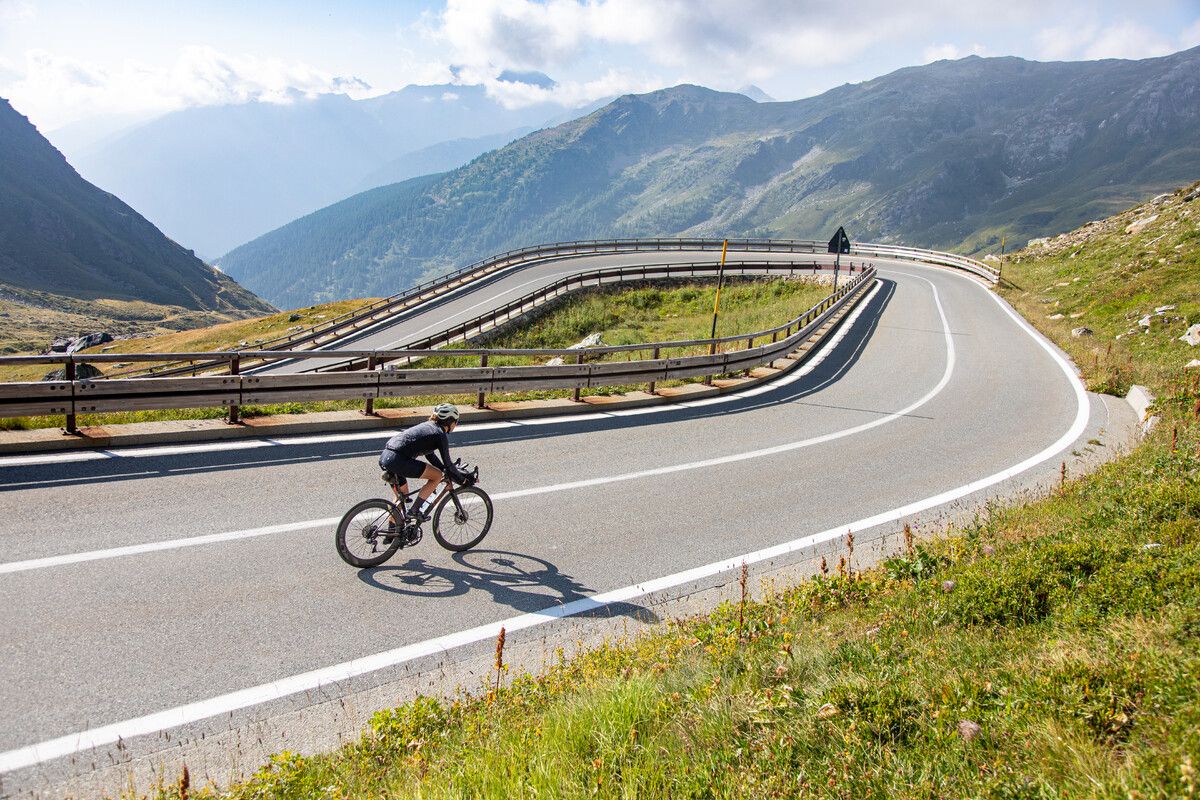
Road cycling in the Aosta Valley – major climbs and alpine routes
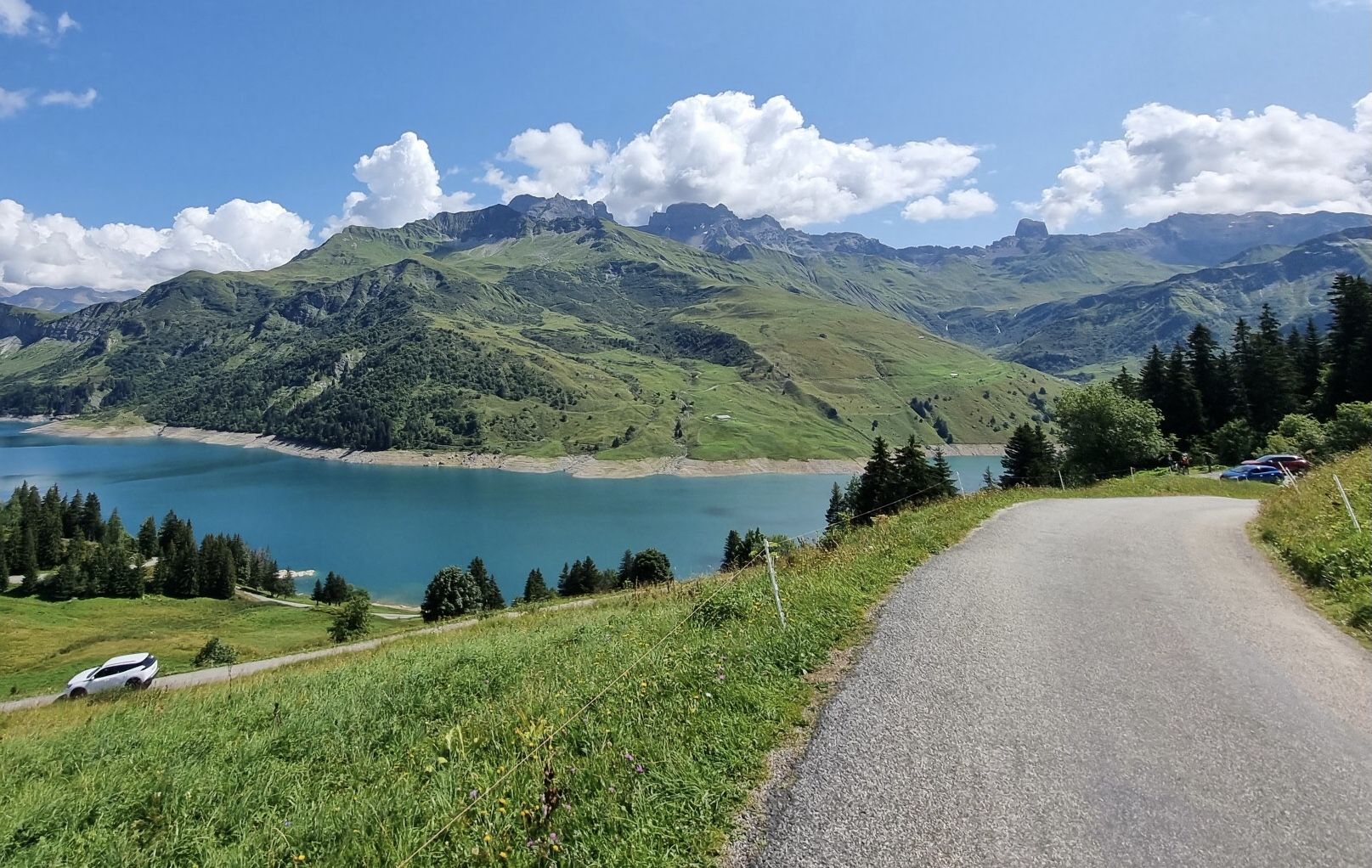
The magical Tour du Mont-Blanc by bike
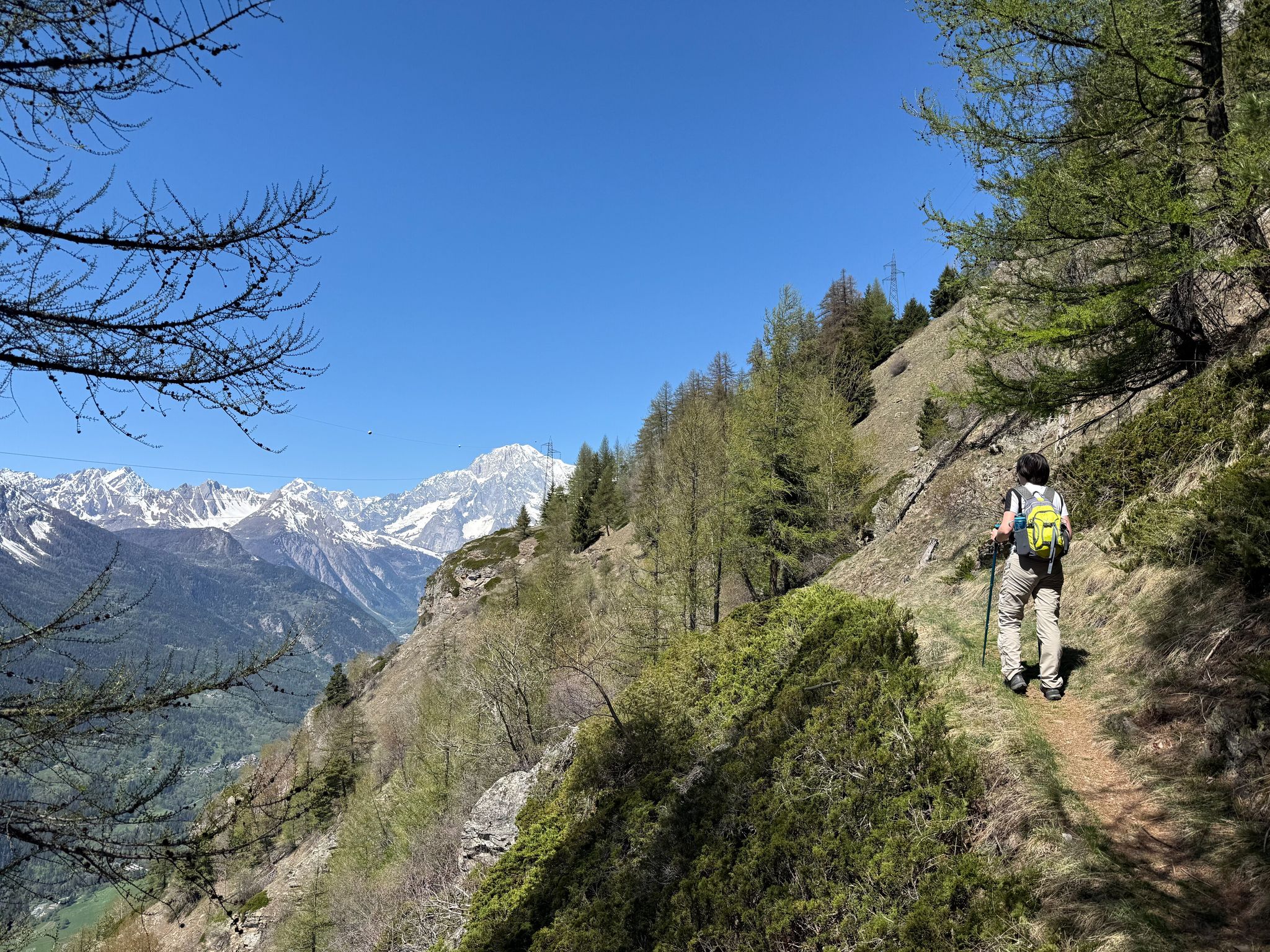
Cammino Balteo – castles, vineyards and trails of the Aosta Valley
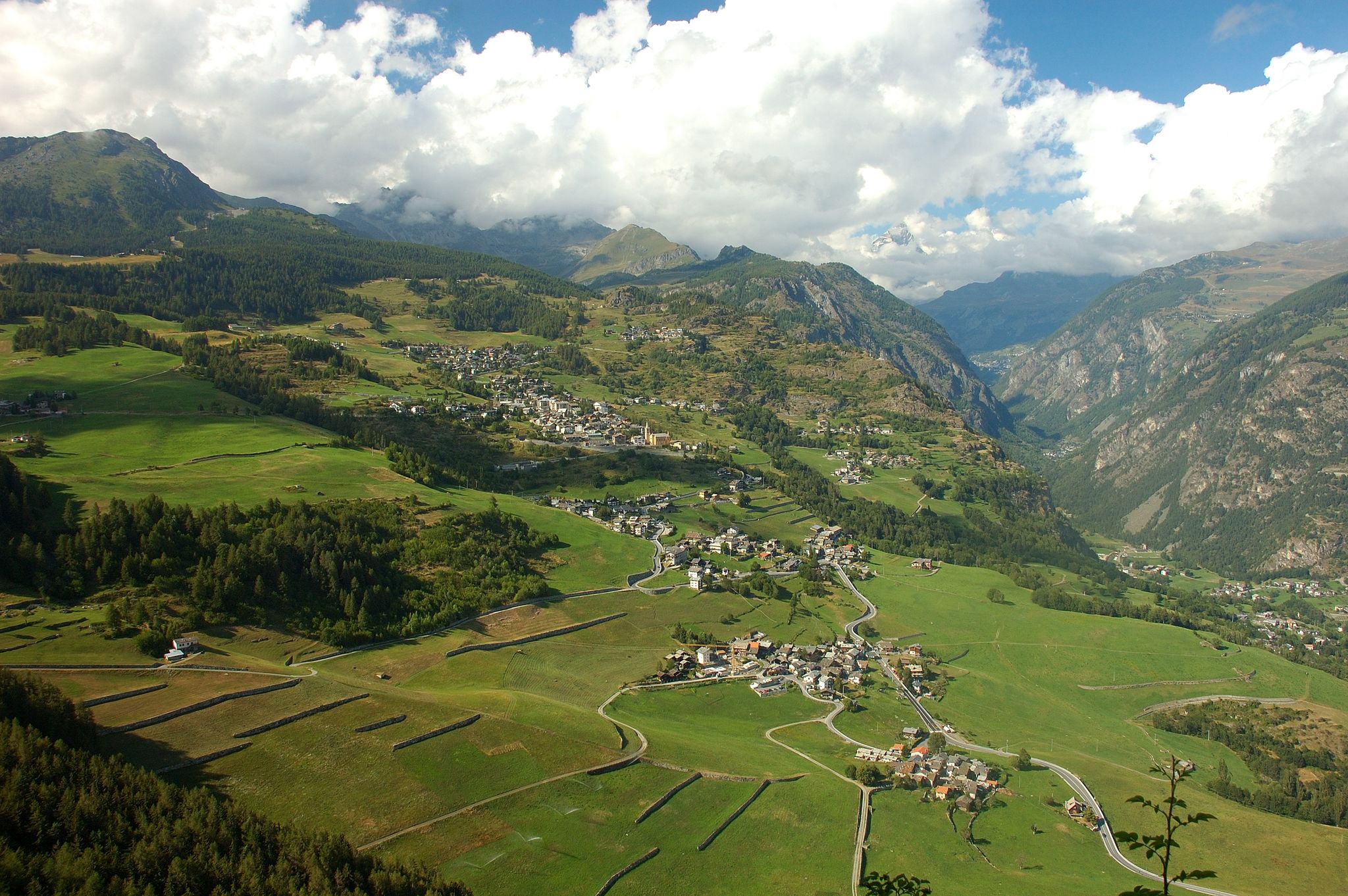
Paths, castles and views of Italy’s Aosta Valley – Cammino Balteo
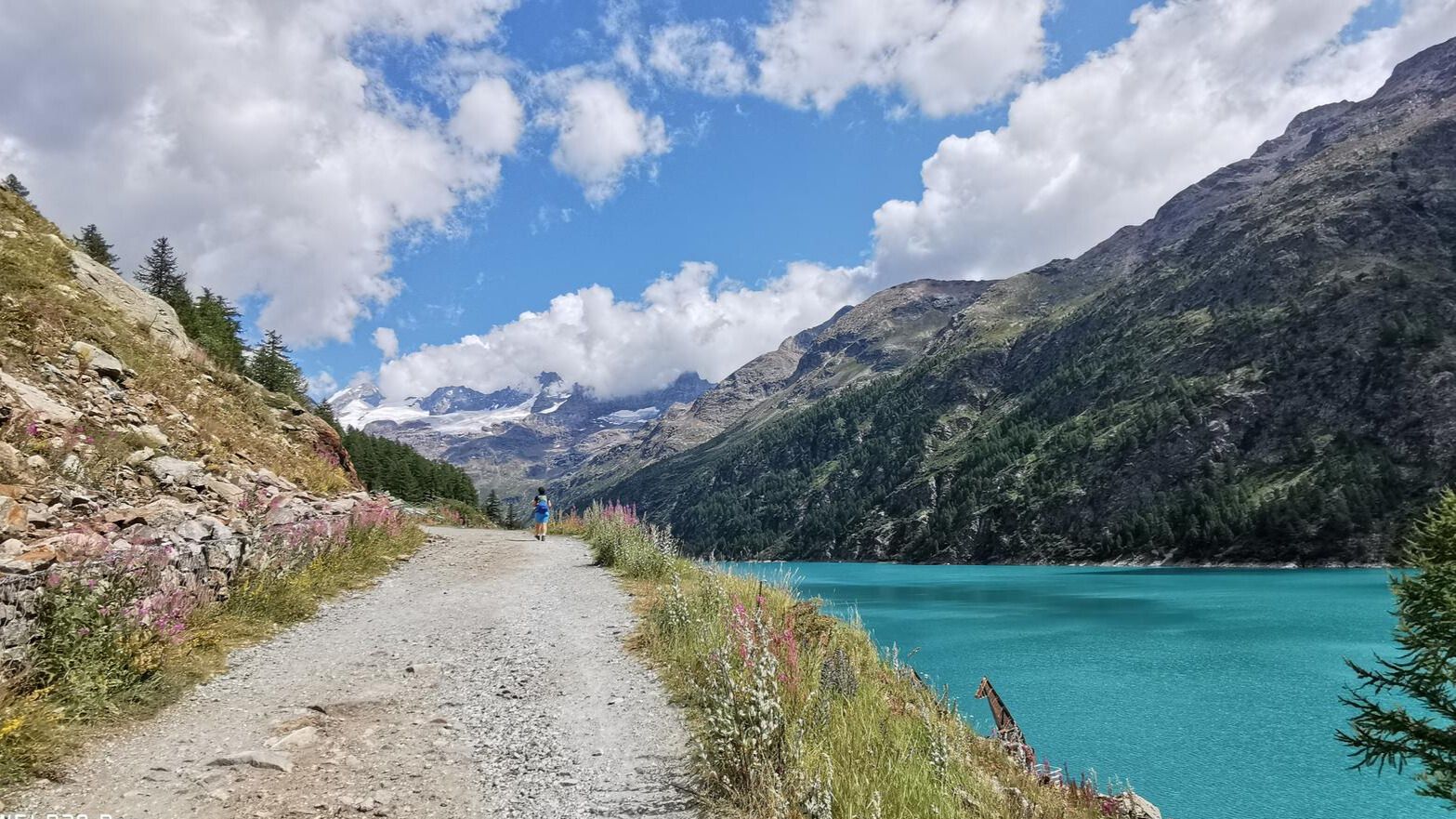
In the footsteps of the first mountaineers – Valpelline Trek
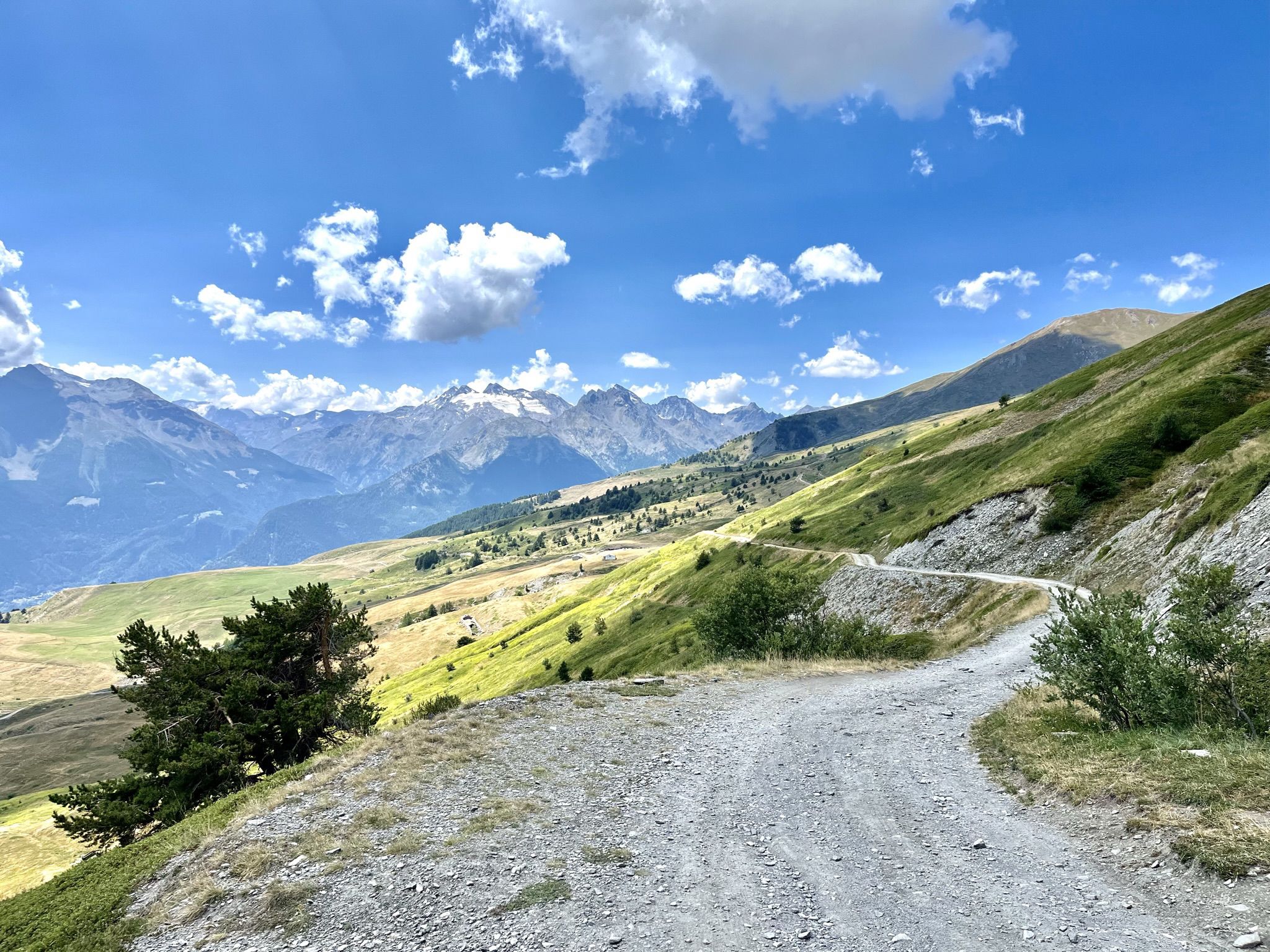
Mountain biking with a glacier backdrop – rides in Italy’s Aosta Valley
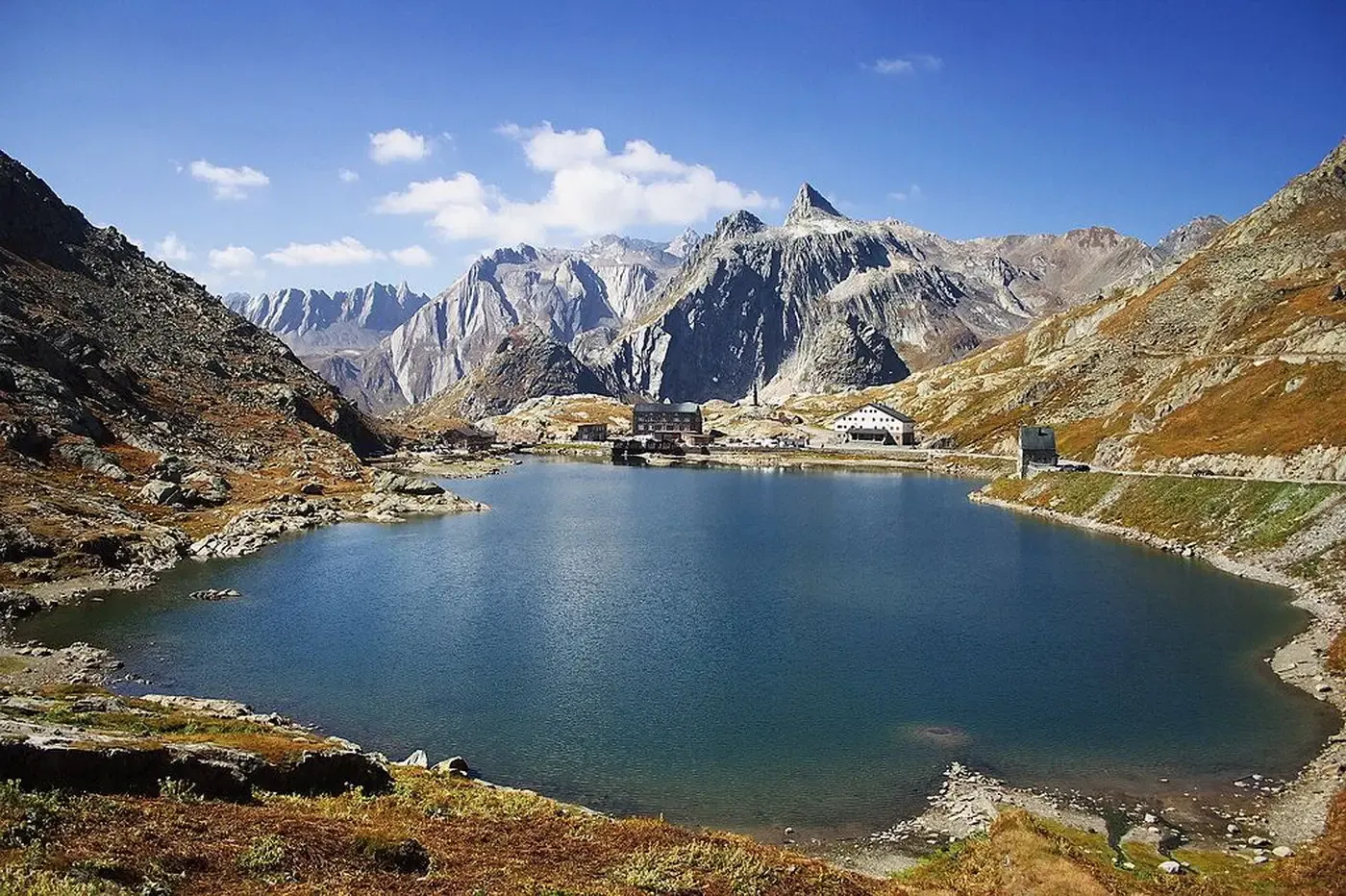
A cycling pilgrimage — history and nature on Italy’s Via Francigena
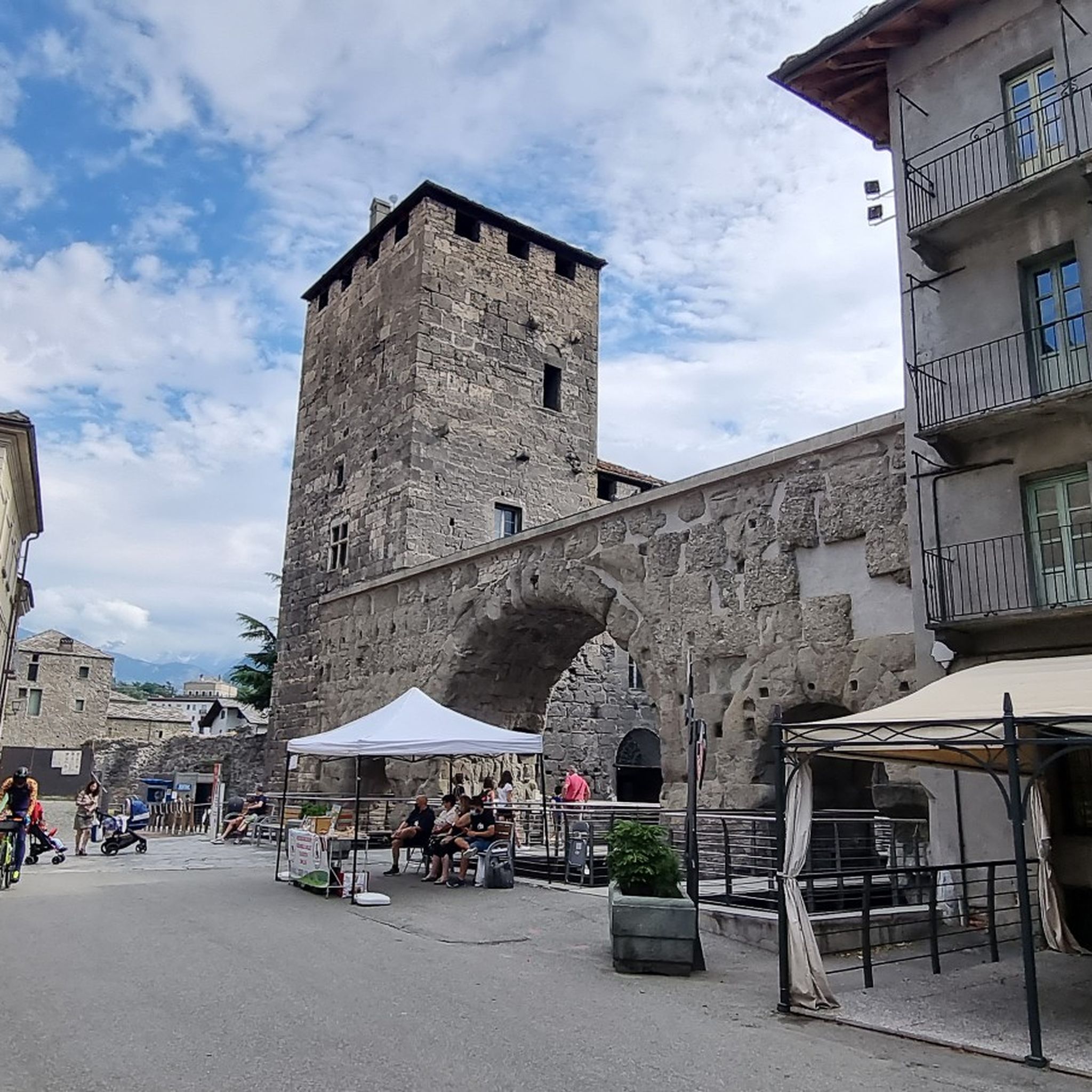
Cycling around Aosta
Hiking around Aosta
MTB Trails around Aosta
Other adventures around Aosta


Tips from the Community

When coming down from St. Bernhard, perhaps take a break here and stop for refreshments, because Aosta city unfortunately lacks the romance of a mountain village.
0
0

End of traffic, start of wind gusts
0
0
Stunning landscape, very gusty winds
0
0

Mountain tour through woods and spectacular panoramas
0
0

The Municipality of Gignod embodies the true essence of the Aosta Valley mountains, strategically located along the ancient routes of the Via Francigena. Surrounded by lush forests and imposing peaks towards the Gran San Bernardo, this picturesque territory combines nature, culture, and ancient traditions in a suggestive alpine setting, proving to be the perfect destination for a regenerating stop during an outdoor itinerary or for a day exploring the high-altitude beauties. Beyond the breathtaking panoramas, Gignod is a crossroads of stories to be experienced at a slow pace, where the strong connection with the land is expressed through excursions to the historic medieval Tower, bike rides on pristine trails, and moments of absolute tranquility. A perfect balance between historical heritage, spectacular landscapes, and deep relaxation, ideal for immersing yourself completely in the charm of the Aosta Valley. The Municipality of Gignod is also the ideal place to recharge your e-Bike and earn DINAclub points. Find out how at: dinaclub.repower.com To discover the territory, here is an itinerary ready to be cycled: komoot.com/tour/2955453853
0
0

A long and beautiful ascent at a steady pace that rewards you with exceptional views upon arrival!
0
0
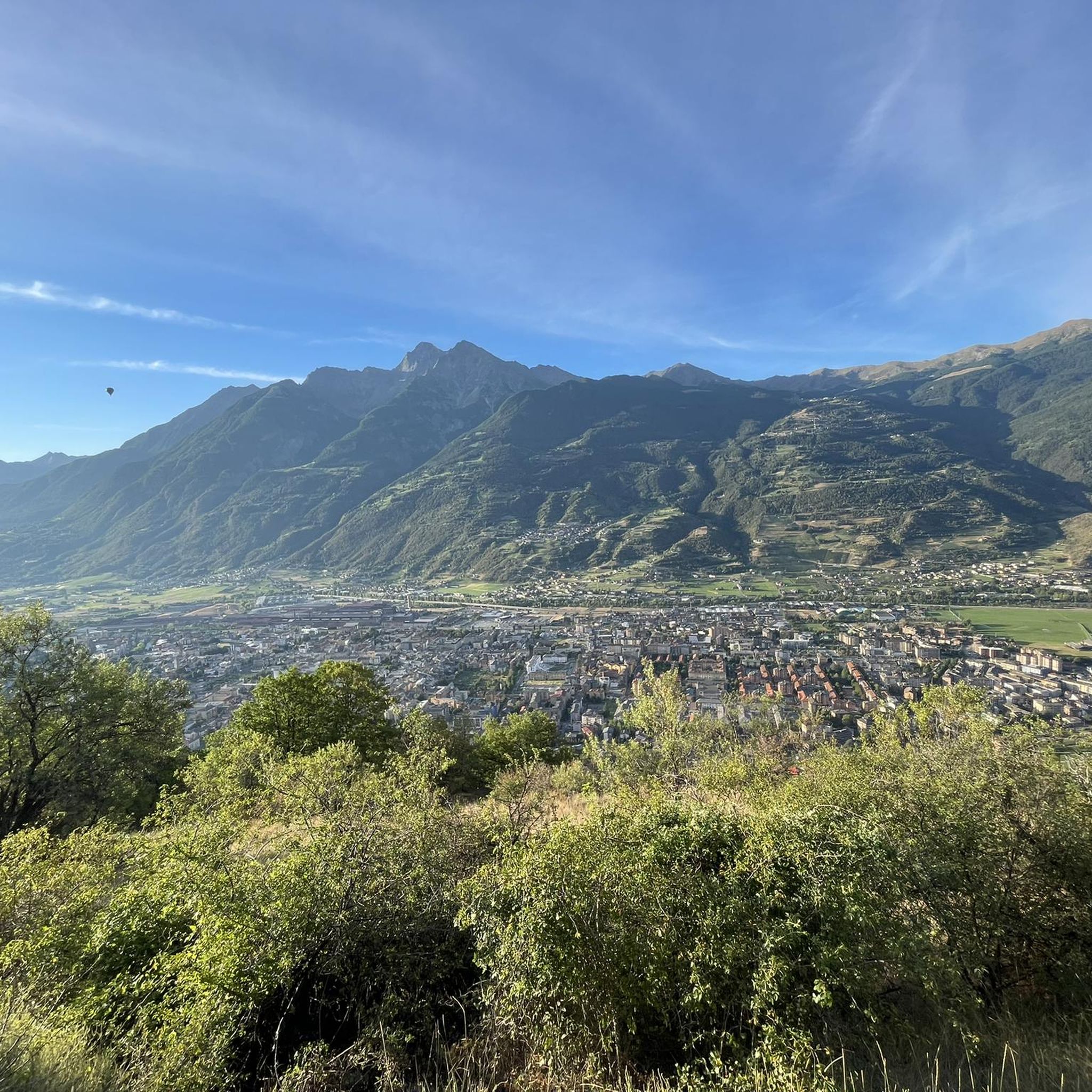
An exceptional panoramic view of the city below.
0
0
A picturesque little village in the Grand Saint-Bernard valley, offering several trails.
0
0
Frequently Asked Questions
What kind of terrain can I expect on road cycling routes around Aosta?
Road cycling around Aosta offers a diverse range of terrain. You'll find routes along valley floors, through vineyards, and alongside the Dora Baltea river, as well as challenging ascents up high alpine passes. The region is characterized by significant elevation gains, set against the backdrop of formidable peaks like Mont Blanc and the Matterhorn.
How many road cycling routes are available in the Aosta region?
There are over 50 road cycling routes available around Aosta, catering to various skill levels. This includes approximately 12 easy routes, 16 moderate routes, and 25 difficult routes, ensuring options for every cyclist.
What do other cyclists say about road cycling in Aosta?
The road cycling routes in Aosta are highly rated by the komoot community, with an average score of 4.7 stars from over 100 reviews. More than 5,000 road cyclists have used komoot to explore the varied terrain, often praising the stunning mountain scenery and diverse route options.
Are there any challenging climbs for experienced road cyclists?
Absolutely. Aosta is renowned for its challenging climbs, frequently featuring in the Giro d'Italia. You can tackle routes like the Great St. Bernard Pass, which involves a significant elevation gain of 1,883m over 35km, or the ascent to Lake Place Moulin. Another demanding option is the Roisan Village and Church – Great St Bernard Hospice loop from Aosta Viale Europa, which features over 2,200m of elevation gain.
What are some scenic attractions or natural features I can see along the routes?
Aosta's routes are rich with natural beauty and historical sites. You can cycle past Roman monuments like the Arch of Augustus, medieval castles such as those in Issogne and Fénis, and through picturesque vineyards. Natural highlights include pristine lakes like Lake Chamolé, the Les Iles Nature Reserve, and even a Comboé Stream Waterfall. Many routes offer breathtaking views of Mont Blanc, the Matterhorn, and Gran Paradiso National Park.
Are there any easier or family-friendly road cycling routes in Aosta?
Yes, for those preferring less arduous rides, there are easier options. The region offers routes along dedicated bike paths and through valleys. The Sigerico Variant of the Pilgrims' Cycle Route is a moderate 18.5 km path that provides a less strenuous option, likely following historical paths through the valley, suitable for a more relaxed pace.
What is the best time of year for road cycling in Aosta?
The best time for road cycling in Aosta is generally from late spring to early autumn (May to October). During these months, the weather is more favorable, and the high mountain passes are typically clear of snow, offering access to the full range of routes. Summer provides warm temperatures, while spring and autumn offer cooler rides and vibrant scenery.
Are there any circular road cycling routes around Aosta?
Yes, there are several circular routes available. For example, the Roisan Village and Church – Great St Bernard Hospice loop from Aosta Viale Europa is a significant 84.3 km loop. Another option is the Aymavilles Castle – Castello di Aymavilles loop from Aosta, which is a 50.2 km circular route.
Can I find amenities like cafes or accommodation along the cycling routes?
Yes, many road cycling routes in Aosta pass through charming villages and towns where you can find cafes, restaurants, and accommodation. The region is known for its hospitality, and you'll often find opportunities to refuel and rest, especially in places like Gignod, Étroubles, and Saint-Oyen along the Great St. Bernard Pass route, or in villages along the Cammino Balteo.
Are there any long-distance road cycling routes in the Aosta Valley?
The Aosta Valley offers several long-distance routes for endurance cyclists. The Ascent to Lake Place Moulin from Aosta is a substantial 65.2 km route with significant elevation. Another long option is the Arch of Augustus (Aosta) – Place Moulin Dam loop from Aosta Istituto, covering 86.1 km.
Is public transport available for cyclists in Aosta?
While specific details on bike-friendly public transport vary, the Aosta Valley generally has a regional bus network connecting towns and villages. It's advisable to check with local transport providers regarding policies for carrying bicycles, especially during peak seasons or for specific routes.
Most popular attractions around Aosta

Get inspired with the komoot mobile app


Explore more
Browse the best Road cycling routes in other regions.
