Top 7 Castles around Oyace
Best castles around Oyace are found in this charming mountain village in the Aosta Valley, which holds historical remnants reflecting its strategic past. The area is characterized by its alpine passage location and defensive structures. These sites offer a tangible connection to Oyace's medieval history and its role in guarding crucial mountain routes.
Best castles around Oyace
- The most popular castles is Fénis Castle, a castle known for its abundance of towers and battlements. It was originally intended as…
Last updated: August 4, 2026
Fénis Castle
Highlight • Castle
Combining …
Showing Translation
Tip by

Quart Castle
Highlight • Castle
Translated by Google •
Tip by

Sign up now to discover places like this
Get recommendations on the best single tracks, peaks, & plenty of other exciting outdoor places.
Sign up for free
View of Nus Castle
Highlight (Segment) • Viewpoint
Translated by Google •
Tip by

From Fenis towards Nus (AO)
Highlight • Trail
Translated by Google •
Tip by

Casaforte di Rhins
Highlight • Castle
Translated by Google •
Tip by

Sign up for free to discover even more castles around Oyace.
Sign up for free
Already have an account?
Start today with a free account
Your next adventure awaits.
Login or Signup



Tips from the Community

Quart Castle is currently (January 2025) undergoing conservation work. The work should be completed by summer 2025.
0
0

Travelling along the Via Francigena from Aosta to Nus, just before Quart you come across this Castle built on a hill, an enchanting and solitary place.
0
0

The Casaforte di Rhins, sometimes also called the Castle of Rhins, is a medieval fortified house located in the town of Rhins, in the municipality of Roisan, in the Valle d’Aosta region. The Casaforte was built in the 11th century and was part of the fief of Rhins, which was under the authority of the Bishop of Aosta.
8
0
The worked wooden furniture in this imposing fort is typical of the Aosta Valley. In the courtyard and in the chapel, frescoes from the Gothic workshop of Giacomo Jacquerio depict the lives of the most important saints and those of many wise men and philosophers.
6
0
The Castello di Fénis, located in the Valle d’Aosta region of Italy, is one of the most famous medieval castles in the region. It attracts visitors with its abundance of towers and battlements. Although it has an impressive defensive structure, it is situated on a small hill and not in an inaccessible place. In fact, it was originally intended as a prestigious residence for the Challant family. The inner courtyard features a semicircular stone staircase and wooden balconies. At the top of the stairs is a 15th-century fresco of Saint George slaying the dragon. The rooms are decorated with period wooden furniture.
6
0

Unlike other castles, built for war and protection purposes, Fénis Castle is not located on the top of a promontory, but on a slight hill devoid of natural defenses. Combining the characteristics of a fortification with those of a noble residence, Fénis Castle was indeed the prestigious seat of representation for the main exponents of the Challant family.
2
0

A visit to the castle is recommended, as is the short external itinerary which allows you to appreciate the walls and the entire structure
2
1

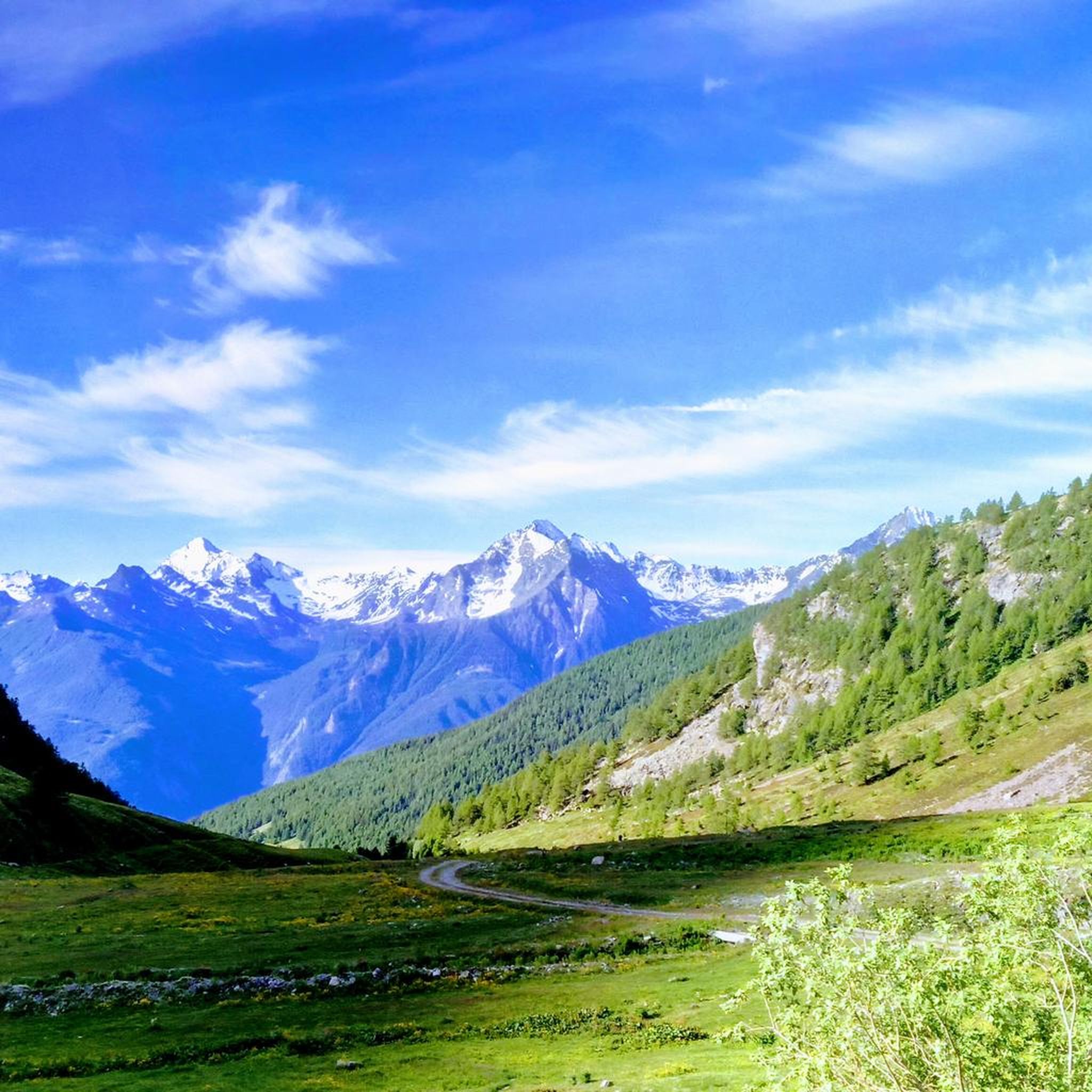
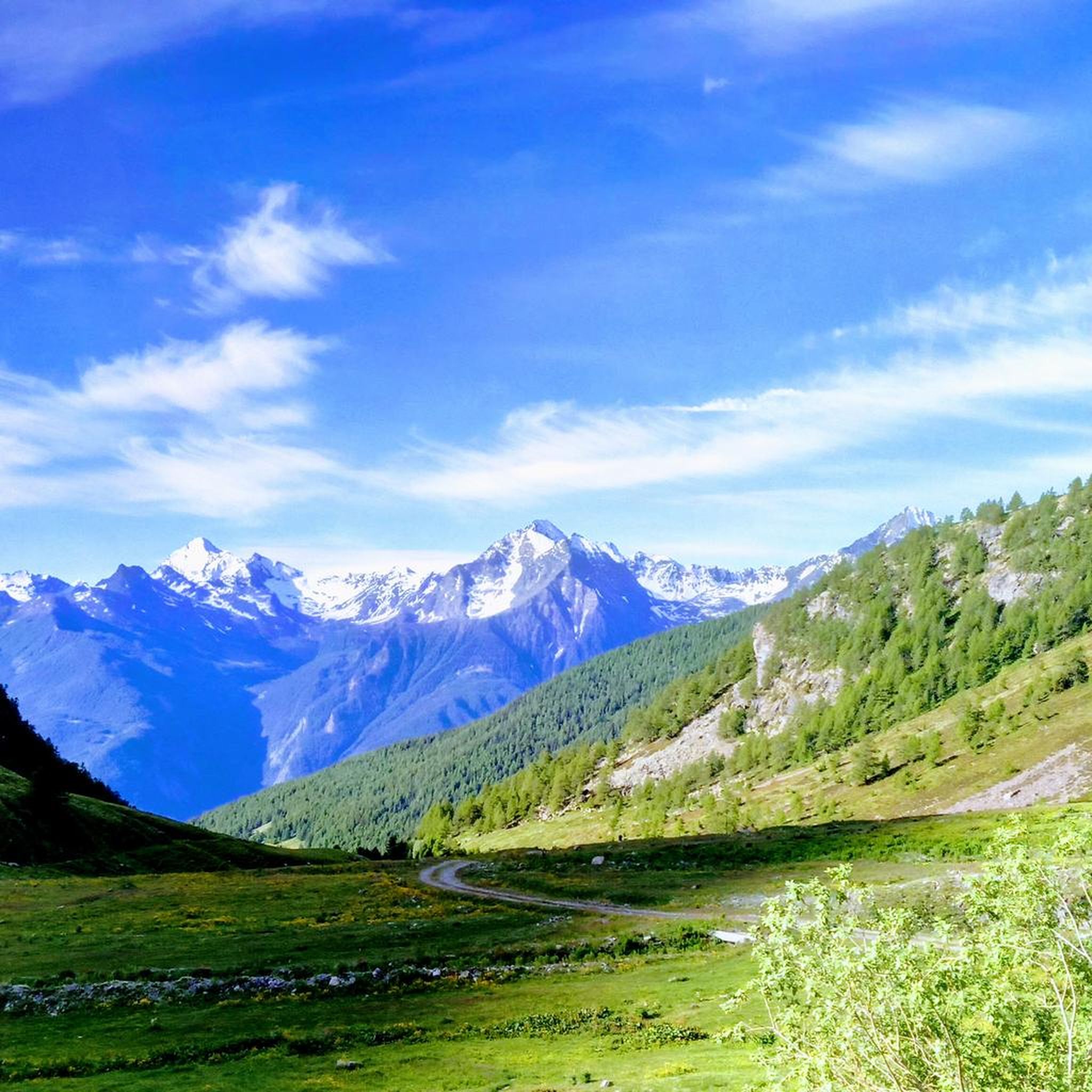
View of the castle of Nus, but above all a beautiful discovery of the route that leads to Valpelline.
1
0
Frequently Asked Questions
What are the most historically significant castles or remnants around Oyace?
Oyace is known for its medieval watchtowers and defensive structures. The Fénis Castle, though not directly in Oyace, is a famous medieval castle in the region, originally a prestigious residence for the Challant family. Within Oyace itself, the Tour de la Croux and the Tornalla Tower are significant. The Tour de la Croux is a medieval watchtower, while the Tornalla Tower, dating back to 1000 AD, is particularly noteworthy for its unique octagonal shape and strategic position overlooking the village.
Which castles near Oyace are known for their unique architecture?
The Tornalla Tower in Oyace stands out due to its unusual octagonal design, a unique architectural feature within the entire Aosta Valley region. Additionally, Fénis Castle is recognized for its abundance of towers and battlements, combining fortification characteristics with those of a noble residence.
Are there family-friendly castles to visit near Oyace?
Yes, several castles in the wider Oyace area are considered family-friendly. These include Fénis Castle, Saint-Marcel Castle, and Quart Castle. These sites offer historical insights that can be engaging for visitors of all ages.
Can I combine a castle visit with outdoor activities or hiking near Oyace?
Absolutely. The historical sites around Oyace are set in a scenic alpine environment, perfect for combining with outdoor activities. You can find numerous hiking trails, such as the 'Oyace to Tornalla Tower Trail', or explore road cycling and mountain biking routes. For more details on routes, you can check the Hiking around Oyace guide, Road Cycling Routes around Oyace guide, or MTB Trails around Oyace guide.
What is the best time of year to visit the castles and watchtowers in Oyace?
The best time to visit the castles and watchtowers around Oyace is generally during the warmer months, from late spring to early autumn (May to October). During this period, the weather is more favorable for exploring the outdoor remnants and enjoying the scenic alpine environment. Winter visits might be possible, but some sites or access roads could be affected by snow.
Are there any less crowded historical sites to explore near Oyace?
While popular castles like Fénis attract many visitors, the remnants of the Tour de la Croux and the Tornalla Tower in Oyace itself offer a more tranquil experience. These sites provide a tangible connection to Oyace's medieval history amidst a peaceful alpine setting, often with fewer crowds than larger, fully preserved castles.
What kind of historical insights do the watchtowers in Oyace offer?
The watchtowers in Oyace, such as the Tour de la Croux and the Tornalla Tower, offer insights into the defensive strategies of the past in the Aosta Valley. They highlight the strategic importance of Oyace's location in guarding crucial mountain routes and alpine passages. The Tornalla Tower, in particular, is believed to have been constructed around 1000 AD on the ruins of an older Saracen fortress, showcasing a deep historical lineage.
Can I visit the interior of all castles mentioned?
Not all historical sites mentioned are fully preserved castles with accessible interiors. For instance, the Tour de la Croux in Oyace consists of visible remains rather than an intact structure. The Castle of Nus is privately owned and not open to visitors. However, castles like Fénis Castle and Saint-Marcel Castle typically offer guided tours or access to their interiors, allowing visitors to explore their historical rooms and architecture.
What are some notable features of Fénis Castle?
Fénis Castle is renowned for its impressive defensive structure, featuring an abundance of towers and battlements. Despite its formidable appearance, it was primarily intended as a prestigious residence for the Challant family. Inside, visitors can admire a semi-circular stone staircase, wooden balconies, and a 15th-century fresco of Saint George slaying the dragon in the courtyard. The rooms are decorated with period wooden furniture, and frescoes depicting saints and philosophers can be found in the courtyard and chapel.
What is the significance of Quart Castle?
Quart Castle is a historical site majestically situated on a high rocky cliff. It presents itself as a complex of several buildings enclosed within a fortified wall. Its location along the Via Francigena offers remarkable landscape views, making it a significant landmark both historically and scenically.
Are there any castles near Oyace that are not open to the public?
Yes, the Castle of Nus is privately owned and therefore not open to visitors. While you can catch a glimpse of it from certain viewpoints, its interior is not accessible to the public.
What can I expect when visiting Saint-Marcel Castle?
Saint-Marcel Castle was built on the remains of an earlier fortified house in the 15th century. It originally had a basically square shape, typical of a castle residence, with an added rectangular western part for additional living space. A square tower dominated the structure, and two turrets adorned the corners. Inside, you can still find remains of large chimneys and wooden ceilings, offering a glimpse into its medieval past.
Most popular attractions around Oyace

Get inspired with the komoot mobile app


Explore more
Looking for the best castles somewhere else? Discover other guides around Oyace:
