Attractions and Places To See around Arnad - Top 20
Best attractions and places to see around Arnad include a blend of historical landmarks, cultural sites, and natural beauty within the Aosta Valley. The village is situated on the banks of the Dora Baltea River, with the picturesque Machaby valley and its chestnut woods nearby. Arnad offers diverse landscapes, from tranquil lakes to ancient fortifications, providing varied exploration opportunities. It also serves as a stop along the historic Via Francigena.
Best attractions and places to see around Arnad
- The most…
Last updated: July 20, 2026
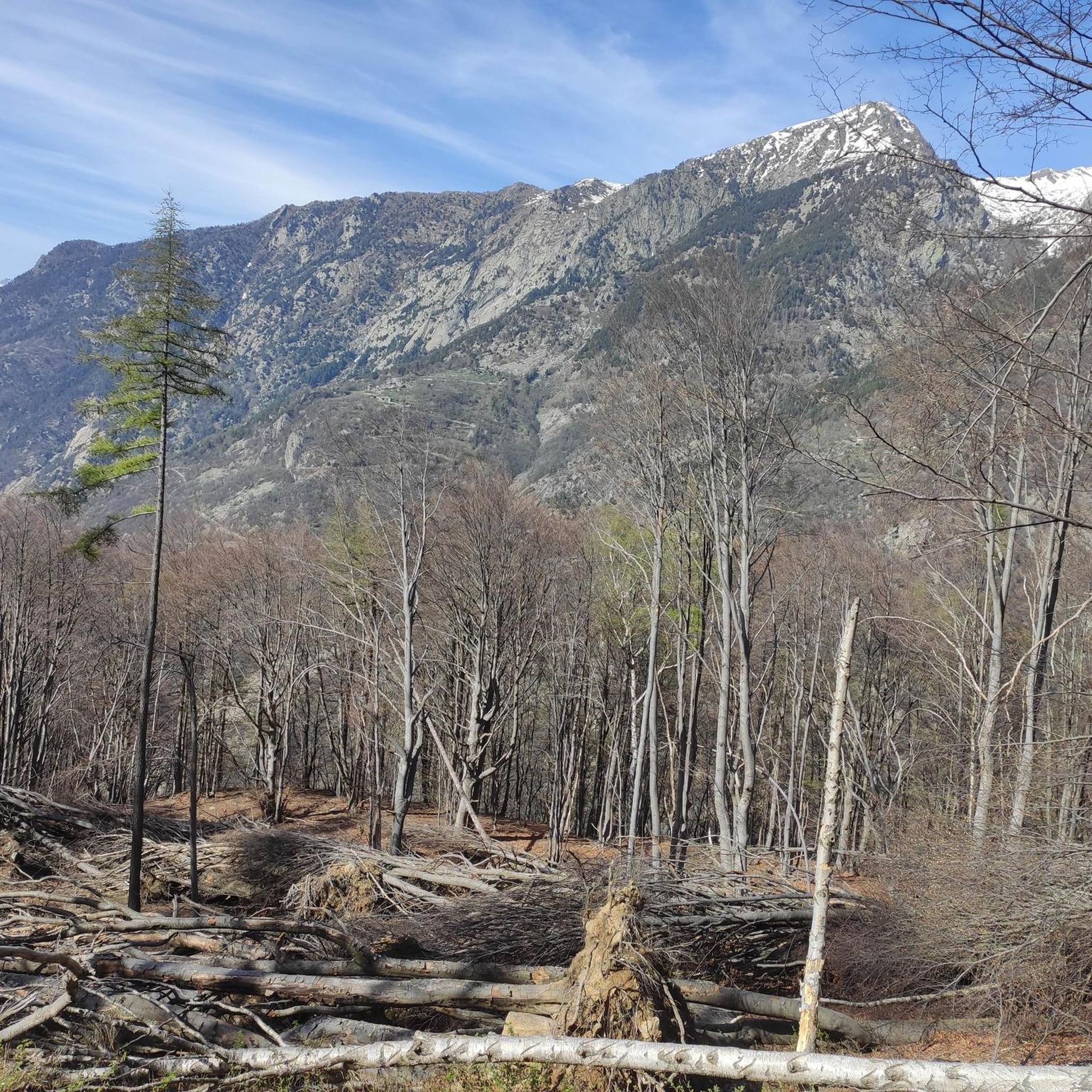
Lake Muffé
Highlight • Lake
Translated by Google •
Tip by

Barbustel Refuge at Lac Blanc
Highlight • Mountain Hut
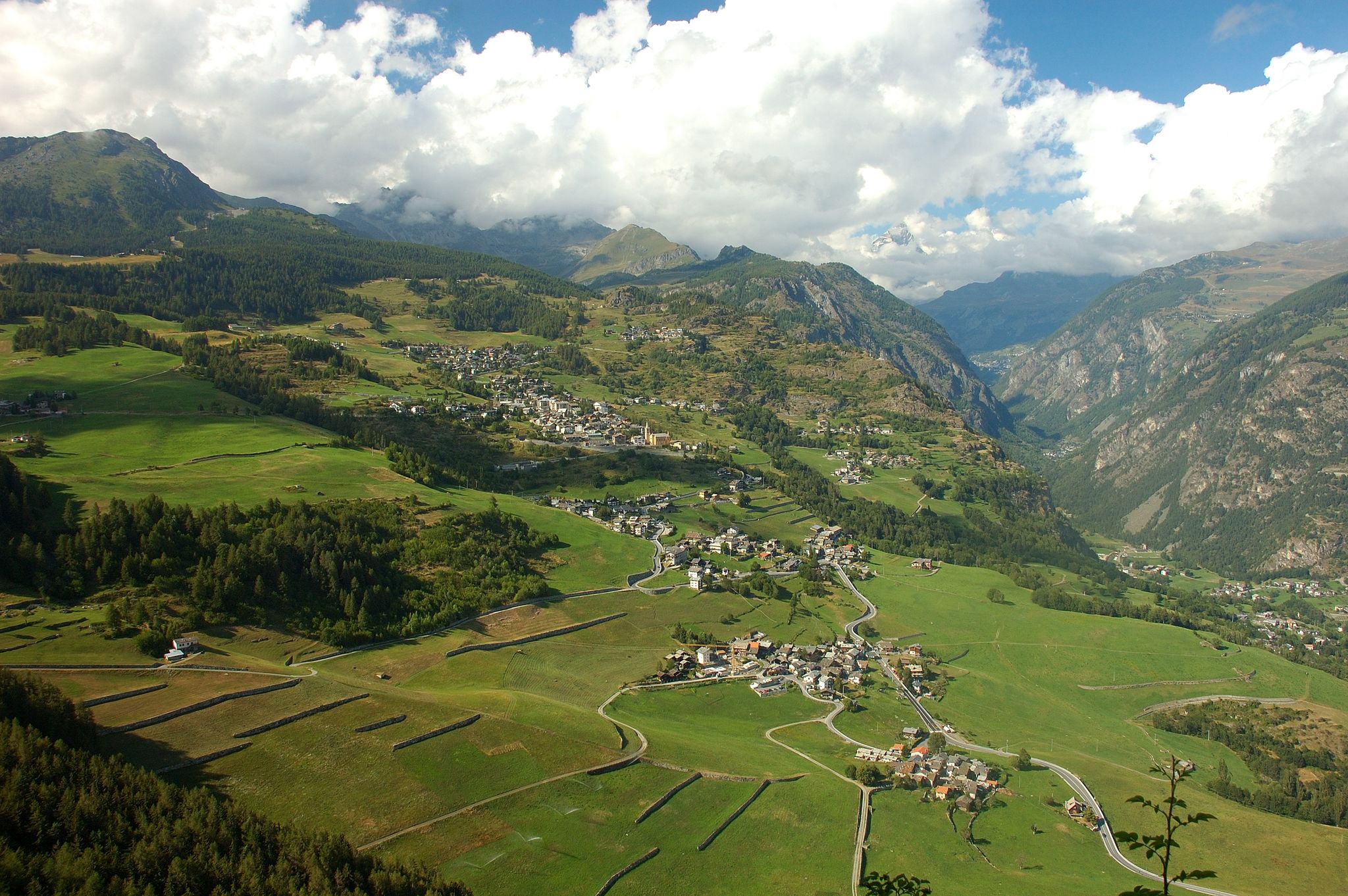
It offers a magnificent view of the majestic Mont Avic, Monte Rosa, the Matterhorn …
Translated by Google •
Tip by
Sign up now to discover places like this
Get recommendations on the best single tracks, peaks, & plenty of other exciting outdoor places.
Sign up for free
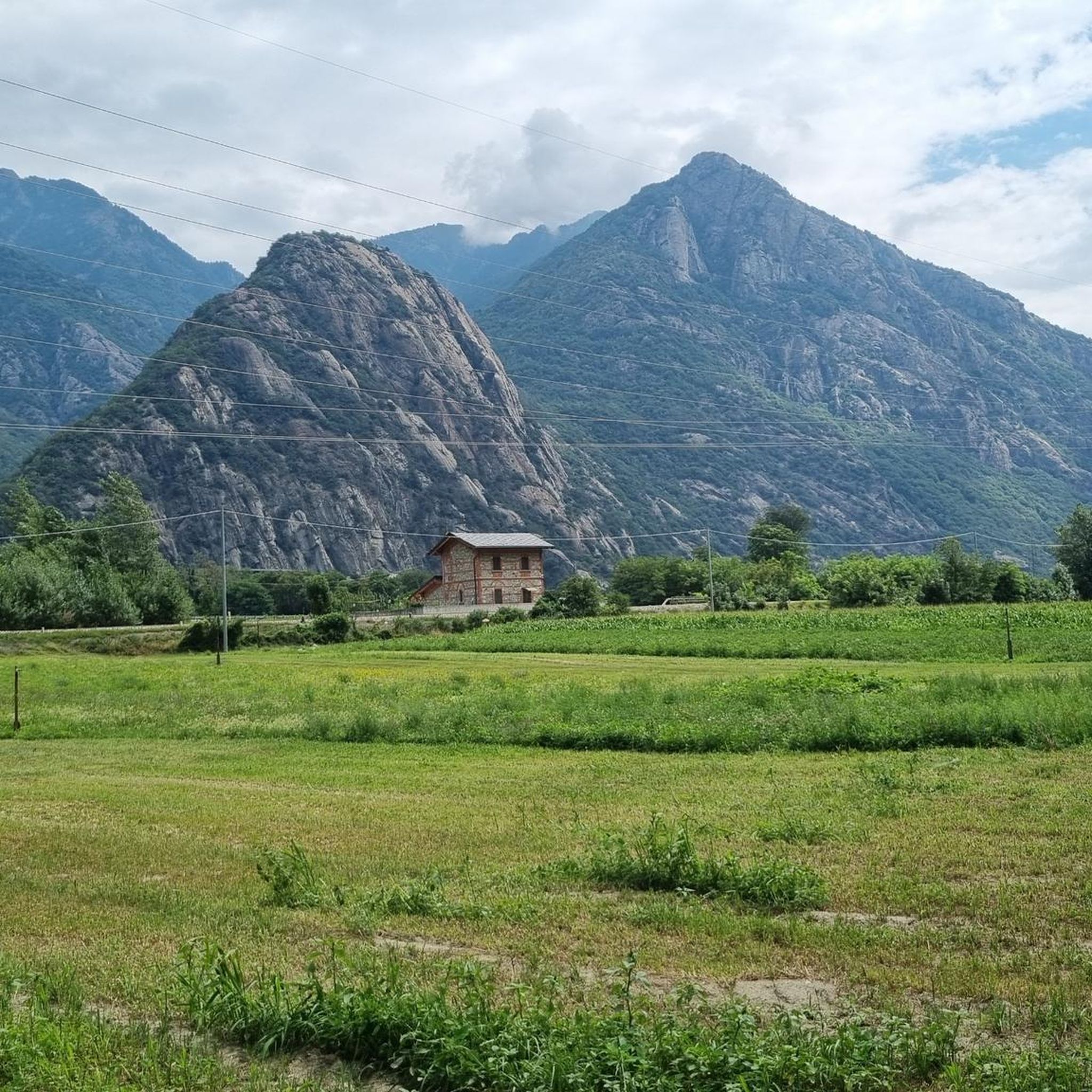
Roman Bridge of Fondo
Highlight • Bridge
Translated by Google •
Tip by

Fort Bard
Highlight • Castle
Translated by Google •
Tip by
View of Fort Bard from the bridge
Highlight • Viewpoint
Showing Translation
Tip by
Sign up for free to discover even more attractions around Arnad.
Sign up for free
Already have an account?
Start today with a free account
Your next adventure awaits.
Login or Signup


Tips from the Community

The Forte di Bard seen from the bridge over the Dora Baltea river offers one of the most iconic and photographed views in the Aosta Valley. This spectacular perspective captures the imposing, craggy fortress that dominates the village below and the river waters.
0
0

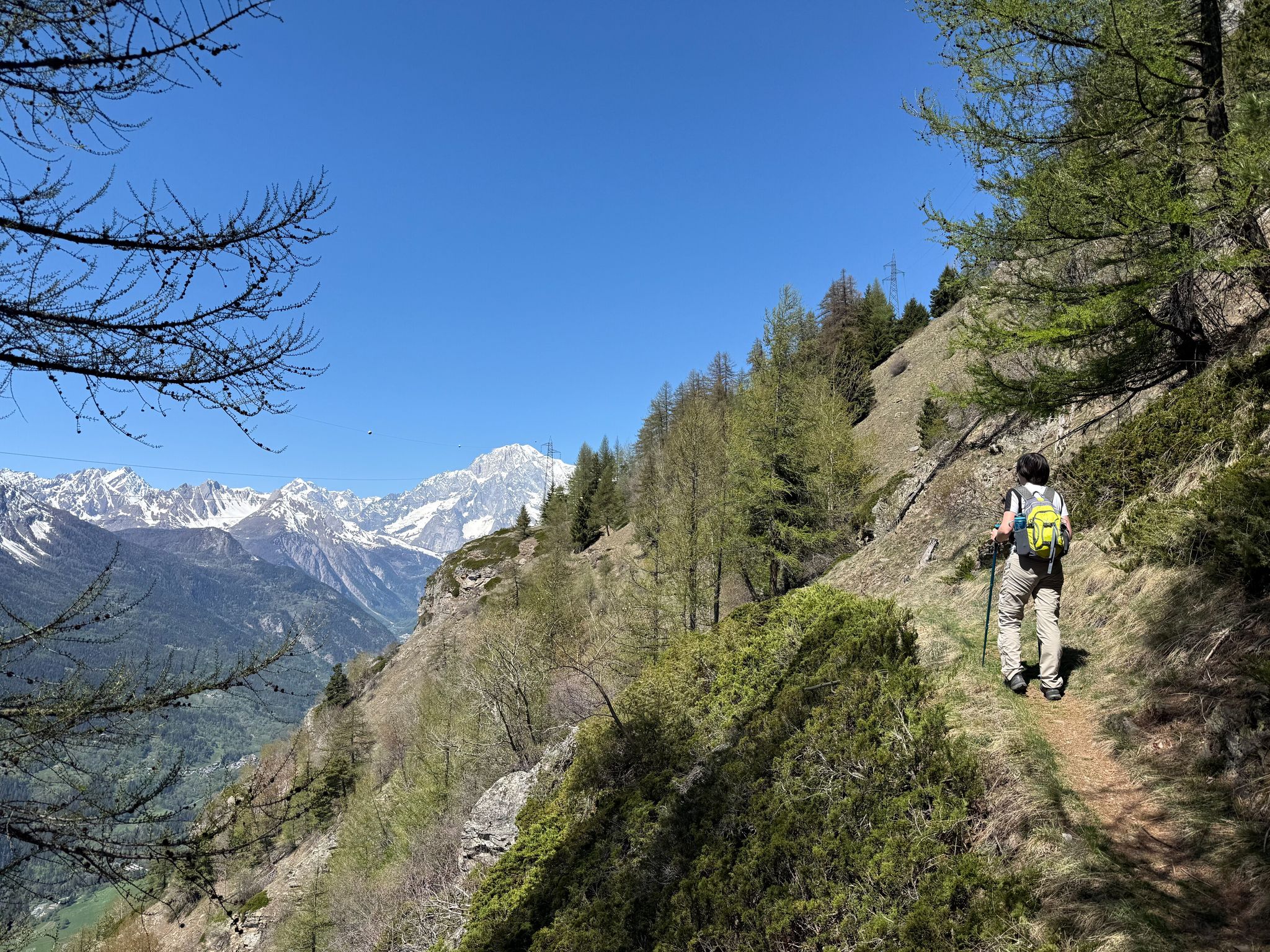
Excellent restaurant with very fair prices, excellent food quality, and friendly staff. I recommend wearing appropriate footwear because the trail features rocks that can be slippery, especially on wet ground.
0
0

Excellent as a refreshment point before visiting all the lakes with a full belly!
0
0
The panna cotta at the restaurant was really, really good!
0
0
Excellent service and quality of dishes in addition to the courteous and fast service
0
0

Beautiful bridge connecting Hone to Bard. Magnificent view of the fort.
2
0

Beautiful Valchiusella Bridge, similar to the Devil's Bridge of Lanzo Torinese
1
0
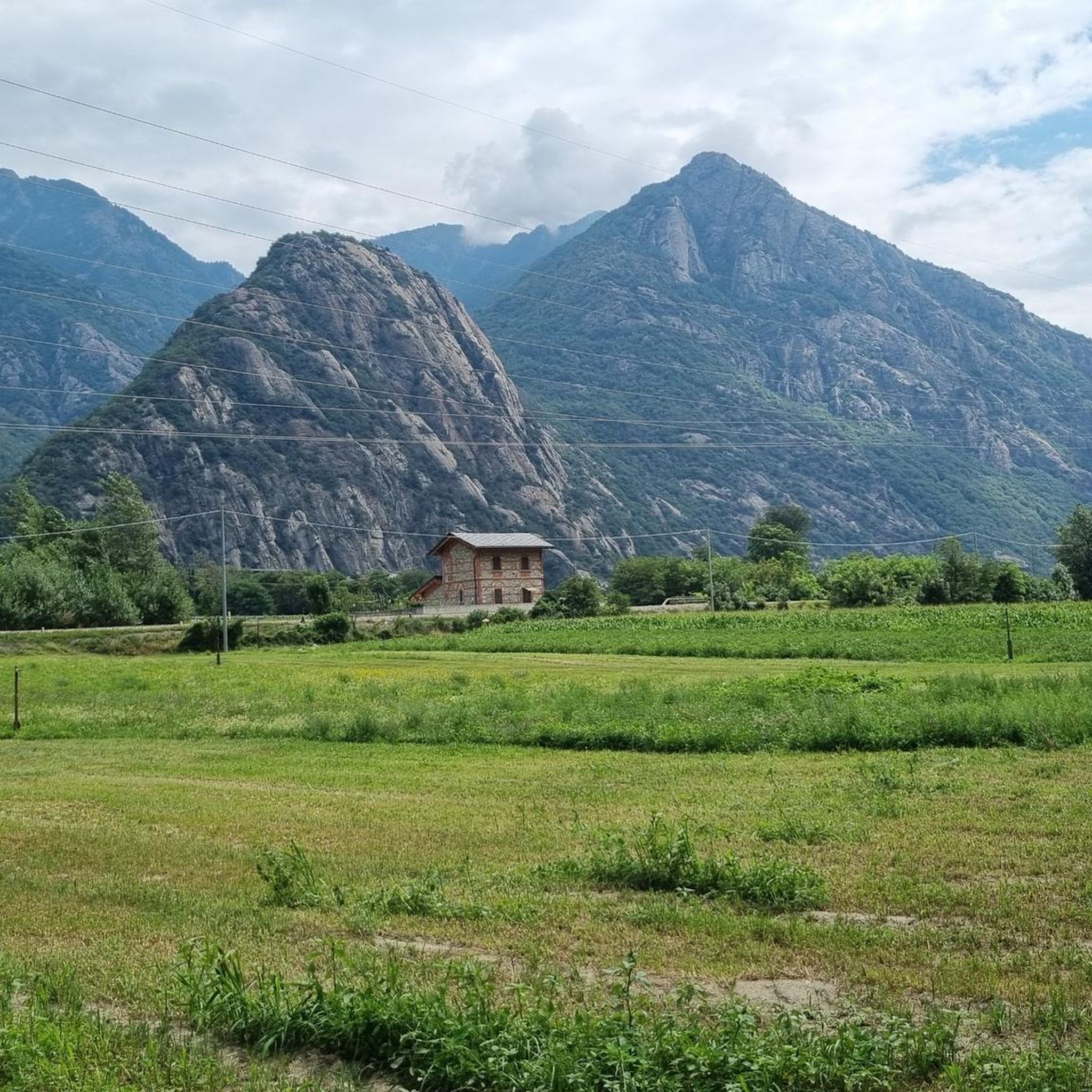
Last location in Valchiusella accessible by car
0
0
Frequently Asked Questions
What natural attractions can I explore around Arnad?
Arnad offers a variety of natural beauty. You can visit Lake Muffé, known for its tranquil atmosphere within the Mont Avic and Mont Emilius area. Another beautiful spot is Lake Vargno, located at the foot of the Mont Mars Nature Reserve, offering stunning views. The picturesque Machaby valley, with its abundant chestnut woods, also provides a beautiful natural setting.
Are there any historical or cultural sites to visit in Arnad?
Yes, Arnad is rich in history. You can explore the 11th-century Romanesque Parish Church of St. Martin in Arnad-le-Vieux, featuring Late Gothic frescoes. The area is also home to several castles, including the 14th-century Lower Castle (Château Vallaise) and the Casaforte di Ville. Don't miss the Roman Arch and Road in Donnas, a remarkably preserved section of the ancient Via delle Gallie.
What outdoor activities can I do near Arnad?
The region around Arnad is ideal for various outdoor activities. You can find numerous mountain hikes, road cycling routes, and mountain biking trails. For specific routes, explore the Mountain Hikes around Arnad, Road Cycling Routes around Arnad, and MTB Trails around Arnad guides. Arnad is also recognized for its sport climbing opportunities, with popular areas like 'il Paretone' and 'la Gruviera'.
Are there family-friendly attractions around Arnad?
Absolutely. Lake Muffé and Barbustel Refuge at Lac Blanc are both considered family-friendly, offering beautiful natural settings for outings. Fort Bard is also a great option for families, featuring museums and exhibitions within a medieval village and fort complex.
What is the best time to visit Arnad?
The best time to visit Arnad largely depends on your preferred activities. For hiking and outdoor exploration, late spring to early autumn (May to October) offers pleasant weather. If you're interested in local culture and gastronomy, consider visiting at the end of August for the festival dedicated to Arnad's famous Lard d'Arnad P.D.O.
What local products is Arnad famous for?
Arnad is renowned for its **Lard d'Arnad P.D.O.**, a tasty cured meat that even has its own dedicated festival at the end of August. Other local products include honey, goat's cheese, and regional wines such as Arand-Montjovet D.O.C., Picotendro, and Chardonnay.
Can I find any ancient Roman sites near Arnad?
Yes, a significant ancient Roman site is the Roman Arch and Road in Donnas. This impressive section of the Roman road, carved into the rock for over 200 meters, includes a large arch and visible cart tracks, showcasing the engineering prowess of the Romans.
Are there any mountain huts or refuges in the area?
Yes, the Barbustel Refuge at Lac Blanc is a notable mountain hut. It's situated near the Bianco, Nero, and Vallette lakes and offers magnificent views of Mont Avic, Monte Rosa, and the Matterhorn. It also provides accommodation and typical Valle d'Aosta cuisine.
What are some lesser-known historical sites or 'hidden gems' in Arnad?
Beyond the main attractions, you can discover the Casaforte di Ville, an interesting medieval manor compound. The picturesque Echallod Bridge, a humpback stone bridge from the 18th century, is also worth seeing. Additionally, the restored Ancient Wine Press and the intriguing Fertility Stone, associated with Celtic rituals, offer unique glimpses into the region's past.
Is Arnad part of the historic Via Francigena?
Yes, Arnad serves as a stop along the historic Via Francigena, a long-distance pilgrimage route. The Echallod Bridge, constructed between 1770 and 1776, was part of this ancient route.
What kind of views can I expect from the attractions around Arnad?
Many attractions offer stunning panoramic views. From Barbustel Refuge at Lac Blanc, you can see Mont Avic, Monte Rosa, and the Matterhorn. Fort Bard dominates the entrance to the Aosta Valley, providing commanding views. Even from Lake Vargno, you can see several peaks including Punta Leretta, Mont Mars, and Monte Rosso.
Most popular attractions around Arnad

Get inspired with the komoot mobile app


Explore more
Still not found the Highlight you’re looking for? See guides of the top attractions in other regions:
