The best cycling routes around Jovençan
4.6
(304)
6,915
riders
160
rides
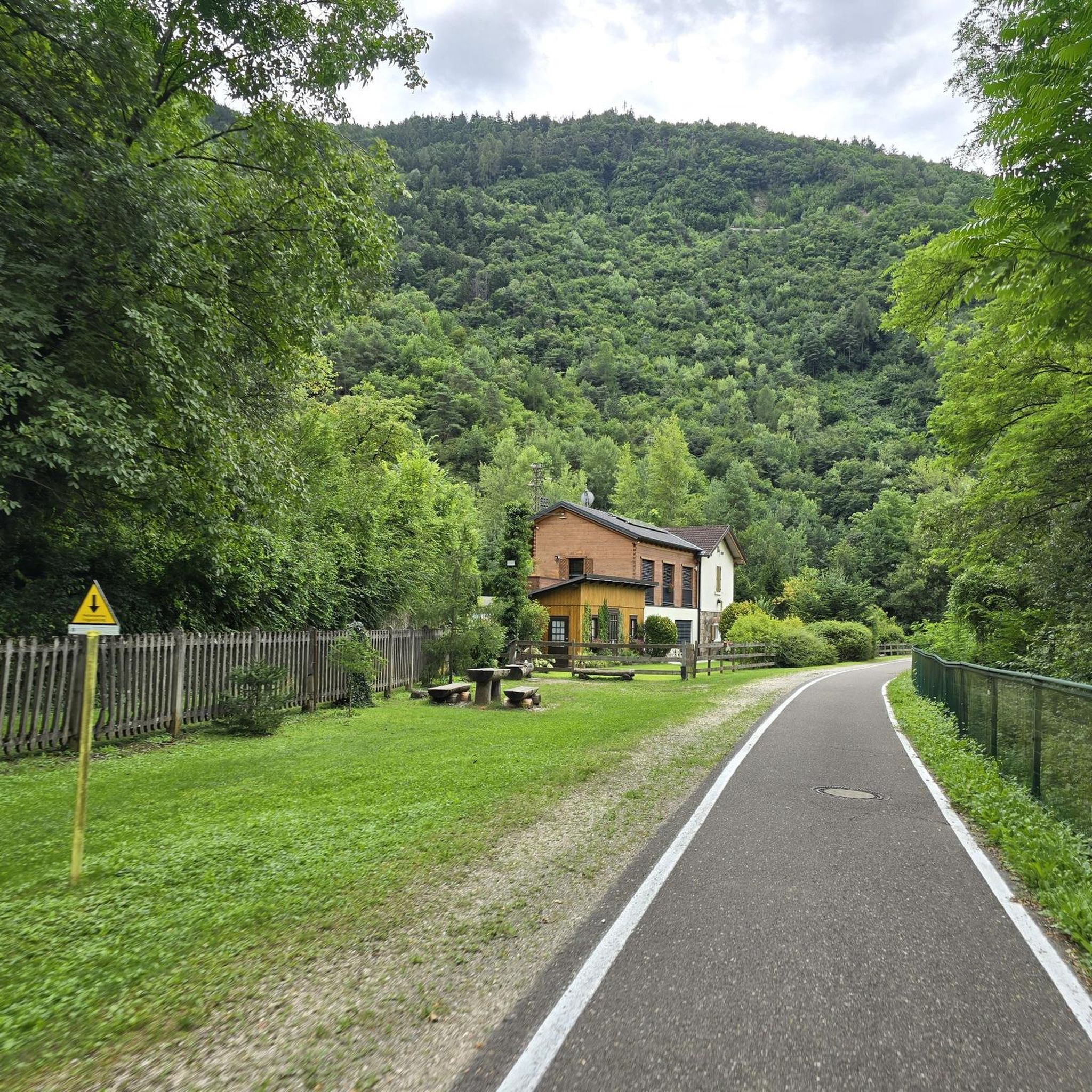
Touring cycling around Jovençan offers routes through the Aosta Valley, characterized by vineyards, orchards, and the Dora Baltea river. The terrain includes gentle valley rides and ascents into the surrounding alpine environment. This region provides a network of routes suitable for various skill levels, with views of imposing alpine peaks.
Best touring cycling routes around Jovençan
- The most popular touring cycling route is Arch of Augustus – Porta Pretoria (Aosta) loop from Sarre, a 9.5 miles (15.2 km) trail…
Last updated: August 2, 2026
4.5
(25)
164
riders
24.5km
01:28
120m
120m
Easy bike ride. Great for any fitness level. Mostly paved surfaces. Suitable for all skill levels.
4.3
(3)
74
riders
24.1km
02:03
840m
840m
Hard bike ride. Very good fitness required. Mostly paved surfaces. Suitable for all skill levels.

Sign up for free
4.7
(14)
104
riders
24.5km
01:34
290m
290m
Moderate bike ride. Good fitness required. Mostly paved surfaces. Suitable for all skill levels.
4.5
(4)
55
riders
20.7km
01:29
240m
240m
Moderate bike ride. Good fitness required. Mostly paved surfaces. Suitable for all skill levels.
3.0
(3)
30
riders
23.7km
01:46
370m
370m
Moderate bike ride. Good fitness required. Mostly paved surfaces. Suitable for all skill levels.
Get access to more routes and recommendations from other explorers.
Sign up for free
Already have an account?
Our route recommendations are based on thousands of hikes, rides, and runs completed by other people on komoot.
Start today with a free account
Your next adventure awaits.
Login or Signup
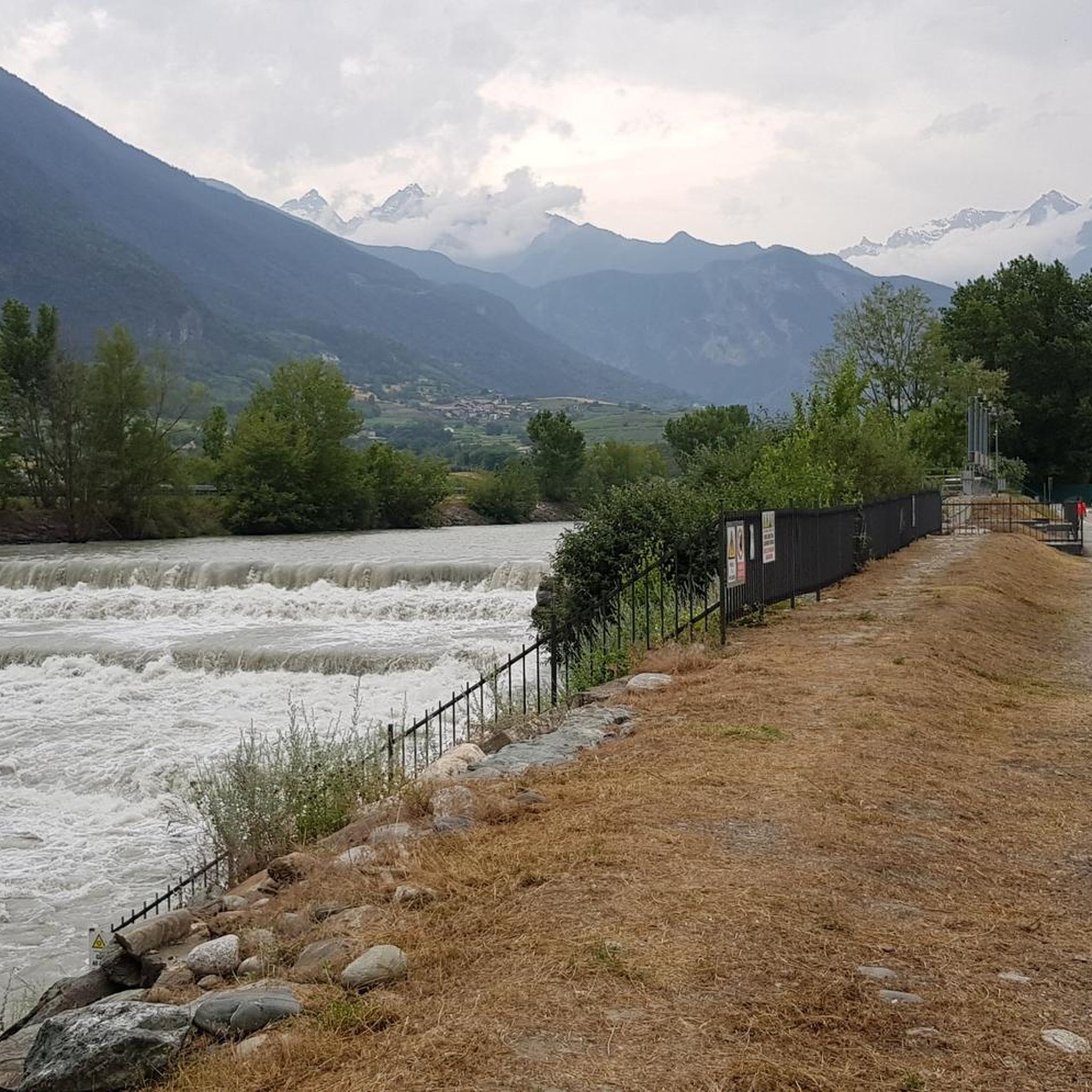
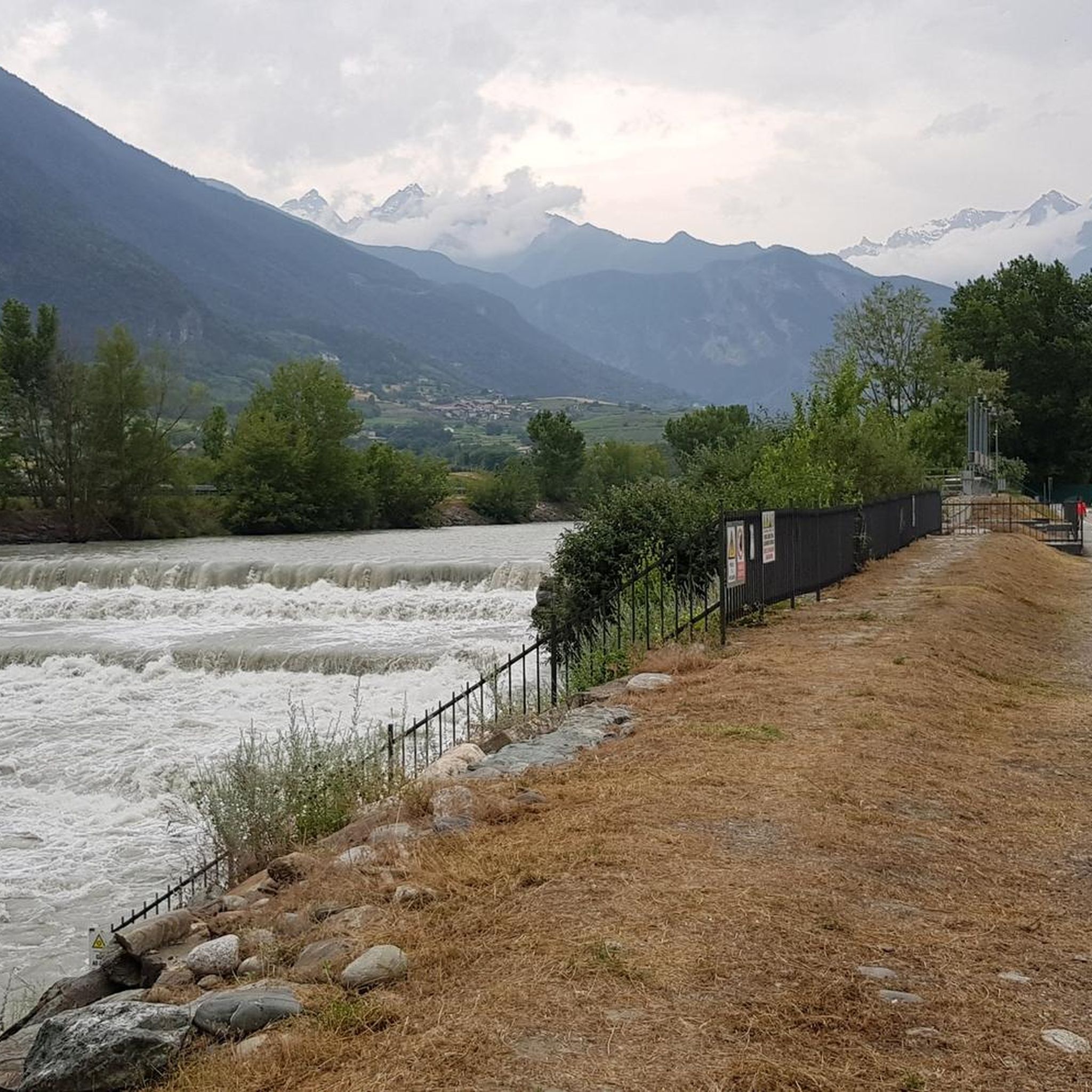
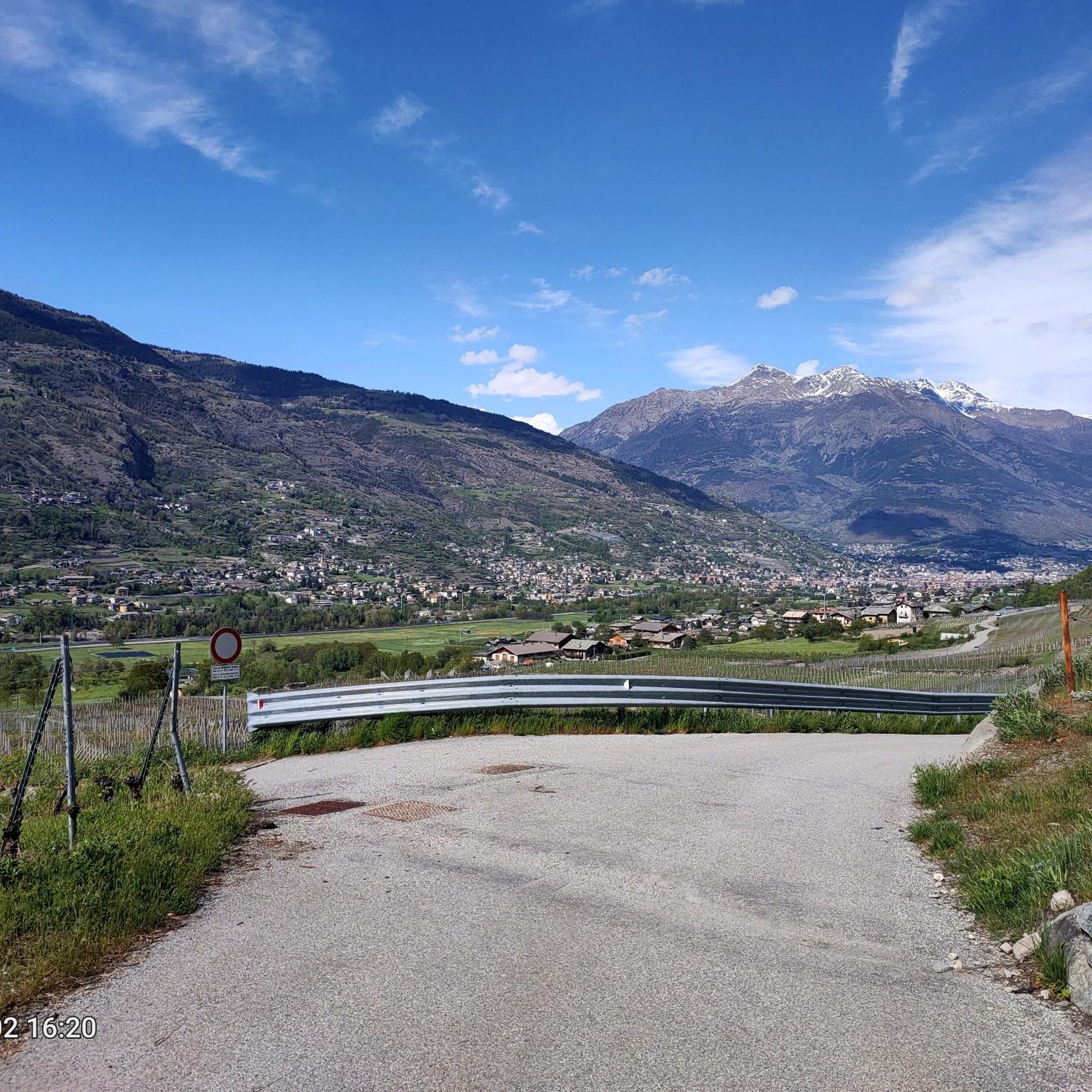

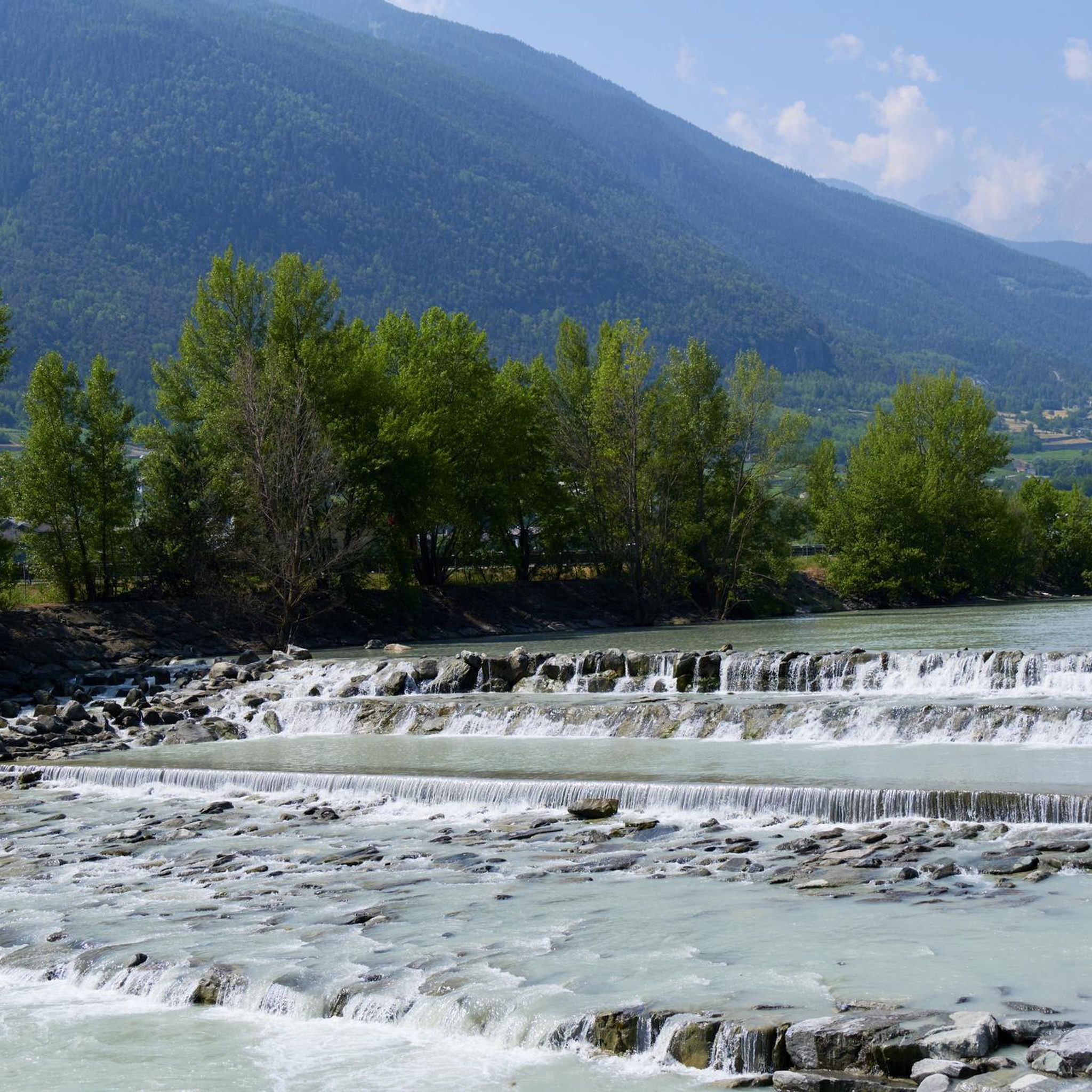
Tips from the Community

Arvier is located in a small basin in the central valley, surrounded by terraced vineyards and crossed by the Dora Baltea river. The village preserves traces of its medieval past, such as the Castello di La Mothe and the Romanesque bell tower, and is one of the access points to Valgrisenche, from where various ascents to more alpine environments begin.
0
0
Pila is a mountain resort located at about 1,800 meters above Aosta, known for both winter sports and summer activities. Its position makes it a privileged panoramic viewpoint: on clear days, the view opens up over a large part of the Aosta Valley Alpine arc, from Mont Blanc to the Matterhorn to Monte Rosa.
1
0
Valley floor access point a few minutes from Aosta, located near the confluence of the Dora Baltea and the Buthier stream. Several ascents to the surrounding slopes start from here.
0
0


Except for the valley lift, all lifts were closed. With the remaining lifts and the space, they could create a nice bike park, but I think they probably make enough money from their ski tourists that they're not even considering a proper development for bikers.
0
0

Lots of slopes but few people, guaranteed fun
0
0

The Torre de la Plantà, located between Gressan and Jovençan, stands alone in the plain like an austere witness to the past. Probably built between the 11th and 12th centuries, its origins are still shrouded in mystery: some hypotheses even link it to the Roman period. The name derives from the De Plantata family, to whom the original construction is attributed, but over time the tower passed into the hands of other noble families, including the Bardonanche and the Vallaise, until it became private property in the 19th century. From an architectural point of view, it has a square plan and massive walls, built in local stone with a regular technique. The structure was divided into several floors, with elevated doors probably accessible via wooden galleries and removable stairs, typical of defensive towers. The slits, narrow on the outside and wider on the inside, highlight the attention to the observation and defense function. Traces of other surrounding buildings now disappeared suggest a small fortified complex. Today the tower is in ruins and not accessible to the public, but it retains an intact charm, accentuated by its isolated position among vineyards and fields.
0
0
Immersed in the greenery of the Favret meadows, the small church of Santa Maria Maddalena dates back to the 12th century, when it was an autonomous parish dependent on the Chapter of the Cathedral of Aosta. Its apse and bell tower, characterized by an evocative "spur" that supports the structure, preserve intact the imposing sobriety of the primordial Romanesque. Between 1460 and 1463 the church experienced a second artistic splendor: the nave was enlarged and both the external part (facade) and the interior were decorated with a rich cycle of frescoes by Giacomino da Ivrea and his itinerant workshop. The façade features lively scenes: the Mass of Saint Gregory with the blood of Christ filling the chalice; Saint George facing the dragon; Saint Christopher ferrying the Baby Jesus; and, crowning all, Saint Martha, Saint Mary Magdalene and Saint Lazarus. Inside, in the apse, a majestic Christ Pantocrator is revealed surrounded by the symbols of the four evangelists, while on the side walls the twelve Apostles can be distinguished. Under the arch that divides the choir and the nave, fourteen panels tell the stories of Mary Magdalene. The works of the fifteenth century were commissioned by the noble De Villa (or La Tour de Villa), lords of Gressan, or by Giacomo dei Challant, lord of Aymavilles, whose family appears in the frescoed symbols. The building maintained the status of parish until 1786, when it was incorporated into Santo Stefano, thus becoming a simple chapel. In 1938, the church was the subject of passionate restoration: the paintings, covered with lime for centuries, were recovered and brought back to their ancient splendor.
0
0
Frequently Asked Questions
How many touring cycling routes are available around Jovençan?
There are over 140 touring cycling routes to explore around Jovençan, catering to various skill levels and preferences. You'll find options ranging from gentle valley rides to more challenging alpine ascents.
Are there any easy touring cycling routes suitable for beginners or families?
Yes, Jovençan offers several easy touring cycling routes. The Arch of Augustus – Porta Pretoria (Aosta) loop from Sarre is an easy 15.2 km trail that takes less than an hour. Another great option is the Les Îles Green Area loop from Gressan, which is just 6.6 km. The Baltea Cycle Route, running alongside the Dora Baltea river, is also an easy, mostly flat trail over 30 km long, ideal for relaxed rides and families.
What kind of terrain can I expect on touring cycling routes near Jovençan?
The terrain around Jovençan is diverse. You can expect routes that wind through lush vineyards and orchards, along ancient irrigation channels like the 'ru d'Arbérioz', and beside the Dora Baltea river. There are also routes with significant ascents into the surrounding alpine environment, offering a mix of paved roads, unpaved tracks, and ground paths.
Are there any circular touring cycling routes in the Jovençan area?
Many touring cycling routes around Jovençan are designed as loops, allowing you to start and finish in the same location. Examples include the Sarriod de La Tour Castle – Pollein Green Area loop from Jovençan and the Oratory at the Border – Leanton hamlet loop from Sarre.
What historical sites or landmarks can I see along the touring cycling routes?
Jovençan and its surroundings are rich in history. The Baltea Cycle Route connects to several iconic castles in the central valley, such as Aymavilles Castle and Saint-Pierre Church and Castle. You can also explore the Sarre Castle – Châtel-Argent Castle loop from Sarre, which passes by historical fortifications. The nearby city of Aosta, accessible via urban cycle paths, is known as the 'little Rome of the Alps' with its Roman ruins.
What natural features or viewpoints can I enjoy while cycling?
The region offers stunning natural beauty. You'll cycle through extensive vineyards and orchards, alongside the Dora Baltea River, and enjoy views of imposing alpine peaks. For panoramic vistas, consider routes that lead to viewpoints like Punta Replan or the Monte Emilius Summit.
What is the best time of year for touring cycling in Jovençan?
The Aosta Valley, including Jovençan, benefits from a favorable climate. Spring and autumn generally offer pleasant temperatures for cycling through vineyards and along valley routes. Summer is also popular, especially for higher alpine routes, though valley floors can be warmer. Winter cycling is possible on some lower routes but requires appropriate gear for colder conditions.
Are there any challenging touring cycling routes for experienced riders?
Yes, for experienced riders seeking a challenge, the broader Aosta Valley provides routes with significant elevation gains. The Oratory at the Border – Leanton hamlet loop from Sarre is a difficult 16.5 km trail with over 800 meters of elevation gain. The region also offers routes leading to major alpine passes for those looking for extensive climbs.
What do other touring cyclists enjoy most about cycling in Jovençan?
The touring cycling routes around Jovençan are highly rated by the komoot community, with an average score of 4.4 stars from over 300 reviews. Cyclists often praise the diverse landscapes, from lush vineyards to alpine vistas, and the variety of routes suitable for different ability levels. The blend of natural beauty and historical sites is also a frequently highlighted aspect.
Are there options for parking or public transport access to the cycling routes?
Jovençan is conveniently located just 7 km from Aosta, which serves as a hub for public transport. Many routes are accessible from various communes, and parking is generally available in the starting villages or near popular trailheads. The Baltea Cycle Route, for instance, connects several municipalities, making it accessible from different points.
Can I find amenities like cafes or accommodation near the cycling routes?
Yes, as Jovençan is part of the Aosta Valley, you'll find various amenities. Routes often pass through or near villages and towns where you can find cafes, restaurants, and accommodation options. The 'Giro delle Cantine' (Winery Tour) specifically connects Jovençan with neighboring communes, offering opportunities to discover local vineyards and eateries.
Most popular routes around Jovençan
Most popular attractions around Jovençan

Get inspired with the komoot mobile app


Explore more
Browse the best Cycling routes in other regions.
