The best running trails around Hône
4.4
(19)
1,560
runners
12
runs
Jogging around Hône offers access to varied terrain in Italy's Valle d'Aosta region. The village is situated along the Dora Baltea River, providing relatively flat routes, while surrounding slopes and mountainous scenery offer more challenging options. Hône serves as a gateway to extensive trail networks, including those near Gran Paradiso National Park, making it suitable for diverse running experiences.
Best jogging routes around Hône
- The most popular jogging route is Wooden Statue of a Farmer – Aviel Alpine Hamlet loop…
Last updated: October 8, 2026
22
runners
6.46km
00:41
80m
80m
Moderate run. Good fitness required. Mostly paved surfaces. Suitable for all skill levels.
22
runners
7.61km
00:53
160m
160m
Hard run. Good fitness required. Sure-footedness, sturdy shoes and alpine experience required.

14
runners
21.8km
04:11
1,540m
1,540m
Hard run. Very good fitness required. Sure-footedness, sturdy shoes and alpine experience required.
16
runners
10.4km
01:07
150m
150m
Moderate run. Good fitness required. Mostly paved surfaces. Suitable for all skill levels.
27
runners
15.8km
01:41
180m
180m
Hard run. Very good fitness required. Mostly paved surfaces. Suitable for all skill levels.
Get access to more routes and recommendations from other explorers.
Already have an account?
Our route recommendations are based on thousands of hikes, rides, and runs completed by other people on komoot.
Start today with a free account
Your next adventure awaits.

Tips from the Community

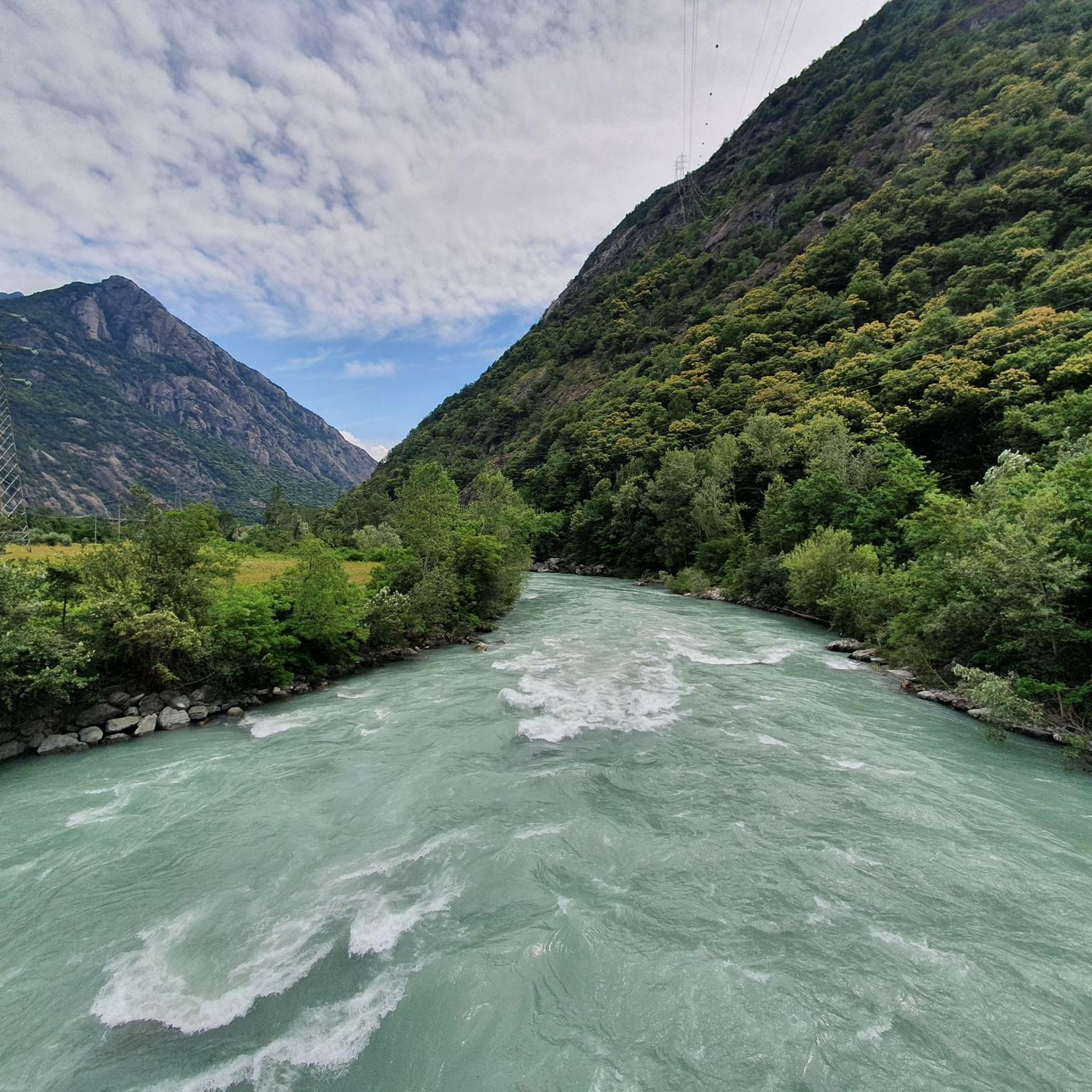
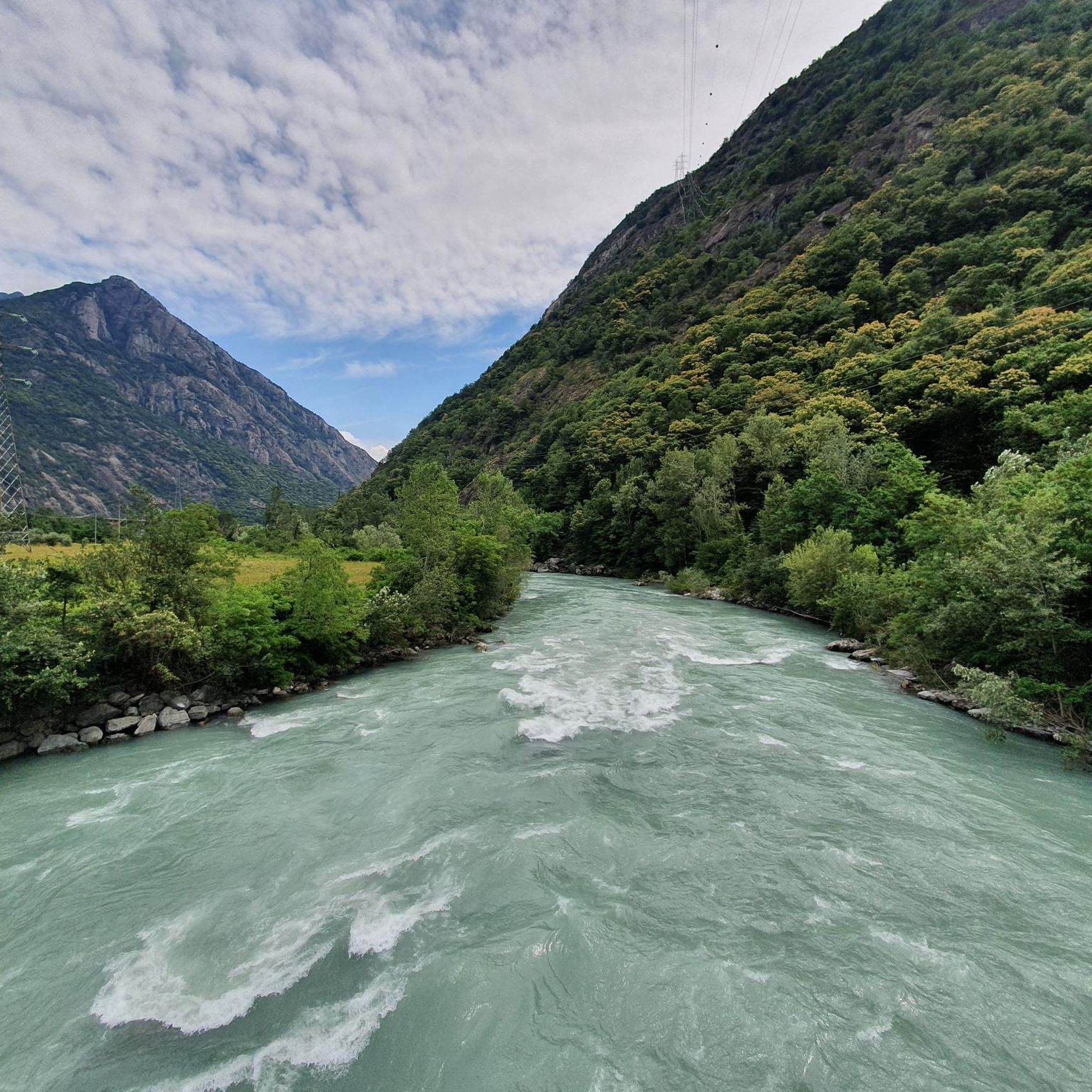
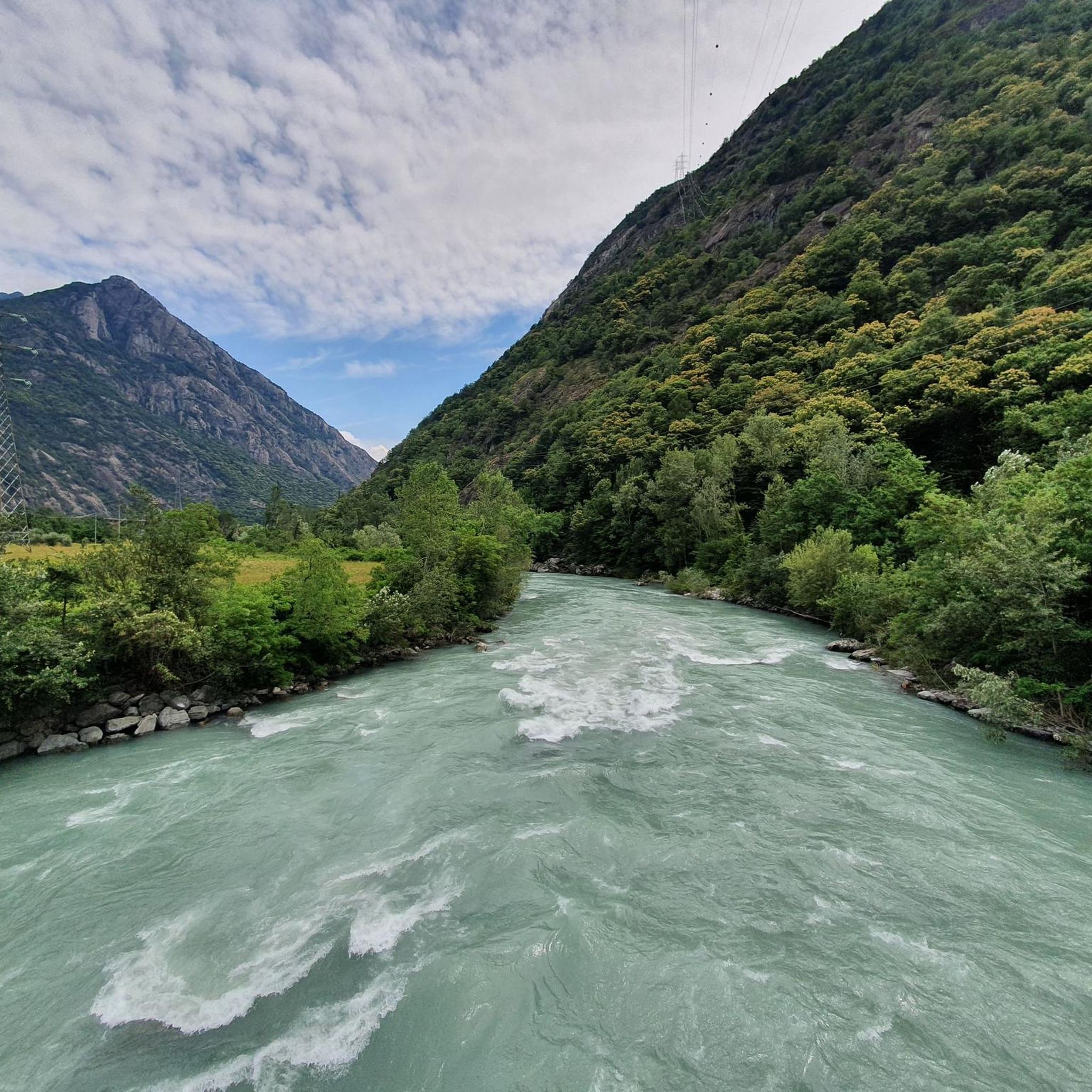
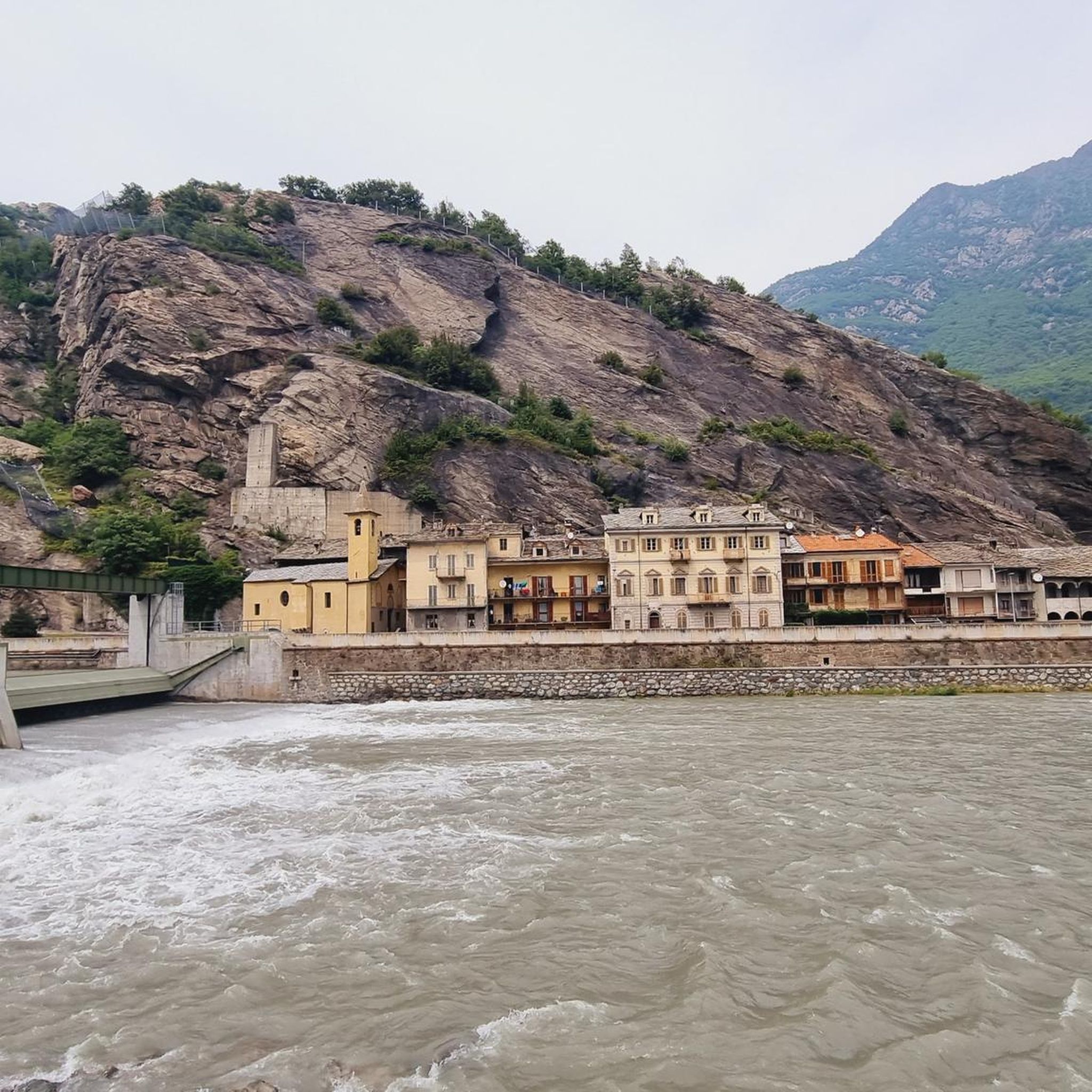
The Forte di Bard seen from the bridge over the Dora Baltea river offers one of the most iconic and photographed views in the Aosta Valley. This spectacular perspective captures the imposing, craggy fortress that dominates the village below and the river waters.
0
0

Beautiful bridge connecting Hone to Bard. Magnificent view of the fort.
2
0

While traveling along the Via Francigena, on the stretch from Arnad to Bard, you cross this characteristic three-arched pedestrian bridge. On the left orogr. area with a bench for rest.
1
0

The origin of this bridge is uncertain, but it was most likely built as early as Roman times. The first documents in which this bridge is mentioned, however, date from the second half of the 13th century. From 1272, the bridge is called the Hôhne Bridge or Bard Bridge in Latin and then in Old French. Apart from its history, the bridge is a beautiful photo point of Fort Bard.
43
0

The Ponte di Bard, also known as the Bard Bridge, is a historic arch bridge in the Aosta Valley region. This bridge spans the Dora Baltea River and connects the municipalities of Bard and Hône. The bridge is built of stone and consists of 2 arches. It connects the lower part of the village of Bard with the southeastern side of Hône, in Rue Émile Chanoux. The route of the bridge slopes slightly, from Bard to Hône. From this old and beautiful arch bridge you can admire one of the best views of the nearby Forte di Bard. The fortress, which has remained almost intact since its construction, is an impressive example of military architecture from the early nineteenth century. A walk across this bridge not only offers beautiful views of the fortress, but also a touch of history and beauty
6
0
The suggestive Bard bridge
6
0
The Ponte di Echallod is a picturesque pedestrian bridge in the Aosta Valley region. This stone bridge, which has been restored several times over the centuries, connects the upper and lower parts of the village of Echallod with other villages in the municipality of Arnad. The Ponte di Echallod is a classic example of 18th-century architecture. It is built with stone and mortar. The bridge has three arches with buttresses and has a symmetrical shape. It is located along the path of the old Via Francigena, which comes from Verrès and heads towards Bard and Donnas.
6
0
The Castello di Issogne is one of the most famous castles in the Aosta Valley and is known for its Renaissance style that contrasts with the nearby, more austere Castello di Verrès. The castle has a remarkable courtyard with a fountain in the shape of a pomegranate tree and a colorful portico, a rare example of medieval Alpine painting, with frescoes depicting scenes from everyday life in the late Middle Ages. The castle's history dates back to a papal bull in 1151, and it has a rich history that includes its transformation from an episcopal fortress into an elegant princely residence. The castle is open to visitors and offers a unique look at the culture and architecture of the region.
6
0
Frequently Asked Questions
How many running routes are available around Hône?
There are over 80 running routes around Hône, offering a wide variety of experiences for all skill levels. The komoot community has explored Hône's varied terrain over 1000 times.
Are there running routes suitable for beginners or those looking for an easy jog?
Yes, Hône offers several easier running options. There are 9 routes classified as 'easy' and 27 as 'moderate'. These routes often follow the Dora Baltea River, providing relatively flat terrain. For example, the Vista sul forte di Bard loop from Hône is a moderate 3.8-mile path with minimal elevation gain, offering views of the historic Fort Bard.
What options are there for experienced runners seeking a challenge?
For experienced runners, Hône provides numerous challenging routes, with 46 trails classified as 'difficult'. These routes often feature significant elevation gain as they venture into the surrounding mountainous scenery. An example is the Wooden Statue of a Farmer – Aviel Alpine Hamlet loop from Arnad, a 6.5-mile trail with substantial uphill sections.
What natural features or scenic views can I expect on running trails in Hône?
Running routes in Hône are characterized by breathtaking mountain views and the tranquil Dora Baltea River. You can enjoy the serene village atmosphere surrounded by the majestic Alps. Many trails offer access to the diverse terrain and natural beauty of the Valle d'Aosta, with some even providing glimpses towards the Gran Paradiso National Park.
Are there any historical landmarks or points of interest along the running routes?
Yes, several running routes pass by historical landmarks. For instance, the Vista sul forte di Bard loop from Hône offers views of the historic Fort Bard. Another route, the Roman Arch and Road of Donnas loop from Donnas, leads through ancient historical sites. You might also encounter highlights like the View from Colle du Lac Blanc or the Lake Muffé.
Is parking available near the running trailheads in Hône?
While specific parking details for each trailhead are best checked on individual route pages, Hône, as a village, generally offers parking options. Many routes start directly from the village or nearby towns like Donnas and Arnad, where parking is typically available for visitors accessing local trails.
What is the best season for running in Hône?
The best season for running in Hône is generally spring, summer, and early autumn. During these months, the weather is most favorable for enjoying the mountainous scenery and extensive trail networks. The stunning natural landscapes are particularly vibrant, offering an inspiring backdrop for your runs.
Are there any circular running routes around Hône?
Yes, many of the running routes around Hône are designed as loops, allowing you to start and finish in the same location. Examples include the popular Wooden Statue of a Farmer – Aviel Alpine Hamlet loop from Arnad and the Vista sul forte di Bard loop from Hône.
What do other runners enjoy the most about jogging in Hône?
The running routes in Hône are highly rated by the komoot community, with an average score of 3.9 stars from more than 20 reviews. Runners often praise the diverse terrain, from riverside paths to challenging mountain trails, and the inspiring backdrop of the majestic Alps and the Dora Baltea River.
Are there any family-friendly running routes in Hône?
While specific 'family-friendly' designations are not provided, many of the 'easy' and 'moderate' routes, particularly those along the Dora Baltea River, could be suitable for families looking for a less strenuous run or walk. These paths offer a pleasant experience without significant elevation challenges.
Can I bring my dog on the running trails in Hône?
Generally, dogs are welcome on many outdoor trails in the Valle d'Aosta region, provided they are kept under control, often on a leash, and owners clean up after them. However, specific regulations can vary, especially in protected areas like parts of the Gran Paradiso National Park. It's always advisable to check local signage or specific route details for any restrictions.
Are there longer running routes for endurance training?
Absolutely. For those seeking longer distances and endurance training, Hône offers several routes over 10 miles. The Stone Wall Pathway – View of Castello di Arnad loop from Donnas is a challenging 16.2-mile route with significant elevation, perfect for a long-distance run. Another option is the Issogne Castle loop from Hône-Bard, which spans 9.3 miles.
Most popular attractions around Hône

Get inspired with the komoot mobile app


Explore more
Browse the best Running Trails & Routes in other regions.
