Top 8 Mountain Passes around Bard
Best mountain passes around Bard are located in the Aosta Valley, a mountainous region in northwestern Italy. Bard is situated at the narrowest point of the Aosta Valley, known for its historic Fort Bard which has protected the area for centuries. The region features an alpine landscape with numerous mountain passes that connect Italy with France and Switzerland. This area offers a variety of terrain for outdoor activities.
Best mountain passes around Bard
- The most popular mountain passes is Ascent…
Last updated: September 29, 2026
Ascent to Col Tzecore from Challand
Highlight (Segment) • Climb
The most challenging part is immediately after the village of Orbeillaz, it is about 2 km from 12 to 17% gradient!
Tackled for …
Translated by Google •
Tip by

Col Fenêtre
Highlight • Mountain Pass
Translated by Google •
Tip by

Sign up now to discover places like this
Get recommendations on the best single tracks, peaks, & plenty of other exciting outdoor places.
Liet Pass
Highlight • Mountain Pass
Translated by Google •
Tip by

Col Giassit
Highlight • Mountain Pass
The paths that lead here …
Translated by Google •
Tip by

Colle della Fricolla
Highlight • Mountain Pass
Showing Translation
Tip by
Sign up for free to discover even more mountain passes around Bard.
Already have an account?
Start today with a free account
Your next adventure awaits.
Tips from the Community


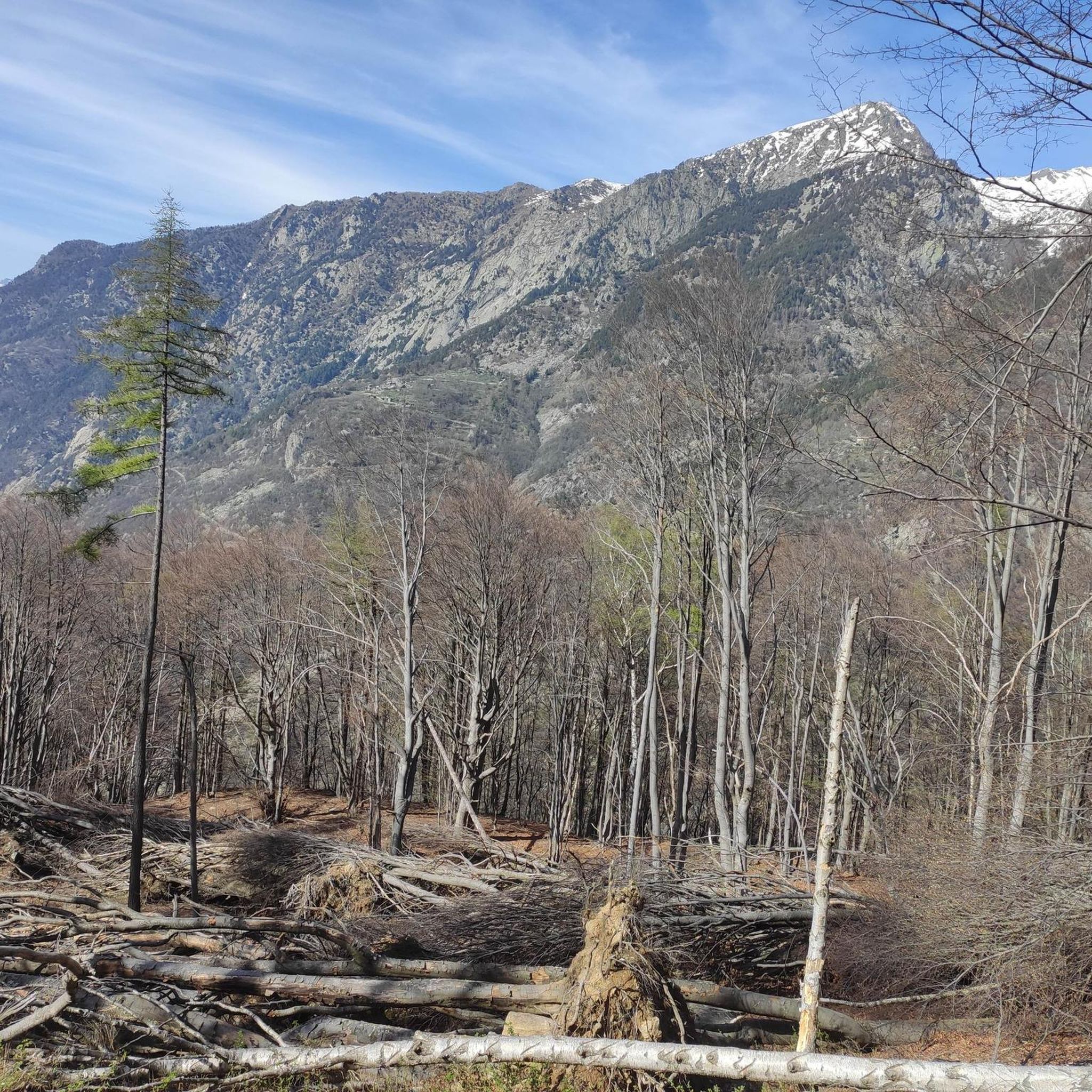
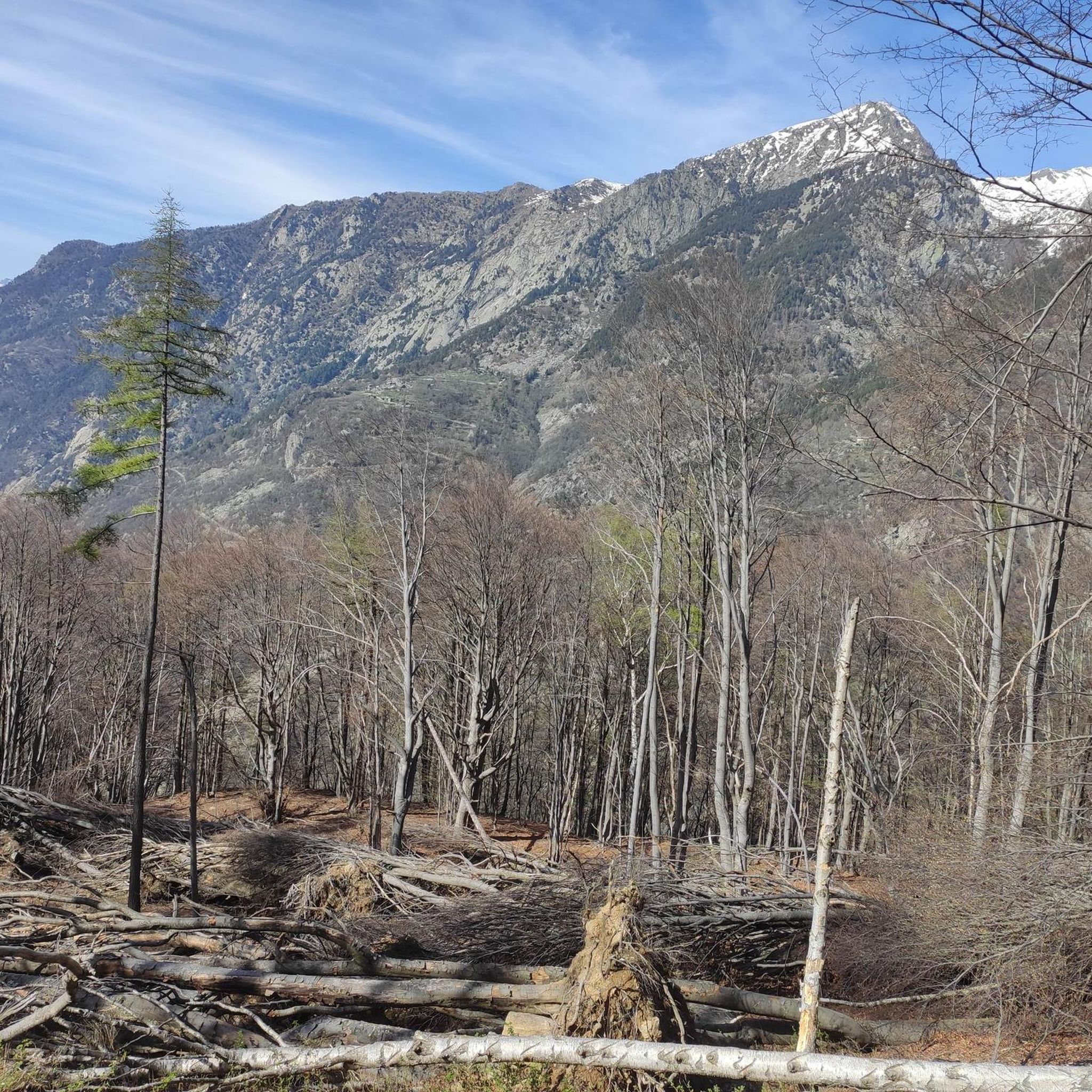
The Fricolla pass is a natural threshold between the Brenve valley and the Alleigne valley. Here the mountain shows itself in its most authentic and silent, almost mystical form. There are no refuges or forest roads: only ancient pastures, great solitudes and open spaces where beauty is born from a wild and secluded nature. Between stony ground and flowering meadows, the air fills with the scent of rhododendrons, while the climate can change suddenly, with the typical strength of the most hidden mountains. Marking the landscape, the great rift between the Corni mountain and the Fricolla mountain, a line of rock that tells of the power of this place.
1
0

A place worth every drop of sweat spent to reach it. Stunning panorama: on one side the Mombarone and its valley, on the other the Monterosa...
0
0

Hill reachable with a beautiful mule track starting from the Pesse hamlet, or from the other side arriving from La Cou
0
0

Hill watershed between Piedmont and Aosta Valley. Beautiful view of the plain on one side and the pink group on the other side.
0
0
This hill offers a beautiful panoramic view. You can admire the scenery that goes from Monbarone to the Canavese plains up to the Gressoney valley. The paths that lead here do not present particular technical difficulties and are well maintained. If you come from the west, the route is less steep, while if you come from the south, it is a little steeper but still practicable by running.
2
0

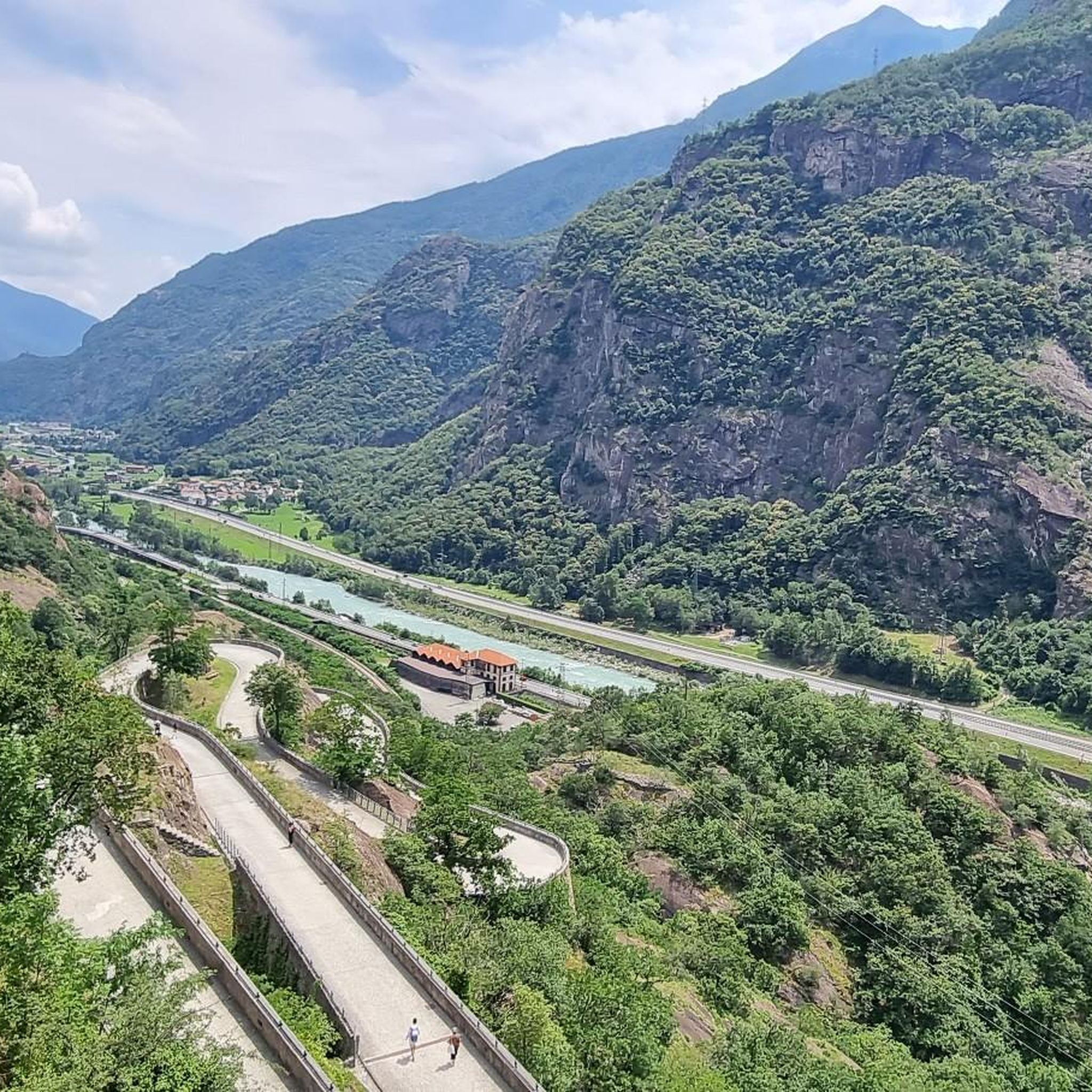
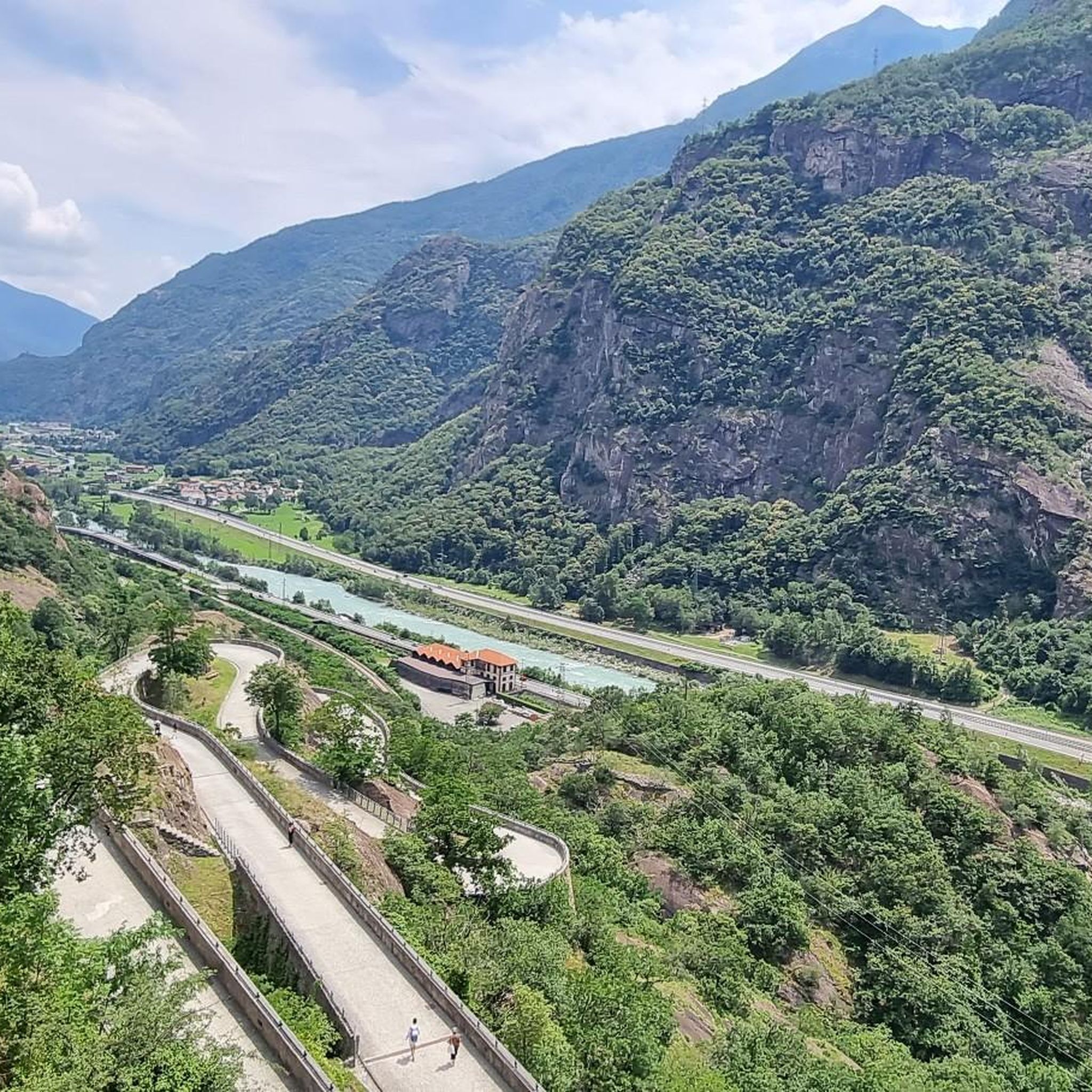
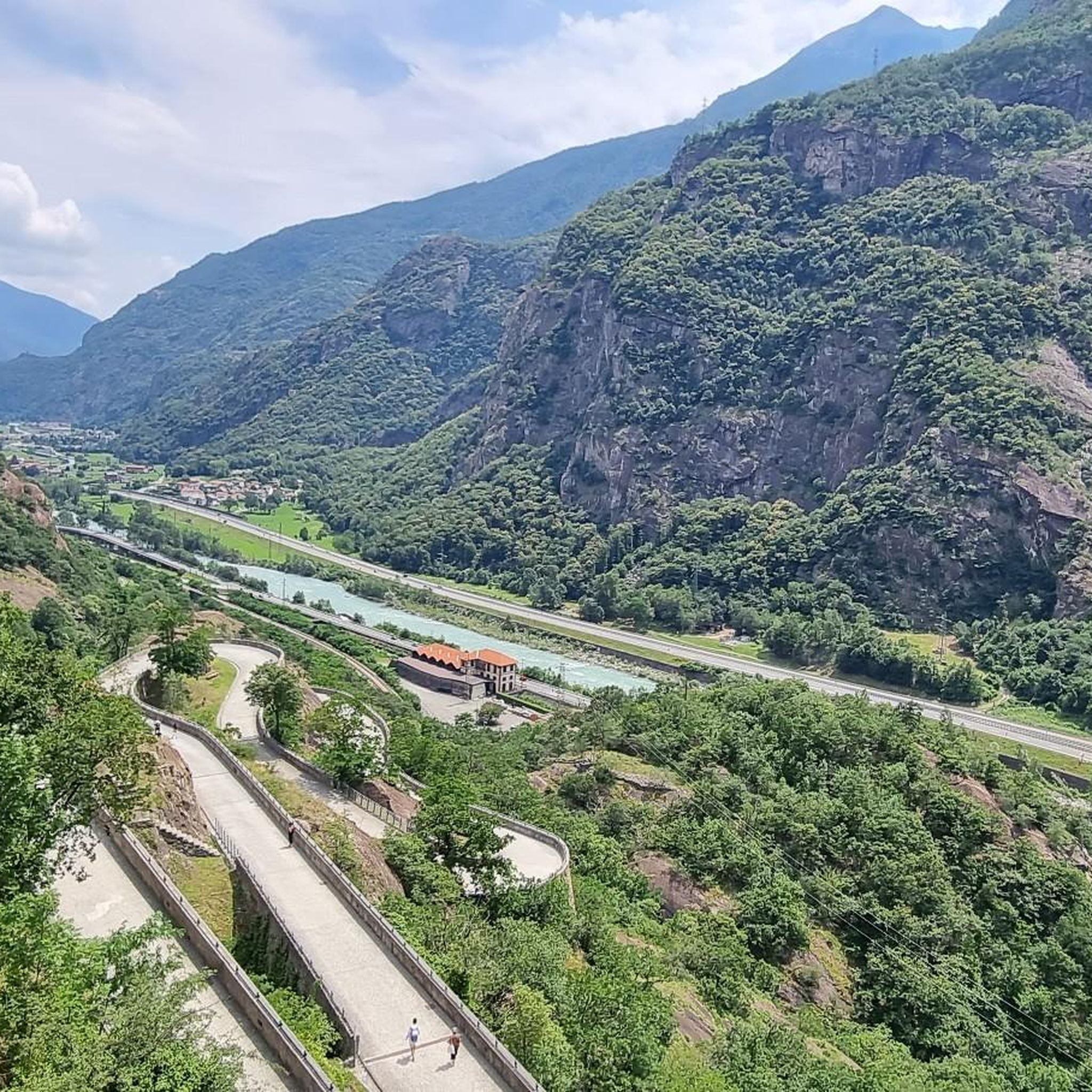
Length about 6.2 km, average gradient 9%. The most challenging part is immediately after the village of Orbeillaz, it is about 2 km from 12 to 17% gradient! Tackled for the first time by professionals during the Giro d'Italia 2018, on the stage towards Cervinia.
1
0

Very panoramic place the view ranges from Monbarone to the Canavese plains to the Gressoney valley. The ascent by mtb is easy thanks to the white road in fair conditions that leads up to the Bechera alp but long and steep. Leaving the bike from Alpe Bechera, you can reach the hill in a few minutes.
1
0
Frequently Asked Questions
What are some notable mountain passes in the Aosta Valley region near Bard?
The Aosta Valley, where Bard is located, features several significant mountain passes. These include the Grand Col Ferret and Col de la Seigne, both part of the famous Tour du Mont Blanc, offering breathtaking alpine views. The Col de Joux provides a more wooded experience with panoramic views, while the Col des Fontaines is known for its spectacular vistas through pastures and larch forests. Additionally, the historic Grand Saint Bernard Pass and the scenic Little St Bernard Pass connect Italy with Switzerland and France respectively.
What kind of views can I expect from the mountain passes around Bard?
The mountain passes around Bard offer diverse and spectacular views. From passes like Col Giassit and Liet Pass, you can enjoy panoramic vistas stretching from Monbarone to the Canavese plains, the Gressoney valley, and even the majestic Monte Rosa massif. Other passes, such as Grand Col Ferret and Col de la Seigne, provide stunning views of the Mont Blanc massif and the Val Ferret. The Col de Joux offers picturesque passages through woods and panoramic views on the Saint-Vincent side.
Are there any historically significant mountain passes near Bard?
Yes, the Grand Saint Bernard Pass is particularly notable for its rich history. It has served as a crucial route over the Alps for centuries, connecting Italy and Switzerland. This pass is also famously associated with the St. Bernard dogs, historically used for rescue operations in the region.
How challenging are the mountain passes for cycling or hiking near Bard?
The difficulty varies significantly. For cyclists, the Ascent to Col Tzecore from Challand is a challenging climb, about 6.2 km long with an average gradient of 9%, including a demanding 2 km section with a 12 to 17% gradient. Other passes like Col de Joux offer generally simple and non-technical trails suitable for hiking, while the paths to Col des Fontaines wind through pastures and forests, providing a tranquil experience. Some routes, like Vaudanza-Palit, feature steep, bumpy asphalt sections that require attention.
What are the terrain characteristics of the mountain passes in the Aosta Valley?
The terrain around Bard and the Aosta Valley mountain passes is highly varied. You'll find steep alpine ascents, wooded paths, and trails winding through pastures and larch forests. Some passes feature well-maintained paths, while others, like parts of Vaudanza-Palit, can have ruined and bumpy asphalt. The region's mountainous nature means you can expect significant elevation changes and diverse landscapes.
Are there specific hiking trails associated with these mountain passes?
Yes, several passes are integral to well-known hiking routes. The Grand Col Ferret and Col de la Seigne are both key sections of the iconic Tour du Mont Blanc trail. The Col de Joux is a starting point for the Ru Courthoud trail, and its trails are generally simple and non-technical. The path to Col des Fontaines is celebrated for winding through tranquil pastures and larch forests, offering an excellent starting point for exploring nearby peaks.
What other outdoor activities can I enjoy near the mountain passes around Bard?
Beyond exploring the mountain passes themselves, the area around Bard offers a wide range of outdoor activities. You can find numerous MTB Trails around Bard, including challenging loops like the Dondena Hut – Lake Miserin loop. For road cyclists, there are many Road Cycling Routes around Bard, such as the Fort Bard – Serra d'Ivrea loop. General Cycling around Bard also offers routes like The Fort of Bard and the Roman Road, suitable for various skill levels.
When is the best time to visit the mountain passes around Bard?
The best time to visit the mountain passes in the Aosta Valley generally aligns with the warmer months, from late spring to early autumn (roughly June to September). During this period, the passes are typically free of snow, and the weather is more favorable for hiking, cycling, and enjoying the panoramic views. Always check local weather conditions before your visit, as alpine weather can change rapidly.
Are there family-friendly options among the mountain passes near Bard?
Yes, some mountain passes offer more accessible and family-friendly experiences. The Col de Joux, for instance, features trails that are generally simple and non-technical, making it suitable for families looking for picturesque walks through wooded landscapes with panoramic views. When planning a family outing, look for trails described as easy or moderate, and always consider the elevation gain and distance.
What do visitors enjoy most about the mountain passes around Bard?
Visitors frequently praise the stunning panoramic views, which can stretch from the plains to major mountain ranges like Monte Rosa and Mont Blanc. The diverse terrain, from challenging climbs like Ascent to Col Tzecore from Challand to tranquil forest paths, is also highly appreciated. Many enjoy the sense of accomplishment from reaching a pass and the opportunity to experience the rich natural beauty and historical significance of the Aosta Valley.
Are there dog-friendly trails on the mountain passes near Bard?
Many trails in the Aosta Valley, including those leading to mountain passes, are generally dog-friendly. For example, the paths to Col Giassit are well-maintained and do not present particular technical difficulties, making them suitable for walks with dogs. However, it's always advisable to keep dogs on a leash, especially in areas with livestock or wildlife, and to check for any specific local regulations or protected areas before heading out.
Where can I find accommodation or refreshments near these mountain passes?
While specific facilities directly at every pass might be limited, the villages and towns in the Aosta Valley surrounding these passes offer various options for accommodation, cafes, and pubs. For instance, towns like Saint-Vincent and Brusson are connected by the Col de Joux and provide amenities. For passes like Grand Col Ferret and Col de la Seigne, which are part of the Tour du Mont Blanc, you'll find refuges and accommodations along the trekking route. It's recommended to research options in nearby valleys or towns like Aosta, which serves as a central hub for the region.
Most popular attractions around Bard

Get inspired with the komoot mobile app


Explore more
See even more epic mountain passes by checking out these guides around Bard:
