Top 19 Mountain Passes around Saint-Marcel
Best mountain passes near Saint-Marcel are found within the Aosta Valley, a mountainous region known for its alpine terrain. This area features numerous passes that connect valleys and provide access to high-altitude landscapes. The geography is characterized by peaks, valleys, and trails suitable for various outdoor activities. Saint-Marcel serves as a base for exploring these natural features.
Best mountain passes around Saint-Marcel
- The most popular mountain passes is Passo Invergneux, a mountain pass that offers views of the valleys…
Last updated: September 29, 2026
Invergneux Pass Descent
Highlight (Segment) • Trail
Translated by Google •
Tip by

Ascent of the Banzai Trail — Cogne
Highlight (Segment) • Trail
At the end the whole thing flows into an approx. 2km narrow mountain path to the …
Translated by Google •
Tip by

Sign up now to discover places like this
Get recommendations on the best single tracks, peaks, & plenty of other exciting outdoor places.
Fenêtre de Champorcher
Highlight • Mountain Pass
Translated by Google •
Tip by

Col de Vessonaz
Highlight • Mountain Pass
Translated by Google •
Tip by
Colle Tsa Seche
Highlight • Mountain Pass
Translated by Google •
Tip by

Sign up for free to discover even more mountain passes around Saint-Marcel.
Already have an account?
Start today with a free account
Your next adventure awaits.
Popular around Saint-Marcel
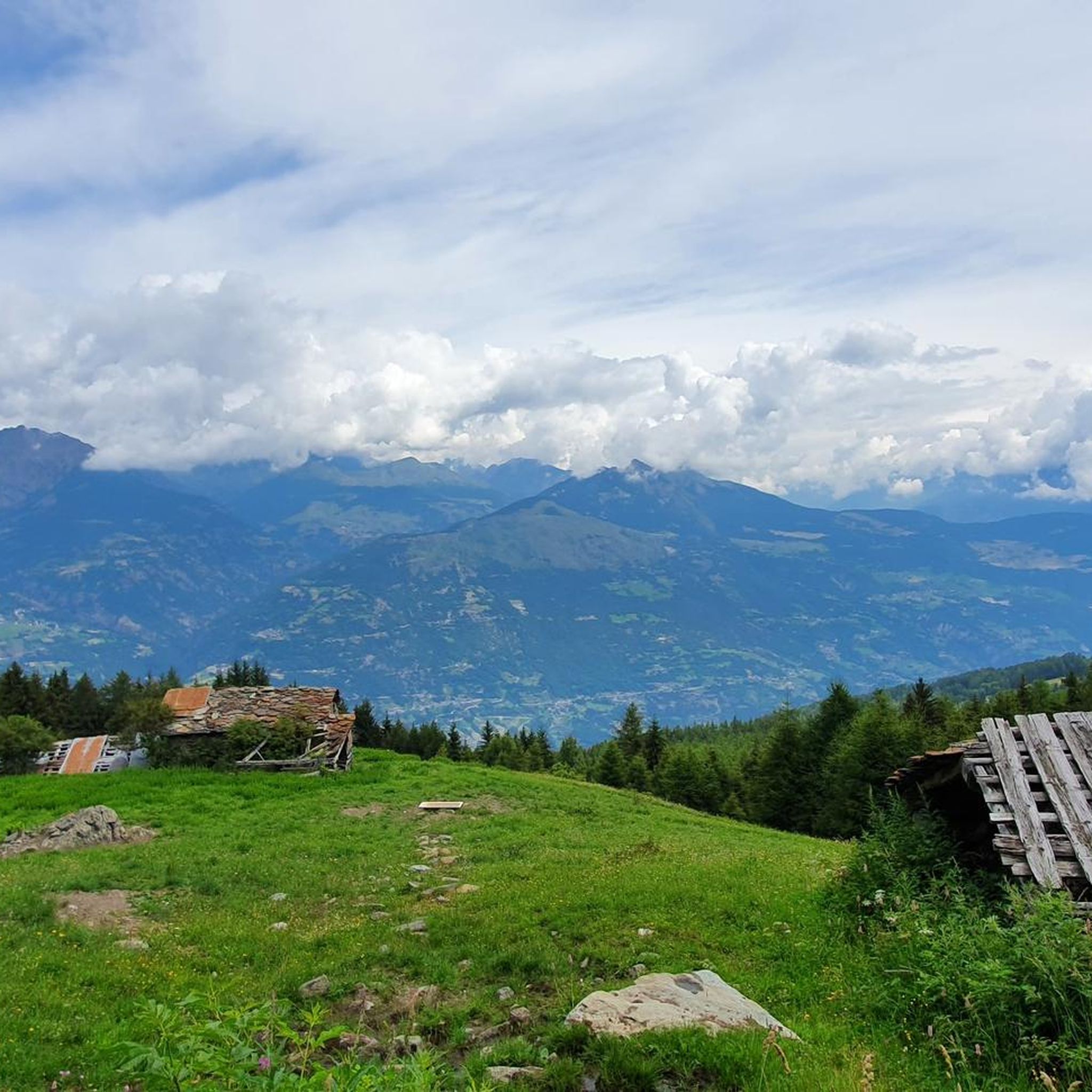
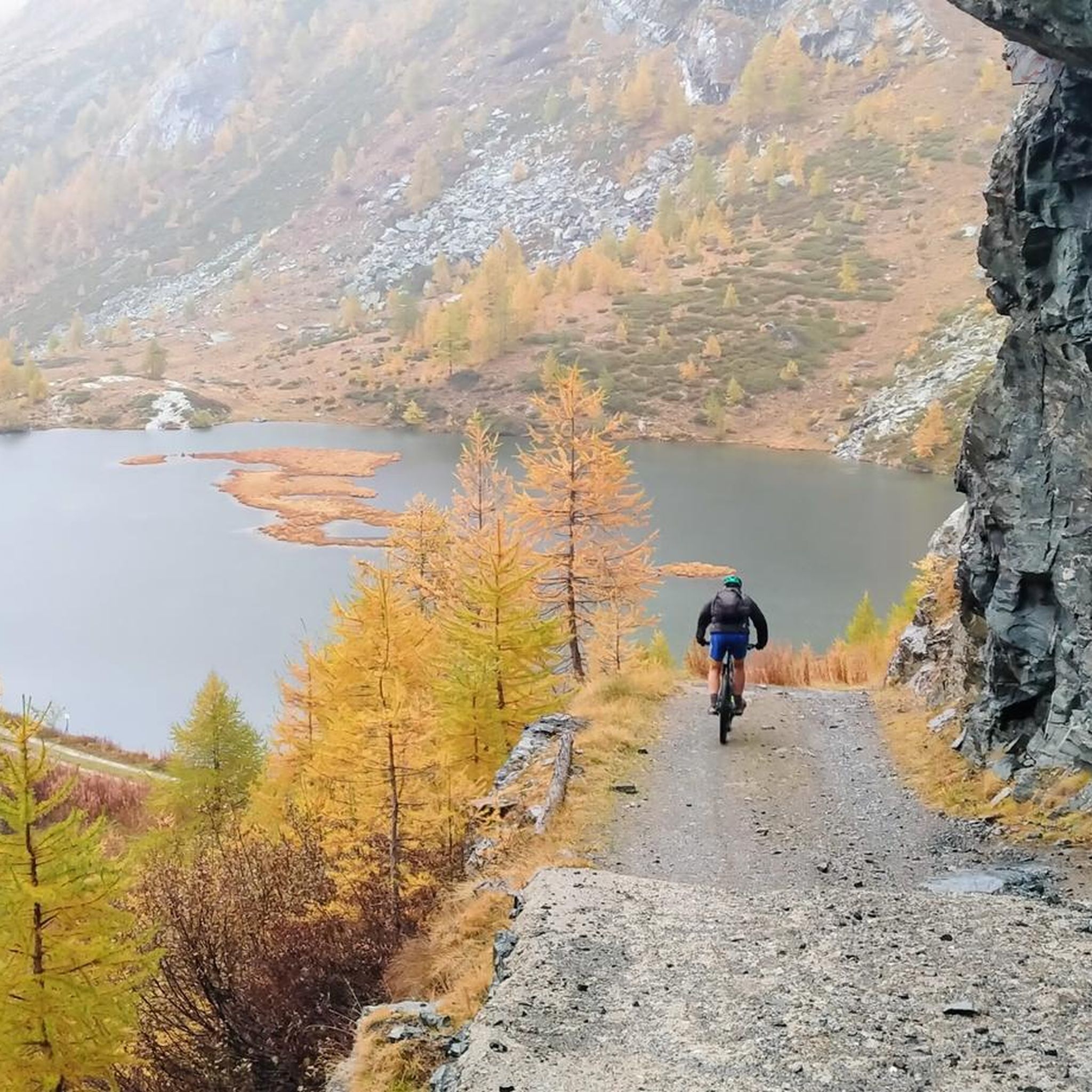
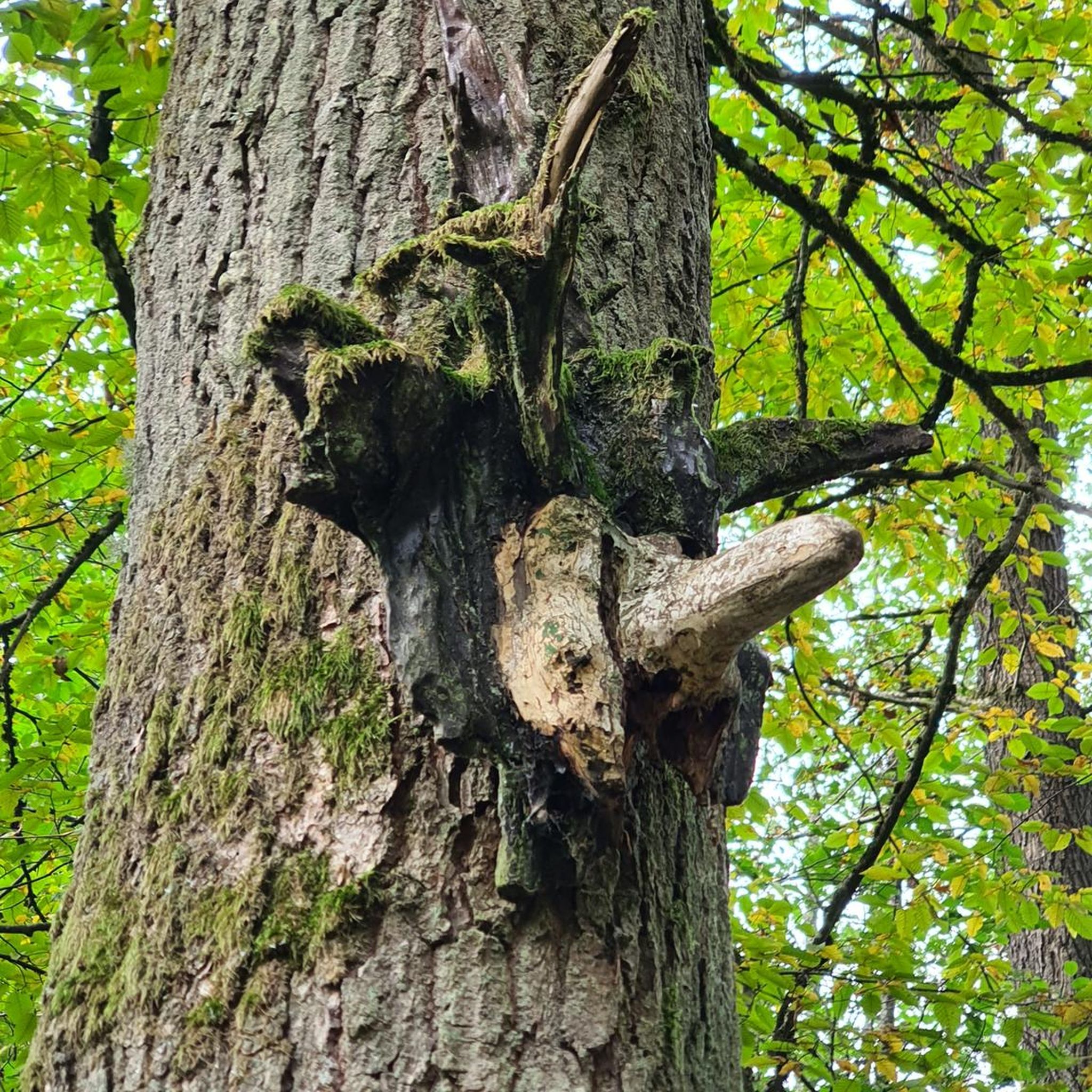
Other adventures around Saint-Marcel

Tips from the Community

Thanks for sharing the route! Exceptional tour for views, effort and fun descents! Top-notch!! I finished it in 9h20
0
0

Ascent passable from the Chemin du Roi and descent from the path on Lake Miserin, with intermittent and difficult cyclability for the first half.
0
0

https://youtu.be/KdsaBL0twzY?si=-LI75WFE57aHMvCE Very well described by meckomat: first gravel, then 2km of singletrack, sometimes flat, sometimes steeper, the last 300m of elevation gain can only be achieved by pushing at least.
0
0
Looks quite unspectacular in pictures, but the landscape has a special charm. The ascent is quite easy up to approx. 300 altitude meters on gravel paths to the pass, from there you have to go up on a singletrail. Pushing is necessary for the last few meters. The descent is also manageable for less ambitious riders, mostly gentle green slopes. More for enjoying than for a hardcore descent. For me, there was fog and rain and I felt like I was in Ireland.
0
2
https://youtu.be/Pxndx9TNM5U?si=mH5XT38nxmCVjLSr Push, lift, and drag until you're over it, then you have a beautiful descent to Cogne.
0
0

A spectacular trail in terms of scenery. However, there are some (very) technical passages. This includes the upper part, which is usually described as flowing and easy. After about half of it, it gets increasingly rough, with high steps. On Trailforks, someone classifies it as black, which sums it up quite well.
0
0

The waterfalls encountered during the climb are very characteristic
0
0

Infinite descent with a few highly technical moments, absolutely worth the effort to get there.
0
0
Frequently Asked Questions
What are some popular mountain passes around Saint-Marcel?
Some of the most appreciated mountain passes in the area include Passo Invergneux, which offers breathtaking views of the valleys below and serves as a starting point for the Banzai trail. Another popular spot is Col de Vessonaz, located at 2,794 meters, providing expansive views across the peaks. Fenêtre de Champorcher, at 2,827 meters, is also highly regarded, offering clear views of the Gran Paradiso.
What kind of views can I expect from the mountain passes in the Aosta Valley?
The mountain passes in the Aosta Valley offer diverse and spectacular views. From passes like Col de Vessonaz, you can see peaks stretching across the horizon. Fenêtre de Champorcher provides clear views of the Gran Paradiso. Other passes like Grand Col Ferret and Col de la Seigne offer breathtaking views over the Val Ferret and the Mont Blanc massif, respectively. Colle del Nivolet is known for its dramatic landscapes, including glacial lakes.
Are there hiking opportunities near the mountain passes around Saint-Marcel?
Yes, the region offers numerous hiking opportunities. Many mountain passes, such as Passo Invergneux and Fenêtre de Champorcher, are integral parts of hiking trails. For more dedicated hiking routes, you can explore the Mountain Hikes around Saint-Marcel guide, which features routes like the Waterfall – Lillaz Waterfalls loop or the Lago d'Arbolé – Rifugio Arbolle loop.
Can I cycle or mountain bike on these passes?
Absolutely. Many passes in the Aosta Valley are popular with cyclists and mountain bikers. Colle del Nivolet, for instance, is known for its challenging climbs and is accessible by a scenic road in summer. The Little St Bernard Pass and Great St Bernard Pass are also popular routes for road cyclists. For mountain biking, the Passo Invergneux is a good starting point for the Banzai trail. You can find more options in the Gravel biking around Saint-Marcel guide.
What is the difficulty level of the mountain passes around Saint-Marcel?
The mountain passes around Saint-Marcel offer a range of difficulties, from intermediate to challenging. Passes like Passo Invergneux, Fenêtre de Champorcher, and Col de Vessonaz are generally considered challenging, often involving significant elevation gain. However, some trails leading to these passes are made less demanding with hairpin bends, as noted for Fenêtre de Champorcher.
Are there any historically significant mountain passes in the Aosta Valley?
Yes, the Aosta Valley is home to several historically significant passes. The Little St Bernard Pass, connecting Italy and France, has evidence of Roman presence and is an ancient route. The Great St Bernard Pass, one of the oldest and most famous passes in the Alps, is renowned for its historic hospice and the St. Bernard dogs, serving as an important crossing point between Italy and Switzerland for centuries.
What do visitors enjoy most about the mountain passes near Saint-Marcel?
Visitors frequently highlight the breathtaking views and the sense of accomplishment. For example, reaching Passo Invergneux is described as feeling 'almost like you're in Paradise' due to the stunning views. The trails are often praised for their natural beauty and the tranquility they offer, providing an escape into majestic mountain landscapes.
Are there any easy or beginner-friendly mountain passes near Saint-Marcel?
While many passes in the high Alps are challenging, the Col de Joux (1,640 meters) is a more accessible option. It's a wooded mountain pass connecting Saint-Vincent to Brusson, with simple and non-technical trails. It offers panoramic views and picturesque passages through forests, making it suitable for those seeking a less strenuous experience.
What kind of wildlife can be spotted near the mountain passes?
The Aosta Valley, particularly areas within national parks like Gran Paradiso, is rich in wildlife. Near passes such as Colle del Nivolet, you might spot various alpine animals. The region's pristine nature provides habitats for species typical of the Alps, though specific sightings depend on the location and time of year.
What other outdoor activities can I do near these mountain passes?
Beyond hiking and cycling, the area around Saint-Marcel offers various outdoor activities. You can find running trails, with options ranging from moderate to difficult. The mountainous terrain also supports mountaineering, with routes leading to high-altitude lakes and summits. The diverse landscape ensures there's something for every outdoor enthusiast.
When is the best time to visit the mountain passes in the Aosta Valley?
The best time to visit most mountain passes in the Aosta Valley is generally during the summer months (June to September). During this period, the passes are typically free of snow, roads are open, and weather conditions are more favorable for hiking, cycling, and scenic drives. Some higher passes, like Colle del Nivolet, are only accessible by road in summer.
Are there any mountain passes that connect Italy with other countries?
Yes, several prominent mountain passes in the Aosta Valley connect Italy with neighboring countries. The Grand Col Ferret marks the border between Italy and Switzerland. Col de la Seigne connects Italy and France. Similarly, the Little St Bernard Pass links Italy with France, and the Great St Bernard Pass connects Italy with Switzerland, serving as historic international routes.
Most popular routes around Saint-Marcel
Most popular attractions around Saint-Marcel

Get inspired with the komoot mobile app


Explore more
See even more epic mountain passes by checking out these guides around Saint-Marcel:
