Attractions and Places To See around Muros - Top 20
Attractions and places to see around Muros offer a blend of historical charm, natural beauty, and cultural experiences. This coastal town in Galicia, Spain, features a well-preserved old town and diverse natural landscapes. Visitors can explore its maritime architecture, historical sites, and scenic coastal areas. The region provides opportunities to discover both cultural landmarks and natural features.
Best attractions and places to see around Muros
- The most popular attractions is Cathedral of St. Nicholas, Sassari, a religious building known…
Last updated: August 2, 2026
Cathedral of St. Nicholas, Sassari
Highlight • Religious Site
Translated by Google •
Tip by

Piazza d'Italia, Sassari
Highlight • Monument
Tip by

Sign up now to discover places like this
Get recommendations on the best single tracks, peaks, & plenty of other exciting outdoor places.
Sign up for free
Ducal Palace of Sassari
Highlight • Historical Site
The building was built …
Translated by Google •
Tip by
Sassari: historic center
Highlight • Historical Site
Tip by
Rosello Fountain
Highlight • Monument
Translated by Google •
Tip by

Sign up for free to discover even more attractions around Muros.
Sign up for free
Already have an account?
Start today with a free account
Your next adventure awaits.
Login or Signup

Tips from the Community

The Fontana di Rosello is the most emblematic monument of Sassari and one of the historical symbols of Sardinia. Built between 1603 and 1606 by Genoese masters in the late Renaissance style, it stands on an ancient spring used since Roman times to supply water to the city and the nearby port of Turris Libisonis (modern-day Porto Torres). Its most striking feature is the twelve mouths from which water gushes, representing the months of the year, and the four allegorical statues of the seasons, symbolizing the incessant passage of time. For centuries it was the main water supply point for the inhabitants of Sassari and today it is one of the most photographed and representative monuments of the city.
2
0

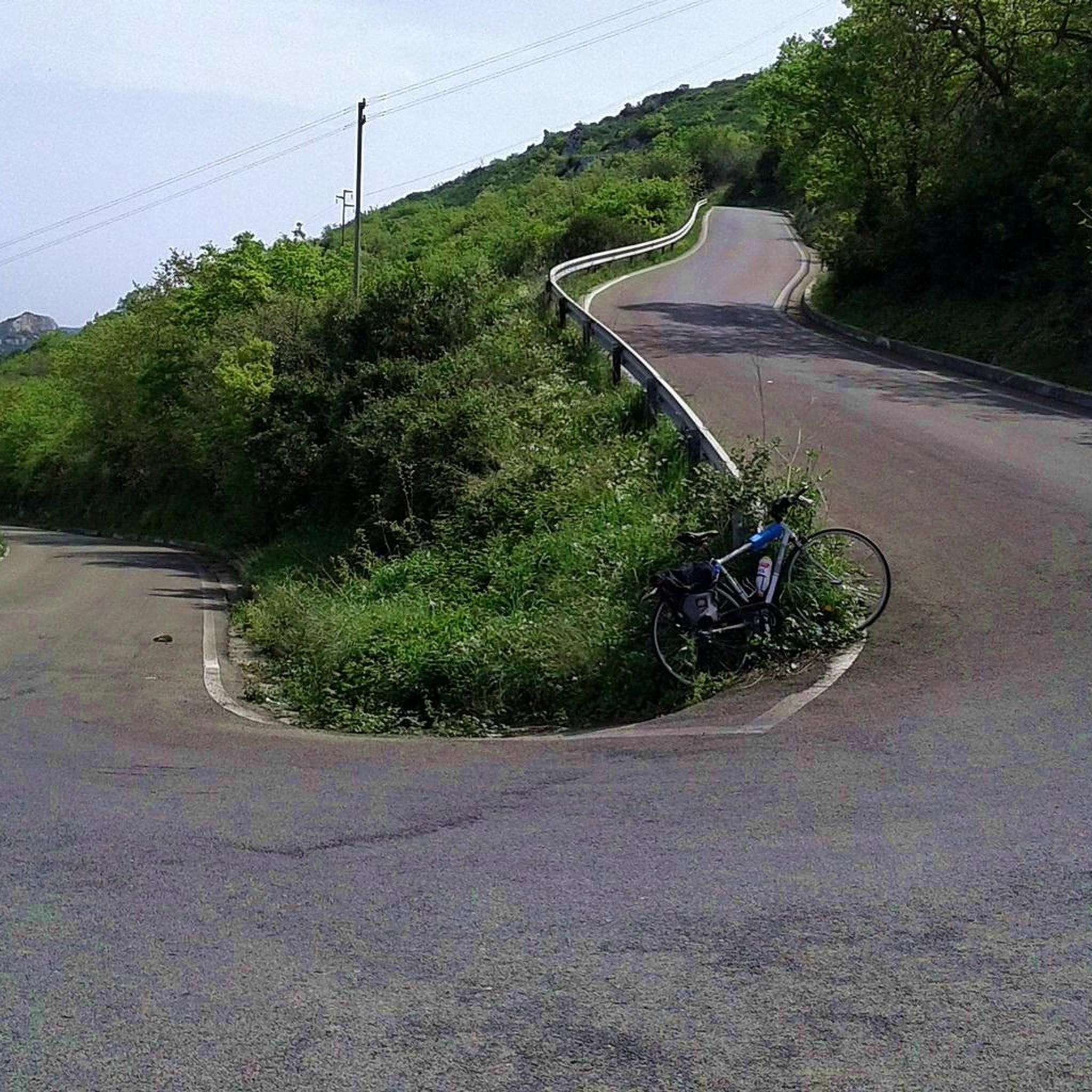
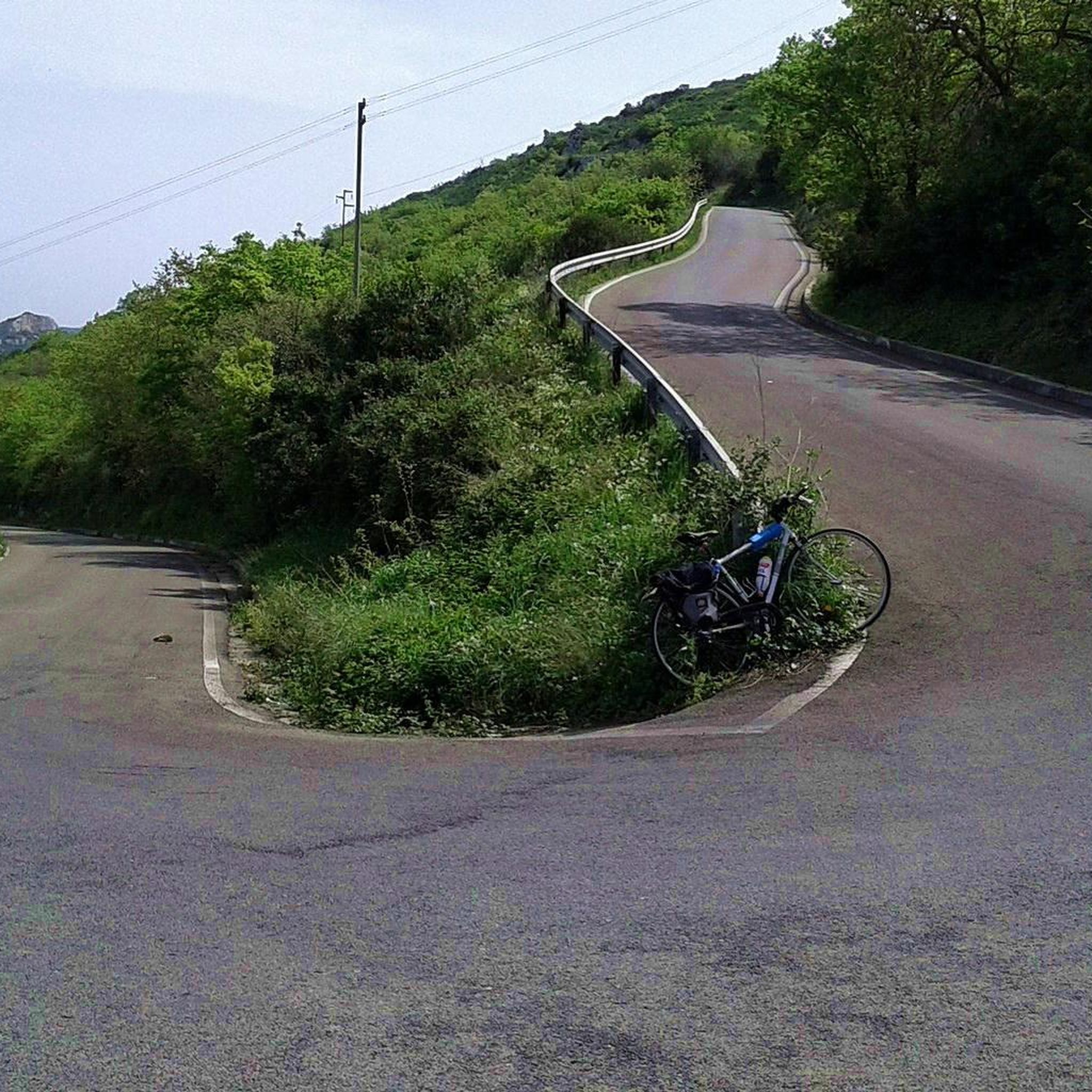
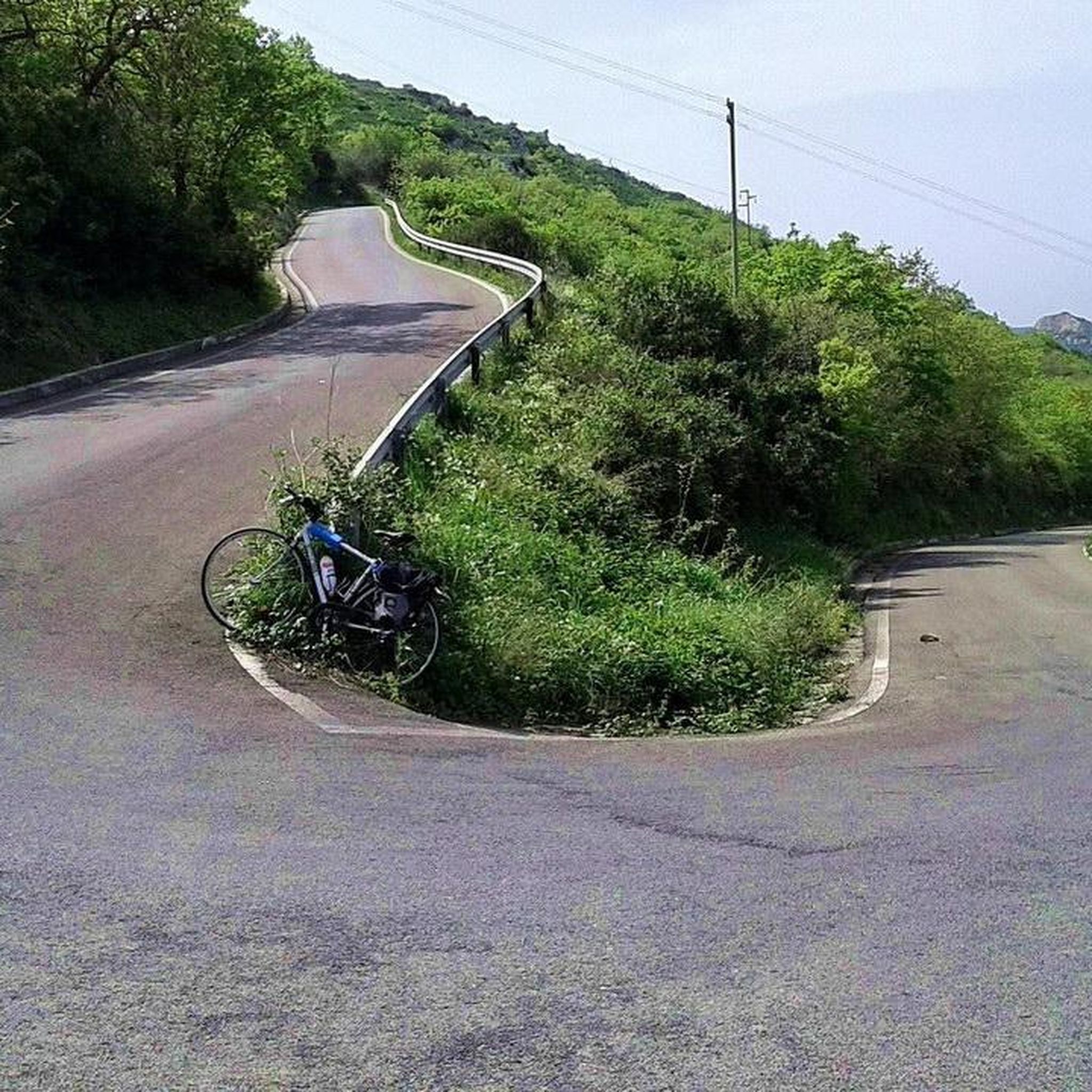
Piazza d'Italia is the monumental heart of Sassari and one of the most representative squares in Sardinia. Surrounded by elegant historic buildings and the Palazzo della Provincia, it offers a large pedestrian area ideal for a break during a bike ride.
1
0

Very impressive from the outside. I didn't go inside because they charged a €3 entrance fee (September 2025).
0
0

Sassari is the second largest city in Sardinia. It was founded by the Phoenicians and has experienced various cultural influences over the centuries. This is reflected in the architecture and cultural heritage of the city. It is definitely worth a visit.
0
0

Marble fountain house, built during the Renaissance. The water bubbles from eight lion and four dolphin heads.
3
0

It is the lounge square in the center of Sassari, large, elegant, bright, overlooked by important buildings such as the majestic Palazzo della Provincia and, opposite, the "Intesa San Paolo" bank in neo-Gothic style; in the center stands a monument to Vittorio Emanuele II, until recently surrounded by 4 palm trees. It is accessed by descending from the beautiful Via Roma, shaded by citrus trees, while continuing downhill on the opposite side, through a short arcaded street, you enter the adjacent Piazza Castello. Piazza d'Italia is a favorite destination for shopping, family walks and some local events.
4
0

The Palazzo Ducale was built between 1775 and 1804 by Don Antonio Manca, Marquis of Mores and Lord of Usini. From 1860 to 1878 it was the seat of the Prefecture first and then of the provincial administration, from 1878 it became the seat of the Municipality of Sassari which bought it in 1900.
1
0
The Rosello fountain is one of the symbols of the city of Sassari. It was built in 1295 and renovated in 1605 in the late Renaissance style.
1
0
Frequently Asked Questions
What natural features can I explore around Muros?
Muros offers a wealth of natural beauty. You can hike up Mount Louro for panoramic views of the Atlantic and the Ría de Muros e Noia, or visit the protected wetland of the Xalfas Lagoon at its base, ideal for birdwatching. The coastline boasts numerous beaches like San Francisco Beach, Folón Beach, and Santa Maria de Muros Beach, perfect for relaxation or water sports. Don't miss the picturesque Lariño Lighthouse for stunning ocean vistas.
Are there historical sites to visit in Muros?
Absolutely. The Historic Centre of Muros is an Asset of Cultural Interest, featuring narrow cobbled streets, stone houses, and arcades. Key historical areas include the Plaza de la Pescadería Vieja and the Plaza de Santa Rosa. You can also explore the imposing 13th-century Church of San Pedro de Muros, the historic Muíño de Maré do Cachón (a tidal mill converted into an ethnographic museum), and ancient Prehistoric Etchings (Petroglyphs) found at sites like Laxe das Rodas.
What kind of outdoor activities can I do near Muros?
The Muros area is excellent for outdoor enthusiasts. You can enjoy hiking, cycling, and gravel biking. For specific routes, you might consider exploring options like the 'Natural Spring loop' or the 'Parco di Bunnari loop' for hiking. Cyclists can find routes such as 'From Sassari towards Sennori and San Lorenzo – ring tour' or the 'Coastal Road to Porto Torres – Balai Beach loop'. You can find more details on these and other routes in the respective guides: Hiking around Muros, Cycling around Muros, and Gravel biking around Muros.
Are there family-friendly attractions or activities in Muros?
Muros offers several family-friendly options. The many beautiful beaches, such as San Francisco Beach and Santa Maria de Muros Beach, are ideal for families to relax, swim, and play. Exploring the charming Historic Centre of Muros with its pedestrian streets can also be an enjoyable experience for all ages. The Muíño de Maré do Cachón, an ethnographic museum in a tidal mill, provides an educational and interesting visit for children.
Where can I find the best views in Muros?
For breathtaking panoramic views, head to the summit of Mount Louro. From there, you can see the Atlantic Ocean, the Muros and Noia estuary, and the surrounding coastline. Another excellent spot for scenic vistas is the Lariño Lighthouse, which offers dramatic views of the Atlantic, nearby beaches, and rugged cliffs. The Seafront Promenade (Paseo Marítimo) also provides continuous views of the lively fishing port and the expansive sea.
What are some hidden gems or less-known spots in Muros?
Beyond the main attractions, consider seeking out the ancient Prehistoric Etchings (Petroglyphs) at locations like Laxe das Rodas for a glimpse into the region's distant past. The Pazo de San Lorenzo, a historic manor house, offers well-preserved architecture and beautiful gardens away from the main tourist paths. For a unique historical experience, the Muíño de Maré do Cachón, a tidal mill turned museum, is also a fascinating, less-crowded option.
What is the local gastronomy like in Muros?
Muros is renowned for its excellent seafood, reflecting its strong maritime heritage. You must try local specialties such as zamburiñas (small scallops), Galician-style octopus, and razor clams. These are often paired with local Albariño wine. Another regional delicacy to savor is the Galician empanada, a savory pastry with various fillings.
Can I find good hiking trails around Muros?
Yes, Muros offers several hiking opportunities. You can hike up Mount Louro for rewarding views, or explore coastal paths. The Ruta de los Acantilados hiking trail starts from Folón Beach, offering scenic cliffside walks. For more detailed trail information and routes, check out the Hiking around Muros guide, which includes routes like the 'Natural Spring loop'.
What is the best time to visit Muros for sightseeing and outdoor activities?
The best time to visit Muros for sightseeing and outdoor activities is generally during the spring (April to June) and early autumn (September to October). During these months, the weather is typically pleasant with moderate temperatures, making it ideal for exploring the historic center, hiking, and enjoying the beaches without the peak summer crowds. Summer (July and August) is also popular, especially for beach activities, but can be busier.
Are there any significant religious sites in Muros?
Yes, Muros is home to the impressive Church of San Pedro de Muros, a Gothic/Romanesque church dating back to the 13th or 14th century, featuring a Baroque bell tower. Another significant religious site in the area is the Shrine of the Virgen del Camino.
What is the Muros Port like?
The Muros Port is a bustling working fishing port that truly encapsulates the town's maritime heritage. It's an excellent place to experience local life, watch the fishing boats, and enjoy fresh seafood at the nearby restaurants. The Seafront Promenade (Paseo Marítimo) runs alongside it, offering continuous views of the lively activity.
Is there a place to experience local culture and history in Muros?
The Historic Centre of Muros is the heart of local culture and history, with its well-preserved Galician maritime architecture. Strolling through its narrow streets, visiting the old fish market at Plaza de la Pescadería Vieja, and seeing the 1789 stone cross in Plaza de Santa Rosa offers a deep dive into the town's past. The Muíño de Maré do Cachón, an ethnographic museum, also provides insight into traditional local life and industry.
Most popular attractions around Muros

Get inspired with the komoot mobile app


Explore more
Still not found the Highlight you’re looking for? See guides of the top attractions in other regions:
