Attractions and Places To See around Ìtiri Cannedu/Ittiri - Top 20
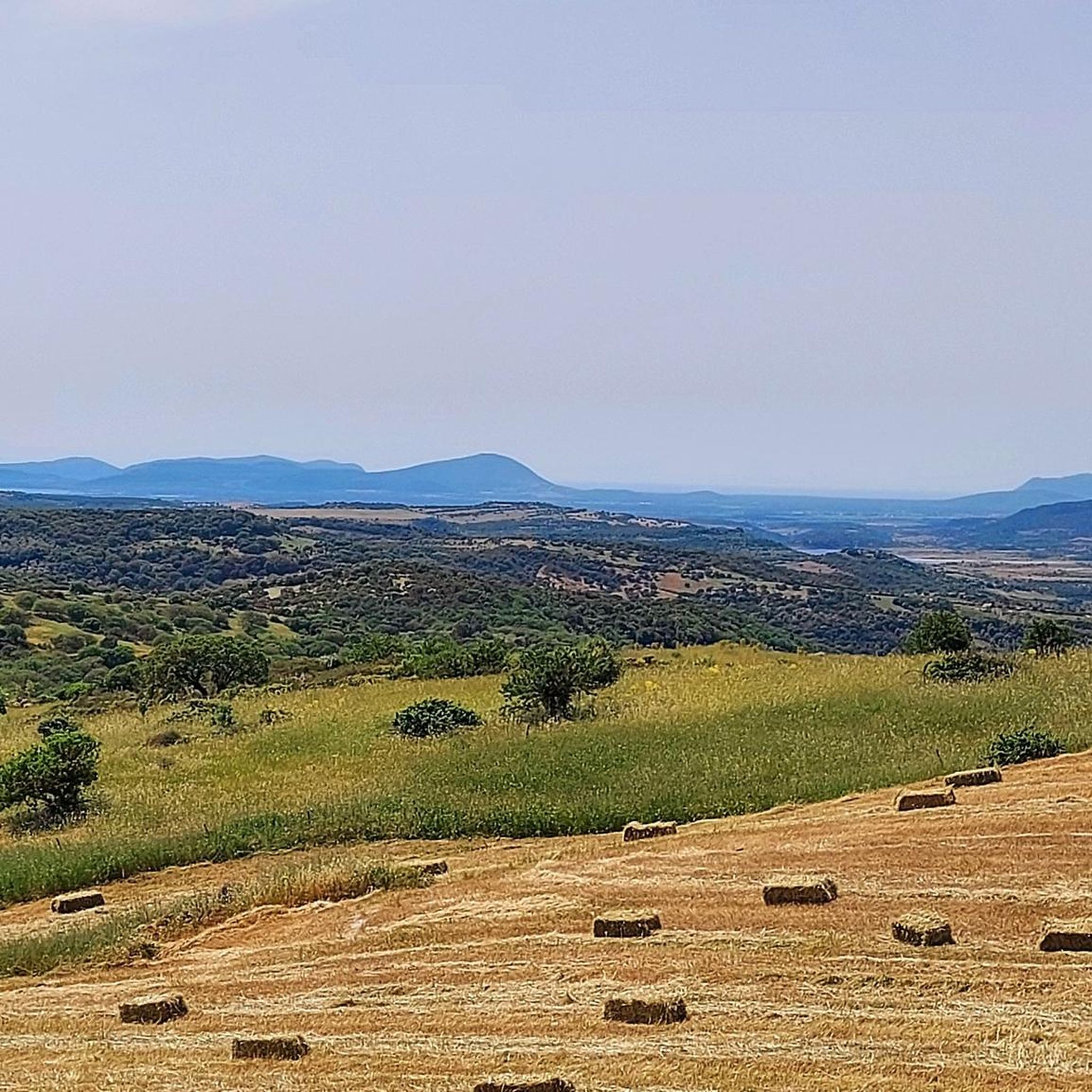
Best attractions and places to see around Ìtiri Cannedu/Ittiri include a variety of historical, cultural, and natural sites. This historic town in northwestern Sardinia is known for its rich archaeological heritage and traditional culture. Situated on a high plain at 450 meters above sea level, the area features diverse natural landscapes, including valleys with olive groves and vineyards. It offers numerous attractions, from ancient pre-Nuragic sites to historic churches.
Best attractions and places to see around Ìtiri Cannedu/Ittiri
- The most…
Last updated: August 3, 2026
Cathedral of St. Nicholas, Sassari
Highlight • Religious Site
Translated by Google •
Tip by

Piazza d'Italia, Sassari
Highlight • Monument
Tip by

Sign up now to discover places like this
Get recommendations on the best single tracks, peaks, & plenty of other exciting outdoor places.
Sign up for free
Castle Square, Sassari
Highlight • Historical Site
Tip by
Ducal Palace of Sassari
Highlight • Historical Site
The building was built …
Translated by Google •
Tip by
Sassari: historic center
Highlight • Historical Site
Tip by
Sign up for free to discover even more attractions around Ìtiri Cannedu/Ittiri.
Sign up for free
Already have an account?
Start today with a free account
Your next adventure awaits.
Login or Signup
Tips from the Community

Piazza Castello stands where the ancient Aragonese castle of Sassari once stood, now disappeared. The square represents an important crossroads between the historic center and the main city streets.
0
0
Piazza d'Italia is the monumental heart of Sassari and one of the most representative squares in Sardinia. Surrounded by elegant historic buildings and the Palazzo della Provincia, it offers a large pedestrian area ideal for a break during a bike ride.
1
0

Very impressive from the outside. I didn't go inside because they charged a €3 entrance fee (September 2025).
0
0

Sassari is the second largest city in Sardinia. It was founded by the Phoenicians and has experienced various cultural influences over the centuries. This is reflected in the architecture and cultural heritage of the city. It is definitely worth a visit.
0
0

Typical square with many bars and cafes. Here and there you can find street musicians in the evening.
0
0

It is the lounge square in the center of Sassari, large, elegant, bright, overlooked by important buildings such as the majestic Palazzo della Provincia and, opposite, the "Intesa San Paolo" bank in neo-Gothic style; in the center stands a monument to Vittorio Emanuele II, until recently surrounded by 4 palm trees. It is accessed by descending from the beautiful Via Roma, shaded by citrus trees, while continuing downhill on the opposite side, through a short arcaded street, you enter the adjacent Piazza Castello. Piazza d'Italia is a favorite destination for shopping, family walks and some local events.
4
0

Since 1331 it has been the most important square in the city. It is called this because until 1878 the Aragonese castle stood (today demolished).
2
0
The Palazzo Ducale was built between 1775 and 1804 by Don Antonio Manca, Marquis of Mores and Lord of Usini. From 1860 to 1878 it was the seat of the Prefecture first and then of the provincial administration, from 1878 it became the seat of the Municipality of Sassari which bought it in 1900.
1
0
Frequently Asked Questions
What historical sites can I explore around Ìtiri Cannedu/Ittiri?
Ìtiri Cannedu/Ittiri is rich in history, offering numerous archaeological and historical sites. You can visit the significant pre-Nuragic tomb of Molafà, which dates back to the Nuragic era and was later used as a rock church. Other notable pre-Nuragic sites mentioned in the region include the Necropolis of Sa Figu with its Domus de Janas, Nuraghe Majore, and the Hypogeum Sites of Musellos and Runara. The town also features historic churches like the Parish Church of San Pietro in Vincoli and the Abbey of Nostra Signora di Paulis, both dating to the 13th century.
Are there any natural features or scenic viewpoints to visit near Ìtiri Cannedu/Ittiri?
Yes, Ìtiri Cannedu/Ittiri is situated on a high plain surrounded by diverse natural landscapes. The highest peak in the area is Monte Torru, reaching 620 meters, which offers expansive views. You can also find valleys abundant with olive groves and vineyards. Nearby lakes include Bidighinzu, Cuga, and Temo, providing picturesque settings. The Nuraghe Torru, perched on Monte Torru, is particularly charming for its dominant position and views.
What cultural experiences does Ìtiri Cannedu/Ittiri offer?
Ìtiri Cannedu/Ittiri is known for its vibrant traditional culture. The town is famous for its textiles, especially rugs and traditional garments. You can also observe the use of abundant pink trachyte, a volcanic rock, in its streets and balconies. Cultural events include 'Prendas de Ittiri' in late March or early April, celebrating local crafts and delicacies, and the 'Ittiri Folk Festa,' an international folk dance festival in late July. The town also hosts the 'Biennale della Trachite,' a biennial trachyte festival with sculpture competitions.
Are there family-friendly attractions around Ìtiri Cannedu/Ittiri?
Many of the historical and cultural sites around Ìtiri Cannedu/Ittiri are suitable for families. For instance, exploring the Castle Square, Sassari, offers an archaeological path beneath the square that can be an engaging experience for children. The historic center of Sassari also provides a rich environment for family walks, with its diverse architecture and cultural heritage.
What kind of outdoor activities can I do near Ìtiri Cannedu/Ittiri?
The area around Ìtiri Cannedu/Ittiri is excellent for various outdoor activities. You can find numerous routes for running, mountain biking, and road cycling. For running, explore options like the 'Running loop from Ìtiri Cannedu/Ittiri' or the 'Running loop from Tàttari/Sassari'. Mountain biking enthusiasts can try the 'Lago del Cuga, Ittiri e Putifigari — giro ad anello'. Cyclists have routes such as 'Thiesi historic centre – Lago di Monteleone loop from Ìtiri Cannedu/Ittiri'. You can find more details and routes on the respective guide pages for running, MTB, and cycling.
Where can I see examples of Art Nouveau architecture in Ittiri?
In the old town of Ittiri, you can find examples of Art Nouveau architecture, notably at Palazzo Sussarellu. This palace also serves as a venue where results from trachyte sculpture competitions are displayed, blending artistic styles with local craftsmanship.
What is the significance of the Cathedral of St. Nicholas in Sassari?
The Cathedral of St. Nicholas, Sassari, is a prominent religious building known for its imaginative Baroque facade, adorned with playful pedestals, balconies, and coats of arms. The interior, however, features a Gothic nave with high ribbed vaults, showcasing a blend of architectural styles. It's a significant landmark in the region, dedicated to the city's patron saint, San Nicola da Bari.
Can I visit any ancient Nuragic structures in the area?
Yes, the territory of Ittiri is home to approximately sixty nuraghi. Among them, Nuraghe Torru, located on Monte Torru, is a well-preserved example. Another significant site is Nuraghe Majore, which features a multi-story main tower and a perfectly worked lateral wall, offering a glimpse into Sardinia's ancient past.
What is the Ducal Palace of Sassari and its current use?
The Ducal Palace of Sassari is a historical site built between 1775 and 1804. Originally constructed for Don Antonio Manca, Marquis of Mores, it later served as the seat of the Prefecture and provincial administration. Today, this impressive palace functions as the seat of the municipal administration of Sassari.
What is the 'open-air archaeological park' aspect of Ittiri Cannedu/Ittiri?
Ìtiri Cannedu/Ittiri is often referred to as an 'open-air archaeological park' due to its abundance of ancient sites. This includes numerous pre-Nuragic hypogean tombs, known as Domus de Janas, found at sites like the Necropolis of Sa Figu and the Necropolis of Ochila. The area also features megalithic circles, proto-nuraghi, dolmens, and menhirs, all scattered across the landscape, making the entire region a living museum of ancient history.
What do visitors particularly enjoy about the attractions around Ìtiri Cannedu/Ittiri?
Visitors appreciate the rich historical and cultural depth of the area. The imaginative Baroque facade of the Cathedral of St. Nicholas, Sassari, is often highlighted as a must-see. The archaeological path beneath Castle Square, Sassari, revealing underground rooms of the former Aragonese Castle, is also a popular and intriguing experience. The komoot community has shown its appreciation with 34 upvotes and 53 photos shared across the attractions.
Are there any specific festivals or events in Ittiri?
Ittiri hosts several notable events throughout the year. The 'Prendas de Ittiri' festival, held in late March or early April, showcases the finest local crafts and delicacies. In late July, the town comes alive with the 'Ittiri Folk Festa,' an international folk dance festival. Additionally, since 1994, Ittiri has hosted the 'Biennale della Trachite,' a biennial festival dedicated to trachyte sculpture competitions, with the resulting artworks displayed in the town center.
Most popular routes around Ìtiri Cannedu/Ittiri
Most popular attractions around Ìtiri Cannedu/Ittiri

Get inspired with the komoot mobile app


Explore more
Still not found the Highlight you’re looking for? See guides of the top attractions in other regions:
