The best walks and hikes around Stammbach
4.7
(106)
510
hikers
64
hikes
Hiking around Stammbach offers diverse landscapes within Oberfranken, Germany. The region features the idyllic Koser Valley, natural field and forest paths, and the Fichtelgebirge mountain range with its granite rock formations. Trails often provide panoramic views and explore natural features like the Steinach Gorge, known for its unique climate and riverine forests. The area's varied terrain includes both gentle valleys and more challenging ascents.
Best hiking trails around Stammbach
- The most popular hiking route is Waldkloster Muttodaya – 🌈 Koser…
Last updated: June 1, 2026
4.9
(17)
66
hikers
17.5km
04:49
290m
290m
Moderate hike. Good fitness required. Mostly accessible paths. Sure-footedness required.
4.4
(10)
33
hikers
9.96km
02:52
250m
250m
Moderate hike. Good fitness required. Easily-accessible paths. Suitable for all skill levels.

Sign up for free
4.6
(7)
45
hikers
4.47km
01:11
40m
40m
Easy hike. Great for any fitness level. Easily-accessible paths. Suitable for all skill levels.
4.9
(7)
27
hikers
7.91km
02:14
170m
170m
Moderate hike. Good fitness required. Easily-accessible paths. Suitable for all skill levels.
4.2
(6)
14
hikers
7.66km
02:11
180m
180m
Moderate hike. Good fitness required. Easily-accessible paths. Suitable for all skill levels.
Get access to more routes and recommendations from other explorers.
Sign up for free
Already have an account?
Our route recommendations are based on thousands of hikes, rides, and runs completed by other people on komoot.
Start today with a free account
Your next adventure awaits.
Login or Signup
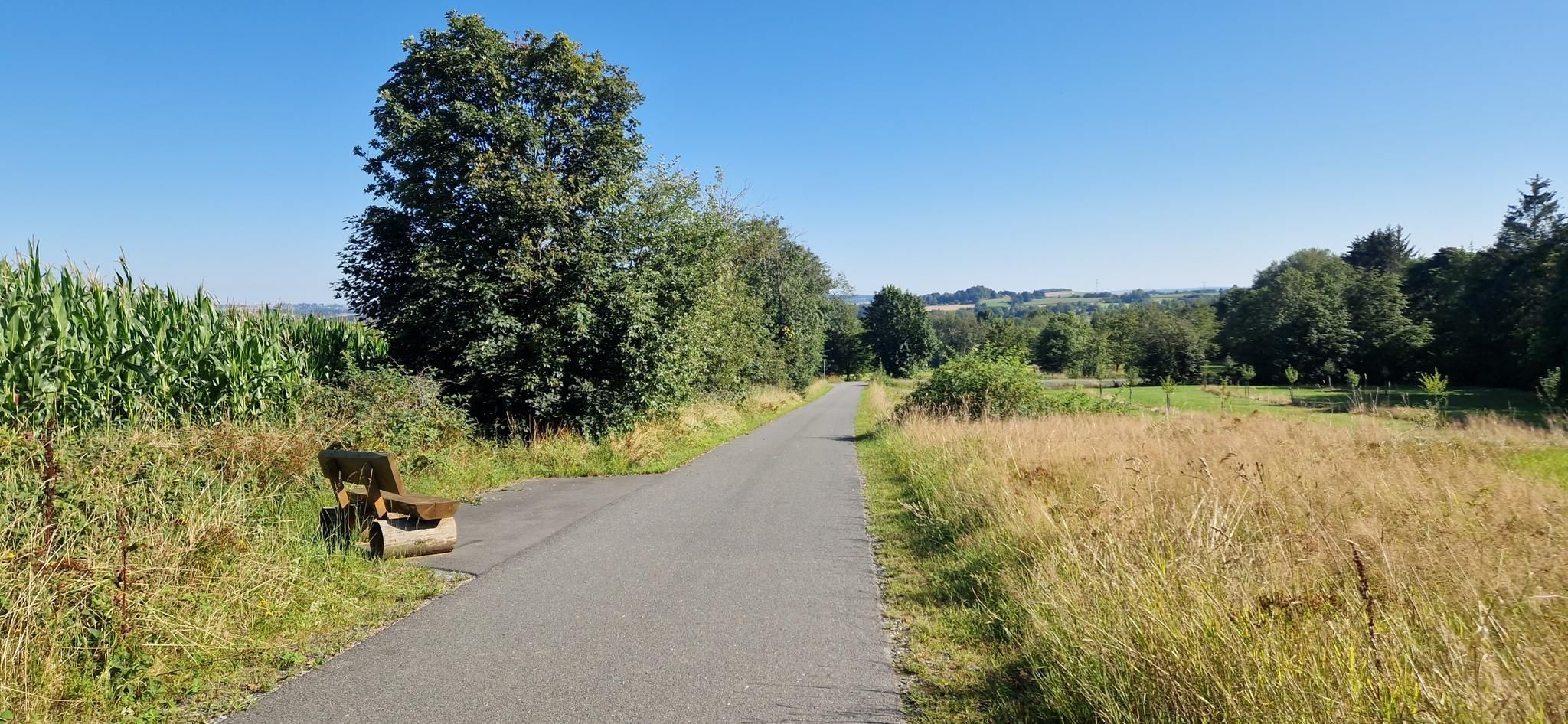
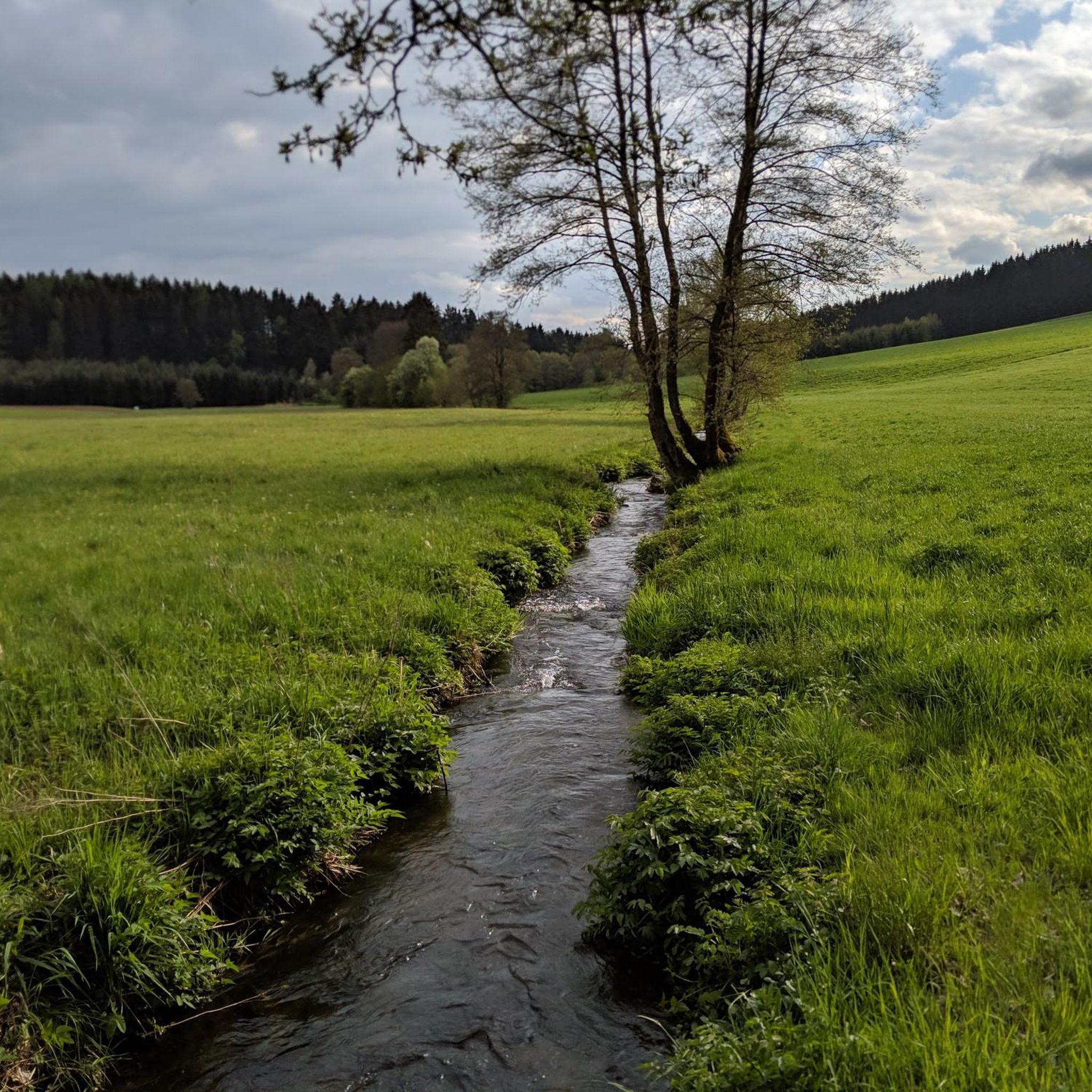
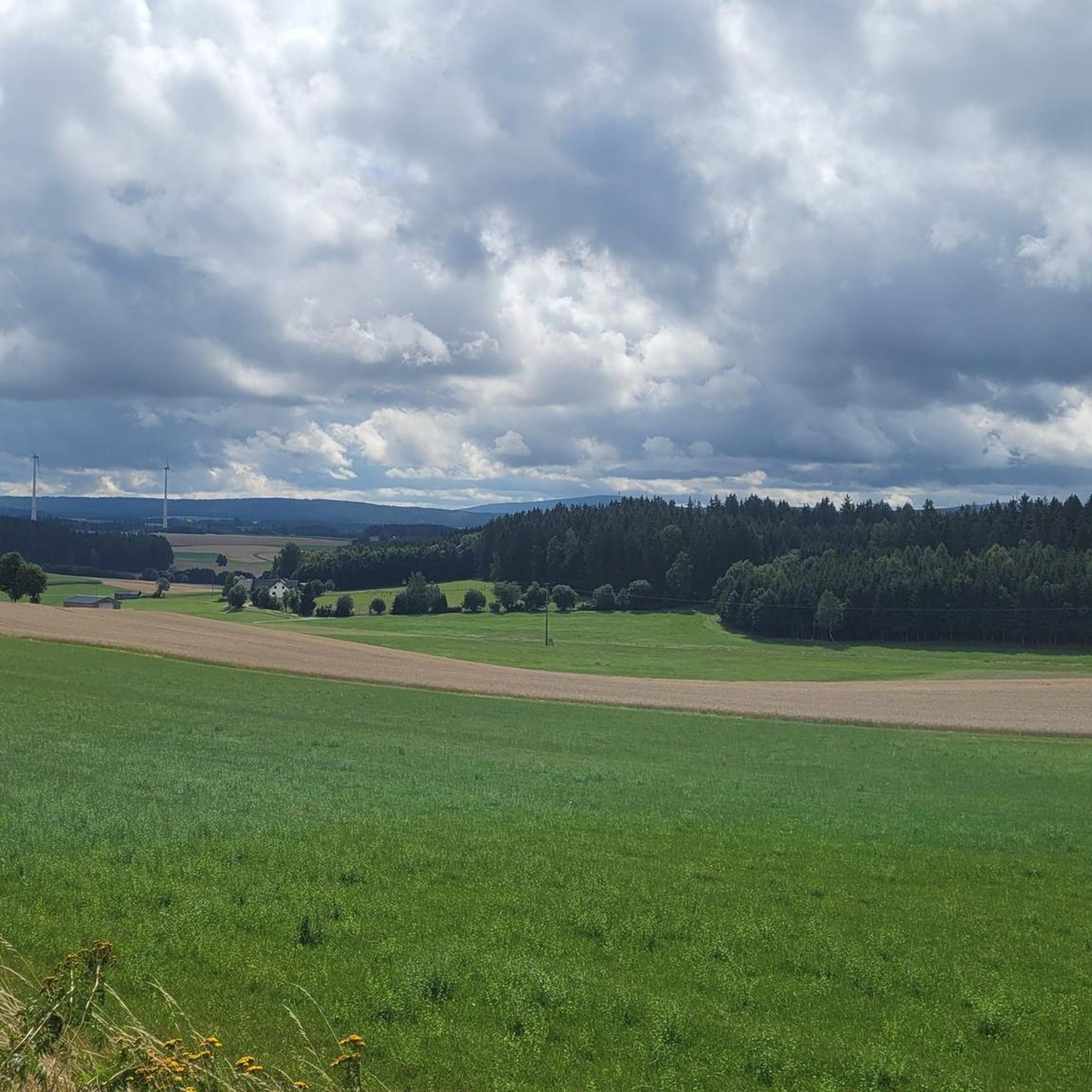
Other adventures around Stammbach

Tips from the Community

July 1870 brought the Franco-Prussian War. 39 men from Wirsberg and the surrounding areas participated in the conflict with the western neighboring state, which ended in February 1871 with the capitulation of France in Versailles (and with the founding of the German Empire in the Hall of Mirrors of the palace there). All Wirsberg participants in the war returned safely. In 1889, the Kaiser Monument was erected at the behest of Bavarian Prince Regent Luitpold "as a reminder of the glorious war of 1870/71".
3
0
Wirsberg, probably founded at the beginning of the 13th century, is already mentioned as a market town in documents at the end of the 13th century. The reconstruction of Wirsberg after the looting and burning on February 1, 1633, during the Thirty Years' War, lasted for decades. In 1701, with the inauguration of the Old Town Hall, the last vacant lot on the market square was closed. As part of urban development funding, the Wirsberg market square was redesigned in 1995. Today, it is both an eye-catcher and an attraction.
11
0
Wirsberg also owes its historical significance to this crossing over the Schorgast. Located on important trade routes, such as the connection between Nuremberg, Plauen, and Leipzig, simple wooden bridges had been built here repeatedly in the past. However, these were often damaged or destroyed by floods, ice drift, and the massive wear and tear from heavy wagons, which transported copper ore, among other things. At the beginning of the 18th century, it was decided to build a stone bridge here. The Schorgast Bridge, which can be seen here today and which the locals call "Wernersbruck", was built in 1711 as a two-span sandstone ashlar bridge. In 1995 and 1996, it was extensively renovated by the district of Kulmbach and the market town of Wirsberg to preserve a historical piece of Wirsberg's history.
11
0

In memory of the victorious campaign 1870-71 and the re-establishment of the German Empire. Built by the Military Association Wirsberg in 1889. This monument was renovated in 1989 (100 years later) by Dir. Kneitz Veterans Association Citizens and Associations
9
0
Here we took our snack break. The table in front of the hut has seen better days. Parts of the tabletop should be replaced.
10
0
Since June 2020, a wooden frame with steel tubes has also been erected here with the ambiguous name "Schlossplatz" for all bridal couples who have since given the "yes I do" in the wedding village of Wirsberg and all those who have fulfilled the dream of their own "castle" in Wirsberg.
10
0
The Steinener Brücke from 1711 over the Schorgast, also called Wernersbruck, is a technical monument of great rarity. The bridge was thoroughly renovated and restored in 1995 by the district of Kulmbach.
10
0

A very nice hike with a small monastery that can also be visited.
0
0
Frequently Asked Questions
How many hiking trails are available around Stammbach?
Stammbach offers a wide variety of hiking experiences with over 60 distinct trails. These routes cater to different preferences, ranging from easy strolls to more challenging ascents through varied terrain.
What are the difficulty levels of hikes in Stammbach?
The hiking trails around Stammbach are diverse, with 27 easy routes perfect for a relaxed walk, 35 moderate trails that offer a good challenge, and 4 more difficult options for experienced hikers seeking a strenuous adventure. This variety ensures there's a suitable path for every fitness level.
What do other hikers say about the trails in Stammbach?
The komoot community highly rates the trails in Stammbach, with an impressive average score of 4.7 stars from nearly 100 reviews. Hikers often praise the region's diverse landscapes, well-maintained paths, and the beautiful natural features like the Koser Valley.
Are there any specific natural features or landscapes to look out for?
Absolutely! Stammbach is rich in natural beauty. You can explore the idyllic Koser Valley, known for its picturesque scenery, or discover the unique climate and riverine forests of the Steinach Gorge. The region also features impressive granite rock formations within the Fichtelgebirge mountain range and offers numerous forest and field paths for an immersive nature experience.
What historical sites or landmarks can I visit while hiking?
Several trails incorporate interesting landmarks. You can hike to the Weißenstein Tower for great views, or visit the tranquil Waldkloster Muttodaya. The region also features historical ruins like the Waldsteinburg (Red Castle) and the Hohenberneck castle ruins, adding a historical dimension to your outdoor adventure.
Are there any trails that offer great panoramic views?
Yes, many circular hiking trails around Stammbach are known for their splendid panoramic vistas across the landscape. The Fichtelgebirge area, in particular, provides elevated points that offer expansive views of the surrounding forests and valleys.
Are there family-friendly hiking options in Stammbach?
Stammbach offers several easy routes suitable for families. For example, the Bench in Naturpark Frankenwald – Stream Near Förstenreuth loop from Stammbach is a shorter, easy trail through natural forest paths, perfect for a family outing. The tranquil Singer Pond is also a peaceful spot often featured in easy loops.
Can I bring my dog on the hiking trails in Stammbach?
Generally, dogs are welcome on the hiking trails around Stammbach, allowing you to enjoy the natural beauty with your canine companion. It's always advisable to keep dogs on a leash, especially in nature protection areas or near wildlife, and to respect local regulations.
What is the best time of year to go hiking in Stammbach?
The region is beautiful throughout the warmer months. Spring brings vibrant flora, while summer offers lush greenery and pleasant temperatures. Autumn is particularly scenic with colorful foliage. While winter hiking is possible, some trails might be less accessible due to snow or ice, so check conditions beforehand.
Where can I find refreshments or places to eat along the trails?
Stammbach and the surrounding villages feature well-maintained inns that offer excellent opportunities for rest stops and meals. These establishments provide local cuisine and refreshments, enhancing your hiking experience.
Is public transport available to reach trailheads in Stammbach?
Stammbach has local bus routes that connect to various points within the municipality, which can help in reaching some trailheads. For broader access, train connections to Stammbach in Bavaria are available, and you might then use local buses or a short walk to begin your hike.
Are there parking facilities at the trailheads?
Yes, many popular hiking trails around Stammbach offer designated parking facilities at or near their trailheads. This makes it convenient for hikers arriving by car to access the routes. Specific parking information can often be found on individual route descriptions.
Are there any gorges or valleys worth exploring?
The region is home to several beautiful gorges and valleys. The Steinach Gorge is a natural monument known for its unique ecosystem, while the Koser Valley in Frankenwald Nature Park offers particularly picturesque scenery and is a highlight for many hikers.
Most popular routes around Stammbach
Most popular attractions around Stammbach

Get inspired with the komoot mobile app


Explore more
Browse the best Hikes in other regions.
