The best walks and hikes around Codronzanu/Codrongianos
4.1
(29)
189
hikers
23
hikes
Hiking around Codronzanu/Codrongianos offers exploration of the Logudoro hills in northwestern Sardinia, a region characterized by diverse landscapes. The area features ancient woods, clear streams, and notable rock formations, including the volcanic Monte Santu, which rises to 733 meters above sea level. Hikers can also encounter numerous archaeological sites, such as Nuraghes and pre-Nuragic tombs, integrated into the natural environment.
Best hiking trails around Codronzanu/Codrongianos
- The most popular hiking route is Walk from Osilo to Monte Tuffusedu and back,…
Last updated: May 11, 2026
4.5
(4)
19
hikers
6.51km
01:53
170m
160m
Easy hike. Great for any fitness level. Easily-accessible paths. Suitable for all skill levels.
4.0
(1)
12
hikers
4.80km
01:55
380m
380m
Moderate hike. Good fitness required. Easily-accessible paths. Suitable for all skill levels.

Sign up for free
4.3
(3)
15
hikers
Moderate hike. Good fitness required. Mostly accessible paths. Sure-footedness required.
5.0
(1)
7
hikers
4.40km
01:13
80m
80m
Easy hike. Great for any fitness level. Easily-accessible paths. Suitable for all skill levels.
5.0
(1)
5
hikers
4.40km
01:14
80m
80m
Easy hike. Great for any fitness level. Easily-accessible paths. Suitable for all skill levels.
Get access to more routes and recommendations from other explorers.
Sign up for free
Already have an account?
Our route recommendations are based on thousands of hikes, rides, and runs completed by other people on komoot.
Start today with a free account
Your next adventure awaits.
Login or Signup
Tips from the Community

The church of Saints Elias and Enoch, located on the mesa of Monte Santo, dates back to the Byzantine era (6th-9th century AD) and reflects the traditions of Greek monasticism. Originally, it was a place of worship for hermit monks who lived in cells dug into the mountain. In 1065, the church became the first Benedictine monastery on the island.
1
0
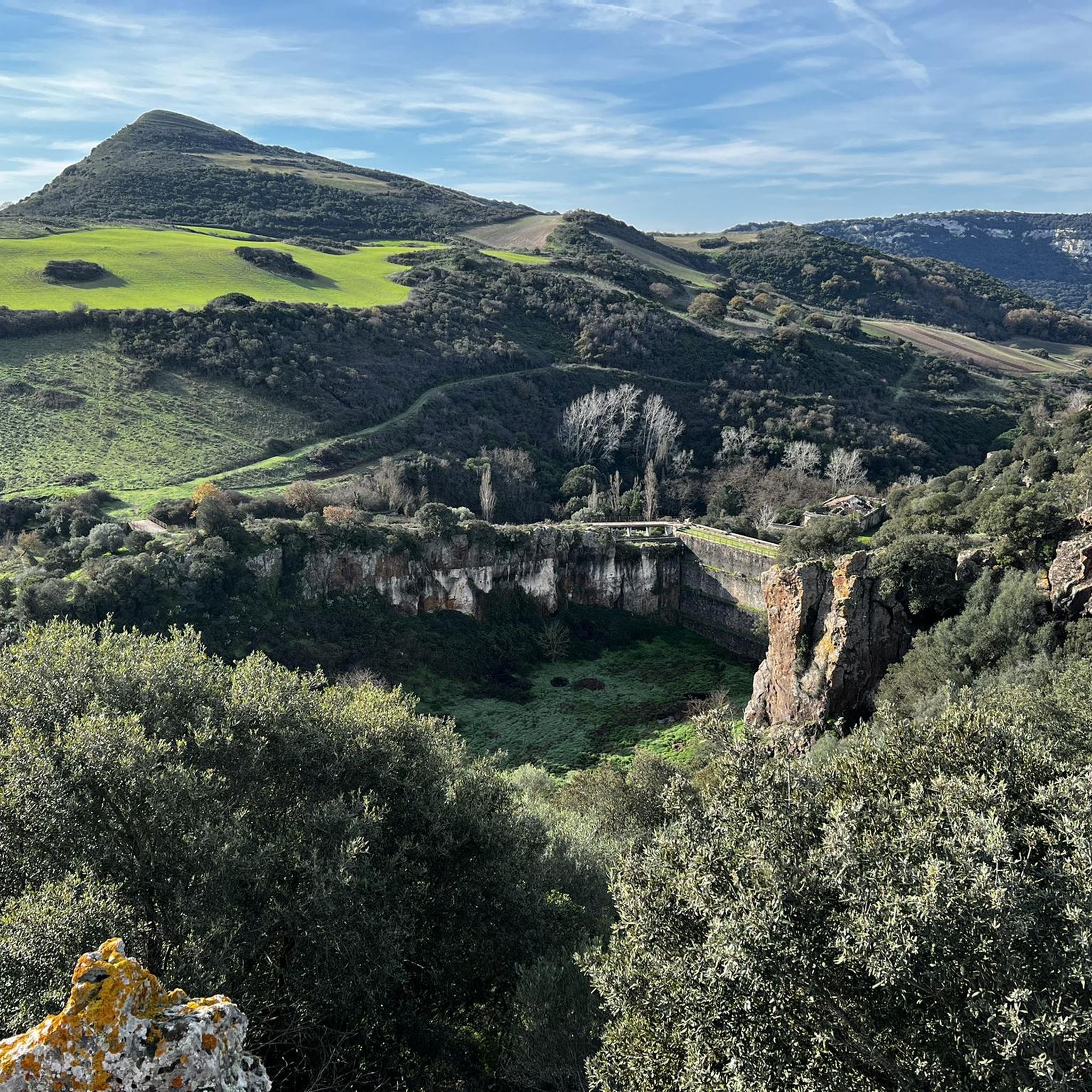
Monte Santo (Monte Santu or Monte Sant'Elies in Sardinian) is an isolated mountain and mesa in Logudoro, with an altitude of 733 meters. During the climb, lithological changes are observed, passing from carbonate rocks to basaltic ones around 650 meters. On the summit, located on the south-western lip, you can enjoy a vast panorama, especially at the summit cross.
1
0
With its unmistakable profile, Monte Santo is an icon of Meilogu, the name of this enchanted corner of Sardinia. Born from ancient volcanic eruptions, this mountain rises among vast green fields, offering breathtaking views.
1
0

The Rosario Church is a religious building in Osilo, a city in northwestern Sardinia. It is dedicated to Catholic worship and belongs to the parish of the Immaculate Conception, which, like the church of Santa Croce, is not far away. The church, built in the 17th century, is dedicated to the Madonna del Rosario; In addition, Saint Dominic, Saint Anne and Saint Narcissus of Girona, protectors of crops from locust plagues, were also honored in the church. Source: https://it.wikipedia.org/wiki/Chiesa_del_Rosario_(Osilo)
0
0

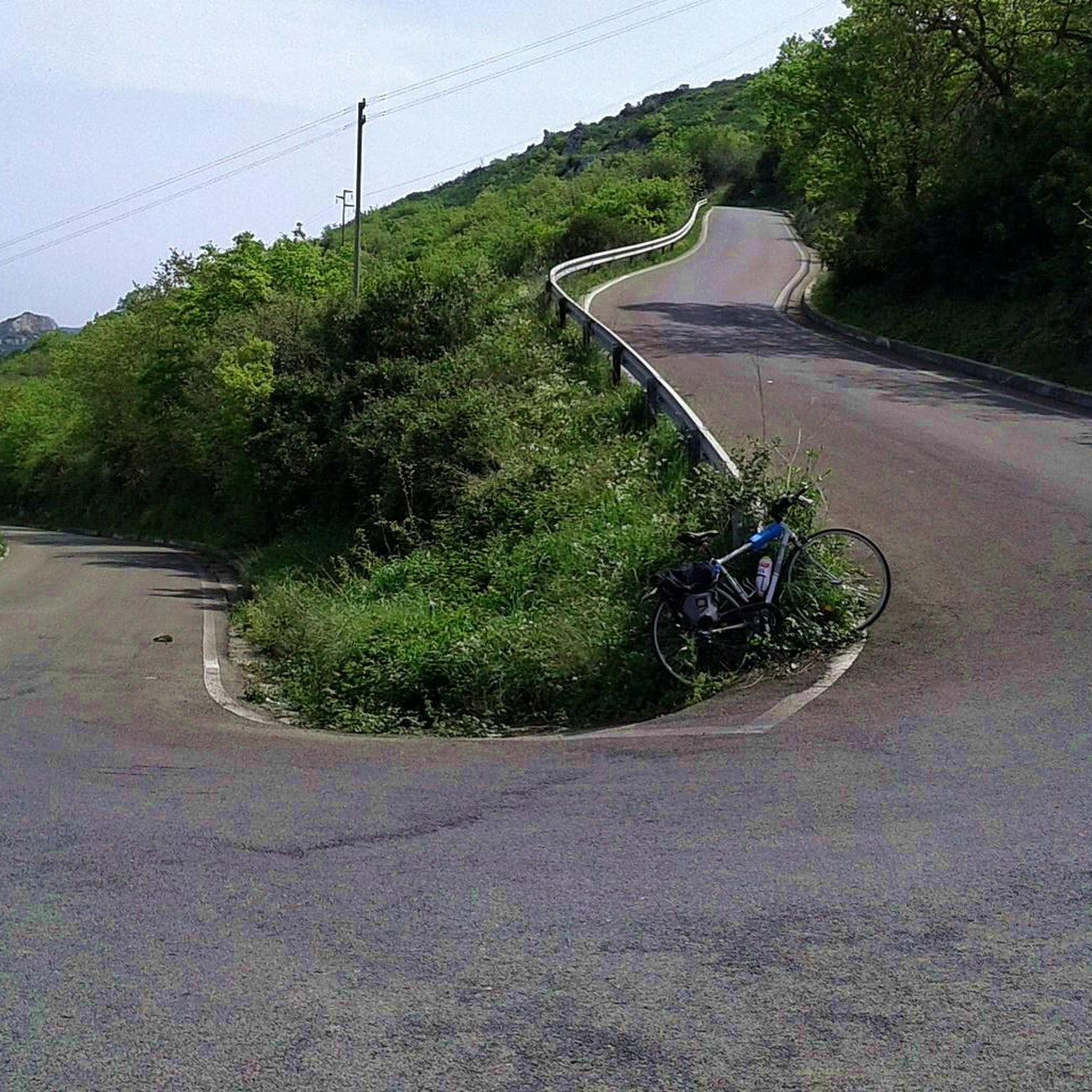
Danger! The hiking trail is (now in summer 2023) completely overgrown, especially with blackberry bushes and thistles. Absolutely not recommended unless you have a machete.
3
0
Unfortunately, the church itself cannot be visited from the inside. But the view of the landscape is just great!
0
0
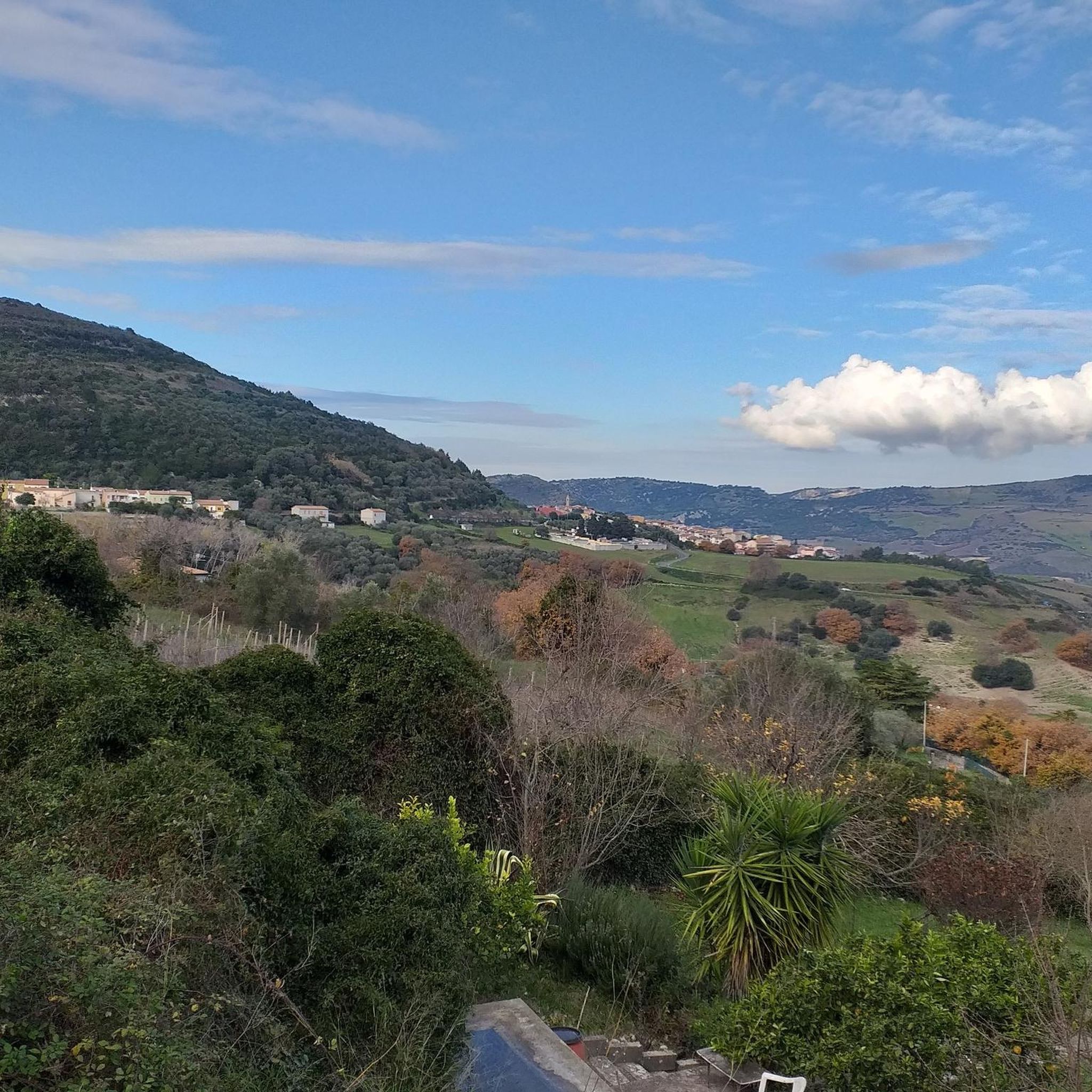
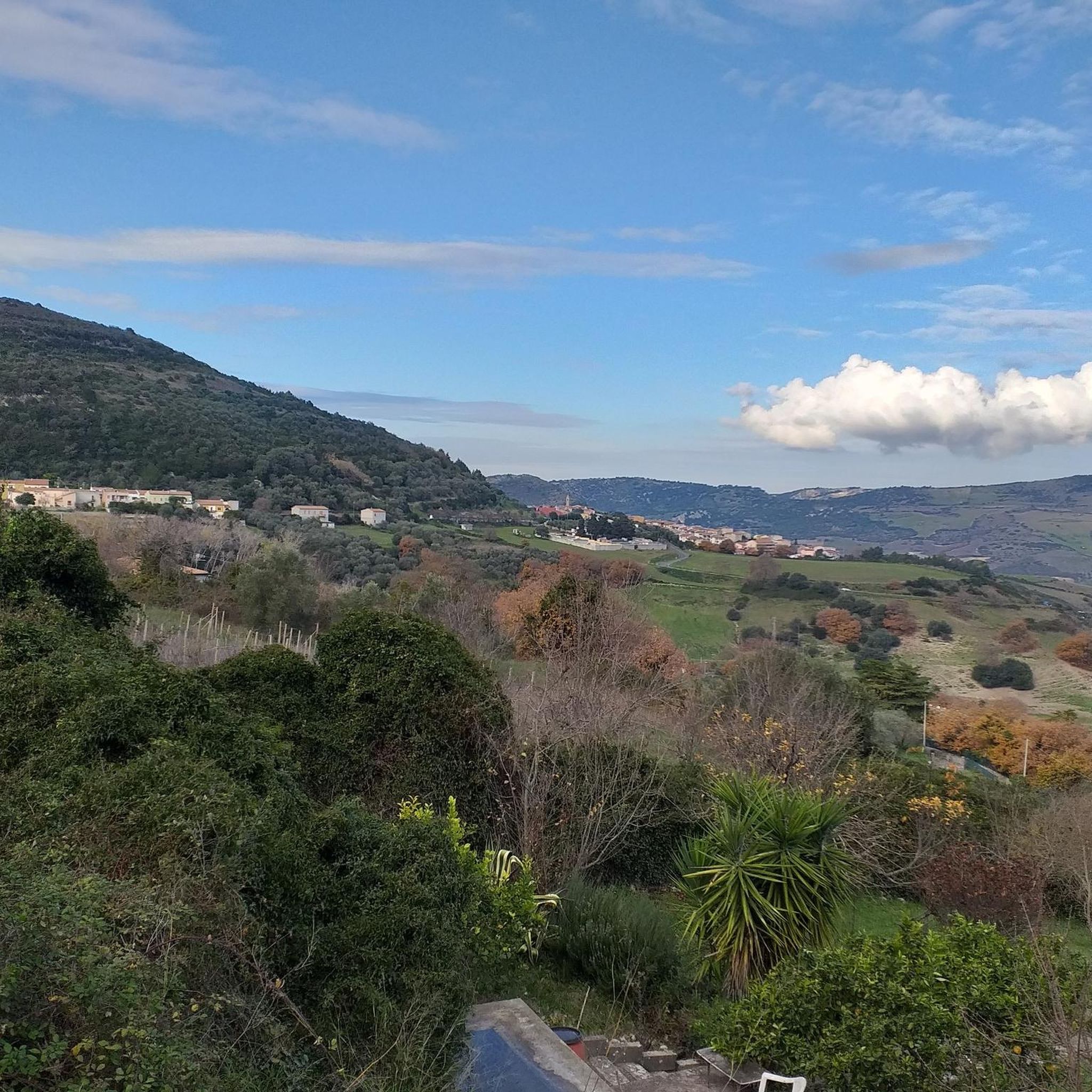
From the small old church you have a wonderful view of Osilo and the Castello Malaspina as well as Monte Tuffudesu and the Chiesa di Bonaria.
0
0

The church built in the middle of the Baroque period retains typical motifs of medieval architecture in the essentiality of the structure, in the purity of the masses, in the essential and ingenuous decoration
1
0
Frequently Asked Questions
How many hiking trails are available around Codronzanu/Codrongianos?
There are over 20 hiking trails in the Codronzanu/Codrongianos area, offering a variety of experiences for different skill levels.
What are the difficulty levels of hikes in this area?
The trails around Codronzanu/Codrongianos cater to various abilities. You'll find 12 easy routes perfect for a relaxed stroll, and 9 moderate trails for those seeking a bit more challenge. There are no difficult routes listed, making it accessible for most hikers.
What do other hikers say about the trails around Codronzanu/Codrongianos?
The hiking routes in Codronzanu/Codrongianos are highly rated by the komoot community, with an average score of 4.0 stars from over 25 reviews. Hikers often praise the diverse landscapes, from ancient woods to scenic hills, and the integration of historical sites.
When is the best time of year to go hiking in Codronzanu/Codrongianos?
Given Sardinia's climate, spring (April-May) and autumn (September-October) are generally ideal for hiking in Codronzanu/Codrongianos. The weather is milder, and the natural scenery is vibrant. Summers can be very hot, while winters are generally mild but can be wet.
Are there any family-friendly hiking options in Codronzanu/Codrongianos?
Yes, there are several easy routes suitable for families. For example, the Walk from Osilo to Monte Tuffusedu and back is an easy 4.0-mile path through the scenic Logudoro hills, which is a great option for a family outing.
Can I bring my dog on the trails around Codronzanu/Codrongianos?
Most trails in the Codronzanu/Codrongianos region are generally dog-friendly, but it's always advisable to keep your dog on a leash, especially in areas with livestock or near archaeological sites. Ensure you carry enough water for both yourself and your pet.
Are there circular hiking routes available?
Yes, several circular routes are available. A popular choice is the Sassari-Osilo Railway Bridge – Natural Spring loop from Filigheddu, which takes you through areas featuring natural springs and historical railway elements. Other options include the Natural Spring loop from Stadio Vanni Sanna and the Natural Spring loop from Monte Bianchino.
What kind of natural features can I expect to see on a hike?
The region is characterized by a 'wild yet honest' landscape, featuring ancient woods, crystal-clear streams, and age-old rock formations. A prominent natural landmark is Monte Santu, a volcanic mesa reaching 733 meters, which you can explore on the Discovering Monte Santo route. Many trails also lead to natural springs, such as the decorative Rosello Fountain.
Are there historical sites or archaeological attractions along the hiking trails?
Absolutely. Codronzanu/Codrongianos is rich in archaeological sites. You can encounter pre-Nuragic tombs like the Domus de Janas di S’Ena de Cannuja, as well as ancient necropolises such as the Noeddale Necropolis and the Necropolis of Mesu ‘e Montes. The landscape is also dotted with numerous Nuraghes, offering a blend of outdoor activity and cultural exploration.
Are there any viewpoints or panoramic spots on the trails?
Yes, the volcanic Monte Santu, which rises to 733 meters, offers excellent panoramic views of the surrounding Logudoro hills. The Discovering Monte Santo route is specifically designed to explore this area and its elevated perspectives.
What kind of terrain can I expect on the trails?
The terrain varies, reflecting the diverse landscapes of the Logudoro hills. You'll find paths winding through ancient woods, alongside clear streams, and over age-old rock formations. Some areas, particularly around Monte Santu, feature volcanic morphology, while others are characterized by rolling hills and valleys.
Are there any natural monuments to see?
Yes, the area features several natural monuments. The Rosello Fountain is a notable natural spring with decorative elements. You can also find impressive rock formations and cliffs, such as the Cliffs of San Lorenzo valley, which add to the scenic beauty of the hikes.
Most popular attractions around Codronzanu/Codrongianos

Get inspired with the komoot mobile app


Explore more
Browse the best Hikes in other regions.
