The best walks and hikes around Stahnsdorf
4.5
(2513)
14,432
hikers
203
hikes
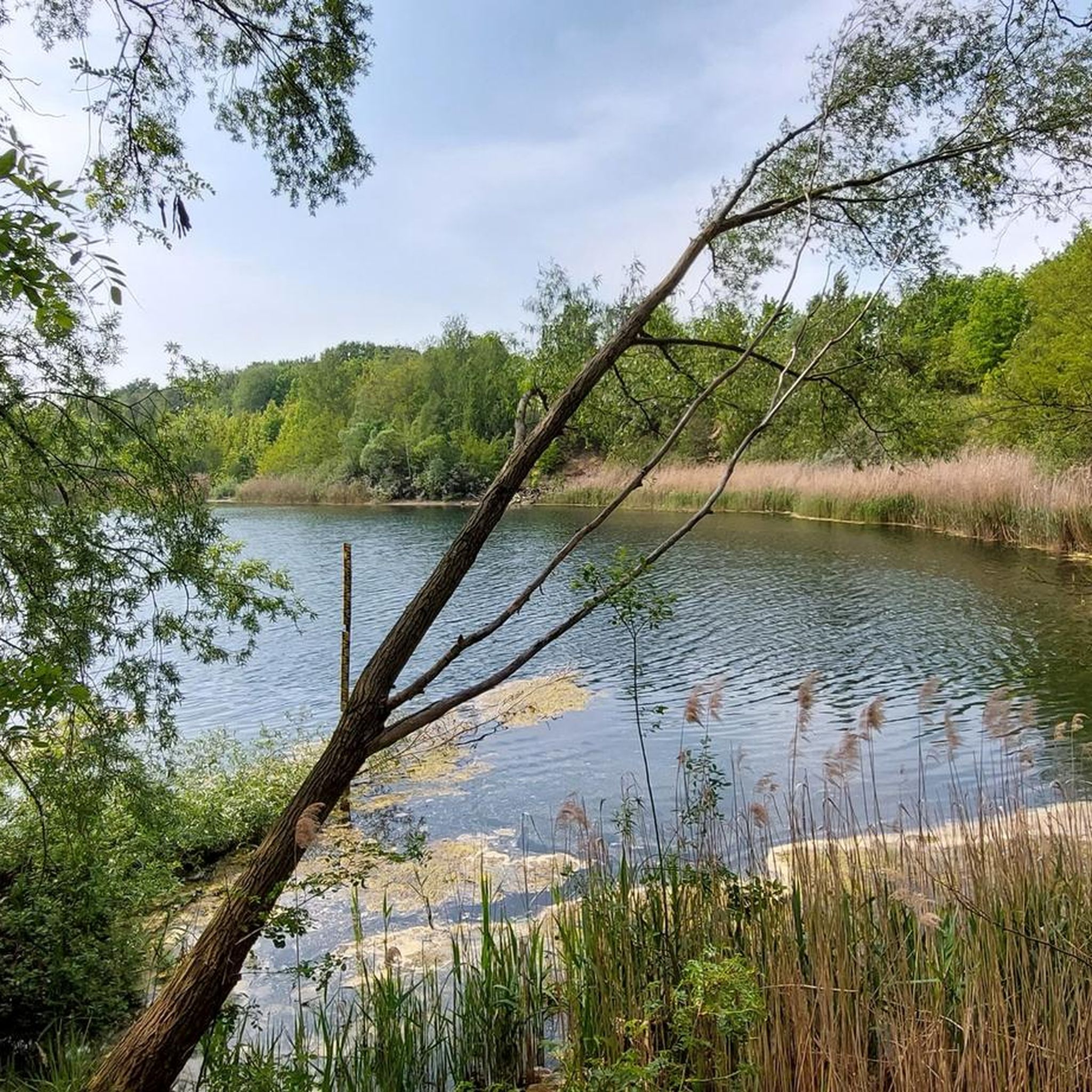
Hiking around Stahnsdorf, located in Brandenburg, Germany, offers a variety of trails through lush green landscapes, dense forests, and clear lakes. The region is characterized by the sandy terrain and pine trees of the Parforceheide heathland, alongside picturesque bodies of water like the Güterfelder Haussee. This area provides diverse natural settings for outdoor activities, with routes suitable for various fitness levels.
Best hiking trails around Stahnsdorf
- The most popular hiking route is Schloss Gütergotz – Village Church Güterfelde loop from…
Last updated: November 11, 2026
4.5
(74)
248
hikers
Easy hike. Easily walkable paths.
4.6
(52)
125
hikers
Easy hike. Easily walkable paths.

4.4
(42)
120
hikers
Moderate hike. Good fitness required. Easily walkable paths.
4.5
(41)
121
hikers
6.50km
01:39
20m
20m
Easy hike. Easily walkable paths.
4.5
(21)
87
hikers
Easy hike. Easily walkable paths.
Get access to more routes and recommendations from other explorers.
Already have an account?
Our route recommendations are based on thousands of hikes, rides, and runs completed by other people on komoot.
Start today with a free account
Your next adventure awaits.
Tips from the Community

On the British military cemetery: They died as prisoners of war or in fighting in Upper Silesia in 1921/22. They were born in Australia, Canada, South Africa, Newfoundland and New Zealand. On the Italian cemetery - "Cimitero Militare Italiano Guerra": Here 1650 soldiers were buried who had died in captivity after World War I.
0
0

Those who enjoy nature and like every season can find joy in it
0
0

Especially beautiful in winter
0
0

Heinrich Rudolf Zille (1858-1929) was a German graphic artist, painter, and photographer. In his art, Zille (known as "Pinselheinrich") favored themes from Berlin's popular life, which he portrayed with both local patriotism and social criticism. In February 1929, Zille suffered his first stroke and a second in May. In the following years, the artist became increasingly withdrawn. Zille died on the morning of August 9, 1929. He was given an honorary grave by the city of Berlin in the Südwestkirchhof (Southwest Cemetery) in Stahnsdorf. The relief on Zille's gravestone (1929) is by August Kraus, with whom Zille was a friend. Source: https://de.m.wikipedia.org/wiki/Heinrich_Zille
0
0
Both the British and Italian military cemeteries were intended to allow the fallen to rest "in foreign soil in their homeland." For this purpose, enclosed cemetery complexes were created in the Southwest Cemetery, clearly demarcating areas of national remembrance from the surrounding grounds. It was no coincidence that a previously undeveloped area far from the main entrance was chosen for the foreign military cemeteries, where hardly any burial activity has been recorded to this day. Soldiers died not only on the battlefields, but also in hospitals and, above all, in prisoner-of-war camps from exhaustion and disease. Far from the front lines of World War I, the military cemeteries in the Southwest Cemetery bear witness primarily to this aspect of the war. When Great Britain and Italy, after the end of World War I, searched for suitable sites for the establishment of cemeteries of honor to transfer the individual graves of the prisoner-of-war camps scattered across German territory to central facilities, the Southwest Cemetery in Stahnsdorf was quickly chosen. This allowed the construction of a representative memorial at a location of their choice. Great Britain and Italy seized this opportunity to establish stone diplomatic presences in the catchment area of the Reich capital, Berlin. Further detailed information can be found in a 2017 article by Anett Ladegast, "The First World War as Reflected on National Remembrance - The Three Military Cemeteries at the Südwestkirchhof Stahnsdorf near Berlin" at: https://journals.ub.uni-heidelberg.de/index.php/rihajournal/article/view/70289/70090
1
0
Directly in the entrance area of the Südwestkirchhof Stahnsdorf cemetery stands the masterpiece of Berlin sculptor Ludwig Manzel: a monumental marble relief of Christ. 23 life-size figures (the elderly, the sick, the suffering, the blind, a widower with children, and the sinner) turn from both sides toward Jesus Christ, seated in the center, from whom they hope for salvation. The text from the Gospel of Matthew is fitting: "Come to me, all you who are weary and burdened, and I will give you rest." Christ here is not the "universally pleasing blessing," but rather one recognizes his compassion for the suffering. They are almost naked to avoid any class distinction. The artist Ludwig Manzel died on November 20, 1936, and found his final resting place close to his greatest life's work. In contrast, however, his grave is simple. It stands just a few meters across the main path. Source: https://www.tagesspiegel.de/potsdam/potsdam-mittelmark/inspirationen-auf-einem-friedhof-in-paris-7791865.html
0
0

Guided tours of the very large cemetery are also available by bike https://www.suedwestkirchhof.de/veranstaltungen.html
1
0
Frequently Asked Questions
How many hiking trails are available around Stahnsdorf?
Stahnsdorf offers a wide variety of hiking opportunities, with over 150 trails recorded on komoot. These routes cater to different preferences, ranging from leisurely walks to more challenging excursions through the region's diverse landscapes.
Are there easy hiking trails suitable for beginners or families in Stahnsdorf?
Yes, Stahnsdorf is very welcoming for beginners and families. More than 100 of the available routes are rated as easy. A great option for a gentle walk is the Schloss Gütergotz – Village Church Güterfelde loop from Güterfelde, which is just over 3 km long and connects historical sites with local scenery.
What kind of natural landscapes and features can I expect to see while hiking in Stahnsdorf?
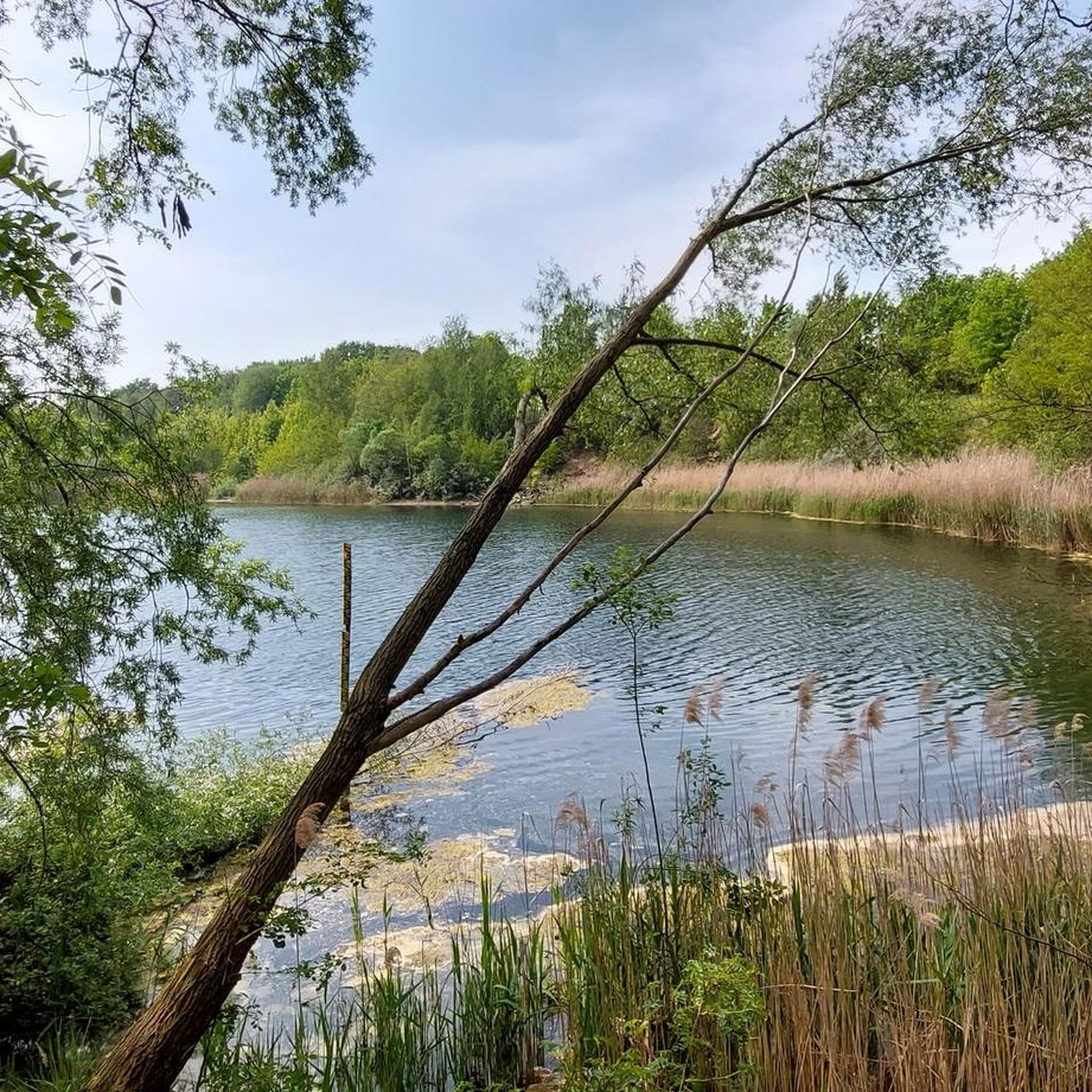
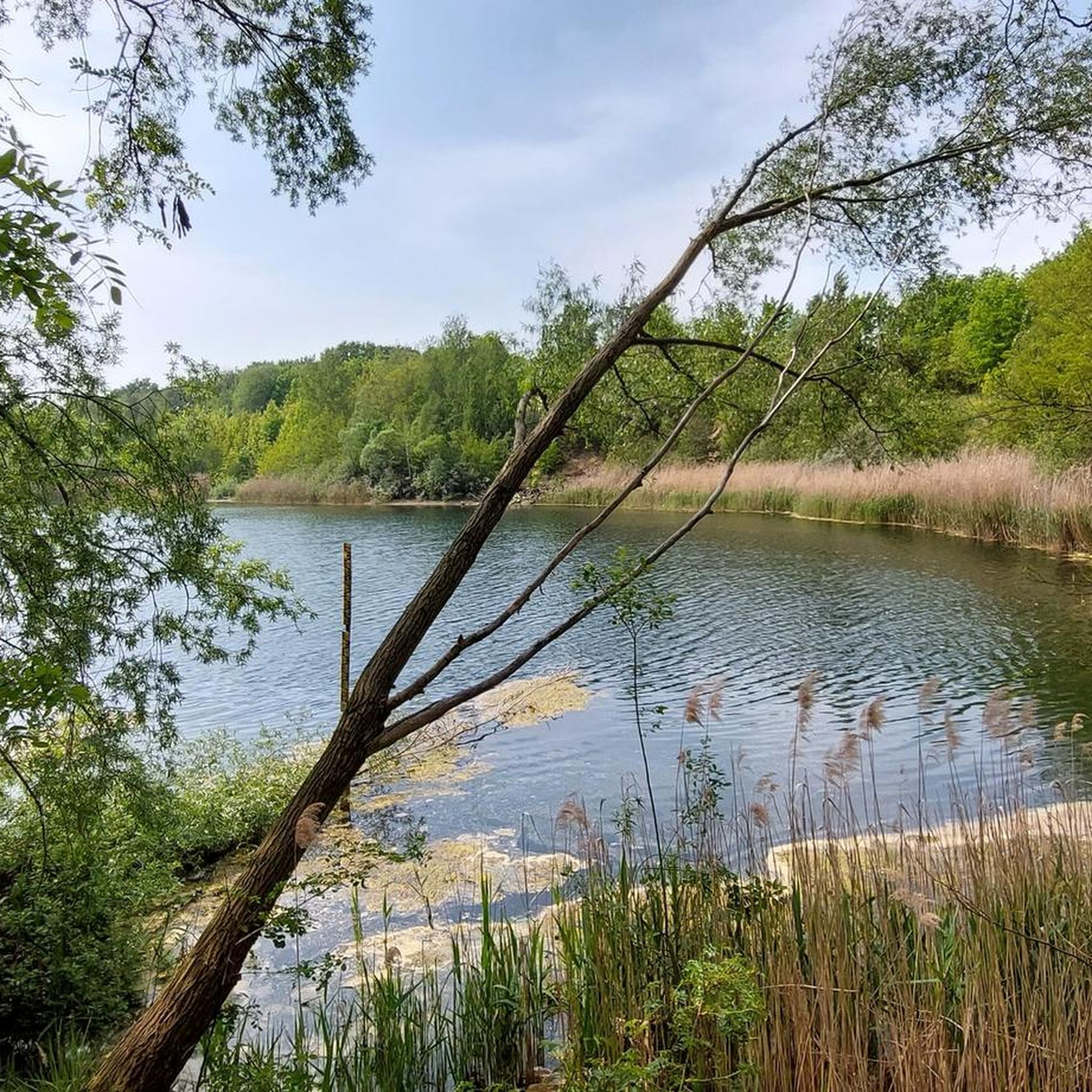
The Stahnsdorf region is characterized by its lush green landscapes, dense forests, and clear lakes. You'll frequently encounter the unique sandy terrain and pine trees of the Parforceheide heathland, as well as picturesque bodies of water like the Güterfelder Haussee. These features provide a tranquil and varied environment for outdoor activities.
Are there any circular hiking routes in Stahnsdorf?
Many of the trails around Stahnsdorf are designed as circular routes, allowing you to start and end at the same point. An example is the moderate Güterfelder Haussee swimming spot – Wild Meadow in the Parforceheide loop from Güterfelde, which takes you through the heath and past the lake.
What are some interesting landmarks or attractions to see along the hiking trails?
Hikers can discover several points of interest. The historically significant Südfriedhof Stahnsdorf (South Cemetery) offers a unique architectural and serene forest setting. You might also encounter the charming Dorfkirche Güterfelde, a village church often integrated into local routes, or enjoy views of the Wannsee from nearby trails.
Is Stahnsdorf a good place for dog-friendly hikes?
Yes, Stahnsdorf is generally very dog-friendly, with many trails winding through forests and open heathlands that are perfect for walks with your canine companion. The natural environment provides ample space for dogs to explore, but always remember to keep them on a leash where required and clean up after them.
What is the best time of year to go hiking in Stahnsdorf?
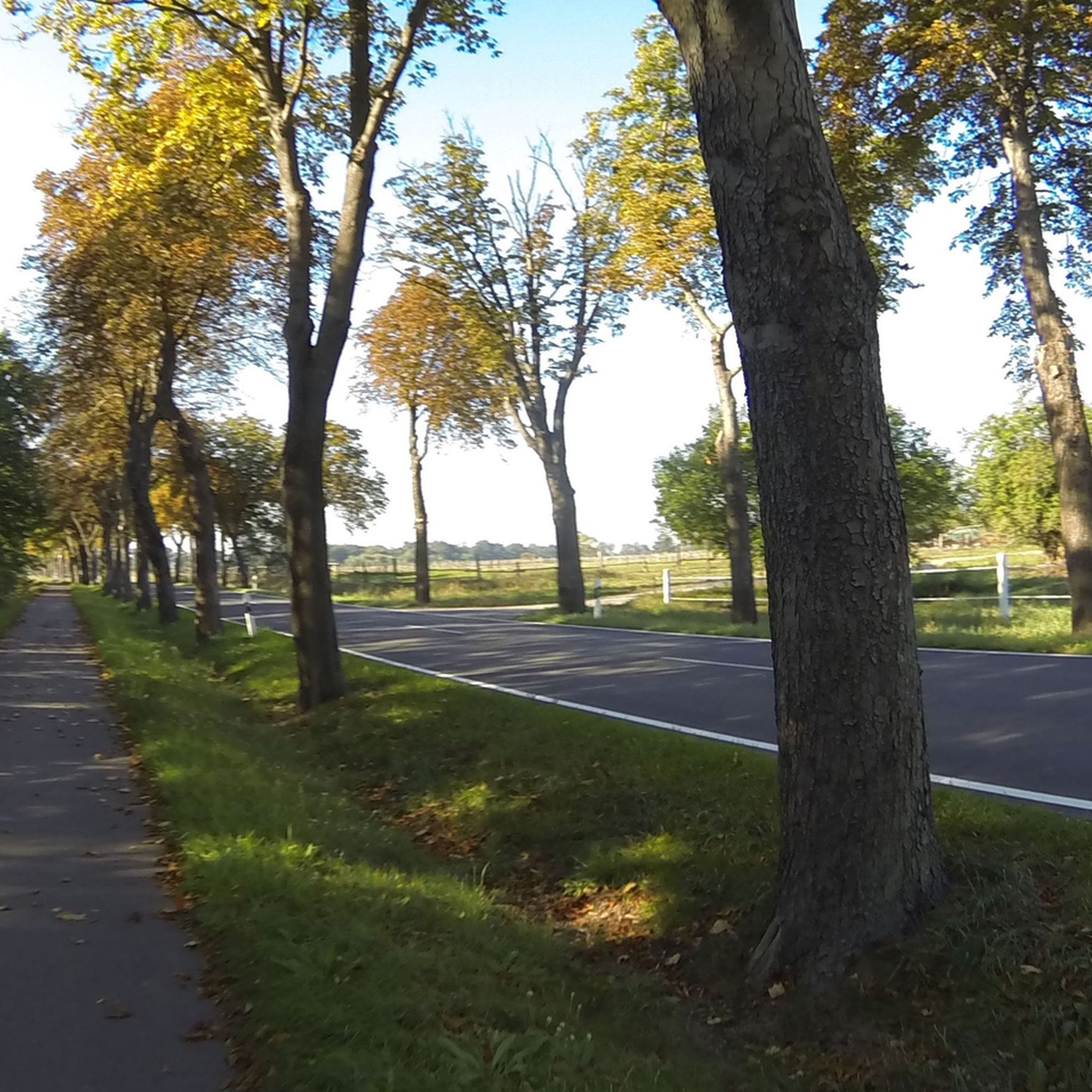
The temperate climate around Stahnsdorf makes it suitable for outdoor pursuits year-round. Spring brings blooming flora, summer offers lush greenery, autumn showcases vibrant fall colors, and even winter provides peaceful, crisp walks. Each season offers a unique experience of the region's natural beauty.
Are there any hikes that offer viewpoints or scenic overlooks?
While Stahnsdorf itself is relatively flat, the surrounding area offers some elevated points with good views. For instance, trails leading towards the Belvedere on the Pfingstberg or the Kleiner Ravensberg Summit and Observation Tower provide opportunities for scenic overlooks of the wider Brandenburg landscape.
What do other hikers enjoy most about hiking in Stahnsdorf?
The komoot community highly rates the hiking experience in Stahnsdorf, with an average score of 4.6 stars from over 1,200 reviews. Hikers often praise the quiet woodlands, the peaceful atmosphere of the Parforceheide, and the serene beauty of the Güterfelder Haussee, making it a popular choice for nature lovers.
Are there any moderate hikes for those looking for a bit more challenge?
Yes, Stahnsdorf also offers moderate routes for hikers seeking a longer or slightly more challenging experience. An example is the Parforce Heath – Rest area on Fontaneweg F5 loop from Südwestkirchhof Stahnsdorf, which is about 6.5 km long and takes you through the varied terrain of the Parforceheide.
Is there parking available near the trailheads in Stahnsdorf?
Parking is generally available near popular trailheads and attractions in and around Stahnsdorf, particularly in areas like Güterfelde or near the Südwestkirchhof Stahnsdorf. It's advisable to check specific route descriptions on komoot for detailed parking information for your chosen starting point.
Can I reach hiking trails in Stahnsdorf using public transport?
Yes, Stahnsdorf is accessible by public transport, making it convenient to reach many hiking starting points without a car. Buses connect Stahnsdorf with nearby towns and Berlin, allowing you to access various parts of the region and begin your hike.
Most popular routes around Stahnsdorf
Most popular attractions around Stahnsdorf

Get inspired with the komoot mobile app


Explore more
Browse the best Hikes in other regions.
