Attractions and Places To See around Giove - Top 20
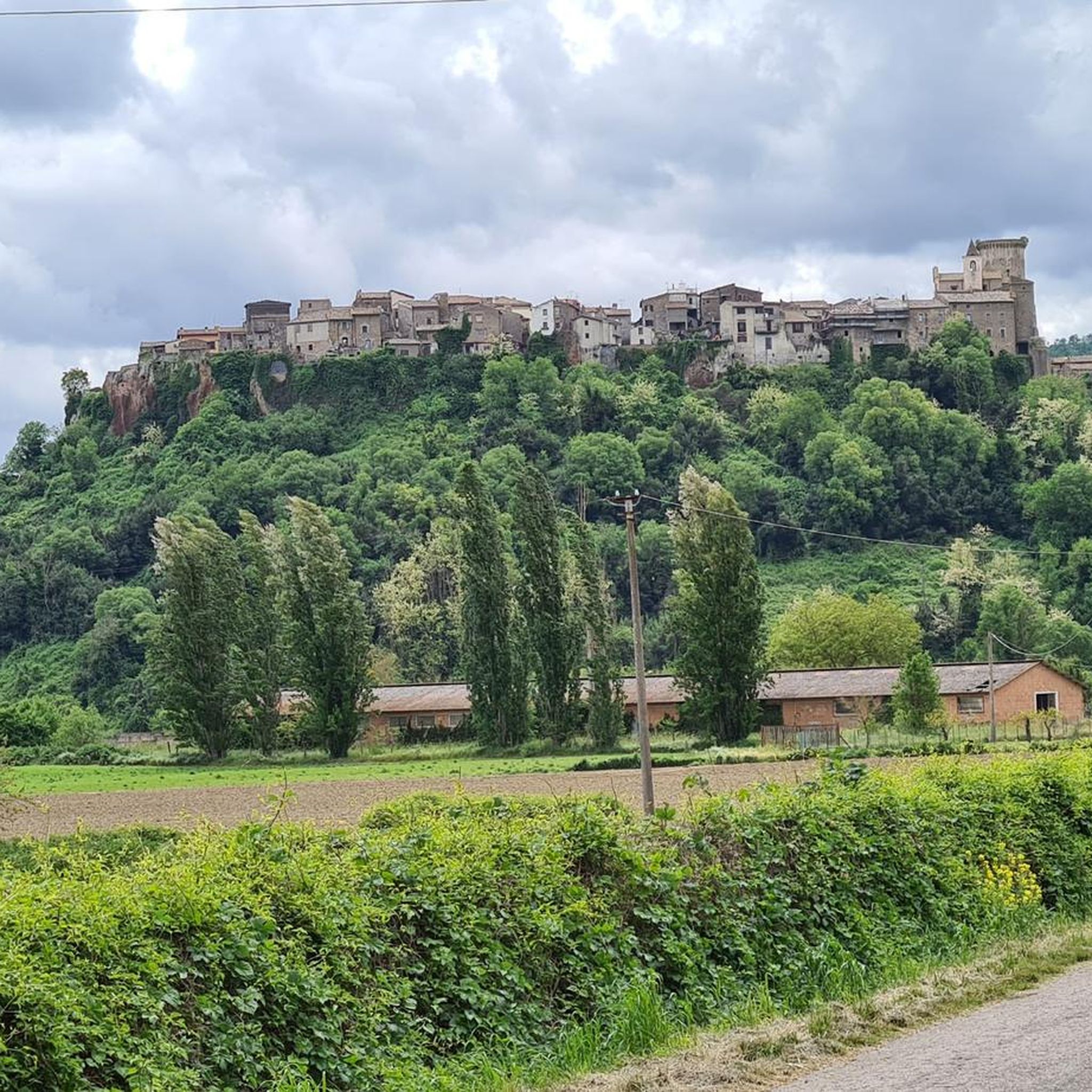
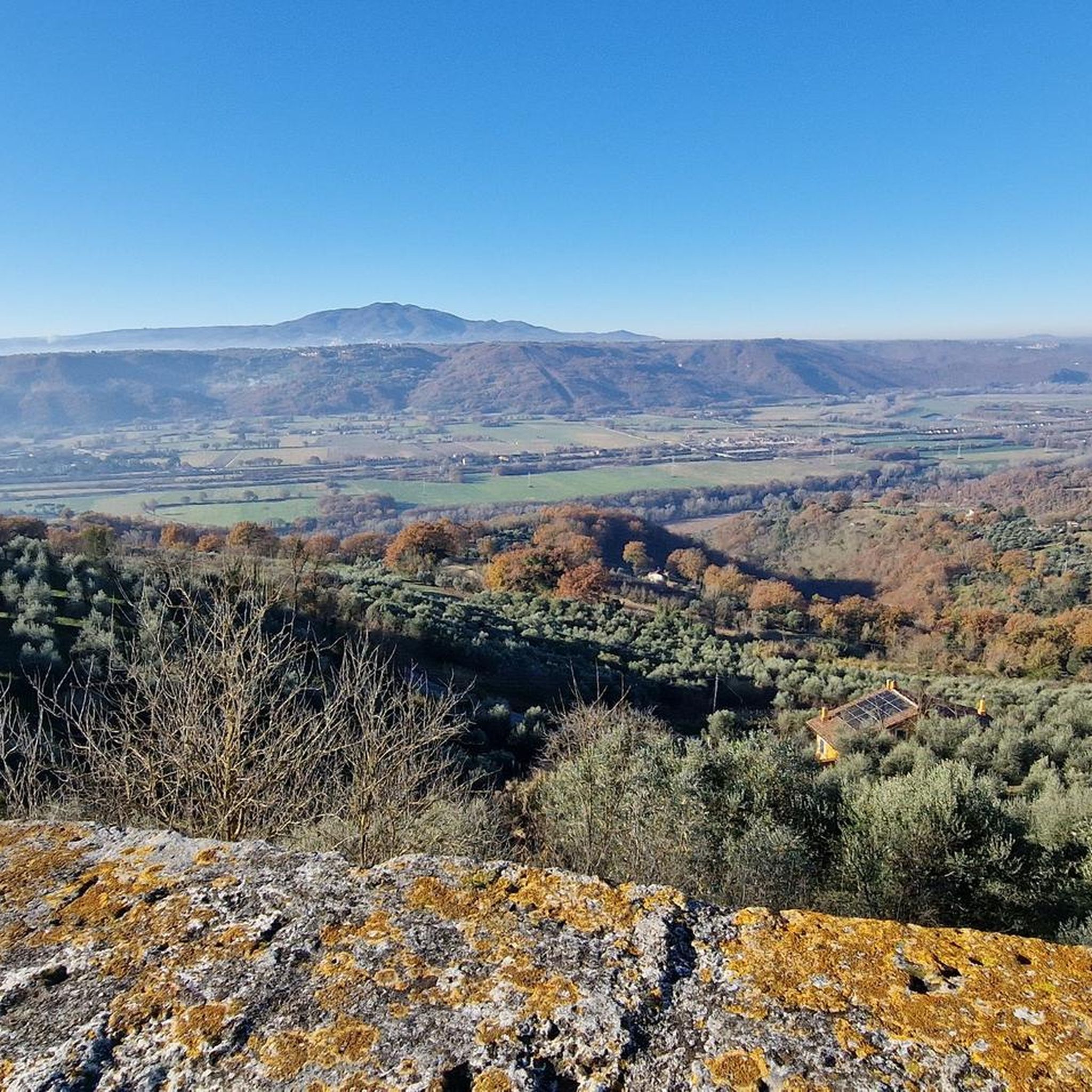
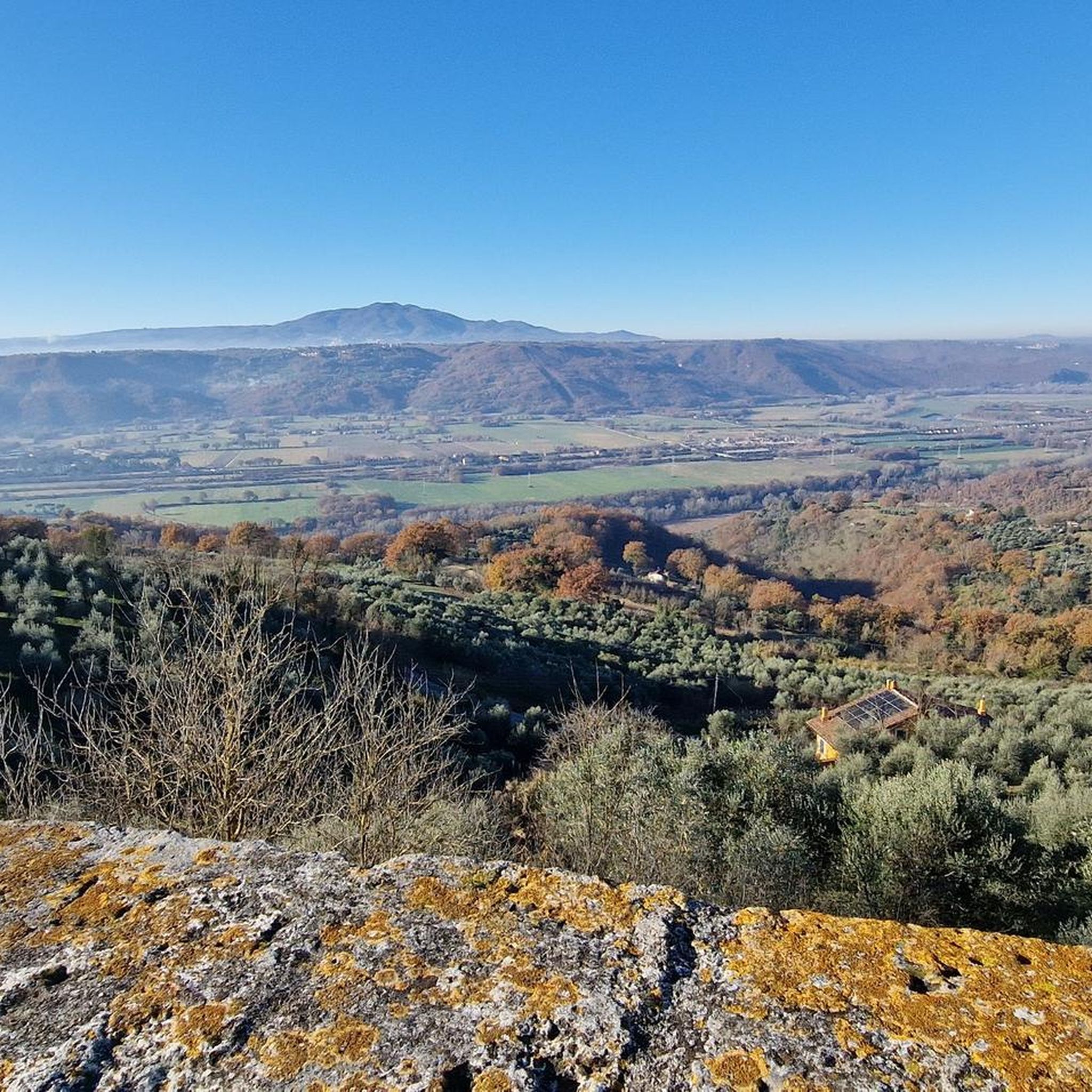
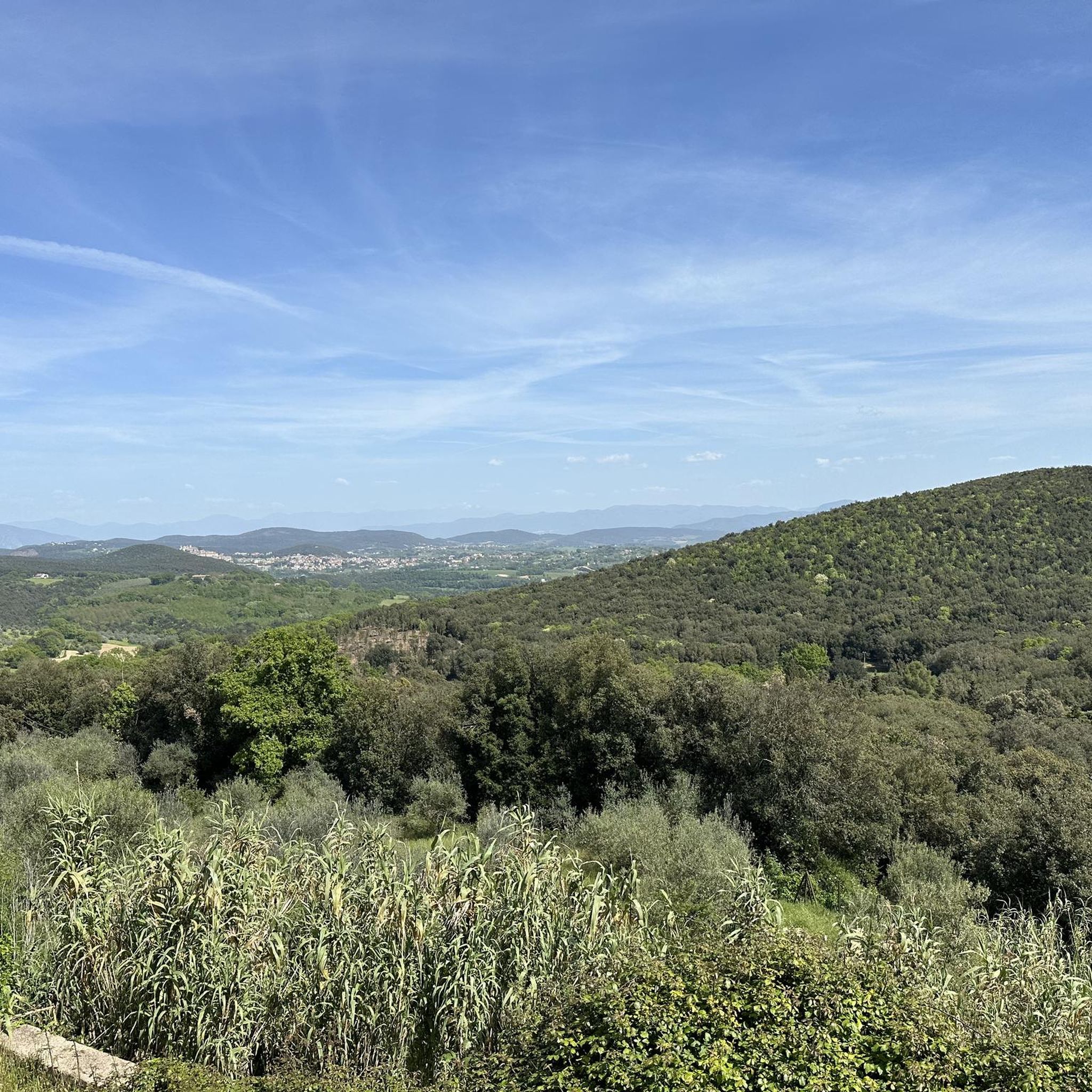
Best attractions and places to see around Giove include a blend of historic landmarks, cultural sites, and natural beauty. This charming hill town in Umbria, Italy, is perched on a ridge overlooking the Tiber Valley, offering panoramic views of the surrounding countryside. The area features ancient Roman and Etruscan influences, alongside medieval architecture and unique natural formations.
Best attractions and places to see around Giove
- The most popular attractions is Etruscan Pyramid of Bomarzo, a historical site that is an enigmatic carved rock formation with steps and grooves. Scholars believe it may have served as a sacrificial altar.
- Another must-see spot is Roman Gate, Amelia, a man-made monument. Visitors can enter the old town through this beautiful gate, which is surrounded by the city wall.
- Visitors also love Sacro Bosco (Park of the Monsters), Bomarzo, the oldest sculpture park in the modern world. It features sculptures depicting mythological animals, divinities, and monsters scattered in a surreal natural landscape.
- Giove is known for its historical sites, man-made monuments, and natural features. The region offers a variety of attractions to see and explore, from ancient ruins to unique parks and viewpoints.
- The attractions around Giove are appreciated by the komoot community, with more than 70 upvotes and 39 photos shared by visitors.
Last updated: May 11, 2026
Etruscan Pyramid of Bomarzo
Highlight • Historical Site
Translated by Google •
Tip by

Historic Center of Orte
Highlight • Historical Site
Translated by Google •
Tip by

Sign up now to discover places like this
Get recommendations on the best single tracks, peaks, & plenty of other exciting outdoor places.
Sign up for free
Sacro Bosco (Park of the Monsters), Bomarzo
Highlight • Monument
Translated by Google •
Tip by
Martelluzzo Waterfall
Highlight • Waterfall
Translated by Google •
Tip by

Roman Gate, Amelia
Highlight • Monument
Translated by Google •
Tip by

Sign up for free to discover even more attractions around Giove.
Sign up for free
Already have an account?
Start today with a free account
Your next adventure awaits.
Login or Signup

Tips from the Community

It is a large boulder of shaped and carved peperino stone, located in a forest between Bomarzo and Chia; It was rediscovered in 2001 by the Archeotuscia association and the archaeological company Pro-Ferento. The structure has 26 steps carved into the volcanic rock, with a height of 8 meters in the upstream part and 16 meters in the downstream part. It is believed to have been an Etruscan rock altar, probably dating back to the 6th-7th century BC, although some hypotheses suggest even older origins.
0
0

The Martelluzzo waterfalls are a small but picturesque waterfall. The ruins of a mill next to the waterfalls make the landscape even more beautiful. The water is less clean than other waterfalls in Tuscia, but it is still worth it because of the beautiful surroundings and the lush vegetation. The waterfalls flow into the Fosso Martelluzzo. Water is an omnipresent element on the route to the Martelluzzo waterfalls. In front of the ruined medieval fortress you have a view of the Vezza river valley. Then you reach the Fosso del Martelluzzo with its beautiful waterfall.
0
0

Magical place to visit in all seasons
0
0

Porta Romana is the most central and majestic of the four gates that allow access to the historic center and is also the most modern of the four, its current appearance in fact dates back to the century. XVI when it was modified and built in travertine.
0
0

Surrounded by the city wall, you can enter the old town here.
0
0

The Sacro Bosco known as Monster Park for the grotesque sculptures present is the oldest sculpture park in the modern world. Near Orsini, lord of Bomarzo, he built it starting from the middle of the 16th century. Overcoming the dominant idea of the Italian Renaissance garden, Vicino creates a work that is not easy to decipher, fitting into the new naturalistic architectural vision of the end of the Renaissance. Immersed in lush nature, the park takes the form of a hermeneutical labyrinth populated by symbolic sculptures that escape classical composure giving way to a Mannerist taste for the bizarre and the occult. A visit to the park is, however, a particularly interesting experience as it combines art, magic and literature whose references are not always decipherable.
0
0


Given its shape, it could recall a religious altar, but it is really an ancient and mysterious pyramid discovered only in 1911.
1
1
Frequently Asked Questions
What historical and cultural sites can I explore in and around Giove?
Giove is rich in history. You can visit the impressive Palazzo Ducale (Castello di Giove), a 16th-century Renaissance fortress dominating the skyline. The Historic Center of Giove itself offers narrow alleys and medieval charm, including the 'Tavola delle misure'. Nearby, explore the ancient Historic Center of Orte, an Etruscan and Roman city perched on a cliff overlooking the Tiber Valley. Don't miss the Roman Gate, Amelia, which allows entry into Amelia's old town through its ancient walls.
Are there any unique natural features or viewpoints near Giove?
Yes, Giove's elevated position provides stunning panoramic views of the Tiber Valley, including glimpses of Orte, Orvieto, and the distant Apennine peaks. You can also discover the romantic ruined mill known as the 'Mulinaccio' of Giove, lost in the woods of the Tiber Valley. For a unique natural and historical blend, visit the Etruscan Pyramid of Bomarzo, an enigmatic carved rock formation that scholars believe may have served as a sacrificial altar.
What kind of outdoor activities are available around Giove?
The area around Giove offers various outdoor activities. For hiking, you can explore trails like the 'Cammino di San Valentino,' an approximately 8-kilometer path leading to an ancient Roman river port. Komoot also features several hiking routes around Giove, including the 'Etruscan Pyramid and Santa Cecilia Necropolis Trail'. If you enjoy cycling, there are numerous road cycling routes and gravel biking options available.
Are there family-friendly attractions near Giove?
Absolutely! A fantastic family-friendly option is the Sacro Bosco (Park of the Monsters), Bomarzo. This 16th-century sculpture park features whimsical and monstrous figures scattered in a natural landscape, offering a surreal and engaging experience for all ages. The Roman Gate, Amelia also provides a fascinating entry point to explore the charming old town of Amelia, which can be an enjoyable walk for families.
What is the best time of year to visit Giove for outdoor activities and sightseeing?
Giove, like much of Umbria, is pleasant in spring (April-May) and autumn (September-October) when the weather is mild and the countryside is vibrant. These seasons are ideal for exploring historical sites, enjoying panoramic views, and engaging in outdoor activities like hiking and cycling without the intense heat of summer.
Where can I find waterfalls or other water features near Giove?
You can visit the Martelluzzo Waterfall, a picturesque waterfall with the ruins of a mill nearby, adding to its scenic beauty. While the water might not be as pristine as some other waterfalls in Tuscia, the lush vegetation and beautiful surroundings make it a worthwhile visit. Additionally, Lake Alviano, located about 15 km from Giove, is an excellent destination for birdwatching and observing wildlife.
What are some lesser-known churches or religious sites in Giove?
Beyond the main landmarks, Giove features several notable churches. The Church of San Giovanni Battista has a simple brick facade within the historic village. The Church of Santa Maria Assunta, built in 1740 in Rococo style, houses a panel painting attributed to Niccolò Alunno. The Church of San Rocco contains 16th-century frescoes, and the Church of Madonna del Perugino is named after a 17th-century Madonna image. The Convent of Santa Maria del Gesù, founded in the early 17th century, also has historical significance.
What do visitors particularly enjoy about the attractions around Giove?
Visitors appreciate the blend of history, culture, and natural beauty. The Etruscan Pyramid of Bomarzo is noted for its enigmatic nature and historical significance. The Sacro Bosco (Park of the Monsters), Bomarzo is loved for its surreal landscape and unique sculptures, often surprising visitors with its 16th-century origins. The charm of entering old towns through gates like the Roman Gate, Amelia is also frequently highlighted.
Are there options for gravel biking near Giove's attractions?
Yes, there are several gravel biking opportunities. You can find various gravel biking routes around Giove. For example, there are routes that loop from Amelia, taking you past the Roman Gate, Amelia, and exploring the surrounding countryside.
What is the significance of Giove being one of 'Italy's Most Beautiful Villages'?
Giove's inclusion in 'I Borghi più belli d'Italia' (Italy's Most Beautiful Villages) highlights its exceptional historical, artistic, and natural heritage. This recognition underscores the town's well-preserved medieval character, its stunning panoramic views over the Tiber Valley, and its overall charm, making it a highly recommended destination for those seeking authentic Italian experiences.
Can I find evidence of ancient Roman settlements near Giove?
Yes, the area around Giove has a rich Roman history. The 'Cammino di San Valentino' trail leads to the site of an ancient Roman river port on the Tiber, where a church dedicated to Saint Valentine once stood. Evidence of Roman settlement, including tombs, coins, and ruins, can still be found in this area, indicating Giove's ancient prosperity due to its strategic river location.
Most popular attractions around Giove

Get inspired with the komoot mobile app


Explore more
Still not found the Highlight you’re looking for? See guides of the top attractions in other regions:
