Attractions and Places To See around Allerona - Top 20
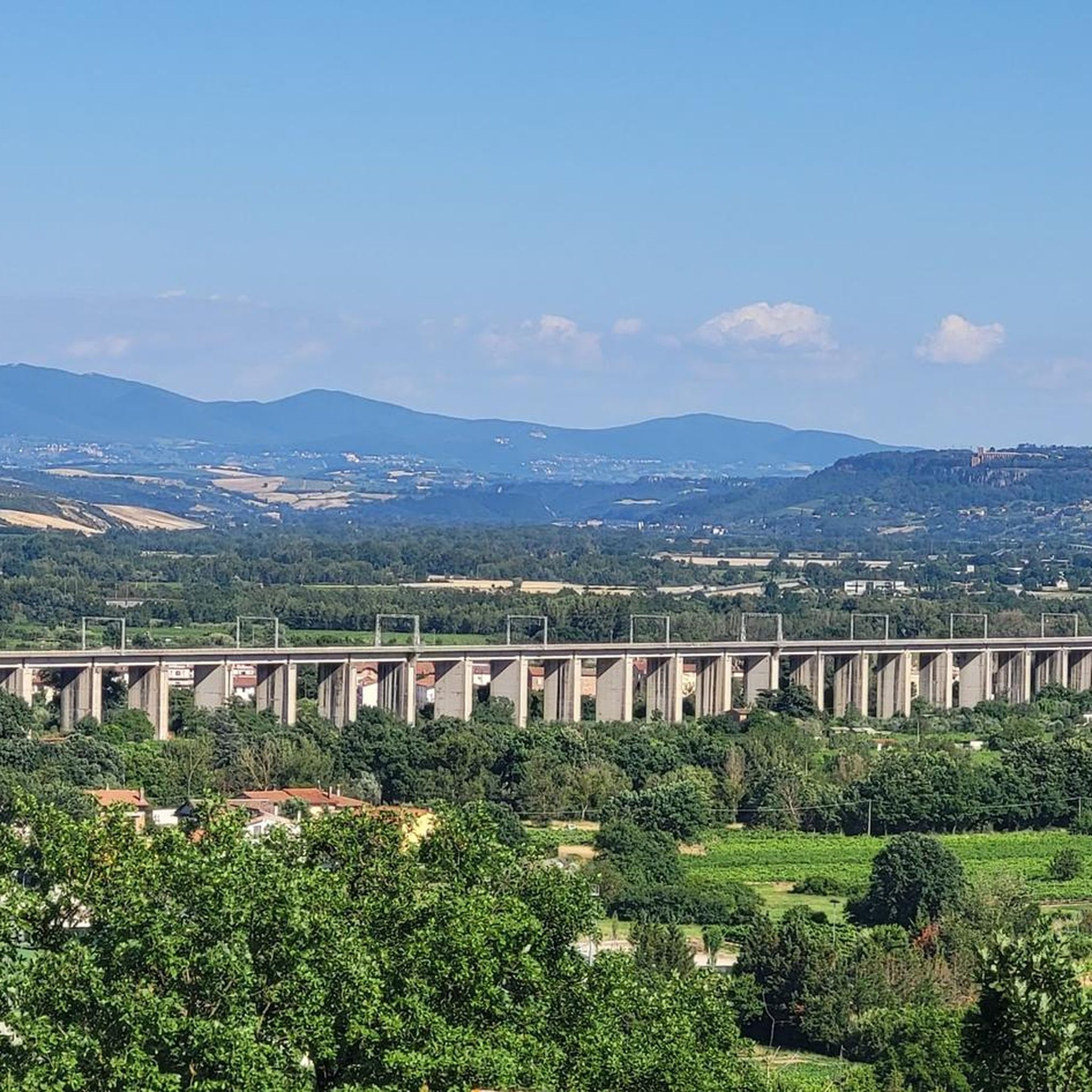
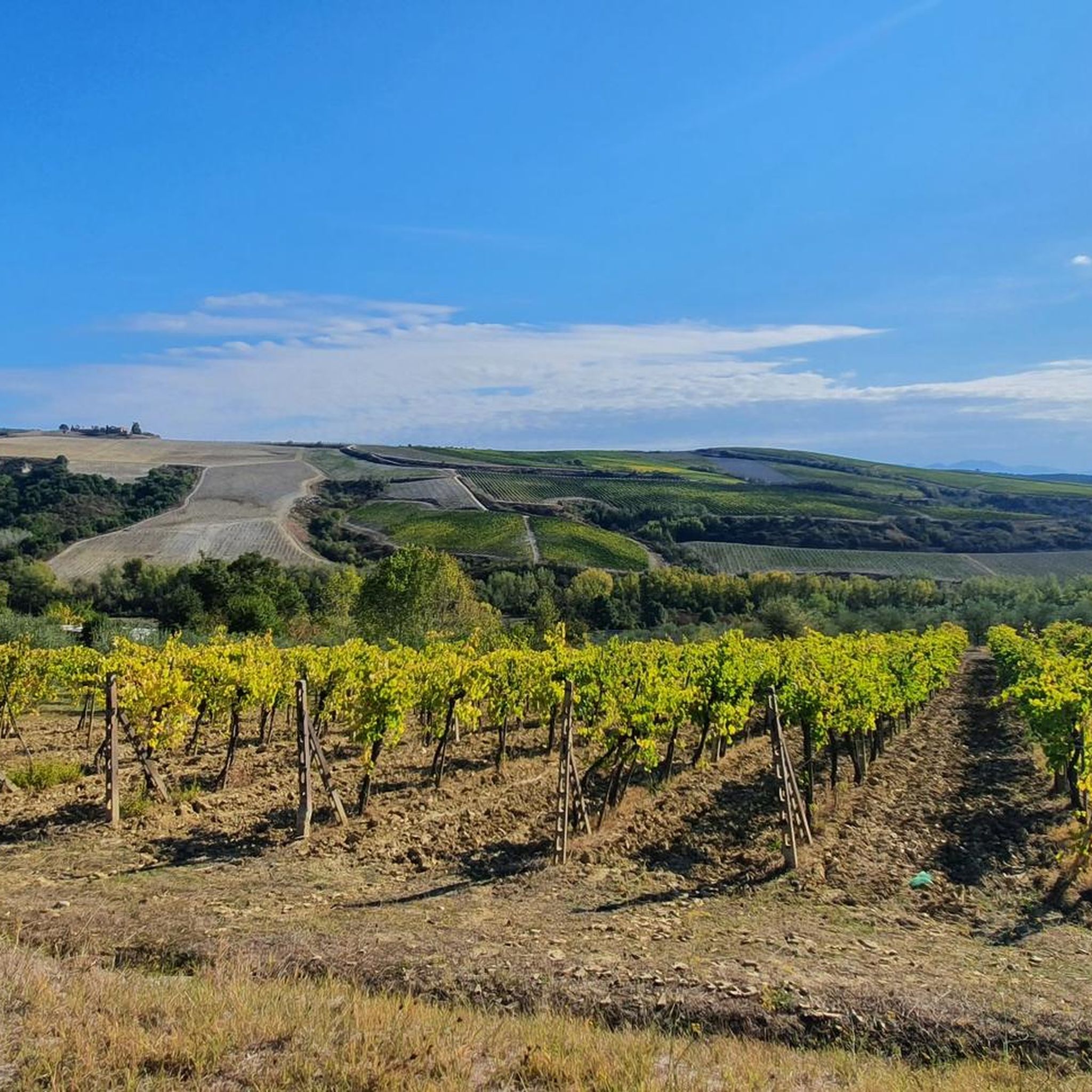
Best attractions and places to see around Allerona include historical landmarks, natural reserves, and medieval architecture. Allerona is a medieval hilltop town in Umbria, Italy, offering views of the surrounding Umbrian and Tuscan hills. The area features forests, vineyards, and olive groves, providing a blend of cultural and natural experiences.
Best attractions and places to see around Allerona
- The most popular attractions is Orvieto Cathedral, a religious building that is a masterpiece of Gothic architecture in central Italy. Its construction began in the 13th century and involved many important Italian artists.
- Another must-see spot is Albornoz Fortress (Fortezza dell'Albornoz), a castle located at the entrance to Orvieto. Visitors can explore it free of charge and enjoy views of the eastern outskirts of Orvieto.
- Visitors also love San Casciano dei Bagni, a settlement in the province of Siena, Tuscany. This town is recognized as one of the most beautiful villages in Italy and is situated on a panoramic hill.
- Allerona is known for its historical landmarks, natural reserves, and medieval architecture. The region offers a variety of attractions to see and explore, from ancient gates to protected woodlands.
- The attractions around Allerona are appreciated by the komoot community, with 2 highlights receiving more than 150 upvotes and featuring over 270 photos.
Last updated: May 9, 2026
Orvieto Cathedral
Highlight • Religious Site
Translated by Google •
Tip by

Albornoz Fortress (Fortezza dell'Albornoz)
Highlight • Castle
Translated by Google •
Tip by

Sign up now to discover places like this
Get recommendations on the best single tracks, peaks, & plenty of other exciting outdoor places.
Sign up for free
Palazzo del Capitano del Popolo
Highlight • Historical Site
Translated by Google •
Tip by

St. Patrick's Well
Highlight • Monument
The fountain is located directly at the exit of the rack railway and the large visitor parking lot of Orvieto.
Translated by Google •
Tip by

San Casciano dei Bagni
Highlight • Settlement
Translated by Google •
Tip by

Sign up for free to discover even more attractions around Allerona.
Sign up for free
Already have an account?
Start today with a free account
Your next adventure awaits.
Login or Signup

Other adventures around Allerona

Tips from the Community

A beautiful park located right next to St. Patrick's Well, offering a stunning view. Just before the entrance, on the right, there's also a beautiful War Memorial.
0
0

Beautiful structure, don't miss a visit inside
0
0
Don't miss a visit
0
0

Fundamental attraction of historical and cultural value, located at the entrance to the city. It can be visited completely free of charge. Inside there is a public municipal garden. The latter requires some maintenance work. Four stars for the views that the fortress walls offer. Here I found the CAI headquarters of Orvieto
2
0
The average duration of the visit is about 20/30 minutes. It is not necessary to show up at the ticket office well in advance. The well, dug into the tuff, a depth of over 60 meters, has two spiral staircases, one to go down (248 steps) and the other to go up (249 steps). The place is well ventilated and not cramped; the construction of the stairs is beautiful, which, with a double helix system, ensures that those going down and those going up never meet. The descent is quite calm, the climb a little tiring, but it is absolutely worth it. Definitely recommended
1
0
The Palazzo del Popolo, now used as a conference center, is not open internally to tourists and visitors, it can be visited freely from the outside "Always a symbol of the power of the people" This majestic palace, located in the large Piazza del Popolo, was built around the 14th century and was the home of a very important institutional figure in the political life of the city in medieval times: the Capitano del Popolo.
1
0

The town hall square is dominated by the Palazzo Del Capitano Del Popolo and also has a few nice restaurants. The market is also held here. You can't go into the Palazzo Del Capitano Del Popolo, but you can go up the stairs and onto the large balcony.
1
0
Great view of the surrounding area and the steep flanks of Orvieto, which is built on a tuff plateau.
0
0
Frequently Asked Questions
What historical landmarks can I explore in Allerona?
Allerona's rich history is evident in its medieval architecture. You can explore the ancient medieval gates like Porta del Sole and Porta della Luna, which once guarded the town. Other significant historical sites include the 14th-century Visconteo Palace and the ruins of the Feudal Castle of Lerona, an important bulwark for Orvieto in the 12th century.
Are there any natural parks or reserves near Allerona?
Yes, the Selva di Meana Natural Reserve (S.T.I.N.A. Nature Park) is a significant natural attraction offering hiking and cycling trails through unspoiled woodlands. Additionally, Villalba Park, a 20-hectare wooded area, provides another inviting natural space with diverse flora and fauna.
What outdoor activities are available around Allerona?
The area around Allerona is excellent for outdoor enthusiasts. You can find numerous routes for hiking, running, and cycling. For example, there are hiking trails like the 'Charcoal Burners' Village – View of Monte Rufeno loop' and cycling routes such as the 'Allerona Scenic Viewpoint loop'. You can find more details on these activities in the Hiking around Allerona, Running Trails around Allerona, and Cycling around Allerona guides.
Can I find family-friendly attractions in the Allerona area?
Absolutely. Many attractions in the wider Allerona area are suitable for families. For instance, the Albornoz Fortress in Orvieto offers historical exploration with great views and a public garden. The Selva di Meana Natural Reserve and Villalba Park also provide natural settings for family walks and exploration.
What are some notable churches to visit in Allerona?
Allerona is home to several historic churches. The Church of San Michele Arcangelo is a central part of village life. You can also visit the 15th-century Church of Santa Maria Assunta, the Church of Santa Maria della Stella with its frescoes by A. Viligiardi, and the small, octagonal Church of the Madonna dell'Acqua, built over a spring believed to be miraculous.
Where can I experience panoramic views near Allerona?
Allerona's elevated position provides breathtaking views over the surrounding forests, vineyards, and the rolling Umbrian countryside, extending towards the Monte Rufeno Nature Reserve. The Albornoz Fortress in Orvieto also offers expansive views of the eastern outskirts of the city.
What cultural events or traditions are unique to Allerona?
Allerona is known for its local traditions, including the characteristic St. Isidoro festival, held on the third Sunday in May, which features a historical procession with allegorical floats depicting rural life. The town also hosts a national amateur theatre festival in late July/early August, with performances held in the historic center.
Are there opportunities to taste local food and wine in Allerona?
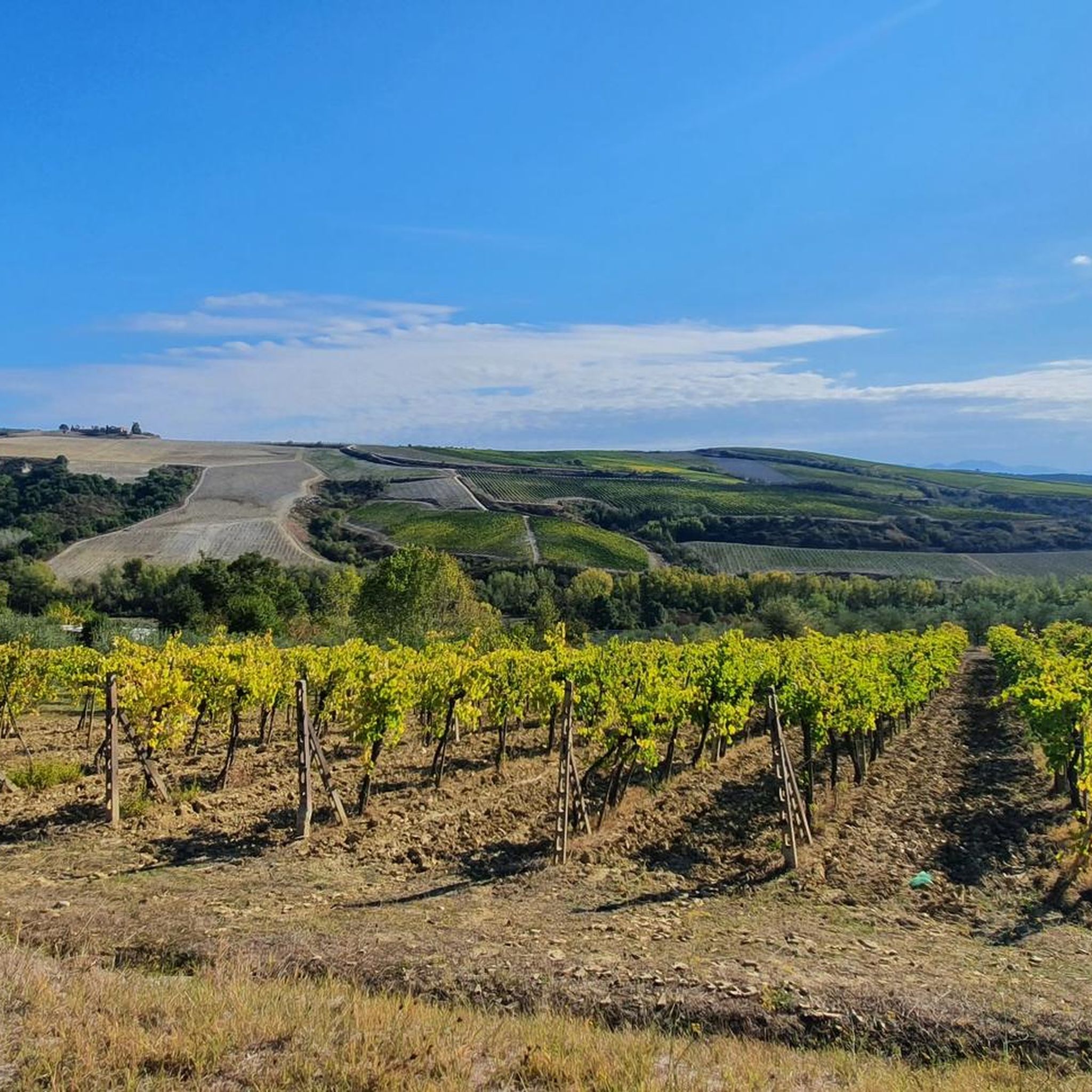
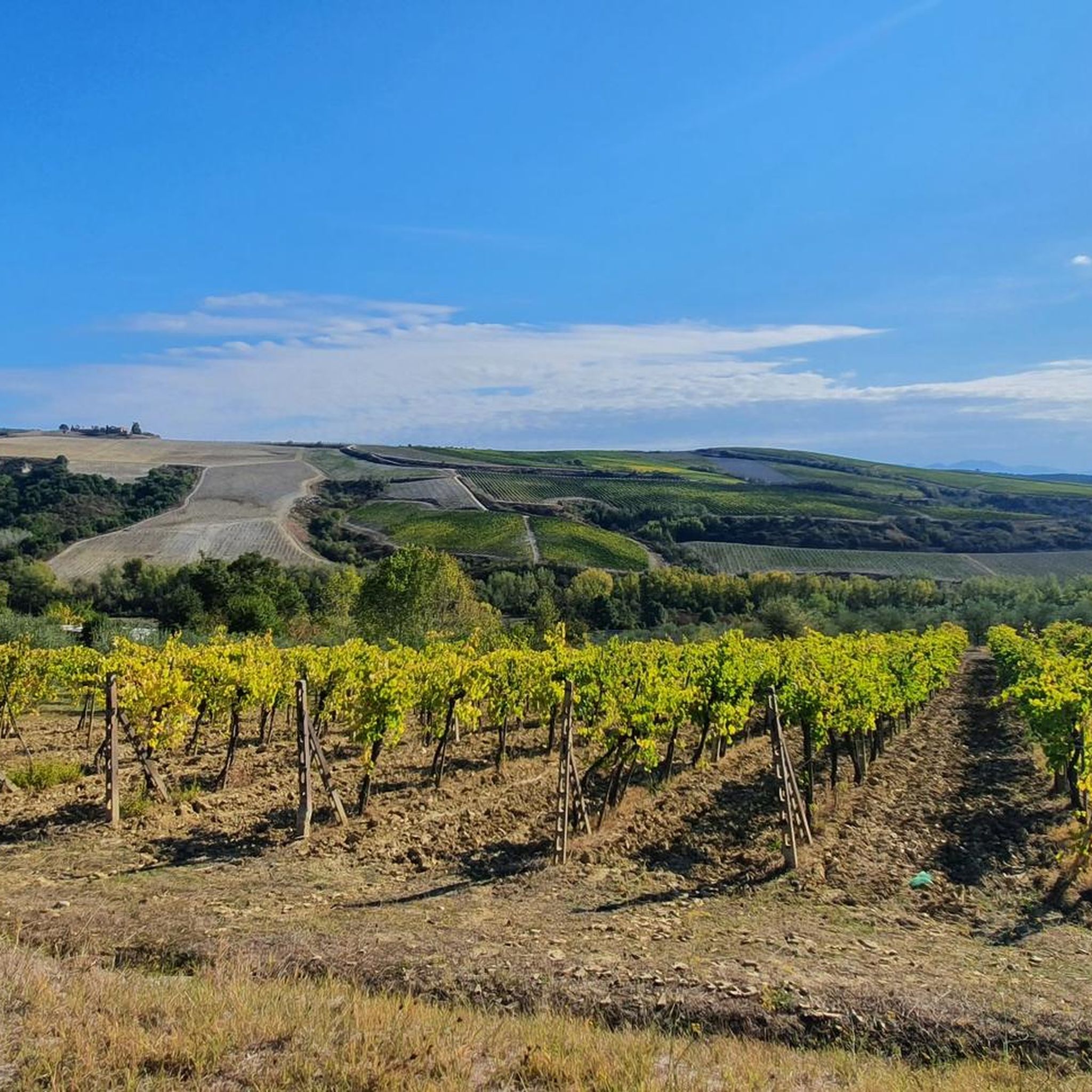
Yes, the fertile soil of the surrounding hills supports the production of local wine and olive oil. Visitors can sample typical Umbrian foods such as handmade pasta, wild boar dishes, and local truffles at restaurants and eateries in and around Allerona.
What are some interesting day trips I can take from Allerona?
Allerona serves as an ideal base for exploring other nearby attractions in Umbria and Tuscany. Popular day trip destinations include the historic city of Orvieto, the scenic Lake Corbara, Civitella del Lago, Montecchio, Trevinano, and the charming town of San Casciano dei Bagni, recognized as one of the most beautiful villages in Italy.
What is the significance of Allerona's medieval gates?
The medieval gates, such as Porta del Sole and Porta della Luna, are significant because they are the ancient entry points to Allerona's historic center. They are arched stone gateways that once guarded the town's fortified heart, offering a tangible link to its strategic past as a medieval hilltop settlement.
Is there a unique villa or garden to visit in the Allerona area?
Yes, Villa Cahen, located within the Selva di Meana Park, is a unique Art Nouveau villa from 1880. It is notable for its rich Italian and Japanese gardens, which are meticulously maintained and feature a variety of rare trees and plants, offering spectacular regional views.
What is the best time of year to visit Allerona for outdoor activities?
The spring (April-May) and autumn (September-October) months are generally ideal for outdoor activities in Allerona. During these seasons, the weather is pleasant, with mild temperatures perfect for hiking, cycling, and exploring the natural reserves, and the landscape is particularly beautiful with blooming flowers or autumn foliage.
Are there any ancient Roman sites near Allerona?
Yes, archaeological traces from the Roman period can be found in the vicinity of Allerona. These include stretches of the ancient Via Cassia and marker stones from the Via Traiana Nova, offering a glimpse into the region's Roman heritage.
Most popular attractions around Allerona

Get inspired with the komoot mobile app


Explore more
Still not found the Highlight you’re looking for? See guides of the top attractions in other regions:
