Attractions and Places To See around Monteleone D'Orvieto - Top 20
Best attractions and places to see around Monteleone D'Orvieto include a medieval hamlet recognized as one of "I Borghi più belli d'Italia." This area, nestled between Umbria and Tuscany, offers panoramic views of the surrounding countryside. Visitors can explore historical landmarks, cultural sites, and natural features. The region provides a blend of history and natural beauty, with ancient stone buildings and expansive landscapes.
Best attractions and places to see around Monteleone D'Orvieto
- The most popular attractions is Baciadonne Alley,…
Last updated: July 7, 2026
Baciadonne Alley
Highlight • Structure
Translated by Google •
Tip by

Sanctuary of Santa Maria di Mongiovino
Highlight • Religious Site
Translated by Google •
Tip by

Sign up now to discover places like this
Get recommendations on the best single tracks, peaks, & plenty of other exciting outdoor places.
Sign up for free
Callone Pontificio del Campo alla Volta
Highlight • Monument
Translated by Google •
Tip by

Salci village
Highlight • Settlement
Translated by Google •
Tip by

Panoramic road between Città della Pieve and Monteleone d'Orvieto
Highlight • Cycleway
Translated by Google •
Tip by

Sign up for free to discover even more attractions around Monteleone D'Orvieto.
Sign up for free
Already have an account?
Start today with a free account
Your next adventure awaits.
Login or Signup
Tips from the Community

Beautiful hike, however, it should be noted that a little before marker 4 on the intermediate-level circuit map, the path is difficult to access. It seems that it is now partly private (in the forest), and logs have been piled in the middle of a very narrow path, making it difficult to navigate. It might be possible to take another route to bypass this inconvenience. Otherwise, we recommend it; it was beautiful and pleasant! And the sanctuary is truly magnificent: a beautiful starting and finishing point.
0
0

Isolated and in a little-known place, this sanctuary seemed to be heading towards a slow and unstoppable decline, then it was included by the FAI in the list of Places of the Heart and a process of recovery and recovery began. The story of the origins of the sanctuary is similar to that of Lourdes, as it was built on the site where the Virgin appeared to a shepherdess. It has long been a destination for pilgrimages and was the church of the local lords whose tombs it houses. The church has not only religious value but is also of great artistic interest. The building is architecturally imposing and richly decorated inside with valuable works by Pomarancio and other talented painters from the second half of the 16th century. The surrounding buildings, less well preserved, reveal a place of peace and quiet.
0
0

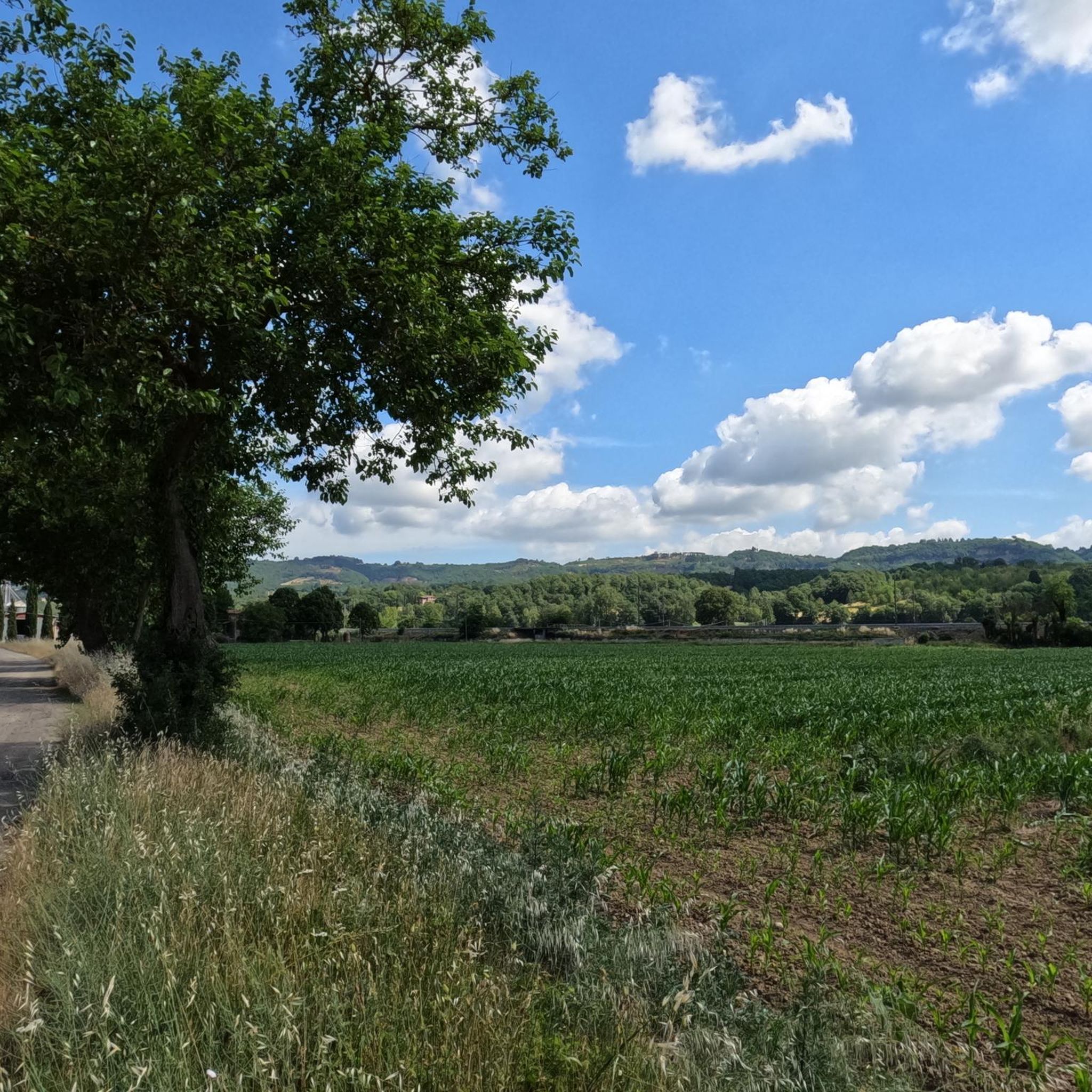
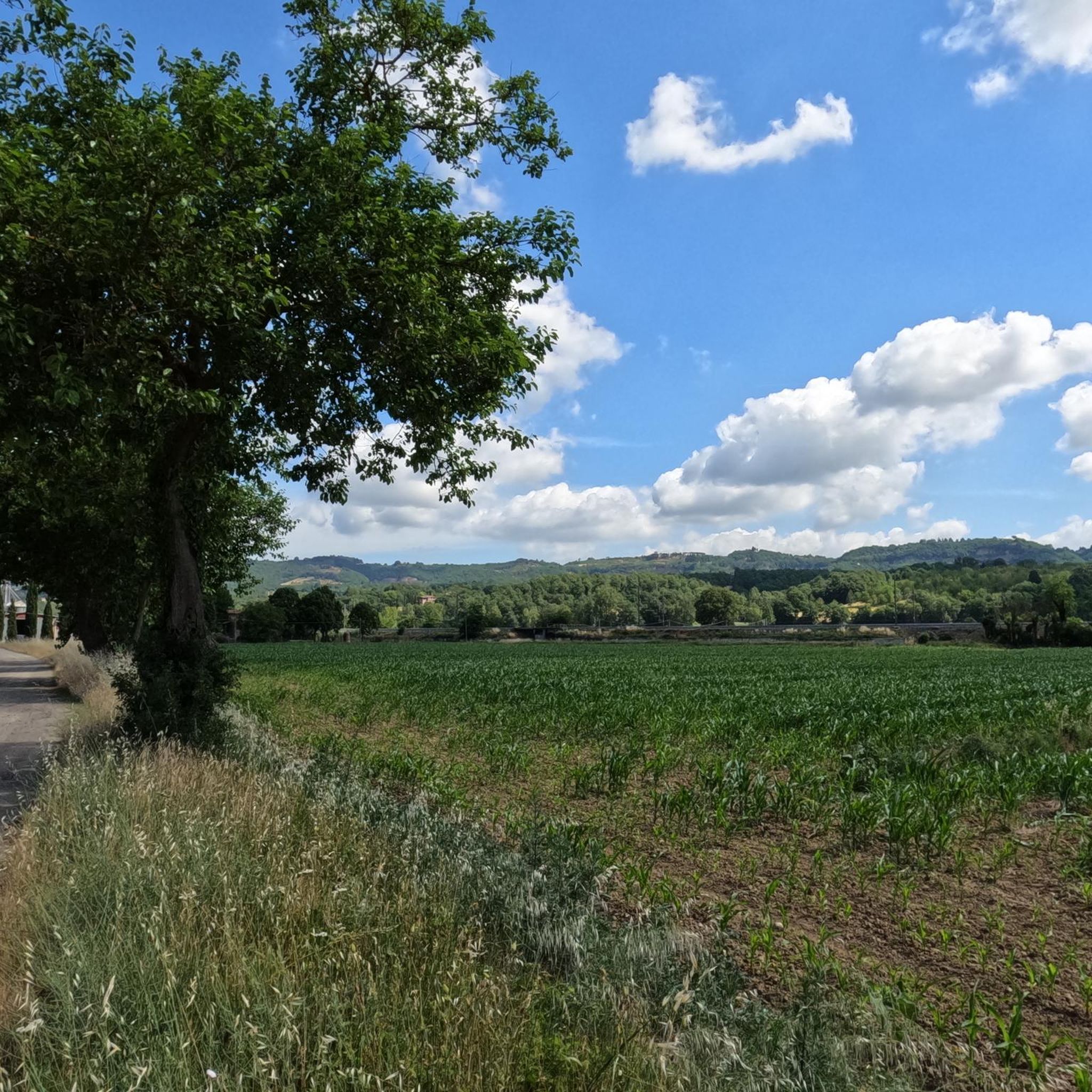
The ancient village of Salci is now uninhabited. The structures are undergoing maintenance but it is possible to access the main street and the square for a quick visit. The village is truly beautiful and deserves a stop during your excursion. The road to get there is on beaten terrain with a hard and smooth surface suitable for mountain biking and gravel
0
0

The village stands on these hills, embellished with bright red terracotta bricks. Once in the narrow streets of the old town, the atmosphere changes: it seems to go through a time portal to the Middle Ages, an era of knights and battles, in which the village was a faithful ally of Siena. However, the fact that cars can circulate in the historic center is a negative underline, as it does not allow its authentic splendor to emerge. In Città della Pieve there is the "vicolo Baciadonne", considered the narrowest alley in Italy due to its narrow width.
2
0

A well-preserved village, it seems more like being restored. To get there you have to take a nice white road uphill.
1
0

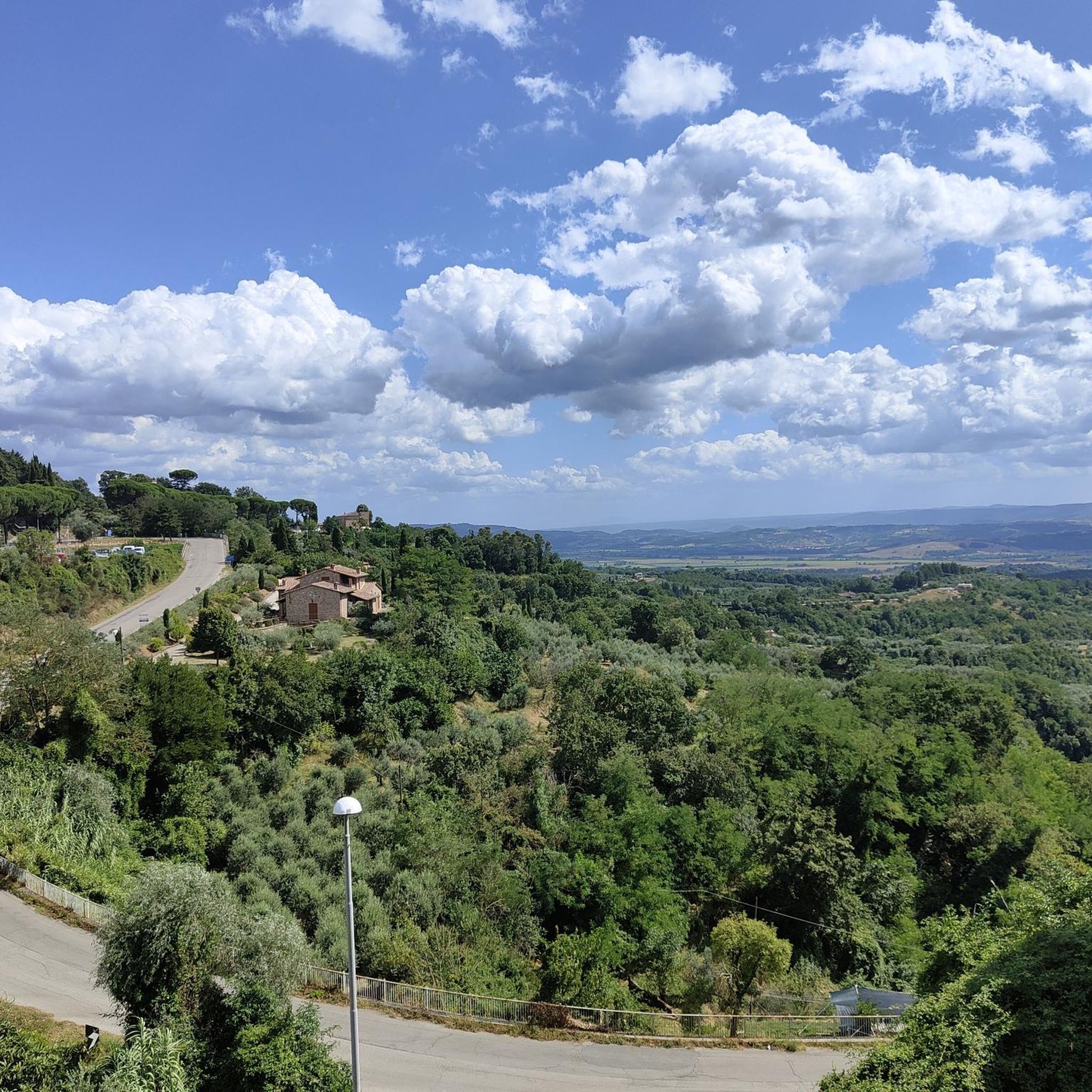
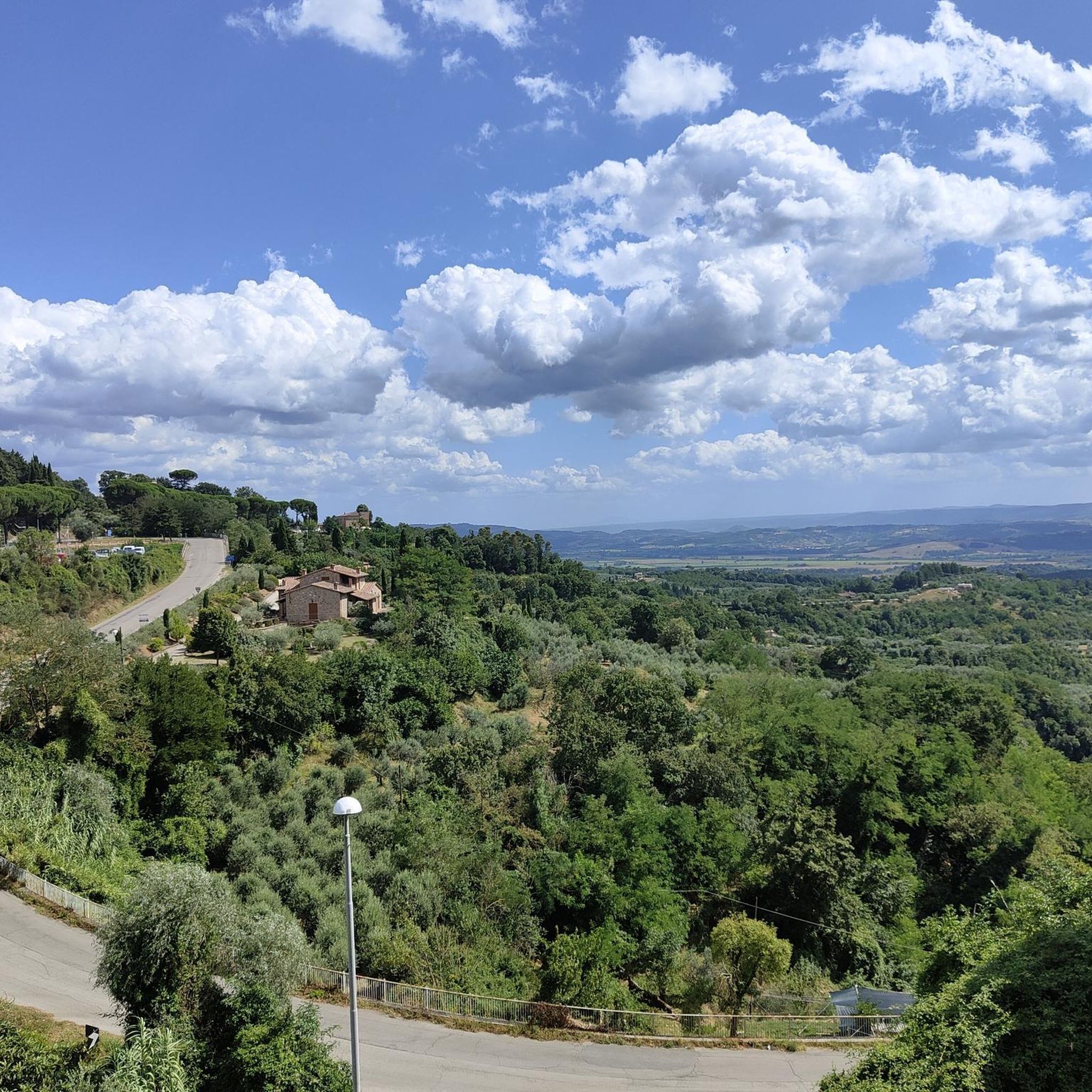
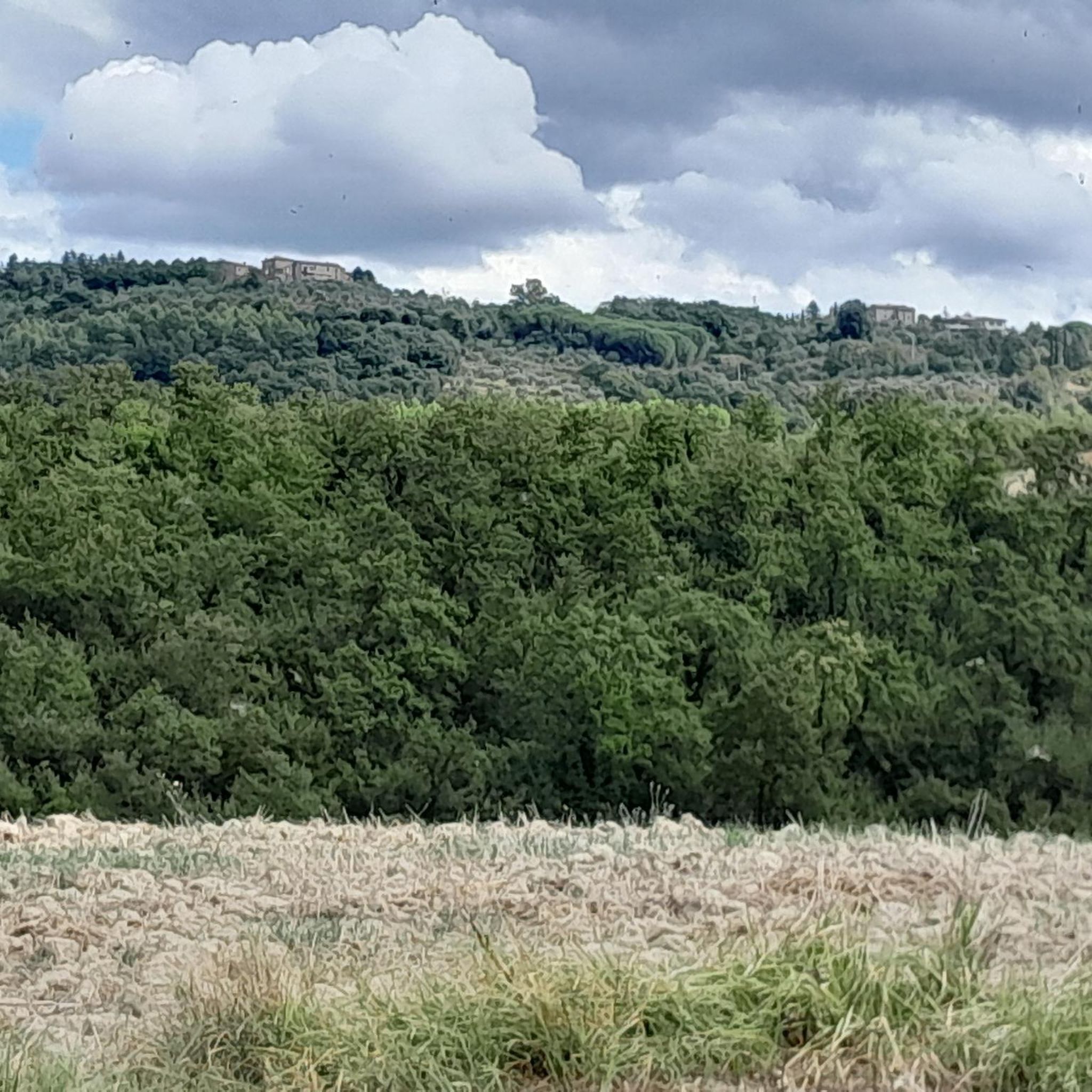
A stretch of road from Monteleone d'Orvieto to Città della Pieve, full of panoramic views overlooking the Umbrian countryside, very pleasant to cycle both for the gentle slopes and the not too "invasive" traffic.
2
0

Located in the valley floor, between Chiusi Stazione and Ponticelli, it is one of the most notable examples of hydraulic engineering, consisting of a bridge on which the elegant brick building built in the 18th century as a regulator of the waters of the Chianetta canal rests, in the period of the reclamation of the Chiana Romana, erroneously attributed to the great architect Andrea Vici, who instead designed the large plaque placed in the main front. The project of the complex is due to Egidio Maria Bordoni in collaboration with Antonio Felice Facci. The construction of the Callone was a consequence of the agreements signed in the church of San Agostino in Città della Pieve between the Papal State and the Grand Duchy of Tuscany for the reclamation of the Valdichiana.
2
0

A beautiful panoramic road connecting two splendid villages overlooking the Val di Chiana, Città della Pieve and Monteleone di Orvieto.
1
0
Frequently Asked Questions
What historical landmarks can I explore in Monteleone D'Orvieto?
Monteleone D'Orvieto is rich in history. You can explore remnants of the original
Monteleone Castle and Northern Gate, the historically significant Torre Mozza, and the Il Torrione, which offers panoramic views. The town's authentic medieval character is also evident in its ancient stone buildings, narrow streets, and winding alleyways, such as Via Dritta and Via Torta. Don't miss the Torre dell'Orologio, a civic tower from the late 19th century.
Are there any significant religious sites in the area?
Yes, the area features several notable religious sites. The Santuario di Santa Maria di Mongiovino is an impressive church known for its multiple domes, intricate frescoes, and a separate bell tower. The Church of Santi Apostoli Pietro e Paolo, central to the original castle, houses an altarpiece attributed to the school of Perugino. Additionally, the 17th-century Church of Santissimo Crocefisso features a beautiful Baroque altar.
Where can I find the best panoramic views around Monteleone D'Orvieto?
Monteleone D'Orvieto is perched on a hilltop, offering expansive, breathtaking views. The Il Torrione (Big Tower) provides magnificent panoramic views of the surrounding Umbrian, Tuscan, and Lazio landscapes. You can also enjoy scenic vistas from the Panoramic road between Città della Pieve and Monteleone d'Orvieto, which offers views of the Umbrian countryside.
What cultural experiences does Monteleone D'Orvieto offer?
Beyond its historical architecture, Monteleone D'Orvieto boasts the Teatro dei Rustici, one of the smallest and oldest active theaters in Italy and Europe. The village also contains a museum where visitors can explore local history and heritage. The community spirit is vibrant, especially during local festivals like the *Presepe Vivente* (living nativity scene) at Christmas, the *Sagra degli Gnocchi* in mid-June, and *Festa di San Lorenzo* in July.
Are there family-friendly attractions or activities in Monteleone D'Orvieto?
Yes, there are several family-friendly options. The nearby Baciadonne Alley in Città della Pieve is considered the narrowest alley in Italy and is a fun point of interest. The Sanctuary of Santa Maria di Mongiovino is also suitable for families. Additionally, the Panoramic road between Città della Pieve and Monteleone d'Orvieto offers gentle slopes and pleasant cycling for families.
What cycling routes are available near Monteleone D'Orvieto?
The region around Monteleone D'Orvieto is excellent for cycling. You can find various routes, including the 'Five Municipalities Loop from Fabro' and the 'View of Orvieto' loop. For more options, explore the Cycling around Monteleone D'Orvieto guide, which details routes for touring bicycles, or the Road Cycling Routes around Monteleone D'Orvieto guide for race bike enthusiasts.
Are there opportunities for running or hiking near Monteleone D'Orvieto?
Yes, nature lovers can enjoy hiking trails and peaceful countryside walks amidst lush forests and lively streams. For dedicated running routes, you can find options like the 'Running loop from Fabro' or the 'Running loop from Palazzone'. Discover more trails in the Running Trails around Monteleone D'Orvieto guide.
What local products and cuisine should I try in Monteleone D'Orvieto?
The region is renowned for its culinary delights. Be sure to try local truffles, traditional pizza, and regional wines. Other local delicacies include saffron, the unique Monteleone pear, *umbrichelli* (a type of handmade pasta), and gnocchi, especially during the *Sagra degli Gnocchi* festival.
What is the ancient history of Monteleone D'Orvieto?
Monteleone D'Orvieto has deep historical roots, dating back to ancient times. Archaeological findings indicate that an Etruscan settlement existed in the area between the 3rd and 2nd centuries BC, adding a significant layer to the town's ancient history before its medieval development as a defensive stronghold.
Is there an abandoned village to explore nearby?
Yes, you can visit Salci village, an ancient settlement that is now uninhabited. While the structures are undergoing maintenance, visitors can access the main street and square for a quick visit to this well-preserved village. It offers a unique glimpse into the past.
What natural features characterize the landscape around Monteleone D'Orvieto?
The landscape around Monteleone D'Orvieto is characterized by undulating hills, lush forests, vineyards, and olive groves. The area offers expansive, breathtaking views of the Umbrian countryside, including the Val di Chiana, Monte Arale, and Monte Amiata, stretching into Tuscany and Lazio. The scenery is particularly picturesque, with colors changing beautifully with the seasons.
What is the 'Callone Pontificio del Campo alla Volta'?
The Callone Pontificio del Campo alla Volta is a notable example of hydraulic engineering located in the valley floor between Chiusi Stazione and Ponticelli. It consists of a bridge supporting an elegant brick building from the 18th century, which served as a regulator for the waters of the Chianetta canal during the reclamation of the Chiana Romana. It's an interesting historical site showcasing regional infrastructure development.
Most popular routes around Monteleone D'Orvieto
Most popular attractions around Monteleone D'Orvieto

Get inspired with the komoot mobile app


Explore more
Still not found the Highlight you’re looking for? See guides of the top attractions in other regions:
